
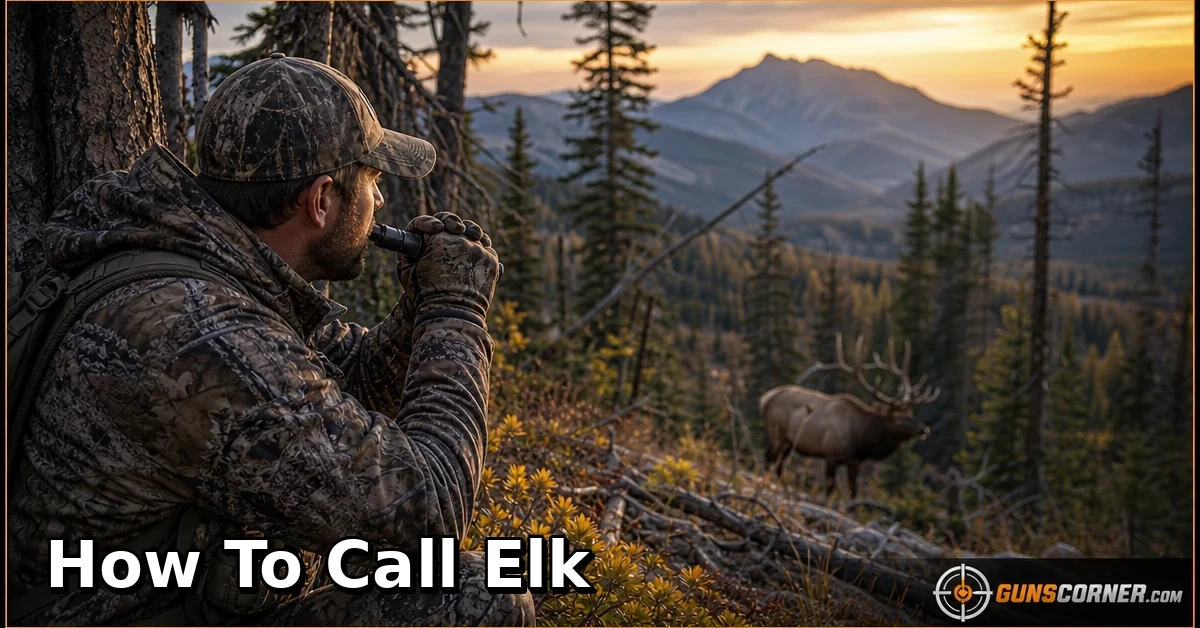

Learning how to call elk is about more than making loud sounds. Successful elk calling combines knowledge of elk behavior, careful scouting, realistic calling, wind awareness, safe positioning, and patience. This guide explains how beginners can practice elk calls, choose the right setup, respond to elk behavior, and make ethical decisions in the field.
To learn how to call elk, first confirm your license, tag, season, equipment, and local regulations. Practice basic cow calls, calf sounds, and bull bugles before hunting, then use calls to communicate with elk already moving through suitable habitat rather than forcing them against their natural instincts. Keep the wind in your favor, stay concealed, and call only when you can identify the animal and maintain a safe, ethical shot opportunity. Elk calling takes practice, patience, and careful observation; it does not guarantee success.
Important Legal and Safety Notice Before You Hunt
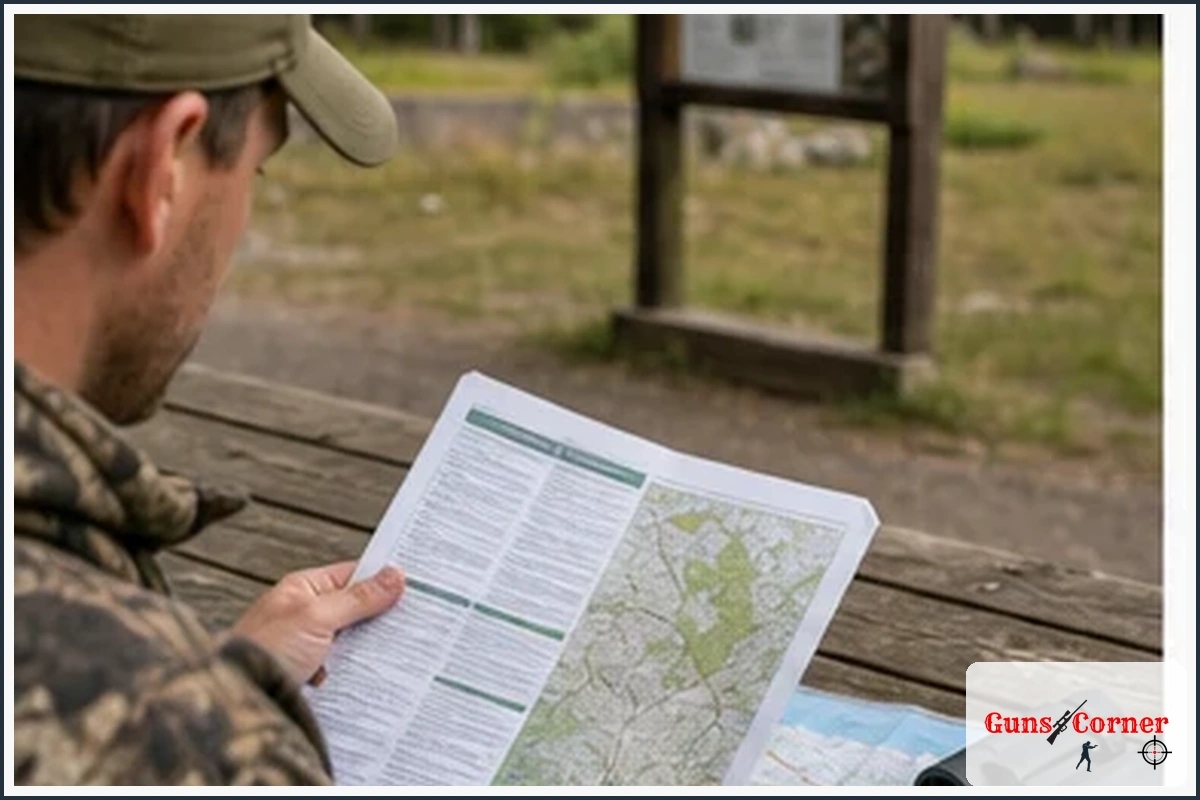
Elk hunting rules vary by country, state, province, season, weapon type, and land classification. Before hunting, check your official wildlife agency for current requirements and restrictions.
- Carry the required hunting license, permit, and elk tag.
- Verify season dates, legal hunting hours, sex restrictions, and harvest limits.
- Confirm which firearms, bows, ammunition, broadheads, and calls are legal.
- Know whether baiting, electronic calls, vehicles, or particular access methods are restricted.
- Confirm public land boundaries or obtain permission before entering private property.
- Wear required visibility clothing, such as blaze orange, when applicable.
- Identify your target and what lies beyond it before releasing an arrow or firing.
- Never call or shoot toward roads, homes, livestock, people, vehicles, or unclear movement.
- Plan for weather, navigation, hydration, first aid, and emergency communication.
How Elk Calling Works
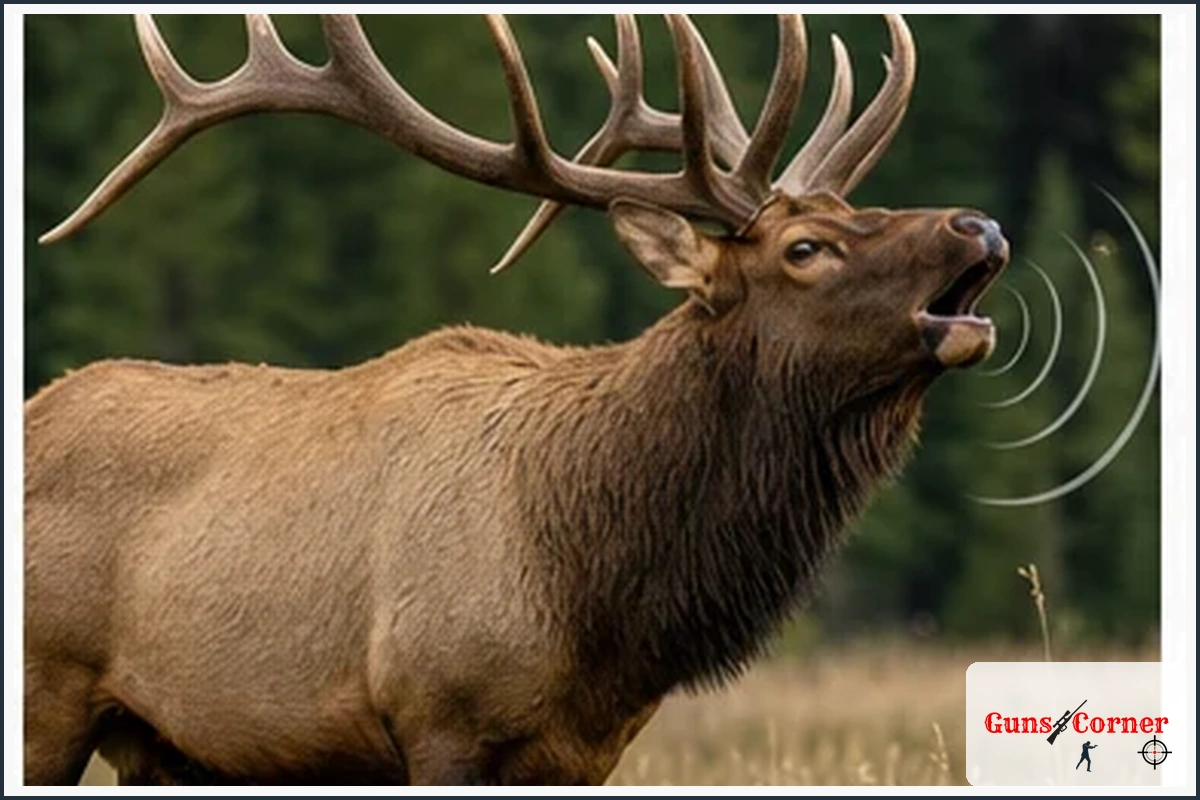
Elk use vocalizations to communicate about location, group movement, breeding behavior, alarm, and social status. A call may attract attention, encourage an animal to respond, or help you locate elk, but calling works best when it matches the situation.
The most important principle is to think about what the elk naturally wants to do. If an elk is moving toward food, water, cover, or its herd, calling it away from that route may be difficult. Positioning yourself along its likely path can be more effective than repeatedly calling from an unsuitable location.
Elk Sounds Beginners Should Learn
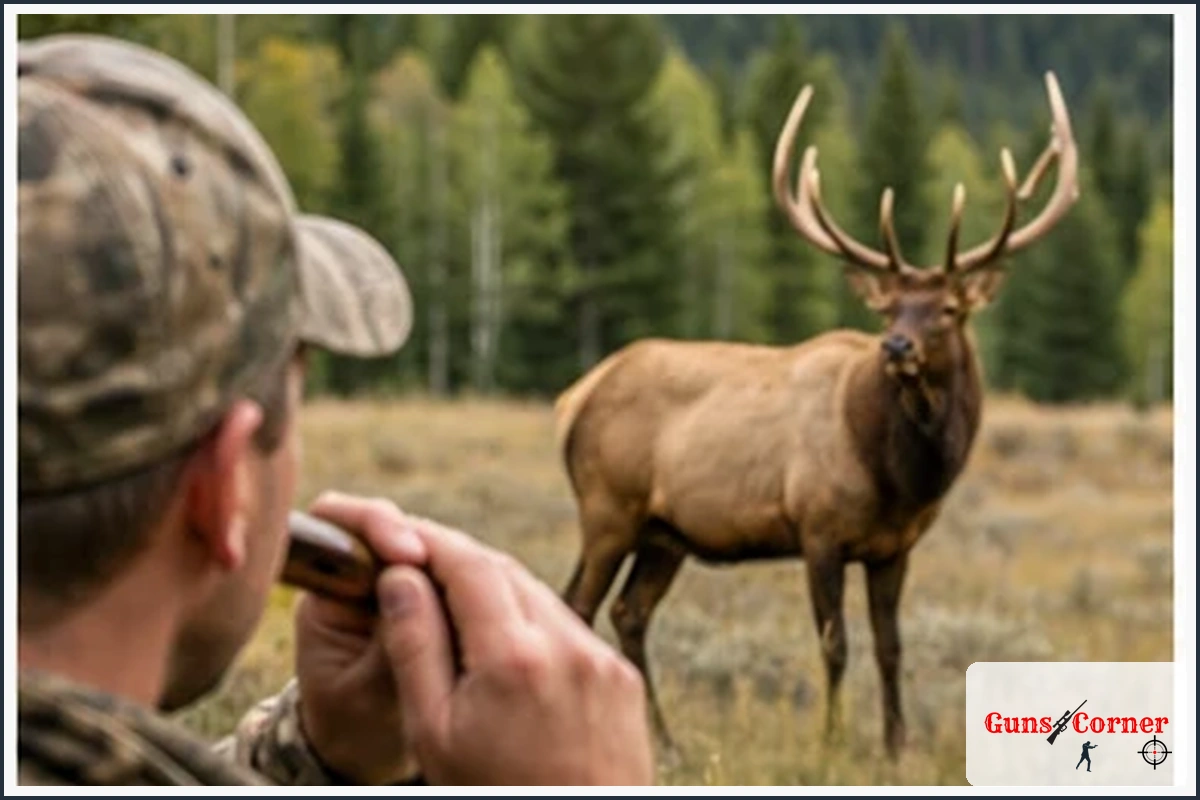
Cow Calls
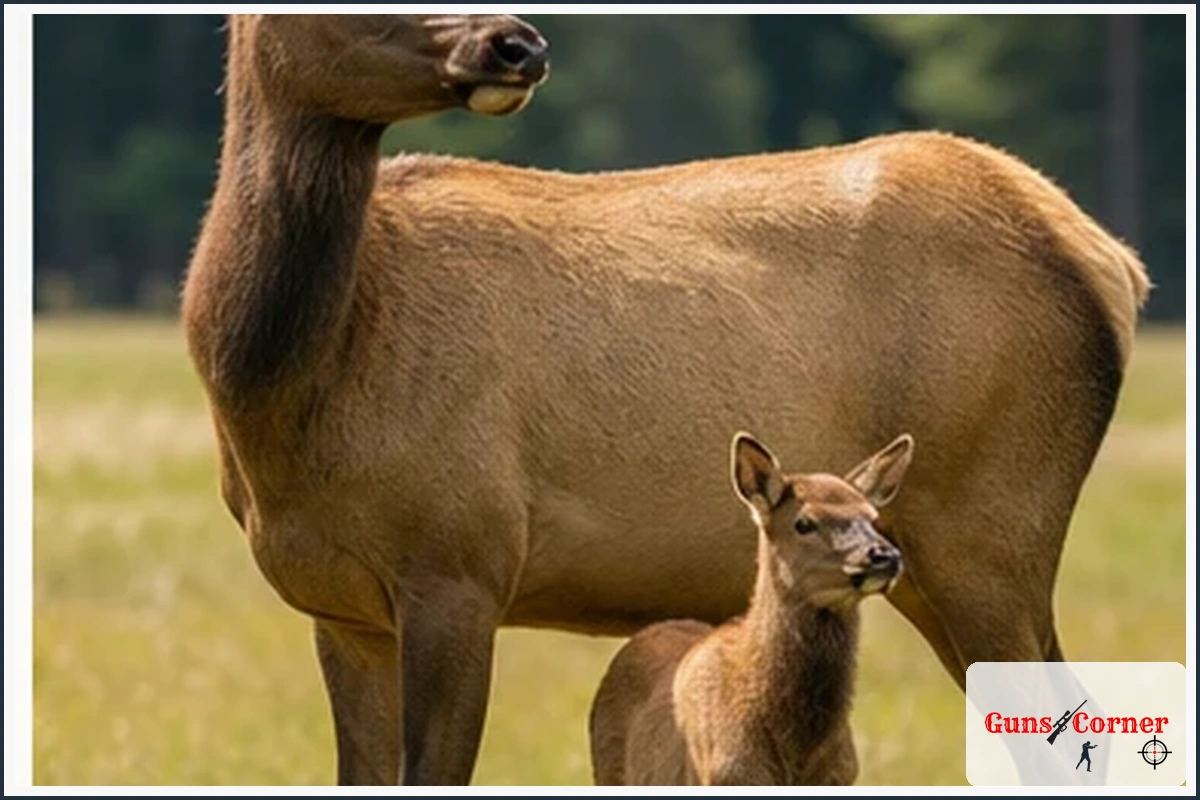
Cow sounds are often useful for locating elk and creating a natural social response. Beginners can start with soft mews and slightly longer calls. Avoid making every call identical; real elk vary their volume, rhythm, and urgency.
Calf Calls
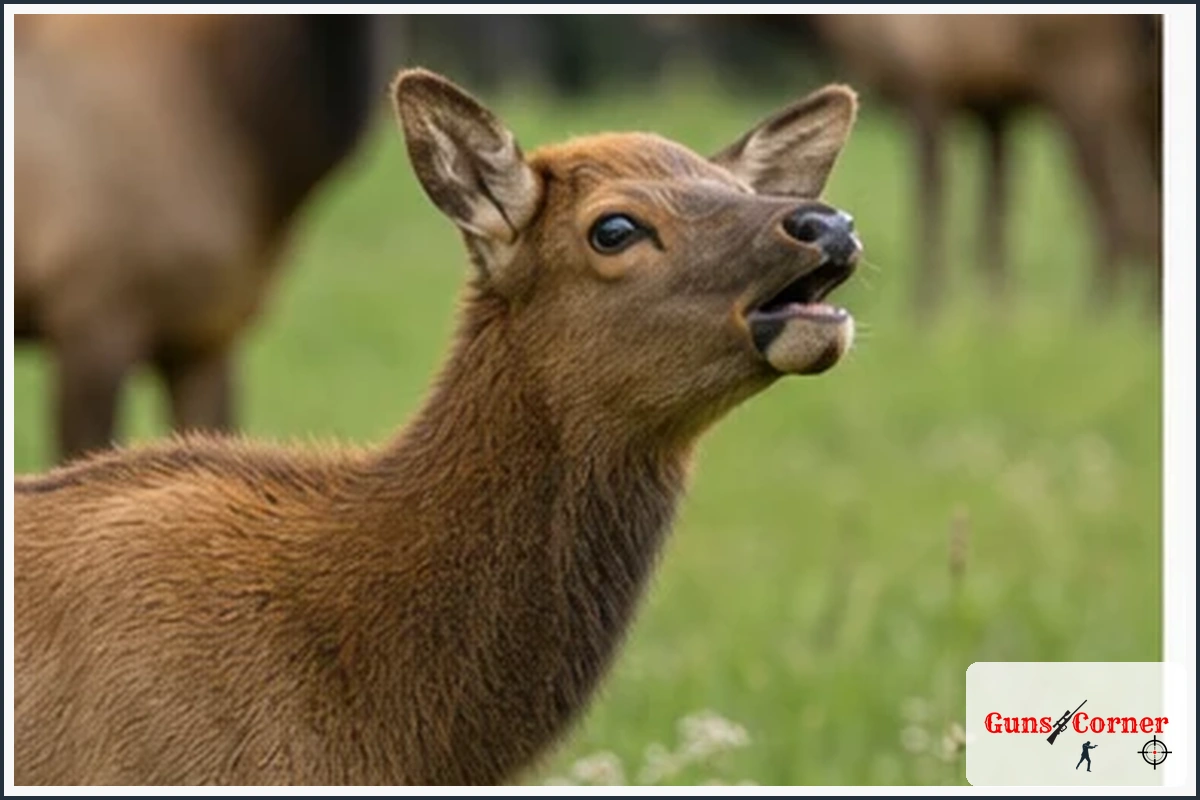
Calf sounds can attract attention from cows and may cause a herd to investigate. Use them carefully and realistically. Excessive, loud calling can sound unnatural and alert pressured elk.
Bull Bugles
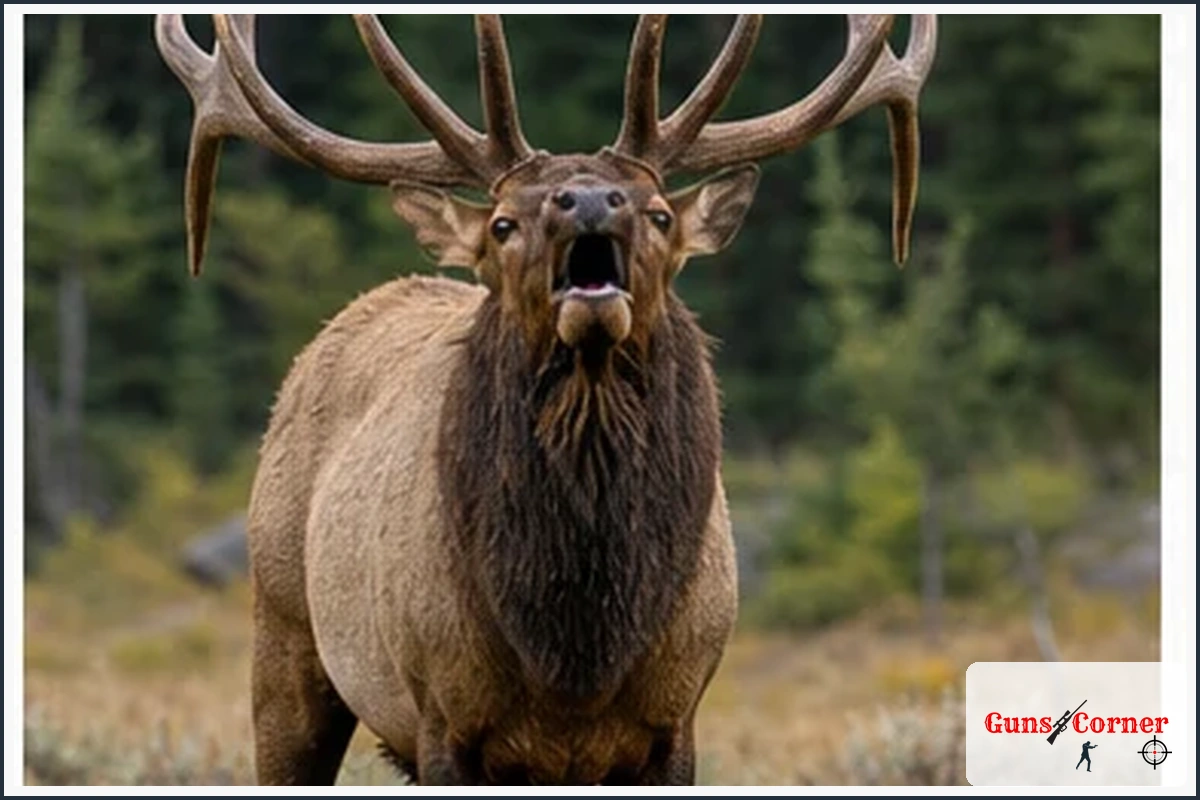
Bull bugles can help locate bulls and communicate aggression or presence. A basic bugle usually includes an initial note followed by a longer, higher or raspier sound, depending on the call and the individual elk.
Glunks, Grunts, and Chuckles
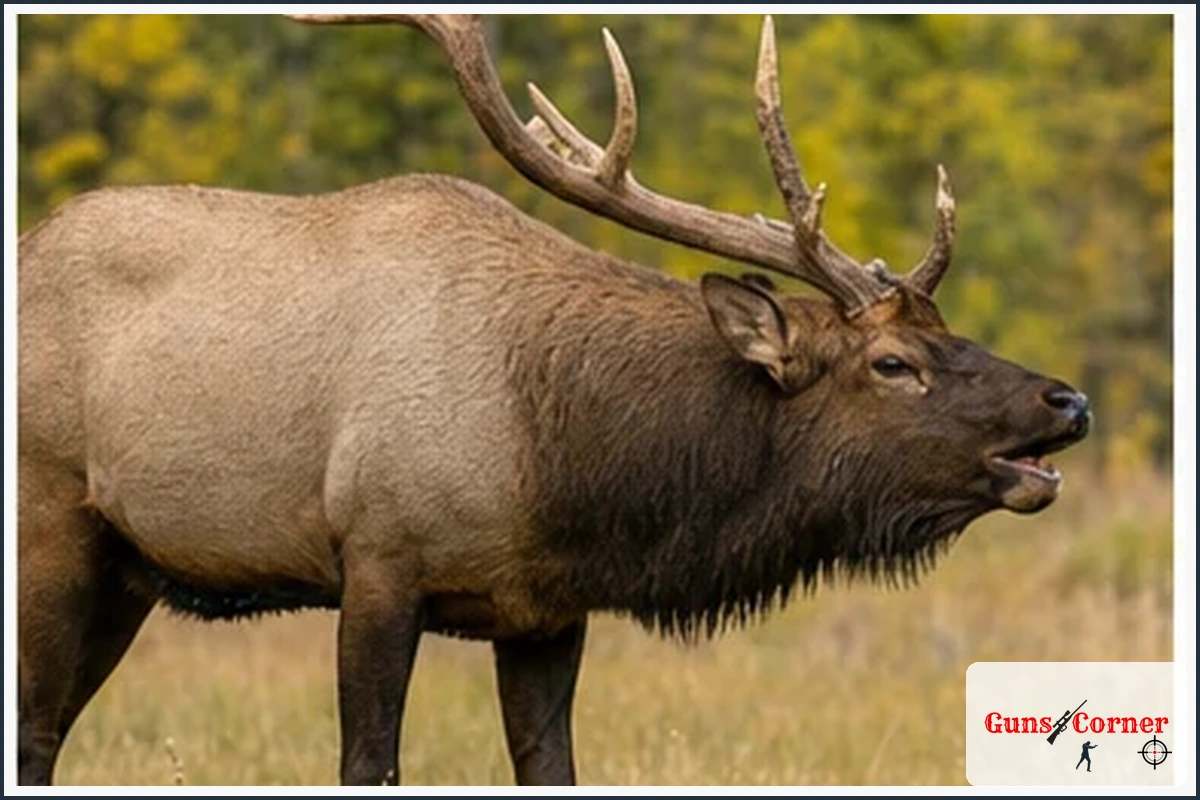
Lower-pitched bull sounds can add realism to a sequence, particularly during periods of competition or rutting activity. Beginners should focus first on clear, controlled sounds rather than trying to imitate every vocalization.
Alarm or Bark-Like Sounds
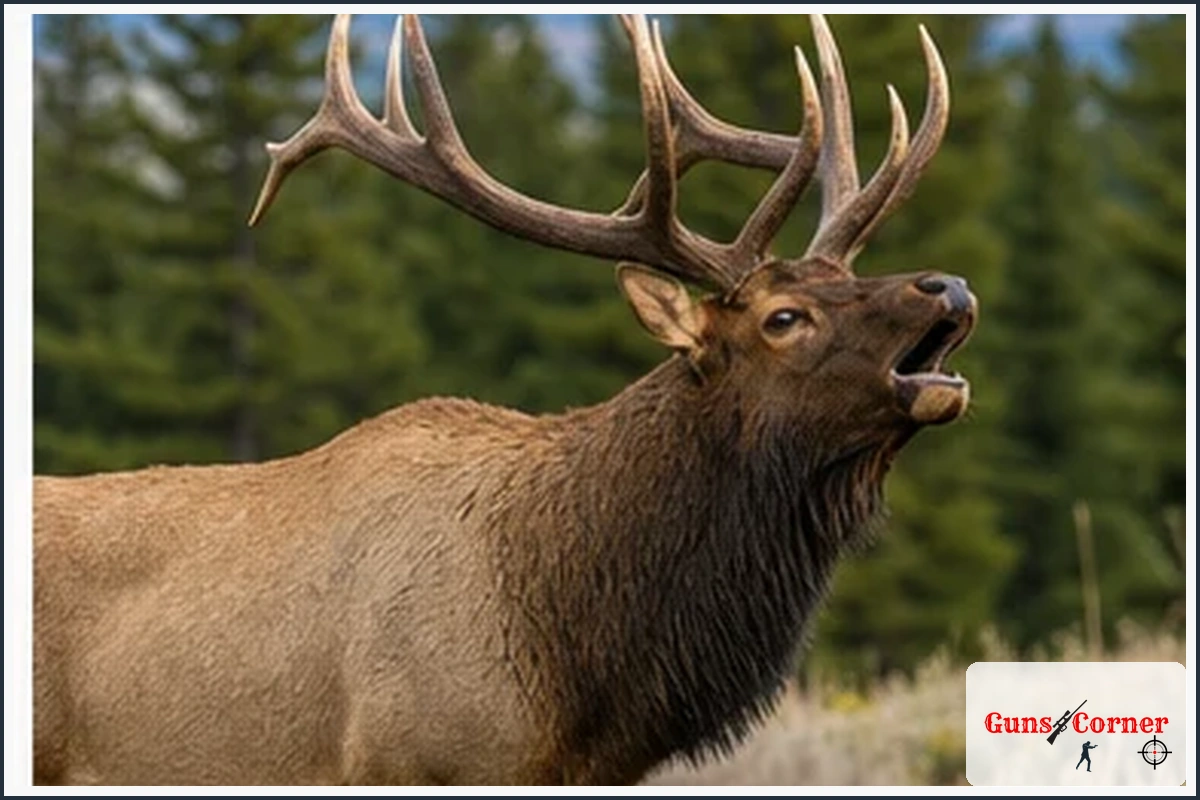
Alarm sounds can warn elk that something is wrong. Do not intentionally alarm animals as a routine strategy. If elk become suspicious, stop calling, remain still, and allow the situation to settle.
What You Need Before Learning to Call Elk
- A legal elk license, tag, and knowledge of current regulations
- A mouth diaphragm, open-reed call, or other legal elk call that fits your ability
- A grunt tube if you plan to practice bull sounds
- Binoculars for locating elk and identifying terrain
- A map, compass, GPS, or reliable navigation application
- Weather-appropriate clothing and sturdy footwear
- Required hunter orange or other visibility equipment
- Water, food, first aid, extra layers, and emergency communication
- A lawful firearm or bow used only within your practiced range
- Game bags, gloves, cooling supplies, and transport equipment if a harvest occurs
How to Call Elk Step by Step
Step 1: Learn Elk Behavior Before You Call
Study where elk feed, bed, water, travel, and gather during the season you plan to hunt. Learn to recognize tracks, droppings, trails, wallows, rubs, bedding areas, feeding sign, and fresh movement.
Listen for elk before making your own sound. A natural bugle, branch movement, or herd noise can tell you more about location and mood than a long calling sequence.
Step 2: Check Regulations and Land Access
Confirm that elk calling is legal during your hunt and that your selected weapon, season, and land access comply with local rules. On public land, study boundaries, parking areas, trails, private inholdings, and likely hunter pressure. On private land, obtain clear permission and respect gates, livestock, buildings, and property lines.
Step 3: Choose a Call You Can Control
A mouth diaphragm leaves your hands free but may require practice. An open-reed call can be easier for many beginners to produce consistently. A grunt tube can add resonance to bull sounds.
The best call is not necessarily the most expensive one. Choose a call that produces a believable sound, fits comfortably, and allows you to control volume and rhythm.
Step 4: Practice Away From the Field
Practice in short sessions before the season. Begin with breathing, tone, volume, and rhythm rather than trying to sound aggressive immediately. Record yourself and compare your sounds with reliable elk recordings or instruction from a qualified teacher.
- Practice soft calls at close range.
- Practice louder calls without forcing air.
- Learn to stop a sound quickly.
- Practice calling while sitting, kneeling, and wearing hunting clothing.
- Practice keeping your weapon safely controlled while calling.
Step 5: Use the Wind to Plan Your Approach
Elk have strong senses and may detect scent before you see them. Check wind direction frequently, especially when moving toward a responding animal. Avoid approaching directly downwind whenever possible.
Plan your route before calling. A good call from a poor wind position may cause elk to disappear before you can identify them.
Step 6: Set Up in a Natural Travel Area
Choose a location that allows you to watch likely travel routes, openings, benches, timber edges, water sources, or trails without exposing yourself. Use natural cover, a legal blind, or another safe setup that provides a clear view and a safe background.
Do not position yourself where a shot could cross a road, trail, home, campsite, livestock area, or another hunter’s likely location.
Step 7: Start With Soft Calling
Begin with a few soft, realistic calls. Pause and listen. Elk may respond quietly, approach without bugling, or take considerable time to move.
A common beginner mistake is calling continuously. Long pauses help you hear elk movement and reduce the chance of sounding artificial.
Step 8: Match Your Calling to the Elk’s Behavior
If an elk answers, identify the direction and estimate its distance without rushing. Respond with a similar level of energy at first. If the elk sounds calm, remain calm. If it sounds agitated or competitive, a stronger response may be appropriate, but do not escalate blindly.
Calling should support your position and the elk’s natural movement. If the animal is moving away, consider whether a careful repositioning route is safer and more effective than repeatedly calling.
Step 9: Use Cover, Stillness, and Patience
Elk often approach while looking for the source of a sound. Keep movement slow and deliberate. Avoid sudden head turns, unnecessary hand movement, and noisy equipment.
Use binoculars to inspect openings and shadows. Do not assume that a quiet response means no elk is present. A cow, calf, or bull may be close without making another sound.
Step 10: Confirm the Animal and Shot Conditions
Before taking any shot, confirm the animal is legal to harvest under your tag and local regulations. Identify the target clearly, check the background, and make sure the shot is within your practiced ability and the limits of your weapon.
With a bow, use only an ethical distance and angle that you have practiced. With a firearm, use lawful ammunition and a safe rest when possible. Pass on any shot that is rushed, obstructed, uncertain, or unsafe.
Step 11: Follow Recovery and Reporting Requirements
After a legal harvest, follow local rules for tagging, field possession, transportation, harvest reporting, and evidence of sex or species if required. Recover the animal responsibly and avoid unnecessary disturbance to other hunters or wildlife.
Step 12: Cool and Care for the Meat Promptly
Use clean gloves and tools, protect the meat from dirt and heat, and plan transportation before the hunt. Follow local guidance for field care, processing, refrigeration, and transport. Responsible hunting includes making good use of the harvest.
When to Use Different Elk Calling Sequences
| Situation | Approach | Beginner Reminder |
|---|---|---|
| Locating elk | Use a controlled locator bugle or soft social calls, then listen carefully. | Do not call continuously or assume silence means no elk are present. |
| Nearby calm elk | Use soft cow or calf sounds with long pauses. | Keep movement minimal and watch likely approach routes. |
| Responsive bull | Match its energy before increasing volume or aggression. | Do not rush into an unsafe position. |
| Herd moving naturally | Position along its travel route rather than trying to turn it sharply. | Wind and terrain may matter more than calling. |
| Elk becoming suspicious | Stop calling and allow the area to settle. | Repeated calls can make the situation worse. |
Best Time, Place, and Conditions for Calling Elk
Elk calling can work during several parts of the season, but behavior changes with breeding activity, weather, hunting pressure, and local habitat. During active rutting periods, bulls may respond more readily to social or competitive sounds. Outside those periods, quiet cow and calf sounds or careful observation may be more useful.
Early and late portions of the day can provide good listening conditions, but local regulations determine legal hunting hours. Cool weather may increase movement, while heat, wind, rain, or snow can change where elk feed and bed.
Focus on habitat that offers food, water, cover, and secure travel routes. Calling from a location that elk already want to visit is usually more effective than trying to pull them across unsuitable terrain.
Helpful Tips for Better Elk Calling
- Listen for natural elk before making a call.
- Use fewer calls and longer pauses than your excitement may suggest.
- Keep the wind in your face or at least away from likely elk routes.
- Call from a position that gives you a safe shooting background.
- Learn several realistic sounds instead of forcing one loud bugle.
- Use terrain to conceal movement during a careful reposition.
- Watch for silent elk approaching from the side or behind.
- Record practice sessions so you can evaluate tone and rhythm.
- Study local hunting pressure and avoid crowding other hunters.
- Let the elk’s behavior determine your next call.
Common Elk Calling Mistakes to Avoid
- Calling without first checking the wind.
- Using loud, repetitive calls for long periods.
- Trying to sound aggressive when you cannot control the call.
- Ignoring the elk’s natural direction of travel.
- Moving too quickly after hearing a response.
- Failing to identify whether the sound came from a bull, cow, or calf.
- Calling near other hunters without knowing their location.
- Crossing private property or unclear boundaries.
- Taking an unsafe shot because an elk finally appears.
- Forgetting to plan meat care, reporting, and transportation.
Troubleshooting Common Elk Calling Problems
| Problem | Possible Cause | What to Do |
|---|---|---|
| No elk respond | Elk may be absent, quiet, pressured, or outside hearing range. | Scout more sign, move legally to better habitat, and spend more time listening. |
| Elk respond but never appear | They may be downwind, blocked by terrain, or moving along a different route. | Check the wind, wait longer, and consider a careful reposition only when safe. |
| Elk stop responding | Excessive calling, human scent, noise, or hunting pressure may have made them cautious. | Stop calling, remain still, and allow the area to settle. |
| Your call sounds unnatural | The call may not fit your mouth or you may be forcing too much air. | Practice softer sounds, adjust the call, or try a different legal call style. |
| You cannot locate the response | Echoes, thick timber, wind, and terrain can distort sound. | Use terrain features, take another careful locator sound, and avoid unsafe movement. |
| You are unsure about a shot | Distance, identity, background, angle, or visibility is uncertain. | Do not shoot. Wait for a safe, legal, ethical opportunity or pass entirely. |
Ethical Elk Hunting and Conservation
Ethical calling means using your knowledge without creating unsafe situations for wildlife, other hunters, or the public. Respect legal seasons, harvest limits, access rules, and protected areas. Do not use calling to lure elk toward roads, homes, livestock, crowded trails, or unsafe shooting zones.
Practice before hunting, pass on uncertain shots, recover game responsibly, and avoid wasting meat. Hunting licenses and tags often support wildlife management, habitat work, and conservation programs, but those benefits depend on following regulations and acting responsibly in the field.
When to Get More Training or Professional Guidance
Seek additional instruction if you have never handled a firearm or bow, have not completed hunter education, or are uncertain about local elk regulations. A qualified mentor can help you practice calls, read elk sign, navigate terrain, judge wind, and plan a safe setup.
Useful sources of instruction include official hunter education programs, state or provincial wildlife agencies, certified instructors, experienced ethical hunters, and local conservation organizations.
After the Hunt: Gear Care and Learning
- Clean and dry calls, optics, clothing, and safety equipment.
- Inspect firearm or bow equipment according to manufacturer guidance.
- Record weather, wind, elk sign, calling sequences, and animal responses.
- Complete harvest reporting and tagging requirements promptly.
- Review whether your setup, approach, and calling matched elk behavior.
- Practice the sounds that were difficult before your next hunt.
Recommended Elk Calling Gear and Tools to Consider
You do not need expensive equipment to call elk responsibly. Choose gear based on local regulations, terrain, weather, hunting method, experience, and budget.
- A comfortable mouth diaphragm or open-reed elk call
- A grunt tube for practicing deeper bull sounds
- Binoculars for locating and identifying elk
- A map, compass, GPS, or reliable navigation application
- Weather-appropriate clothing and sturdy boots
- Required visibility clothing
- First aid supplies, water, food, and emergency communication
- Legal firearm or bow maintained according to manufacturer guidance
- Gloves, game bags, cooling supplies, and meat-care equipment
Final Thoughts
Learning how to call elk requires more than mastering a bugle. Study elk behavior, scout carefully, practice realistic sounds, manage the wind, remain patient, and let the animal’s natural movement guide your decisions. Always follow current regulations, identify your target and background, and take only a safe and ethical shot opportunity. With preparation and experience, elk calling can become a rewarding part of responsible hunting.
Frequently Asked Questions
What is the best elk call for a beginner?
A comfortable open-reed call is often a practical starting point because many beginners can produce sound with less practice than with a mouth diaphragm. The best call is one you can control realistically.
Should beginners start with a bugle?
Beginners can learn a basic bugle, but soft cow and calf sounds are usually easier to control. Start with simple calls before practicing aggressive bull sounds.
How often should I call elk?
Use short calling sequences followed by long pauses. The correct timing depends on elk behavior, terrain, wind, and hunting pressure.
Can elk calling work outside the rut?
Yes, but elk may respond differently outside the rut. Social cow, calf, and location calls may be more useful than aggressive bull challenges.
Should I call elk when I cannot see them?
You may call to locate elk, but first consider wind, terrain, other hunters, and the safety of your position. Be prepared for elk to approach silently.
How far away can elk hear a call?
Hearing distance varies with terrain, wind, vegetation, weather, and call volume. Use natural pauses and avoid assuming that no response means elk are absent.
Should I use a locator bugle?
A locator bugle can help reveal elk presence, but it may also attract attention from other hunters or make pressured elk cautious. Use it legally and selectively.
Should I imitate every elk sound I hear?
No. Focus on sounds you can reproduce clearly and realistically. A few believable calls are better than many forced or unnatural sounds.
What should I do if an elk answers my call?
Determine its direction, check the wind, and wait before moving. Respond at a similar intensity, then let the elk’s behavior guide your next decision.
Should I call louder when an elk is far away?
Sometimes a louder call may carry better, but excessive volume can sound unnatural. Increase volume carefully and consider terrain before changing your position.
Can too much calling ruin a hunt?
Yes. Repetitive calling can alert elk and make them cautious. Stop calling and allow the area to settle if elk appear suspicious.
How important is wind direction when calling elk?
Wind is critical because elk may detect your scent before seeing you. Check wind direction throughout the approach and while waiting.
Where should I set up when calling elk?
Choose legal terrain near likely travel routes, feeding areas, water, cover, or bedding transitions. Select a position with concealment and a safe shooting background.
Should I call elk from a bedding area?
Avoid unnecessarily disturbing bedding areas. If hunting near one is legal, keep your approach quiet and consider where elk are likely to travel rather than entering dense cover.
Is public land elk calling different from private land calling?
The calling principles are similar, but public land often has more hunting pressure and access considerations. Study boundaries, parking, other hunters, and legal routes carefully.
Can I call elk across private property?
Calling may be legal in some circumstances, but you must follow local rules and never enter private property without permission. Do not create unsafe situations near homes or livestock.
What clothing should I wear while calling elk?
Wear weather-appropriate, quiet clothing suited to the terrain, along with any required visibility gear. Layering helps manage changing mountain conditions.
Do I need scent-control products?
Basic wind management, clean clothing, careful route planning, and avoiding contaminated gear are more important than relying on products. No scent-control method defeats a poor wind.
How long should I wait after calling?
Wait long enough to hear movement and allow an elk to approach. Thick terrain, distance, and cautious animals may require considerable patience.
What if an elk responds from downwind?
Do not rush toward it. Reassess the wind and terrain, then consider whether a safe reposition is possible without alerting the animal.
Should I move after an elk bugles?
Only move when you have a safe, legal route and a clear reason. Elk may be closer than they sound, and unnecessary movement can expose you.
How do I practice elk calls without disturbing wildlife?
Practice at home or in a controlled area using recordings for comparison. Avoid repeatedly calling live elk outside legal hunting activities.
Are electronic elk calls legal?
Rules vary by location, species, season, and weapon type. Check your official wildlife agency before using any electronic device.
Can I use elk calls during archery season?
Calling may be legal, but the rules for archery equipment, dates, tags, and methods vary. Verify all current regulations before hunting.
What is an ethical shot opportunity on elk?
It is a shot at a clearly identified legal animal, within your practiced range, with a safe background and conditions that give you a reasonable chance of a responsible harvest.
Should I take a shot at a moving elk?
Only if you have practiced that situation and local rules allow it. Beginners should generally wait for a controlled, clearly identified opportunity.
What should I do if I am unsure whether the elk is legal?
Do not shoot. Wait until you can identify the animal and confirm it matches your tag and local regulations.
What should I do if other hunters respond to my call?
Do not use calls to create confusion. Identify yourself clearly when appropriate, avoid calling toward people, and move away from crowded areas.
What should I do if I hear elk near a road?
Follow all shooting-distance, access, and weapon restrictions. Never shoot toward or across a road, and avoid unsafe setups near traffic.
Can calling bring elk into a campground or residential area?
Do not call in areas where approaching elk could create danger or conflict with people, pets, livestock, or property. Choose a safe, legal hunting location.
What if an elk approaches silently?
Stay alert and control your movement. Use binoculars to identify the animal and confirm a safe background before making any decision.
How do weather conditions affect elk calling?
Weather can change elk movement, scent travel, sound transmission, and visibility. Adjust your expectations and prioritize navigation and safety.
Is calling better than spot-and-stalk hunting?
Neither method is always better. Calling works best when it complements scouting, terrain, wind, and natural elk movement. Spot-and-stalk or still-hunting may be more appropriate in other conditions.
What should I do if calling is not working?
Stop and reassess. Check elk sign, wind, habitat, hunting pressure, time of day, and your location before changing your call or moving.
How do I know whether elk are nearby?
Look for fresh tracks, droppings, trails, rubs, wallows, bedding sign, feeding areas, and vocalizations. Sign alone does not guarantee elk are present, so continue observing.
How should I handle a successful elk harvest?
Follow local tagging, reporting, transport, and field-care rules. Use clean equipment, cool the meat promptly, and plan responsible transportation.
Do I need hunter education before calling elk?
Many jurisdictions require hunter education for some hunters, and it is strongly recommended for beginners everywhere. It teaches safety, ethics, laws, and field responsibility.
Should I hunt with an experienced mentor?
Yes, when possible. A responsible mentor can help you learn calling, navigation, wind management, shot ethics, recovery, and local regulations.
How expensive is elk calling?
Elk calling can be practiced with relatively simple equipment, but total hunting costs vary widely based on licenses, tags, travel, access, gear, and processing requirements.
Does better gear guarantee elk hunting success?
No. Preparation, scouting, legal access, patience, weather, animal behavior, skill, and ethical decision-making all influence results.
How can I improve after a failed hunt?
Record what you observed, including wind, habitat, elk sign, calling response, and movement. Use those notes to improve scouting, practice, and setup choices.