
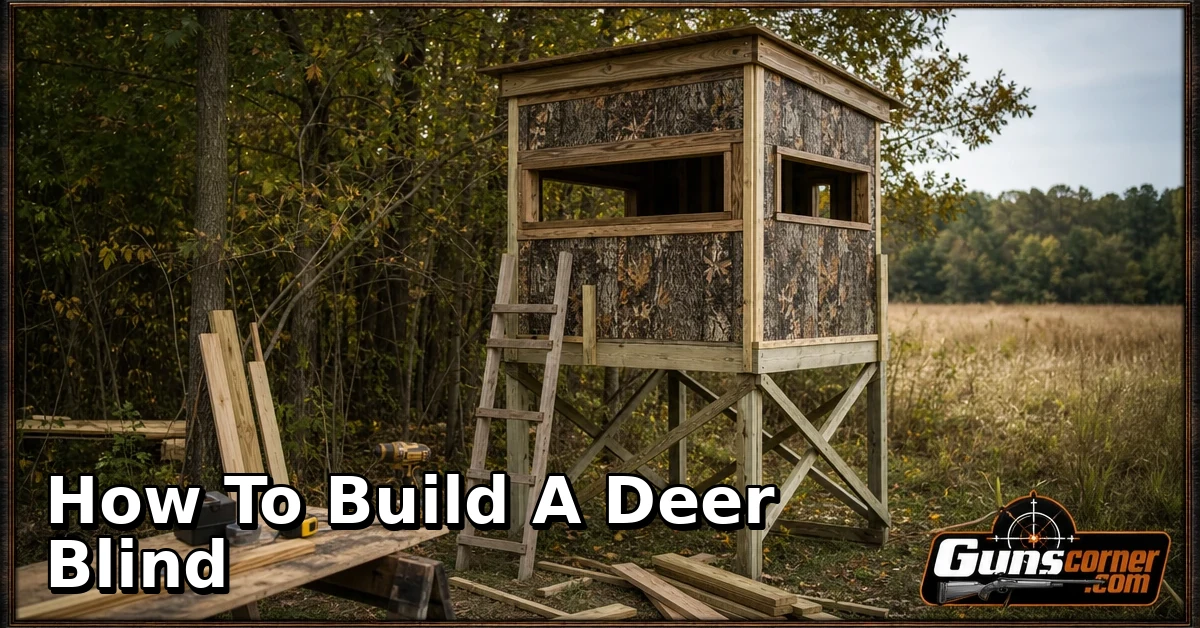

Learning how to build a deer blind can make long sits more comfortable, improve concealment, and help you hunt more consistently. A good blind should fit the terrain, keep movement hidden, provide safe shooting angles, and comply with local hunting and land-use rules.
This guide explains how to plan, build, place, and use a basic ground-level or low-elevation box blind responsibly. Always prioritize structural stability, firearm or bow safety, legal access, and an ethical shot opportunity over comfort or convenience.
To build a deer blind, first check local regulations and obtain landowner permission, then choose a location based on deer sign, wind, access, and safe shooting lanes. Build a stable frame from suitable lumber, add weather-resistant walls and roof, create quiet viewing and shooting windows, and secure the blind against wind and tipping. Place it early enough for deer to become accustomed to it, and only hunt when the target, background, and shooting conditions are completely safe.
Important Legal and Safety Notice Before You Hunt
Deer hunting regulations vary by state, province, county, season, land type, and weapon. Before building or hunting from a blind, check your official wildlife agency and local land rules for current requirements.
- Confirm your hunting license, deer tag, permits, season dates, legal hours, and bag limits.
- Check whether blinds must be marked, removed seasonally, or placed a specific distance from roads, homes, or property lines.
- Verify legal firearm, ammunition, archery, baiting, and visibility-clothing rules.
- Obtain written permission before using private land.
- Confirm boundaries before transporting materials or placing the blind.
- Identify a safe backstop and never shoot toward roads, buildings, livestock, trails, vehicles, or people.
- Keep firearms unloaded until legally permitted and safely positioned for use; follow the manufacturer’s instructions.
- Use a full-body safety harness if the blind is elevated or accessed from a stand.
- Plan for weather, navigation, communication, hydration, and emergency situations.
What Makes a Good Deer Blind?
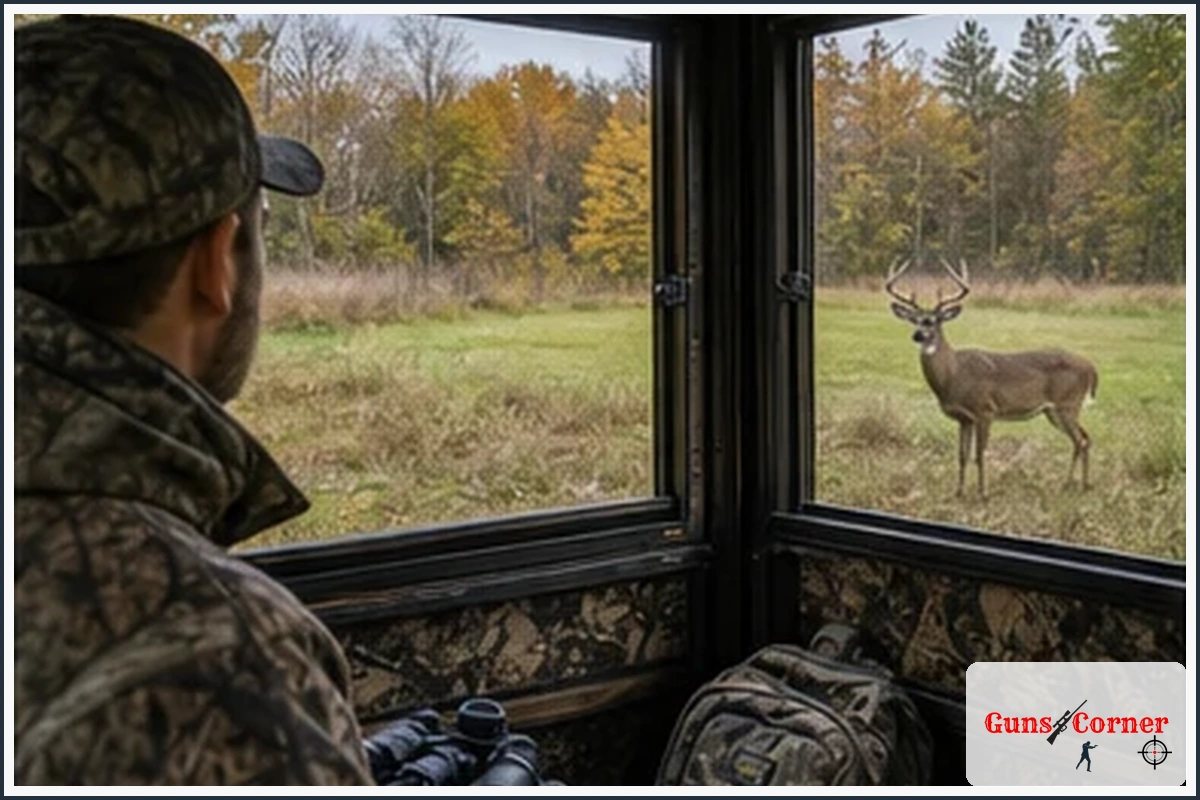
A useful deer blind does not need to be elaborate. It should accomplish five basic goals:
- Provide concealment without blocking your view.
- Keep the hunter dry, reasonably warm, and comfortable.
- Allow quiet entry, exit, and equipment handling.
- Offer safe shooting or bowhunting angles with a clear background.
- Remain stable during wind, rain, snow, and normal use.
Many beginners build a blind that is too small, too dark, or too noisy. A simple four-sided box with a sloped roof, usable windows, and enough room to sit comfortably is often more effective than an oversized structure filled with unnecessary features.
Choose the Right Deer Blind Design
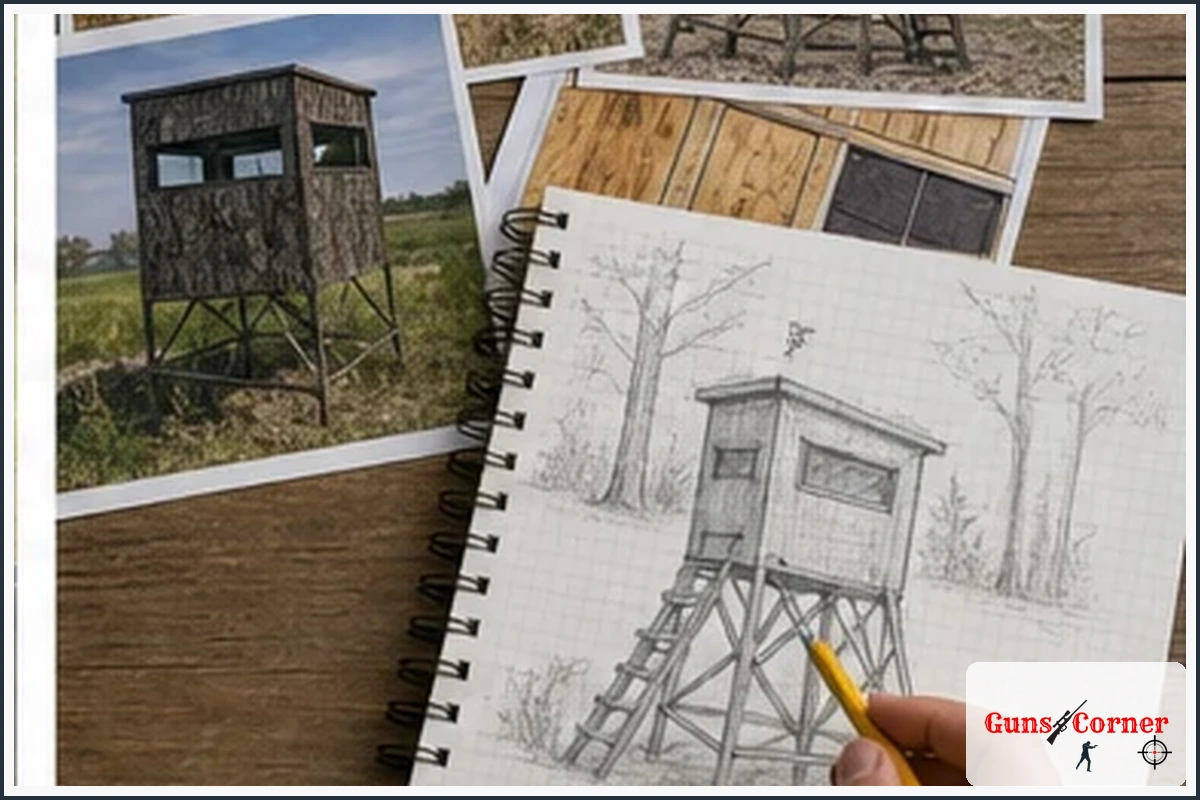
Ground-Level Box Blind
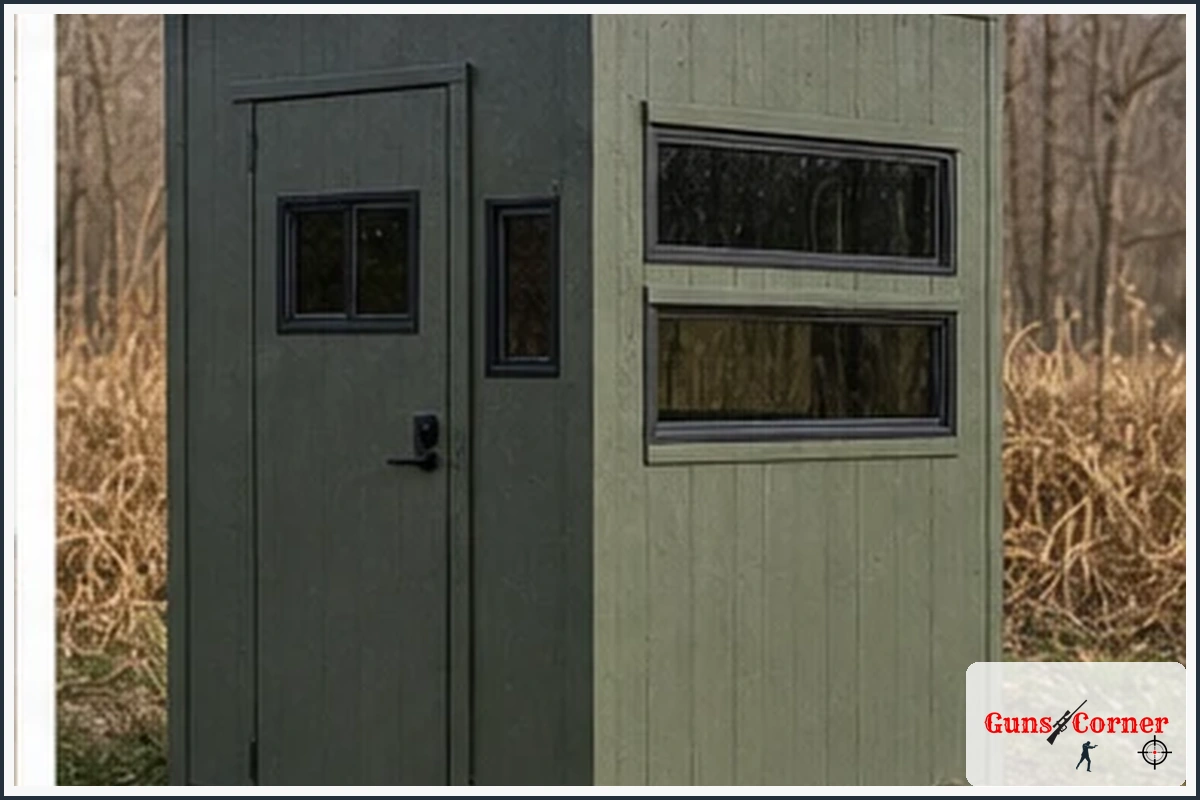
A ground-level box blind is generally the simplest design. It is easier to build, move, inspect, and maintain than an elevated structure. It works well along field edges, timber openings, food plots, and other locations where the surrounding cover already helps conceal the blind.
Low-Elevation Blind
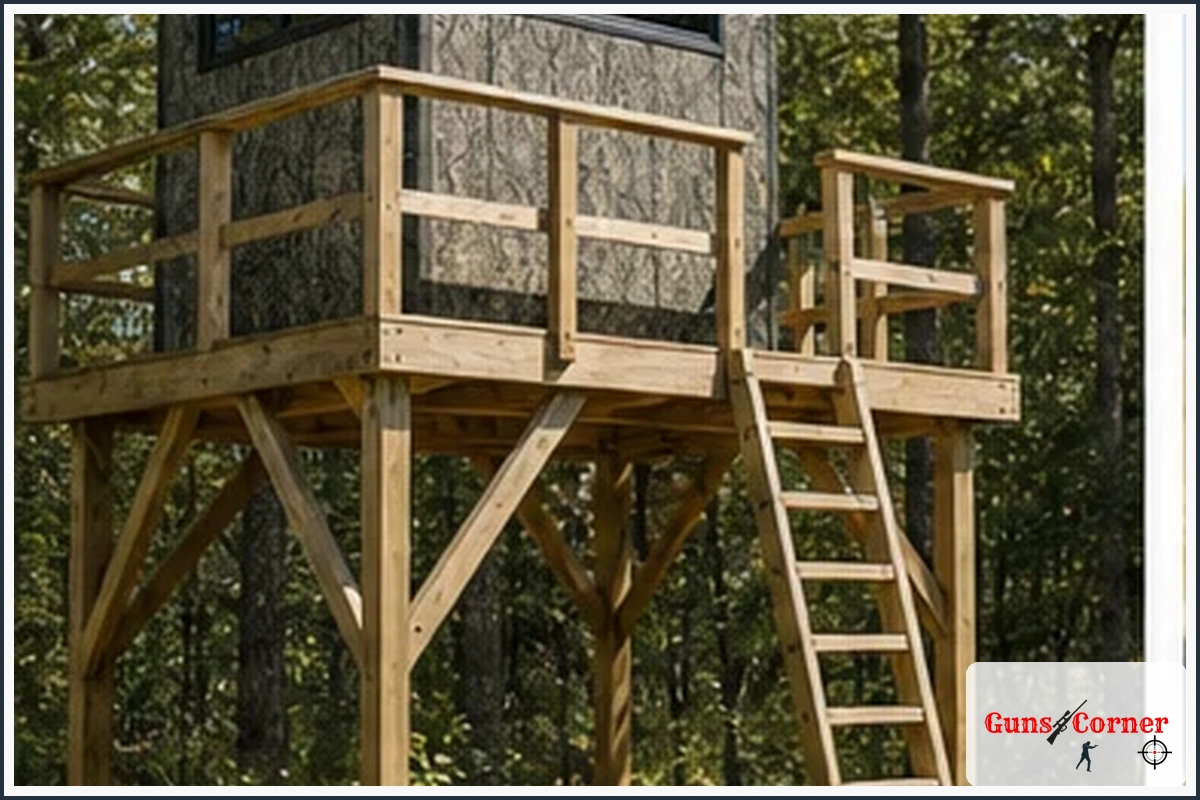
A slightly raised blind can improve visibility and help keep the interior drier, but it adds construction and fall hazards. Use a properly designed platform, stable access, guardrails where needed, and a full-body fall-arrest harness.
Portable Blind on Skids
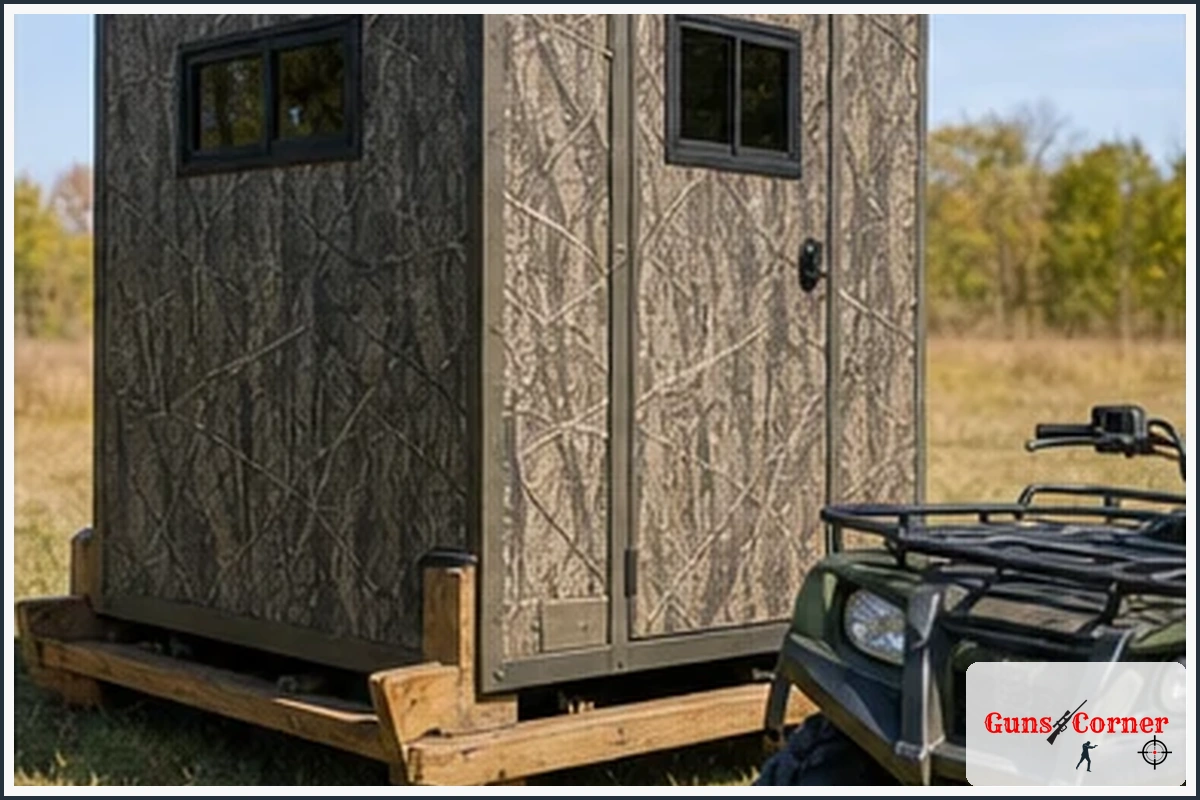
A blind mounted on sturdy skids can sometimes be moved with suitable equipment. Before choosing this design, check local rules and consider the blind’s weight, terrain, access route, and anchoring needs. Never drag or transport a structure through an area if doing so damages habitat or violates land-use rules.
Plan the Blind Before Building
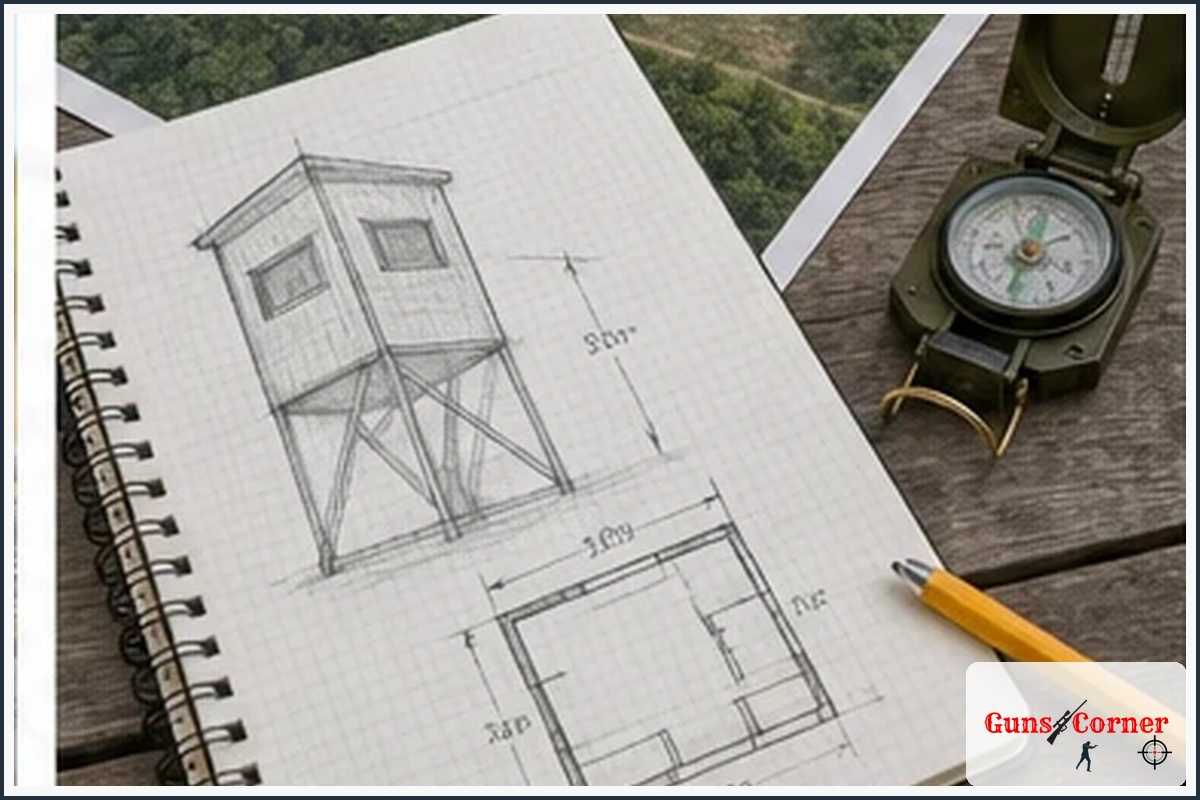
Start with a drawing and a site plan. A common beginner-friendly footprint is approximately four by six feet, but the correct size depends on the number of hunters, hunting method, local terrain, and transportation limitations.
Plan for:
- Enough headroom to sit upright and turn quietly.
- A door that opens without contacting brush, trees, or shooting equipment.
- Windows at comfortable seated height.
- Safe shooting lanes that do not point toward roads, homes, livestock, or people.
- A roof overhang that sheds rain away from the walls.
- Ventilation to reduce condensation and stale air.
- Space for a firearm or bow to be handled safely.
- Access for maintenance, cleaning, and legal removal if required.
Materials and Tools to Consider
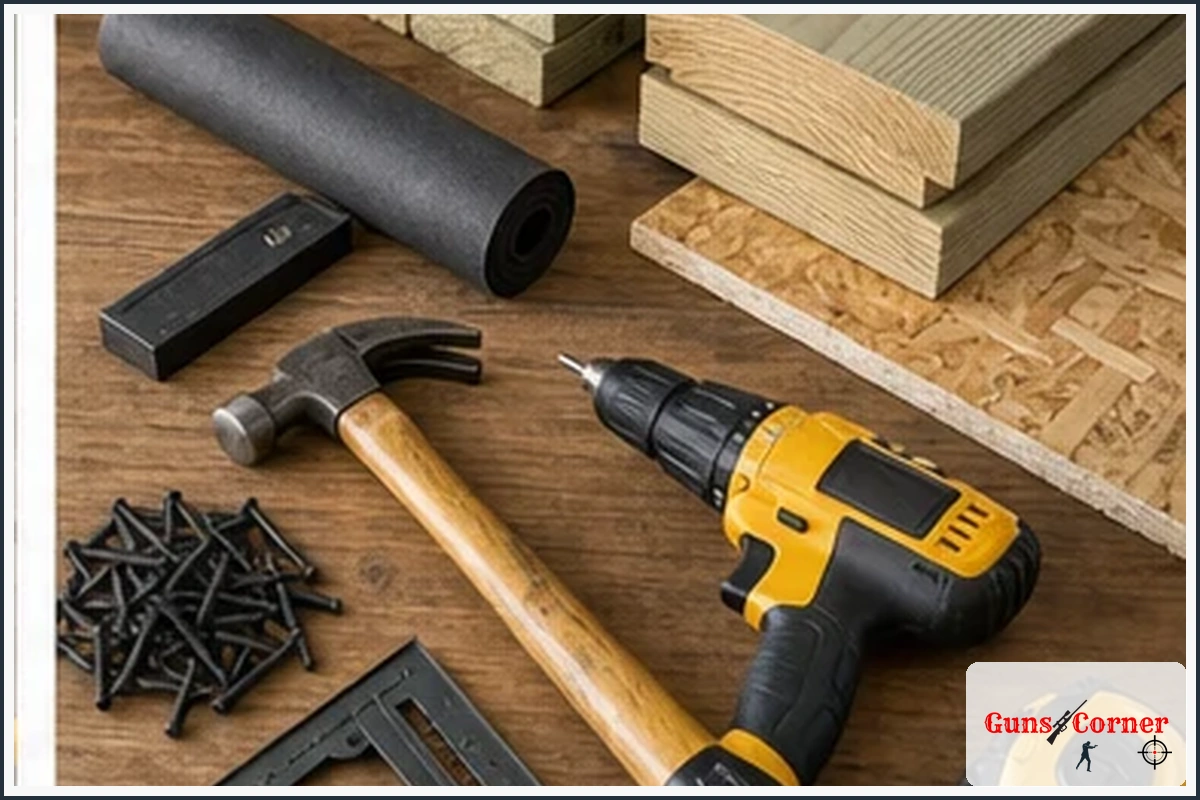
Use structurally sound materials appropriate for outdoor exposure. Pressure-treated lumber may help resist moisture, but follow product directions and avoid using unsuitable materials inside areas where they can contaminate food or equipment.
- Structural lumber for the base and wall framing.
- Exterior-rated plywood or another durable wall material.
- Roof sheathing and weather-resistant roofing.
- Exterior screws, bolts, hinges, and latches.
- Flashing or sealant for vulnerable roof and window joints.
- Window panels, shutters, or hinged shooting flaps.
- Ground anchors, stakes, or other suitable stabilizing hardware.
- Measuring tape, level, square, pencil, drill, saw, and protective equipment.
- Non-slip flooring or a quiet floor covering.
Wear eye and hearing protection while cutting or fastening materials. Inspect tools before use, keep hands clear of blades, and ask for help with heavy or awkward components.
How to Build a Deer Blind Step by Step
Step 1: Check Rules and Obtain Permission
Before cutting lumber, verify that a blind is permitted on the intended property. Review public land regulations, private land agreements, seasonal structure rules, access limitations, and any requirements for marking or removing blinds.
For private land, obtain clear permission from the landowner. Discuss the exact location, access route, parking, gates, livestock, cleanup, and whether the blind may remain after the season.
Step 2: Scout for Deer Sign
Do not choose a location simply because it looks attractive from a map. Look for repeated deer movement and identify how deer use the area.
- Game trails connecting bedding cover and feeding areas.
- Tracks, droppings, rubs, and scrapes.
- Field edges, funnels, saddles, creek crossings, and timber openings.
- Food and water sources used during the applicable season.
- Travel routes that allow a quiet approach.
- Locations where the prevailing wind carries your scent away from likely deer movement.
Use maps and careful observation to identify property lines, roads, neighboring hunters, steep ground, drainage, and emergency exit routes.
Step 3: Choose a Safe Location
Place the blind where deer movement is realistic and shooting conditions are controlled. Avoid locations that require shooting across roads, toward buildings, over ridges, or through thick vegetation that makes target identification uncertain.
Consider how you will reach the blind before daylight without crossing major deer trails or contaminating the area with unnecessary disturbance. The safest and most effective blind is one you can enter quietly and leave without creating conflicts with other hunters.
Step 4: Build the Base
Construct a square and level base on firm ground. Use sound lumber and secure the corners with appropriate fasteners. If the blind is portable, reinforce the base and install skids or lifting points designed to support its weight.
Keep the floor slightly above wet ground where practical, but do not create an elevated hunting position without accounting for fall protection and structural stability. Check the base for wobble before proceeding.
Step 5: Frame the Walls
Build the wall frames on a level surface when possible, then attach them to the base. Frame the door and windows before covering the walls so that openings remain square and easy to operate.
Use enough framing support to prevent the walls from flexing. Avoid making the blind excessively heavy or difficult to move. A strong, simple frame is safer than a complicated structure with unnecessary features.
Step 6: Install the Wall Panels
Attach exterior-rated wall panels securely and seal obvious gaps where rain could enter. Leave enough ventilation to prevent condensation, particularly if the blind will be closed during cold weather.
Interior surfaces should be quiet. Bare plywood, loose hardware, and metal items can create sharp noises when bumped. Add simple padding or quiet coverings where equipment is likely to contact the walls.
Step 7: Add Quiet, Functional Windows
Windows should provide visibility without forcing the hunter to make large movements. Hinged flaps, sliding panels, or removable covers can work, provided they open quietly and remain secure in wind.
Position windows for the hunting method:
- Firearm hunters need a stable rest and a safe shooting angle.
- Bowhunters need enough room to draw without contacting the window or wall.
- All hunters need a clear view of the target and the area beyond it.
Do not make every window large and open. Excessive openings can expose movement, let in rain, and reduce concealment. Keep the interior dark while allowing the hunter to see outside.
Step 8: Install the Roof
Use a sloped roof so rain and snow drain away from the door and windows. Fasten the roof securely and add weather-resistant roofing material appropriate for the structure.
Check for sharp edges, exposed fasteners, and weak areas. A small overhang can protect the walls and reduce water entering through window openings. Test the roof before hunting by inspecting it after rain or strong wind.
Step 9: Secure the Door and Interior
The door should open and close quietly, latch securely, and provide enough clearance for clothing and equipment. Avoid loose hinges or bright, reflective hardware that can create unnecessary movement or glare.
Keep the interior organized. A small seat, shooting rest, gear hook, and secure location for unloaded equipment can make the blind safer and quieter. Do not block the exit with bags, heaters, or bulky equipment.
Step 10: Stabilize the Blind
Anchor the blind according to its design and the local weather. A lightweight structure can shift or overturn in strong wind if it is not secured. Inspect anchors, fasteners, and the foundation before every season and after severe weather.
Never enter an elevated blind that sways, has damaged steps, shows loose fasteners, or lacks appropriate fall protection. Repair it before use.
Step 11: Blend the Blind Into the Setting
Use natural surroundings to break up the blind’s outline. Place it near existing cover when legal and practical, and avoid creating a sudden, highly visible object in an otherwise open setting.
Do not damage trees, remove excessive vegetation, or alter habitat unnecessarily. Any camouflage material should be secure, weather-resistant, and free of loose strands that could entangle wildlife or equipment.
Step 12: Test the Blind Before Hunting
Visit the blind in daylight and sit in every intended position. Check your view, shooting rest, window movement, door noise, ventilation, and escape route.
For firearm hunting, confirm that every potential shooting lane ends in a safe backstop. For bowhunting, practice drawing and moving within the blind using an unloaded bow. Never test a shot toward an uncertain background.
Place the Blind With Wind and Deer Behavior in Mind
Wind direction is one of the most important factors in blind placement. Deer may detect human scent before entering an opening, so plan the blind and access route around common wind conditions. Avoid assuming that scent-control products can overcome poor wind or careless movement.
Watch how deer approach the area. A blind placed directly beside a major trail may interrupt movement, while a blind set back near existing cover may provide concealment without dominating the travel route.
Allow deer time to adjust to the structure when possible. The amount of time needed depends on the location, hunting pressure, blind appearance, and animal behavior. Avoid frequent visits after installation.
Public Land and Private Land Considerations
Public Land
- Verify that permanent or temporary blinds are allowed.
- Confirm boundaries and access routes using current maps.
- Do not block trails, gates, parking areas, or access used by others.
- Mark or remove the blind if required by local rules.
- Respect other hunters, hikers, land users, and wildlife habitat.
Private Land
- Obtain permission before scouting, building, or hunting.
- Discuss the exact location with the landowner.
- Keep gates closed and avoid livestock areas unless authorized.
- Respect crops, fences, equipment, and property boundaries.
- Remove waste, unused materials, and the blind when required.
Recommended Hunting Gear and Tools to Consider
You do not need expensive equipment to build or hunt from a deer blind. Choose gear based on local laws, terrain, weather, hunting method, safety needs, skill level, and budget.
- Legal firearm or bow appropriate for the season.
- Weather-resistant clothing and required visibility gear.
- Sturdy boots suited to the terrain.
- Binoculars for identifying deer and observing movement.
- Map, compass, GPS, or a reliable hunting navigation app.
- First aid kit, water, food, flashlight, and emergency communication.
- Quiet seat cushion or low-profile chair.
- Rangefinder if legal and useful for your hunting method.
- Gloves, game bags, cooler, and meat-care supplies if a harvest occurs.
Common Mistakes to Avoid
- Building before checking local blind and land-use regulations.
- Placing the blind without studying wind direction and deer sign.
- Creating shooting lanes toward roads, houses, livestock, or unclear backgrounds.
- Making the blind too small to move safely.
- Using weak lumber, loose fasteners, or an unstable foundation.
- Leaving metal hardware, doors, or window flaps noisy.
- Ignoring ventilation and allowing condensation to damage the structure.
- Installing the blind where the access route crosses a major deer trail.
- Failing to anchor the blind against strong wind.
- Forgetting a safe place to rest a firearm or draw a bow.
- Entering an elevated blind without a full-body safety harness.
- Taking a shot before clearly identifying the deer and background.
- Leaving trash, screws, wire, or construction scraps in the habitat.
Troubleshooting Common Problems
| Problem | Possible Cause | What to Do |
|---|---|---|
| The blind rocks or shifts | Uneven ground, inadequate bracing, or poor anchoring | Stop using it, level the base, reinforce the frame, and install suitable anchors. |
| Deer avoid the area | Heavy disturbance, poor wind, excessive visibility, or a bad location | Reduce visits, study fresh sign, improve concealment, and reassess wind and access. |
| Windows make too much noise | Loose hinges, hard contact points, or unlubricated hardware | Tighten fasteners and add quiet, durable padding where surfaces meet. |
| The interior becomes damp | Leaks, condensation, or insufficient ventilation | Inspect the roof and seals, improve airflow, and dry the blind before storing gear. |
| You cannot see the approach route | Windows are too small or poorly placed | Reevaluate the layout without compromising concealment or safe shooting angles. |
| The blind is too dark | Insufficient exterior light or overly restrictive window covers | Adjust covers or add safe ventilation and viewing openings without exposing movement. |
| Your access route spooks deer | Wind carries scent toward deer or the route crosses a travel corridor | Change the entry route, hunt a different wind, or move the blind if regulations allow. |
| You are unsure whether a shot is safe | Unclear target, background, distance, or legal conditions | Do not shoot. Wait for a safe opportunity or pass on the shot. |
Ethical Hunting and Conservation
A deer blind is a tool, not a guarantee of success. Ethical hunting means using the blind to improve observation and comfort while still respecting wildlife and other people.
- Take only shots within your practiced ability.
- Identify the deer, legal status, and background before acting.
- Pass on unsafe, rushed, or uncertain opportunities.
- Follow seasons, tags, bag limits, weapon rules, and reporting requirements.
- Recover and care for legally harvested game responsibly.
- Leave the property cleaner than you found it.
- Respect landowners, neighboring hunters, hikers, and wildlife habitat.
- Support conservation through legal participation and responsible stewardship.
After the Hunt: Inspection, Reporting, and Learning
After each hunt, inspect the blind for storm damage, loose hardware, leaks, animal activity, and safety problems. Remove food, trash, and personal items that could attract wildlife or deteriorate inside the structure.
If a harvest occurs, follow current tagging, reporting, transport, cooling, and meat-handling requirements. Keep the process clean and responsible, and seek qualified instruction if you are unfamiliar with field care or processing.
Record weather, wind, deer sign, movement times, access conditions, and what worked or failed. These notes can improve future scouting without encouraging unnecessary disturbance.
When to Get More Training or Professional Guidance
Seek additional instruction before hunting if you have never safely handled a firearm or bow, have not completed hunter education, or are uncertain about local regulations and property boundaries.
Helpful resources include official wildlife agency courses, certified firearms or archery instructors, experienced ethical mentors, conservation organizations, and reputable hunting clubs. Ask for help with elevated blind construction, structural safety, game recovery, and meat care when necessary.
Final Thoughts
Knowing how to build a deer blind starts with legal access, careful scouting, safe design, and realistic expectations. Build a stable structure with quiet windows, good visibility, weather protection, and a safe shooting background. Place it with wind, deer movement, and access routes in mind, then use patience and restraint in the field.
The best deer blind is not necessarily the biggest or most expensive. It is the one that is legal, secure, comfortable enough for a patient sit, and positioned to support safe, ethical hunting.
Frequently Asked Questions
What is the best size for a deer blind?
A compact blind with enough room to sit upright, handle equipment safely, and move without bumping the walls is usually practical. A four-by-six-foot design is a common starting point, but local terrain and the number of hunters should determine the final size.
Can I build a deer blind anywhere?
No. Public and private land may have different rules, and some areas restrict permanent structures, blind placement, access, or seasonal use. Check the official wildlife agency and landowner requirements first.
Do I need permission to build a blind on private land?
Yes. Obtain landowner permission before scouting, building, placing equipment, or hunting. Discuss the exact location, access, gates, livestock, cleanup, and removal expectations.
Should a deer blind be elevated?
Elevation can improve visibility and weather protection, but it introduces fall and structural hazards. Use a properly designed platform, secure access, and a full-body safety harness.
Is a ground blind safer than an elevated blind?
A ground blind generally avoids climbing and fall hazards, but it still requires a stable structure, safe shooting lanes, and careful firearm or bow handling.
How far should a deer blind be from a trail?
There is no universal distance. Place it close enough for a clear, ethical opportunity but far enough to avoid blocking deer movement and to maintain concealment. Local regulations and wind direction are more important than a fixed measurement.
Should I place a blind directly beside a deer trail?
Usually, avoid interrupting the trail. Position the blind near existing cover with a clear view of the route while keeping your access path from crossing the trail whenever possible.
How important is wind direction?
Wind direction is critical because deer may detect human scent before entering the area. Choose a location and entry route that keep your scent away from likely deer movement.
How long should a blind be in place before hunting?
The ideal adjustment period varies with location, hunting pressure, blind appearance, and deer behavior. When possible, install it early and minimize visits after placement.
What lumber should I use?
Use sound structural lumber suitable for outdoor exposure and follow manufacturer guidance for treated materials. Select materials based on strength, weather resistance, weight, and local availability.
Should I use screws or nails?
Exterior-rated screws and appropriate bolts often make maintenance and repairs easier, but the fasteners must be suitable for the materials and structural load. Avoid loose or protruding hardware.
How do I keep a deer blind quiet?
Secure hinges, latches, window covers, and loose panels. Add durable padding at contact points, organize equipment, and test every moving part before hunting.
How do I keep a blind dry?
Use a sloped, weather-resistant roof, seal vulnerable joints, install suitable flashing, and provide controlled ventilation to reduce condensation.
Should a deer blind have windows on every side?
Windows on multiple sides can improve observation, but excessive openings may expose movement and reduce concealment. Add only the viewing and shooting openings your location requires.
How large should deer blind windows be?
Windows should be large enough for observation and safe equipment handling without requiring excessive movement. Bowhunters may need more room to draw, while firearm hunters need a stable rest and clear background.
How do I make a blind bowhunting-friendly?
Provide enough interior space to draw smoothly, keep window edges away from the bow and string, reduce noise, and practice the entire movement sequence with an unloaded bow.
Can I hunt with a firearm from a homemade blind?
You may be able to if local rules permit it, but the blind must provide a safe field of view and a secure shooting position. Always identify the target and what lies beyond it, and never shoot toward people, roads, homes, livestock, or unclear movement.
Can I use a heater inside a deer blind?
Only use heating equipment that is approved for the setting and follow all manufacturer ventilation and fire-safety instructions. Never create a carbon monoxide or fire hazard in an enclosed blind.
How do I camouflage a deer blind?
Break up its outline with natural surroundings or secure, legal camouflage materials. Avoid damaging habitat and remove loose material that could entangle wildlife or create litter.
Will deer avoid a new blind?
Some deer may react to a new structure, especially in heavily pressured areas. A natural-looking placement, limited disturbance, and allowing time for adjustment can help, but animal responses vary.
Where is the best place to build a deer blind?
Look for legal locations near consistent travel routes, food, water, bedding cover, funnels, or field edges. The best site also provides a safe background, favorable wind, quiet access, and minimal conflict with other users.
Should I build a blind near food?
Food can attract deer, but local regulations may restrict baiting or hunting near certain food sources. Study natural movement and verify all rules before choosing the site.
Should I build a blind near bedding cover?
A blind near bedding cover may offer movement opportunities, but entering the area can disturb deer. Keep a respectful distance, plan access carefully, and avoid unnecessary intrusion.
How do I enter a deer blind without spooking deer?
Use a quiet route, consider wind direction, limit light and noise, and avoid crossing active trails. Enter only when legal and safe, and avoid repeated visits during the season.
What should I keep inside a deer blind?
Keep only essential items such as a seat, navigation tools, water, emergency supplies, optics, and safely organized hunting equipment. Leave enough room for an unobstructed exit.
How do I anchor a deer blind?
Use anchors appropriate for the structure, soil, and expected weather. Inspect them after storms and never hunt from a blind that shifts, leans, or shows structural damage.
Do I need a backstop when hunting from a blind?
Yes. Every firearm shooting lane must have a safe background capable of stopping the projectile. If the background is uncertain, do not shoot.
What should I do if the blind is damaged?
Do not use it until the base, walls, roof, windows, access points, and anchors have been inspected and repaired. Elevated blinds require special attention to platforms, ladders, rails, and fall protection.
How often should I inspect a deer blind?
Inspect it before the season, after severe weather, and before each hunt if possible. Check for rot, loose fasteners, leaks, pests, sharp edges, and unstable flooring.
Can I leave a deer blind on public land?
That depends on local regulations. Some areas allow temporary blinds while others require removal or marking. Check current agency rules before leaving any structure.
What should I do with construction scraps?
Remove every piece of wire, plastic, fastener, treated material, and packaging. Leaving debris can injure wildlife, damage habitat, and create problems for other land users.
How do I know whether a shooting lane is ethical?
The animal must be clearly identified, legally harvestable, and within your practiced range. You must have a stable position, a safe background, and enough visibility to make a responsible decision.
Should I take a shot through brush?
No. Brush can obscure the target and affect the projectile. Wait for a clear, safe opportunity or pass on the shot.
What if I am unsure about the deer’s identity?
Do not shoot. Wait until the animal is clearly identified and confirmed legal under current regulations.
What should I do after a successful harvest?
Follow local tagging, reporting, transport, recovery, and meat-handling requirements. Keep the process clean, prompt, respectful, and non-wasteful.
Do I need to report a deer harvest?
Many jurisdictions require harvest reporting, but the procedure and deadline vary. Check your official wildlife agency before hunting and follow the current instructions.
Should I remove the blind after deer season?
Follow local regulations and landowner instructions. Even when removal is not required, taking down unused structures can reduce conflicts, weather damage, and habitat disturbance.
Is building a deer blind expensive?
Cost depends on size, lumber, roofing, windows, anchors, tools, and transportation. A simple design using common materials may be less expensive than a commercial blind, but safety and durability should not be sacrificed.
Can one person build a deer blind?
A small blind may be assembled by one person, but wall panels, roofing, and transportation can be heavy or awkward. Use assistance for lifting and never work beyond your equipment or skill level.
What is the biggest beginner mistake when building a blind?
Many beginners focus on appearance and overlook location, wind, safe backgrounds, quiet access, and structural stability. Plan the hunting conditions before choosing materials or adding features.
When should I ask for professional help?
Ask for help if you are unsure about structural design, elevated platforms, fall protection, electrical or heating equipment, firearm safety, bow setup, local regulations, or game recovery.