
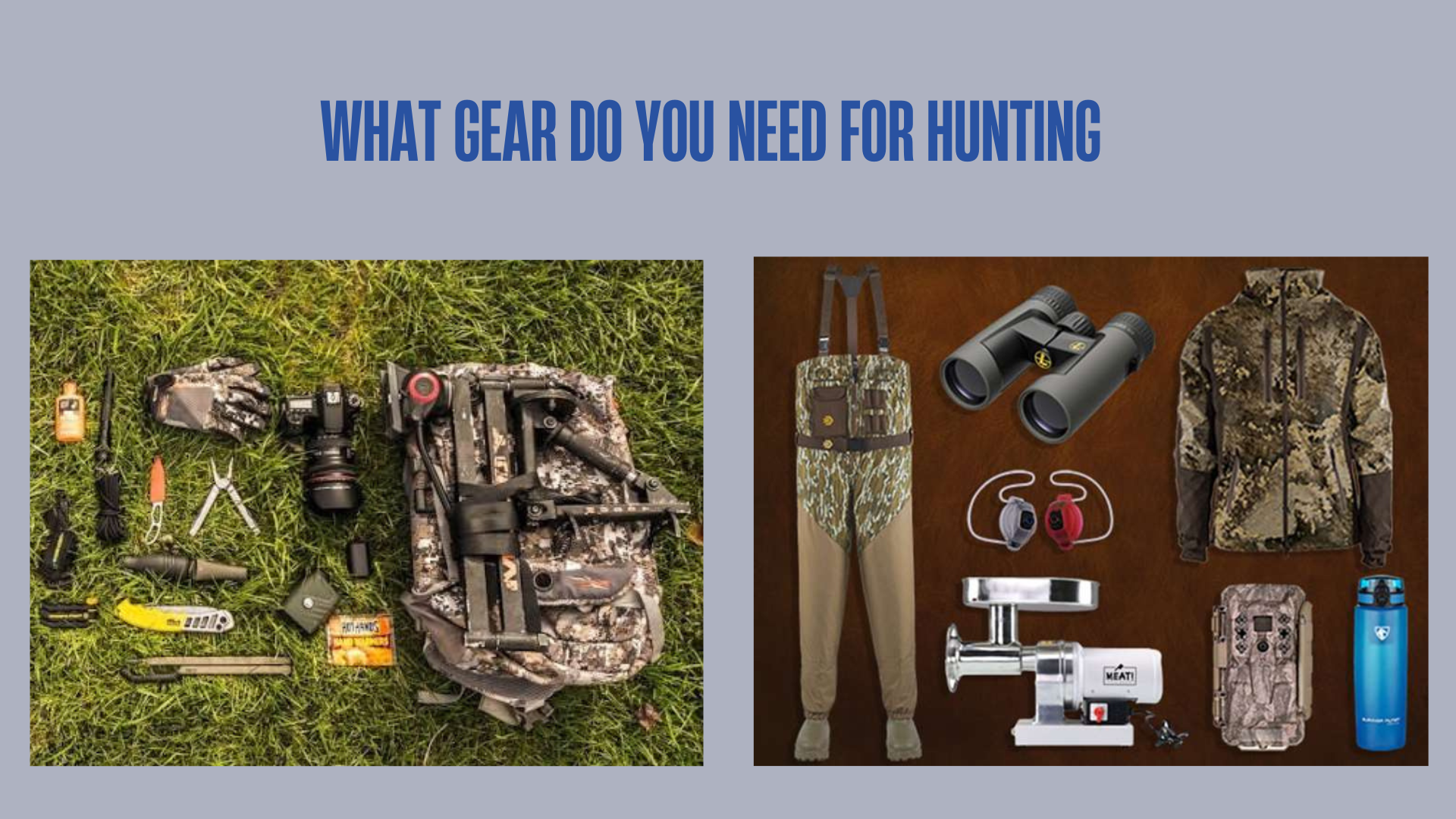
What gear do you need for hunting? At minimum, you need the required license and permits, a legal hunting method appropriate for the species, weather-appropriate clothing, reliable footwear, navigation and communication tools, water, basic first aid, and equipment for safely recovering and caring for game.
The exact list changes with the species, season, terrain, weather, distance from your vehicle, and whether you hunt with a firearm, bow, or another legal method. A short small-game hunt near home requires far less equipment than a backcountry elk hunt or cold-water duck hunt.
Quick Answer
Every hunter should carry the legally required documents and visibility clothing, an appropriate legal hunting implement, navigation tools, communication equipment, water, food, a headlamp, weather protection, and a first-aid kit. You may also need binoculars, game-recovery tools, field-dressing supplies, a sturdy pack, and species-specific items such as calls, decoys, waders, or a tree-stand harness. Check current regulations through the wildlife agency responsible for the area before selecting your equipment. Gear supports good decisions, but it does not replace hunter education, practice, positive target identification, or safe handling.
Hunting Gear at a Glance
| Category | Examples | Priority | What to Check |
|---|---|---|---|
| Documents | License, tags, permits, land-access documents | Required | Current season, species, location, method, and validation rules |
| Hunting method | Legal firearm, bow, crossbow, or muzzleloader and compatible equipment | Required | Local legality, condition, correct operation, and your proficiency |
| Visibility and protection | Hunter orange or pink where required, eye and hearing protection | Required or essential | Minimum garment area, color, season, and local rules |
| Clothing | Base layer, insulation, weather shell, gloves, hat | Essential | Temperature, precipitation, wind, activity level, and fabric noise |
| Footwear | Supportive hunting boots and suitable socks | Essential | Fit, terrain, traction, water resistance, and insulation |
| Navigation | Map, compass, GPS, offline map | Essential | Battery life, boundaries, skill using the tools, and backup method |
| Communication | Charged phone, power bank, radio, satellite communicator | Essential; type varies | Expected coverage and remoteness |
| Emergency supplies | First aid, headlamp, fire starter, emergency shelter | Essential | Trip length, weather, medical needs, and distance from help |
| Optics | Binoculars and, when appropriate, a rangefinder | Useful | Terrain, hunting method, visibility, and legal restrictions |
| Recovery equipment | Gloves, knife, flagging or digital waypoints, game bags, hauling aid | Essential if harvesting game | Species size, meat-care plan, distance, temperature, and local rules |
| Species-specific gear | Calls, decoys, blind, waders, seat, insect protection | Situational | Species, habitat, season, legality, and actual need |
Important Safety and Legal Notice
Hunting seasons, licenses, tags, legal methods, ammunition restrictions, hunter-orange requirements, public-land rules, transport requirements, and equipment restrictions vary by jurisdiction and can change. Always verify the current regulations with the responsible state, provincial, national, tribal, or local wildlife authority before hunting.
In the United States, the U.S. Fish and Wildlife Service hunting information can help readers find general hunting resources, but state wildlife agencies normally provide the detailed regulations for local seasons and licenses. Rules published by the responsible agency override general online checklists.
Complete the required hunter-education course, learn the rules for your hunting method, practice before the season, and follow the manufacturer’s instructions for every firearm, bow, stand, optic, and safety device you use.
Essential Hunting Gear for Beginners
1. Current licenses, tags, and permits
Carry every document required for the species, season, method, and property you plan to hunt. Depending on local rules, this may include a hunting license, species tag, permit, hunter-education certificate, migratory-bird documentation, public-land permit, or written landowner permission.
Confirm whether electronic documents are accepted or whether you must carry a printed or signed copy. Learn how and when a harvested animal must be tagged, validated, registered, or reported.
2. A legal and appropriate hunting method
You need a firearm, bow, crossbow, muzzleloader, or other method that is legal for the species and season. Use only compatible ammunition, arrows, broadheads, and accessories identified by the equipment manufacturer.
Inspect your equipment before the hunt and practice under controlled conditions. Know your personal accuracy limits and never take a shot beyond the distance or conditions in which you can reliably place it. A more expensive setup does not compensate for poor fit, unfamiliar controls, or inadequate practice.
3. A safe transport or carrying system
Use an appropriate case or protective system when transporting hunting equipment. Follow all applicable transport and storage laws, including rules for vehicles, public areas, ammunition, and crossing jurisdictional boundaries.
Keep the muzzle pointed in a safe direction, keep your finger outside the trigger guard until ready to fire, treat every firearm as if it is loaded, and positively identify the target and what lies beyond it. Mechanical safeties are useful but should never replace safe handling.
4. Required visibility clothing
Many jurisdictions require fluorescent hunter orange or another approved high-visibility color during certain seasons. Requirements may specify the garment type, visible surface area, position on the body, or whether a hat is required.
Even where visibility clothing is not legally required, it may improve recognition among hunting partners and other people in the area. Do not assume camouflage is the correct choice for every hunt.
5. Weather-appropriate clothing
Dress in layers so you can adjust as your activity and the weather change:
- Base layer: Helps move moisture away from the skin.
- Insulating layer: Retains warmth when temperatures drop.
- Outer shell: Protects against wind, rain, or snow.
- Hat and gloves: Protect exposed areas and support comfort.
- Spare dry layer: Provides a backup if clothing becomes wet.
Avoid depending on cotton in cold, wet conditions because it can retain moisture and lose insulating effectiveness. Choose clothing for the forecast, terrain, and amount of movement rather than buying camouflage solely for its appearance.
6. Supportive boots and suitable socks
Footwear should fit correctly, provide traction for the terrain, and protect your feet during the expected distance and weather. Waterproof or insulated boots may help in wet or cold environments, but overly warm footwear can increase sweating in mild conditions.
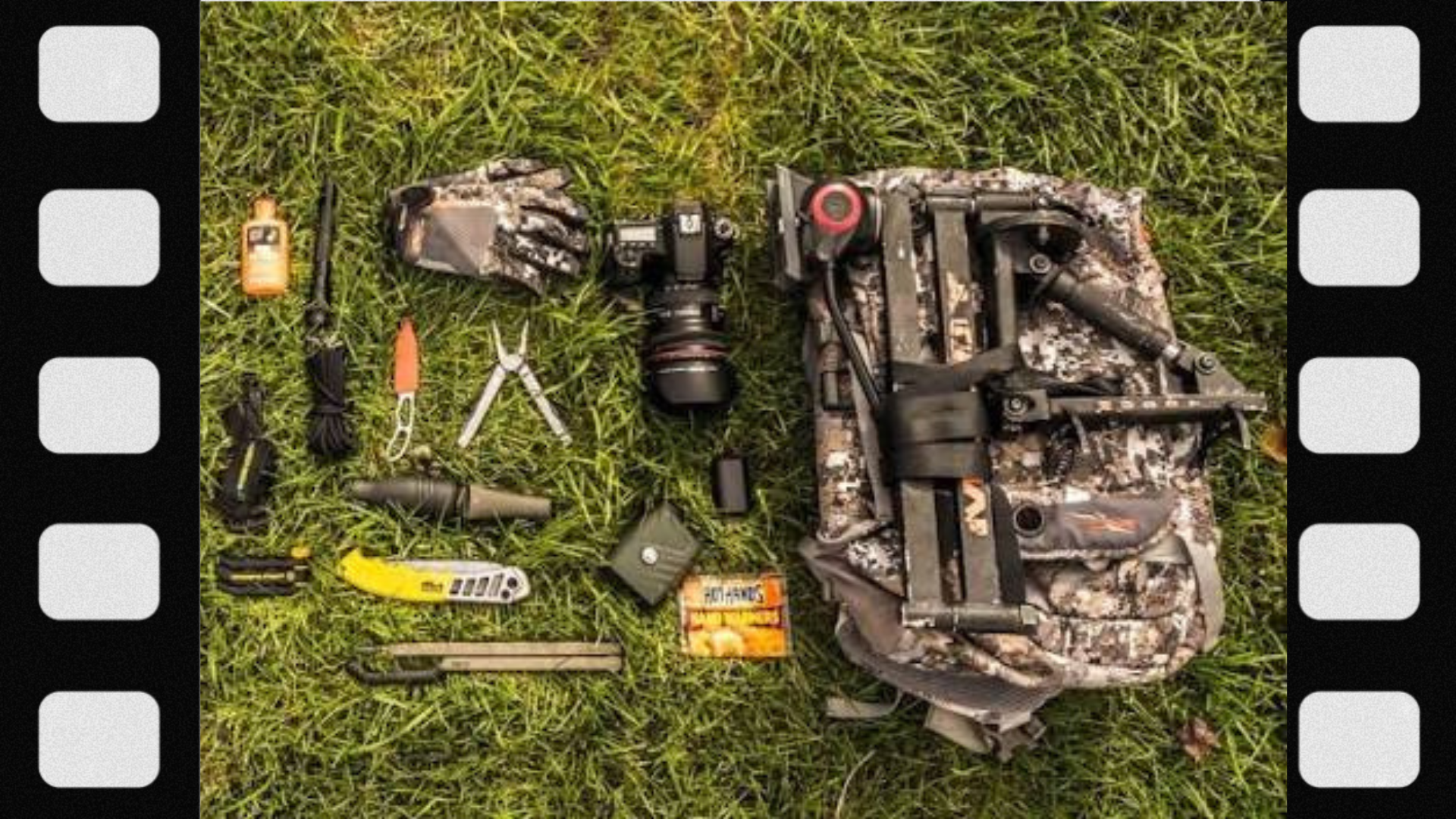
Break boots in before a long hunt. Carry blister-care supplies and consider a spare pair of socks, especially when traveling through wet vegetation, snow, or marsh habitat.
7. A practical hunting backpack
Your pack should hold essential equipment without being so heavy that it reduces balance, endurance, or mobility. Choose a size appropriate to the hunt: a compact daypack may be enough for a short outing, while remote or overnight trips require more capacity.
Organize frequently used items where you can reach them without unloading the entire pack. Protect electronics, documents, spare clothing, and fire-starting supplies from moisture.
8. Navigation tools and boundary information
Carry a map and compass and know how to use them. A GPS unit or offline mapping application can be helpful, but electronics can lose signal, run out of power, become wet, or fail in the cold.
Download maps before leaving coverage and mark your vehicle, access route, emergency exits, and legal hunting boundaries. Mapping tools can assist with property awareness, but they do not create permission to enter private land.
9. Communication and an emergency plan
Carry a charged phone and consider a portable battery. In remote areas without reliable cellular service, a satellite communicator or personal locator beacon may be appropriate. Learn how to operate emergency equipment before the trip.
Leave a written hunt plan with a dependable person. Include:
- Your hunting location and intended access route
- Vehicle description and parking location
- Names of hunting partners
- Expected return time
- Communication schedule
- Instructions for what to do if you do not return
10. Water and food
Bring enough water for the temperature, exertion, altitude, and length of the hunt. Remote trips may also require a reliable treatment method for additional water. Do not assume natural water is safe to drink untreated.
Carry compact food that provides enough energy for the trip, plus an emergency reserve. Cold, heat, steep terrain, and the work of recovering game may increase your needs.
11. A first-aid kit
A basic field kit should match your training and may include adhesive dressings, sterile gauze, medical tape, blister treatment, disposable gloves, and supplies for managing significant bleeding. Include personal medication and allergy information when applicable.
Carrying supplies is not enough; take a first-aid course and learn when an injury requires evacuation or emergency help.
12. A headlamp and backup light
A headlamp keeps both hands available when walking, following a marked route, or handling equipment before sunrise and after sunset. Carry spare batteries or a second light. Confirm legal shooting hours separately—having a light does not make shooting after legal hours permissible.
13. Emergency shelter and fire-starting supplies
Even on a day hunt, a lightweight emergency blanket, bivy, tarp, or other compact shelter can provide protection if you are delayed. Carry a reliable fire-starting method where fires are lawful and safe.
Observe fire restrictions and never leave a fire unattended. In dry conditions, avoiding ignition may be more important than starting a fire.
14. Binoculars
Binoculars help hunters observe animals and terrain without pointing a firearm at something merely to identify it. Never use a riflescope as a general observation tool.
Select magnification and size according to terrain, light, pack weight, and how steadily you can hold the optic. Positive identification remains mandatory regardless of optical quality.
15. Game-recovery and meat-care equipment
If you plan to harvest game, have a recovery and meat-care plan before taking a shot. Depending on the species and conditions, useful equipment may include:
- Disposable or washable protective gloves
- A sharp field knife with a secure sheath
- A compact sharpening tool
- Game bags suited to the species
- Strong cord
- A hauling aid, sled, cart, or pack system where lawful
- Coolers and ice prepared at the vehicle
- Clean water or approved cleaning supplies
- Required tags and reporting information
Choose tools you know how to use safely. Keep meat clean, cool it promptly, and follow current wildlife-agency and food-safety guidance. Larger animals may require help, multiple trips, or a professional processor.
A Simple Printable Hunting Gear Checklist
Documents and planning
- □ Current hunting license
- □ Species tags and required permits
- □ Hunter-education documentation if required
- □ Landowner permission or public-land permit
- □ Current regulations and legal shooting-hour information
- □ Map, access plan, and boundary information
- □ Hunt plan left with a reliable person
Hunting and safety equipment
- □ Legal hunting implement
- □ Correct compatible ammunition or archery equipment
- □ Protective case or transport system
- □ Required high-visibility clothing
- □ Eye and hearing protection when appropriate
- □ Full-body fall-arrest system for elevated hunting
- □ Personal flotation device for boat-based hunting
Clothing and footwear
- □ Moisture-managing base layer
- □ Insulating layer
- □ Rain and wind protection
- □ Hat and gloves
- □ Supportive boots
- □ Suitable socks and spare pair
- □ Extra dry layer
Pack essentials
- □ Water
- □ Food and emergency reserve
- □ First-aid kit and personal medication
- □ Headlamp, backup light, and batteries
- □ Phone and portable power
- □ Map and compass
- □ GPS or offline map if used
- □ Emergency shelter
- □ Fire starter where lawful and safe
- □ Whistle or signaling device
- □ Sun and insect protection as conditions require
Observation and recovery
- □ Binoculars
- □ Rangefinder when useful
- □ Protective gloves
- □ Field knife and sharpener
- □ Game bags or species-appropriate transport supplies
- □ Flagging material where legal or saved digital waypoints
- □ Cord
- □ Cooler and cooling plan
Species-Specific Hunting Gear
| Hunt Type | Common Additional Gear | Important Safety Consideration |
|---|---|---|
| Deer hunting | Seat cushion, binoculars, hauling aid, game bags, field knife | Use a full-body harness and lifeline when hunting from an elevated stand. |
| Turkey hunting | Calls, seat, blind where legal, decoys where legal | Never stalk another hunter’s calling and clearly identify the entire target. |
| Waterfowl hunting | Waders, decoys, calls, waterproof storage, dog equipment | Wear a personal flotation device in boats and take cold-water risks seriously. |
| Upland-bird hunting | Protective brush clothing, eye protection, dog supplies, water | Maintain safe shooting zones and know every hunter’s and dog’s position. |
| Backcountry big-game hunting | Satellite communication, water treatment, shelter, game bags, robust pack | Plan for weather, navigation, evacuation, and rapid meat cooling. |
| Small-game hunting | Compact pack, suitable clothing, game pouch, basic field-care supplies | Confirm species, safe shooting direction, season, and local method restrictions. |
| Predator hunting | Calls, concealment, seat, optics where legal | Electronic calls, night hunting, lights, and thermal devices may be regulated. |
Special Safety Equipment for Higher-Risk Hunts
Tree stands and hunting saddles
Use a properly fitted full-body fall-arrest system and remain connected from the time you leave the ground until you return. Inspect the stand, straps, platform, harness, and lifeline before use. Haul an unloaded firearm or bow separately after you are secure; never climb while carrying loaded equipment.
Waterfowl and boat hunting
Wear a correctly fitted personal flotation device, follow the boat’s capacity limits, secure equipment, and monitor wind and weather. Cold water can quickly become life-threatening. Keep firearms controlled and pointed safely, especially when people and dogs are moving in a confined boat.
Backcountry hunting
Remote hunts require redundant navigation, dependable communication, emergency shelter, more extensive first aid, water treatment, and enough food and clothing to survive an unexpected delay. Establish turnaround limits before leaving and stop when weather, visibility, fatigue, injury, or terrain becomes unsafe.
Hot-weather hunting
Carry adequate water, sun protection, and electrolyte support appropriate to your needs. Plan for shade and rest, recognize heat-illness symptoms, and have a rapid cooling plan for harvested meat.
Cold-weather hunting
Protect yourself from moisture, wind, and declining temperatures. Pack dry insulation and monitor yourself and your partners for uncontrolled shivering, confusion, clumsiness, or unusual fatigue.
Gear That Is Useful but Not Always Necessary
You do not need the most expensive equipment to hunt responsibly. Choose gear based on the species, terrain, weather, local regulations, fit, safety, reliability, maintenance requirements, and your actual experience.
Optional items may include:
- Rangefinder
- Spotting scope and tripod
- Specialized camouflage
- Game calls
- Decoys
- Ground blind
- Trail camera
- Portable seat
- Trekking poles
- Scent-control products
- Electronic mapping subscription
- Specialized hauling cart
These products may improve comfort or support a specific hunting method, but none guarantees success. Spend first on training, legal compliance, dependable safety equipment, comfortable footwear, and protection from the expected weather.
Common Beginner Gear Mistakes
Carrying too much
An overloaded pack increases fatigue and can affect balance. Build your list around the actual distance, weather, species, and emergency consequences rather than packing every item marketed to hunters.
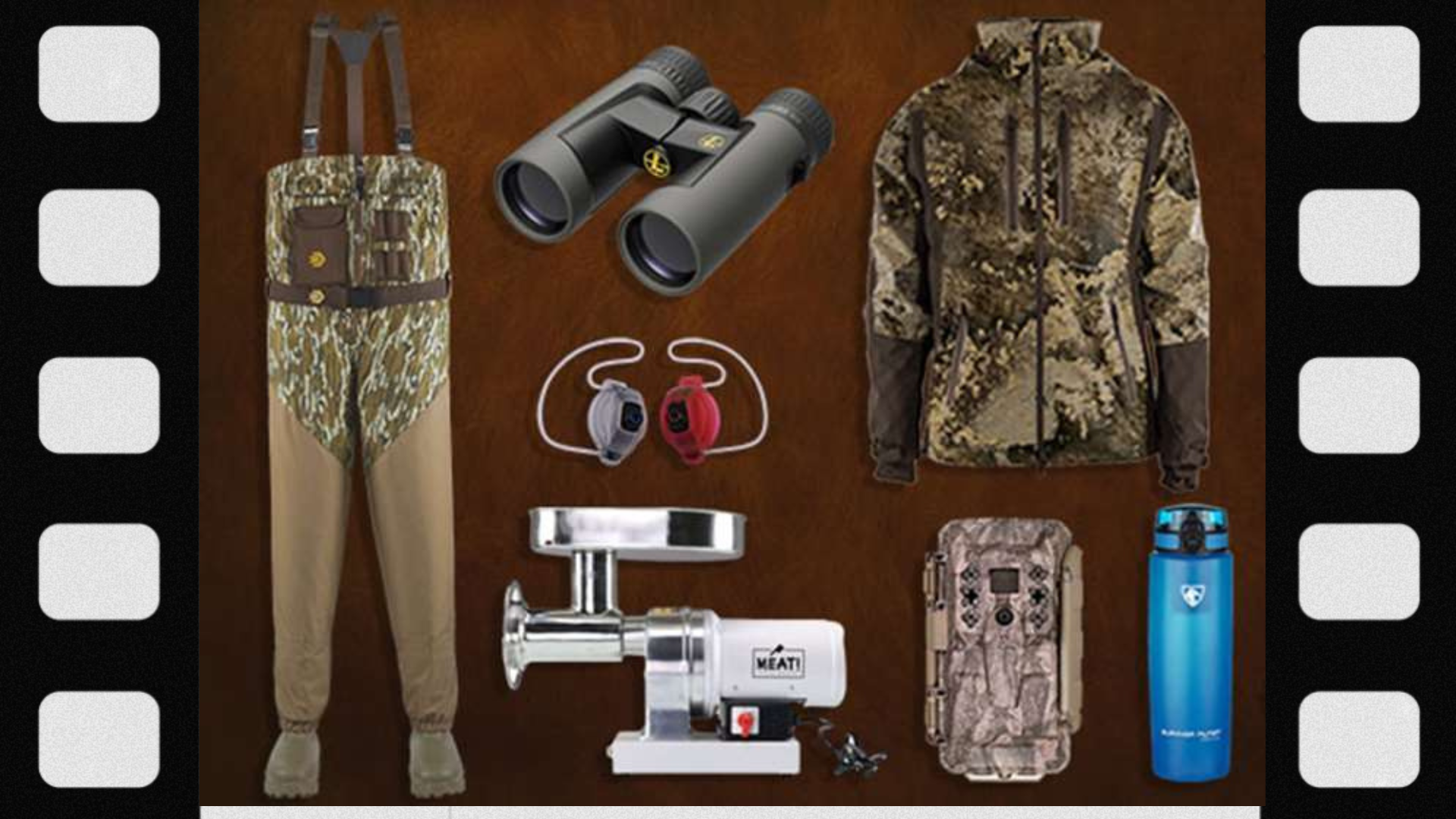
Buying gear before checking regulations
A product may be useful in one jurisdiction and restricted in another. Check rules covering hunting methods, ammunition, calls, bait, decoys, optics, night hunting, and public-land use before buying specialized equipment.
Depending entirely on a phone
Phones can lose coverage, power, or function. Carry downloaded maps, supplemental power, and a non-electronic navigation backup that you know how to use.
Wearing untested boots
New boots can create blisters and foot pain. Break them in before the season and test the complete sock-and-boot combination under realistic conditions.
Ignoring game recovery
Do not take a shot without considering how you will locate, tag, move, cool, and process the animal. Recovery may be more physically demanding and time-sensitive than the hunt itself.
Using unfamiliar equipment
Practice with your firearm, bow, optic, safety harness, navigation tools, calls, and emergency devices before entering the field. The hunt is not the place to read a product manual for the first time.
What Not to Do
- Do not hunt before verifying the current season, license, tag, method, and location rules.
- Do not shoot at sound, color, movement, or an animal you cannot positively identify.
- Do not point a firearm-mounted optic at anything you have not already identified as a lawful target.
- Do not take a shot without knowing what is beyond the target.
- Do not cross fences, roads, streams, or obstacles carelessly with loaded equipment.
- Do not climb into an elevated stand with a loaded firearm.
- Do not enter private property without permission, including while recovering game.
- Do not rely on camouflage as a substitute for required high-visibility clothing.
- Do not continue when weather, injury, fatigue, darkness, or terrain makes the hunt unsafe.
- Do not harvest an animal unless you have a realistic recovery and meat-care plan.
Final Answer
What gear do you need for hunting? Begin with legal documents, an appropriate legal hunting method, required visibility clothing, weather-ready layers, reliable boots, a pack, navigation, communication, water, food, first aid, lighting, and game-recovery supplies. Add species-specific equipment only when it supports the particular hunt. Verify current local regulations, complete hunter education, practice with every critical tool, and leave a trip plan before entering the field.
FAQs
1. What is the most important hunting gear for a beginner?
The most important items are required licenses and tags, safe and legal hunting equipment, required visibility clothing, suitable footwear, weather protection, navigation, communication, water, first aid, and lighting.
2. Do I need camouflage to hunt?
Not always. Camouflage can help in some situations, especially when animals rely heavily on vision, but remaining still, using cover, managing movement, and following visibility-clothing laws may matter more.
3. Do I need hunter orange?
It depends on the jurisdiction, species, and season. Many areas require a specific amount or type of fluorescent clothing. Check the current regulation publication issued by the responsible wildlife agency.
4. Do I need a hunting license on private property?
Often yes, but exceptions and landowner provisions vary. Private ownership does not automatically remove licensing, season, tagging, or method requirements.
5. What should be in a hunting backpack?
A basic daypack should contain water, food, first aid, navigation, communication, a headlamp, spare power, weather protection, an emergency layer, signaling equipment, and recovery tools appropriate to the species.
6. What size backpack is best for hunting?
The correct size depends on trip duration, weather, species, and recovery plan. Choose the smallest pack that safely holds your essentials without forcing you to omit emergency equipment.
7. Do I need expensive hunting gear?
No. Reliable, correctly fitted equipment is more important than premium branding. Prioritize safety, footwear, weather protection, navigation, legal compliance, and practice.
8. What clothing should a beginner hunter wear?
Wear a moisture-managing base layer, appropriate insulation, and a windproof or waterproof outer layer when conditions require it. Add required visibility clothing, comfortable boots, suitable socks, gloves, and a hat.
9. Are jeans suitable for hunting?
They may work for a mild, dry, short hunt, but cotton denim holds moisture and can become uncomfortable or dangerously cold in wet conditions. Choose technical or wool-blend layers for cold or wet environments.
10. Do I need waterproof hunting boots?
Waterproof boots are helpful in marshes, snow, rain, and wet vegetation. They may be unnecessary or too warm in dry climates, so match footwear to terrain and temperature.
11. Should I carry a compass if I have GPS?
Yes, particularly away from roads. A compass and map provide a backup if the GPS or phone fails, but you must practice using them before depending on them.
12. Can I use my phone as my only hunting map?
It is not ideal. Download offline maps and carry backup navigation because batteries fail, screens break, and cellular coverage may be unavailable.
13. Do I need binoculars for hunting?
Binoculars are strongly recommended for observing terrain and identifying animals safely. They prevent the unsafe practice of using a firearm-mounted scope as a general viewing device.
14. Is a rangefinder necessary?
Not for every hunt, but it can help hunters judge distance within their practiced range, particularly in open terrain or during archery hunting. It does not replace marksmanship or ethical judgment.
15. What first-aid supplies should hunters carry?
Carry supplies appropriate to your training, including basic wound care, blister treatment, protective gloves, and bleeding-control materials. Add personal medication and take a recognized first-aid course.
16. Do I need a survival kit for a day hunt?
A compact emergency kit is wise even on a day trip. Weather, injury, navigation errors, or a lengthy recovery can keep you outside much longer than expected.
17. Why should hunters carry a headlamp?
Many hunts begin before sunrise or end near darkness. A headlamp supports safer walking and recovery while keeping both hands available. It does not change legal shooting hours.
18. How much water should I bring hunting?
The amount varies with temperature, altitude, exertion, duration, and body needs. Carry a realistic supply and a treatment method if you may need natural water on a remote trip.
19. What food is practical for a day hunt?
Choose compact foods that are easy to carry, tolerate the expected temperature, and provide enough energy. Pack slightly more than your planned need in case the hunt is delayed.
20. What gear is needed for deer hunting?
In addition to the general essentials, deer hunters may need binoculars, a seat or stand, a full-body harness for elevated hunting, tagging supplies, a field knife, protective gloves, game bags, and a hauling plan.
21. What gear is needed for turkey hunting?
Common additions include calls, a seat, binoculars, and legal decoys or a blind. Because turkey hunters often imitate bird sounds, never stalk an unknown caller or shoot without identifying the entire bird and background.
22. What gear is needed for duck hunting?
Depending on the location, you may need waders, waterproof storage, decoys, calls, boat equipment, and dog supplies. A personal flotation device and cold-water plan are essential for boat or deep-water access.
23. What gear is needed for elk hunting?
Elk hunting often requires supportive boots, layered clothing, binoculars, navigation, communication, game bags, a sturdy meat-hauling pack, water treatment, and a detailed recovery plan.
24. Do bowhunters need different equipment?
Bowhunters need compatible arrows, legal broadheads, a release or other accessories appropriate to the bow, and often a rangefinder. All equipment should be tuned, inspected, and practiced with before the season.
25. Do tree-stand hunters need a safety harness?
Yes. Use a properly fitted full-body fall-arrest system and stay connected during ascent, hunting, and descent. Follow the stand and harness manufacturers’ instructions.
26. Should hunters carry hearing protection?
Hearing protection is strongly advisable around firearm noise. Choose protection suitable for the activity and practice using it so it does not interfere with safe communication or equipment handling.
27. Do hunters need eye protection?
Protective eyewear is useful during firearm practice and in brush, wind, debris, and certain field conditions. Select lenses that preserve adequate visibility for the environment.
28. Should I carry a knife while hunting?
A suitable field knife is useful for game care, but it should have a secure handle and sheath. Learn safe technique, keep the blade controlled, and cut away from your body and partners.
29. Do I need game bags?
They are valuable when meat must be divided and carried, particularly for larger animals or warm-weather hunts. Choose breathable bags appropriate to the species and your cooling plan.
30. What should I leave in my vehicle?
Useful vehicle supplies include extra water, dry clothing, boots, food, a larger first-aid kit, charging equipment, coolers, ice, recovery equipment, and emergency roadside supplies.
31. Should I carry a satellite communicator?
It is worth considering when hunting beyond dependable phone coverage. Choose a device and service appropriate to the region, test it, and make sure your emergency contacts understand your communication plan.
32. Are game calls essential?
No. Calls are species- and season-specific tools. They require practice and may be restricted in some places, particularly electronic versions.
33. Do scent-control products guarantee better hunting?
No. Wind direction, movement, access route, animal behavior, and hunting pressure can all affect an encounter. No scent-control product guarantees that an animal will not detect a hunter.
34. Should a beginner buy a trail camera?
A trail camera can support scouting, but it is optional. Check rules governing placement, dates, cellular transmission, identification, and use on public or private land.
35. How can I reduce hunting pack weight safely?
Remove duplicated convenience items, select multipurpose equipment, and adjust the list to the actual trip. Do not remove water, navigation, communication, first aid, weather protection, or emergency essentials merely to reach a target weight.
36. What gear should two hunting partners share?
Partners may share some recovery tools, shelters, navigation backups, or processing equipment. Each person should still carry critical personal items such as water, basic first aid, visibility clothing, identification, and a light.
37. How should I prepare gear before opening day?
Inspect, clean, organize, and test it well in advance. Confirm licenses and regulations, check batteries, download maps, break in boots, practice with the hunting equipment, and rehearse the emergency plan.
38. What is the biggest gear mistake new hunters make?
A common mistake is focusing on optional products while neglecting training, navigation, weather protection, recovery planning, and legal research. Start with safety and genuine needs.
39. Does hunting gear differ on public and private land?
The basic safety equipment remains similar, but access documents, boundary maps, parking rules, blaze-color requirements, stand restrictions, and permitted hunting methods may differ.
40. Where should I verify hunting gear requirements?
Use the current regulation publication or website of the wildlife agency responsible for the hunting location. Also check land-management rules and the manufacturer’s instructions for your equipment.
Read more: