
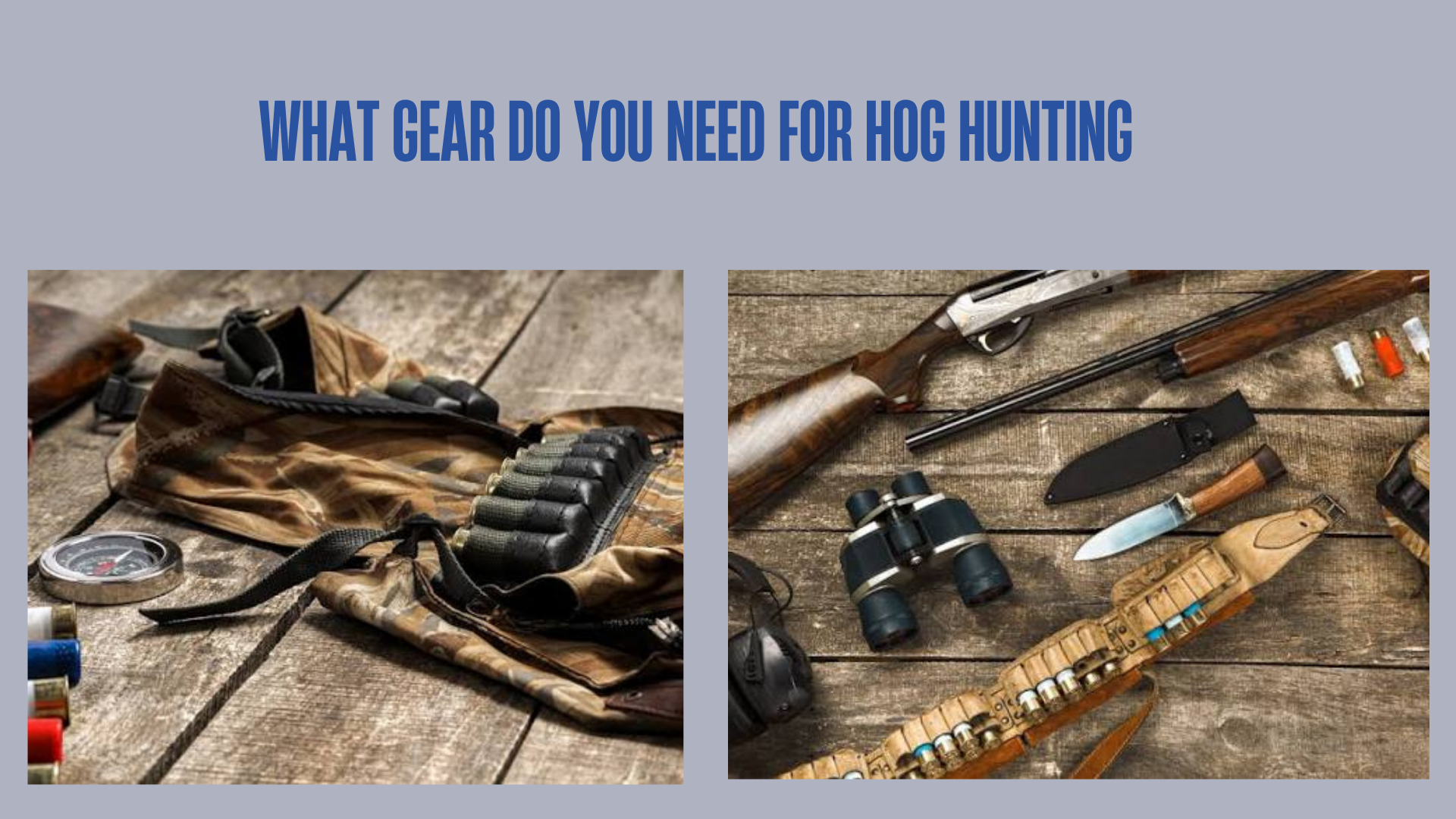

Hog hunting gear checklist at a glance
| Category | Core items | Why they matter |
|---|---|---|
| Legal and access | Current documents, written permission, unit map, regulations saved offline | Confirms where, when, and how you may hunt |
| Hunting system | Legal firearm or bow, appropriate ammunition or arrows, sight, sling or case | Supports an accurate, controlled shot |
| Personal protection | Eye and hearing protection, required hunter orange, gloves | Reduces preventable injury and improves visibility to people |
| Clothing | Boots, quiet layers, rain layer, sun and insect protection | Matches brush, mud, heat, cold, and weather |
| Navigation | Offline map/GPS, compass, charged phone, spare power | Protects boundaries and provides a route home |
| Communication | Phone or radio, trip plan, emergency contacts | Lets partners coordinate and rescuers find you |
| Support and observation | Binocular, shooting sticks or rest, rangefinder where useful | Improves identification and shot discipline |
| Recovery | Headlamp, backup light, marking tape or digital pins, cord | Helps follow a safe, organized recovery path |
| Field care | Disposable gloves, eye protection, sharp knife, bags, cooler and ice | Limits exposure and cools meat promptly |
| Emergency | Water, first aid kit, personal medication, weather shelter, fire starter where appropriate | Handles common injuries and an unplanned delay |
1. Licenses, permission, and a property-specific plan
Put compliance gear at the top of the list. Carry whatever license, permit, hunter-education proof, identification, access pass, or harvest documentation the current rules require. Save the regulations and property map on your phone for offline use, but carry a paper backup on remote hunts. A text message or signed permission form that identifies the land, dates, authorized hunters, access roads, gates, and allowed methods can prevent dangerous misunderstandings.
Ask the landowner or manager about occupied homes, livestock, workers, neighboring roads, no-shoot zones, protected species, traps, feeders, and safe firing directions. Mark hard boundaries and hazards before dark. Agree on whether vehicles may enter fields and how a harvested animal may be removed.
Public-land restrictions can be much narrower than statewide rules. A unit may limit hunting to daylight, prohibit bait or dogs, mandate orange, restrict ammunition or weapon types, or require a drawing and orientation. Check the state wildlife agency and the agency managing that exact parcel shortly before the hunt.
2. A lawful weapon and a complete shooting system
Choose a firearm, bow, crossbow, muzzleloader, or other method that is lawful where you hunt and that you can operate accurately under field conditions. There is no single universal “hog caliber.” Animal size, distance, angle, projectile construction, recoil tolerance, local rules, and the hunter’s demonstrated accuracy all matter. Use ammunition or archery components intended for the hunting task and compatible with the equipment; confirm the zero or point of impact before the trip.
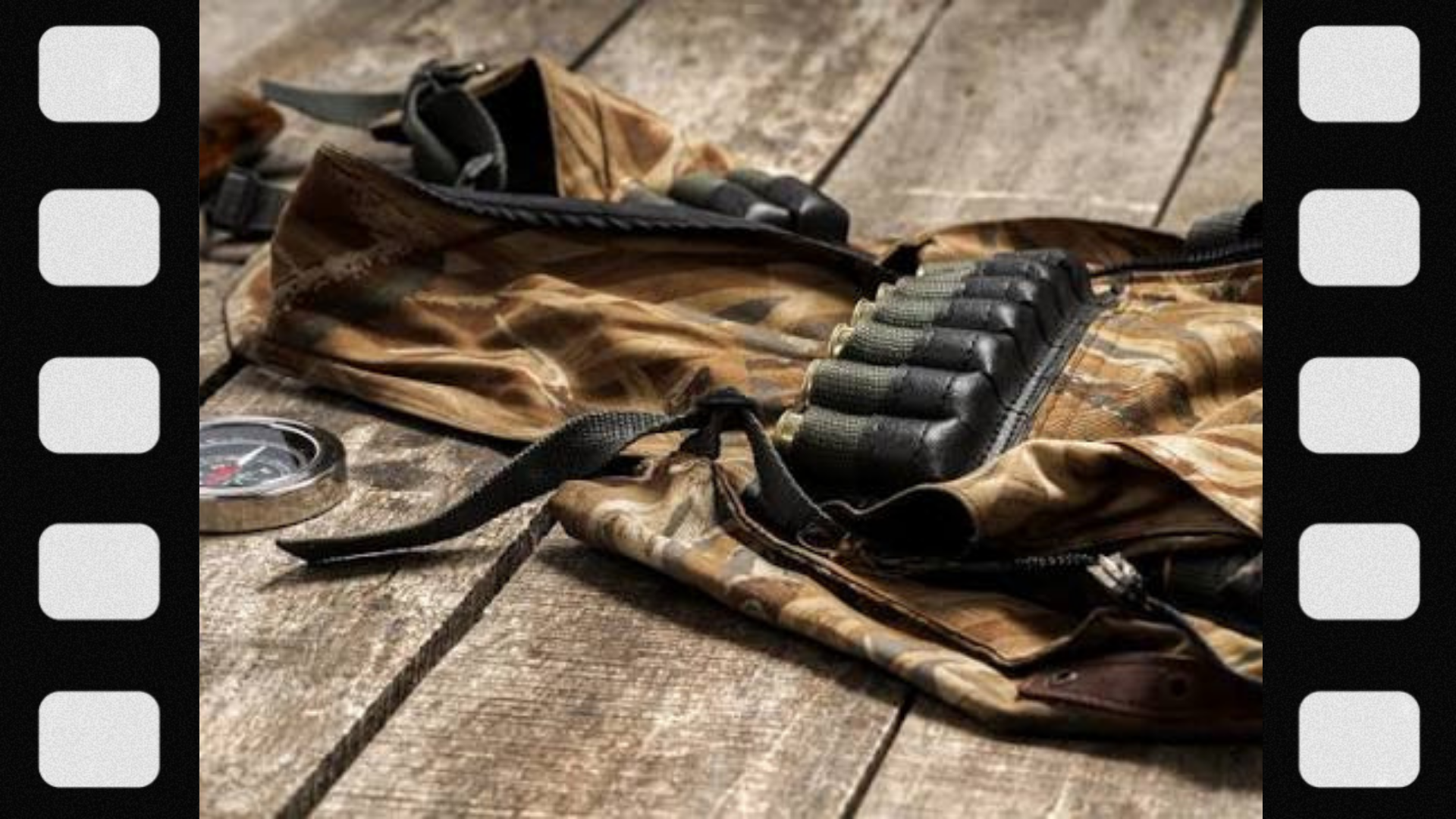
A complete system includes the weapon, a securely mounted optic or sight, a sling or lawful transport case, the correct ammunition or arrows, and only the small maintenance items needed to keep it operating. Carry ammunition protected from dirt and moisture. Do not mix similar-looking cartridges, and do not leave a loaded firearm in a vehicle or unattended as prohibited by law and basic safety practice.
Bring a stable rest when the setup permits. Shooting sticks, a tripod, a blind rail, or a properly used pack can reduce movement and help a hunter decline a marginal shot. Practice from the same positions and distances expected in the field. Suppressors, magazine capacities, weapon-mounted lights, and other accessories are regulated differently by jurisdiction; verify them rather than assuming they are allowed.
3. Optics, lights, and nighttime equipment
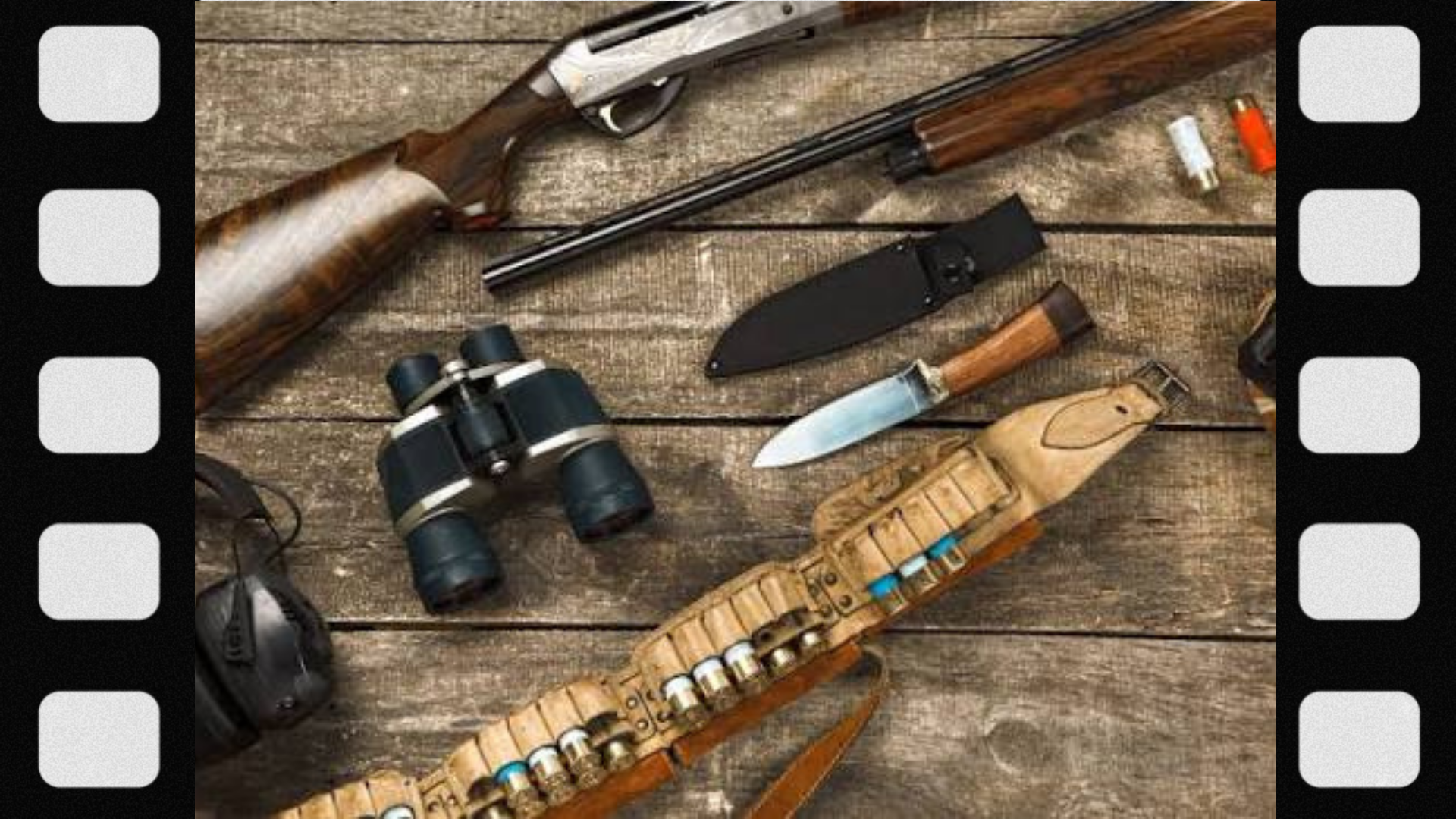
Binoculars are useful even when a rifle has a scope because they allow extended observation without pointing a firearm. A rangefinder helps where distance is difficult to judge, but it does not replace knowing the safe backstop. During daylight, a simple, rugged optic with a clear field of view is often more useful than excessive magnification at close range.
For low-light recovery, carry a hands-free headlamp plus a separate backup light and spare batteries. Red or green light does not make an unsafe target safe. If nighttime hunting and artificial light are legal, every person should understand the firing lanes, partner positions, livestock locations, and stop commands before loading.
Thermal imaging can help locate heat signatures, but it does not reliably identify every species, reveal color, or show all branches, wire, terrain, buildings, and objects beyond the animal. Use visible-light confirmation whenever necessary and never fire at an unidentified heat source. Night vision, thermal optics, lasers, and vehicle-mounted lights may be prohibited on certain lands even when permitted elsewhere.
4. Clothing and footwear for hog country
Dress for the habitat rather than for a catalog photo. Tough, quiet pants and a long-sleeve shirt protect against thorns, sun, and insects. Add moisture-wicking base layers, insulation, and a packable rain shell as conditions require. Avoid cotton as the primary cold-weather layer because it holds moisture. Wear blaze orange whenever required and consider it whenever other hunters may be present.
Boots need traction, ankle support, and the right level of waterproofing. Knee-high rubber boots can be helpful in wet ground and may control scent, while breathable hiking boots usually handle long, dry walks better. Gaiters keep seeds and debris out. In snake habitat, hunters may choose snake-resistant boots or gaiters, but awareness and careful foot placement remain essential.
Bring a brimmed hat, durable work gloves, sun protection, and repellent appropriate for mosquitoes, ticks, and chiggers. Conduct tick checks after the hunt. Pack a dry layer in the vehicle even on warm days; sweat, wind, and a delayed recovery can make temperatures feel much colder.
5. Navigation, communication, and emergency gear
A mapping app is useful only if the map is downloaded, the battery lasts, and the boundary data is accurate enough for the task. Carry a compass and know the general direction of roads, fences, and hazards. A power bank and short charging cable are inexpensive insurance. In remote country without cellular coverage, a satellite messenger or personal locator device can be more valuable than another hunting accessory.
Leave a trip plan with a reliable person: property, parking location, hunting partners, vehicle description, expected return, and the time they should request help. Partners should agree on radio channels, check-in times, safe zones, and what happens if separated. Never use headphones that prevent you from hearing people, livestock, vehicles, or an approaching animal.
Carry enough drinking water for the conditions, electrolyte replacement when heat exposure warrants it, compact food, personal medication, and a small weather shelter. The first aid kit should match the distance from help and the user’s training. Include supplies for common cuts, blisters, eye contamination, and bleeding control, but training and a rehearsed emergency plan matter more than owning unfamiliar equipment.
6. Recovery and extraction equipment
Plan recovery before taking a shot. Know the last place the animal was standing and choose a nearby landmark. After firing, maintain muzzle control, observe the animal’s path, and reload or make the weapon safe according to the situation. Do not rush into dense cover. A wounded hog can be dangerous; approach cautiously from a position of advantage, keep partners accounted for, and follow local rules on dispatch and recovery.
Useful recovery tools include a headlamp, backup flashlight, map pins, flagging tape used only where allowed and removed afterward, and a small notebook. Avoid trampling the initial sign. If the animal is not found promptly, return to the last reliable sign and work methodically. Do not split a group in darkness without a communication plan.
Extraction gear depends on animal size and access. A strong drag rope, webbing harness, game cart, plastic sled, winch, or vehicle may help, but each has terrain and property limitations. Never overload a person, lift carelessly, or attach a rope in a way that creates a vehicle or firearm hazard. Carrying a quartered animal may be more practical where legal; first confirm carcass-transport and evidence-of-sex rules.
7. Field dressing, disease protection, and meat cooling
Wild hogs can carry pathogens and parasites even when they look healthy. The Centers for Disease Control and Prevention advises safe field-dressing practices, including clean sharp knives, eye protection, and latex or rubber gloves; avoid bare-skin contact with fluids and organs, wash hands, and disinfect tools. Cover cuts before handling a carcass. Do not eat, drink, smoke, or touch your face while processing.
Pack several pairs of disposable gloves, protective glasses, a washable apron or outer layer, two sharp knives or a knife and sharpener, clean game bags, heavy leak-resistant bags, paper towels, soap or wipes for initial cleanup, and a dedicated container for dirty tools. Package harvested material so blood cannot leak during transport. Follow property and agency directions for unwanted remains.
Have a cooler with enough ice or frozen bottles ready before the hunt. Open, quarter, or otherwise cool the carcass promptly as law and conditions allow; heat trapped under hide can damage meat quickly. Keep meat clean and separated from digestive contents. USDA APHIS advises cooking feral-swine meat to a safe internal temperature of 160°F (71°C); freezing, smoking, drying, or pickling should not be treated as substitutes for thorough cooking.
Clean and disinfect boots, tools, coolers, and contaminated vehicle surfaces after the hunt. Change dirty clothing and footwear before contact with domestic pigs. Do not feed raw feral-swine meat or organs to dogs.
Gear by hunting method
Stationary hunting from a blind or stand
Prioritize a comfortable seat, stable rest, binoculars, layered clothing, insect control, quiet water bottle, wind indicator, and a preplanned extraction route. Confirm that the stand is structurally sound and that elevated-stand users have an appropriate full-body fall-arrest system. Keep the weapon controlled when climbing; use a haul line only after reaching the platform and follow hunter-education guidance.
Spot-and-stalk or still-hunting
Reduce weight. Carry supportive boots, compact binoculars, rangefinder if useful, shooting sticks, water, offline map, wind indicator, and a small recovery kit. Avoid hanging unnecessary tools outside the pack where they snag brush. Plan how the animal will be removed from the farthest point before walking there.
Night hunting where legal
Add a legal identification system, thermal or night optic if allowed, visible backup light, spare batteries, partner communication, and clearly defined shooting sectors. Walk the property in daylight first. Mark houses, roads, livestock, fences, and boundaries. Night equipment increases capability but also makes disciplined target identification more important.
Hunting with dogs where legal
This is a specialized method, not a beginner add-on. Trained handlers may need GPS tracking collars, high-visibility protective vests, canine first aid supplies, water, leads, transport kennels, and a veterinary emergency plan. Verify dog-use rules and property permission. Do not place an untrained dog—or a hunter—into close contact with a hog.
What can stay in the vehicle?
A vehicle tote can hold the heavy or duplicate items: large cooler and ice, clean water, change of clothes, towels, disinfectant, extraction equipment, tool kit, additional first aid supplies, battery charger, and legal transport containers. Keep temperature-sensitive electronics and batteries within their recommended range. Secure firearms and ammunition against unauthorized access and comply with transport law.
Do not leave critical survival items behind merely to save weight. If a breakdown, injury, weather change, or boundary mistake could separate you from the vehicle, the water, navigation, communication, light, and emergency layer belong on your body or in your pack.
How to reduce pack weight without losing safety
- Choose gear for the specific method, forecast, distance, and extraction plan.
- Carry one dependable primary light and one compact backup rather than several bulky lights.
- Use a phone with offline maps, but retain a simple compass and spare power.
- Move field-processing and extraction equipment to a vehicle tote when the vehicle is reliably accessible.
- Share noncritical group gear such as a rangefinder, drag system, and larger medical kit.
- Remove duplicate knives, gadgets, oversized ammunition supplies, and untested accessories.
- Never cut water, required PPE, communication, navigation, or weather protection below a safe level.
Common beginner mistakes
- Assuming hogs have no rules. “Unprotected” or “invasive” does not erase access, weapon, shooting-hour, discharge, transport, or public-land rules.
- Buying technology before learning the property. A thermal optic cannot supply a safe backstop or show every obstacle.
- Carrying no recovery plan. The hunt is not complete at the shot; light, marking, extraction, PPE, and cooling capacity are part of the plan.
- Using the riflescope as binoculars. Observe with binoculars so the muzzle never covers an unidentified object.
- Shooting at a group without tracking individuals. Identify one animal and its surroundings; know where other animals may move before deciding to fire.
- Ignoring heat. Hunters may carry too little water and arrive with no ice or cooler space.
- Handling a carcass barehanded. Healthy-looking feral swine can still carry disease.
- Overpacking. Excess weight increases fatigue and can reduce shooting stability and extraction capacity.
- Failing to confirm zero. Transport, loose mounts, or a new ammunition load can change point of impact.
- No check-in plan. A fully equipped hunter can still be difficult to find if nobody knows the location or return time.
Printable hog hunting checklist
Before the trip
- □ Verify current state, local, property, and land-manager rules
- □ Obtain permission, licenses, permits, education proof, and access documents
- □ Mark boundaries, homes, roads, livestock, hazards, and safe firing directions
- □ Confirm weapon function and zero with the hunting load
- □ Check weather, fire restrictions, vehicle access, and cellular coverage
- □ Leave a trip plan and expected return time
- □ Prepare sufficient cooler capacity and ice
On your body or in the field pack
- □ Legal weapon, ammunition or arrows, sight, sling or case
- □ Eye and hearing protection; required hunter orange
- □ Boots, layers, rain protection, hat, work gloves
- □ Binoculars; rangefinder and shooting support if useful
- □ Offline map/GPS, compass, phone or radio, backup power
- □ Headlamp, backup light, spare batteries
- □ Water, food, medication, compact emergency shelter
- □ First aid kit matched to training and remoteness
- □ Disposable gloves, eye protection, knife, clean bags
- □ Marking and recovery tools; extraction plan
In the vehicle
- □ Cooler, ice, clean water, leak-resistant containers
- □ Drag rope, cart, sled, or other approved extraction tool
- □ Disinfectant, paper towels, trash bags, dirty-tool container
- □ Dry clothing, spare footwear, charger, larger emergency kit
Frequently asked questions
What is the most essential hog hunting gear?
The essentials are legal access and documents, a suitable lawful weapon, eye and hearing protection, boots and clothing, navigation and communication, water, first aid supplies, recovery lights, protective gloves, a knife, and a meat-cooling plan.
Do I need a hunting license for feral hogs?
It depends on the jurisdiction and property. Some private-land exceptions exist, while public land may require a license, permit, access pass, or drawing. Check the current state wildlife agency and land manager.
Is there a hog hunting season?
Some places allow broad opportunity, but dates and shooting hours can still be limited by public-land units, other open seasons, local ordinances, or property rules. Verify the exact location.
What caliber do I need for hog hunting?
No caliber is universally correct or lawful. Select a legal cartridge and hunting projectile that fit the animal size, expected distance, shot presentation, and your ability to place shots accurately with manageable recoil.
Can I hunt hogs with a shotgun?
Where legal, a shotgun with an approved hunting load may be used. Some public areas restrict buckshot, slugs, gauges, or hunting methods, so consult the unit-specific rules.
Can I bowhunt hogs?
Often, but archery legality and equipment requirements vary. Use a properly tuned setup, a legal hunting broadhead, and only distances and angles at which you can make an ethical shot.
Do I need camouflage?
Camouflage can help break up an outline, but wind management, quiet movement, concealment, and remaining still are usually more important. Required hunter orange takes priority over camouflage.
Do hogs have good eyesight?
Hogs are often described as relying heavily on smell and hearing, but they still detect movement and contrast. Do not use perceived weak eyesight as a reason to ignore concealment or wind.
What boots are best for hog hunting?
Choose by terrain: breathable supportive boots for long dry walks, waterproof boots for mud and wet vegetation, and suitable protective footwear in thorn or snake habitat.
Should I carry binoculars?
Yes. Binoculars support identification and observation without pointing a firearm at an unknown object.
Do I need a rangefinder?
It is useful in open or unfamiliar terrain and for archery, but may be optional at known short distances. Range the area before animals arrive when possible.
Are shooting sticks worth carrying?
They can greatly improve stability during standing, kneeling, or seated shots, provided you practice deploying them quietly and safely.
Can I use a thermal scope for hog hunting?
Only where the device, method, time, and property use are legal. Thermal assists detection but does not replace positive identification or confirmation of a safe background.
Can thermal optics see through brush?
No. They may display heat between gaps, but branches, grass, wire, and other obstacles can remain in the projectile path.
Is night hunting legal for hogs?
It varies. Private land and public units may have different rules, and artificial light, thermal devices, firearm discharge, and notification requirements may be separately regulated.
What lights should I carry?
Carry a dependable headlamp, a separate backup light, and spare batteries. Hunting lights or weapon lights should be used only when legal and safely integrated into a positive-identification process.
How much ammunition should I carry?
Carry enough for the planned hunt, safe follow-up needs, and a modest contingency without adding excessive weight. Store it cleanly and never mix cartridge types.
Do I need hearing protection while hunting?
Yes. Electronic hearing protection can preserve situational awareness while limiting damaging impulse noise, but it must fit correctly and be used consistently.
Should I wear blaze orange?
Wear the amount required by law or property rules. Even when optional, visible orange can help other hunters identify you, especially during overlapping seasons and recovery work.
What should be in a hog hunting first aid kit?
Include gloves, wound-cleaning supplies, dressings, blister care, eye-rinse capability, and bleeding-control tools appropriate to your training, plus personal medication and emergency contacts.
Are feral hogs dangerous to approach?
A wounded or cornered hog can injure people and dogs. Maintain distance, keep an escape route, communicate with partners, and approach a downed animal cautiously from a favorable direction.
Do I need gloves to field dress a hog?
Yes. CDC and USDA guidance recommends disposable latex or rubber gloves, and eye protection helps prevent fluid splashes. Replace torn gloves immediately.
Can wild hog meat carry disease?
Yes. Feral swine may carry pathogens and parasites. Avoid bare-skin and eye exposure, prevent cross-contamination, cool meat promptly, and cook it thoroughly.
What temperature should wild hog meat reach?
USDA APHIS advises cooking feral-swine meat to an internal temperature of 160°F (71°C). Measure at the thickest portion with a food thermometer.
Does freezing wild hog meat make it safe?
Freezing is not a substitute for safe handling and thorough cooking. CDC notes that freezing does not kill the bacteria that cause brucellosis.
What knife do I need?
A sharp, controllable fixed or locking blade that is easy to clean is more useful than a very large knife. Carry a sharpener or replaceable blades safely, plus a separate clean cutting surface when practical.
How big should my cooler be?
It must accommodate the expected edible portions plus sufficient ice without crowding. Animal size and whether you quarter it in the field determine capacity.
How soon should I cool the meat?
Begin cooling as quickly as law, recovery conditions, and safe processing permit, especially in warm weather. Remove heat efficiently while keeping meat clean and dry.
Do I need a game cart?
It helps on suitable trails and firm ground, but may be useless in dense brush, steep slopes, or mud. Match the extraction tool to access and animal size.
Can I use a vehicle to retrieve a hog?
Only with landowner permission and where vehicle use is legal. Public areas often restrict off-road travel, and wet-ground damage can close access or harm habitat.
Should I hunt hogs alone?
A partner adds communication, recovery, first aid, and extraction capacity. If alone, reduce risk, carry reliable communication, leave a detailed trip plan, and avoid situations beyond your experience.
What should I tell my emergency contact?
Provide the property and parking point, route, companions, vehicle, expected return, communication limitations, and a firm time for initiating help.
Do I need a GPS if I have a phone?
A phone with downloaded maps may be sufficient on simple properties, but carry backup power and a compass. Remote or complex terrain can justify a dedicated GPS or satellite messenger.
Is baiting hogs legal?
It is location-dependent. Bait may be allowed on some private properties and prohibited or tightly controlled on public land. Feed type and disease-control rules may also apply.
Can I hunt hogs with dogs?
Only where legal and with permission. It requires trained dogs, experienced handlers, tracking and protective equipment, canine first aid, and a veterinary plan.
Do I need scent-control products?
They are optional. Paying attention to wind, entry route, clean clothing, and human odor sources usually offers more dependable value.
What rain gear works best?
Use quiet, packable waterproof outerwear with enough ventilation for the activity level. In hot weather, balance rain protection against overheating.
What should I carry for hot-weather hog hunting?
Prioritize water, electrolytes when appropriate, sun protection, breathable clothing, insect control, frequent rest, rapid communication, and ample ice for meat.
What belongs in a night-hunting safety briefing?
Review boundaries, targets that must not be shot, occupied structures, livestock, partner locations, firing sectors, safe backstops, light signals, stop commands, and the recovery plan.
What is the biggest gear mistake new hog hunters make?
Many focus on the weapon or optic while neglecting legal verification, positive target identification, recovery, extraction, disease PPE, and meat cooling. Build the whole system before buying upgrades.
Authoritative resources
- CDC: Brucellosis and animals—safe field dressing
- USDA APHIS: Feral swine risks to pets and people
- USDA APHIS: Biosecurity guidance for hunters
- Your current state wildlife agency and the land-management agency for the exact property