
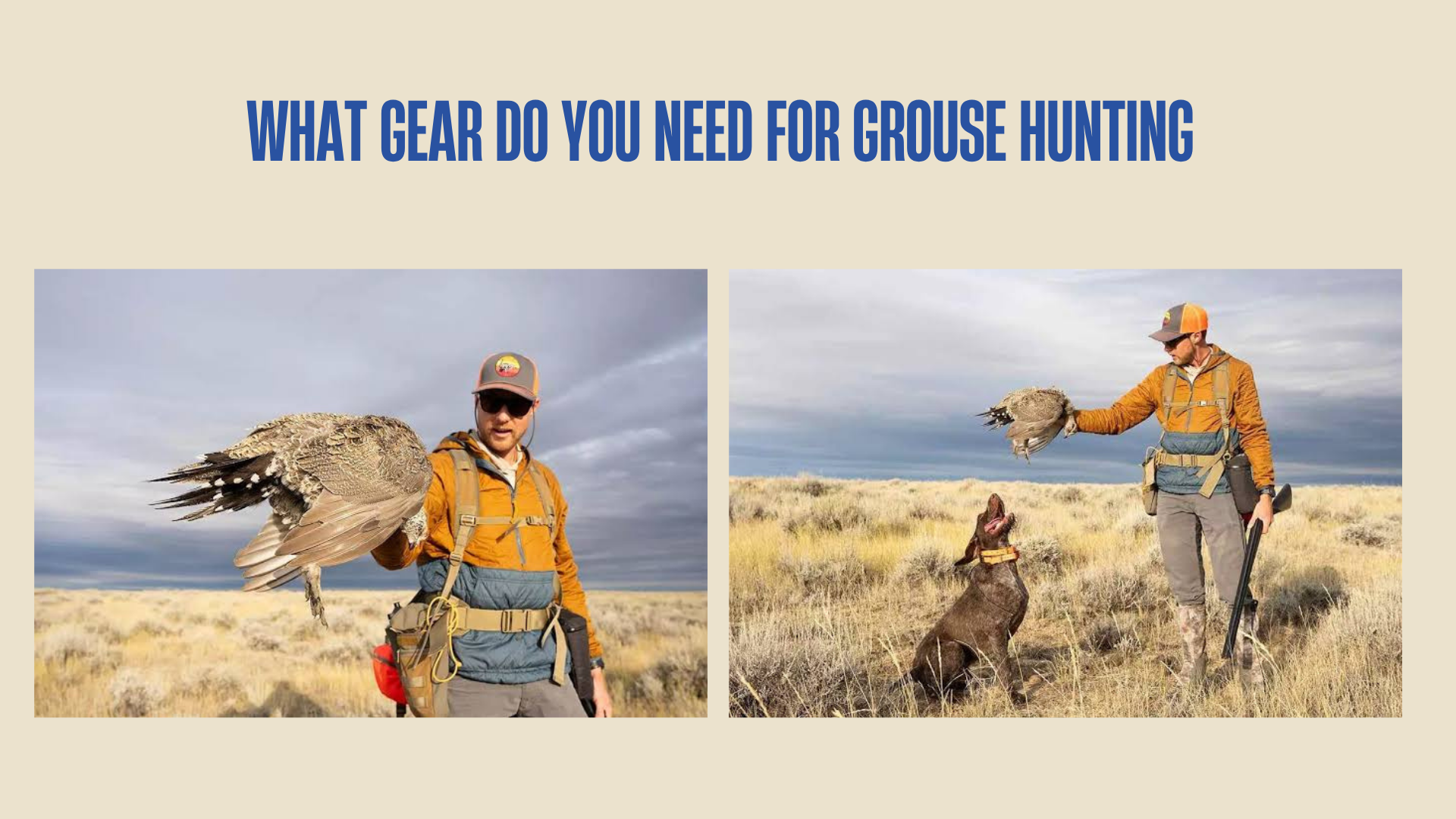

Quick Answer
You generally need a valid license and any required permits, hunter-education proof when applicable, a lawful and properly fitted shotgun, compatible shells, eye and hearing protection, highly visible clothing where required or prudent, sturdy boots, brush-resistant layers, navigation, communication, water, first aid, and game-care supplies. A small game vest, lightweight gloves, gaiters, binoculars, and a trained bird dog can make the hunt easier. Check species identification, season, bag limit, shooting hours, firearm rules, blaze-orange requirements, and whether the property requires nontoxic shot before leaving home.
Grouse Hunting Gear Summary
| Item | Purpose | Priority | What to check |
|---|---|---|---|
| License and permits | Legal authorization | Required as applicable | Species, zone, dates, tags and land rules |
| Fitted shotgun and case | Lawful harvest and safe transport | Essential | Gauge, chamber, action and transport law |
| Compatible shells | Reliable pattern for expected cover | Essential | Shot material, size, chamber, choke and property restrictions |
| Eye and hearing protection | Protection from shots and brush | Essential | Fit, visibility and communication |
| Blaze orange or pink | Helps people see one another | Required in some places; wise in many | Minimum coverage and overlapping seasons |
| Boots and brush clothing | Traction and protection | Essential | Terrain, thorns, weather and waterproofing |
| Map, compass and GPS/phone | Boundary and route awareness | Essential | Offline maps and backup power |
| First aid, water and emergency layer | Self-care and contingency | Essential | Trip duration, remoteness and weather |
| Game vest and cooling supplies | Carry shells and cool birds | Highly useful | Capacity, ventilation and washable lining |
| Dog equipment | Control, safety and recovery | Optional | Training, water, first aid and local rules |
Important Legal and Firearm-Safety Notice
Grouse laws vary by state, province, tribal jurisdiction, species, management unit, season, and property. Some national wildlife refuges require approved nontoxic shot for upland birds even when a broader state rule may allow something different elsewhere. Other properties add access hours, parking restrictions, dog-control rules, closed zones, check-in procedures, or blaze-orange requirements.
Before every hunt, verify the current official regulations and the exact public-land brochure or private-land conditions. Regulations found on a general web page, old screenshot, forum, or previous year’s app may be incomplete.
Apply the four fundamental firearm-safety rules throughout the hunt:
- Treat every firearm as if it is loaded.
- Keep the muzzle pointed in a safe direction.
- Keep your finger outside the trigger guard until ready to shoot.
- Be certain of the target and what is before and beyond it.
A mechanical safety is a useful device, not permission for poor muzzle control. Never fire at a sound, a flash of color, movement in brush, or a bird that crosses an unsafe background.
What Gear Do You Need for Grouse Hunting?
1. Current Documents and Maps
Carry the hunting license, species permit or tag when required, hunter-education certification, photo identification, public-land permit, and written private-land permission. Save the current regulation booklet and property map offline. Confirm whether harvested birds require tagging, immediate validation, reporting, evidence of species or sex, or a particular transport method.
Mark boundaries, roads, closed areas, residences, trailheads, and the parked vehicle. Permission on one parcel does not authorize entry onto neighboring land to pursue or retrieve a bird.
2. A Lightweight, Properly Fitted Shotgun
Grouse hunters often carry a shotgun far more than they fire it. A light, balanced gun can reduce fatigue, but fit and safe control matter more than the smallest possible weight. Common choices include break-action, pump, and semiautomatic shotguns in several lawful gauges. No action or gauge is universally best.
Use a firearm you know how to load, unload, carry, clear, and operate safely while wearing hunting clothing. Confirm chamber length, choke, and ammunition compatibility through the markings and manufacturer manual. A shell longer than the marked chamber must never be used. Inspect the firearm before the season and have mechanical problems handled by a qualified gunsmith.
3. Appropriate Shotgun Shells and Choke
The useful load depends on grouse species, habitat, expected distance, shot material, local law, gun pattern, and the shooter’s ability. Dense woodland ruffed-grouse shots are often close and quick; open-country sharp-tailed grouse may present different conditions. Do not copy a shot-size or choke recommendation without confirming legality and pattern performance.
Pattern the exact gun, choke, and shell combination on paper at realistic distances before hunting. Look for even distribution rather than relying on the choke’s stamped name. Verify that the choke is approved for the shot material. Carry only lawful ammunition, keep it dry and labeled, and never mix prohibited lead shells into a vest when the property requires nontoxic shot.
4. Eye and Hearing Protection
Eye protection is particularly valuable in alder, hazel, thorn, and young forest cover where branches can snap toward the face. Choose clear or lightly tinted lenses that preserve target identification in shade. Hearing protection is essential around shotguns; electronic models can reduce impulse noise while allowing normal conversation and ambient awareness when fitted correctly.
5. Blaze Orange or Fluorescent Pink
Visibility requirements differ. A jurisdiction may require a certain color, percentage of coverage, or head covering during grouse season or only when a firearm deer season overlaps. Some public properties impose their own rule. Even when not mandatory, a bright cap and vest can help partners, dog handlers, and other land users see you in dense cover.
Replace faded or obscured garments and keep the outer visible surface uncovered by a backpack. Bright clothing does not eliminate the need for positive target identification.
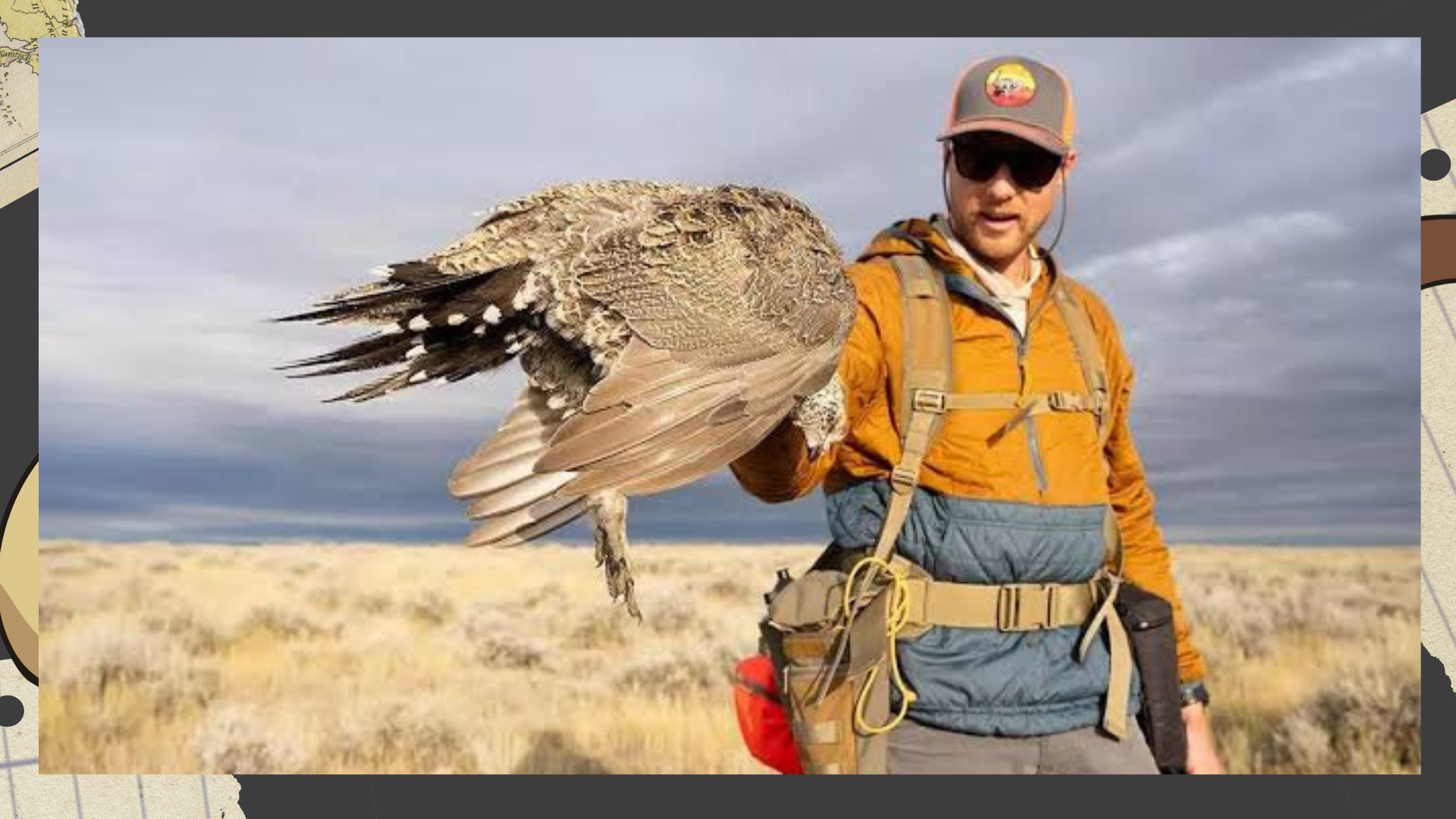
6. Upland Hunting Vest
A well-fitted vest carries shells, water, navigation tools, first aid, and birds without filling trouser pockets. Look for a game bag that opens easily, ventilates, and can be cleaned. Front-loading access can be convenient, but no pocket should encourage unsafe handling or place loose objects against the trigger guard.
Choose capacity for the actual hunt. A heavy technical vest may be unnecessary for a short loop near a road, while a hydration-compatible vest can help in dry open country.
7. Brush-Resistant Clothing
Wear quiet, flexible layers that resist abrasion without restricting the gun mount. Brush pants or chaps protect against thorns and wet vegetation. A moisture-managing base layer, insulating midlayer, and wind/rain shell provide flexibility as temperature and effort change.
- Brush pants, chaps, or reinforced-front trousers
- Long-sleeved shirt for vegetation, insects, and sun
- Weatherproof outer layer packed before conditions worsen
- Gloves thin enough for safe firearm control
- Blaze garment required for the location and season
- Spare dry socks and lightweight insulating layer
Test mounting an unloaded shotgun in the full outfit. Cuffs, drawcords, backpack straps, and bulky gloves must not catch controls or enter the trigger guard.
8. Boots, Socks, and Gaiters
Boots should provide traction, ankle support, and protection appropriate to rock, mud, roots, steep slopes, snow, or prairie grass. Waterproof construction helps in wet cover but can feel hot during early seasons. Fit boots with the socks you will wear and break them in before the hunt.
Wool or synthetic socks manage moisture better than cotton for many conditions. Gaiters keep seeds, snow, mud, and debris out while protecting lower legs. Carry blister care and stop early when a hot spot develops.
9. Navigation and Communication
Young forest can look identical in every direction, and walking a flush may pull a hunter away from the planned route. Carry an offline map, compass, charged phone or GPS, and backup power. Know how to use a compass before depending on it.
Leave a trip plan with a reliable person: exact property, access point, vehicle details, companions, route, and return time. Remote hunts may justify a satellite communicator and whistle. Technology supplements basic orientation; it does not guarantee rescue.
10. Water, Food, and First Aid
Carry enough water for the hunter and any dog, plus food appropriate for the trip. A compact first-aid kit should address cuts, punctures, eye irritation, sprains, blisters, and bleeding while supporting—not replacing—professional care. Add personal medication, emergency insulation, light, and fire-starting supplies where lawful and safe.
Know the local emergency number, nearest road, and likely evacuation route. Stop when heat, cold, lightning, wildfire smoke, exhaustion, injury, or visibility makes continuing unsafe.
11. Game Recovery and Meat-Care Supplies
Bring gloves, a ventilated game bag or vest, small clean bags, and a cooler with ice or frozen packs at the vehicle. Mark the fall immediately and organize a careful search. Do not rush through brush with a loaded gun while focused on the bird.
Keep harvested grouse clean and cool promptly. Follow tagging, identification, possession, transport, and evidence requirements. Do not seal warm birds in plastic for an extended period. If meat smells abnormal, was contaminated, or remained warm too long, use authoritative food-safety advice rather than guessing.
12. Bird-Dog Gear
A trained pointing or flushing dog can locate birds and assist recovery, but a dog is optional. Useful equipment includes identification, a visible vest where appropriate, leash, water, collapsible bowl, first-aid supplies, tick tools, paw protection when conditions demand it, towel, and an approved tracking or bell system where legal.
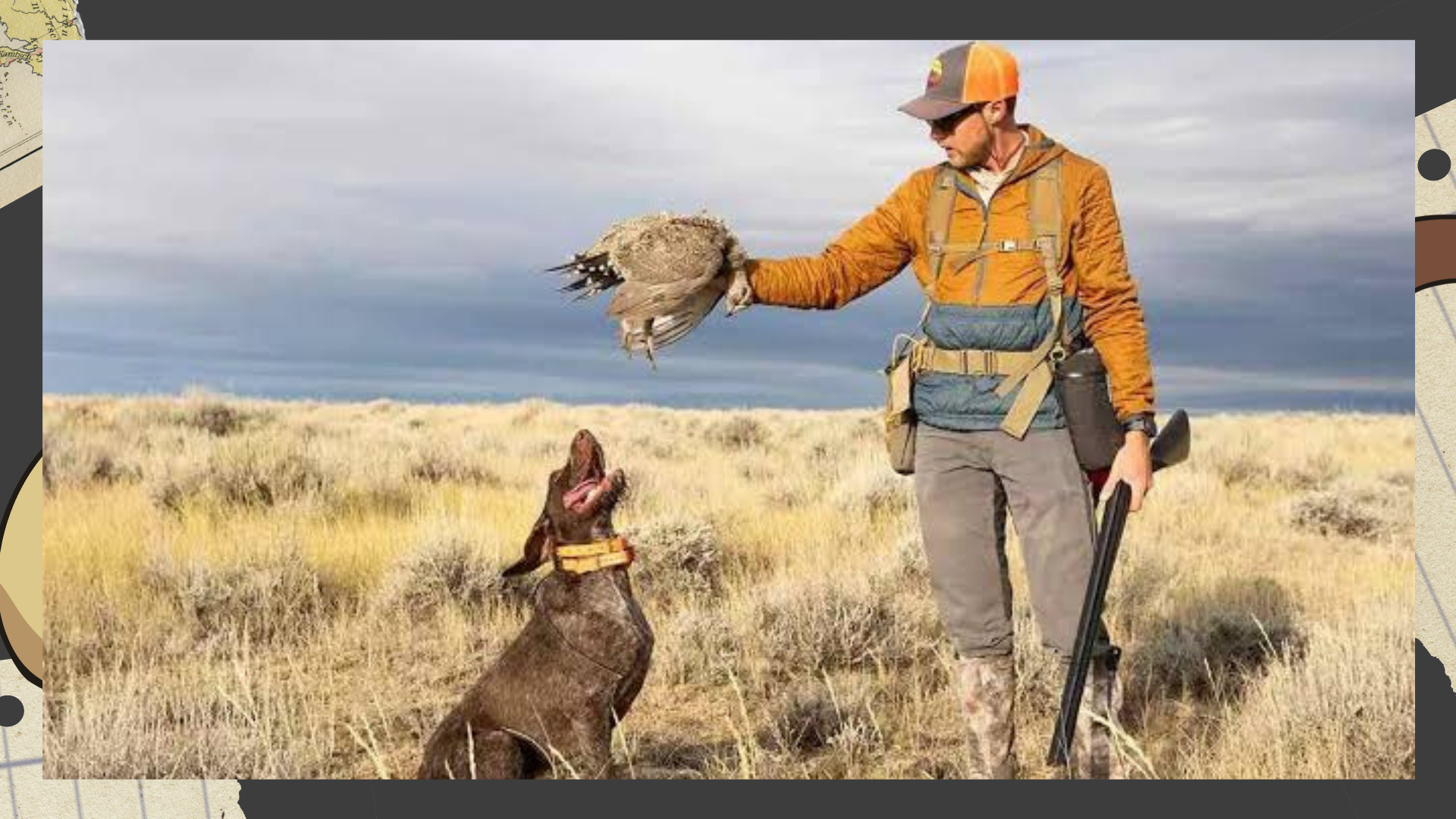
Condition the dog before the season, monitor heat and cold, inspect paws and eyes, and keep the animal under control. GPS collars do not replace training. Confirm dog-use and training rules because refuges, wildlife areas, and seasons may differ.
Gear by Grouse Habitat
| Habitat | Useful additions | Main concerns |
|---|---|---|
| Young aspen/alder forest | Clear eye protection, brush pants, compact vest | Branches, limited visibility, partners and roads |
| Mountain forest | Supportive boots, trekking pole carried safely, insulation, satellite communication | Steep terrain, altitude, rapid weather change |
| Prairie/shrubland | More water, sun protection, binoculars, wind layer | Heat, distance, wildfire, private boundaries |
| Wet lowland cover | Waterproof boots, gaiters, dry socks | Mud, hidden holes, stream crossings, hypothermia |
| Snow and late season | Insulated layers, traction aid, emergency warmth | Ice, short daylight, cold injury, battery drain |
Budget Setup for a Beginner
You do not need the most expensive equipment to hunt responsibly. Choose gear based on species, terrain, weather, local regulations, fit, safety, reliability, maintenance, and your actual experience.
Start with hunter education and accompany a safe, experienced mentor. Use a lawful shotgun that fits rather than buying a specialized premium gun immediately. Spend first on boots, eye and hearing protection, visible clothing, navigation, first aid, and a vest or pack that carries water comfortably. Borrow optional dog electronics and specialty clothing only when appropriate and lawful.
Pre-Hunt Checklist
- Identify the grouse species and review the current season, zone, limits, and shooting hours.
- Verify licenses, permits, hunter education, land permission, and reporting rules.
- Read the exact property rules for blaze clothing, nontoxic shot, access, dogs, vehicles, and closed areas.
- Inspect the unloaded shotgun and confirm chamber, choke, and ammunition compatibility.
- Pattern the chosen load and practice safe mounting at a range.
- Download an offline map and mark boundaries, parking, hazards, and the return route.
- Check weather, wildfire conditions, daylight, and road access.
- Inspect boots, clothing, protective gear, first aid, light, water, and dog equipment.
- Agree on zones of fire, spacing, commands, and lost-contact procedure with partners.
- Leave a trip plan with someone who is not hunting.
Safe Movement in Thick Cover
Carry the firearm in a position that keeps the muzzle away from yourself, partners, dogs, and unknown areas. The safe carry changes as people move, so communicate before switching sides or crossing paths. Keep the action open and firearm unloaded when crossing fences, ditches, streams, slippery logs, steep obstacles, entering vehicles, or handing the gun to another person.
Plan zones of fire before entering cover. When a grouse flushes, identify the complete bird and confirm a safe background before mounting the gun. Pass on shots that are low, screened by vegetation, near a dog or partner, toward a road or building, or outside proven ability. A missed opportunity is safer than an uncertain shot.
Common Beginner Mistakes
- Carrying too much: Fatigue reduces attention and safe muzzle control.
- Choosing a gun by gauge alone: Fit, balance, reliability, recoil, and pattern matter.
- Skipping the pattern board: Choke labels do not predict every load.
- Assuming lead is always legal: Some refuges and public properties require nontoxic shot for upland birds.
- Not wearing visible clothing: Dense cover and overlapping seasons can make recognition difficult.
- Using only a phone map: Batteries fail and service disappears.
- Following the dog blindly: Maintain boundaries, partner awareness, and safe footing.
- Shooting at a partial glimpse: Species and background must be certain.
- Ignoring heat: Early-season exertion can affect hunters and dogs rapidly.
- Delaying cooling: Small birds can retain heat under feathers.
What Not to Do
- Do not load before you are in a legal, safe hunting area.
- Do not fire at movement, sound, or an unidentified bird.
- Do not swing through a partner, dog, road, home, vehicle, or unknown background.
- Do not put a finger inside the trigger guard while walking or mounting through cover.
- Do not climb, cross obstacles, or enter a vehicle with a loaded firearm.
- Do not trespass to pursue or retrieve a bird.
- Do not use prohibited ammunition, methods, electronics, or transport.
- Do not continue when lost, injured, exhausted, or overtaken by dangerous weather.
- Do not leave hulls, flagging, food wrappers, or dog waste bags behind.
- Do not treat expensive gear as a substitute for training and judgment.
Printable-Style Grouse Hunting Checklist
Legal and Planning
- License, permits and hunter-education proof
- Current regulations and property map
- Written permission
- Offline map and trip plan
Firearm and Safety
- Unloaded cased shotgun
- Compatible lawful shells
- Eye protection
- Hearing protection
- Blaze orange/pink as required
Clothing and Field
- Broken-in boots
- Brush pants or chaps
- Layering system and rain shell
- Gaiters, gloves and spare socks
- Upland vest or pack
Emergency and Recovery
- Phone/GPS, compass, light and power bank
- First-aid kit and medication
- Water and food
- Game gloves and ventilated bag
- Cooler and ice at vehicle
Dog Items
- ID and control equipment
- Water and bowl
- Canine first aid
- High-visibility vest where suitable
- Towel and paw care
FAQs
1. What gear do you need for grouse hunting as a beginner?
Bring legal documents, a fitted lawful shotgun, compatible ammunition, eye and hearing protection, visible clothing, brush-resistant layers, sturdy boots, navigation, communication, first aid, water, and game-care supplies.
2. What shotgun is best for grouse hunting?
No model or gauge is best for everyone. Choose a legal shotgun that fits, balances comfortably, patterns the selected load, and can be controlled safely after hours of walking.
3. Is a 20-gauge good for grouse?
It can be suitable for many hunters when lawful and paired with an effective pattern. Recoil tolerance, fit, ammunition, species, cover, and shooter skill matter more than the gauge label alone.
4. Can you hunt grouse with a 12-gauge?
Often yes where legal. A 12-gauge offers many load choices but may be heavier or produce more recoil depending on the gun and shell.
5. What shot size should I use for grouse?
The answer varies with species, material, habitat, range, choke, gun and regulations. Check official rules and manufacturer compatibility, then pattern the exact load.
6. What choke is best for grouse hunting?
There is no universal best choke. Dense cover often favors a more open pattern, but only pattern-board testing can show how a particular gun and shell perform.
7. Do you need nontoxic shot for grouse?
It depends on location. Some refuges and wildlife areas require approved nontoxic shot for all upland hunting even when state rules elsewhere differ.
8. Do I need blaze orange for grouse hunting?
Requirements vary by jurisdiction and overlapping season. Verify the exact coverage rule; visible clothing is also a sensible risk-reduction measure in many shared-use areas.
9. Do I need a hunting vest?
No, but an upland vest organizes shells, water, first aid, navigation and birds while keeping hands available. A well-fitted backpack can work if it does not hide required visibility.
10. What pants are best for grouse hunting?
Choose flexible brush pants or chaps suited to thorns, wet vegetation and temperature. They should allow a full stride without loose fabric catching on equipment.
11. Do grouse hunters need waterproof boots?
They are useful in wet lowlands, snow and damp cover, but breathability may matter more in hot dry conditions. Traction, fit and broken-in comfort are essential.
12. Are gaiters worth carrying?
Gaiters help keep seeds, snow, mud and debris out of boots and protect lower legs. They are especially useful in wet grass, thorny brush and snow.
13. Do I need a dog to hunt grouse?
No. Hunters can walk cover and recover birds without a dog. A trained pointing or flushing dog can help locate birds but adds training, control, safety and care responsibilities.
14. What dog gear is needed?
Carry identification, control equipment, water, bowl, first aid, paw care and visibility equipment suited to the terrain. Verify electronic-device and dog-use rules.
15. Should a hunting dog wear orange?
A high-visibility vest may help people see the dog, though fit, snag risk, heat and vegetation matter. It never makes a low shot safe.
16. Are binoculars useful for grouse?
They can help with scouting and open-country identification. Never use a firearm as an observation tool.
17. Do I need a GPS?
A GPS or offline mapping phone is useful, but carry a compass and know the route. Electronics can fail, lose signal or run out of power.
18. What should be in a grouse hunting vest?
Carry documents, lawful shells, protective equipment, map/compass, communication, first aid, water, food, light, game gloves and only necessary tools.
19. How much ammunition should I carry?
Carry a modest amount suited to the hunt and any property limit. Extra weight adds fatigue, and some areas restrict ammunition type or possession.
20. How do I keep grouse meat cool?
Allow heat to escape, keep birds clean and shaded, and transfer them promptly to a clean cooler with adequate ice or frozen packs while following transport rules.
21. How do I identify grouse species?
Study size, tail shape and pattern, head features, plumage, habitat, range and behavior before hunting. Do not shoot until identification is certain.
22. What habitat do ruffed grouse use?
They are often associated with young forest and dense early-successional cover, but local use changes with food, season, weather and management. Consult the local wildlife agency.
23. Is grouse hunting physically demanding?
It can be. Hunters may walk miles through brush, slopes, mud or snow. Build fitness gradually, carry less weight and plan turnaround time.
24. Can beginners hunt grouse alone?
They may where lawful, but a trained mentor is safer and more educational. Solo hunters need a detailed trip plan, reliable navigation and conservative decisions.
25. How far apart should grouse hunters walk?
There is no universal spacing. Terrain, visibility, experience, dog position and cover determine safe separation; maintain visual or clearly agreed communication and zones of fire.
26. What should I do when a grouse flushes?
Keep the finger outside the trigger guard until the bird is positively identified and the background is safe. Mount smoothly and pass on screened, low or uncertain shots.
27. How do I cross a fence with a shotgun?
Unload fully and use the safe method taught in hunter education. Never cross while holding a loaded firearm or rely on the mechanical safety.
28. What should I do if I get lost?
Stop, remain calm, assess location and resources, and use map, compass and communication. Contact emergency services when needed rather than wandering farther.
29. Do ticks matter during grouse season?
Yes in many regions. Use suitable repellent, treated clothing where appropriate, protective layers and thorough tick checks for people and dogs after the hunt.
30. What gear can a beginner skip?
You can often skip premium electronics, multiple specialty chokes, expensive technical clothing and dog equipment if hunting without a dog. Do not skip safety, legal, navigation and weather essentials.
31. Can I retrieve a grouse across a property line?
Not without permission unless local law explicitly says otherwise. Contact the landowner or appropriate authority and do not assume recovery rights.
32. What is the most important grouse hunting gear?
Sound judgment supported by training, legal documents, a safe familiar firearm, protective clothing, navigation and emergency planning matters more than any specialized accessory.
Final Answer
So, what gear do you need for grouse hunting? Start with current licenses and rules, a lawful fitted shotgun and compatible shells, eye and hearing protection, highly visible outerwear, brush-resistant clothing, supportive boots, navigation, communication, first aid, water and safe game-care supplies. Add an upland vest, gaiters, binoculars and trained-dog equipment when they fit the habitat and hunting method.
Keep the load light enough to maintain attention and muzzle control. Verify species, ammunition, orange, dog and property rules before every trip, practice at a range, pass on uncertain shots and care for harvested birds promptly.
Sources and Official Guidance
Read more: