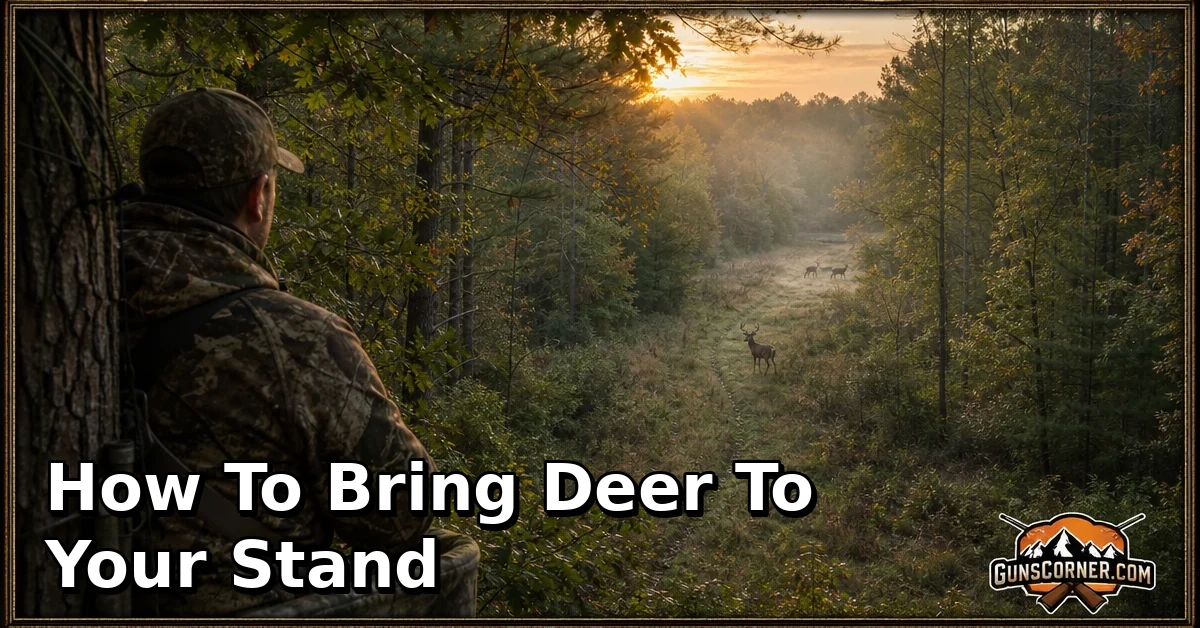

Learning how to bring deer to your stand starts with understanding deer movement, improving habitat conditions, and making your setup part of the animals’ natural routine. The goal is not to force deer into an area with unlawful attractants, but to create a legal, low-pressure hunting location near food, water, cover, and travel routes.
This guide explains how to scout, improve a stand location, control human pressure, plan quiet access, and make ethical hunting decisions. Always prioritize current regulations, landowner permission, safety, and respect for wildlife.
To bring deer to your stand, first identify natural deer movement using tracks, trails, bedding cover, food sources, water, and rubs or scrapes. Improve the area only in ways allowed by local law, such as protecting existing cover or creating suitable natural habitat where legal. Approach and leave your stand with the wind and terrain in mind, minimize noise and scent, and avoid overhunting the location. No method guarantees success, so patience, scouting, and ethical shot discipline remain essential.
Important Legal and Safety Notice Before You Hunt
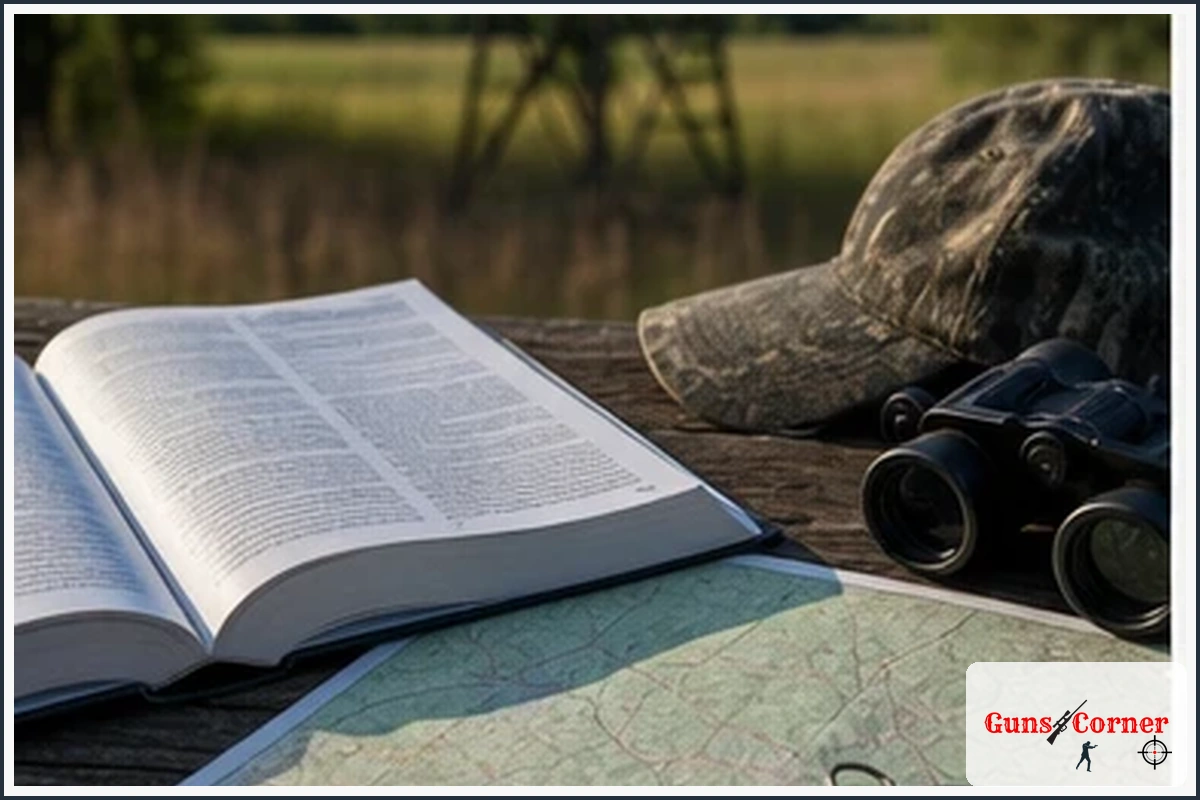
Deer hunting regulations vary by state, province, county, season, land type, and weapon. Before hunting, check your official wildlife agency for current requirements.
- Valid hunting license, permits, and deer tags
- Open seasons, legal hunting hours, bag limits, and antler rules
- Legal weapons, ammunition, archery equipment, and hunting methods
- Baiting, feeding, mineral, supplemental food, and attractant restrictions
- Public land boundaries or written private-land permission
- Harvest reporting, tagging, transport, and carcass rules
- Required blaze orange or other visibility clothing
- Firearm, bow, tree stand, navigation, and weather safety
Complete a hunter education course and hunt with an experienced mentor when possible. Never shoot unless you have clearly identified the deer, confirmed it is legal to harvest, and know what lies beyond it. Do not shoot toward roads, homes, livestock, people, vehicles, trails, or unclear movement.
What “Bringing Deer to Your Stand” Really Means
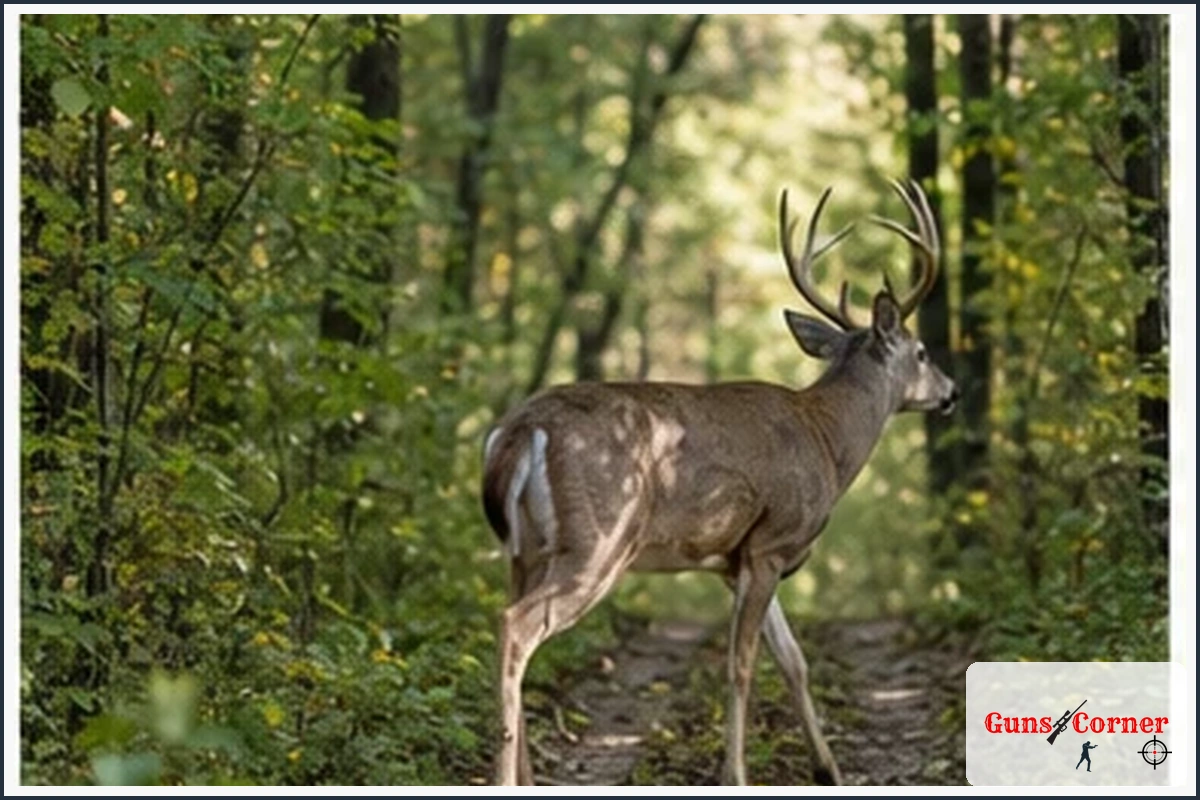
Responsible deer hunting is usually more effective when you locate a stand along an existing movement pattern rather than trying to make deer appear in an unnatural place. Deer commonly use areas that provide food, water, security cover, and convenient travel between bedding and feeding locations.
Your objective is to make the stand location attractive enough to visit while keeping your presence low-impact. This may involve choosing a better location, protecting cover, improving access, or allowing natural vegetation and browse to develop. Any habitat work, feeding, baiting, or attractant use must comply with local regulations.
Understand What Deer Need
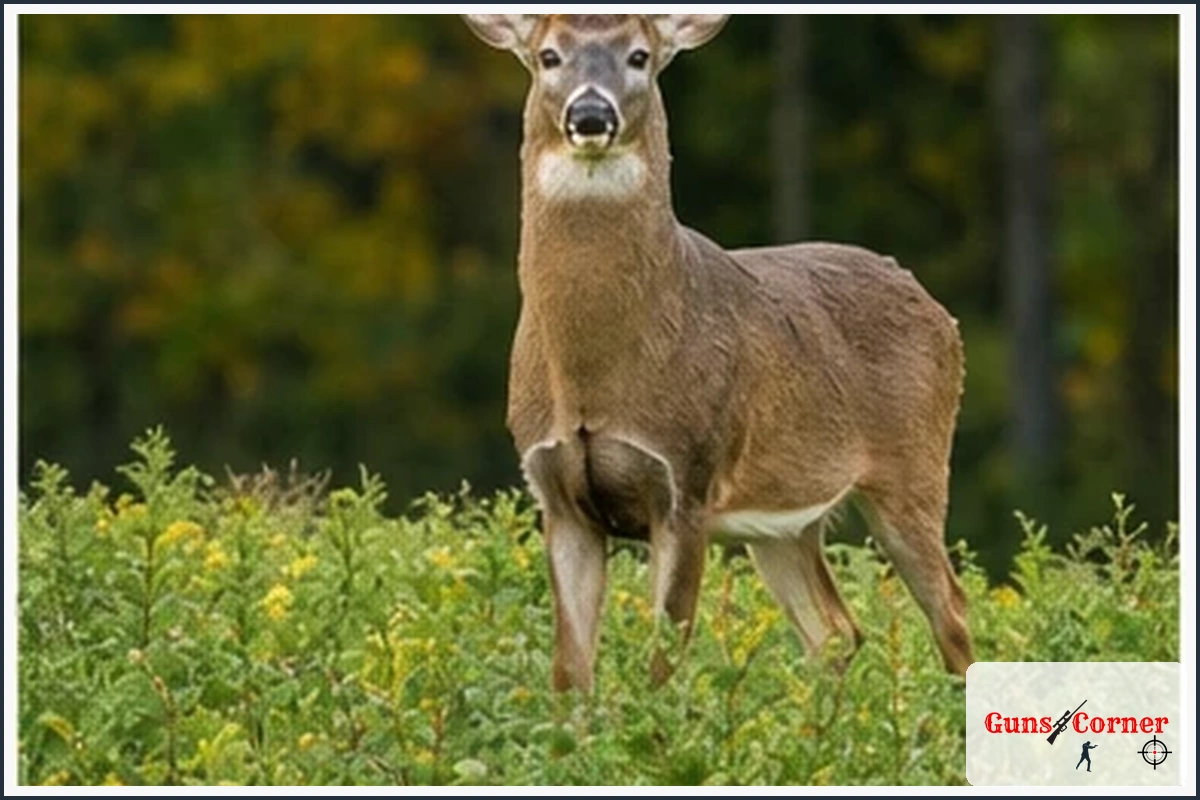
Food
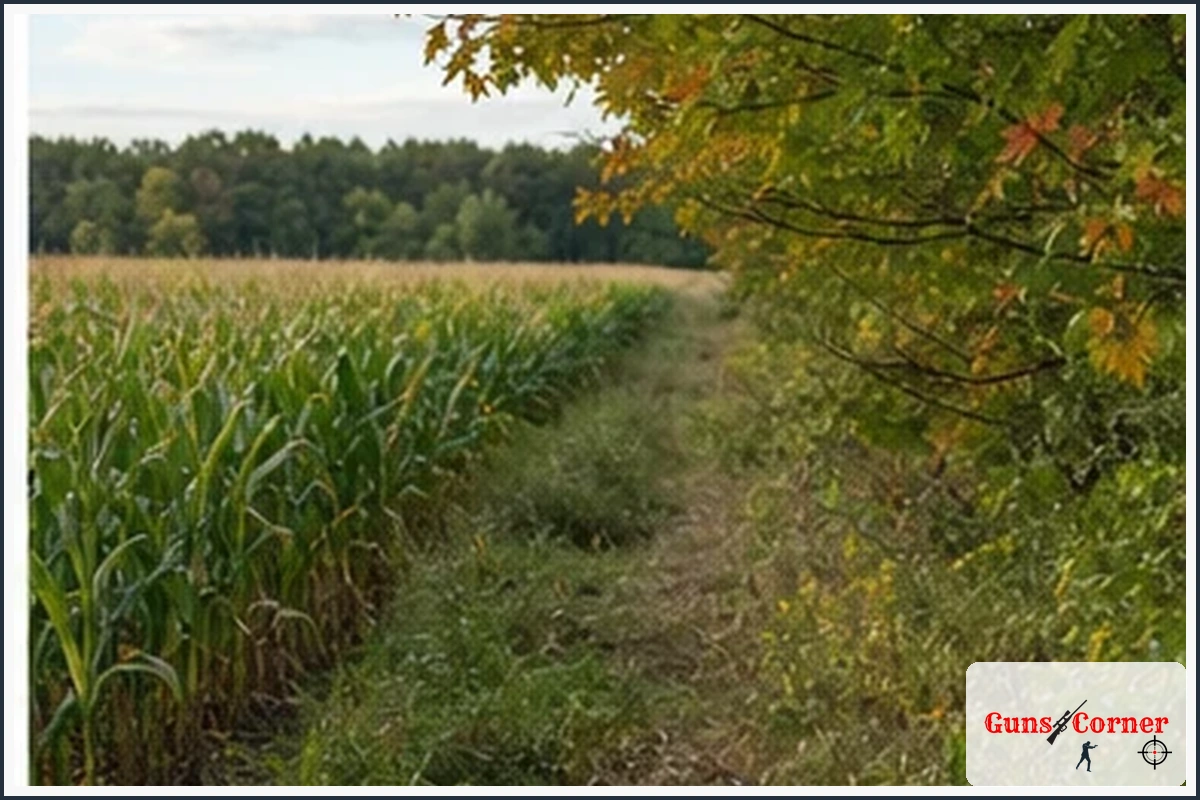
Food sources may include natural browse, agricultural edges, mast-producing trees, green vegetation, and other locally available forage. Identify what deer are actually using rather than assuming a particular food source will attract them.
Security Cover
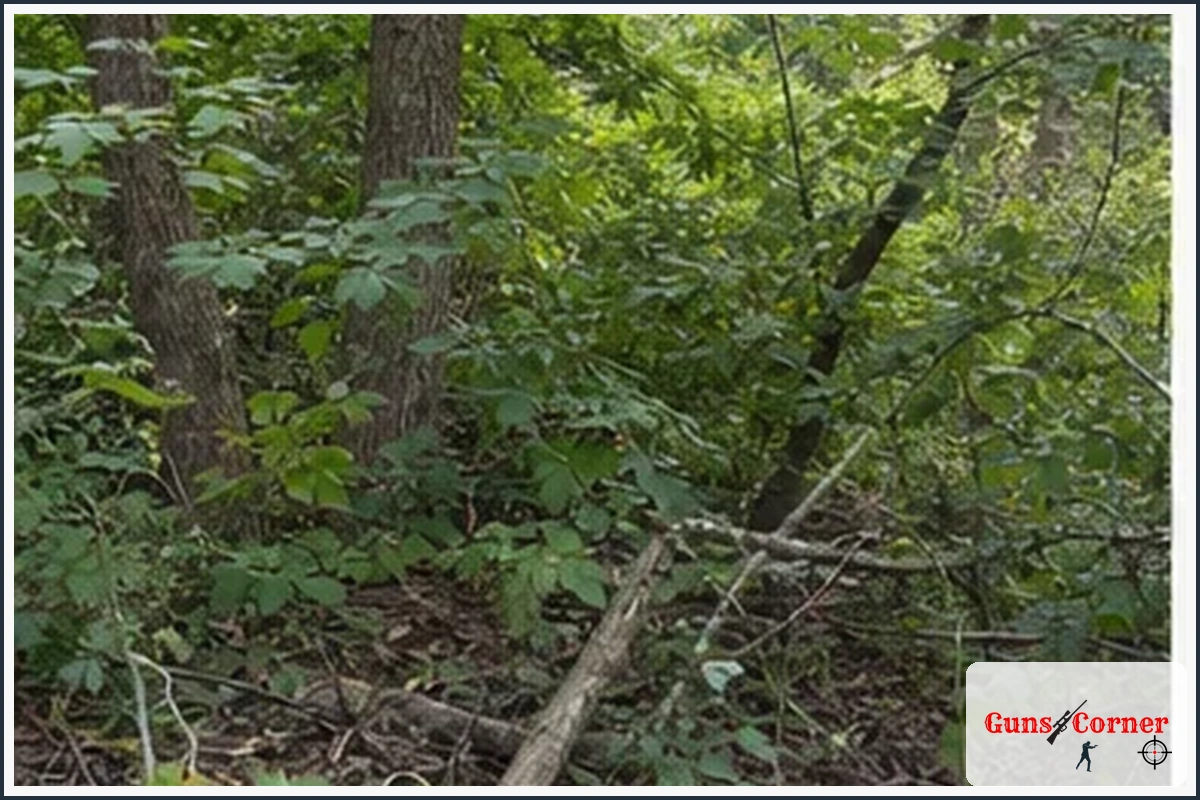
Deer often prefer areas where they can remain concealed and detect danger. Thick vegetation, wooded edges, brush, and undisturbed bedding cover can make a location more useful than an exposed feeding area.
Water
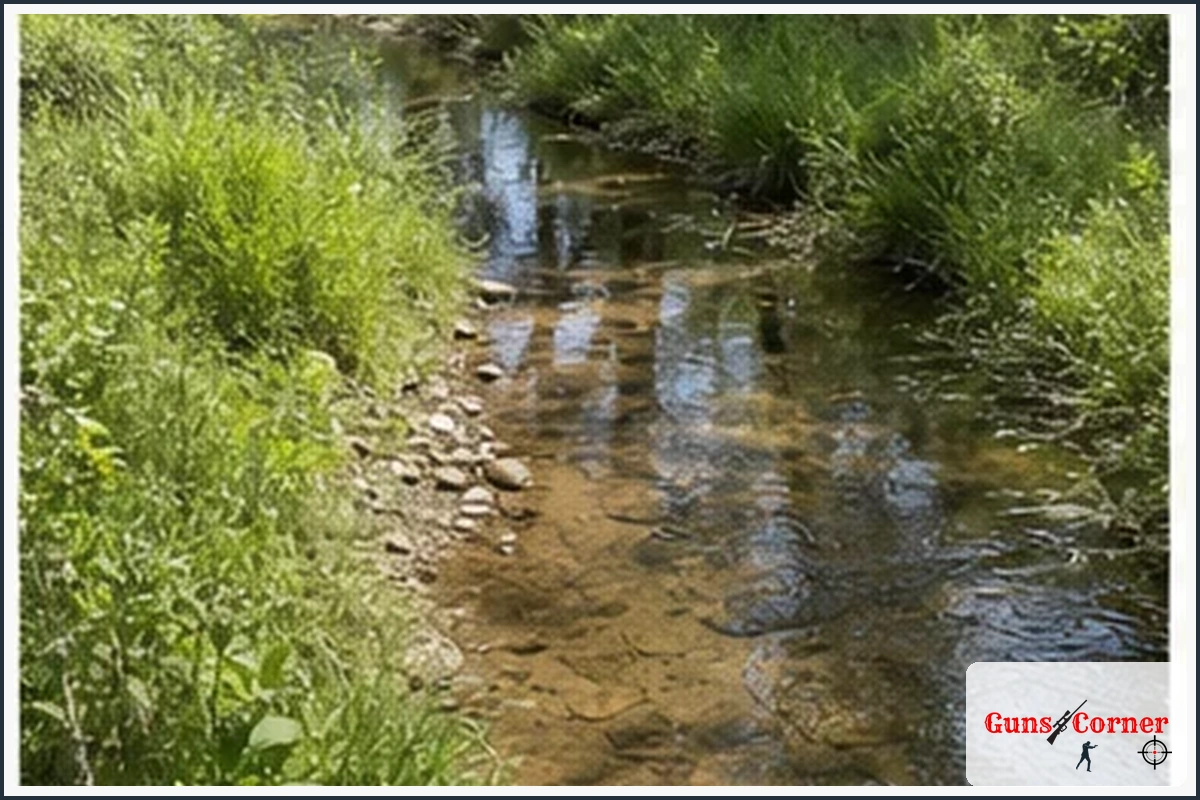
Water can influence movement, especially during warm or dry conditions. Look for ponds, creeks, seeps, and other legal access points, but do not assume every water source will be a reliable hunting location.
Travel Routes
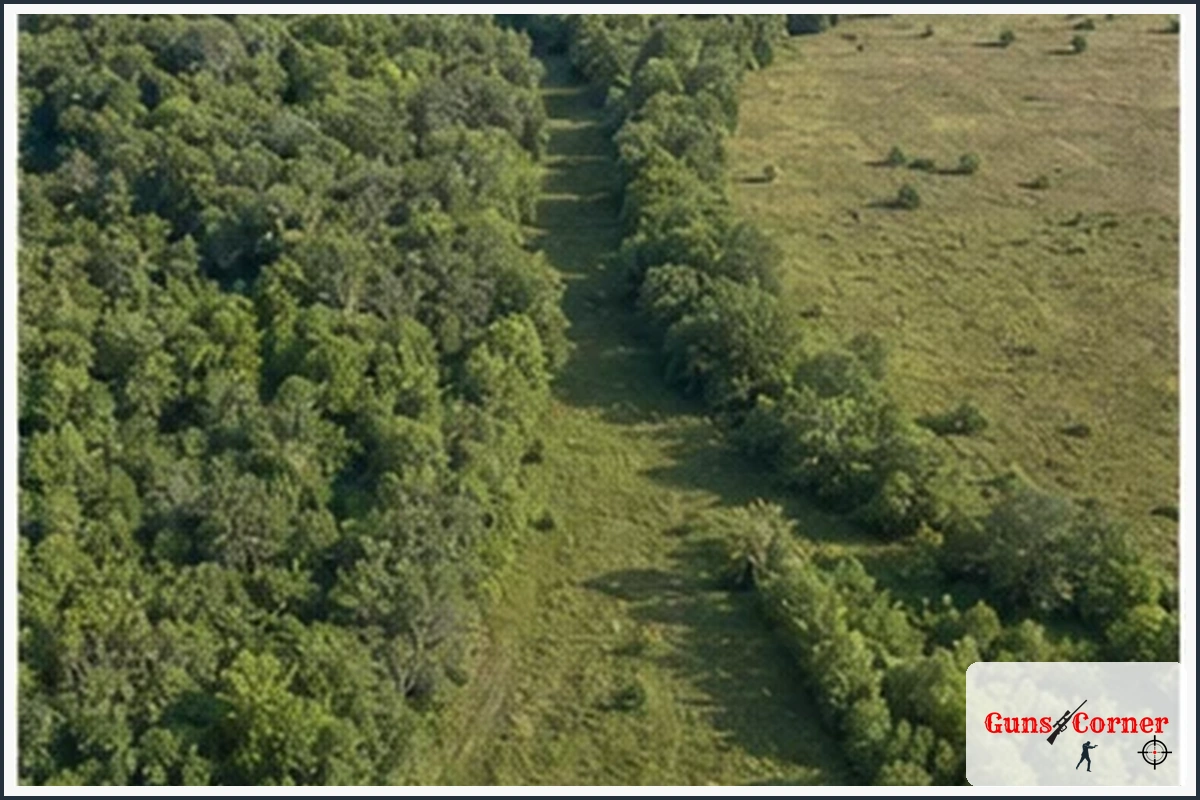
Deer frequently move between bedding, food, and water along terrain features such as ridges, funnels, creek crossings, field edges, and narrow strips of cover. These routes are often more valuable than placing a stand directly in an open feeding area.
How to Bring Deer to Your Stand Step by Step
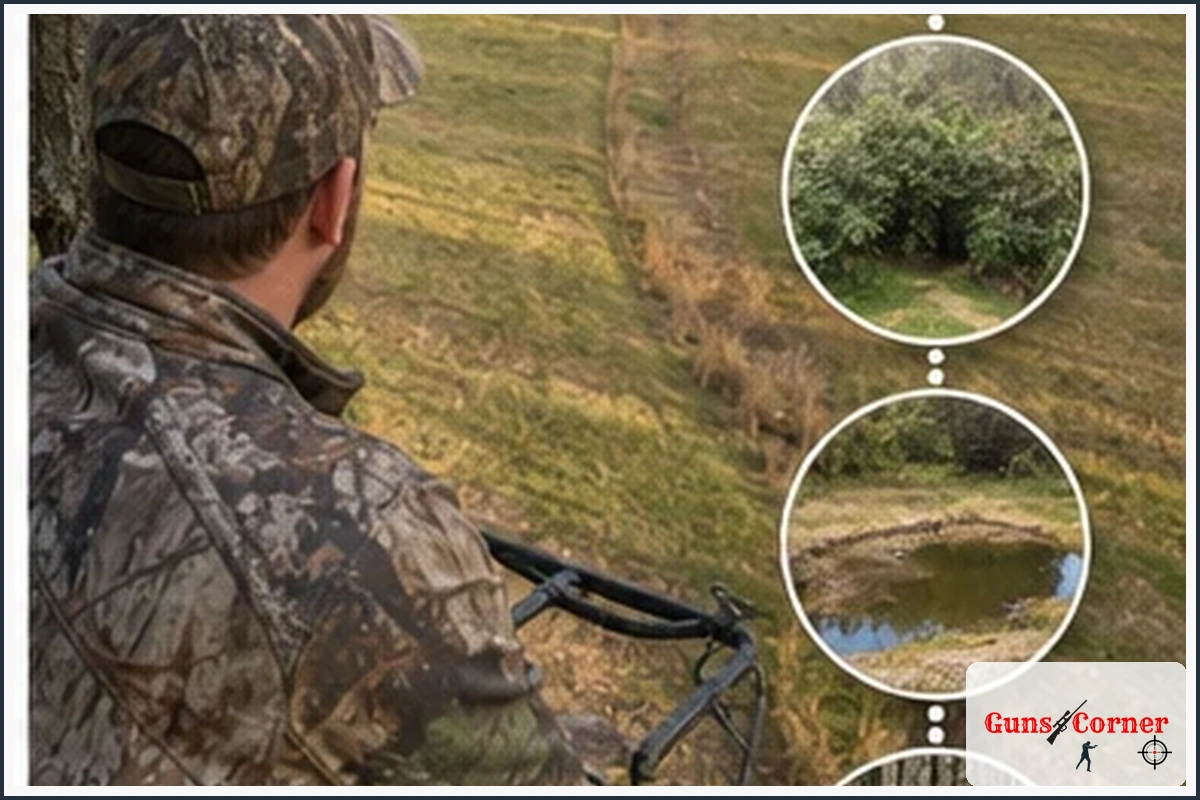
Step 1: Check the Rules Before Changing the Area
Review current wildlife regulations before using bait, feed, minerals, food plots, habitat improvements, trail cameras, or other attractants. Rules may differ between public and private land and may change by season.
Also confirm whether your stand, blind, trail camera, access route, or habitat work is permitted on the property. On private land, obtain clear permission from the landowner. On public land, verify boundaries, special restrictions, and seasonal access requirements.
Step 2: Scout Deer Sign Before Choosing a Stand
Walk the area before the season when legal and practical. Look for multiple types of sign rather than relying on one track or rub.
- Well-used game trails
- Tracks and droppings
- Rubs and scrapes
- Bedding areas
- Feeding areas and browse lines
- Water access points
- Fence crossings and terrain funnels
- Freshly disturbed vegetation or tracks
Fresh sign is useful, but repeated sign over time is more valuable. Use maps, aerial imagery, trail cameras where legal, and observations from a distance to understand how deer use the property.
Step 3: Find the Connection Between Bedding and Food
Many productive stand locations occur between secure bedding cover and a dependable food source. This does not mean you should place a stand directly inside a bedding area. Instead, look for a travel route where deer can pass without exposing themselves unnecessarily.
Edges, inside corners, narrow cover strips, benches, creek crossings, and field entrances may concentrate movement. Select a location that offers a safe view and a low-impact approach.
Step 4: Improve Natural Habitat Only Where Legal
Habitat improvement can help deer use an area, but it should be legal, realistic, and conservation-minded. Possible approaches include protecting existing cover, allowing suitable native vegetation to grow, maintaining legal food plots, or improving habitat under an approved management plan.
Avoid clearing excessive vegetation or making major changes that damage soil, water, or non-target wildlife. Do not use feed, salt, minerals, or attractants unless local rules clearly allow them.
Step 5: Choose the Stand Location Carefully
Place the stand where several conditions overlap: deer movement, safe visibility, suitable cover, a favorable wind, and a practical entry and exit route.
Do not place a stand so close to bedding cover that your approach disturbs deer. Likewise, avoid locations where your scent will regularly blow across the main trail or feeding area.
Step 6: Plan Your Approach and Exit
Getting to the stand without alerting deer can matter as much as the stand itself. Use terrain, darkness, vegetation, and quiet routes to reduce disturbance. Avoid crossing major trails when possible.
Choose an approach that keeps your scent away from likely bedding and feeding areas. A route that is slightly longer but quieter and downwind may be better than the shortest path.
Never assume walking through water, using a leaf blower, or masking scent guarantees concealment. These methods can create safety, erosion, noise, or environmental problems and may not be appropriate for every location.
Step 7: Manage Wind Direction
Wind direction should be checked before leaving home, during the approach, and after reaching the stand. A shifting wind can make an otherwise good location unproductive.
Use a small amount of unscented powder or natural material to observe air movement. If the wind repeatedly carries your scent toward the expected deer route, relocate or choose another legal hunting opportunity.
Step 8: Limit Human Pressure
Deer may avoid areas that receive frequent disturbance. Limit unnecessary visits, camera checks, loud conversations, vehicle traffic, and midday walking through likely bedding cover.
On public land, account for other hunters and outdoor users. Respect posted boundaries, parking rules, access restrictions, and the safety zones required by local regulations.
Step 9: Use Legal Attractants or Habitat Tools Carefully
If your area permits bait, food plots, minerals, or other attractants, follow every rule regarding placement, timing, distance from roads or homes, and when hunting may begin after use. If the rules are unclear, contact the wildlife agency before proceeding.
Do not rely on commercial attractants as a substitute for scouting. Deer may ignore them, use them at different times, or avoid them after detecting human activity.
Step 10: Hunt With Patience
Once the stand is ready, give deer time to use the area naturally. Sit quietly, limit movement, keep equipment organized, and watch likely trails without constantly checking every direction.
Patience also means accepting that deer may not appear during one hunt. Weather, pressure, food availability, breeding activity, and changing wind can all affect movement.
Step 11: Take Only a Safe and Ethical Shot
Only consider a shot when the deer is clearly identified, the animal is legal to harvest, the background is safe, and the distance is within your practiced ability. Pass on shots through heavy brush, at excessive range, during poor visibility, or when another animal or person creates uncertainty.
Bowhunters should use equipment they have practiced with and understand their effective range. Firearm hunters should keep the muzzle pointed safely, maintain trigger discipline, and follow all firearm safety rules.
Step 12: Follow Recovery, Reporting, and Meat-Care Rules
After a successful hunt, follow local requirements for tagging, reporting, transport, carcass handling, and game check procedures. Plan for cooling and transporting the meat before hunting.
Use clean equipment, wear suitable gloves, keep meat protected from heat and contamination, and seek qualified instruction for field care if you are inexperienced. Responsible harvest includes making full use of the edible meat whenever possible.
Best Places to Set Up a Deer Stand
- Downwind of a frequently used travel route
- Along the edge of bedding cover without entering the core area
- Near a funnel, saddle, bench, or narrow strip of cover
- At a legal crossing between food and security cover
- Near water when scouting shows regular deer use
- Where terrain allows a quiet entry and safe exit
- Where you can identify a safe shooting background
The best place is not always where the most sign is concentrated. A location with slightly less sign but better wind, safer shooting lanes, and lower hunting pressure may produce better opportunities over time.
Best Time and Conditions to Hunt
Legal shooting hours and seasonal patterns vary by location, so follow your wildlife agency’s rules. Deer movement can change with weather, temperature, wind, hunting pressure, food availability, and breeding activity.
Rather than relying on a universal “best time,” use local observations. A cold front, changing wind, recent disturbance, or shifting food source may alter movement. Avoid hunting conditions that make navigation, visibility, tree stand use, or firearm safety unsafe.
Helpful Tips for Better Results
- Scout from a distance before entering the area repeatedly.
- Use several types of deer sign to confirm a pattern.
- Place the stand based on wind and access, not just visible tracks.
- Keep clothing and gear quiet and suitable for the weather.
- Mark property boundaries and dangerous areas on a map.
- Use a full-body safety harness whenever hunting from an elevated stand.
- Unload firearms when climbing, descending, or moving through difficult terrain.
- Carry water, navigation tools, first aid supplies, and a communication device.
- Keep visits short during scouting and habitat work.
- Record wind, weather, deer sightings, and sign after each hunt.
Common Mistakes to Avoid
- Using bait, feed, minerals, or attractants without checking current laws
- Placing a stand where the wind carries scent into bedding cover
- Walking across active deer trails during entry or exit
- Hunting too close to bedding areas and disturbing deer
- Assuming one track proves a location is productive
- Checking trail cameras too often
- Ignoring public land boundaries or private property lines
- Taking an unsafe shot because the deer is close
- Failing to plan meat care, reporting, and transportation
- Climbing without a full-body harness or using damaged equipment
Troubleshooting Common Problems
| Problem | Possible Cause | What to Do |
|---|---|---|
| You are not seeing deer | The stand is away from active movement, or hunting pressure is high. | Review current sign, check nearby food and cover, and relocate only after considering wind and access. |
| Deer detect you before reaching the stand | Your route crosses trails, exposes you visually, or carries scent toward deer. | Change the entry route, use terrain, reduce noise, and hunt only favorable wind conditions. |
| Deer appear but remain out of range | The stand is too far from the travel route or the shooting lanes are poorly positioned. | Do not force a shot. Reassess the location after the season or when legal and safe to make changes. |
| Wind keeps changing | Terrain, weather fronts, thermal movement, or unstable conditions are affecting airflow. | Choose a more predictable location or postpone the hunt if scent control and safety cannot be maintained. |
| Deer use the area only at night | Hunting pressure, human activity, or nearby disturbance may be changing movement. | Reduce pressure, review access routes, and confirm that you are not disturbing daytime bedding areas. |
| You are unsure whether an attractant is legal | Rules differ by location, property type, and season. | Contact the official wildlife agency before using it. Do not rely on advice from another region. |
| Weather makes the hunt unsafe | High winds, lightning, flooding, extreme cold, or poor visibility create added risk. | Leave or postpone the hunt and follow a weather and emergency plan. |
Ethical Hunting and Conservation
Ethical deer hunting means pursuing legal opportunities while minimizing disturbance, avoiding waste, and respecting wildlife, landowners, other hunters, and the public.
- Follow seasons, tags, bag limits, and legal methods.
- Pass on shots you cannot make safely and confidently.
- Recover and use the harvest responsibly.
- Leave gates, fences, roads, and property in good condition.
- Remove trash and avoid damaging vegetation or waterways.
- Respect other hunters and avoid crowding occupied areas.
- Support conservation through lawful participation and habitat stewardship.
When to Get More Training or Professional Guidance
Seek additional instruction if you have never handled a firearm or bow, have not completed hunter education, are uncertain about local regulations, or do not understand safe shot angles and backstops.
An experienced mentor, certified instructor, wildlife agency, conservation organization, or reputable hunting club can help with scouting, stand safety, navigation, tracking, recovery, and meat care.
After the Hunt: Gear Care and Learning
Unload and safely store firearms, inspect bows and accessories, dry wet clothing, clean optics, and check stands, harnesses, straps, and climbing equipment for damage. Store gear so it is ready for the next legal hunt.
Record the date, weather, wind, deer activity, sign, access route, and what you would change. These notes help you improve without repeatedly disturbing the same area.
Recommended Hunting Gear and Tools to Consider
You do not need expensive equipment to hunt responsibly. Choose gear based on local regulations, terrain, weather, hunting method, skill level, and safety needs.
- Legal firearm or bow and appropriate practice equipment
- Required blaze orange or other visibility clothing
- Quiet, weather-appropriate clothing and boots
- Binoculars for observation
- Map, compass, GPS, or reliable hunting app
- Full-body tree stand harness and lifeline when applicable
- First aid kit, water, food, flashlight, and emergency communication
- Gloves, game bags, cooler, and meat-care supplies
- Small wind indicator and field notebook
Final Thoughts
Learning how to bring deer to your stand is mainly a matter of understanding natural movement, selecting a legal and low-impact location, managing wind and access, and allowing deer to use the area without excessive pressure. Habitat improvements or attractants may be regulated, so always confirm current rules before using them.
Scout carefully, practice your shooting or archery skills, use a safe stand setup, and take only ethical opportunities. Responsible preparation will not guarantee success, but it gives you a safer and more respectful chance to learn from every hunt.
Frequently Asked Questions
Can you really bring deer to a stand?
You can make a stand location more likely to receive deer by placing it near natural food, water, cover, and travel routes. You cannot guarantee that deer will visit.
What attracts deer most naturally?
Deer are commonly influenced by available food, security cover, water, seasonal conditions, and low-disturbance travel routes. Local scouting is more reliable than assuming one attractant works everywhere.
Is baiting deer legal?
Baiting laws vary widely by location and may differ between private and public land. Check your official wildlife agency before using feed, grain, minerals, or other attractants.
Do food plots bring deer to a stand?
Legal food plots may influence deer movement, but their usefulness depends on local habitat, season, weather, and hunting pressure. They should not replace scouting or safe stand placement.
Where should a deer stand be placed?
Place it near a confirmed travel route between bedding cover and food or water, with a favorable wind, safe shooting background, and quiet access route.
Should a stand be near a bedding area?
A stand may work near the edge of bedding cover, but entering the core bedding area can disturb deer. Choose a location that allows observation without repeatedly alerting animals.
How important is wind direction?
Wind direction is critical because deer can detect human scent. Avoid locations where your scent regularly drifts across likely travel routes or bedding areas.
How can I approach a stand without spooking deer?
Use a quiet route that avoids major trails, keeps your scent away from likely deer locations, and uses terrain or cover. A longer route may be better than the shortest route.
Should I use scent-control products?
Scent-control products may reduce some odors, but they do not replace favorable wind, quiet movement, and careful access. Do not treat them as a guarantee.
Can deer smell a hunter in a tree stand?
Yes. Height does not eliminate scent. Wind, thermals, clothing, equipment, and movement can all reveal your presence.
What is the best time to hunt deer near a stand?
The best time depends on legal hunting hours, season, weather, food availability, pressure, and local deer movement. Follow regulations and use scouting observations rather than a universal schedule.
Will deer return after being spooked?
They may return, but repeated disturbance can change their movement or make them avoid the area during daylight. Reduce pressure and improve your access plan.
How often should I check a trail camera?
Check it only as often as necessary and when legal. Frequent visits can add scent and disturbance, especially near bedding cover.
Can I use a deer call to bring deer to my stand?
Calls may work in some situations, but results vary by season, deer behavior, and local conditions. Use only legal calls and avoid excessive use that creates unnatural disturbance.
Do mock scrapes attract deer?
Some hunters use mock scrapes to encourage investigation, but their legality and effectiveness vary. Check local rules and avoid creating unnecessary disturbance.
Should I place a stand near a scrape?
A scrape can indicate deer activity, but confirm that the sign is fresh and connected to a larger travel pattern before choosing a stand.
What if deer only visit my stand at night?
Review hunting pressure, access routes, food sources, and wind. You may be disturbing the area or hunting a location that is naturally used after dark.
Can noisy access ruin a deer stand?
Noise can alert nearby deer, particularly near bedding cover. Keep equipment secure, walk carefully, and plan routes that avoid brush, dry leaves, and active trails where possible.
Is public land different from private land?
Public land may have more hunting pressure, access restrictions, and shared-use concerns. Verify boundaries, parking rules, special regulations, and safe spacing from other hunters.
Do I need landowner permission?
Yes, written or clearly documented permission is required wherever private-land rules demand it. Respect gates, livestock, crops, boundaries, and landowner instructions.
How far should a stand be from a deer trail?
There is no universal distance. Choose a position that provides a safe, ethical shooting opportunity while keeping your scent and movement away from the trail.
Can I move my stand during the season?
Only if local rules and property permission allow it. Moving a stand can also add disturbance, so base the decision on verified sign, wind, and safety.
What should I do if the wind changes?
If the wind carries your scent toward deer or makes the setup unsafe, do not force the hunt. Relocate when legal and safe or leave quietly.
Is hunting from a tree stand safe?
It can be safe when the stand is inspected, installed correctly, and used with a full-body harness and lifeline. Follow manufacturer instructions and avoid climbing in dangerous weather.
What should firearm hunters remember near a stand?
Keep the firearm pointed in a safe direction, keep your finger outside the trigger guard until ready, identify the target and background, and never shoot toward people, homes, roads, or livestock.
What should bowhunters remember?
Practice regularly, use legal equipment and broadheads, know your effective range, and take only shots you can make confidently under field conditions.
How do I know whether a shot is ethical?
The deer must be clearly identified and legal, the background must be safe, and the distance and angle must be within your practiced ability. If you are uncertain, do not shoot.
What should I do after harvesting a deer?
Follow local tagging, reporting, transport, and meat-care rules. Keep the harvest cool and protected, and seek experienced help if you are unsure about field care.
Do I need to report a harvested deer?
Many jurisdictions require harvest reporting, but requirements differ. Check your official wildlife agency before the hunt.
How can I avoid wasting meat?
Plan transportation and cooling in advance, use clean equipment, follow safe handling practices, and learn field care from a qualified instructor.
What if I cannot find fresh deer sign?
Expand your scouting area, examine food and water connections, check maps and boundaries, and look for sign in multiple habitat types.
Should I hunt over food or a travel route?
Either may work, but a travel route often offers a more predictable setup when it connects bedding, food, and cover. Choose based on wind, safety, and access.
Can weather bring deer to a stand?
Weather can change movement, but effects vary. Monitor local conditions and avoid hunting when wind, lightning, flooding, extreme cold, or poor visibility creates unsafe conditions.
What is the biggest beginner mistake?
Many beginners focus on attractants while ignoring wind, access, scouting, and legal requirements. A simple, well-scouted setup is usually better than a complicated one.
How much gear do I need?
Carry the essentials for legal hunting, safe shooting, navigation, weather, first aid, communication, and responsible game care. More gear does not guarantee more deer.
Can I bring deer to a stand without bait?
Yes. Positioning the stand near natural food, water, cover, and travel routes can produce opportunities without using bait or other attractants.
How long should I sit in a stand?
Stay only as long as you can remain safe, comfortable, alert, and within legal hunting hours. Weather, daylight, and personal condition should guide the decision.
Should I hunt the same stand every day?
Not necessarily. Repeated pressure can change deer movement. Rotate locations when possible and choose each hunt according to wind, access, and current sign.
Where can I learn more about deer hunting?
Use your official wildlife agency, hunter education program, certified instructors, conservation organizations, and experienced ethical mentors as primary learning resources.