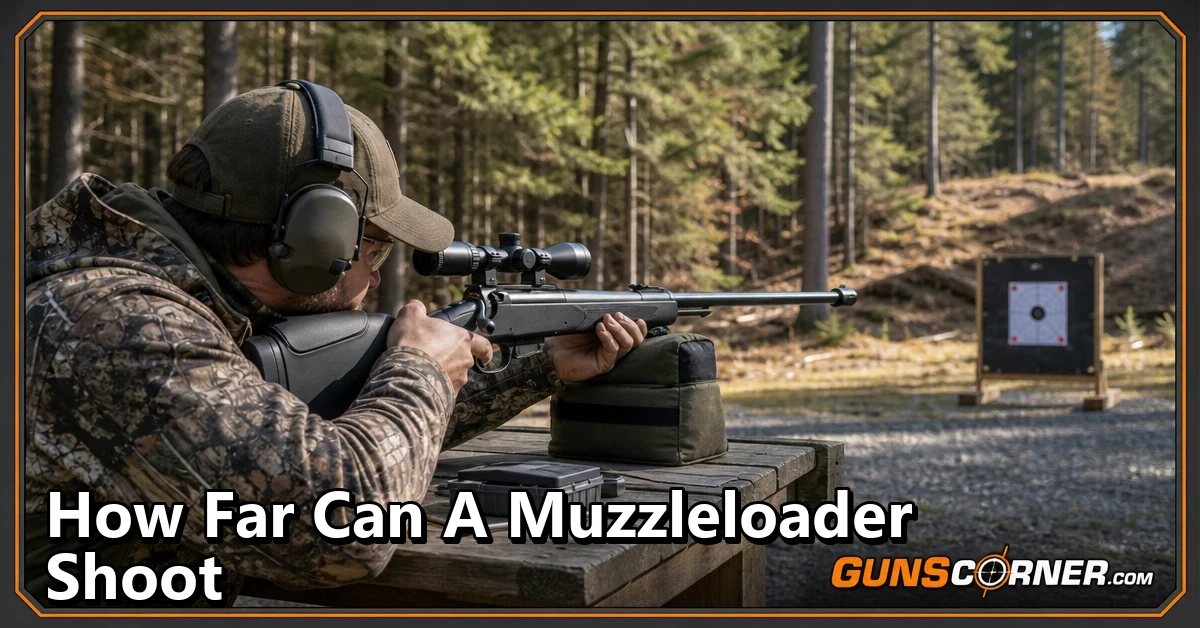
Understanding how far a muzzleloader can shoot is important for safe practice and ethical hunting. Maximum bullet flight distance is not the same as a responsible hunting range. Accuracy, projectile performance, rifle condition, weather, shooter skill, and local regulations all affect the answer.
A modern inline muzzleloader may be capable of accurate shooting at 150–200 yards or farther under controlled conditions, while traditional sidelocks and round-ball rifles usually have shorter practical ranges. For hunting, your ethical range is the distance at which you can repeatedly place a shot accurately, understand the projectile’s performance, and make a safe decision. Always confirm local muzzleloader rules, practice from realistic field positions, and never shoot beyond your proven ability.
Important Legal and Safety Notice Before You Hunt
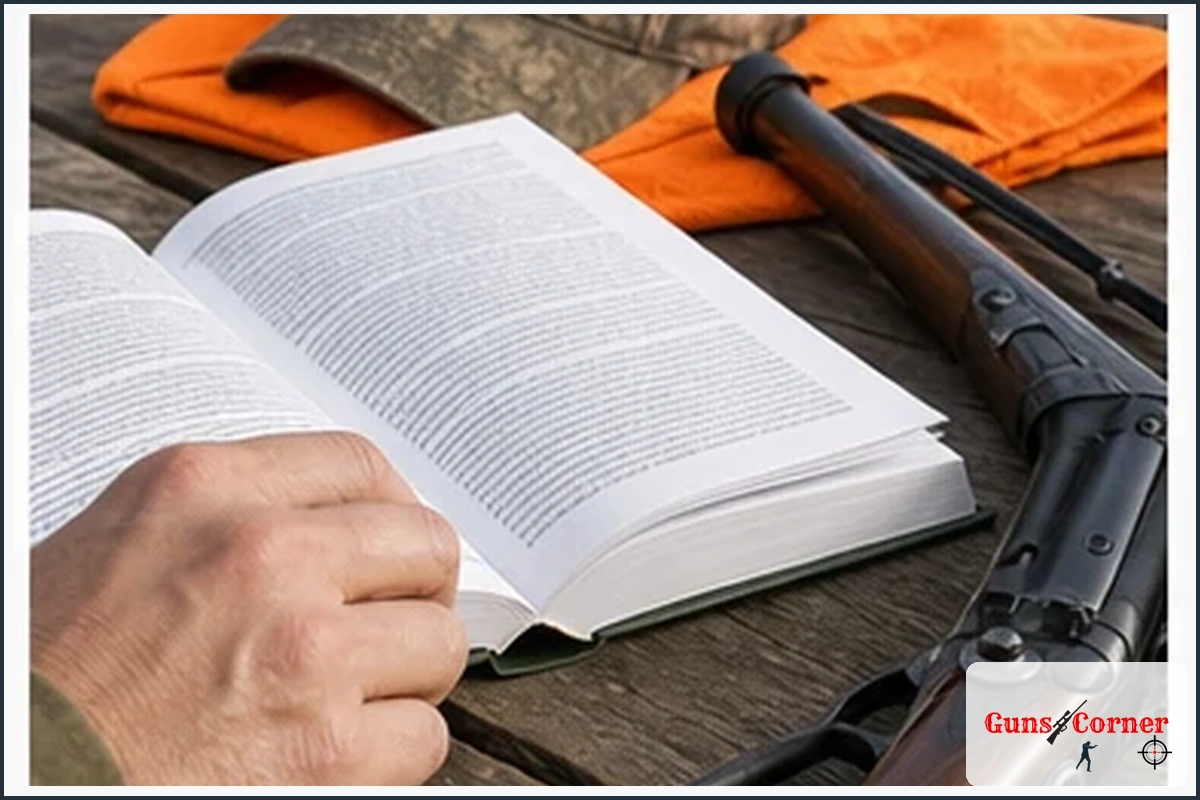
Muzzleloader regulations vary by state, province, season, game species, projectile, ignition system, powder, and hunting area. Before hunting, check your official wildlife agency for current rules covering:
- Hunting licenses, permits, and tags
- Muzzleloader season dates and legal hunting hours
- Approved ignition systems, projectiles, and powder types
- Legal caliber, optics, and equipment restrictions
- Bag limits and harvest reporting
- Public-land boundaries or private-land permission
- Required hunter orange or other visibility clothing
Complete a hunter education course if you are new to hunting, and follow the firearm manufacturer’s instructions. Keep the muzzle pointed in a safe direction, treat every muzzleloader as loaded, identify the target and what lies beyond it, and never shoot toward people, roads, homes, livestock, vehicles, or unclear movement.
What Determines How Far a Muzzleloader Can Shoot?
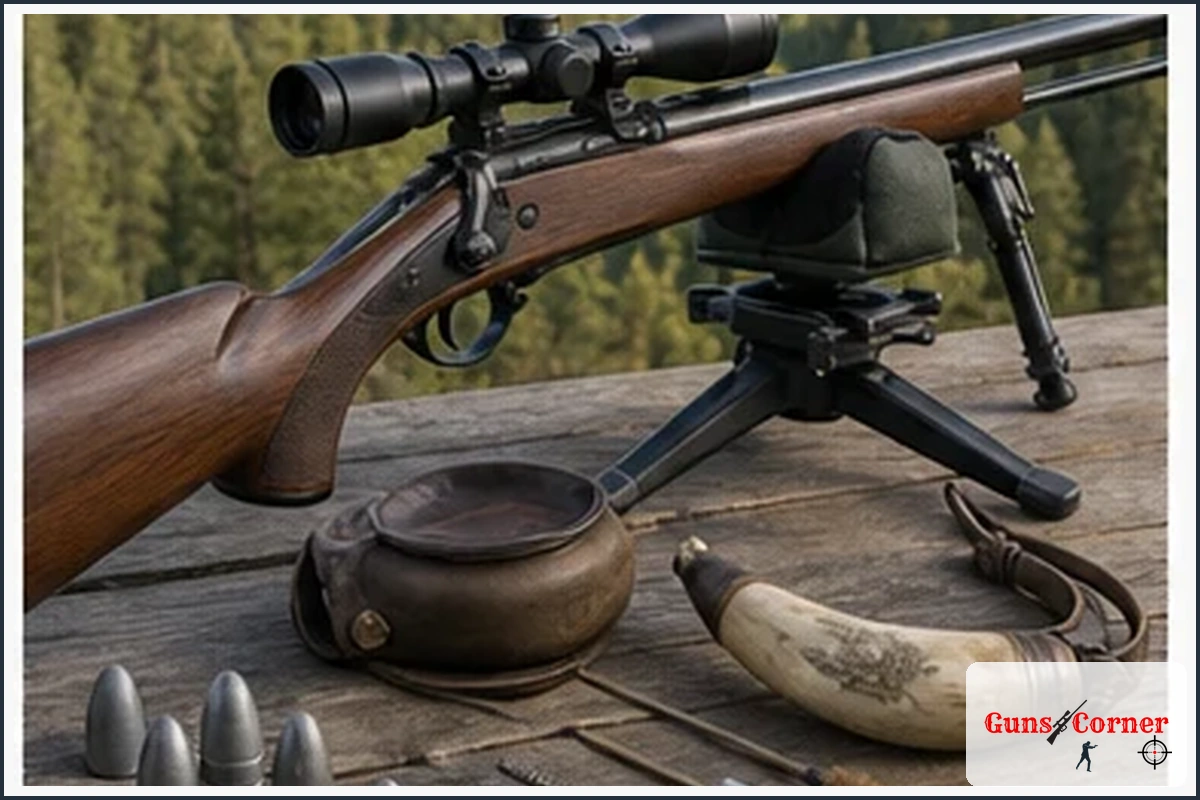
There is no single maximum range for every muzzleloader. The useful range depends on the complete shooting system rather than the rifle alone.
Rifle design
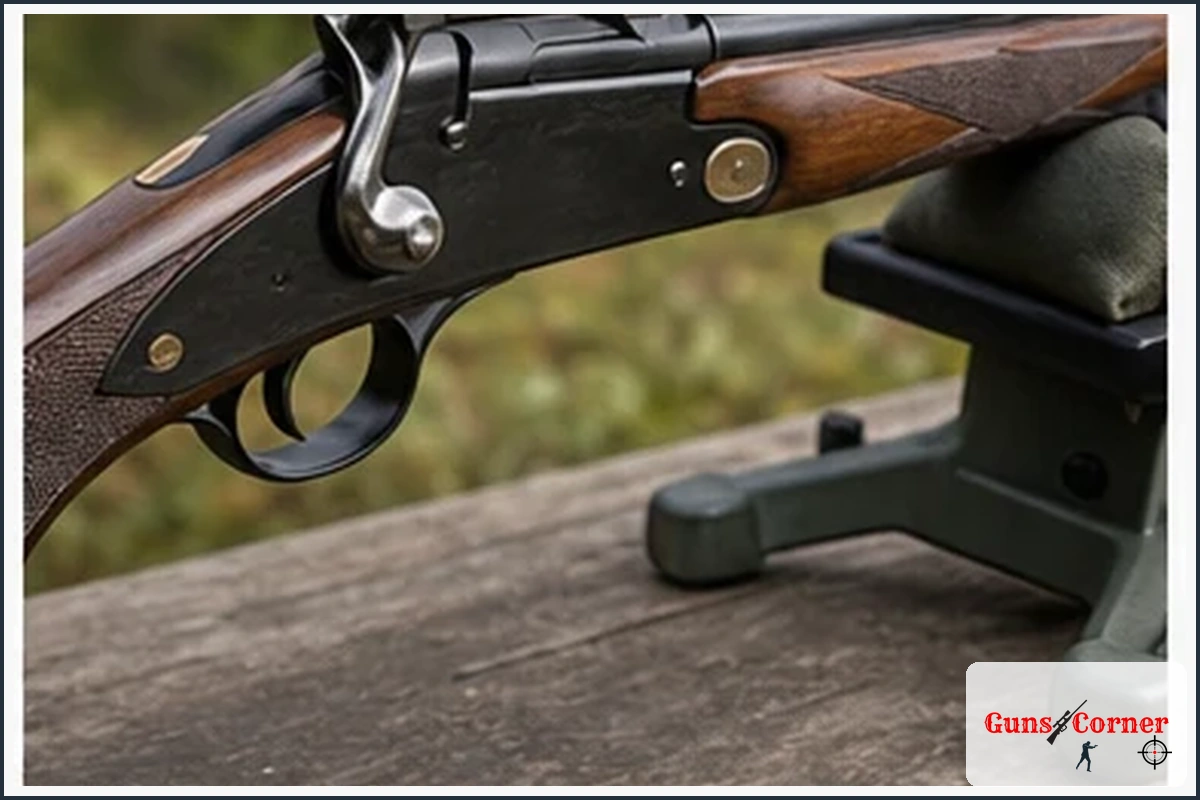
Modern inline muzzleloaders are generally designed for higher performance than traditional sidelock rifles. A scoped inline rifle firing a suitable projectile may produce a flatter trajectory and more consistent accuracy than a traditional round-ball setup.
Projectile type
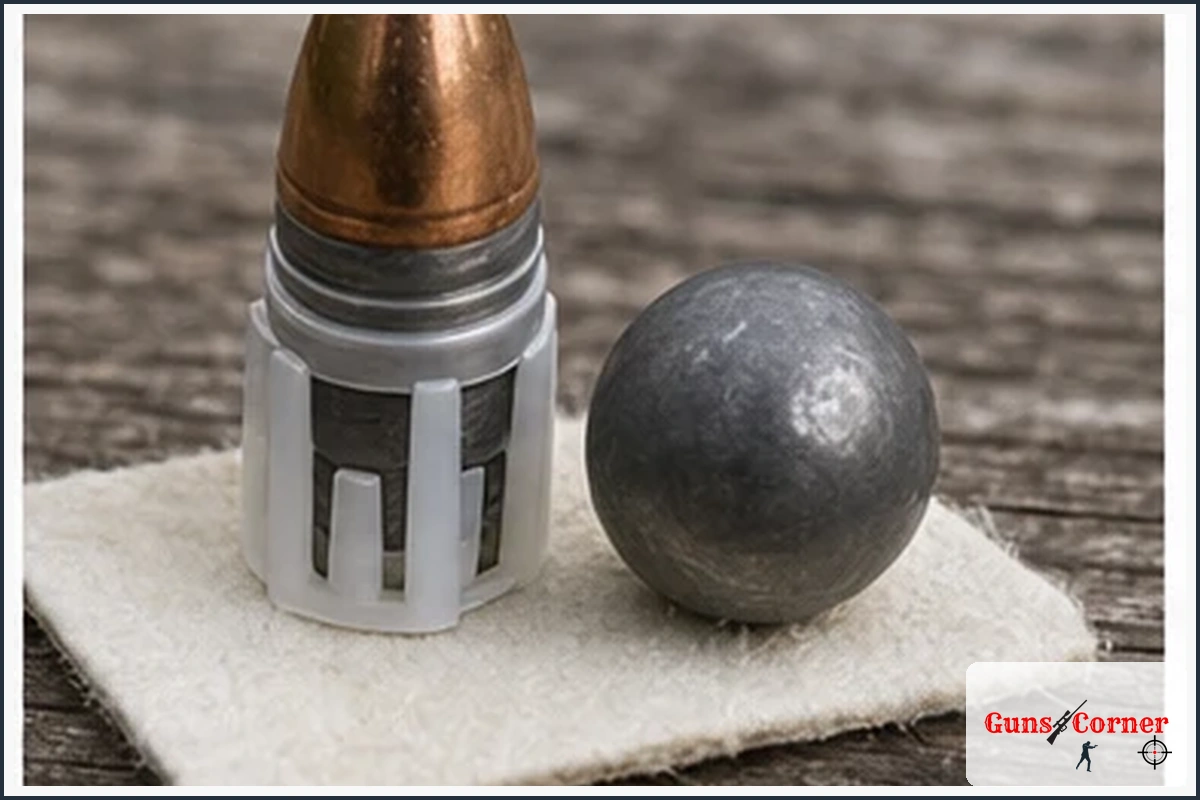
Conicals, saboted bullets, and patched round balls behave differently in flight. Projectile design affects accuracy, retained energy, wind drift, and suitability for a particular game animal. Use only projectiles approved for your rifle and legal in your hunting jurisdiction.
Powder and load
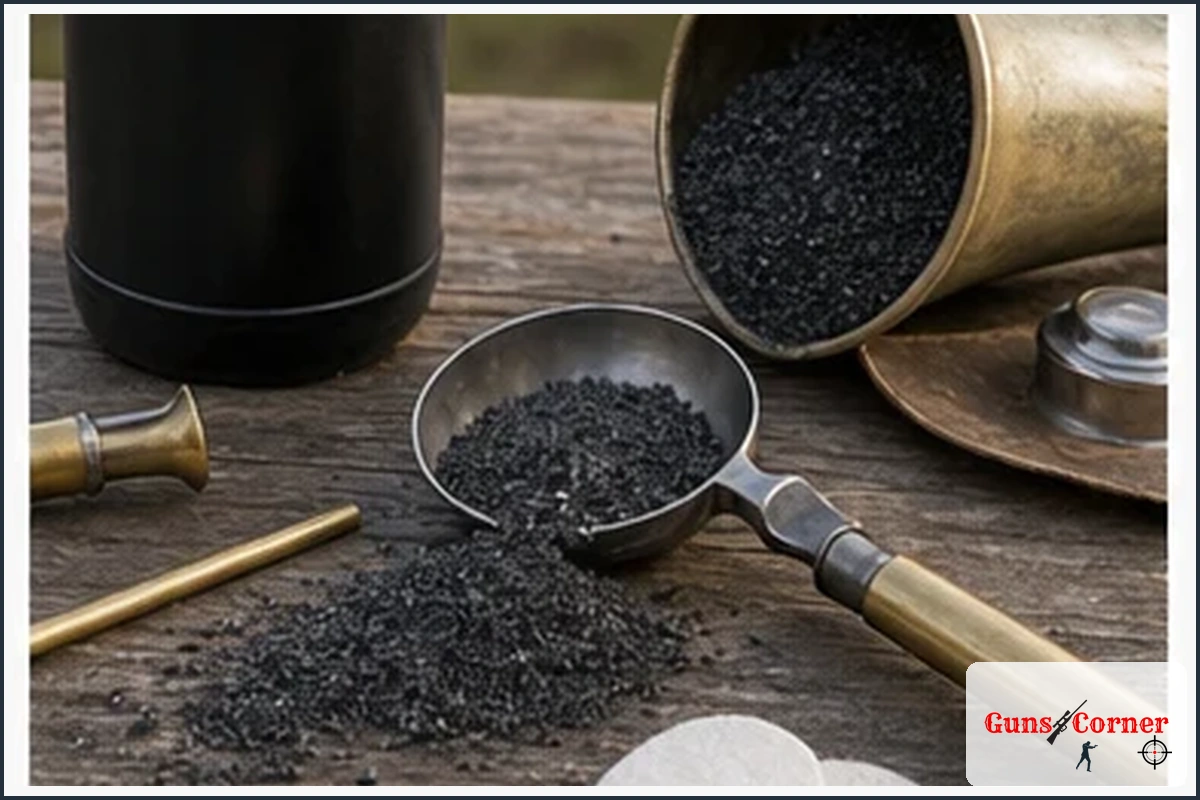
Use only the powder type and charge recommended by the firearm manufacturer and permitted by local law. Never guess at a load, substitute components, or exceed published limits. More powder does not automatically produce better hunting accuracy.
Rifle condition and sight-in
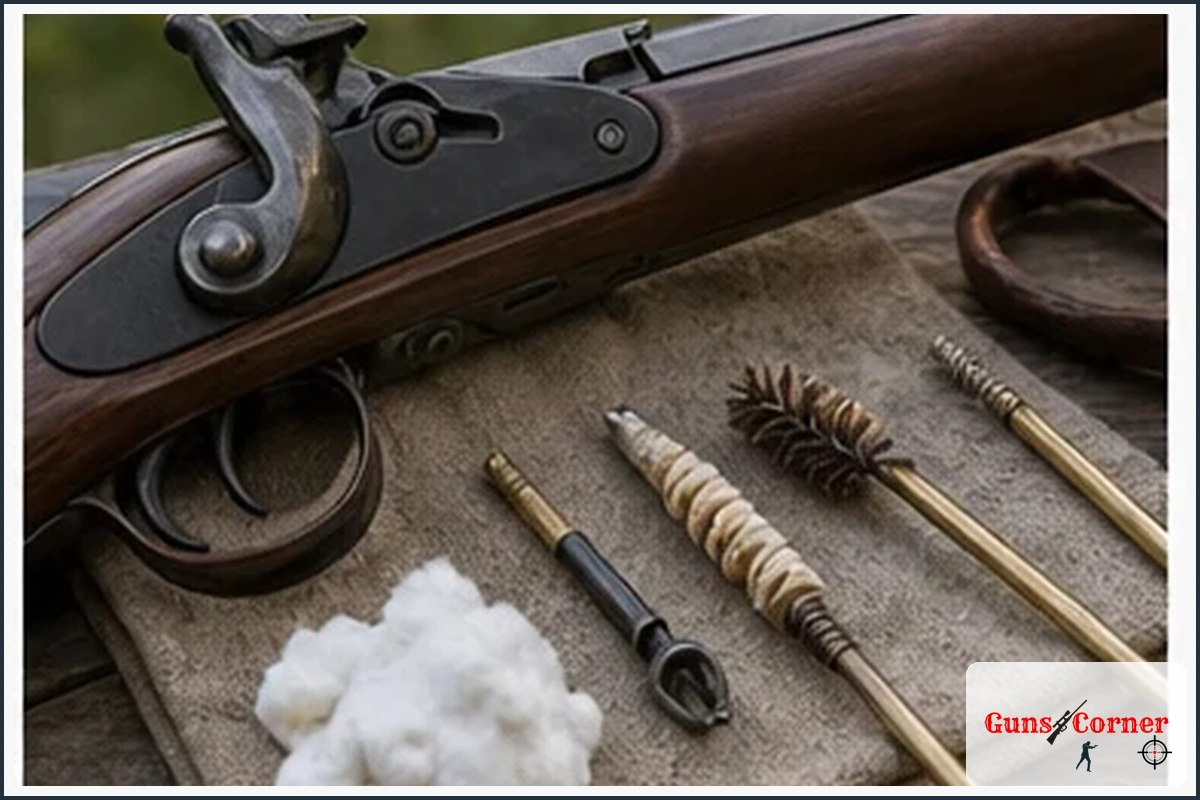
A clean, properly maintained muzzleloader with secure sights is easier to shoot consistently. Fouling between shots, damaged parts, loose mounts, or inconsistent loading can cause point-of-impact changes.
Shooter skill
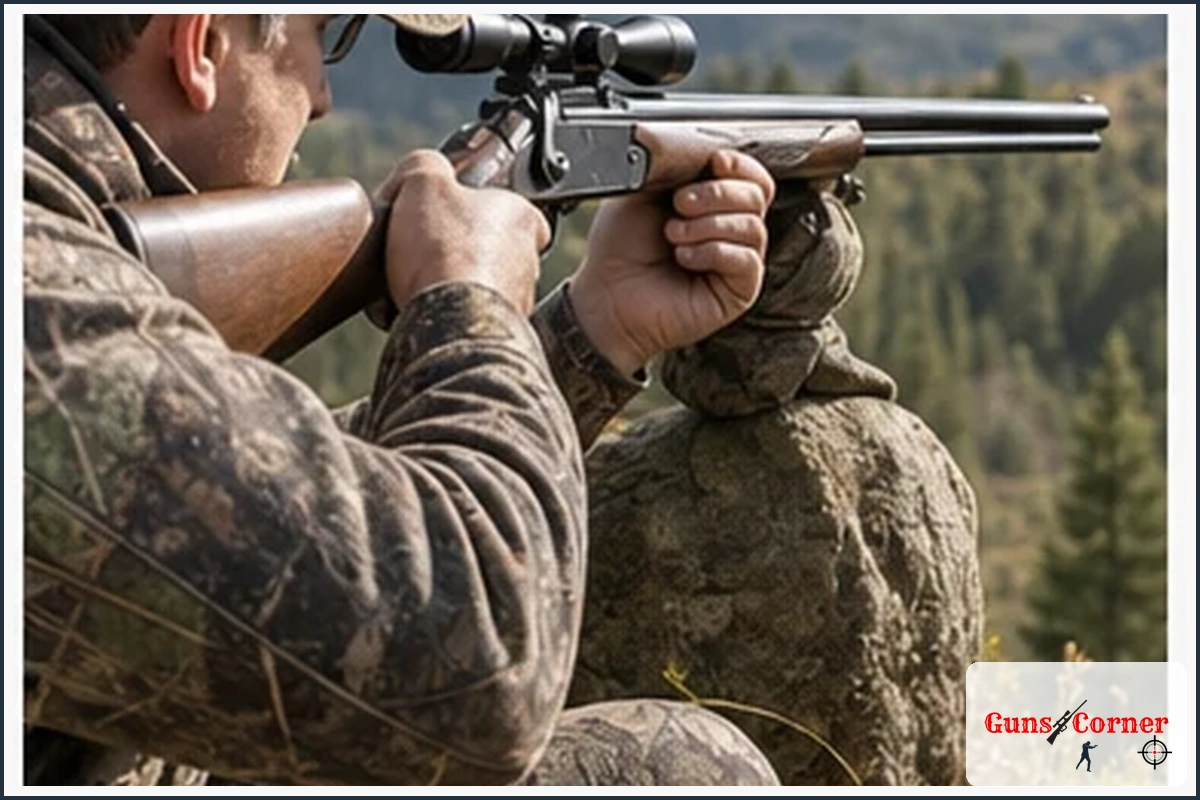
The hunter is often the greatest limit on practical range. A rifle that groups well from a bench may perform very differently when fired from a kneeling, sitting, or standing position in cold or windy conditions.
Weather and terrain
Wind, rain, temperature, elevation, vegetation, and uneven ground can change the result of a long shot. A range that feels reasonable on a calm practice day may not be responsible in the field.
Maximum Range Versus Ethical Hunting Range
A bullet can travel much farther than a hunter should attempt to shoot at game. Maximum projectile range describes how far the projectile may travel. Ethical hunting range describes the distance at which you can make a controlled, accurate, legal, and humane shot.
| Range Type | Meaning | Why It Matters |
|---|---|---|
| Maximum flight range | How far the projectile may travel | Important for backstop and firearm safety |
| Accuracy range | Distance where the rifle groups consistently | Shows mechanical and shooter performance |
| Effective hunting range | Distance where projectile performance remains suitable | Depends on game, projectile, and impact conditions |
| Ethical range | Distance where you can make a safe, practiced shot | This should guide your hunting decision |
How to Determine Your Responsible Muzzleloader Range
Step 1: Confirm the rifle and ammunition are legal
Read the current regulations for the exact season and area. Verify rules for the ignition system, projectile, powder, caliber, optics, and game species. Do not assume that equipment legal during one season is legal during another.
Step 2: Read the manufacturer’s instructions
Learn the approved components, loading procedure, cleaning requirements, and safety warnings for your muzzleloader. If anything is unclear, ask a qualified instructor or contact the manufacturer rather than guessing.
Step 3: Practice at known distances
Begin at a short distance and confirm that the rifle functions safely. Then practice at longer distances using a stable rest and a safe range with an adequate backstop. Record group size and point of impact rather than relying on a single shot.
Step 4: Use realistic field positions
Practice from the positions you may use while hunting, such as sitting, kneeling, or shooting from a properly secured blind. A bench-rest group does not prove that you can make the same shot under field conditions.
Step 5: Confirm repeatable accuracy
Your responsible range should be based on repeated groups, not your best group. If your accuracy becomes inconsistent as distance increases, use the shorter distance as your limit.
Step 6: Understand trajectory and holdover
Know where the projectile strikes at the distances you may encounter. Do not estimate holdover from memory. Use a verified ballistic reference for your specific rifle and load, and remember that wind and angle can change the result.
Step 7: Account for hunting conditions
Reduce your planned range when visibility is poor, the wind is strong, the animal is moving, your position is unstable, or the background is uncertain. Field conditions should make you more conservative, not more aggressive.
Step 8: Set a personal maximum range
Choose a maximum distance before hunting. That limit should reflect your repeatable accuracy, projectile performance, physical ability, and local rules. If the animal is beyond that distance or the shot angle is poor, wait or pass.
Typical Muzzleloader Range Categories
These are broad educational categories, not universal hunting rules:
- Traditional round-ball muzzleloaders: Often used at shorter practical hunting distances because of trajectory and projectile limitations.
- Modern inline muzzleloaders: May provide useful accuracy at substantially longer distances when properly sighted in.
- Experienced long-range shooters: May test farther distances under controlled conditions, but field hunting requires additional restraint.
The correct answer for your rifle should come from verified practice, not from a manufacturer’s maximum claim or another hunter’s personal limit.
Scouting and Field Preparation for Muzzleloader Hunting
Range is only one part of a successful hunt. Scouting helps you choose locations where a closer, safer opportunity is more likely.
- Study maps and identify legal access points.
- Confirm public-land boundaries or obtain private-land permission.
- Look for game trails, tracks, bedding areas, food sources, and water.
- Consider prevailing wind direction before selecting a blind or stand.
- Plan a quiet entry and exit route.
- Check the terrain for safe backstops and nearby roads, homes, trails, or livestock.
- Use binoculars to observe game rather than moving closer unnecessarily.
A good setup often improves your effective range by creating a closer, steadier opportunity.
Gear Checklist for Muzzleloader Hunting
- Legal muzzleloader, approved projectile, and permitted powder
- Manufacturer-approved loading and cleaning equipment
- Legal sights or optic
- Hunter orange or required visibility clothing
- Weather-appropriate clothing and boots
- Binoculars
- Map, compass, GPS, or navigation app
- First aid kit, water, food, and emergency communication
- Extra legal supplies for field maintenance
- Gloves, game bags, cooler, and meat-care equipment when appropriate
Safe Muzzleloader Setup in the Field
Use a stable position
Choose a blind, natural rest, or shooting position that allows you to remain balanced without placing the muzzle near people or obstacles. If using a tree stand, wear a full-body safety harness and follow the stand manufacturer’s instructions.
Check the background
Before loading or preparing for a shot, identify what lies beyond the animal. A safe backstop is essential. Never rely on the animal or distant vegetation to stop a projectile.
Control movement and noise
Muzzleloader hunting often rewards patience. Organize your equipment before the hunt, move slowly, and avoid unnecessary handling once you are set up.
Keep the muzzle safe
Keep the muzzle pointed in a safe direction at all times. Maintain safe spacing from companions, and follow range and manufacturer instructions for loading, unloading, and misfire procedures.
Taking an Ethical Shot
Only consider a shot when all of the following are true:
- You have positively identified the legal game animal.
- The animal is within your practiced range.
- Your position is stable.
- The projectile and rifle are legal for the hunt.
- The background is safe.
- The animal’s position provides a responsible opportunity.
- You can follow up and recover the animal if necessary.
Do not shoot at uncertain movement, through unsafe openings, at excessive angles, or beyond your demonstrated ability. Passing on a questionable shot is a mark of good judgment.
Common Mistakes to Avoid
- Confusing maximum projectile distance with ethical hunting range
- Using a load or projectile that is not approved for the rifle
- Failing to check current muzzleloader regulations
- Testing accuracy only from a bench rest
- Ignoring wind and shooting-angle effects
- Taking a long shot because the rifle is advertised as capable of it
- Forgetting to confirm a safe backstop
- Hunting without permission or crossing unclear boundaries
- Neglecting navigation, weather, hydration, or emergency planning
- Failing to plan for tagging, reporting, recovery, and meat care
Troubleshooting Common Problems
| Problem | Possible Cause | What to Do |
|---|---|---|
| Groups become larger at longer distances | Limited practice, inconsistent loading, wind, or poor support | Practice at shorter distances, check equipment, and set a more conservative range. |
| Point of impact changes between shots | Fouling, inconsistent loading, loose sights, or equipment problems | Follow the manufacturer’s maintenance procedure and have the rifle inspected if needed. |
| You cannot estimate the distance confidently | Unfamiliar terrain or lack of preparation | Use a rangefinder where legal and practice judging distance before hunting. |
| The wind is difficult to read | Changing terrain or gusty conditions | Wait for better conditions or shorten the distance; do not guess on a marginal shot. |
| You are unsure whether the shot is ethical | Unstable position, poor angle, or limited visibility | Pass on the shot and wait for a clearer opportunity. |
| You are uncertain about legal equipment | Rules vary by season and location | Contact the official wildlife agency before hunting. |
Ethical Hunting and Conservation
Responsible muzzleloader hunting means respecting wildlife, landowners, other hunters, and the law. Follow season dates and bag limits, avoid waste, recover game carefully, and complete required harvest reporting.
Licenses and regulated hunting programs support wildlife management and conservation. Leave hunting areas clean, respect gates and property boundaries, and avoid disturbing other outdoor users. Ethical restraint helps protect the future of hunting.
When to Get More Training or Professional Guidance
Seek instruction before hunting if you have never handled a muzzleloader, are unfamiliar with safe loading procedures, have not completed hunter education, or are uncertain about local laws.
Useful resources include official hunter education courses, certified firearms instructors, state or provincial wildlife agencies, reputable conservation organizations, and experienced ethical hunting mentors.
After the Hunt: Gear Care and Learning
- Unload and secure the muzzleloader according to the manufacturer’s instructions.
- Clean and store the rifle safely after use.
- Complete required tagging and harvest reporting.
- Cool and transport meat responsibly when a harvest occurs.
- Record weather, distance, shooting position, and field conditions.
- Review what worked and adjust your practice plan before the next hunt.
Recommended Muzzleloader Hunting Gear and Tools to Consider
You do not need expensive equipment to hunt responsibly. Choose gear based on local regulations, terrain, weather, hunting method, skill level, and safety needs.
- Legal muzzleloader and approved components
- Reliable sights or a legal optic
- Binoculars and, where legal, a rangefinder
- Map, compass, GPS, or hunting app
- Weather-appropriate clothing and required visibility gear
- Stable shooting support suitable for field use
- First aid kit and emergency communication
- Game recovery and meat-care supplies
Frequently Asked Questions
How far can a muzzleloader shoot accurately?
Accuracy varies by rifle, projectile, load, sights, and shooter. A modern inline muzzleloader may group well at 150–200 yards under controlled conditions, while traditional rifles may have shorter practical ranges.
How far can a muzzleloader shoot for hunting?
The responsible hunting range is the distance at which you can repeatedly make a safe, accurate, legal shot under field conditions. It may be shorter than the rifle’s tested accuracy range.
Is 100 yards a good muzzleloader hunting range?
One hundred yards is a common practice distance, but it is not automatically appropriate for every hunter or rifle. Confirm your accuracy, projectile performance, and field stability before hunting at that distance.
Can a modern inline muzzleloader shoot 200 yards?
Some modern inline muzzleloaders can produce useful accuracy at 200 yards with suitable equipment and skilled shooting. Whether that is an ethical hunting distance depends on your verified performance and local rules.
Are traditional muzzleloaders effective at long range?
Traditional rifles can be effective within their intended range, but round-ball systems generally have different trajectory and performance characteristics than modern inline rifles.
What is the difference between maximum range and effective range?
Maximum range is how far a projectile may travel. Effective range is where it remains accurate and suitable for the intended purpose. Ethical range is the shorter limit based on your skill and conditions.
Does a heavier powder charge always increase range?
No. Use only the manufacturer-approved charge and legal components. A larger charge may not improve accuracy and can create serious safety risks if used improperly.
Does a scope make a muzzleloader accurate at longer distances?
A legal, properly mounted scope can help you aim precisely, but it does not eliminate wind, trajectory, shooter error, or projectile limitations.
Should I use a rangefinder while muzzleloader hunting?
Where legal, a rangefinder can improve distance awareness. Confirm its use under your local regulations and do not rely on it to compensate for inadequate practice.
How does wind affect a muzzleloader shot?
Wind can move the projectile, especially at longer distances. Gusty or changing wind should encourage you to shorten the shot distance or wait.
Does shooting from a blind improve effective range?
A blind may provide concealment and a steadier position, but it does not change the rifle’s ballistic limits. The blind must also offer a safe shooting direction and legal placement.
Can I shoot farther from a bench rest than in the field?
Usually, yes. A bench rest removes much of the movement present in hunting. Set your hunting limit using realistic field positions.
How often should I practice before muzzleloader season?
Practice regularly enough to confirm safe handling, loading consistency, accuracy, and field-position shooting. Practice again whenever you change components or equipment.
Should I practice at the exact range I plan to hunt?
Yes, when possible. Practicing at likely distances helps you understand trajectory and confidence without relying on estimates.
What should I do if my groups are inconsistent?
Stop extending the range. Check your loading process, sights, equipment condition, and shooting position, then seek qualified instruction if the problem continues.
Is a long-range muzzleloader shot ethical?
It can be ethical only when it is legal, well within your practiced ability, supported by a safe background, and appropriate for the conditions. Long distance alone does not make a shot responsible.
What if the animal is beyond my personal range?
Wait, reposition legally if possible, or pass on the opportunity. Patience is safer and more ethical than attempting a shot you cannot confidently make.
How do I choose a safe hunting position?
Choose a legal location with a stable rest, clear visibility, safe shooting lanes, and a reliable backstop. Avoid positions near roads, homes, trails, livestock, or other hunters.
Do muzzleloader hunting laws differ from firearm laws?
Often they do. Equipment and season rules may differ by location, game species, and hunting period. Always check current official regulations.
Can I use any bullet in a muzzleloader?
No. Use only projectiles approved for your specific rifle and allowed by local law. Follow the manufacturer’s instructions.
Can I use smokeless powder in a muzzleloader?
Never use a powder unless the firearm manufacturer specifically approves it and local regulations allow it. Many muzzleloaders are designed for approved black powder or substitutes only.
What safety equipment should I carry?
Carry required visibility clothing, navigation tools, a first aid kit, water, communication equipment, and weather-appropriate gear. Include legal field-maintenance and game-care supplies as needed.
Is hunter orange required for muzzleloader hunting?
Requirements vary by location, season, and hunting area. Check the current rules for your hunt and wear additional visibility clothing when appropriate for safety.
Can I hunt private land without written permission?
Do not enter or hunt private land without permission. Follow the landowner’s instructions, respect gates and livestock, and confirm boundaries.
What should I know about public-land muzzleloader hunting?
Study boundaries, access points, parking rules, other-user activity, and local regulations. Be considerate of other hunters and never assume an unmarked area is open to hunting.
What should I do after a successful harvest?
Follow local tagging, reporting, transport, and meat-handling requirements. Handle the harvest respectfully and keep the meat clean and cool according to responsible food-safety practices.
Should I hunt alone with a muzzleloader?
Beginners should consider hunting with an experienced mentor. If hunting alone, leave an itinerary, carry communication equipment, and plan for weather, navigation, and emergencies.
Where can I learn muzzleloader safety?
Start with an official hunter education course, a qualified firearms instructor, the firearm manual, and a reputable muzzleloading or conservation organization.
Does a more expensive muzzleloader guarantee longer range?
No. Equipment quality can help, but accuracy still depends on proper setup, legal components, practice, weather, and shooter ability.
What is the best way to improve muzzleloader range safely?
Improve fundamentals, confirm equipment, practice progressively at known distances, learn your trajectory, and set a conservative personal limit.
How do I know when not to shoot?
Do not shoot when the target is unclear, the background is unsafe, the distance is beyond your ability, the animal is poorly positioned, or local legality is uncertain.
Final Thoughts
How far can a muzzleloader shoot? The practical answer depends on the rifle, projectile, load, conditions, and shooter. A modern muzzleloader may be accurate at long distances, but responsible hunting requires a shorter, proven limit based on safe field performance.
Check current regulations, practice from realistic positions, scout for closer opportunities, and take only legal and ethical shots. Patience, preparation, and respect for wildlife matter more than reaching the greatest possible distance.