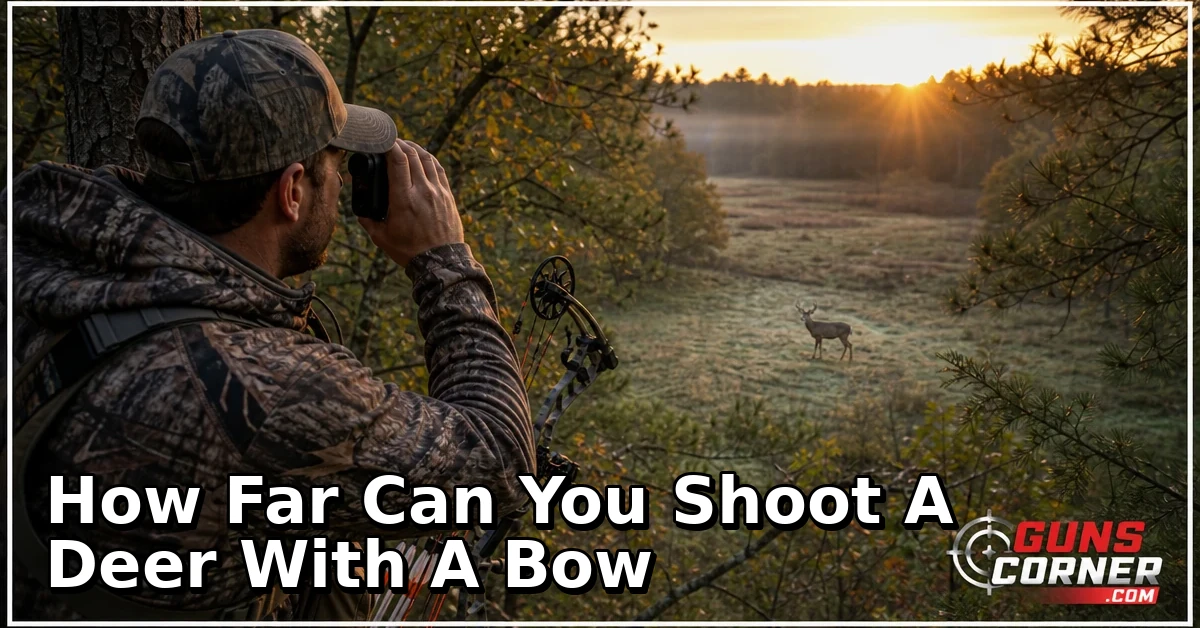
Knowing how far you can shoot a deer with a bow is less about a specific number and more about your practiced accuracy, equipment, conditions, and ability to make an ethical shot. A responsible bowhunter should set a personal maximum range well inside the distance where they can consistently place arrows accurately under realistic hunting conditions.
Many bowhunters consider a practical hunting range to be about 20 to 40 yards, but the correct distance varies by skill, bow setup, broadheads, animal movement, wind, and shot angle. Your maximum range should be the farthest distance at which you can repeatedly place arrows in a safe, vital-area target under hunting-like conditions. Always verify local archery regulations, practice extensively, and pass on any shot that is uncertain or beyond your reliable ability.
Important Legal and Safety Notice Before You Hunt
Archery regulations differ by state, province, county, season, and hunting unit. Before hunting, check your official wildlife agency for current requirements and restrictions.
- Valid hunting license, archery permit, deer tag, and any required permits
- Open season dates, legal hunting hours, and harvest limits
- Legal bow types, draw-weight requirements, arrow rules, and broadhead requirements
- Public-land boundaries or written private-land permission
- Harvest reporting, tagging, transport, and game-check rules
- Required hunter-orange or other visibility clothing
- Safe tree-stand, ground-blind, and bow-handling practices
- Weather, navigation, hydration, first aid, and emergency communication plans
Complete a recognized hunter education course and bowhunting safety training if you are new to archery hunting. When possible, hunt with an experienced, ethical mentor.
What Determines Your Effective Bowhunting Range?
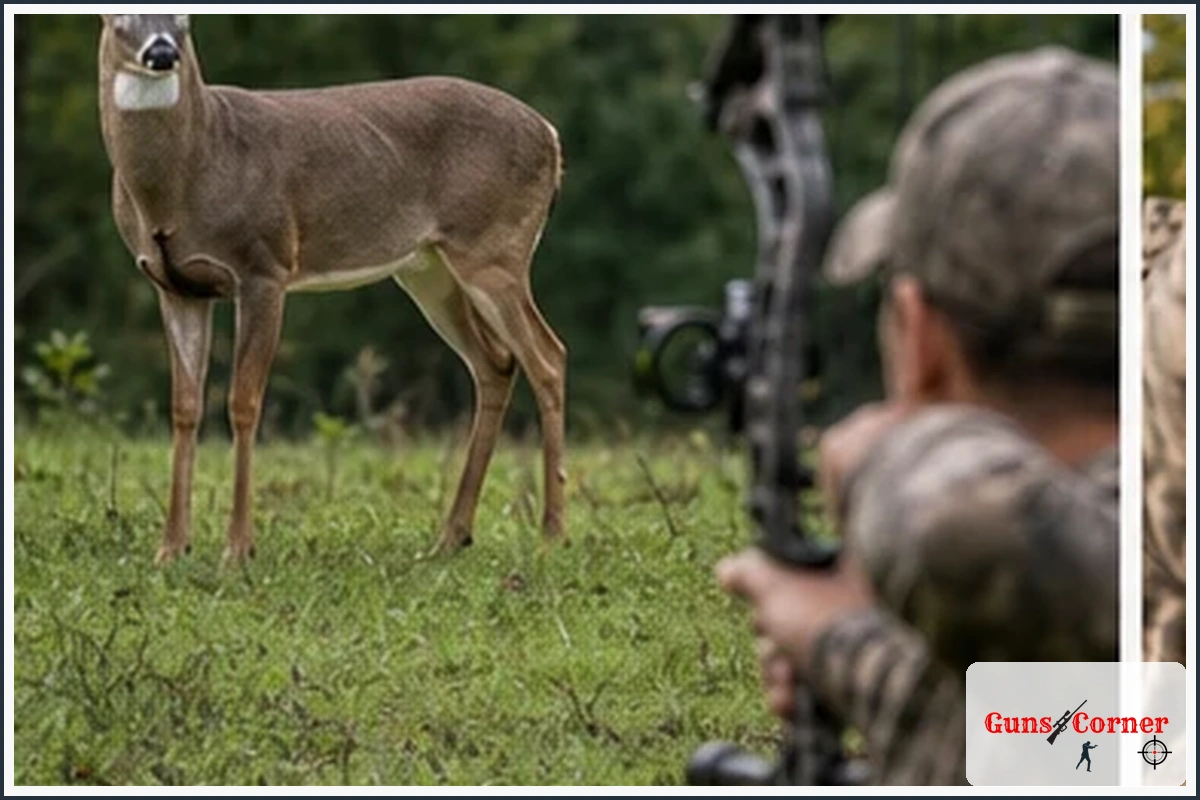
Your effective range is not the distance your arrow can physically travel. It is the farthest distance at which you can make a controlled, ethical shot on a deer under field conditions.
Practice Accuracy
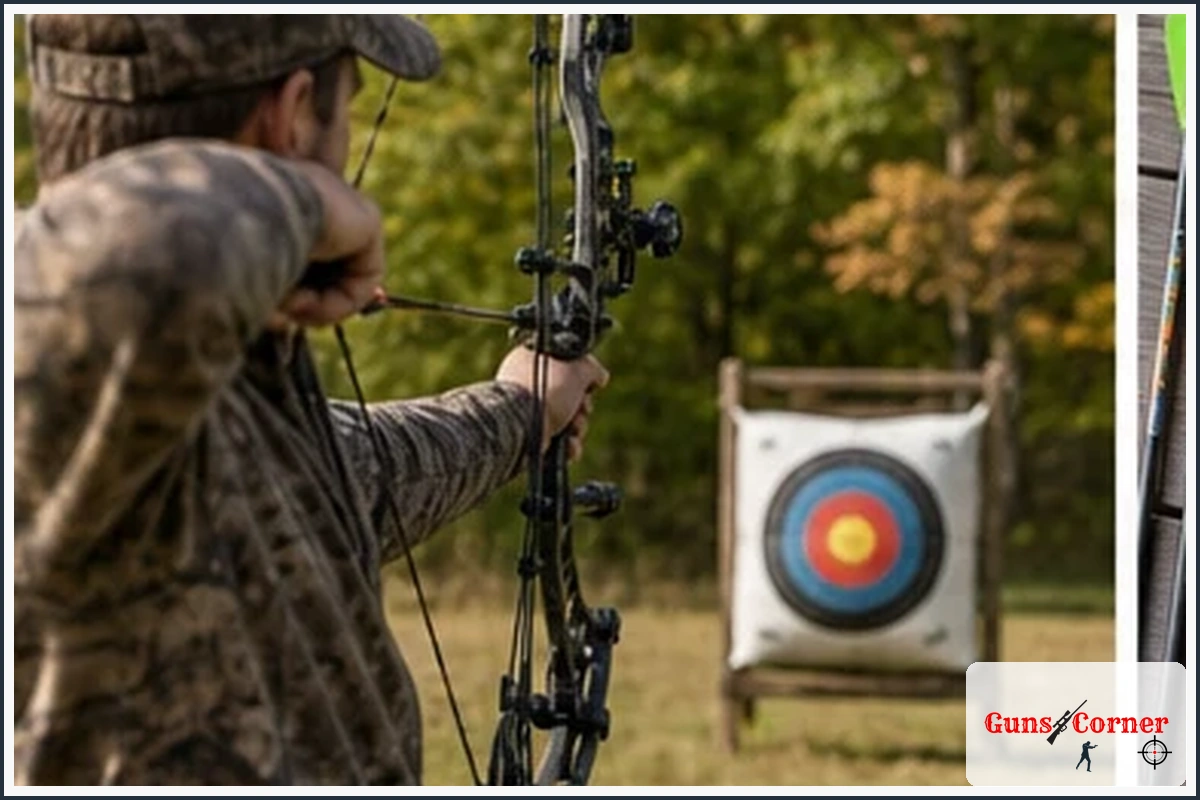
Target shooting from a comfortable position is useful, but hunting adds pressure. You may be standing, wearing multiple clothing layers, shooting from an elevated stand, dealing with wind, or waiting for a deer to move into position. Your hunting range should reflect those conditions.
Equipment and Bow Setup
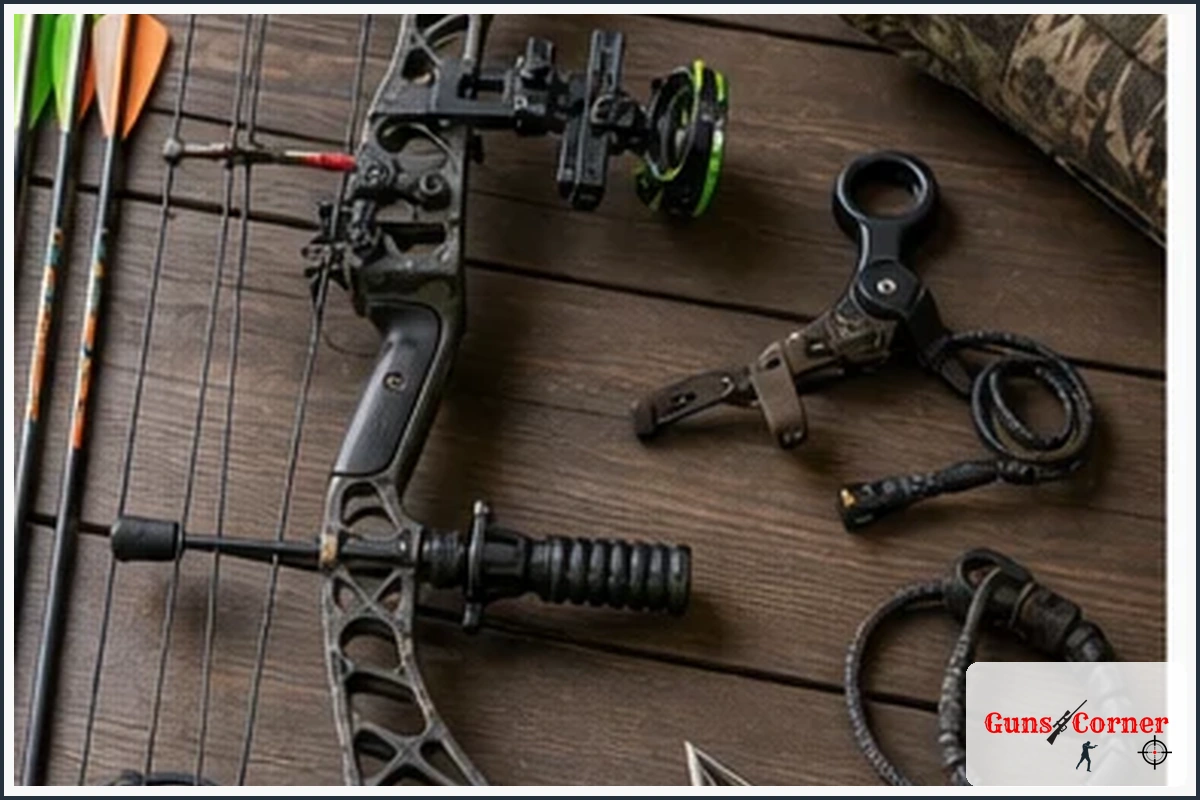
Bow type, draw weight, arrow spine, broadhead design, sight setup, and tuning all affect accuracy and penetration. Use equipment that is legal in your area and follow the manufacturer’s instructions. Have your bow inspected and tuned by a qualified professional when needed.
Animal Movement
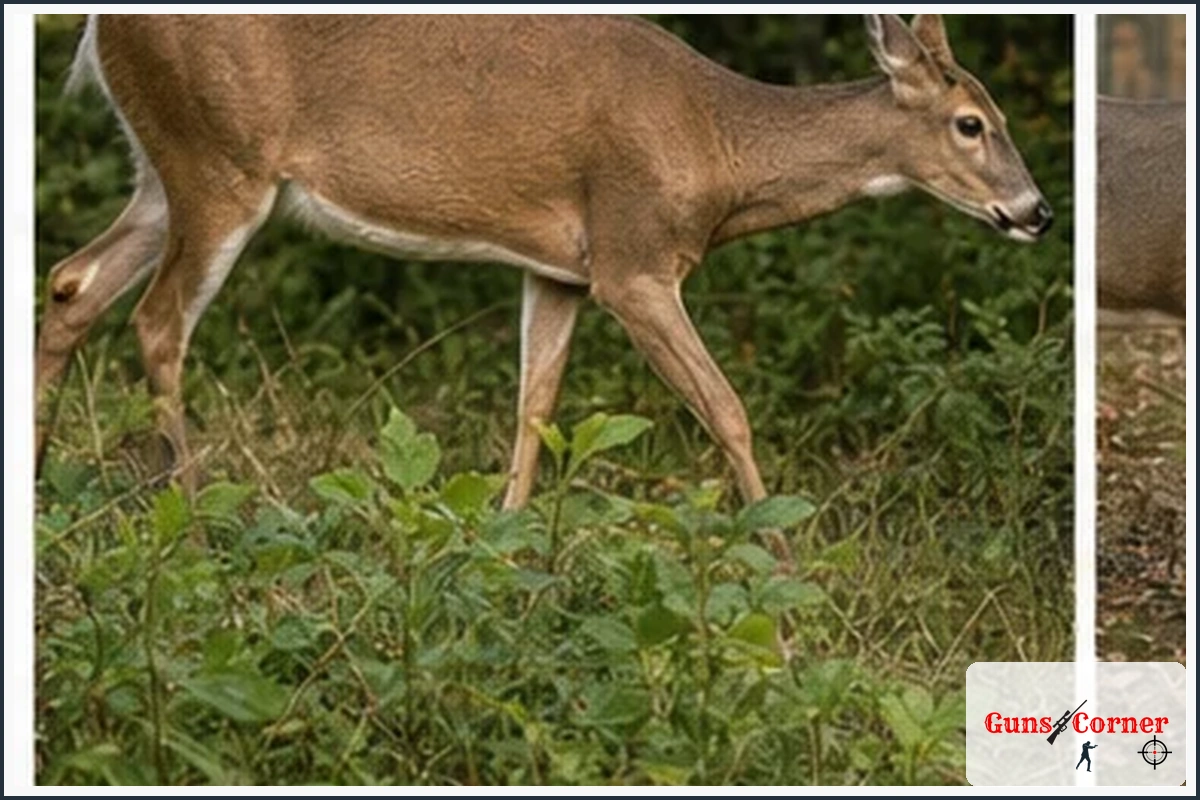
A deer can step, turn, lower its head, or react to the bowstring. Even a well-aimed arrow can be affected if the animal moves at the wrong moment. The farther the distance, the more time the arrow gives the deer to react and the more significant small aiming errors become.
Shot Angle and Position
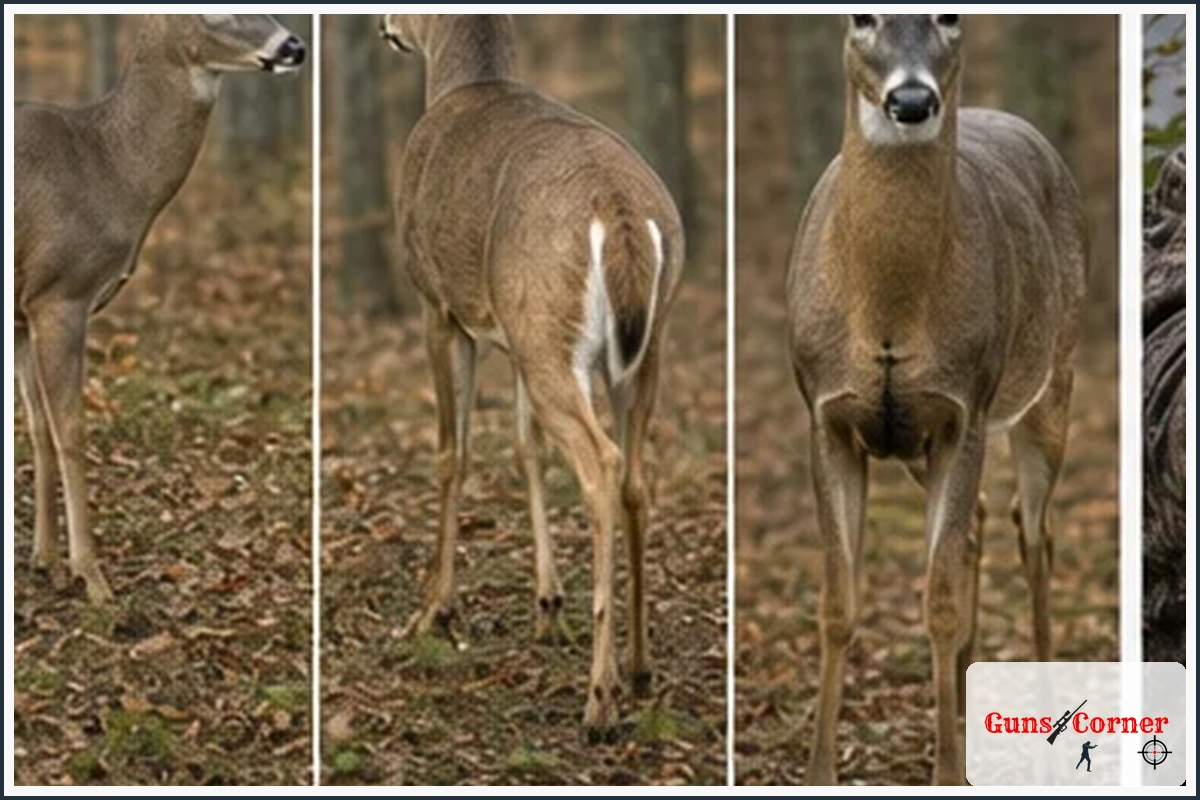
A broadside or slightly quartering-away position is generally easier to evaluate than a frontal, sharply quartering-toward, or heavily obstructed position. Do not shoot through brush or take a shot when you cannot clearly identify the animal’s position and the safe background.
Wind and Weather
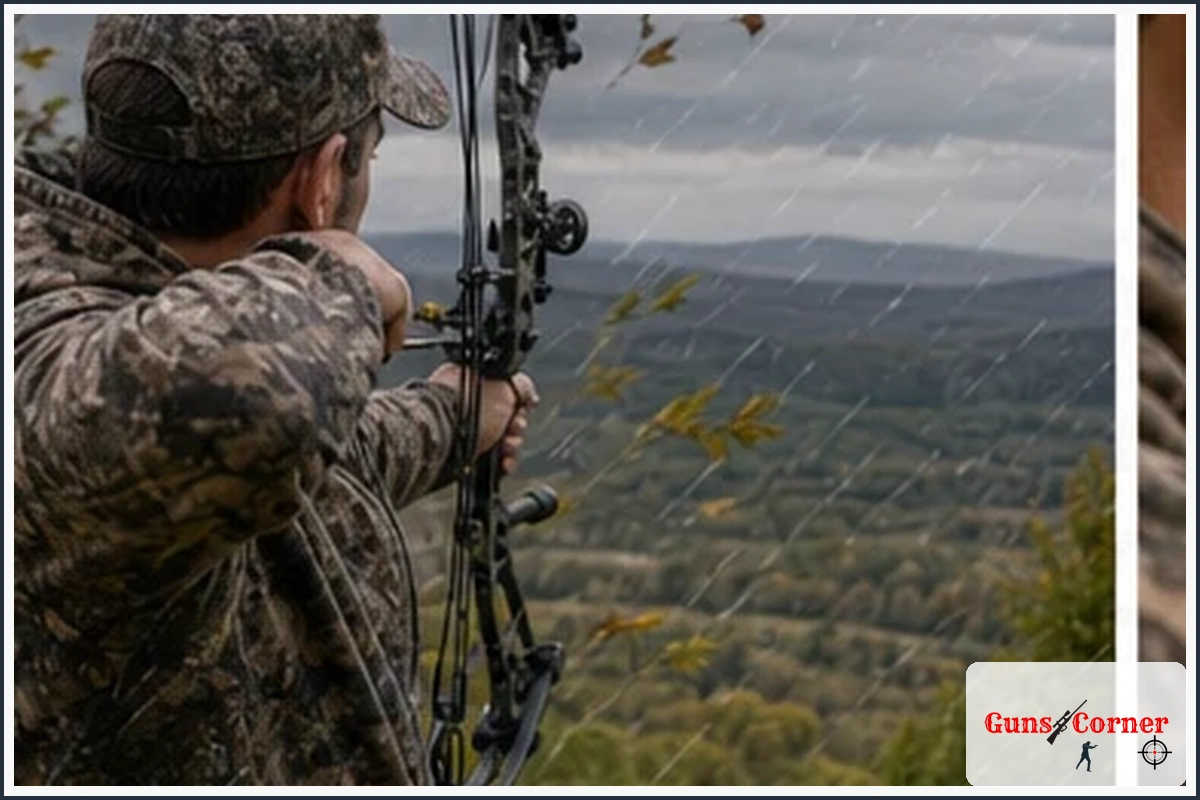
Wind can affect arrow flight, scent, balance, and your ability to hold steadily. Rain, cold, poor visibility, and strong gusts may make a normally manageable distance inappropriate.
How to Determine Your Personal Maximum Range
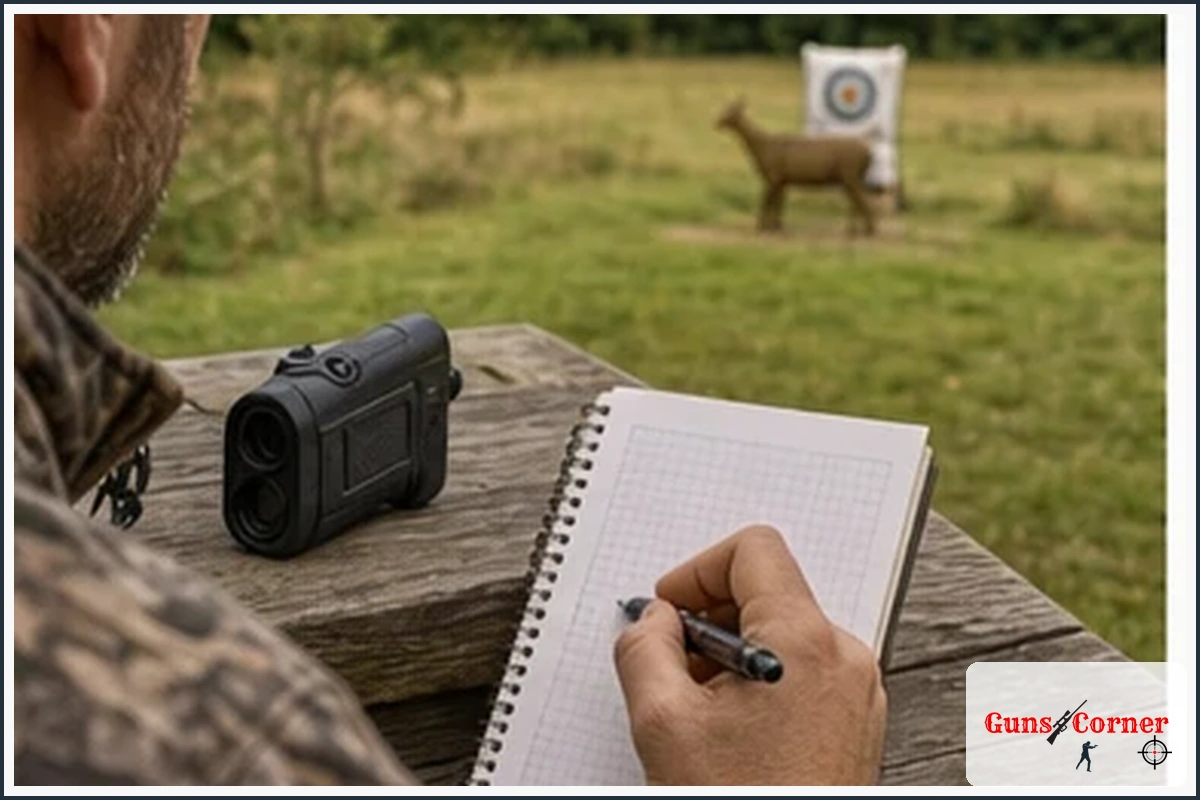
Step 1: Confirm Your Equipment Is Legal and Properly Tuned
Check your local regulations for minimum draw weight, broadhead specifications, arrow requirements, and other archery rules. Confirm that your bow is correctly set up, your arrows match the bow, and your broadheads are appropriate and sharp.
Step 2: Establish a Reliable Practice Baseline
Begin at a comfortable distance and shoot groups using the same bow, arrows, release, sight, and broadheads you expect to use while hunting. Practice from realistic positions rather than relying only on a bench or relaxed target session.
Step 3: Practice at Increasing Distances
Increase distance gradually while maintaining safe range practices. At each distance, evaluate whether your arrows consistently land in a tight, controlled group. Do not define your range by one excellent group or one lucky shot.
Step 4: Practice Hunting Positions
Include shots from a tree stand or elevated platform when safe and permitted, as well as kneeling or sitting positions if you may hunt from a blind. Practice wearing your hunting clothing and using your actual broadheads only when your range is designed for them and safety procedures allow it.
Step 5: Add Mild Field Conditions
Practice in changing light and moderate, safe wind conditions. Learn how your arrows behave, but do not use difficult weather as a reason to force a shot. If conditions reduce your confidence, shorten your range or stop shooting.
Step 6: Set a Conservative Hunting Limit
Choose a maximum range that leaves a margin for error. Your hunting limit should be shorter than the distance at which your groups begin to open, your form becomes inconsistent, or you feel rushed. Many beginners should stay close and focus on shot quality rather than distance.
Step 7: Recheck Your Range Before and During the Season
Fitness, equipment changes, injury, long periods without practice, and changing broadheads can affect performance. Confirm your accuracy regularly and reduce your maximum range whenever your confidence or consistency decreases.
Why Longer Bowhunting Shots Are More Difficult
- Arrow flight takes longer: A deer has more opportunity to react before the arrow arrives.
- Small errors become larger: A slight change in form or aiming can move the arrow significantly at longer range.
- Wind has more influence: Crosswinds and gusts can alter arrow impact.
- Animal angles are harder to read: Distance can make it more difficult to judge body position and obstructions.
- Recovery becomes less certain: A marginal shot may create difficult tracking and recovery conditions.
- Pressure affects performance: Buck fever, hurried movement, and awkward body position can reduce accuracy.
Choosing an Ethical Shot Opportunity
Distance is only one part of the decision. Before drawing your bow, confirm all of the following:
- You have positively identified the deer and confirmed it is legal to harvest.
- The deer is within your practiced hunting range.
- The animal is in a suitable position for a responsible shot.
- No branches, brush, fences, or other obstacles block the arrow path.
- You have a safe background and are not aiming toward people, homes, roads, livestock, or other hunters.
- You can draw and aim without being detected or losing control.
- You are calm enough to execute the shot properly.
If any part of the situation is unclear, do not shoot. Passing on a questionable opportunity is a sign of good judgment, not failure.
Scouting and Setup for a Close, Ethical Shot
Study Deer Travel Patterns
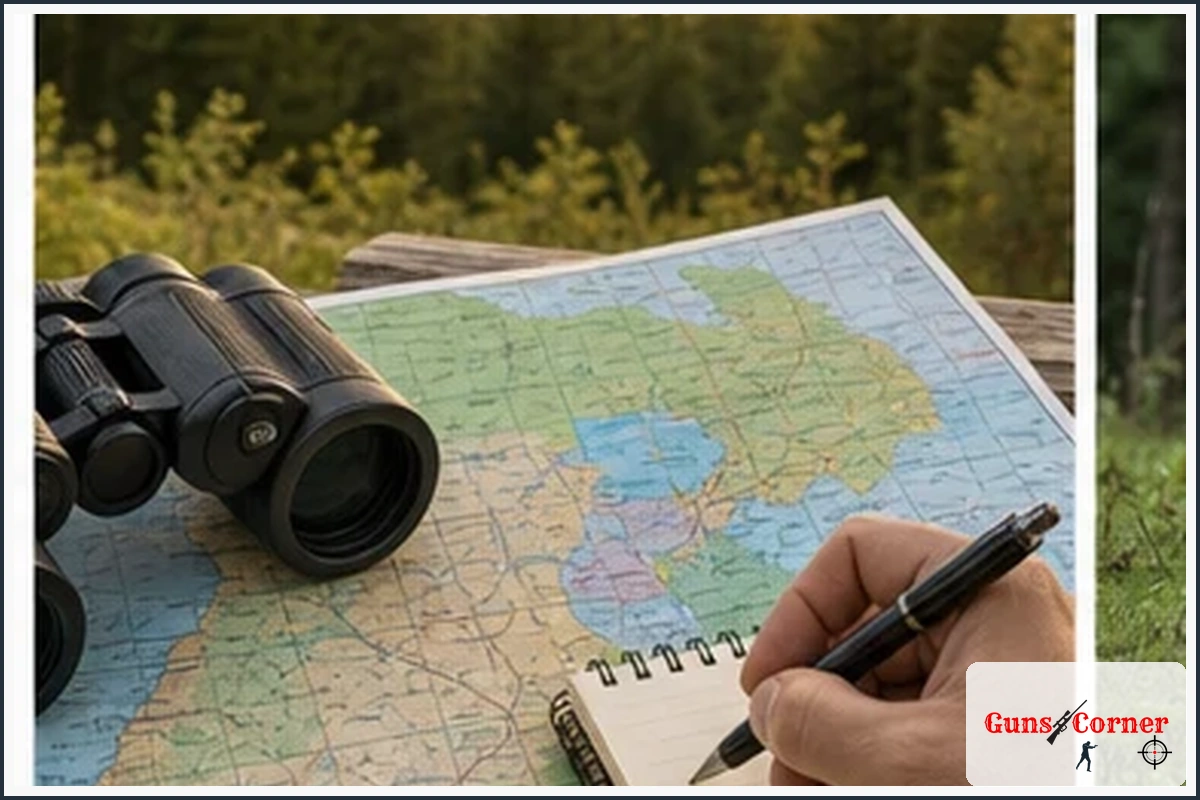
Look for legal, observable sign such as tracks, trails, droppings, rubs, scrapes, bedding areas, food sources, and water. Use maps and field observation to understand how deer move between cover, feeding areas, and travel corridors.
Consider Wind Direction
Choose a setup where your scent is less likely to drift toward the area where deer are expected to approach. Wind direction can change, so monitor it throughout the hunt and leave if the setup becomes unsuitable.
Prepare Shooting Lanes
From a blind or stand, identify clear shooting lanes before the hunt. Do not remove vegetation or alter public land without permission. Make sure you understand where an arrow could travel if you miss and what lies beyond each lane.
Range the Area in Advance
Use a reliable rangefinder to learn the distances to landmarks around your setup. Range trees, rocks, trail crossings, and other reference points before deer appear so you do not have to estimate distance under pressure.
Use a Safe Stand or Blind
Inspect tree stands, ladders, steps, and straps before use. Wear a properly fitted full-body safety harness and remain connected according to the manufacturer’s instructions. Keep your bow secured while climbing and use a haul line to raise or lower equipment.
Bowhunting Gear Checklist
- Legal, properly tuned compound bow or traditional bow
- Matched arrows and legal broadheads
- Reliable release aid if applicable
- Bow sight, peep, stabilizer, and accessories checked before the hunt
- Rangefinder suitable for hunting use
- Quiet, weather-appropriate clothing and boots
- Required visibility clothing
- Full-body tree-stand harness when hunting above ground
- Map, compass, GPS, or charged navigation device
- Headlamp, first aid kit, water, food, and emergency communication
- Knife, gloves, game bags, and meat-care supplies if a harvest occurs
- Phone or camera for legal reporting and documentation where permitted
Best Conditions for a Responsible Bowhunting Shot
The best opportunity is one that combines a legal deer, a clear shooting lane, a manageable distance, a favorable angle, steady footing, and a safe background. Calm observation periods may make it easier to judge deer movement, but local weather, season timing, hunting pressure, and habitat all influence activity.
Do not assume a particular time of day or weather pattern guarantees success. Scout locally, follow current regulations, and adjust your plan when wind, visibility, or animal behavior changes.
Common Mistakes to Avoid
- Using maximum target range as maximum hunting range
- Practicing only from a comfortable standing position
- Changing arrows, broadheads, or accessories without confirming accuracy
- Ignoring wind direction and scent movement
- Estimating distance instead of ranging landmarks
- Taking a shot through brush or uncertain openings
- Drawing too early and becoming tired or detected
- Rushing because legal shooting time is ending
- Failing to plan for tracking, recovery, reporting, and meat care
- Hunting without current licenses, tags, permission, or regulation knowledge
- Climbing or hunting from a stand without a full-body safety harness
Troubleshooting Common Problems
| Problem | Possible Cause | What to Do |
|---|---|---|
| Your groups become too large at longer range | Distance exceeds your consistent ability or form changes under pressure | Shorten your maximum range and practice controlled form at realistic distances. |
| Arrows strike differently after changing broadheads | Broadheads may require tuning or sight adjustment | Follow manufacturer guidance and confirm accuracy before hunting. |
| You cannot judge the distance to a deer | Limited preparation or poor visibility | Range nearby landmarks in advance and pass on the shot if distance is uncertain. |
| Deer detect you while drawing | Movement, poor concealment, or an exposed setup | Improve cover, choose better entry routes, and wait for the deer’s attention to shift. |
| Wind changes during the hunt | Variable weather or terrain effects | Reassess your setup and do not shoot if scent, stability, or arrow flight becomes unsuitable. |
| You are unsure whether a shot is ethical | Unclear angle, obstruction, distance, or background | Keep your bow down and wait for a clearly safe opportunity or pass. |
| You are nervous before drawing | Limited experience or unrealistic expectations | Practice field routines, hunt with a mentor, and select a conservative range. |
What to Do After a Shot
After releasing an arrow, remain calm and observe the deer’s direction of travel if possible. Do not immediately rush into the area. Follow your local hunter education guidance and use a careful, methodical recovery process. If you are uncertain about what happened, seek help from an experienced mentor or qualified tracking professional.
Once the animal is legally recovered, follow all tagging, reporting, transport, cooling, and meat-handling requirements. Use clean tools and appropriate protective equipment, and avoid wasting usable meat.
Ethical Hunting and Conservation
Ethical bowhunting means placing animal welfare, legality, safety, and responsible recovery ahead of filling a tag. Practice until your equipment is dependable, select a conservative range, and pass on shots that do not meet your standards.
Respect landowners, other hunters, hikers, and wildlife. Follow seasons and harvest limits, leave access areas clean, support conservation through lawful participation, and report harvests as required. Responsible hunting helps maintain public trust and supports science-based wildlife management.
When to Get More Training or Professional Guidance
Seek additional instruction if you have never handled a bow, are unsure about broadhead safety, have not completed hunter education, or cannot consistently control your equipment. A certified archery instructor can help with form and tuning, while an experienced mentor can explain scouting, stand safety, tracking, and local hunting customs.
Contact your official wildlife agency when you are uncertain about regulations, land access, harvest reporting, or legal equipment. Local conservation organizations and reputable hunting clubs may also provide beginner education.
After the Hunt: Review and Improve
- Inspect and safely store your bow, arrows, broadheads, and release.
- Record weather, wind, deer sign, access routes, and animal movement.
- Review whether your setup and maximum range were appropriate.
- Confirm that tagging and harvest reporting requirements were completed.
- Clean and store meat-care equipment properly.
- Schedule practice before your next hunt instead of waiting for the season.
Recommended Bowhunting Gear and Tools to Consider
You do not need expensive equipment to bowhunt responsibly. Choose gear based on local regulations, terrain, weather, hunting method, skill level, and safety needs.
- A legal, properly tuned bow and matched arrows
- Reliable broadheads that meet local rules
- A rangefinder for confirming shooting distances
- Quality boots and quiet weather-appropriate clothing
- Required visibility gear
- A full-body tree-stand harness
- Navigation tools and emergency communication
- First aid supplies, water, and food
- Gloves, game bags, and cooling supplies for responsible meat care
Final Thoughts
How far you can shoot a deer with a bow depends on the distance at which you remain accurate, calm, and ethically capable under real hunting conditions. Practice from realistic positions, scout carefully, range your setup, understand wind and shot angles, and choose a conservative personal limit. Hunt only where legal, pass on uncertain opportunities, and prioritize safe recovery and responsible use of the harvest.
Frequently Asked Questions
What is the average effective range for bowhunting deer?
Many bowhunters stay within approximately 20 to 40 yards, but there is no universal maximum. Your effective range is the farthest distance where you can consistently make an ethical shot under realistic conditions.
Is a 40-yard shot at a deer ethical?
It can be ethical for a highly practiced bowhunter with suitable equipment and ideal conditions, but it may be beyond another hunter’s ability. Distance alone does not determine whether a shot is responsible.
Is a 60-yard shot at a deer with a bow ethical?
For many hunters, 60 yards is beyond a responsible hunting range because arrow flight time, wind, animal movement, and small aiming errors create additional risk. Only shoot within your proven field capability.
How do I know my maximum bowhunting range?
Practice at increasing distances from realistic hunting positions and observe where your groups become inconsistent. Set your hunting limit shorter than that point to maintain a margin for error.
Should my hunting range be shorter than my target range?
Yes. Hunting includes animal movement, pressure, clothing, wind, elevated positions, and uncertain footing. A conservative hunting range is normally shorter than your relaxed target-shooting range.
Does bow draw weight determine shooting distance?
Draw weight affects arrow speed and equipment performance, but it does not determine ethical range by itself. Legal minimums and suitable equipment vary by location and bow type.
How much does arrow speed matter?
Arrow speed affects trajectory and flight time, but accuracy, shot placement, animal movement, equipment tuning, and judgment remain essential. Faster equipment does not make an unsafe shot responsible.
Do broadheads change shooting distance?
Broadheads can change arrow flight and impact location compared with field points. Confirm broadhead accuracy and tuning before hunting, and follow all local broadhead rules.
Should I practice with broadheads?
Practice with broadheads only in a safe setup designed for them and according to manufacturer guidance. Confirm that your arrows and target are appropriate, and handle broadheads carefully.
How important is a rangefinder?
A rangefinder helps remove distance uncertainty, especially from a tree stand or blind. It should support good judgment, not encourage shots beyond your reliable ability.
Should I range trees before deer arrive?
Yes. Range landmarks near likely travel routes, shooting lanes, and trail crossings before the hunt. This allows you to make a calm decision without estimating distance under pressure.
What is the best deer shot angle with a bow?
Many bowhunters prefer a broadside or slightly quartering-away angle with a clear path. Avoid obstructed, sharply angled, or uncertain opportunities.
Should I shoot at a quartering-toward deer?
Many beginners should pass on a quartering-toward shot because the angle and vital-area access can be less forgiving. Follow your training and choose only shots you can confidently evaluate.
Can a deer move after hearing a bowstring?
Yes. Deer may react to the sound of a bowstring or other movement. Longer distances provide more time for the animal to react, which is one reason conservative range matters.
How does wind affect bowhunting range?
Wind can affect arrow flight, balance, scent, and your ability to hold steadily. Strong or inconsistent wind may make a normally manageable distance inappropriate.
Should I bowhunt in heavy rain?
Heavy rain can reduce visibility, affect equipment, and make footing hazardous. Hunt only when conditions are safe and your equipment is suitable for the weather.
How close should I get to deer before shooting?
Get as close as practical while staying within your proven range and maintaining a safe, legal setup. Closer is not automatically better if the deer is alert, the angle is poor, or the background is unsafe.
Is ground-level bowhunting safer than hunting from a tree stand?
Each method has different risks. Ground hunting reduces fall exposure but may create visibility and background challenges. Tree stands require strict harness and climbing safety.
Do I need a safety harness in a tree stand?
Use a properly fitted full-body safety harness whenever hunting from an elevated stand, and follow the stand and harness manufacturer’s instructions.
How should I practice for a tree-stand shot?
Practice only from a safe, properly secured elevated platform or use an appropriate simulation. Include clothing, draw movement, changed sight angles, and realistic shooting lanes.
Can I bowhunt deer on public land?
Yes, where permitted, but verify boundaries, access rules, season regulations, parking requirements, and special public-land restrictions. Respect other hunters and land users.
Do I need permission to bowhunt private land?
Yes. Obtain clear permission before entering private property, and discuss boundaries, dates, access routes, gates, livestock, and any landowner conditions.
What deer signs should I look for while scouting?
Look for tracks, trails, droppings, rubs, scrapes, bedding cover, food sources, water, and travel corridors. Interpret sign alongside wind, terrain, season, and hunting pressure.
How far before the season should I scout?
Scout early enough to learn access routes and habitat, then minimize disturbance near likely hunting locations as the season approaches. Follow all land-access rules.
Why am I not seeing deer from my setup?
Possible causes include poor wind, incorrect timing, heavy pressure, noisy access, limited scouting, or a setup away from active travel routes. Review sign and adjust legally and carefully.
What should I do if deer repeatedly detect me?
Review your entry route, wind, clothing noise, movement, and concealment. Consider a different legal approach or setup and avoid repeatedly disturbing the area.
Should I take a shot if I am nervous?
No. Wait until you can control your breathing, identify the target, confirm the background, and execute within your practiced ability. If that does not happen, pass.
What if the deer is at the edge of my maximum range?
Pass unless the distance is clearly within your conservative hunting limit and every other condition is favorable. Your maximum should not be treated as a target to reach.
What should I do after releasing an arrow?
Stay observant and calm. Note the deer’s direction and behavior, avoid rushing, and follow established recovery guidance. Seek experienced help if you are uncertain.
When should I begin tracking?
Timing depends on what you observed, the situation, and local hunter education guidance. If uncertain, contact an experienced mentor or qualified tracking professional rather than rushing into the area.
What should I do if I cannot recover a deer?
Continue only within legal and ethical limits, review the area carefully, and seek help from an experienced hunter or tracking specialist. Follow all reporting and wildlife agency requirements.
Do I need to report a harvested deer?
Many jurisdictions require harvest reporting, but procedures and deadlines vary. Check your official wildlife agency before hunting and complete reporting as required.
How should I care for venison after a harvest?
Follow local guidance for field care, cooling, transport, and processing. Use clean tools, keep meat protected from contamination, and avoid unnecessary delay.
Can I use scent-control products to extend my range?
No. Scent control may reduce detection risk but cannot replace wind awareness, concealment, scouting, or ethical shot discipline.
Does camouflage make a long shot safer?
No. Camouflage can help conceal movement, but it does not reduce arrow flight time, wind effects, or the need for accurate shot placement.
How often should I practice before deer season?
Practice regularly throughout the year and increase realistic practice before the season. Confirm accuracy whenever you change equipment or broadheads.
Should beginners hunt with a mentor?
Yes, when possible. An experienced mentor can help with regulations, equipment, scouting, stand safety, shot decisions, recovery, and meat care.
What is the most important bowhunting rule?
Take only a legal, clearly identified, safe, and ethical shot within your practiced ability. Passing on an uncertain opportunity is always acceptable.
Can better equipment guarantee a successful bowhunt?
No. Equipment can improve reliability, but success depends on preparation, scouting, practice, conditions, animal behavior, regulations, and ethical decisions.
Where can I learn more about legal bowhunting?
Start with your official state, provincial, or territorial wildlife agency and a recognized hunter education or bowhunter education course.