
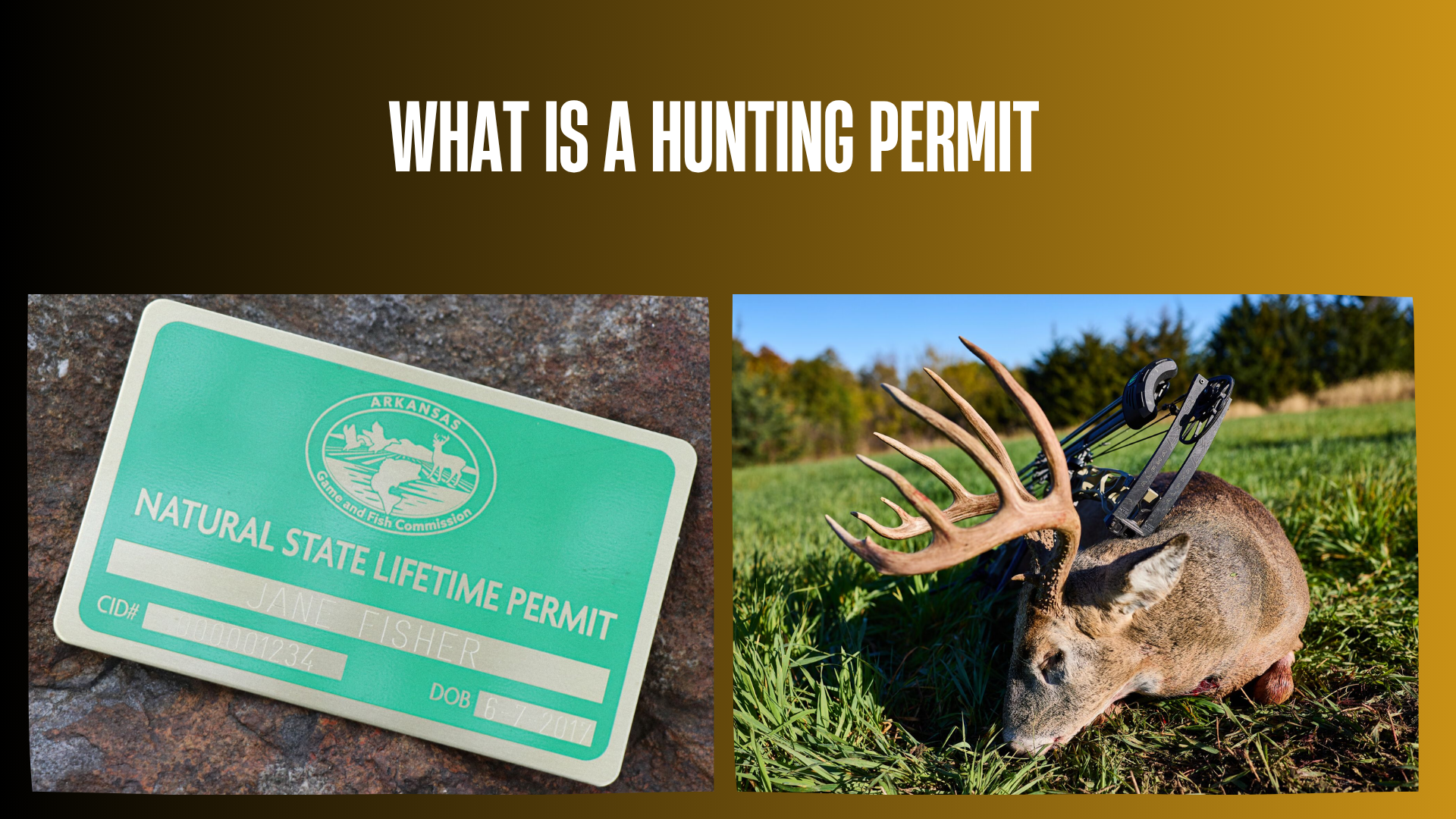

A hunting permit is an authorization to hunt under specified conditions. Depending on the issuing authority, it may cover a particular species, hunting area, season, method, or managed hunt. Understanding those conditions matters because buying one document does not necessarily complete every requirement for your trip.
If you are asking “what is a hunting permit?” before your first hunt, start by separating hunting authorization from permission to enter land. This guide explains the terminology, how permits work, and how to confirm what you need.
Quick Answer
A hunting permit authorizes a defined hunting activity, subject to the issuing authority’s rules. It may supplement a general hunting license, provide access to a managed hunting area, or serve as the main hunting authorization in a jurisdiction that uses the word “permit.” A hunting tag, stamp, hunter education certificate, and landowner permission can serve different purposes. Check the current requirements for your location, species, dates, and hunting method before applying or going afield.
Legal scope: This article uses U.S. examples, but terminology and requirements differ internationally and between jurisdictions. Official sources were checked on September 19, 2026. This is general education, not a determination that a particular hunt is legal; current regulations, permit conditions, and emergency orders control.
What Is a Hunting Permit Used For?
A permit can define who may participate in a hunt and what that person may do. Its conditions may limit the location, dates, species, animal category, or equipment allowed.
For example, a permit might apply to an antlerless deer opportunity in a designated management unit, a scheduled hunt on a particular property, or access to participating public hunting lands. These are different functions, even though each document may be called a permit.
The name alone does not tell you what is included. Read the authorization and its accompanying instructions to establish whether it supplements a license, includes a harvest authorization, or only addresses access.
Hunting Permit vs. License vs. Tag
The following distinctions are common, but they are not universal legal definitions. Agencies sometimes combine these functions or use different names.
| Document or authorization | Common purpose | Important limitation |
|---|---|---|
| Hunting license | Provides general or specified hunting privileges | May not include every species, season, or special hunt |
| Hunting permit | Authorizes a specific hunt, species, method, or access opportunity | May require a separate license and other documents |
| Hunting tag | Provides or records a harvest authorization, often for an individual animal | Species, area, validation, and use restrictions can apply |
| Stamp or endorsement | Adds a required privilege for a defined activity | Usually does not replace all other hunting requirements |
| Hunter education certificate | Documents completion of qualifying instruction | Is not itself permission to hunt |
| Landowner permission | Authorizes access or hunting on specified private property | Does not replace required wildlife authorizations |
| Harvest report or registration | Records hunting activity or harvested wildlife | May remain necessary after a tag is validated |
Some hunters receive several privileges in one package or account. Others must obtain them separately. A single printed sheet or app screen can contain multiple authorizations, so count the privileges you need rather than the number of documents you receive.
Official example: New York
New York’s hunting-license page distinguishes its annual hunting license from additional privileges and permits, including turkey permits and Deer Management Permits. Its Deer Management Permits concern antlerless deer in specified Wildlife Management Units.
This illustrates why a general license and a specific permit can have different roles. It does not establish the requirements in another state.
Official example: Texas public hunting access
Texas offers an Annual Public Hunting Permit for opportunities within its public hunting program. Texas Parks and Wildlife Department explains that hunters also need a valid Texas hunting license and any required stamp endorsements.
The permit is therefore not a substitute for the license. Hunters must also consult the conditions for the particular participating area and hunt.
Common Types of Hunting Permits
Species or harvest permits
These relate to a particular animal or harvest opportunity. Check whether the authorization is restricted by sex, antler characteristics, management unit, or season. Do not assume that a permit bearing a species name covers every animal of that species.
Limited-entry or controlled-hunt permits
Some hunting opportunities have a limited number of available places. Applicants may be selected through a drawing or another allocation process.
For example, the Texas drawn-hunt system separates applying, checking selection status, and purchasing a permit after selection. An application confirmation is not the same as an issued hunting permit.
Area or access permits
These concern a particular property or land-management program. They may come with area maps, check-in procedures, access hours, and local restrictions.
The U.S. Fish and Wildlife Service’s licensing guide notes that some national wildlife refuges require their own permits or user fees. A state hunting license does not answer every site-access question.
Special-program authorizations
Some agencies offer apprentice, mentored, youth, or disability-related authorizations. Their eligibility and supervision conditions need careful review. A special authorization only changes the requirements it explicitly addresses.
Wildlife damage-control or depredation permits are another category. Do not treat them as ordinary recreational hunting permits or assume they authorize unrestricted activity.
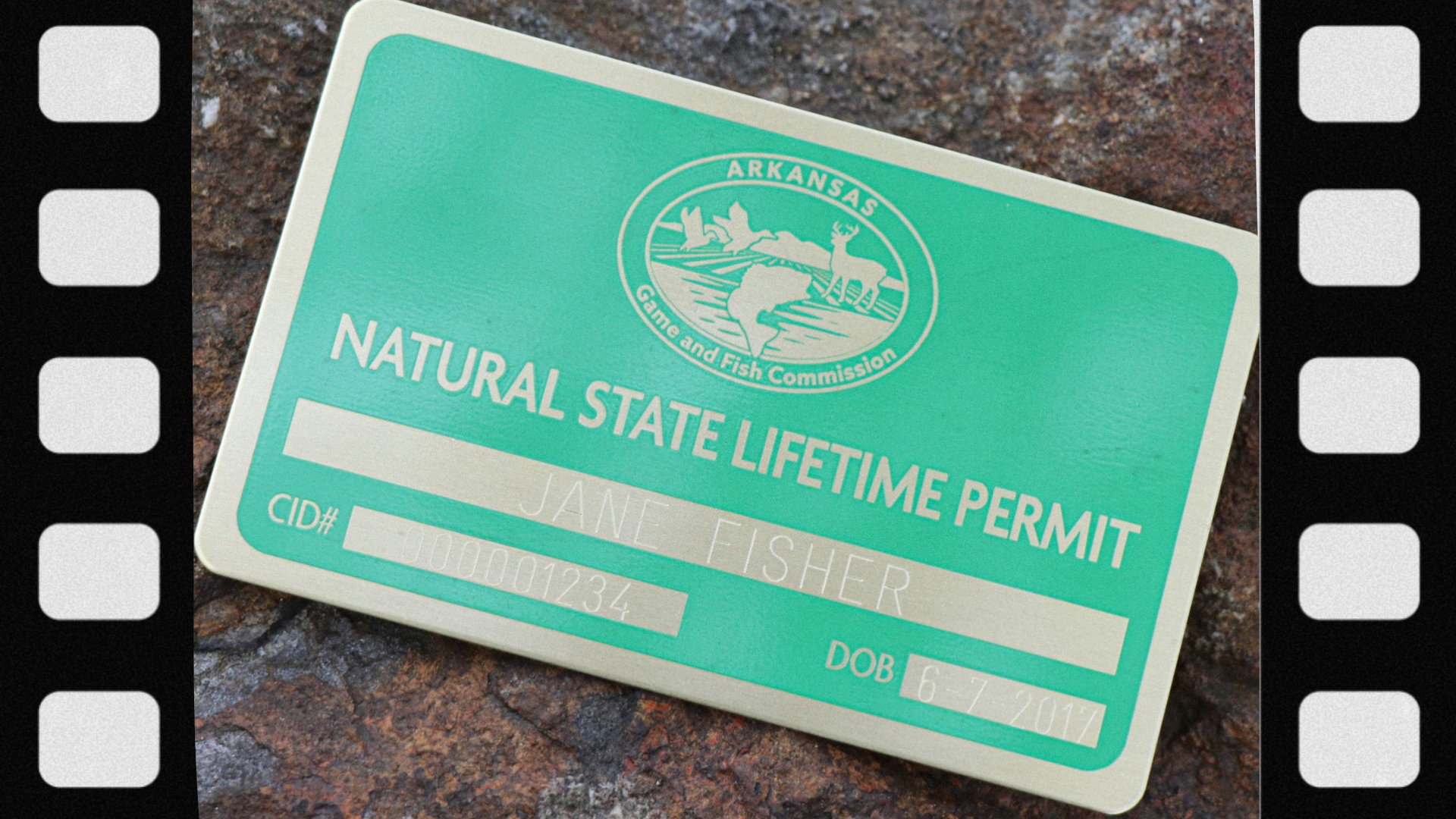
How to Find Out Which Permit You Need
Before opening a licensing checkout page, write down the details of the hunt you intend to take.
| Information to identify | What to verify |
|---|---|
| State, province, territory, or country | The responsible wildlife authority and applicable licensing system |
| Exact property and management unit | Whether hunting is open and whether separate access approval is required |
| Species and animal category | Required license, permit, tag, or endorsement |
| Hunt dates | Season, permit validity, application deadlines, and closures |
| Hunting method | Which methods the authorization permits |
| Residency and age | Eligibility, documentation, supervision, and fee category |
| Education history | Required courses and whether existing certification is accepted |
For U.S. hunting, the Fish and Wildlife Service’s state licensing directory provides a starting point for finding the relevant agency. Then consult the current species regulations and the land manager’s page for the exact property.
If the requirements remain unclear, contact the wildlife agency’s licensing office or the site manager. Give them your intended species, dates, method, residency, and hunting location so they can address the right situation.
How to Get a Hunting Permit
- Confirm eligibility. Review residency definitions, age requirements, hunter education, and any restrictions on applying.
- Identify the correct authorization. Match the species, unit, hunt code, dates, and method to your plan.
- Check how permits are issued. The opportunity may involve direct purchase, a drawing, a reservation, or another application process.
- Use the official application route. Follow links from the wildlife agency or land manager to its authorized licensing provider.
- Complete every required stage. Selection, payment, acceptance, and document issuance may be separate steps.
- Review the issued permit. Check your identity details and every restriction before traveling.
- Prepare the required proof. Determine whether you must carry paper documents, an approved electronic credential, identification, or physical tags.
Schedule any required education well ahead of the application or hunt. As one jurisdiction-specific example, New York requires first-time hunters to complete qualifying courses before obtaining a hunting license. Other jurisdictions have their own requirements and exceptions.
What does “over the counter” mean?
It generally means an eligible person can purchase the authorization without first being selected in a drawing. It does not necessarily mean unlimited availability, unrestricted hunting, or purchase only at a physical counter.
What does “draw permit” mean?
It means access to that permit depends on a selection process. The rules determine how applications, points, quotas, fees, and successful applicants are handled. Check those rules before assuming that applying guarantees a permit or that selection automatically completes the process.
Costs, Expiration, and Digital Documents
There is no universal hunting-permit price. Your total may involve a base license, application fee, permit, tags, endorsements, and access charges. Ask which fees are refundable and which documents are included.
Likewise, “annual” does not necessarily mean one year from the purchase date. Check the actual validity period and any narrower hunt dates attached to the authorization.
For digital documents, confirm the accepted format. An approved app credential, an authorized electronic permit, a screenshot, and a shopping receipt are not automatically interchangeable.
The Federal Duck Stamp instructions, for example, distinguish valid stamps and authorized electronic proof from ordinary retail receipts. Follow the issuing authority’s instructions rather than assuming payment alone supplies usable proof.
What a Hunting Permit Does Not Automatically Allow
- Entering private land: Obtain appropriate landowner permission and respect boundaries.
- Hunting every public property: Verify that the specific site is open to your activity.
- Hunting outside the specified dates or area: Follow the permit’s geographic and seasonal limits.
- Taking additional animals: Read permit-specific limits alongside daily, seasonal, and combined bag limits.
- Using any equipment: Confirm the permitted methods and applicable equipment restrictions.
- Skipping reporting: Check tagging, registration, reporting, and transport requirements separately.
- Ignoring firearm laws: Hunting authorization does not by itself settle firearm possession, transport, or carry requirements.
For federal refuge hunts, the U.S. Fish and Wildlife Service advises checking both state regulations and the individual FWS location’s rules. Public ownership does not create a blanket permission to hunt.
Before, During, and After the Hunt
Before leaving
Recheck current closures and the issued permit’s details. Save official maps for offline use, confirm legal access, and prepare documentation in an accepted format. Arrange any required orientation or check-in.
For firearm hunts, keep the basic safety principles central:
- Treat every firearm as if it is loaded.
- Keep the muzzle pointed in a safe direction.
- Keep your finger outside the trigger guard until ready to shoot.
- Be certain of your target and what is beyond it.
Complete appropriate training, practice with your equipment, and stay within your demonstrated ability. A permit establishes authorization, not proficiency.
In the field
Carry the required credentials and remain within authorized boundaries. Identify the animal positively before deciding whether it fits your authorization. Stop if weather, visibility, equipment, or terrain makes continuing unsafe.
After a harvest or unsuccessful hunt
Follow the applicable validation, tagging, reporting, and check-out instructions. Determine these requirements before hunting; do not invent a deadline or assume another state’s procedure applies.
Make reasonable, lawful efforts to recover game, avoid waste, and obtain permission before crossing onto private property. Check whether an unsuccessful hunt also requires reporting.
FAQs
1. Is a hunting permit the same as a hunting license?
Sometimes the terms overlap, but many agencies distinguish them. Read the agency’s description to see whether the permit is the main authorization or an addition to a license.
2. Is a hunting permit the same as a tag?
Not always. A permit may authorize participation or access, while a tag may authorize or document a harvest. Some systems combine these functions.
3. Does every hunter need a separate permit?
No single answer applies everywhere. A license may cover some opportunities, while others require additional authorization. Check the requirements for the specific hunt.
4. Do I need a permit on my own land?
Do not assume ownership creates an exemption. Check local landowner provisions, including which species and documents they cover and whether registration is still required.
5. Does landowner permission replace a hunting license?
No. Permission addresses access to the property. Wildlife licensing requirements must be satisfied separately unless a specific exemption applies.
6. Is public land automatically open to hunting?
No. Check the land manager’s current rules, designated hunting areas, permitted species, dates, and access restrictions.
7. Do national wildlife refuges require extra permits?
Some do. Check the individual refuge’s hunting page and current hunt brochure rather than assuming a state license covers site requirements.
8. Can I use one state’s hunting permit in another state?
Do not assume it transfers. Obtain the authorization required where you intend to hunt. Recognition of an education certificate is a separate question.
9. What is a nonresident hunting permit?
It is an authorization issued under the jurisdiction’s nonresident eligibility rules. Owning property or visiting frequently does not necessarily establish hunting-license residency.
10. Can an international visitor apply?
Check the destination’s eligibility and documentation requirements. Hunting authorization and any firearm import, possession, or transport requirements are separate matters.
11. Do children need hunting permits?
Youth requirements vary. Verify age eligibility, licenses, permits, education, supervision, and any youth-season conditions together.
12. Do seniors automatically qualify for free permits?
No. Check whether a reduced-fee or exemption program exists and exactly which documents it includes.
13. Does a disability-related permit replace the normal license?
Only if the program explicitly says so. Such permits may authorize a specific accommodation while leaving other requirements in place.
14. What is an apprentice hunting authorization?
It is a beginner pathway available in some jurisdictions, often with specific supervision conditions. Check education deferrals, duration, eligible activities, and mentor requirements.
15. Can I get a permit online?
Many agencies offer online services. Start from the official agency website to reach an authorized provider and verify what happens after checkout.
16. Can a guide obtain my permit for me?
Ask what assistance is allowed and what the service includes. Verify that any issued authorization is valid for you and the intended hunt before participating.
17. Does a paid application authorize hunting?
No. An application requests consideration. Wait for the required approval and issued authorization.
18. Does winning a drawing mean I am ready to hunt?
Not necessarily. Check for acceptance, payment, licensing, orientation, and document-issuance steps after selection.
19. Can I apply after the deadline?
Only if the agency provides an applicable late, leftover, secondary-draw, or standby process. Do not assume an exception is available.
20. What are leftover permits?
They are authorizations remaining available after an earlier allocation stage. Their sale dates, eligibility, and restrictions depend on the program.
21. How long is a hunting permit valid?
Read its actual dates. A permit may apply to a licensing year, a season segment, or a short scheduled hunt.
22. Can I transfer my permit to a friend?
Do not lend, sell, or transfer it unless the issuing authority expressly permits that process. Personal authorizations should not be treated as interchangeable.
23. Can I change the hunting unit after purchase?
Ask the agency whether an exchange or correction is available. Do not alter the document yourself or hunt outside its stated unit.
24. What if my name or other details are incorrect?
Contact the issuing authority before using the permit. Keep any official correction or replacement with your records.
25. What if I lose the permit?
Use the official replacement process. Confirm whether you need a reissued tag or permit rather than simply another copy of a receipt.
26. Can I show a screenshot instead of a paper permit?
Only when the authority accepts that format. Check approved digital-display and tagging procedures before relying on your phone.
27. What if my phone battery dies?
You still need to meet documentation requirements. Prepare an accepted backup or dependable power arrangement before relying on electronic credentials.
28. Does buying multiple permits increase my bag limit?
Not automatically. Combined limits and permit-specific rules may restrict the total harvest regardless of how many documents you hold.
29. Is a Federal Duck Stamp a complete hunting permit?
No. It is one component of applicable U.S. waterfowl requirements. The Fish and Wildlife Service identifies it as necessary for waterfowl hunters age 16 and older alongside required state licenses and permits.
30. Is HIP registration the same as a Duck Stamp?
No. The Harvest Information Program supports migratory game-bird harvest surveys. Check the state’s registration requirements separately from stamp requirements.
31. Do I need to report a hunt if I harvested nothing?
Check the program’s reporting instructions. Some reporting systems concern participation as well as successful harvests.
32. Can I get a refund if I cannot attend?
Read the cancellation and refund policy. Application fees, permit fees, points, and future eligibility may be handled differently.
33. Does a permit guarantee hunting success?
No. It authorizes an opportunity under stated conditions. Wildlife presence, weather, access, and your decisions still affect the outcome.
34. Why do agencies limit some permits?
Permit limits can help manage harvest, hunter numbers, or access to particular sites. The purpose and allocation method depend on the individual program.
35. Who should I contact if two instructions appear to conflict?
Contact the issuing wildlife agency and, where relevant, the property manager before hunting. Identify the exact permit, location, dates, and conflicting instructions.
Final Answer
What is a hunting permit? It is an authorization for a defined hunting activity, with conditions set by the issuing authority. Determine what it covers, what additional documents you need, and whether you have lawful access to the land. Verify current official rules, complete appropriate training, and follow safe, ethical hunting and recovery practices.
Read more: