

Quick Answer
For deer hunting, choose well-fitting gloves that provide enough weather protection without interfering with safe firearm or bow operation. Lightweight merino-blend or synthetic gloves suit mild conditions and active hunting; insulated, wind-resistant gloves suit colder, stationary hunts. For rain or wet snow, look for explicitly waterproof construction, and consider thin liners beneath removable insulated mittens for long cold sits. Carry a dry spare pair, and test your complete glove setup before hunting.
Safety and local rules: Follow your firearm, bow, release aid, and glove manufacturers’ instructions. Check current hunting and visibility requirements with the wildlife agency responsible for your location; camouflage gloves do not replace required hunter-orange clothing. Official regulations override general online guidance.
What Gloves for Deer Hunting Fit Your Conditions?
Use this table as a starting point, then adjust for wind, precipitation, activity, and your own tolerance for cold. These are practical selection guidelines, not temperature ratings.
| Hunting conditions | Useful glove setup | Main advantage | Main limitation |
|---|---|---|---|
| Mild weather and active walking | Lightweight synthetic or merino-blend gloves | Low bulk for handling ordinary gear | Limited protection during cold, stationary periods |
| Cool, mostly dry conditions | Midweight fleece or lightly insulated gloves | Moderate warmth without excessive bulk | Unprotected fleece may let wind through |
| Cold, exposed stand or blind | Thin liners with insulated mittens or a hand muff | Separate warmth from fine hand tasks | Outer insulation must be managed safely before equipment handling |
| Steady rain or wet snow | Waterproof gloves or waterproof shells over compatible liners | Protection from external moisture | Hands can still become damp from sweat or water entering cuffs |
| Bowhunting requiring a precise release fit | Close-fitting gloves tested with the actual release aid | Less material around contact points | Often needs supplementary warmth during long waits |
| Brush handling and recovery work | Durable work gloves kept separately | Protection from abrasion | Not necessarily suitable for shooting or handling meat |
| Field dressing | Disposable protective gloves | Barrier against direct contact with animal fluids and tissues | No meaningful insulation or protection from knife cuts |
Plan for the sit, not just the walk
Consider the coldest, least active portion of your hunt. Walking uphill generates heat; sitting exposed afterward changes your needs. Start with lighter hand protection when appropriate, then add insulation before your hands become cold.
For variable conditions, removable layers offer flexibility. REI’s cold-weather guidance recommends fleece gloves beneath waterproof shell gloves or mittens and carrying a spare pair in case the first becomes wet.
Separate wet cold from dry cold
More insulation does not solve every problem. In dry, windy weather, blocking wind may be the missing feature. In persistent rain, you need protection against water entering the glove. During strenuous walking, excessive insulation can leave the lining damp with perspiration.
Read the specific product description. “Water-resistant,” “water-repellent,” and “waterproof” are different claims. A treated outer fabric alone does not establish that the whole glove is waterproof.
Gloves, Mittens, or a Hand Muff?
Gloves allow independent finger movement. Mittens generally provide greater warmth than comparable gloves because the fingers share an insulated space, as explained in REI’s cold-weather clothing guide. Neither design wins in every situation.
- Full-finger gloves: A practical starting point when warmth and everyday dexterity both matter.
- Insulated mittens: Useful while waiting, provided you can remove them safely before tasks requiring precise control.
- Convertible mittens: Convenient access to fingers, but exposed fingertips lose protection and folded material can interfere with equipment.
- Hand muff: Supplementary warmth while sitting, often paired with thin gloves. It provides no protection while your hands are outside it.
Try the entire sequence before hunting: reaching into the muff, withdrawing your hands, stowing outer mittens, and handling equipment. Loose straps, noisy closures, and dangling fabric are reasons to reconsider the setup.
How Should Deer Hunting Gloves Fit?
A useful fit allows you to spread your fingers, close your hand, and grip equipment without pulling tightly across the palm. The fingertips should not contain loose folds that obscure what your fingers are touching.
- Measure according to the brand’s chart. Glove sizing varies, so do not assume your usual size transfers between manufacturers.
- Try both hands. Check finger length, thumb movement, and seam placement.
- Add your intended liner. Layering should not make the outer glove restrictive or flatten its insulation.
- Wear your hunting jacket. Confirm that cuffs overlap comfortably without restricting wrist movement.
- Handle ordinary field items. Try pack buckles, binocular adjustments, zippers, and your phone before evaluating hunting equipment safely.
Choose fit over a particular camouflage pattern. A discounted glove that bunches around your fingers is a poor value if it compromises control.
Check Firearm and Bow Compatibility Before Hunting
Firearm hunting: reject gloves that interfere with control
Conduct an initial fit assessment only with the firearm unloaded and its status verified according to the manufacturer’s instructions, with ammunition removed from the assessment area. Maintain a safe muzzle direction throughout. Do not press the trigger simply to test glove fit.
Check whether you can maintain a secure grip and keep your gloved finger clearly outside the trigger guard. If fabric catches, bunches near controls, or makes safe handling uncertain, choose a thinner or better-fitting glove. Never force a bulky glove into a trigger guard or modify the firearm to accommodate it.
Before hunting, complete appropriate range practice with the actual clothing you intend to wear, following range rules and manufacturer guidance. A qualified instructor can help if you are unsure whether your setup is safe.
The Georgia Department of Natural Resources’ firearm safety guidance reinforces four essential principles:
- Treat every firearm as if it is loaded.
- Keep the muzzle pointed in a safe direction.
- Keep your finger outside the trigger guard until ready to shoot.
- Be certain of your target and what is beyond it.
A mechanical safety does not compensate for poor handling. If cold or glove bulk prevents reliable control, do not take the shot.
Bowhunting: test the glove with your release and grip
A glove can change how a release aid fits, how your hand contacts the bow, or how consistently you reach your anchor point. Use the same gloves during practice that you plan to hunt with.
Check cuffs and convertible flaps for interference with release straps and moving components. Follow the release manufacturer’s fitting instructions, and consult an archery professional if the glove changes its operation. Never dry-fire a bow or crossbow.
For traditional archery, an ordinary insulated glove should not be assumed to replace a purpose-designed shooting glove or finger tab.
Which Materials and Features Matter Most?
Merino blends, synthetic liners, and fleece
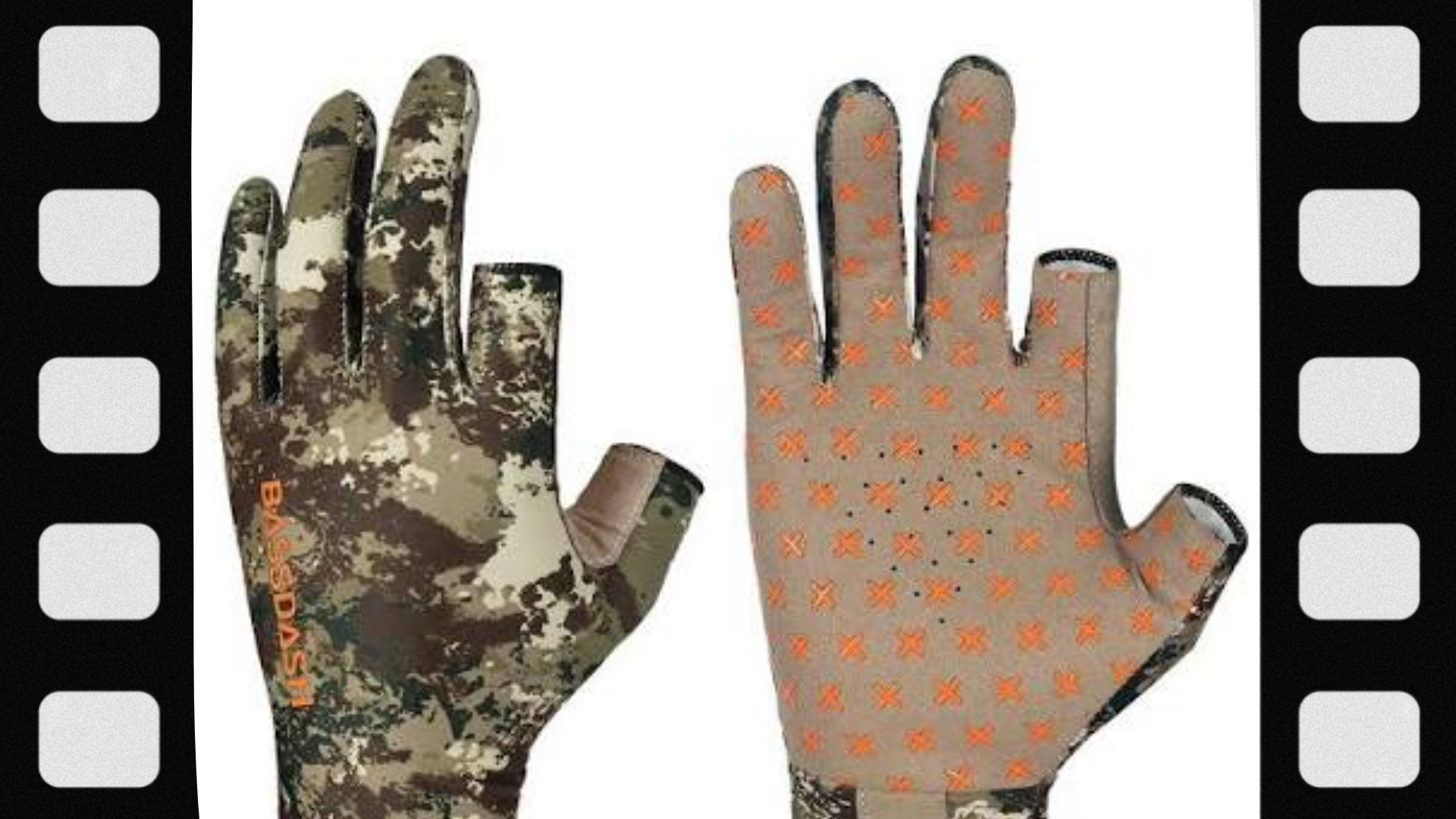
Thin merino-blend and synthetic gloves are worth considering when low bulk matters. Fleece is another option for cool conditions or an insulating layer. Compare the actual fabric thickness, construction, and reinforcement: a material name alone does not establish warmth, durability, or wind protection.
Leather palms and reinforced contact areas
Reinforced palms can be useful for repeated equipment handling. Check the grip against the surfaces you actually use, because a glove that grips one material well may behave differently on another. Leather also needs product-specific care; do not assume an untreated leather glove is waterproof.
Insulation and weather barriers
Evaluate insulation together with fit, lining, and shell construction. A larger advertised insulation number is not a universal warmth rating and does not establish how comfortably you will handle equipment.
For wet hunts, check whether waterproof protection covers the entire glove and how its cuff works with your jacket. For exposed sits, look for explicit wind-protection claims instead of assuming that thick fabric will block wind.
Quiet construction
Before buying, rub the palms together, bend your fingers, and operate the closures. Repeat the check while wearing your jacket. This simple comparison helps reveal stiff fabric, squeaking grip surfaces, or closures you would rather avoid during a quiet sit.
Camouflage and scent claims
Muted colors or camouflage can fit your clothing system, but prioritize fit and protection. No glove pattern guarantees that deer will overlook movement.
Likewise, do not treat “odor control” or “scent reduction” as a promise of being undetectable. Keep gloves clean according to their care instructions, and avoid letting marketing claims replace sensible field preparation.
A Practical Glove Kit Without Unnecessary Spending
You do not need the most expensive equipment to hunt responsibly. Choose gear based on the species, terrain, weather, local regulations, fit, safety, reliability, maintenance requirements, and your actual experience.
- Core hand protection: A well-fitting pair suitable for the forecast and hunting method.
- Conditions-dependent protection: Additional insulation, wind protection, or waterproof shells when the hunt requires them.
- Useful backup: A dry spare pair stored in a waterproof bag.
- Recovery supplies: Disposable field-dressing gloves; separate work gloves if brush or dragging tasks justify them.
- Optional conveniences: A hand muff, touchscreen fingertips, or compatible hand warmers.
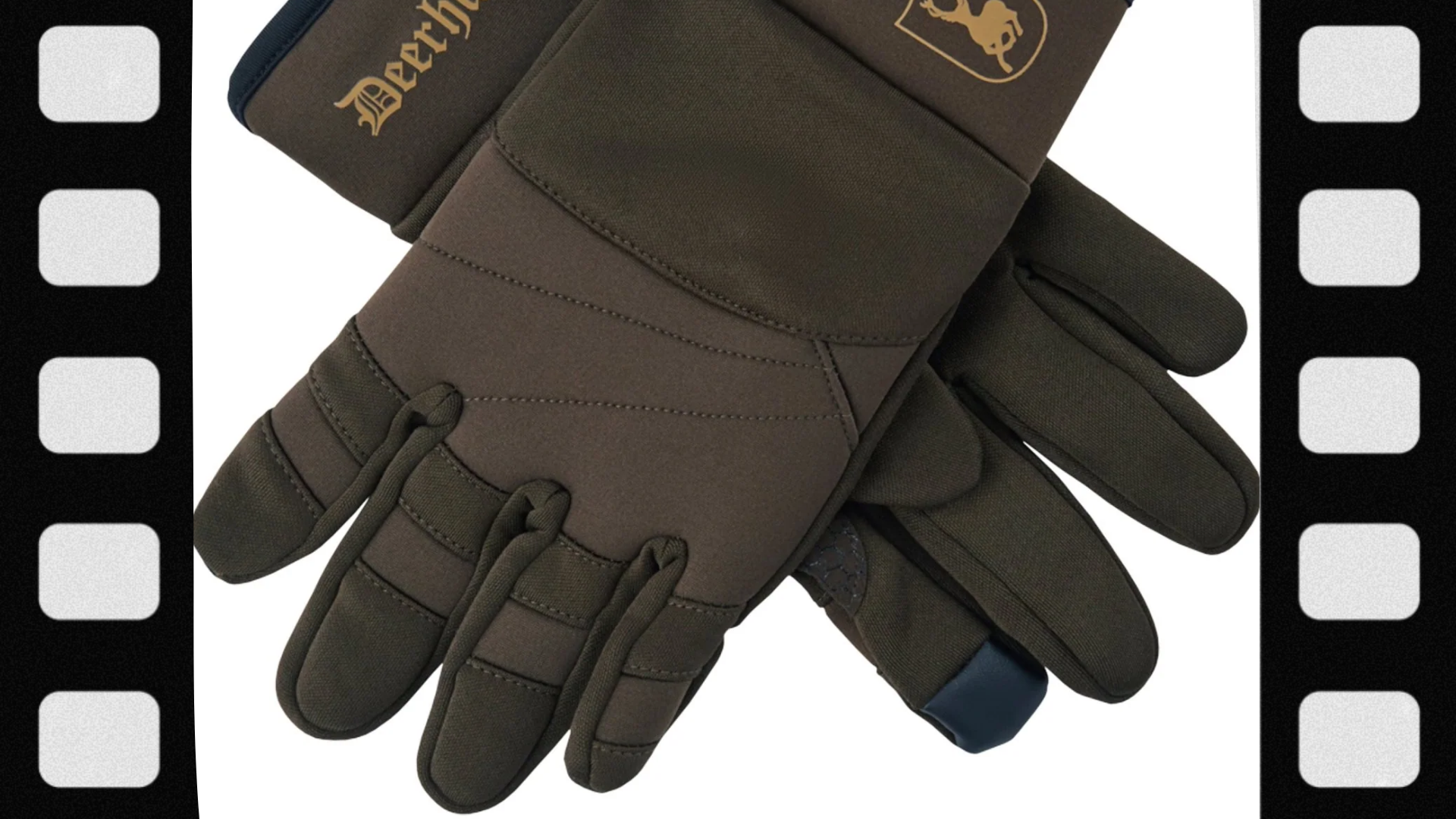
Heated gloves add battery management and care requirements. Treat them as supplementary warmth, follow their instructions, and carry a backup appropriate for the conditions. Check hand-warmer placement directions rather than placing a warmer wherever it seems convenient.
Keep Field-Dressing Gloves Separate
Wearable hunting gloves and disposable field-dressing gloves serve different purposes. Keep disposable gloves protected until needed, and carry extras in case a pair tears.
The CDC’s chronic wasting disease guidance recommends latex or rubber gloves when field dressing deer or handling meat, minimizing contact with internal organs—particularly brain and spinal tissues—and using tools separate from kitchen equipment. It also advises considering CWD testing before eating the meat and not eating meat from an animal that tests positive.
For a latex-free option, the California Department of Fish and Wildlife includes nitrile gloves in its field-dressing recommendations. Disposable gloves do not prevent knife injuries or replace handwashing and proper tool cleaning.
Care for Gloves and Know When to End the Hunt
Inspect seams, palms, fingertips, and closures before the season. Follow the care label, especially for leather, waterproof membranes, and heated gloves. Dry gloves fully before storage; do not assume that a hot radiator or clothes dryer is suitable.
Outdoor Research’s glove-care guidance illustrates why construction matters: it recommends specific cleaning methods and cautions against wringing gloves. Use the directions for your own pair.
Persistent cold hands, numbness, or fumbling are reasons to stop and address the problem. Move to shelter, replace wet clothing, and reassess whether continuing is safe.
The CDC identifies numbness and unusually firm, waxy, or discolored skin as possible frostbite signs. Confusion, slurred speech, and fumbling hands can indicate hypothermia. Seek prompt medical attention for suspected frostbite and emergency assistance for suspected hypothermia. Do not rub frostbitten skin or apply direct heat.
FAQs
1. Do I need gloves for deer hunting?
Not on every mild-weather hunt, but suitable hand protection becomes important as cold, wind, wet conditions, or abrasive tasks increase. Plan for changing conditions.
2. What gloves should a beginner buy first?
Start with a comfortable pair matched to your usual conditions. Add cold-weather or waterproof protection as needed instead of expecting one pair to cover every hunt.
3. What gloves work for early-season deer hunting?
Lightweight, breathable gloves are a sensible starting point when temperatures are mild. Avoid unnecessary insulation during strenuous walks.
4. What gloves work for late-season deer hunting?
Consider insulated gloves or thin liners with removable mittens. Account for wind, precipitation, and how long you will remain still.
5. Are mittens warmer than gloves?
Generally, comparable mittens retain warmth better. Their tradeoff is reduced independent finger movement.
6. Can I use ski gloves for deer hunting?
Possibly, particularly for warmth while waiting. Check bulk, noise, grip, and equipment compatibility before relying on them.
7. Are ordinary work gloves suitable?
They may suit brush handling or recovery work. Their fit, weather protection, and dexterity may not suit other hunting tasks.
8. Are wool gloves waterproof?
Do not assume so. Waterproof performance depends on the complete glove construction, not simply the presence of wool.
9. Are fleece gloves windproof?
Some incorporate a wind barrier; others do not. Check the product’s stated construction.
10. Are leather gloves good for deer hunting?
They can be useful when fit and durability suit the task. Check their lining, weather protection, and care requirements.
11. Should hunting gloves fit tightly?
They should fit securely without restriction. Avoid pressure across the hand or excess fabric around the fingertips.
12. Should I size up for liners?
Try the intended layers together. Size up only if necessary to preserve comfortable movement and insulation space.
13. Are fingerless gloves a good choice?
They offer fingertip access but leave skin exposed. Consider them for mild conditions or alongside additional hand protection.
14. Should I cut a fingertip off my gloves?
Prefer a purpose-designed option. Cutting can damage seams, insulation, or a waterproof barrier and create loose fabric.
15. What gloves are suitable for rifle hunting?
Choose gloves that allow secure handling without fabric interfering with the trigger guard or controls. Verify suitability before hunting.
16. What gloves are suitable for bowhunting?
Choose close-fitting gloves compatible with your grip and release system. Practice with the complete setup.
17. Can gloves affect archery consistency?
Yes. Added material can change hand contact, release fit, or anchor feel, so assess the effect during safe practice.
18. Do crossbow hunters need different gloves?
They need gloves compatible with their crossbow’s controls and required hand positions. Keep fabric and fingers away from the string path.
19. Is a hand muff enough by itself?
Only while your hands remain inside it. Plan protection for walking, handling equipment, and unexpected delays.
20. Are heated gloves worth considering?
They may help some hunters, but compare fit, battery requirements, care instructions, and backup needs before buying.
21. Can hand warmers go inside any glove?
No universal placement rule applies. Follow both products’ instructions, including restrictions on direct skin contact.
22. Do touchscreen fingertips matter?
They are optional. Test them with your phone and screen protector if navigation or communication makes that feature useful.
23. How many pairs should I carry?
A working pair and a dry spare are a practical starting point. Longer, colder, or wetter trips may justify additional layers.
24. How should I protect spare gloves?
Store them in a waterproof bag inside your pack, separate from damp clothing and field-dressing supplies.
25. Why are my hands cold inside thick gloves?
Possible causes include moisture, restrictive fit, wind penetration, or insufficient overall clothing. More glove insulation may not address the actual problem.
26. Can waterproof gloves become wet inside?
Yes. Perspiration, water entering the cuffs, damage, or failed seams can leave the interior damp.
27. Is there a universal temperature rating for hunting gloves?
No single rating reliably predicts comfort for every hunter. Activity, exposure time, wind, moisture, and individual differences matter.
28. Do deer hunting gloves need camouflage?
No specific pattern is essential for every hunt. Prioritize useful protection and fit while complying with visibility rules.
29. Do scent-control gloves guarantee concealment?
No. Treat scent claims cautiously and avoid assuming any garment makes a hunter undetectable.
30. Can orange gloves satisfy hunter-orange requirements?
Do not assume they do. Requirements can specify garment types, placement, and coverage; verify your location’s current rules.
31. Do women and young hunters need different glove designs?
They need correct hand proportions and a secure fit. Oversized adult gloves can leave troublesome material around fingers and controls.
32. What gloves should I use for field dressing?
Use disposable protective gloves appropriate for animal handling. Nitrile is an option for people avoiding latex.
33. Can I wash every hunting glove in a machine?
No. Follow the individual care label; leather, membranes, insulation, and electrical components may require different treatment.
34. When should I replace hunting gloves?
Replace or properly repair them when damaged seams, worn grip surfaces, loose fabric, or failed weather protection compromise their intended use.
35. What should I do if my fingers become numb?
Stop equipment handling and get to warmth. Persistent numbness or skin changes require prompt medical attention; confusion or slurred speech warrants emergency help.
Final Answer
If you are deciding what gloves for deer hunting to choose, start with the weather, your activity level, and safe equipment control. Use lightweight gloves for mild conditions, add insulation for long cold sits, and select waterproof protection when persistent moisture is likely. Carry dry spares, practice with your actual setup, and keep disposable field-dressing gloves separate. Follow current local regulations, and pass on any shot you cannot take safely and confidently.
Read more: