
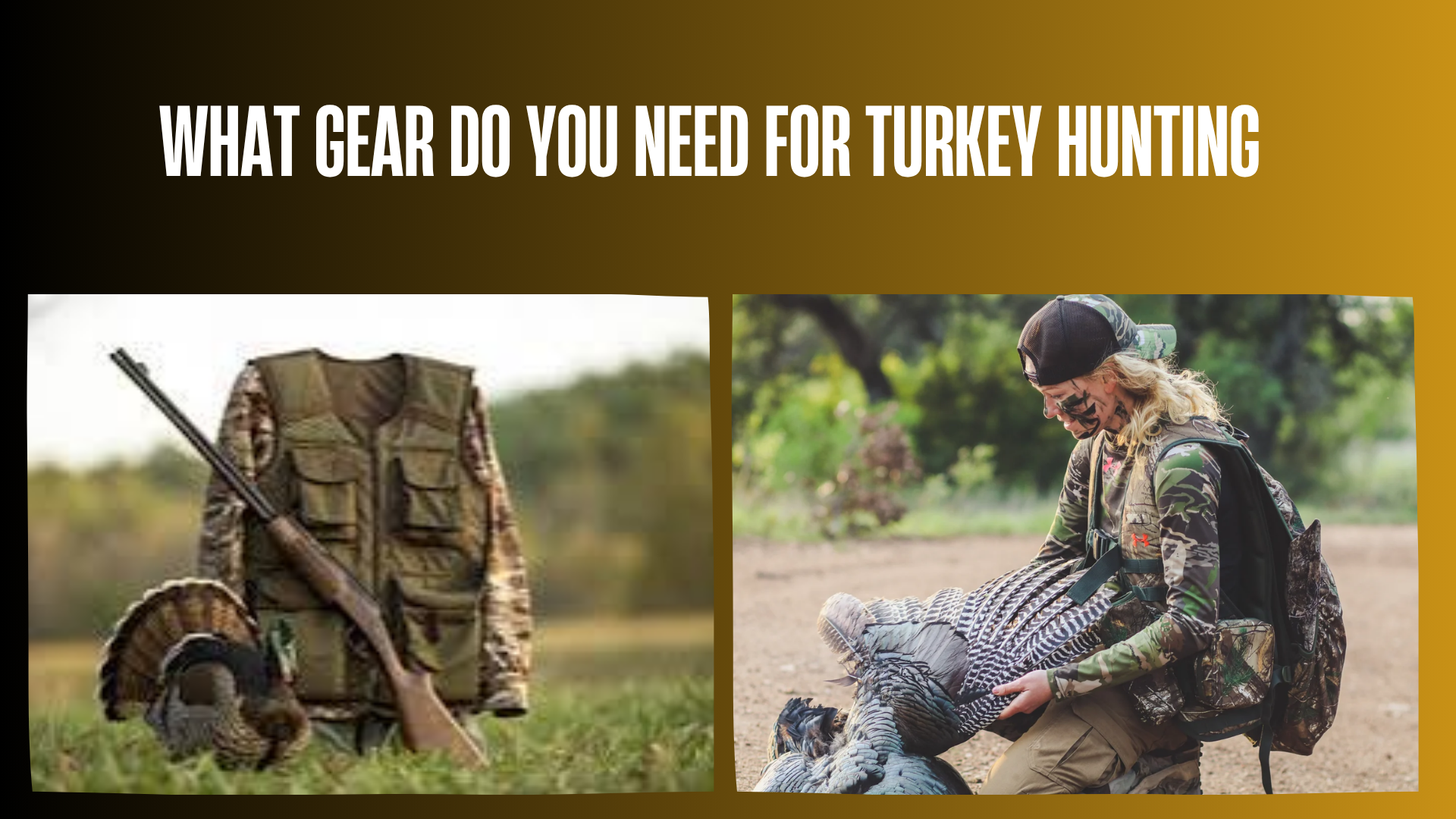
You need a legal hunting setup you know how to use, the required documents, suitable clothing, and enough equipment to navigate, stay safe, and care for harvested game. A call and a comfortable seat are useful additions. Decoys, specialized vests, and expensive electronics can wait until you understand what your hunting area and routine actually require.
Quick Answer
For turkey hunting, carry the required license, permits or tags, a locally legal firearm or archery setup, compatible ammunition or arrows, weather-appropriate clothing, and comfortable boots. Add navigation, a charged phone, a headlamp, water, first aid, and an emergency layer or shelter appropriate to the trip. A turkey call, seat cushion, and small pack are practical field items, while decoys, blinds, and rangefinders are optional. Bring basic game-care supplies and arrange prompt cooling if you harvest a bird. Before packing, verify current regulations for your location, season, hunting method, and specific property.
Start With Legal Access and Safe Equipment
This guide primarily addresses a beginner’s U.S. day hunt. Requirements elsewhere differ, and even neighboring properties can operate under different access rules.
Check the current wildlife-agency regulations and the rules for the land you intend to hunt. Confirm season dates, shooting hours, eligible birds, permits, tagging and reporting procedures, legal equipment, ammunition restrictions, hunter-orange requirements, and any restrictions on calls or decoys.
The U.S. Fish and Wildlife Service’s hunting-license guidance explains the role of state licensing. Federal properties may also impose site-specific conditions; a state license alone does not establish permission to hunt every public property.
Complete required hunter education and seek supervised practice if you are unfamiliar with your equipment. A mechanical safety does not replace safe handling.
- Treat every firearm as if it is loaded.
- Keep the muzzle pointed in a safe direction.
- Keep your finger outside the trigger guard until ready to shoot.
- Be certain of your target and what is beyond it.
What Gear Do You Need for Turkey Hunting? The Core List
| Item | Priority | Purpose | What to Check |
|---|---|---|---|
| License, permits, tags, and required identification | Required where applicable | Legal participation and harvest documentation | Correct season, area, and accepted document format |
| Legal firearm or archery equipment | Essential for the chosen method | A familiar, appropriate hunting setup | Local rules, condition, fit, and manufacturer instructions |
| Compatible ammunition or arrows | Essential | Match the selected equipment | Compatibility and local restrictions |
| Hearing and eye protection | Core firearm-safety gear | Protection during shooting | Fit and suitability for the activity |
| Layered clothing and suitable boots | Essential | Weather protection and comfortable movement | Forecast, terrain, and seated comfort |
| Navigation and communication | Essential | Find access routes and request assistance | Offline capability, battery power, and backup plan |
| Headlamp and backup power | Essential for low-light travel | See your route and equipment | Operation before departure |
| Water, food, first aid, and emergency protection | Essential, scaled to the trip | Manage delays, weather, and minor problems | Duration, remoteness, and personal needs |
| Turkey call | Useful, not a universal requirement | Provide a calling option | Local legality and your ability to operate it |
| Seat pad and small pack | Useful | Comfort and organization | Weight, access, and fit |
| Game-care kit and cooling plan | Essential harvest preparation | Clean handling and meat preservation | Tagging rules and travel time to refrigeration |
| Decoys, blind, binoculars, or rangefinder | Optional or situation-dependent | Support particular hunting arrangements | Safety, legality, weight, and actual need |
Choose a Familiar Hunting Setup Before Buying Accessories
For a Shotgun Hunt
You do not automatically need a new turkey-specific shotgun. An existing shotgun may be suitable if it is legal, fits you, and is compatible with the ammunition and choke you intend to use.
A choke influences the spread of a shotgun’s shot pattern. Follow the firearm, choke, and ammunition manufacturers’ compatibility instructions rather than assuming every combination is appropriate.
Before hunting, check the setup at an authorized range with suitable targets and a safe backstop. Patterning shows how that particular combination distributes pellets on a target. It does not create a universal hunting distance or justify a shot beyond your demonstrated ability.
Bring appropriate hearing and eye protection. The National Wild Turkey Federation’s beginner guidance includes both safe firearm handling and protective equipment.
For a Bow or Crossbow Hunt
Use a locally legal setup with compatible arrows or bolts and broadheads. Have a qualified archery professional check fit and compatibility if you are unsure.
A bowhunter may choose a blind or rangefinder for a particular hunt, but neither is automatically required. Practice with your hunting clothing and intended seated or standing position. Never dry-fire a bow or crossbow, and follow the manufacturer’s instructions for handling and unloading.
Clothing: Plan for Walking and Sitting
A cool walk before daylight can become a warm afternoon, while sitting still can feel colder than moving. Pack clothing that lets you adjust rather than relying on one heavy garment.
- Base clothing: Comfortable layers suitable for the temperature and expected activity.
- Insulation: An extra layer when the forecast and time spent sitting justify it.
- Rain protection: A suitable shell when wet weather is possible.
- Boots and socks: A proven combination appropriate to the terrain, with spare socks when useful.
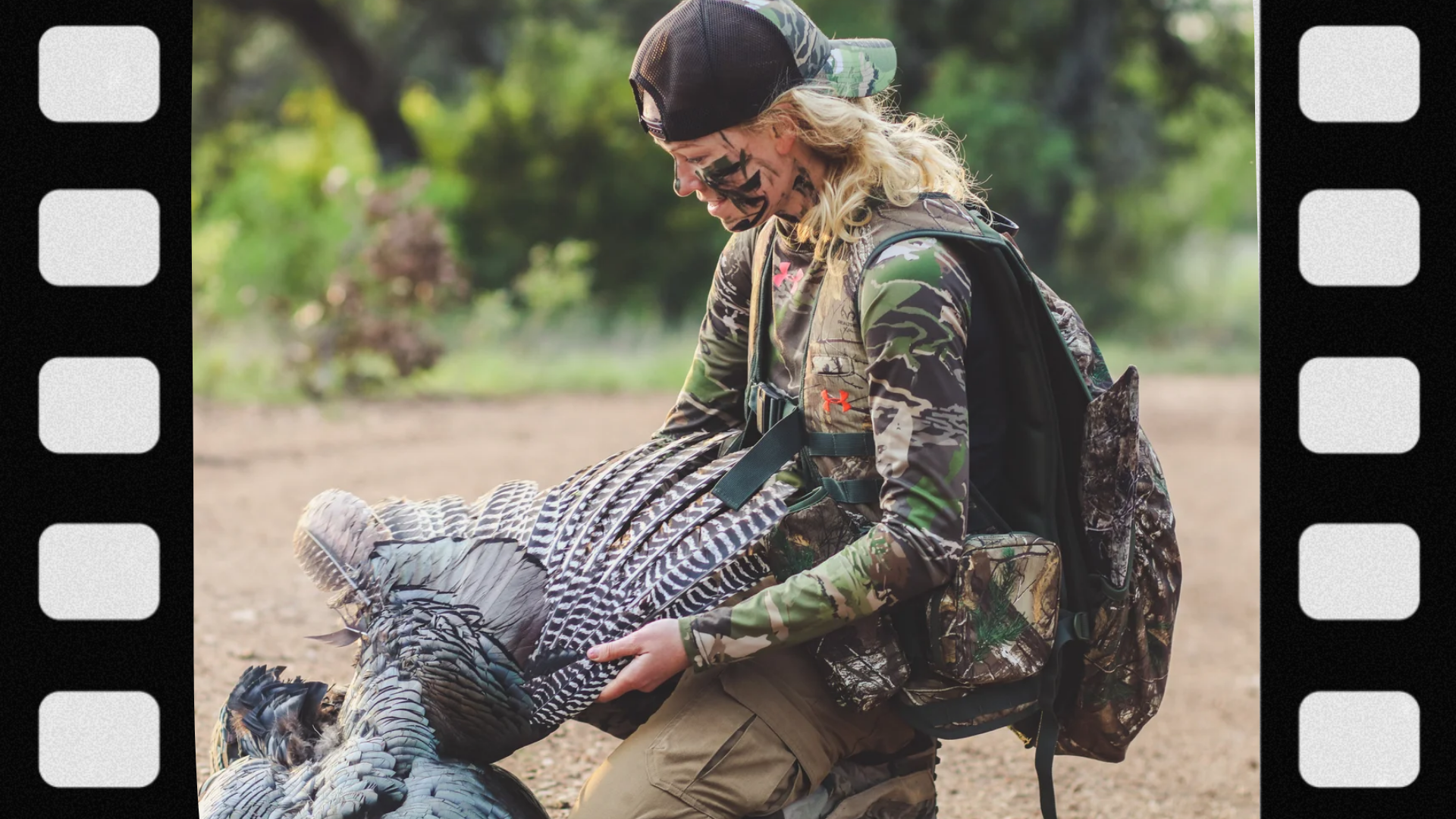
- Concealment: Subdued or camouflage clothing, with gloves or face covering if desired.
- Visibility gear: Hunter orange as required locally and for recommended travel precautions.
Expensive camouflage is not a substitute for comfortable clothing or careful movement. Avoid exposed red, white, or blue on a concealed turkey-hunting outfit because those colors can resemble parts of a turkey. Wisconsin DNR’s turkey-safety guidance explains this mistaken-identity concern.
Concealment and visibility serve different purposes. Follow current orange requirements, including any rules associated with overlapping hunting seasons.
Tick and Insect Protection
Carry an appropriate insect repellent and follow its label. For tick protection, the CDC recommends EPA-registered repellents and clothing or gear treated with appropriate permethrin products. Permethrin products intended for clothing are not for direct skin application.
Check yourself and your equipment for ticks after the hunt. See the CDC’s tick-bite prevention guidance for current recommendations.
Calls, Seats, and Carrying Gear: Keep the First Kit Simple
One Call You Can Use
A box call or pot-and-striker call can be a practical starting point. A mouth call is another option, but you do not need to master every type before your first outing.
A call is not a guarantee that a bird will respond. Protect it from weather according to its instructions, and check local rules before bringing electronic calling equipment.
A Seat Cushion
A compact cushion is a useful comfort item for ground-level sitting. Try it before the hunt, especially if you expect to remain seated for extended periods.
A chair may be preferable for mobility or comfort needs. Choose the arrangement that lets you sit securely and manage your equipment safely.
A Small Pack or Turkey Vest
A regular daypack can carry your initial kit. A turkey vest becomes worthwhile when its organization or integrated seat solves a problem you have actually encountered.
Put frequently used items where you can reach them without emptying the bag. Test pack straps with your outer layers and hunting equipment. The Michigan DNR turkey gear checklist offers a useful reference for clothing and field equipment.
Navigation and Emergency Supplies Belong in Every Plan
Download maps before leaving reliable service and learn the access route and boundaries. Carry a map and compass backup that you know how to use; a downloaded map does not establish legal access by itself.
Bring a charged phone and appropriate backup power. For remote areas without dependable coverage, consider a satellite communicator or personal locator beacon and understand how it operates.
Add a headlamp, water, food, first aid, personal medication, a whistle, and weather or emergency shelter appropriate to the outing. Scale supplies for an unexpected delay, not just the planned return time. The National Park Service’s Ten Essentials provides a useful framework for outdoor preparation.
Leave your destination, route, expected return time, and overdue-response plan with a trusted person. Agree on a clear stopping point for worsening weather, poor visibility, illness, or navigation problems.
Optional Equipment: What Can Wait?
| Equipment | When It May Help | Why a Beginner Might Skip It |
|---|---|---|
| Decoy | A suitable, legal location with a carefully considered safety plan | Adds bulk and mistaken-identity concerns |
| Ground blind | Weather shelter, accessibility, or a planned stationary hunt | Adds setup time and may have property-specific restrictions |
| Rangefinder | Checking distance within an already established practice limit | Does not establish whether a shot is safe or appropriate |
| Binoculars | Observing terrain and identifying distant wildlife | An existing compact pair may be sufficient |
| Specialized turkey vest | More convenient organization and seating | A comfortable daypack may already do the job |
| Multiple calls | Providing different call formats after gaining experience | One usable call keeps the kit simpler |
| Knee pads | A personal comfort need on particular terrain | Not a standard requirement for a seated ground hunt |
Decoy Safety Deserves Its Own Decision
If you carry a decoy, keep it fully covered during transport. Do not move through the woods displaying a turkey fan or exposed decoy. If another hunter approaches, identify yourself clearly with your voice rather than turkey sounds.
These precautions appear in the NWTF’s turkey-hunting safety guidance. A beginner can leave decoys at home without leaving out an essential.
Pack for the Harvest Before It Happens
A practical game-care kit includes a suitable knife with secure storage, disposable gloves, hand-cleaning supplies, and whatever materials your local tagging system requires. Plan how you will carry the bird and how quickly you can cool it.
Keep a cooler and sufficient ice or frozen packs available at the vehicle when practical. Do not seal a warm bird in an uncooled plastic bag and assume it is protected. Follow a recognized game-bird handling guide for clean processing and prompt cooling, such as North Dakota State University Extension’s field-to-table guidance.
Before removing identifying parts or transporting processed meat, check the applicable identification, tagging, and transport rules.
Do not handle or harvest visibly sick birds. Review local disease advisories. When dressing birds, the CDC recommends protective precautions, including gloves and, if possible, respiratory and eye protection. Wash hands after handling and clean equipment appropriately.
A Pack-and-Check List for the Night Before
- Documents: Required license, permits, tags, identification, and accepted offline or paper copies.
- Access: Permission, property rules, boundaries, parking, and current shooting hours checked.
- Hunting equipment: Legal setup inspected; compatible ammunition or arrows packed securely.
- Protection: Hearing and eye protection; appropriate visibility clothing.
- Clothing: Boots, socks, layers, rain protection, and optional gloves or face covering.
- Navigation: Downloaded maps, backup map and compass, and a known route.
- Communication: Charged phone, backup power, and remote communication when needed.
- Emergency kit: Light, first aid, medication, water, food, whistle, and suitable weather protection.
- Field comfort: One call, seat pad, and manageable pack.
- Game care: Knife, gloves, hygiene supplies, tagging materials, carrier, and cooling arrangements.
- Trip plan: Forecast reviewed and return/check-in plan shared.
Where Beginners Can Save Weight and Money
Start with suitable equipment you already own. Borrow optional items when appropriate, and invest first in education, practice, comfortable footwear, and dependable essentials.
Remove duplicate calls, bulky accessories, and unused convenience items before cutting water or emergency protection. For a shared hunt, decide which equipment can sensibly be shared while keeping personal essentials accessible if you separate.
A short, local hunt with an experienced mentor can reveal what needs upgrading. It is more informative than buying an entire specialized wardrobe and pack system before your first outing.
FAQs
1. What Is the Minimum Turkey-Hunting Kit?
Required documents, a legal and familiar hunting setup, suitable clothing, navigation, communication, basic emergency supplies, and a game-care plan. Optional calling and comfort items can then be added.
2. Do I Need a Turkey-Specific Shotgun?
Not automatically. An existing shotgun may be appropriate if it is legal, fits you, and works with the manufacturer-approved ammunition and choke combination you intend to use.
3. Is a Special Turkey Choke Required?
Not universally. Check compatibility and evaluate your setup through supervised practice where needed. Product labels do not replace that assessment.
4. How Much Ammunition Should I Carry?
Carry a modest supply appropriate to the trip, securely stored. There is no useful universal number, and ammunition quantity should not encourage rushed or unsuitable shots.
5. Can I Use Archery Equipment Instead?
Where permitted, yes. Confirm the season’s equipment rules and use a properly fitted, practiced setup with compatible components.
6. Do I Need a Scope or Red Dot?
No universal requirement applies. Use a sighting arrangement you understand and have checked. If your equipment uses batteries, include that in your inspection.
7. Is Camouflage Mandatory?
It is generally a concealment choice rather than a universal legal requirement. Clothing rules, particularly visibility requirements, must be checked locally.
8. Do I Need a Face Mask and Gloves?
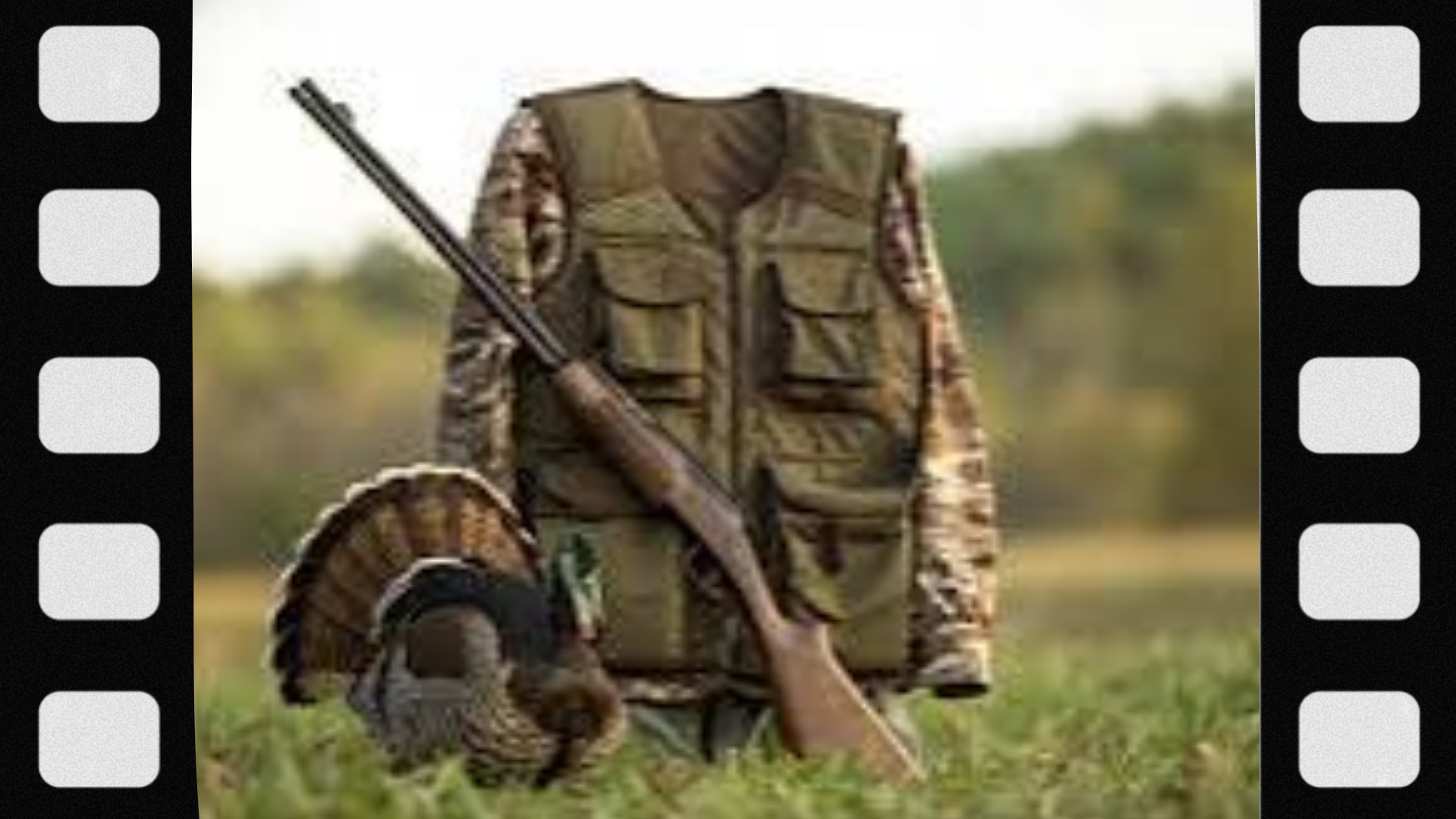
They can provide concealment and weather comfort. Choose items that preserve vision, dexterity, and safe handling; they are not worth using if they interfere.
9. Should I Carry Hunter Orange?
Include appropriate visibility clothing and follow the current rules. Many turkey-safety programs also recommend orange during travel, even where requirements differ.
10. Are Rubber Boots Necessary?
No. Choose footwear for the ground and weather. Wet terrain may call for different boots than dry slopes or long walks.
11. Do I Need New Boots Before the Hunt?
Only if your current footwear is unsuitable. Familiar, comfortable boots are preferable to discovering a fit problem during the outing.
12. Is a Turkey Vest Essential?
No. A suitable daypack can work. Consider a vest later if its pockets or seat improve your routine.
13. Is a Seat Pad Worth Carrying?
Often, because it adds comfort while sitting on the ground. Try a compact option before choosing a larger chair or elaborate seat system.
14. Which Call Should a Beginner Start With?
Choose a legal call you can operate reliably. Box and pot calls are practical options to try with guidance; there is no requirement to begin with a mouth call.
15. How Many Calls Do I Need?
One is enough for a simple starting kit. Additional calls are preferences, not substitutes for experience or suitable conditions.
16. Are Electronic Turkey Calls Legal?
Rules vary. Check the current turkey regulations for your location rather than applying rules from another species or season.
17. Do I Need a Decoy?
No. It is optional and introduces additional safety considerations. A decoy-free beginner kit is reasonable.
18. How Should I Carry a Decoy?
Fully covered so it cannot be mistaken for a live bird. Use a suitable bag rather than carrying an exposed decoy or fan.
19. Is a Ground Blind Required?
No. It may help with a particular plan or accessibility need, but check installation, marking, and removal rules before bringing one.
20. Do I Need Binoculars?
They can help with observation. If you already have a suitable pair, there is no need to buy a turkey-specific model. Never use a firearm’s sight to inspect something you have not identified.
21. Is a Rangefinder Essential?
It is optional. A distance reading does not establish a safe shot or extend your demonstrated ability.
22. Can My Phone Handle Navigation?
It can be a useful primary tool with downloaded maps. Carry a practical backup and know the route rather than relying entirely on service and battery life.
23. Do I Need a Satellite Communicator?
Consider one where communication coverage and remoteness warrant it. Check activation, emergency functions, and any service requirements before departure.
24. Why Carry a Headlamp for a Day Hunt?
Travel may begin before daylight or continue after an unexpected delay. A headlamp also leaves your hands free for ordinary tasks.
25. How Much Water Should I Pack?
Base it on temperature, exertion, duration, personal needs, and reliable refill options. Include a margin for delay rather than treating a short planned hunt as a guarantee.
26. What First-Aid Supplies Matter Most?
Carry supplies appropriate to likely injuries, personal medications, and your training. Check expiration dates and know how to use the contents.
27. Should I Pack Insect Repellent?
Where biting insects or ticks are a concern, yes. Choose a suitable product and follow its label rather than applying clothing treatments to skin.
28. Is Scent-Control Equipment Essential?
It is not a priority item in this beginner checklist. Direct your initial budget toward safety, comfort, navigation, and a familiar hunting setup.
29. Can I Store My License on My Phone?
Only if that format is accepted for the specific document and jurisdiction. Check whether offline display, physical tags, or other materials are required.
30. Does Public-Land Hunting Need Extra Paperwork?
It can. Site permits, reservations, check-in procedures, or additional conditions may apply alongside the normal license.
31. What Changes for a Remote Hunt?
Increase preparation for communication gaps, navigation problems, weather exposure, delayed return, and transporting harvested game. Reassess your emergency supplies accordingly.
32. What Changes for a Youth Hunter?
Prioritize appropriately fitted equipment, manageable carrying weight, supervision, and current youth-hunting requirements. Adult-sized gear is not automatically suitable.
33. Do I Need a Large Game-Processing Kit?
Not necessarily. Carry the clean tools and supplies needed for your plan, and arrange suitable processing and cooling afterward.
34. Can the Cooler Stay in the Vehicle?
Often, if prompt cooling remains practical. Longer walks or warm conditions may require a different transport and meat-care plan.
35. What Should I Upgrade After My First Hunt?
Upgrade the item that caused a concrete problem: uncomfortable boots, poor pack fit, inadequate weather protection, or awkward organization. Avoid buying accessories solely because they are marketed as essential.
Final Answer
What gear do you need for turkey hunting? Start with required documents, a legal hunting setup you have practiced with, suitable clothing, navigation, communication, emergency supplies, and a plan for clean game handling and cooling. Add a simple call and comfortable seat, then choose optional equipment only when it serves your hunt. Current official regulations, safe handling, and sound judgment matter more than the size or price of your kit.
Read more: