
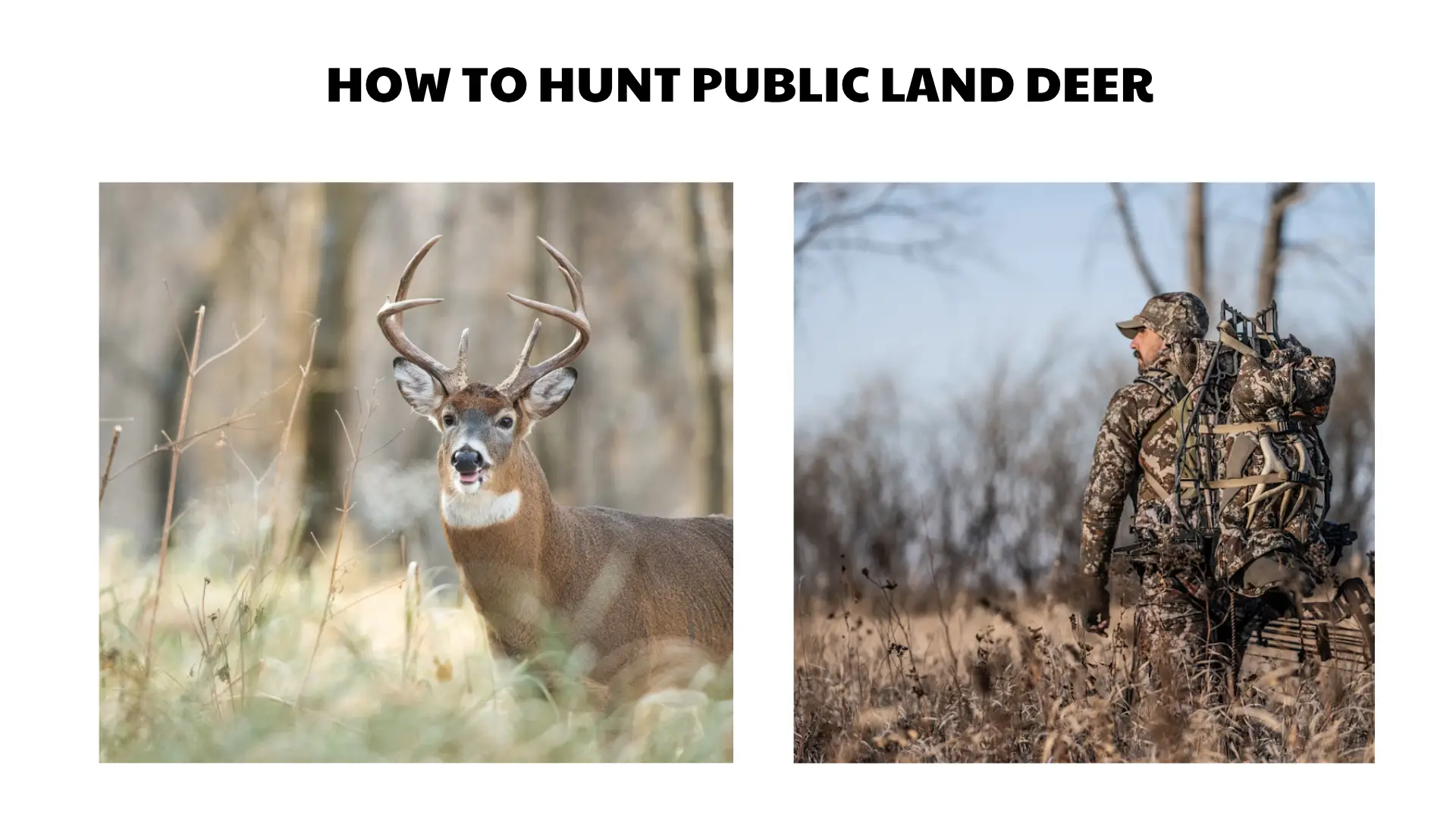

Careful preparation can improve the quality of your decisions, but it cannot guarantee a harvest. Weather, season, habitat, local regulations, deer behavior, nearby hunters, skill, patience, and ethical restraint all affect the outcome. The goal is to become a safer and more observant hunter while respecting wildlife, landowners, and other people outdoors.
Quick Answer
To learn how to hunt pressured deer, first verify current licenses, tags, seasons, legal methods, access rules, and reporting requirements with the official wildlife agency. Then scout for fresh sign near secure cover, identify where human activity is concentrated, and plan a quiet entry that keeps your scent away from likely deer movement. Use a safe setup only when the target area and background are clear, and take a shot only when the deer is legal, fully identified, and within your practiced ability. With low-impact scouting, flexible setups, and patience, you can make better decisions without expecting guaranteed success.
- Hunting license and permits: Confirm hunter-education eligibility, license type, special permits, and residency requirements.
- Tags and harvest reporting: Know how and when a tag must be validated, attached, registered, checked, or reported.
- Legal season and legal hours: Verify exact dates, management units, legal shooting hours, closures, and deer categories.
- Legal weapons and ammunition: Confirm allowed methods, equipment specifications, ammunition or broadhead rules, and transport requirements.
- Land access: Verify public-land boundaries and obtain clear private-land permission. Never cross private property without authorization.
- Visibility clothing: Wear the required blaze orange or other high-visibility clothing for the season and location.
- Safe handling: Treat every firearm as loaded, control the muzzle, keep your finger away from the trigger until ready, and identify the target and what is beyond it. Apply equivalent path-and-background discipline to archery equipment.
- Emergency planning: Check weather, carry navigation and first-aid tools, tell someone your plan, and establish a return time.
Do not shoot toward roads, homes, livestock, people, vehicles, trails, buildings, or unclear movement. Do not use this guide as a substitute for hunter education, local regulations, manufacturer instructions, or qualified in-person training.
Understanding Pressured Deer and Their Habitat
In this context, “pressured deer” usually means white-tailed deer or another locally hunted deer species that has experienced repeated human disturbance. Pressure may come from hunters walking ridges, checking cameras, driving access roads, using the same stand, entering feeding areas, or creating scent and noise near secure cover.
How Pressure Can Change Deer Behavior
Deer do not disappear. They still need food, water, cover, and movement routes. However, they may change the timing, location, or visibility of that movement. A field that held deer before the season may still be part of the home range, but deer may approach it after legal hours, enter from a different corner, or stage inside cover before stepping out.
Pressure-sensitive deer often favor places that let them detect danger early. These may include dense vegetation, broken terrain, downwind sides of travel corridors, overlooked cover near restricted access, or small habitat transitions that allow quick escape. The exact pattern depends on local habitat and should be confirmed through fresh evidence rather than assumed.
Habitat Features to Learn
- Bedding cover: Areas that provide security, visibility, wind advantage, or dense concealment.
- Food sources: Agricultural crops, browse, mast, openings, edge vegetation, and other locally available foods that change with the season.
- Water: Ponds, creeks, seeps, drainage bottoms, and other dependable sources, especially in dry conditions.
- Travel corridors: Terrain and cover that connect bedding, feeding, water, and seasonal activity areas.
- Transition edges: Boundaries between mature timber, young growth, wet ground, fields, cuts, brush, and other cover types.
- Human-pressure zones: Parking areas, obvious trails, road edges, popular overlooks, repeated stand sites, and frequently checked camera locations.
Deer Sign Beginners Should Recognize
Tracks, trails, droppings, beds, feeding evidence, rubs, and scrapes can help, but age matters. Fresh tracks after rain or snow are more useful than a heavily worn trail with no current use. Look for several clues that agree with one another, then relate them to cover, wind, food, and likely human access.
Do not walk through every bedding area to prove deer are there. Excessive scouting can create the same pressure you are trying to understand. Use maps, distant observation, trail cameras where legal, and brief checks from the edge whenever possible.
What You Need Before You Start
- Valid hunting license, permits, tags, and current regulation knowledge
- Legal hunting weapon or method allowed in the exact area and season
- Completed hunter education and safe-handling practice
- Required hunter orange or other visibility clothing
- Quiet, weather-appropriate layers and supportive boots
- Official maps, property information, compass, GPS, or hunting app
- Binoculars for observation and positive identification
- Wind checker or another simple way to monitor air movement
- Headlamp plus spare batteries for legal travel in low light
- First-aid kit, water, food, emergency shelter, and communication
- Full-body safety harness and approved climbing system for tree stands
- Clean gloves, game bags, cooler, and legal meat-care supplies
You do not need every new product on the market. A legal, reliable method; safe clothing; navigation; optics; communication; and recovery preparation matter more than carrying excessive equipment.
How to Hunt Pressured Deer: Step-by-Step Guide
1.Check Local Hunting Laws First
Read the current regulations for the specific unit and property. Confirm licenses, tags, season dates, legal hours, deer definitions, weapon restrictions, access, baiting rules, camera rules, reporting, carcass transport, and any disease-management requirements.
Save the current regulation document for offline use and carry required credentials. If a rule is unclear, contact the official wildlife agency or area manager before hunting.
2.Learn the Deer’s Current Patterns
Separate pre-season expectations from in-season evidence. Identify current food, secure bedding cover, water, travel corridors, and seasonal behavior. Then ask how human traffic may have changed the safest route between those needs.
Pressured deer commonly use cover and terrain to detect danger, but the exact pattern is local. Fresh tracks, recent droppings, new rubs or scrapes where relevant, and repeated observations are more useful than a single old signpost.
3.Choose a Legal Hunting Area
On public land, identify official access points, legal parking, restricted zones, property boundaries, roads, trails, buildings, and areas used by non-hunters. On private land, obtain permission, clarify boundaries, follow landowner instructions, close gates, protect livestock, and agree on parking and recovery procedures.
Mark several legal alternatives. A backup location prevents you from forcing a crowded, unsafe, or wrong-wind setup.
4.Scout Before the Hunt
Start with aerial imagery and topographic maps. Mark cover transitions, water, likely feeding areas, terrain funnels, access barriers, and places where other hunters are likely to travel. Then make a low-impact field check to confirm what the map cannot show.
Look for fresh sign and safe observation lanes without walking directly through suspected bedding cover. When legal, distant glassing or carefully managed cameras can reduce disturbance. Record the date, wind, weather, human traffic, and sign freshness.
5.Prepare Your Gear Safely
Inspect all equipment before the hunt. Follow manufacturer instructions, use the correct legal ammunition or archery equipment, and confirm zero or accuracy at a proper range. A bowhunter should know a personal effective range through practice, while a firearm hunter should understand both safe projectile range and practical field limits.
Secure loose gear, pack required tags, test lights and communication, and keep weapons unloaded or cased as required during transport. Never modify safety features or use homemade equipment that violates regulations or manufacturer guidance.
6.Plan for Wind, Weather, and Entry Route
Plan the setup, entry, and exit as one system. A stand with a favorable wind may still fail if the route carries scent through the travel corridor or bedding area. Account for terrain-driven thermals, shifting winds, rain, snow, and the time required to travel safely.
Choose a route that is quiet and legal without placing you near homes, livestock, roads, or other hunters. Mark emergency exits and avoid crossing uncertain property. When the forecast or actual wind becomes unsafe or consistently poor, use another plan.
7.Set Up Carefully
Select a location from which you can observe likely movement while maintaining a safe background. Favor current sign, secure cover, and a route deer can use without crossing the most obvious human traffic. Small transition zones and overlooked cover can be useful, but only when access and shot directions are unquestionably safe.
Use a full-body harness from the time you leave the ground until you return when hunting from an elevated stand. Do not climb with a loaded firearm or with loose equipment in your hands. Ground setups should provide visibility without pointing toward a trail, road, building, vehicle, livestock area, or occupied property.
8.Stay Patient and Observe
Move less, listen more, and use binoculars to inspect details. Pressured deer may pause in cover, approach from an unexpected direction, or move when nearby human activity decreases. Staying through a planned window can be more valuable than repeatedly changing locations.
Patience does not mean ignoring fatigue, cold, heat, storms, darkness, or changing wind. Remain alert, hydrate, and leave before conditions reduce judgment or create unsafe travel.
9.Take Only a Safe, Legal, and Ethical Shot Opportunity
Before acting, positively identify the deer and verify that it is legal under the tag and season rules. Confirm that the path and background are clear and that no person, trail, road, home, vehicle, livestock, or property can be endangered.
Take only a clear opportunity within your practiced ability. Do not shoot at sound, movement, brush, a skyline, or an uncertain animal. If the angle, distance, visibility, deer movement, or background is wrong, let the deer pass.
10.Follow Legal Recovery and Reporting Rules
After a shot, keep the weapon controlled and observe carefully. Mark the deer’s location and your position, then follow hunter-education guidance for a careful recovery. Do not cross a property boundary without permission, and do not create a conflict with another hunter.
Validate or attach the tag as required and complete any mandatory check, registration, testing, or online reporting within the official deadline. When recovery is uncertain, use an experienced mentor or legally permitted tracking service where available.
11Handle the Game Responsibly
Wear clean gloves, use clean tools, protect the meat from dirt, and cool it promptly. Follow all local rules for proof of sex, transport, disease-testing zones, carcass movement, disposal, and processor documentation.
Respectful use is part of ethical hunting. Plan the work, transportation, cooler capacity, and processing help before the hunt rather than trying to solve everything after a harvest.
Best Time, Place, and Conditions for This Hunt
The best conditions are the ones that combine legal opportunity, current deer sign, safe access, manageable weather, and a wind that does not carry scent through the likely movement area. A traditional morning or evening sit may work, but pressure can make quieter midday periods equally important in some places.
Time of Day
Early and late movement remains common, yet pressured deer may delay open-area use. Consider the transition cover between bedding and food rather than setting up only on the visible destination. Midday movement can increase when other hunters leave or during certain seasonal phases, but local evidence should guide the plan.
Seasonality
Food availability, breeding behavior, weather, cover, and hunter numbers change throughout the season. A successful early-season setup may become stale after repeated entries. Re-scout from a distance and update the plan rather than assuming the same route remains active.
Weather and Wind
Cool fronts, precipitation changes, and stable winds may affect movement and hunter participation, but no weather event guarantees success. Use conditions to choose among confirmed setups. Avoid unsafe storms, ice, high winds in trees, flooding, extreme temperatures, or visibility too poor for positive identification.
Public Versus Private Land
Public land often concentrates pressure near obvious parking and trail systems, while private land can concentrate pressure around repeated stands, farm routines, and neighboring properties. In both cases, overlooked cover and low-impact access may matter more than simply traveling farther.
Helpful Tips for Better Results
- Map people as well as deer. Note parking, trails, repeated stand access, camera routes, and likely hunter movement.
- Trust fresh sign. Current tracks and use patterns should outweigh a favorite stand or old photograph.
- Protect your best area. Avoid entering secure cover without a specific reason and favorable conditions.
- Prepare alternate setups. Use wind, crowding, and recent sign to choose among them on the day of the hunt.
- Consider overlooked cover. Small legal pockets may receive less pressure, but safety and boundaries come first.
- Keep entry and exit quiet. The hunt is not over when legal shooting time ends; a poor exit can affect future movement.
- Use binoculars. Observe and identify with dedicated optics, not by pointing a weapon at unknown objects.
- Limit unnecessary stand visits. Repeated checks can create scent and noise without adding useful information.
- Keep a field log. Record wind, weather, sign, people, sightings, and access results to identify patterns.
- Pass questionable opportunities. Restraint is a core hunting skill, not a missed chance.
Common Mistakes to Avoid
Pressured-deer hunting often fails because the hunter repeats a convenient routine instead of responding to current conditions. The following mistakes can also create legal, ethical, or safety problems:
- Relying on last year’s regulations, old season dates, or unofficial summaries.
- Entering without a valid license, tag, permit, or landowner permission.
- Ignoring wind direction or considering the stand but not the entry route.
- Walking through bedding or travel cover to check sign too often.
- Hunting the same setup repeatedly after deer or other hunters detect it.
- Assuming farther from a road always means less pressure.
- Arriving late and rushing through noisy or unsafe terrain.
- Using a firearm scope to identify unknown movement.
- Choosing a setup with a road, trail, building, livestock area, or skyline behind the deer.
- Entering a tree stand without a full-body harness and safe climbing system.
- Taking a shot beyond practiced ability or through obstructing vegetation.
- Failing to plan tagging, reporting, recovery permission, transport, and meat cooling.
- Continuing in severe weather, poor visibility, or when fatigue reduces judgment.
Troubleshooting Common Problems
| Problem | Possible Cause | What to Do |
|---|---|---|
| You are not seeing deer | Stale sign, poor timing, changed food, heavy pressure, or a route that disturbs secure cover | Recheck fresh sign from the edge, map human traffic, verify wind, and try a legal alternate setup. |
| Deer detect you before entering view | Scent reaches the trail, thermals shift, noisy access, or the exit crosses movement | Change the entry and exit plan, use a more stable wind, and reduce unnecessary visits. |
| The area is crowded | Obvious access, popular habitat, weekend traffic, or limited public entry | Communicate courteously, create distance, use another legal location, or hunt a quieter lawful time. |
| Property boundaries are unclear | Outdated maps, missing signs, poor signal, or uncertain private parcels | Stop before crossing, verify with official maps or the landowner, and contact the area manager when needed. |
| The forecast changes | Front, gusty wind, storm, temperature shift, or unexpected precipitation | Reassess tree safety, visibility, wind, route, and emergency risk; leave when conditions are unsafe. |
| Equipment fails | Weak batteries, loose components, damaged stand parts, wet gear, or poor maintenance | Stop using unsafe equipment, unload or secure the weapon, and repair it according to manufacturer guidance. |
| Visibility is poor | Fog, rain, thick cover, darkness, brush, or backlighting | Do not shoot at uncertain movement. Wait for clear identification and a safe background or end the hunt. |
| A rule is uncertain | Different unit, special area rule, changing regulation, or conflicting unofficial advice | Do not hunt under an assumption. Confirm with the official wildlife agency or area manager. |
| You feel nervous when a deer appears | Limited practice, rushed decisions, unfamiliar equipment, or pressure to succeed | Slow down, repeat your safety checklist, and pass the opportunity when control or certainty is lacking. |
| Recovery sign becomes difficult to follow | Rushed tracking, weather, disturbed ground, boundary issues, or limited experience | Mark the last confirmed sign, reduce disturbance, and seek legal help from a mentor or permitted tracking service. |
Ethical Hunting and Conservation
Ethical hunting begins before the season. It includes legal preparation, safe weapon handling, realistic practice, respect for wildlife, and the willingness to pass any opportunity that is not clearly safe and responsible.
- Obey seasons, limits, legal methods, access restrictions, and reporting rules.
- Respect landowners, other hunters, non-hunters, wildlife staff, and neighboring properties.
- Practice enough to know your actual field limits rather than the advertised capability of equipment.
- Avoid waste and prepare for clean transport, cooling, processing, and responsible use.
- Do not crowd another hunter, interfere with a legal hunt, or create conflict over an area.
- Report harvests accurately and participate in disease testing or biological sampling when required.
- Pack out litter, avoid unnecessary habitat damage, and leave gates and property as instructed.
- Support habitat and wildlife management through lawful participation and conservation programs.
Pressure is not an excuse to take longer, obstructed, hurried, or uncertain shots. A deer that does not present a safe opportunity should be allowed to leave.
When to Get More Training or Professional Guidance
Seek additional instruction when you have never safely handled your hunting equipment, have not completed hunter education, cannot interpret local regulations, are unfamiliar with property boundaries, or do not have a safe recovery and game-care plan.
Extra help is also wise for first-time tree-stand use, unfamiliar mountains or wetlands, extreme weather, archery broadhead handling, navigation outside cellular coverage, or any recovery that may involve private property or specialized tracking rules.
Good sources include official hunter-education courses, wildlife-agency workshops, certified firearm or archery instructors, experienced ethical mentors, local conservation organizations, and reputable hunting clubs that emphasize safety and fair chase.
After the Hunt: Follow-Up, Gear Care, and Learning
Complete all required tagging, checking, reporting, and testing. Keep confirmation numbers or physical records as required. Follow transport and carcass-disposal rules, especially in areas with wildlife-disease restrictions.
Clean and store firearms, bows, knives, stands, clothing, optics, and electronics according to manufacturer guidance. Store firearms unloaded and secured, with ammunition stored as required by law and safe practice. Dry wet gear before storage and remove damaged climbing equipment from service.
Write down what happened: the wind, temperature, weather, human activity, sign, route, sightings, entry quality, exit quality, and any safety concern. Note what you would repeat and what you would change. A simple log turns each legal hunt into useful experience.
Recommended Hunting Gear and Tools to Consider
You do not always need expensive gear to hunt responsibly. Choose equipment based on local laws, hunting method, deer species, terrain, weather, safety needs, skill level, and budget.
- Legal hunting weapon or method allowed in the area and season
- Manufacturer-approved case, sling, or transport system
- Quality boots matched to terrain, temperature, and moisture
- Quiet layered clothing and legally required visibility gear
- Binoculars for safe observation and target identification
- Official map, compass, GPS, offline mapping, and backup power
- Wind indicator and weather information
- Full-body harness and safe climbing equipment for elevated stands
- Headlamp, spare batteries, first-aid kit, water, and emergency shelter
- Communication device and a trip plan shared with a responsible person
- Clean gloves, game bags, cooler, and meat-care supplies
Affiliate disclosure, when applicable: Some links on a publishing website may be affiliate links. The publisher may earn a commission from qualifying purchases at no additional cost to the reader. Use rel="sponsored nofollow" on affiliate links and recommend only products appropriate for legal, safe hunting.
Final Thoughts
Understanding how to hunt pressured deer requires more than moving deeper into the woods or buying new gear. Start with current laws and safe handling. Study fresh deer sign and human movement, protect secure cover from unnecessary disturbance, choose wind and access together, and prepare more than one legal setup.
In the field, remain patient, alert, and willing to leave when the wind, weather, crowding, boundary, visibility, or shot opportunity is wrong. Use methods and equipment suited to your local regulations, terrain, experience, and conservation responsibilities. Responsible restraint is a successful outcome even when no deer is harvested.
Frequently Asked Questions About How to Hunt Pressured Deer
1. How long does it take to learn how to hunt pressured deer?
A beginner can learn the basic principles in one season, but reading pressure, wind, access routes, and fresh deer sign improves through repeated scouting and careful field notes. Progress is usually faster when you complete hunter education and hunt with an experienced, ethical mentor.
2. What does a pressured deer mean?
A pressured deer is a deer that has repeatedly encountered hunters, vehicles, noise, scent, cameras, disturbed trails, or other human activity. It may change when it moves, use thicker cover, avoid obvious access routes, or wait until quieter periods before entering open areas.
3. Do pressured deer stop moving completely?
No. Deer still need food, water, security cover, and seasonal social contact. Pressure often changes where and when they move rather than stopping movement entirely, which is why fresh sign and low-impact observation matter more than old patterns.
4. What is the first thing a beginner should do before hunting pressured deer?
Check the current rules issued by the official wildlife agency for the exact location, species, season, weapon, and land type. Confirm licenses, tags, legal hours, harvest restrictions, reporting duties, access rules, and required hunter education before entering the field.
5. Do I need a hunting license and deer tag?
Usually, but the exact requirements vary by country, state, province, season, age, residency, land type, and hunting method. Use the official wildlife agency website or current printed regulations rather than relying on an old article or a social media post.
6. How do I find the legal deer season in my area?
Use your official wildlife agency’s current regulations and confirm the specific management unit, zone, county, property, weapon season, legal hours, and deer category. Regulations can change between seasons, so verify them again shortly before the hunt.
7. What is the best time of day to hunt pressured deer?
There is no universal best time. Low-light periods may still be productive, but heavily pressured deer can also move during quieter midday windows or after hunters leave. Base your decision on legal shooting hours, current sign, weather, access, and local observations.
8. Can pressured deer be hunted on public land?
Yes, where deer hunting is legally open. Public-land hunters should verify boundaries and access, park respectfully, avoid crowding others, follow area-specific rules, and consider overlooked cover away from the most obvious parking areas and trails.
9. Is private land always easier than public land?
No. Private land may have controlled access, but repeated stand use, vehicle traffic, feeding activity, neighboring pressure, and poor entry routes can still educate deer. Permission, boundaries, landowner instructions, and local regulations remain essential.
10. How much scouting should I do before the season?
Scout enough to understand access, safety, terrain, bedding cover, food, water, travel routes, and likely hunter traffic. Favor maps, distant glassing, and brief low-impact checks near the season so you do not repeatedly disturb the exact places you plan to hunt.
11. What deer sign matters most after hunting pressure increases?
Fresh tracks, recently used trails, new droppings, active rubs or scrapes where relevant, and current feeding evidence are more useful than sign from weeks earlier. Compare sign with wind, security cover, entry routes, and the timing of human activity.
12. How can I tell whether a trail is still active?
Look for crisp tracks, recently disturbed leaves or soil, fresh droppings, vegetation brushed in a consistent direction, and repeated activity after rain or snow. A trail with old sign only may no longer match current movement.
13. Why is wind direction important for pressured deer?
Deer rely heavily on scent. A setup that lets human scent drift toward likely bedding or travel cover can alert deer before the hunter sees them. Plan the stand, route, and exit together, and leave if changing wind creates an unsafe or consistently poor setup.
14. Do scent-control products guarantee that deer will not smell me?
No. Clean clothing and sensible scent reduction may help, but they do not replace wind planning. Treat wind direction, thermals, access, and distance from likely deer locations as the main scent-management tools.
15. What are thermals, and why do they matter?
Thermals are air currents created by temperature differences, often moving uphill as the ground warms and downhill as it cools. Their behavior varies with terrain and weather, so observe local conditions and avoid assuming a forecasted wind tells the whole story.
16. Should I hunt deeper than other hunters?
Sometimes, but distance alone is not a strategy. Deep areas can also receive pressure, and a long route may cross deer travel. Study legal access, terrain, safe recovery, other users, and overlooked pockets before deciding whether going farther is worthwhile.
17. What is an overlooked deer-hunting spot?
It is a legal area that receives less attention because it appears small, inconvenient, close to allowed human activity, difficult to glass, or less dramatic than popular habitat. It must still provide safe shooting directions, legal access, and current deer sign.
18. Should I hunt close to a parking area?
It can work where legal and safe because many hunters automatically walk past nearby cover. However, never create a shot direction toward vehicles, roads, buildings, trail users, or an unsafe background, and do not block access or interfere with others.
19. Is midday a good time for pressured deer?
It can be, especially when other hunters leave, weather changes, or seasonal behavior increases movement. Midday hunting should be based on local evidence, legal hours, safe access, and the ability to remain alert rather than on a fixed rule.
20. Should I use a tree stand or a ground blind?
Either may work if legal and placed safely. A tree stand requires a full-body harness and safe climbing system, while a ground blind needs a clear, safe field of view and a background that does not endanger other people or property.
21. Can I still-hunt pressured deer?
Still-hunting may be legal and effective in suitable terrain, but it requires slow movement, strong target identification, careful awareness of other hunters, and a safe background. Avoid it where visibility is poor, user density is high, or local rules restrict the method.
22. How slowly should I move while still-hunting?
Move only as fast as you can safely observe ahead, identify objects clearly, and control noise. Pause often, scan with binoculars where safe, and never use an optic mounted on a weapon as a general observation tool.
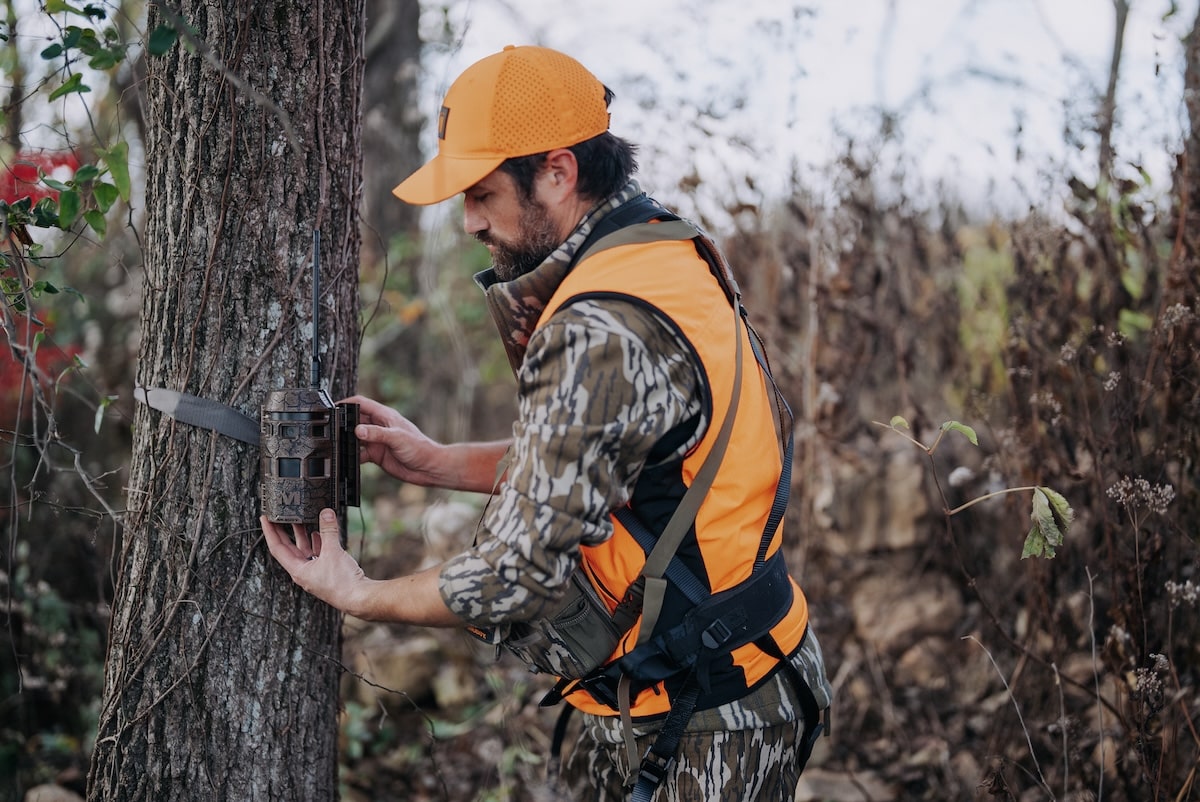
23. Do trail cameras help with pressured deer?
They can help reveal timing and route changes where legal, but frequent camera checks can add pressure. Follow all camera rules, respect privacy and property boundaries, and use low-impact placement and retrieval methods.
24. How often should I hunt the same stand?
There is no fixed number. Repeated entries, poor winds, noisy exits, and lingering scent can reduce the value of a setup. Rotate locations based on fresh sign and conditions, and avoid entering simply because the stand is convenient.
25. What is a low-impact access route?
It is a legal route that minimizes noise, visibility, scent drift, and contact with likely bedding or feeding areas. It should also be physically safe, navigable in low light, and unlikely to disrupt other hunters or private property.
26. Should I clear a path to my stand?
Only where land rules and the landowner allow it. Minimal trimming may reduce noise, but cutting vegetation can be illegal on public land or harmful to habitat. Never alter property without permission.
27. What clothing is best for pressured deer hunting?
Wear quiet, weather-appropriate layers, safe footwear, and any legally required visibility clothing. Comfort helps you remain still and alert, but camouflage does not replace safe target identification, wind planning, or legal compliance.
28. Is blaze orange required?
It depends on the location, season, weapon, and land rules. Wear the required amount and type whenever regulations call for it, and consider additional visibility when moving through areas shared with other hunters.
29. What navigation tools should I carry?
Carry a current map plus a compass or GPS-enabled device, and know how to use them. Download offline mapping where available, mark legal boundaries and emergency exits, and bring backup power without relying on electronics alone.
30. How do I verify a public-land boundary?
Use official agency maps, posted signs, current parcel information, and area-specific regulations. Mapping apps are useful planning aids but can contain errors, so do not cross an uncertain line or private property without confirmed permission.
31. What should I do when another hunter is near my setup?
Communicate calmly, keep every weapon pointed safely, avoid confrontation, and create more distance. Do not stalk movement you cannot identify. If the area is crowded or unsafe, leave and use another legal setup.
32. Can I hunt pressured deer during bad weather?
Only when conditions remain legal and safe. Wind, lightning, flooding, extreme cold, heat, ice, or reduced visibility can make travel, tree stands, navigation, and recovery unsafe. A missed hunt is better than an emergency.
33. Does rain remove human scent?
Rain may change scent and sound conditions, but it does not make wind irrelevant or guarantee that deer will ignore human presence. Rain can also reduce visibility, create slippery terrain, and complicate navigation and recovery.
34. What should I do if the wind changes after I am set up?
Reassess immediately. If scent is blowing toward likely deer cover, other hunters, homes, livestock, or an unsafe exit route, quietly leave or move to a preplanned legal alternative rather than forcing the setup.
35. How do I avoid making too much noise?
Prepare gear before leaving, secure loose items, use a safe route, slow down on dry leaves or ice, and arrive with enough time that you do not need to rush. Never sacrifice balance or weapon safety merely to be quiet.
36. What firearm safety rules matter most in deer hunting?
Treat every firearm as loaded, keep the muzzle in a safe direction, keep your finger outside the trigger guard until ready, and be certain of the target and what is in front of and beyond it. Follow the manufacturer and official hunter-education guidance.
37. What bow safety rules should beginners remember?
Use inspected, properly matched equipment, transport broadheads safely, keep the shooting path and background clear, and shoot only within a practiced personal range. Follow local equipment rules and never take uncertain or obstructed shots.
38. How far should I shoot at a deer?
Only within the distance at which you can consistently place an ethical shot under realistic field conditions and still confirm a safe background. Your personal effective range may be much shorter than the equipment’s capability.
39. What makes a shot opportunity ethical?
The deer must be legal to harvest and clearly identified, the background must be safe, the angle and distance must fit your practiced ability, and no person, road, home, livestock, vehicle, trail, or unclear movement can be endangered.
40. Should I take a shot through brush?
Do not shoot through brush or at partially identified movement. Vegetation can hide people or obstacles and can interfere with a projectile or arrow. Wait for a clear, legal, safe opportunity or let the deer pass.
41. What should I do when I am not completely sure the deer is legal?
Do not shoot. Use binoculars to evaluate the deer, check the current rules, and wait for a clear identification. Uncertainty about species, sex, antler requirements, tag validity, or background means the opportunity should be passed.
42. How can I stay calm when a deer appears?
Slow your breathing, follow a practiced sequence, verify the target and background again, and do not rush. If you cannot control the shot safely or the deer does not provide an ethical opportunity, let it go.
43. What should I do immediately after a shot?
Keep the weapon controlled and pointed safely, observe carefully, mark the location, and follow your hunter-education training and local recovery rules. Avoid rushing into an uncertain situation, especially near boundaries, roads, steep terrain, or other hunters.
44. How long should I wait before beginning recovery?
The correct response depends on what you observed, the hunting method, weather, terrain, local rules, and your training. Follow official hunter-education guidance, avoid contaminating sign unnecessarily, and contact an experienced legal tracker when allowed and needed.
45. Can I cross private property to recover a deer?
Not without permission unless a specific local law clearly provides otherwise. Contact the landowner and, when appropriate, the local wildlife authority. Never use recovery as a reason to trespass.
46. What if I lose the trail during recovery?
Stop, mark the last confirmed sign, protect the area from unnecessary disturbance, and make a careful plan. Seek help from an experienced mentor or legally permitted tracking service and follow all weapon, dog, nighttime, and property rules.
47. Do I need to report a harvested deer?
Many jurisdictions require tagging, registration, checking, sampling, or online reporting, but procedures and deadlines vary. Follow the current official instructions for the exact location and keep any confirmation number or required record.
48. How should I care for venison after a successful hunt?
Use clean gloves and tools, follow local transport and disease-testing rules, cool the meat promptly, keep it clean, and use appropriate game bags or a cooler. Seek experienced help if you have not learned safe game handling.
49. What disease precautions should deer hunters follow?
Check official wildlife and public-health guidance for local testing zones, carcass transport limits, recommended protective practices, and disposal rules. Do not consume meat from an animal that appears sick or is prohibited from use by authorities.
50. How much does it cost to hunt pressured deer?
Costs vary widely and may include licenses, tags, hunter education, access, travel, clothing, safety equipment, practice, optics, and meat care. Begin with legal and safety essentials rather than assuming expensive gear creates success.
51. Do expensive optics make a major difference?
Clear, reliable binoculars can improve observation and target identification, but price alone does not replace scouting or judgment. Choose optics suitable for the terrain and budget, and never use a firearm scope as a substitute for binoculars.
52. What is the most common mistake when hunting pressured deer?
A common mistake is repeating an obvious setup despite poor wind, stale sign, noisy access, or heavy hunter traffic. Pressure-sensitive hunting improves when you make decisions from current evidence rather than habit.
53. When should I leave a setup?
Leave when wind becomes wrong, visibility or weather becomes unsafe, other users create conflict, you discover a boundary problem, equipment fails, or legal uncertainty arises. A responsible hunter does not force a questionable situation.
54. When should a beginner get professional help?
Seek qualified help when you lack hunter education, safe weapon-handling experience, navigation skills, legal clarity, tree-stand training, recovery knowledge, or game-care experience. Certified instructors and official agency programs are the best starting points.
55. How does ethical deer hunting support conservation?
Legal hunters can contribute through license and excise-tax systems, harvest data, habitat work, population management, and responsible participation. Conservation also means respecting limits, avoiding waste, reporting accurately, and protecting the land and public trust.
Read more: How to Hunt Public Land Deer: The Ultimate Beginner Guide