
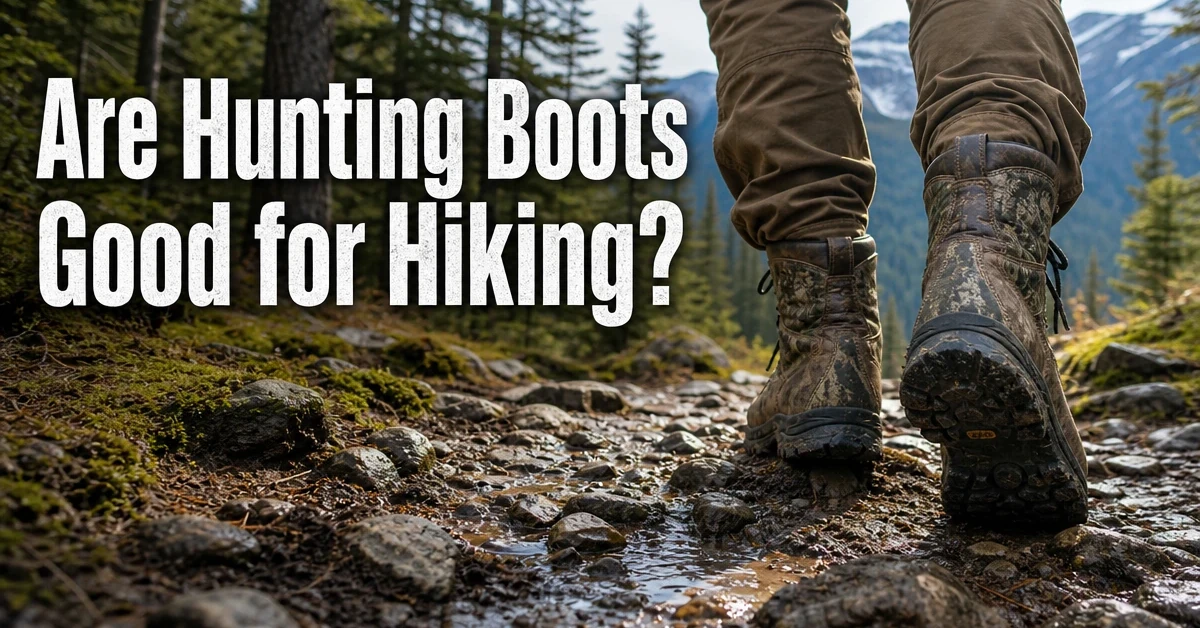

Are hunting boots good for hiking? Yes—many hunting boots work very well for hiking, especially on rough, wet, cold, or off-trail terrain. However, they are often heavier, stiffer, and warmer than hiking boots, so the best choice depends on distance, weather, terrain, and whether you need hunting-specific features.
When Hunting Boots Work Well for Hiking
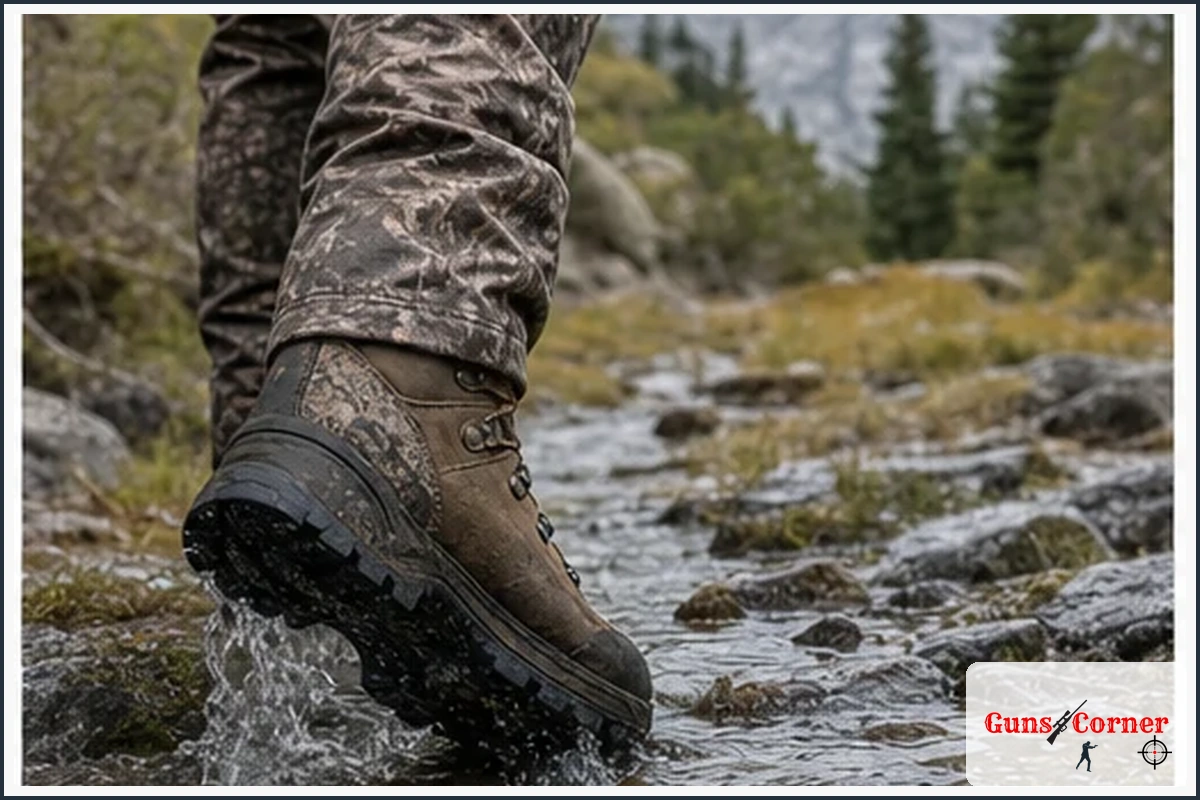
Hunting boots are designed for demanding outdoor conditions. Depending on the model, they may provide waterproofing, insulation, ankle support, durable construction, and aggressive traction. Those features can be valuable on hikes through wet forests, steep hills, loose rock, mud, snow, or brush.
They are particularly useful when a hike is part of a hunting trip. One pair of boots can handle scouting, hiking to a stand, carrying equipment, and moving through changing weather.
That does not mean every hunting boot is suitable for every hike. A heavily insulated boot may be uncomfortable on a warm summer trail, while a stiff mountain boot may feel excessive on a maintained path.
Hunting Boots vs. Hiking Boots
| Feature | Hunting Boots | Hiking Boots |
|---|---|---|
| Primary purpose | Hunting, field travel, and prolonged outdoor use | Trail walking and general hiking |
| Typical construction | Often more durable and protective | Ranges from lightweight shoes to sturdy boots |
| Weight | Frequently heavier, especially insulated models | Often lighter and more flexible |
| Warmth | May include insulation for cold-weather hunting | Usually less insulated for active movement |
| Water protection | Common on many hunting models | Varies by design and intended conditions |
| Noise considerations | Some are designed for quieter movement | Usually focused on walking comfort rather than stealth |
| Best fit | Wet, cold, rugged, brushy, or off-trail conditions | Maintained trails, warm-weather walks, and long-distance comfort |
Advantages of Using Hunting Boots for Hiking
Water and weather protection
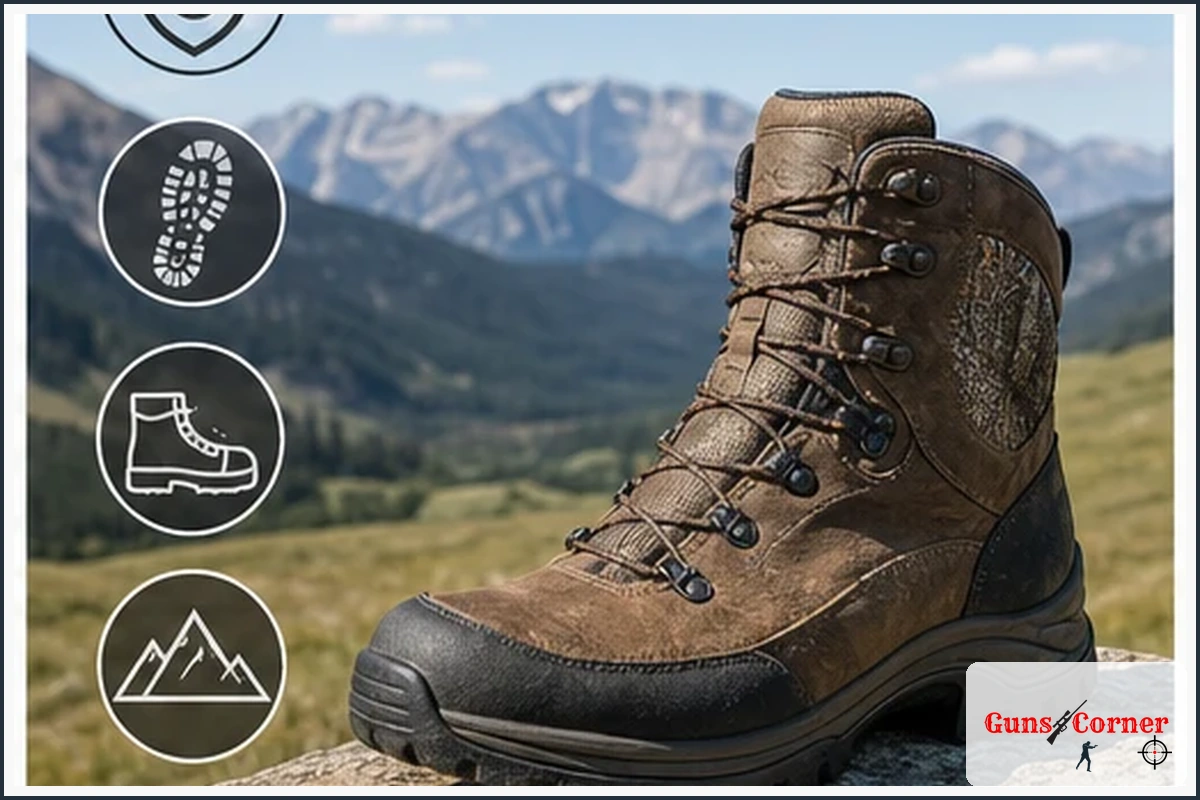
Water-resistant or waterproof hunting boots can be useful in wet grass, mud, shallow snow, and rainy conditions. Keeping feet dry may improve comfort and reduce the risk of blisters caused by wet socks and prolonged friction.
Waterproofing is not unlimited. Seams, tongues, worn materials, and water entering over the boot collar can still allow moisture inside. Waterproof boots also tend to breathe less than non-waterproof footwear.
Support on uneven terrain
Many hunting boots have firm midsoles and higher ankle coverage. This can provide a more stable feel on uneven ground, although ankle support does not eliminate the risk of slips or sprains.
Good footwear should be combined with careful foot placement, appropriate pace, and attention to changing terrain.
Durability and protection
Hunting boots often use materials intended to withstand brush, rocks, mud, and repeated field use. Their construction may also offer more protection from sticks, sharp vegetation, and rough ground than lightweight trail footwear.
Traction
A lugged outsole can help on loose soil, wet ground, and uneven surfaces. Traction depends on the rubber compound, tread design, wear, and conditions. No boot provides reliable grip on every combination of mud, ice, wet rock, or steep terrain.
Limitations of Hunting Boots on Hikes
Extra weight
Hunting boots can weigh more than hiking shoes or lightweight hiking boots. Over a long distance, that additional weight may contribute to fatigue, particularly for hikers who are not accustomed to heavier footwear.
Stiffness and break-in time
Some hunting boots are intentionally stiff to provide support and protection. They may require a gradual break-in period before a long hike. Wearing new boots on a demanding trip can cause hot spots, blisters, or foot pain.
Excess warmth
Insulated hunting boots can be excellent in cold weather but uncomfortable during warm-weather hiking. Sweaty feet can increase discomfort and may contribute to friction-related blisters.
Less flexibility
A stiff boot may feel secure on steep or rocky ground but less natural on smooth trails. For easy paths and long mileage, a lighter, more flexible hiking boot may be more comfortable.
How to Choose Hunting Boots for Hiking
Match insulation to the conditions
For warm-weather hiking, consider uninsulated or lightly insulated boots with good ventilation. For cold-weather use, insulation may help, but the correct amount depends on temperature, activity level, sock choice, and whether you will be standing still for long periods.
Do not choose insulation solely by a marketing label. Your movement level and local conditions matter.
Consider the terrain
- Maintained trails: Lightweight hiking boots or hiking shoes may be more comfortable.
- Rocky or steep terrain: A firmer sole and supportive upper may be useful.
- Mud and wet ground: Waterproof construction and deep tread can help.
- Brush and rough off-trail travel: Durable uppers and ankle coverage may provide extra protection.
- Snow or very cold conditions: Insulation and compatible traction equipment may be important.
Check fit carefully
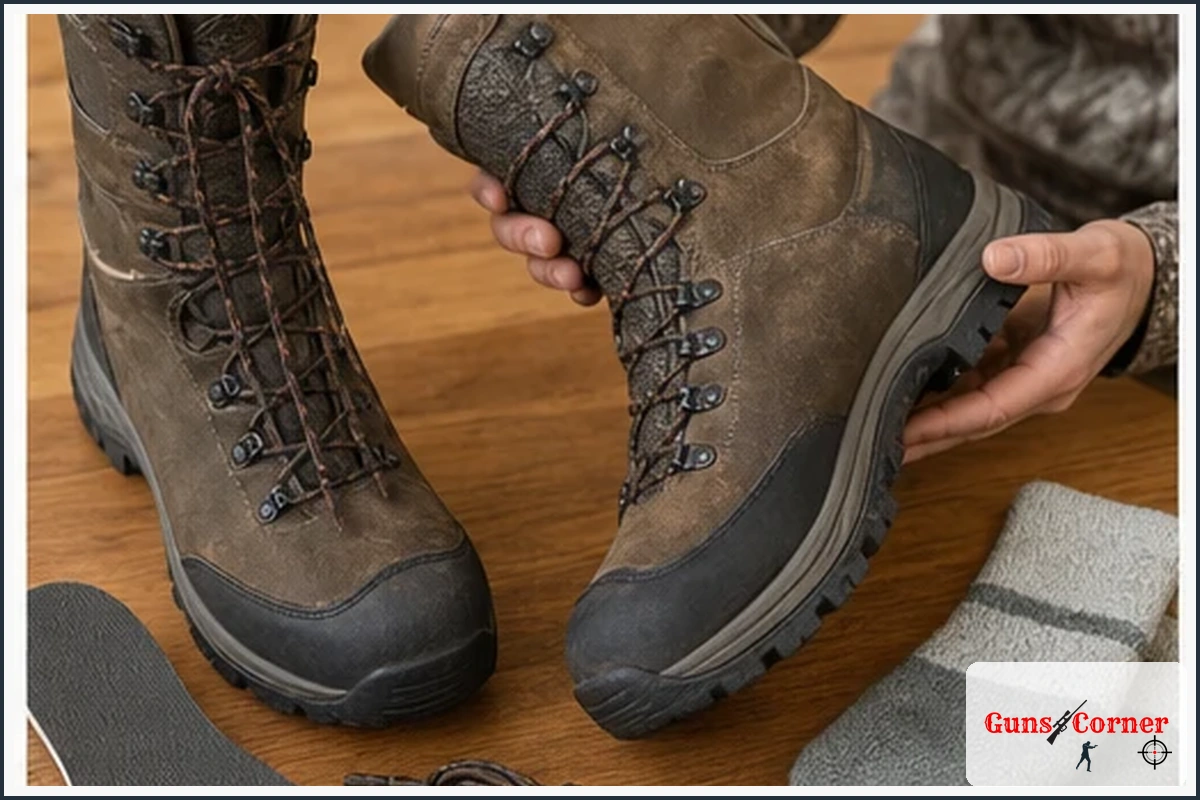
Your heel should remain reasonably secure without excessive pressure, while your toes should have enough room to move. When trying boots on, wear the socks you expect to use outdoors and test them later in the day, when feet may be slightly swollen.
Walk on inclines if possible. Your toes should not repeatedly strike the front of the boot when descending, and your heel should not lift excessively.
Inspect the outsole and tread
Look for an outsole appropriate to the terrain rather than assuming an aggressive tread is always better. Deep lugs can collect mud, while very hard compounds may feel slippery on certain wet surfaces.
Break them in gradually
- Wear the boots indoors with your normal outdoor socks.
- Take short walks on easy ground.
- Check for rubbing, pressure points, and heel movement.
- Increase distance gradually.
- Do not schedule a long hike until the boots feel comfortable.
Are Hunting Boots Comfortable for Long Hikes?
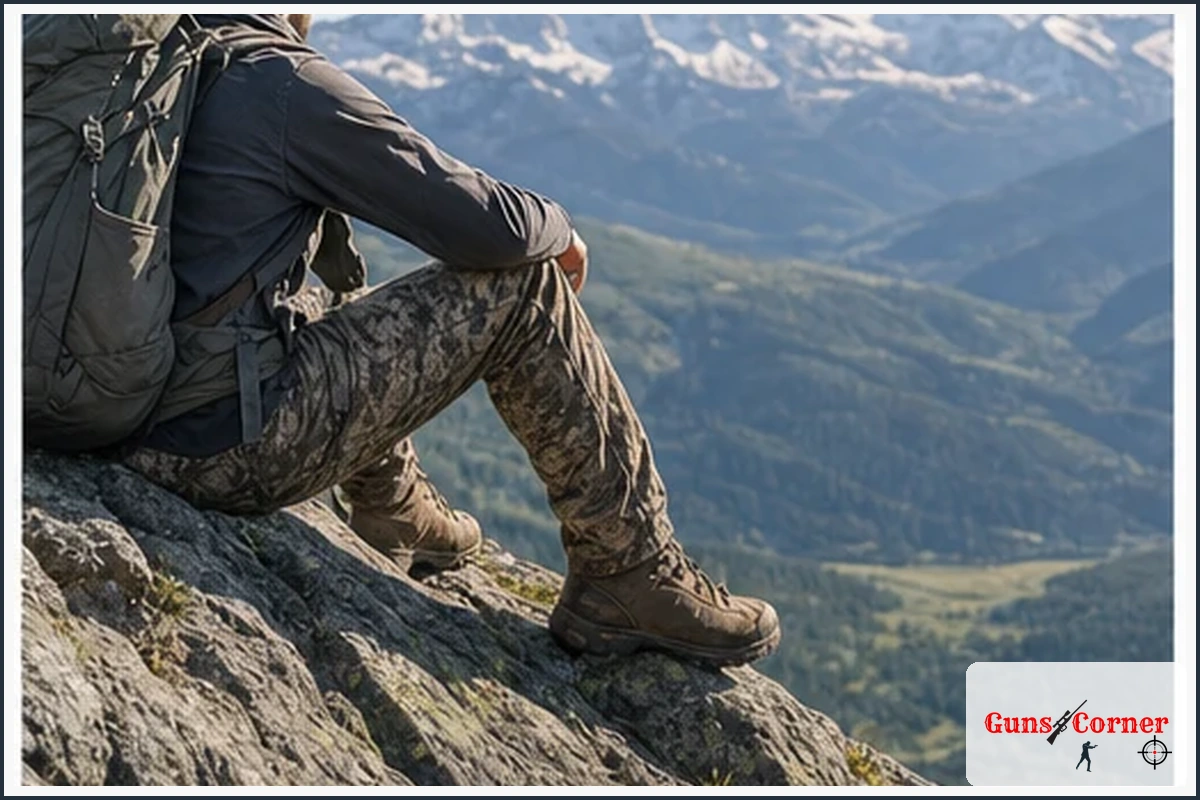
They can be, but comfort depends on the boot’s weight, flexibility, fit, temperature, terrain, and your conditioning. A lightweight uninsulated hunting boot may perform well on a long hike, while a heavy insulated model may become tiring during warm conditions.
Socks also matter. Choose moisture-managing socks that fit without bunching, and carry a spare pair on longer outings. Stop early if you notice a hot spot rather than waiting for a blister to develop.
Common Mistakes to Avoid
- Wearing new boots on a long hike without breaking them in.
- Choosing heavily insulated boots for warm-weather activity.
- Assuming waterproof boots will remain dry if water enters over the collar.
- Ignoring heel movement or toe pressure during fitting.
- Using worn tread on steep, wet, or loose terrain.
- Choosing boots based only on appearance or brand name.
- Failing to carry water, navigation equipment, weather protection, and basic first aid.
Safety Tips for Hiking in Hunting Boots
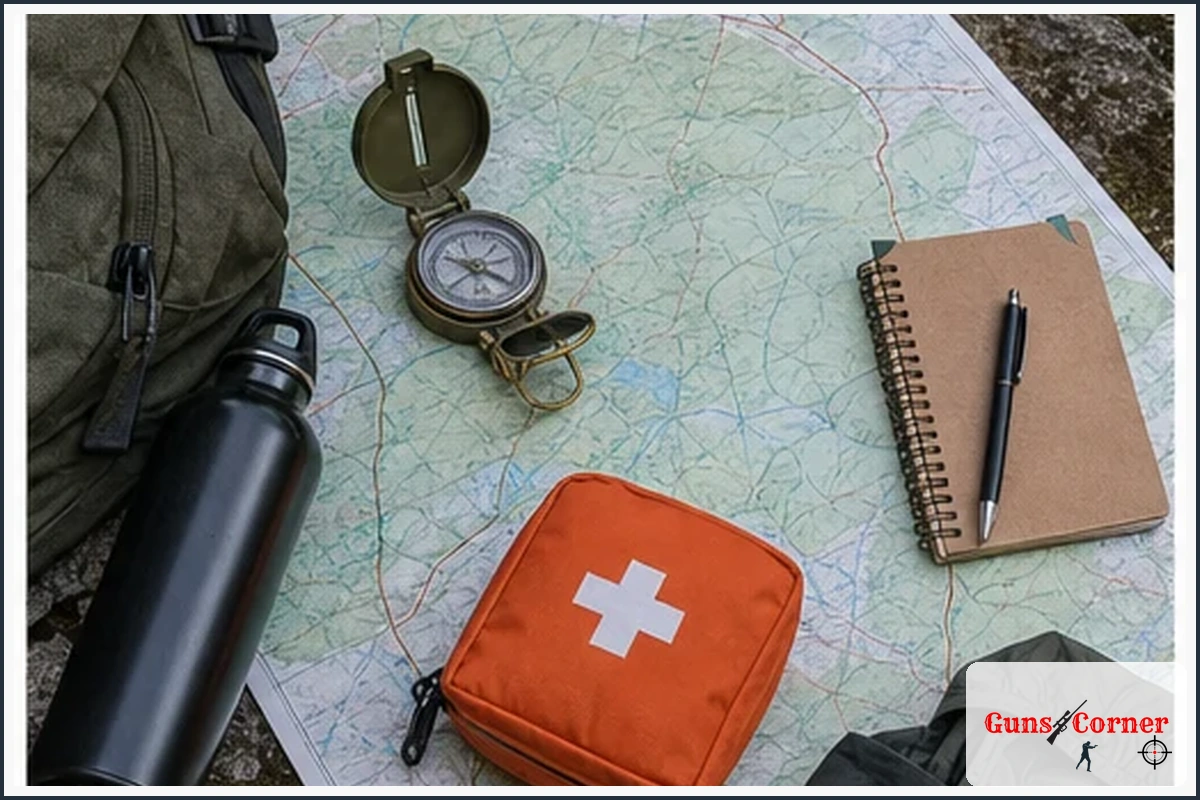
Hunting boots do not replace basic hiking preparation. Check the weather, plan your route, carry adequate water, and tell someone where you are going. On remote or unfamiliar terrain, carry a reliable navigation method and a communication device appropriate for the area.
Use extra caution around wet rocks, ice, steep slopes, and unstable ground. Waterproof or insulated boots can reduce discomfort, but they cannot prevent hypothermia, heat illness, falls, or exhaustion.
If hiking during a hunting season, wear colors and follow visibility practices appropriate to the area and current regulations. Regulations vary by location and land type, so check the relevant wildlife or land-management agency before entering the field.
When Hiking Boots Are the Better Choice
Traditional hiking boots may be preferable when you are covering long distances on established trails, hiking in warm weather, or prioritizing low weight and flexibility. Hiking shoes or trail footwear may be even more comfortable for easy terrain, provided they offer adequate fit, traction, and protection for the route.
The best choice is the boot that matches the actual conditions. More rugged footwear is not automatically safer or more comfortable.
FAQs
Are hunting boots good for hiking in the mountains?
Some are. Choose a model with appropriate support, traction, fit, and weather protection for the route. Heavy insulation may be unnecessary if you will be moving continuously in mild weather.
Can I use hunting boots for everyday hiking?
Yes, if they fit well and are not excessively heavy or warm for your conditions. For frequent long-distance hikes, purpose-built hiking footwear may provide better comfort and flexibility.
Are hunting boots waterproof?
Some are waterproof or water-resistant, but not all. Check the manufacturer’s specifications and remember that water can enter through the collar, worn materials, or damaged seams.
Do hunting boots need to be broken in?
Many do, particularly stiff leather or supportive models. Gradual wear helps identify fit problems before a longer hike.
Are insulated hunting boots suitable for summer hiking?
Usually, they are not the most comfortable choice. Insulated boots can trap heat during warm-weather activity, so lighter uninsulated footwear is often more practical.
Final Answer: Are Hunting Boots Good for Hiking?
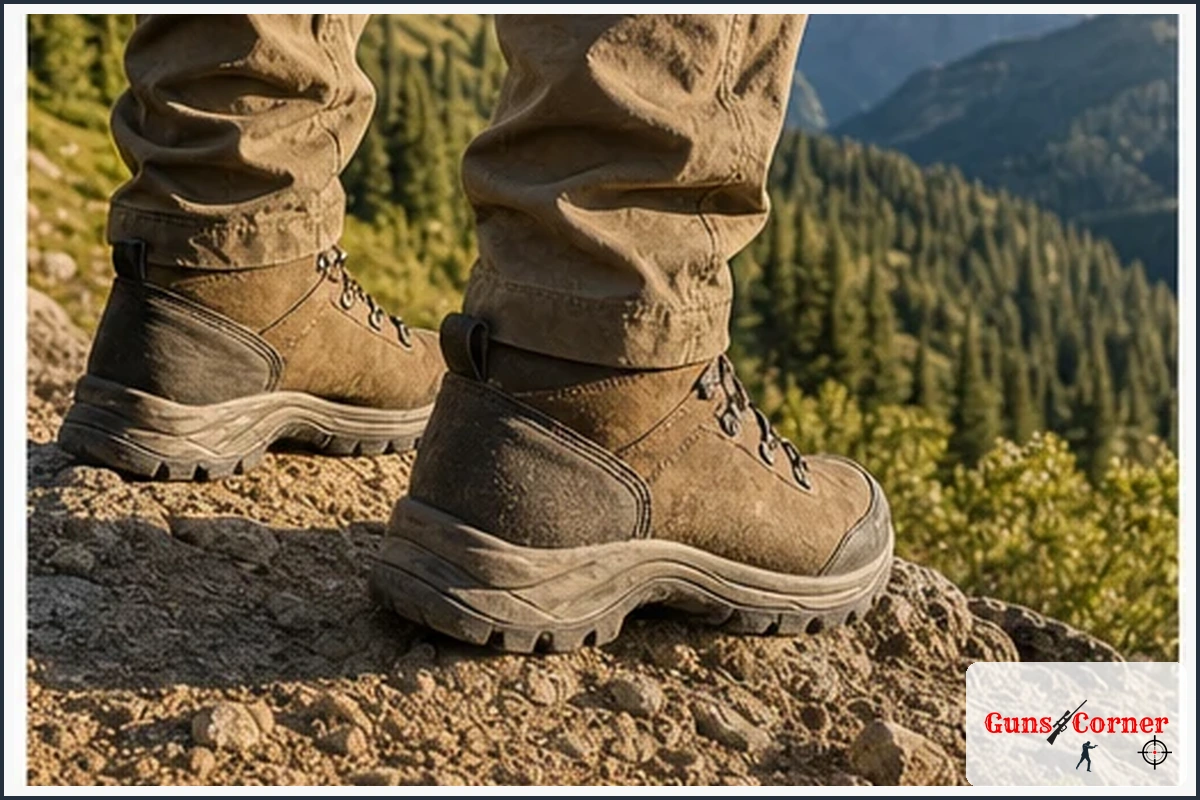
Yes, hunting boots can be excellent hiking footwear when you need durability, traction, waterproofing, ankle coverage, or warmth on rough terrain. They may be less suitable when the hike is long, warm, or confined to easy trails because they can be heavier and stiffer than hiking boots.
Choose based on terrain, weather, distance, insulation, fit, and tread. Break the boots in gradually, carry appropriate safety gear, and follow current land-access and hunting regulations before heading outdoors.