
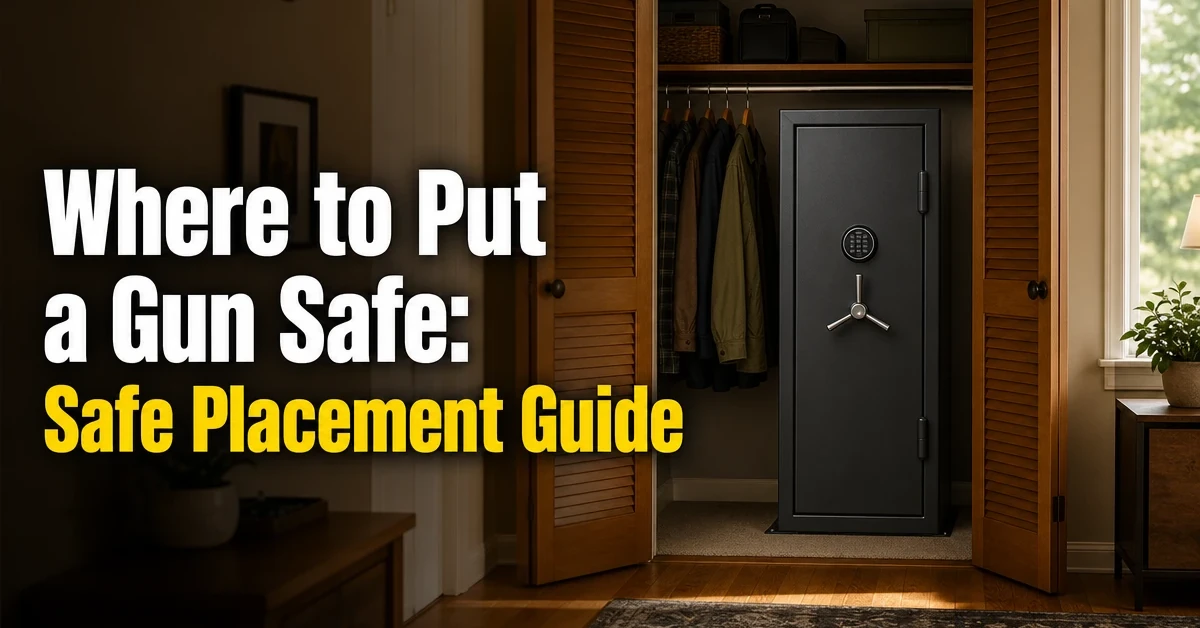

Where to put a gun safe depends on security, accessibility, floor strength, humidity, fire risk, and household access. In most homes, a discreet, climate-stable location such as a secured interior room, closet, or properly supported basement area works well—provided the safe is anchored according to its manufacturer’s instructions and unauthorized people cannot access it.
The Best Place to Put a Gun Safe
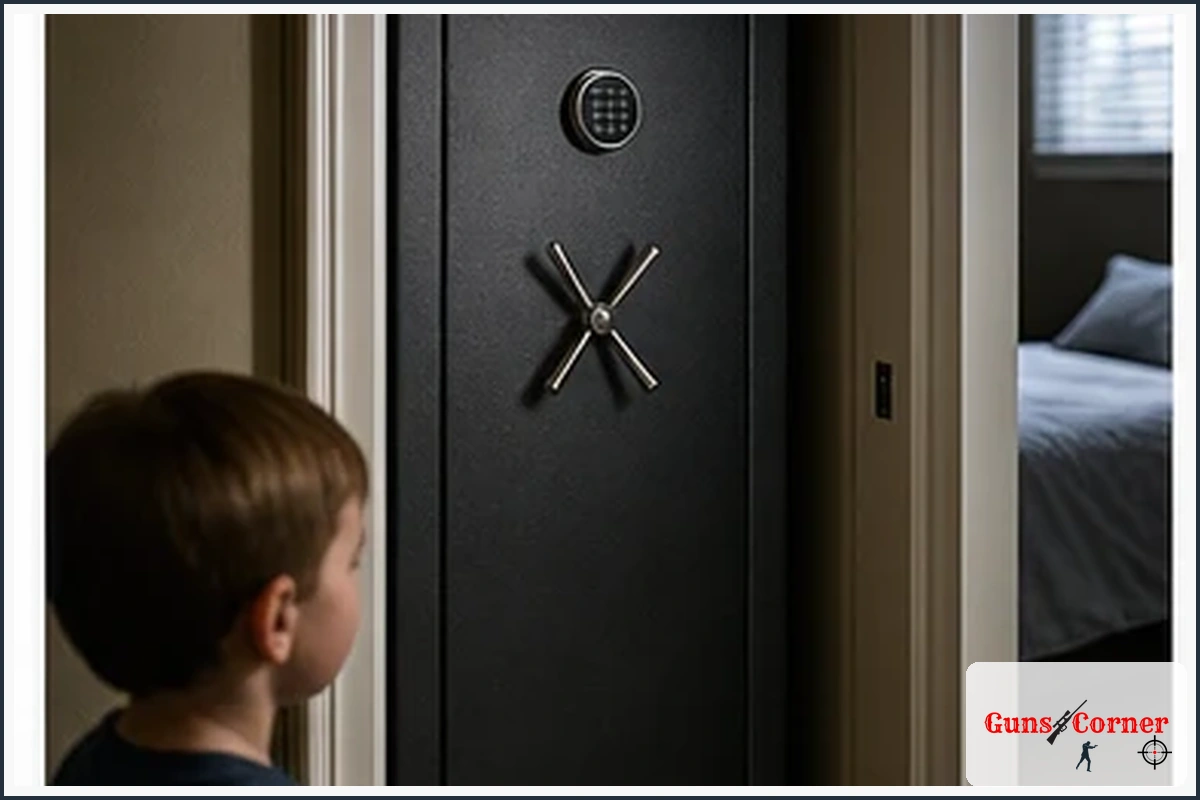
The best location balances four priorities:
- Unauthorized-access prevention: Children, visitors, burglars, and other unauthorized people should not be able to access the safe or its keys, codes, or backup controls.
- Structural support: The floor and anchoring surface must safely support the loaded safe and resist tipping or removal.
- Environmental stability: Excessive moisture, condensation, flooding, and temperature swings can damage firearms, ammunition, and the safe itself.
- Practical access: Authorized adults should be able to open and use the safe without unsafe handling, obstacles, or emergency confusion.
For many households, an interior bedroom closet, home office, or other low-visibility room is a practical choice. A basement can also work if it is dry, protected from flooding, and structurally suitable. A garage may be less desirable because it can experience greater temperature variation, humidity, vehicle access, and visibility.
How Different Locations Compare
| Location | Potential Advantages | Important Concerns |
|---|---|---|
| Interior closet | Discreet, convenient, and often climate-stable | Check floor strength, doorway clearance, and ventilation |
| Bedroom or home office | Convenient for authorized access and supervision | Avoid obvious visibility and unsecured keys or access codes |
| Basement | Low visibility and potentially strong masonry surroundings | Flooding, humidity, stairs, floor loading, and difficult installation |
| Garage | May provide space for a large safe | Temperature changes, moisture, theft visibility, and vehicle hazards |
| Attic | Limited everyday visibility | Heat, difficult access, structural loading, and emergency retrieval concerns |
What to Check Before Choosing a Location
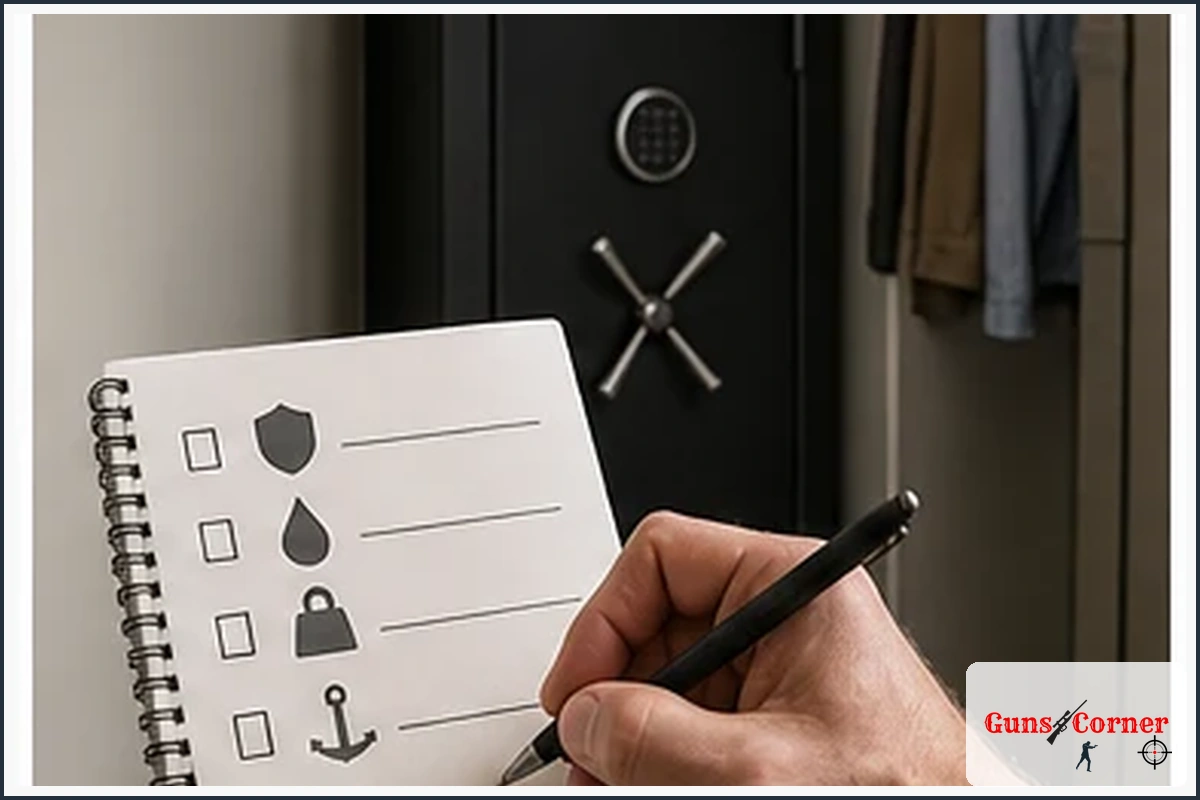
Floor strength and safe weight
Gun safes can be extremely heavy, especially after firearms and other stored items are added. Confirm that the floor can support the total load. A safe on an upper floor may require advice from a qualified contractor or structural professional before installation.
Do not assume that a concrete floor automatically solves every problem. Moisture transfer, uneven surfaces, drainage, and anchoring requirements still matter.
Anchoring and tipping resistance
Follow the safe manufacturer’s instructions for anchoring. A properly anchored safe is harder to tip or remove and reduces the risk of injury if the door is opened while the safe is unstable.
Use only compatible anchors and fasteners for the actual floor or wall construction. If you are unsure whether the surface contains wiring, plumbing, radiant heating, or other hidden services, consult a qualified installer before drilling.
Humidity, flooding, and condensation
Moisture can contribute to firearm corrosion and damage to documents, optics, wood stocks, and other stored equipment. Basements and garages deserve particular attention because they may experience dampness, flooding, or condensation.
Keep the safe off a potentially wet floor when appropriate, but do not improvise an unstable platform. Use a level, manufacturer-approved installation method and consider a suitable dehumidification solution compatible with the safe.
Visibility and household traffic
A gun safe should not be displayed unnecessarily or placed where visitors can easily identify it. At the same time, avoid locations where stored items, clothing, boxes, or furniture could block the door or create unsafe access problems.
Security through concealment is useful, but hiding a safe is not a replacement for a strong lock, proper anchoring, and responsible access control.
Emergency access and safe handling
Authorized adults should be able to reach the safe without climbing, carrying a loaded firearm on stairs, or moving obstacles. Store firearms unloaded unless local law, the safe manufacturer, or a specific lawful operational need indicates otherwise, and follow the firearm’s manual.
When retrieving a firearm, maintain the four basic safety rules: treat it as loaded, keep the muzzle pointed in a safe direction, keep your finger outside the trigger guard until ready to shoot, and identify the target and what is beyond it.
Are Bedrooms and Closets Good Places for a Gun Safe?
They can be. An interior closet or home office often offers a useful combination of privacy, moderate temperature control, and convenient access for the authorized owner.
Before choosing one, check:
- Whether the floor supports the safe’s total weight
- Whether the safe can be anchored securely
- Whether the door can open fully without striking walls or furniture
- Whether keys, combinations, and backup access devices are protected
- Whether children or visitors can observe or reach the safe
- Whether the room remains dry and reasonably temperature-stable
A closet should not be so crowded that the safe cannot be inspected, maintained, or opened safely.
Can You Put a Gun Safe in a Basement?
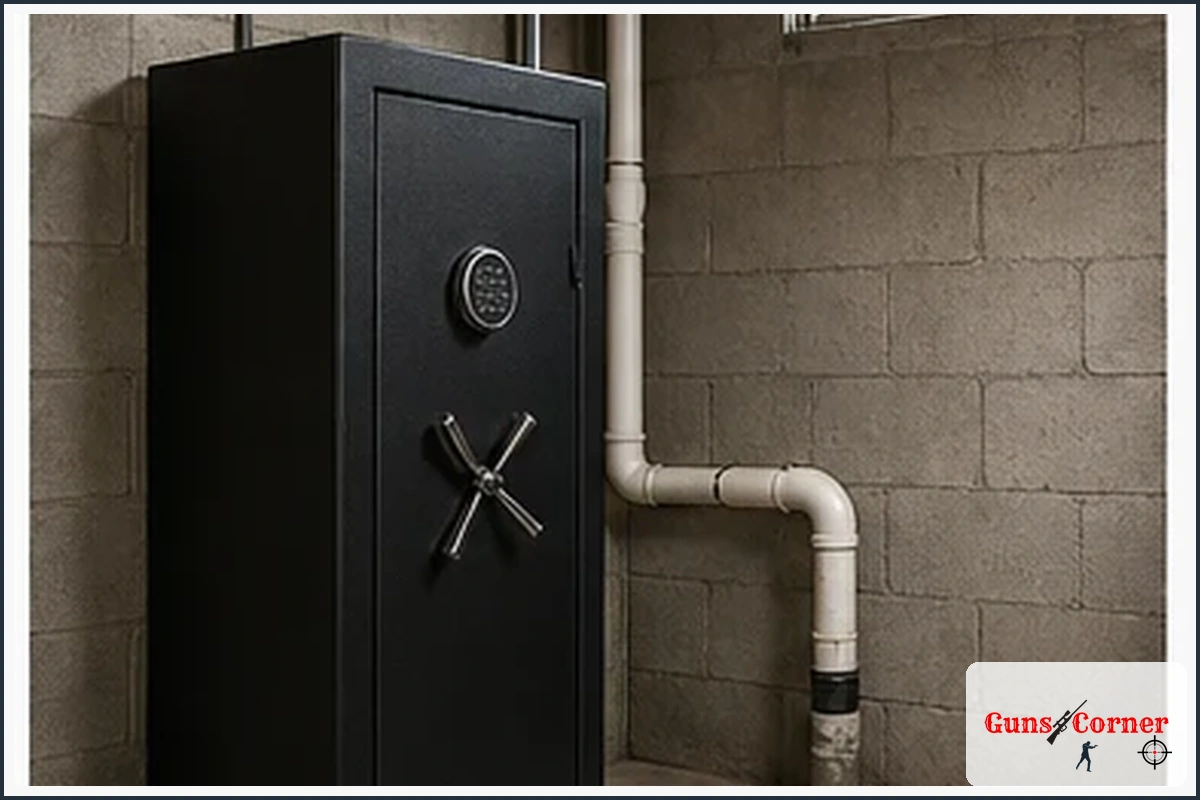
A basement can be suitable when it is dry, structurally sound, and protected against flooding. Concrete may provide a stable anchoring surface, but the safe should not be placed where groundwater, plumbing leaks, sump-pump failure, or floodwater could reach it.
Use a moisture-control plan appropriate for the safe and stored equipment. Inspect the area periodically for condensation, rust, damp walls, and water intrusion. If the basement has a history of flooding, choose another location or obtain professional advice about flood protection.
Can You Put a Gun Safe in a Garage?
A garage is possible, but it often has more disadvantages than an interior room. Temperature swings, humidity, vehicle exhaust, water intrusion, and frequent access can increase risk. A safe may also be more visible to people who enter the garage or observe deliveries and installation.
If a garage is the only practical option, select a concealed location away from doors and windows, keep the safe clear of leaks and vehicles, anchor it as directed, and monitor moisture. Check local laws and insurance requirements because storage obligations may vary by jurisdiction.
Locations to Avoid
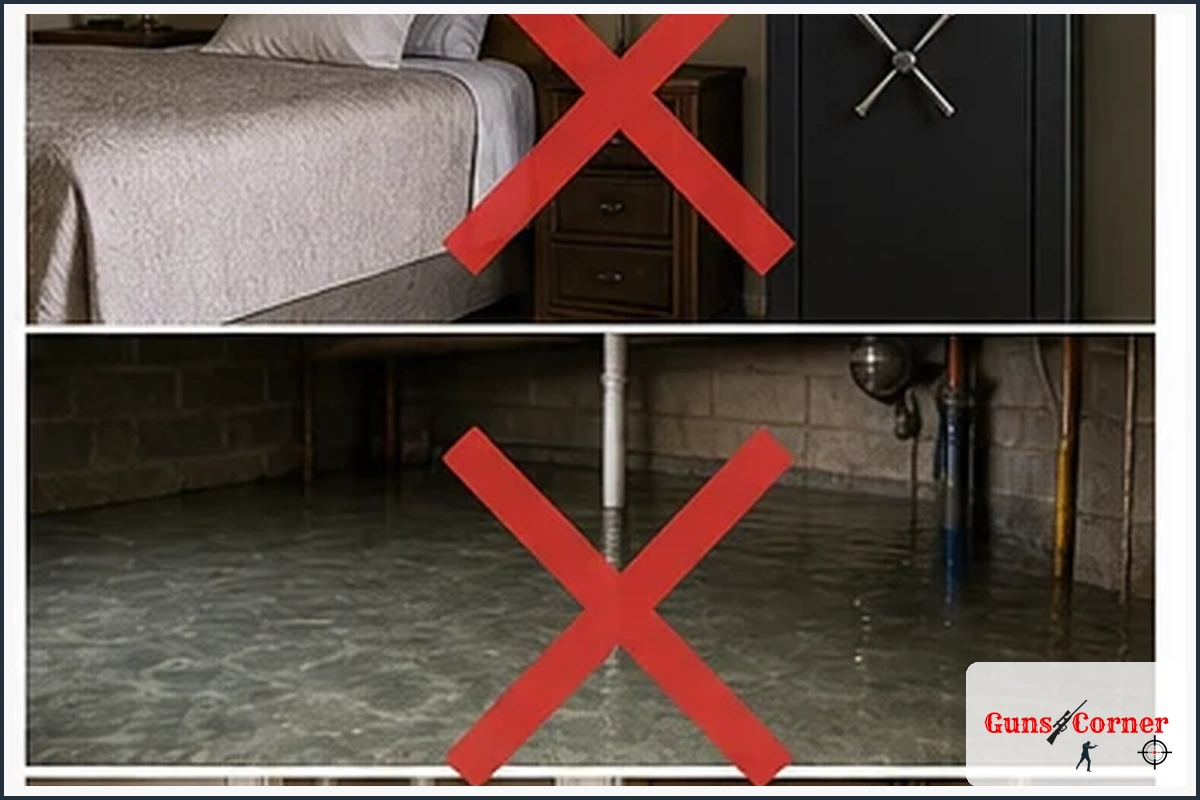
- Unsecured bedrooms or common areas where children or visitors can reach keys, codes, or the safe door
- Areas prone to flooding or leaks such as below plumbing, near water heaters, or on damp floors
- Unstable upper floors without confirming structural capacity
- Attics with extreme heat or difficult emergency access
- Visible locations near windows or garage doors that advertise the safe’s presence
- Improvised platforms that can shift, collapse, or interfere with anchoring
- Places where the safe blocks an exit or creates a trip hazard
Safe Placement for Firearms and Ammunition
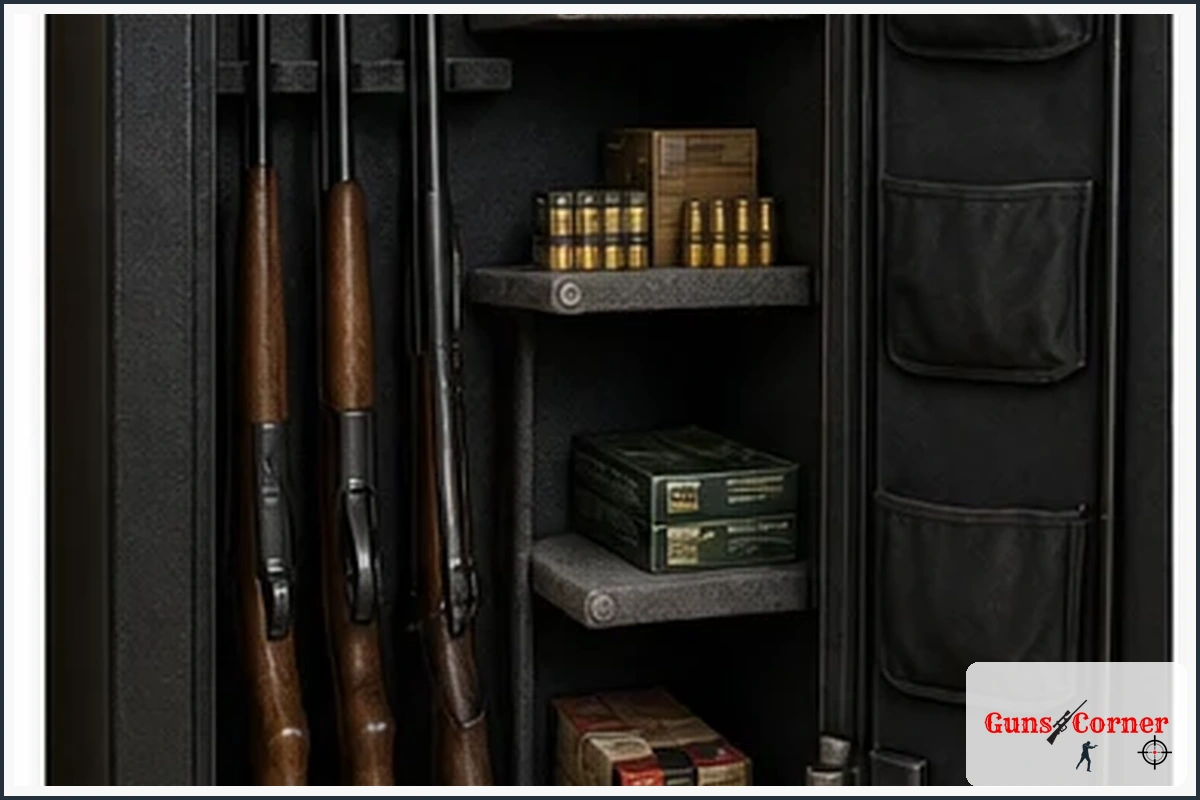
Follow both firearm and ammunition manufacturer instructions. Ammunition should be protected from unauthorized access, excessive heat, moisture, and damage. Whether ammunition belongs inside the firearm safe or in a separate locked container depends on household needs, safe design, local law, and insurance requirements.
Do not store incompatible ammunition together or place ammunition where it can be crushed, contaminated, or exposed to damaging conditions. Keep firearms unloaded during storage unless applicable law and a specific, carefully considered safety plan provide otherwise.
Installation Checklist
- Measure the safe, doorway, stairs, and installation area.
- Confirm the floor can support the safe and its contents.
- Check for water, plumbing, electrical wiring, and heating systems before drilling.
- Position the safe away from avoidable visibility and moisture.
- Level and anchor it according to the manufacturer’s instructions.
- Test the door, lock, lighting, and interior organization.
- Secure keys, combinations, override devices, and electronic credentials.
- Verify that children and unauthorized adults cannot access it.
- Inspect periodically for rust, condensation, loose hardware, and lock problems.
- Review current firearm-storage laws and insurance requirements.
Common Mistakes to Avoid
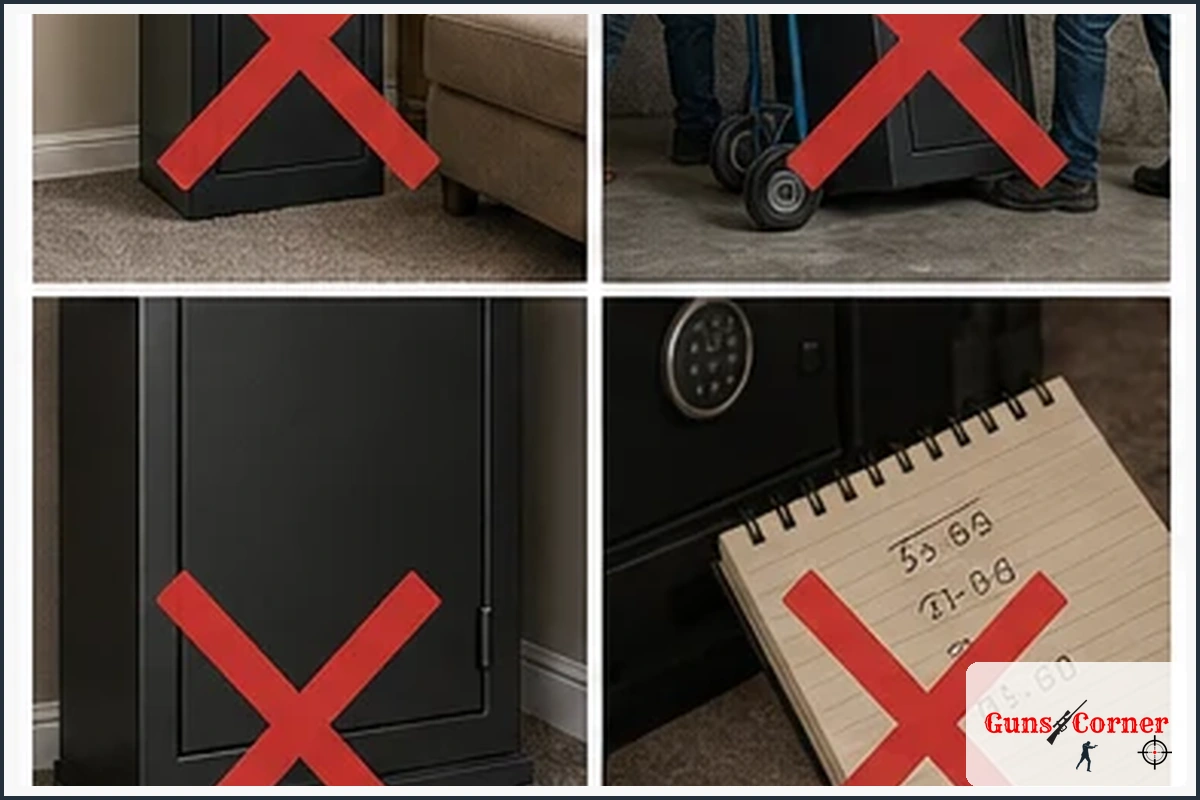
- Choosing a location based only on convenience
- Ignoring the safe’s total loaded weight
- Failing to anchor the safe when the manufacturer requires it
- Leaving a combination written where others can find it
- Assuming concealment alone prevents unauthorized access
- Placing the safe directly in a damp or flood-prone area
- Blocking the safe door with boxes or furniture
- Using a damaged lock, keypad, cable, hinge, or power supply
- Relying on a mechanical safety instead of safe firearm handling
Legal and Household Safety Considerations
Firearm-storage requirements differ by state, locality, household circumstance, and firearm type. Some jurisdictions impose specific child-access-prevention or locked-storage requirements. Verify current rules through your state’s official government or law-enforcement resources before deciding how and where to store firearms.
Consider everyone who lives in or visits the home, including children, guests, contractors, caregivers, and people who may be unfamiliar with firearms. A responsible storage plan should prevent unauthorized access even when the owner is away.
Hunter education and certified firearm-safety training can help household members understand safe handling, storage, transport, and emergency procedures. Official regulations override general online guidance.
Final Answer: Where to Put a Gun Safe
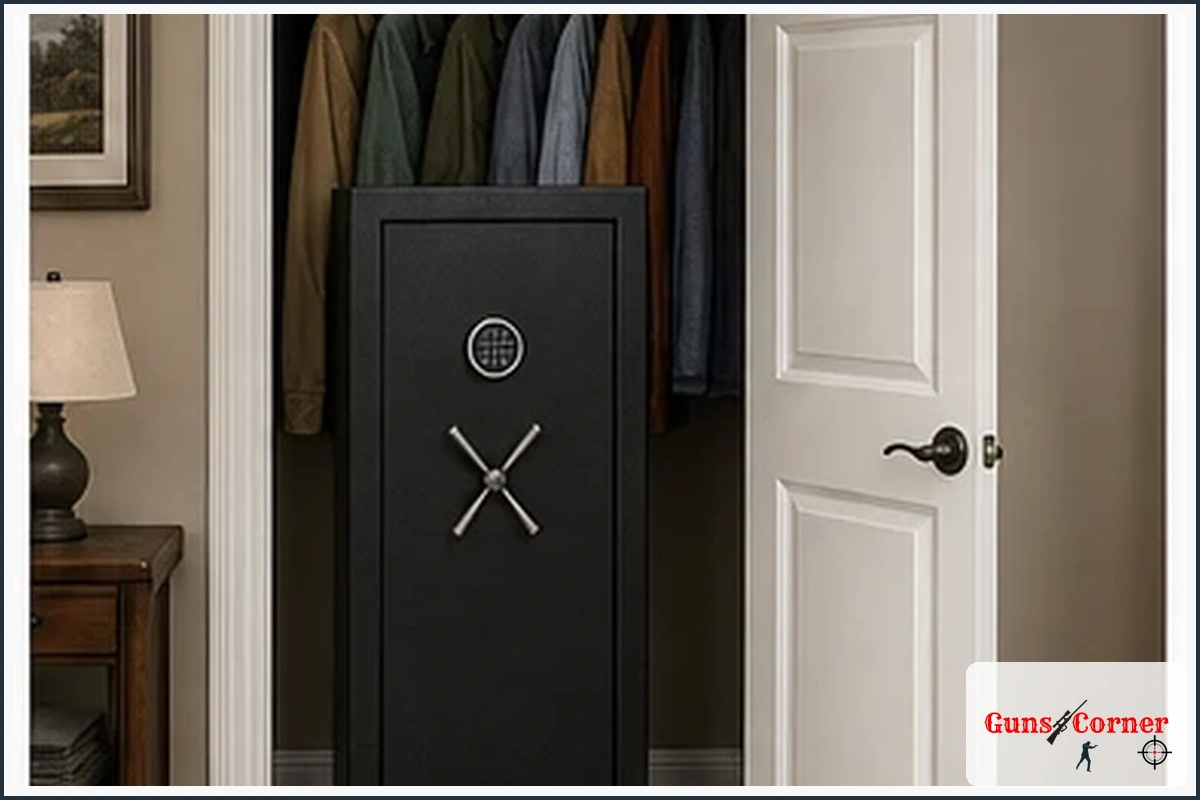
Put a gun safe in a discreet, dry, climate-stable location with adequate floor support, secure anchoring, and controlled access. An interior closet, bedroom, or home office is often practical; a basement may work if it is dry and structurally suitable, while garages and attics require additional caution.
Choose the location only after checking the manufacturer’s installation instructions, household access risks, local storage laws, and the safe’s weight. Safe placement is one part of responsible firearm ownership; secure locking, positive firearm identification, proper handling, and regular inspection matter just as much.
FAQs
1. Should a gun safe be upstairs or downstairs?
Either can work if the floor supports the safe and it can be moved and anchored safely. Upper floors may require structural evaluation, while downstairs areas may face moisture or flooding.
2. Is a bedroom closet a good place for a gun safe?
Often, yes. It can provide privacy and convenient authorized access, but confirm floor strength, anchoring, humidity control, and protection from children and visitors.
3. Is it safe to keep a gun safe in a garage?
It can be, but garages commonly have greater temperature changes, humidity, visibility, and vehicle-related hazards. Use a concealed, dry, anchored location and inspect it regularly.
4. Should a gun safe be bolted down?
Follow the manufacturer’s instructions. Anchoring can reduce tipping and removal risks, but use fasteners suitable for the actual floor or wall and avoid drilling into hidden utilities.
5. Can a gun safe go in a basement?
Yes, if the basement is dry, structurally sound, and protected from flooding. Avoid locations near leaks, sump systems, water heaters, or known groundwater intrusion.
6. Should ammunition be stored in the gun safe?
Storage depends on local law, the safe design, household circumstances, and manufacturer guidance. Keep ammunition locked away from unauthorized users and protected from heat, moisture, and damage.
7. Does hiding a gun safe make it secure?
No. Concealment can reduce visibility, but it should supplement—not replace—a reliable lock, secure access controls, proper anchoring, and compliance with storage laws.