
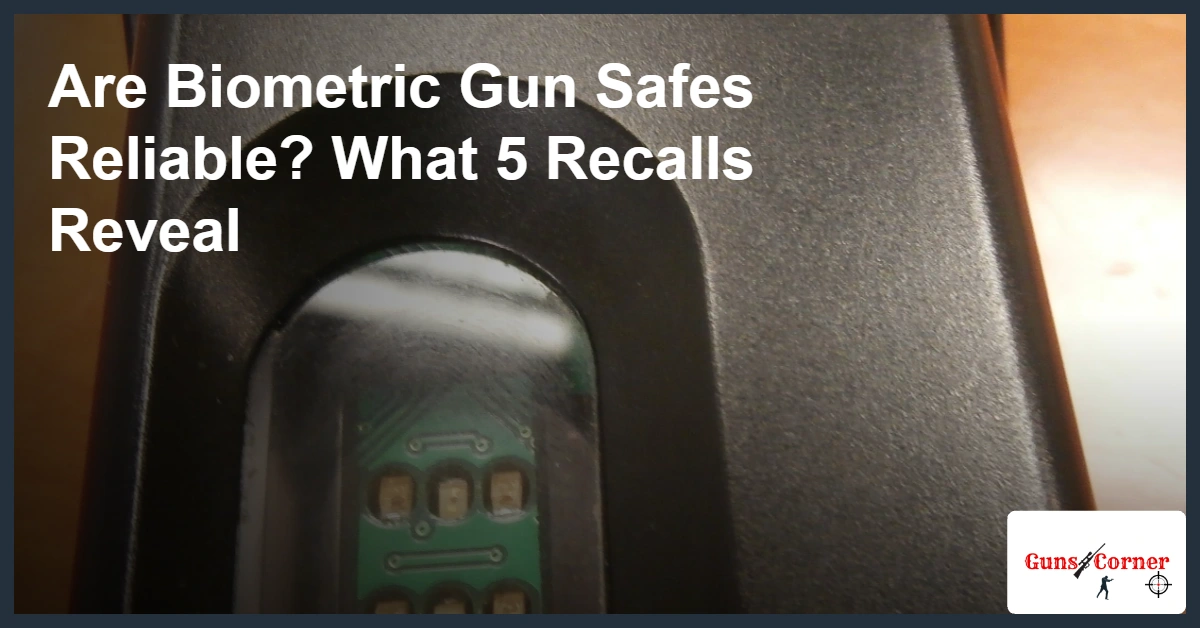

Are biometric gun safes reliable? Not consistently, and the record backs that up. Since late 2023, the U.S. Consumer Product Safety Commission has issued five separate recalls or warnings covering more than 500,000 biometric gun safes, all for the same core problem: the fingerprint scanner let someone other than the registered owner open the door.
That doesn’t mean every biometric safe is junk. It means a fingerprint panel on the front isn’t proof the safe is secure, and the brand behind the scanner matters more than the feature itself.
Are Biometric Gun Safes Reliable? The Short Answer
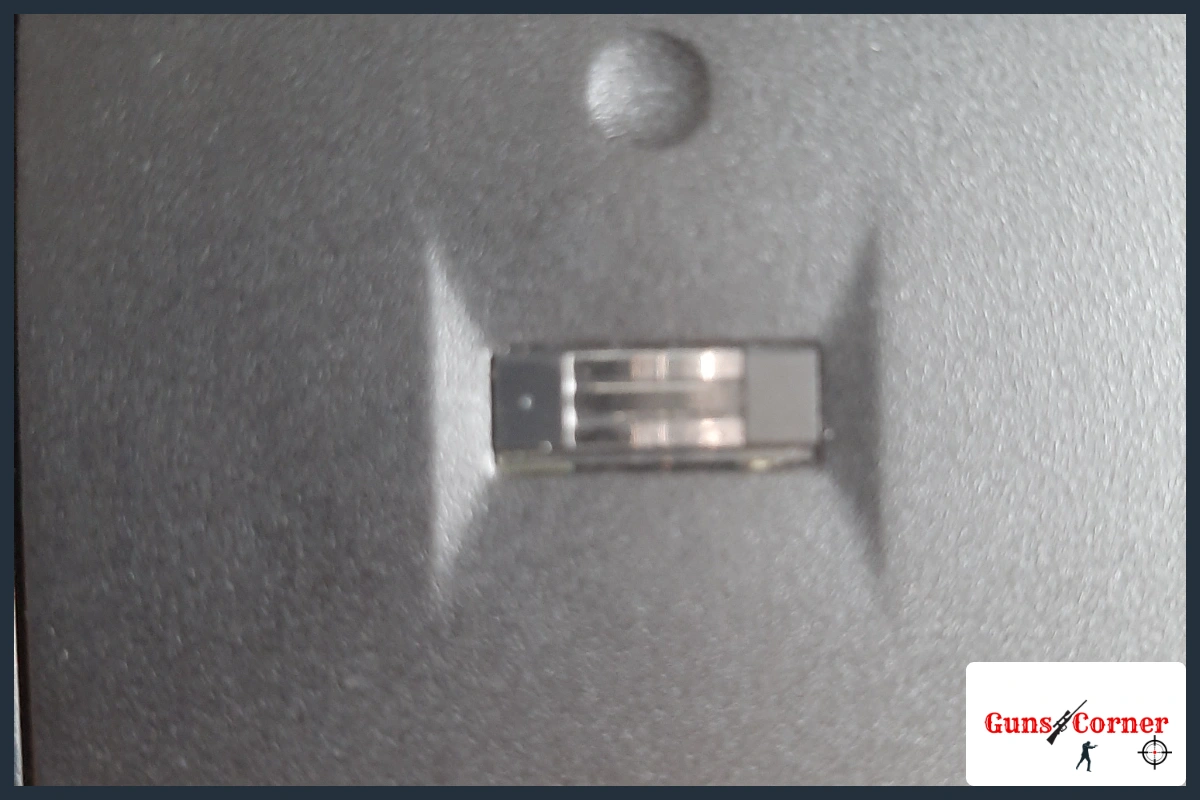
Reliability on a biometric gun safe comes down to three things: the quality of the scanner itself, how the lock behaves when the battery dies or the sensor misreads a print, and whether the manufacturer actually stands behind the hardware. Cheap scanners from brands with no track record have been the ones showing up in CPSC recalls, not every biometric safe on the market.
For most gun owners, a biometric lock from an established safe maker, paired with a backup key or combination override, is reasonable for quick access. Skip it if you want one access method you can bet your life on in a home-defense situation, or if you’re buying the cheapest biometric model you can find online.
How a Biometric Gun Safe Lock Actually Works
A biometric lock stores a digital map of your fingerprint’s ridges, not a photograph of the finger. When you enroll a print, the sensor records dozens of reference points. Every time you touch the pad, it compares the new scan against that stored map and looks for a close enough match.
“Close enough” is the catch. No two scans of the same finger are identical, so the software has to accept some variation. Set the threshold too strict and your own finger gets rejected. Set it too loose and a stranger’s finger can slip through.
Manufacturers tune that threshold, and cheaper units tend to tune it loose. Rejecting the legitimate owner generates more support complaints than letting in an unauthorized print, so low-cost lock makers lean toward the risk that’s cheaper for them to deal with.
Most electronic gun safe locks are also fail-secure by design, meaning a dead battery or electronics failure should leave the door locked, not swing it open. A mechanical key or combination override exists precisely so a battery failure doesn’t lock you out of your own firearms.
Why Fingerprint Scanners Fail in the Real World
Picture reaching for the safe at 2 a.m., thumb still damp from the shower, pressing the pad twice, and getting nothing. That’s a false reject, and it’s the mild version of the problem.
A few things wear a scanner down over time. Dirt, grease, and gun oil build up on the pad and scatter the reading. Dry skin, calluses, small cuts, and swelling from cold weather all change the ridge pattern the sensor sees. Cheaper optical sensors, which read a 2D image of the fingertip, are more sensitive to all of this than the capacitive sensors (the kind that read the electrical signal of the ridges, not just their shape) found in better-built locks.
Battery condition matters just as much. A lock running on weak batteries can misread prints, respond slowly, or in the worst documented cases, stop filtering prints correctly at all. That’s the mechanism behind several of the recalls below: a scanner that’s supposed to compare a new print against a stored one instead started accepting prints it had never seen.
- False reject: the registered owner’s real print gets turned down. An annoyance on a gun cabinet in the garage, a real problem on a bedside safe during a break-in.
- False accept: a print that was never enrolled gets let in anyway. This is the failure mode behind the CPSC actions covered next.
The CPSC Recall Pattern: What Actually Went Wrong
The U.S. Consumer Product Safety Commission has not treated this as a one-brand problem. Commissioner Richard Trumka’s office has issued a recall or public warning roughly every few months since October 2023, each time for a different manufacturer’s biometric gun safe failing the same basic job: keeping out anyone whose print wasn’t enrolled.
| Date | Brands or Models Affected | Units | What CPSC Reported |
|---|---|---|---|
| October 2023 | Biometric gun safes sold by Cabela’s, Bass Pro Shops, and Lowe’s | About 61,000 | First recall wave; CPSC’s statement followed the death of a 12-year-old boy |
| February 2024 | Models from four additional manufacturers | Over 120,000 | Biometric scanners let in fingerprints that were never programmed into the safe |
| June 2024 | Sports Afield and Sanctuary biometric gun safes | About 133,000 | Same unauthorized-opening defect; recall widened |
| August 2024 | Owsoo and Cacagoo biometric gun safes | About 7,600 | CPSC unilateral warning (manufacturer did not agree to a formal recall) |
| February 2025 | 18 Stack-On biometric safe models | About 183,000 | CPSC warning after Stack-On declined to conduct what the Commission considered an acceptable recall; one child severely injured |
Add those five actions together and more than half a million biometric gun safes have been flagged for the exact same failure: letting someone other than the registered owner open the door with their own, unenrolled fingerprint. That’s not a fluke affecting one cheap import. It’s a pattern that has reached well-known retail brands.
The Commission’s advice in the most recent warning is blunt. If you’re not sure whether your safe is covered, remove the batteries and physically disable the biometric reader until you can confirm with the manufacturer. CPSC specifically suggests puncturing the reader with a screwdriver or chisel, and notes the safe still works with its key or combination afterward.
False Reject vs. False Accept: Which Risk Matters More for a Gun Safe
Both failure modes are bad, but they’re not equally dangerous. A false reject costs you time: you fumble with a backup key while your heart rate climbs. A false accept costs you control over who can reach a loaded firearm, which is the scenario behind every recall in the table above.
If you have to pick which risk to tolerate, tolerate the false reject. A safe that occasionally makes you use the backup key is an inconvenience. A safe that opens for a child’s finger, or anyone else’s, defeats the entire reason you bought it.
Biometric vs. Keypad vs. Key Lock: Which Should You Trust More
| Lock Type | Access Speed | Needs Power | Typical Failure Mode | Resists a Curious Kid |
|---|---|---|---|---|
| Biometric (fingerprint) | Fastest when it works | Yes, battery-dependent | False reject or, rarely, false accept | Good, unless the unit has a known defect |
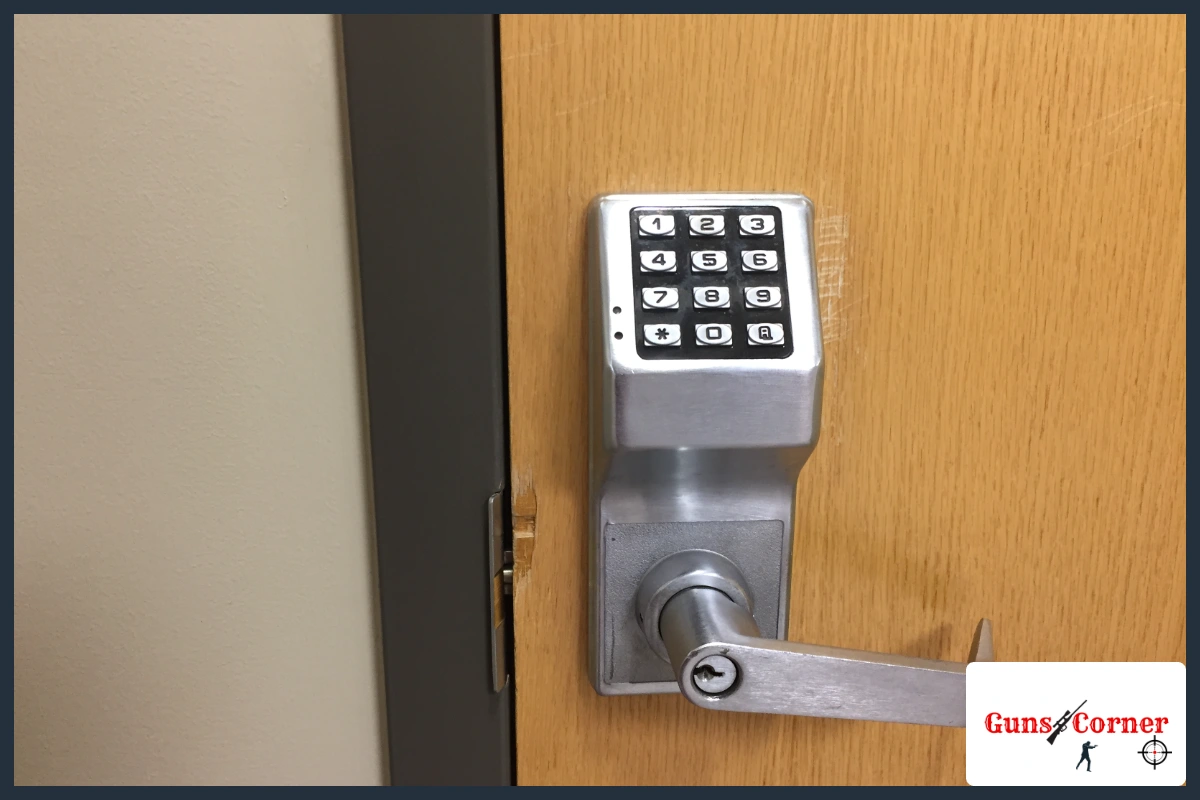
| Electronic keypad | Fast | Yes, battery-dependent | Dead battery, worn buttons, forgotten code | Good, if the code isn’t shared or watched |
| Mechanical key or dial | Slowest | No | Lost key, forgotten combination | Depends entirely on where the key is stored |
For most home-defense setups, we’d pair a biometric or keypad lock for everyday speed with a mechanical key or combination as the backup that never depends on a battery. Skip a biometric-only safe with no mechanical override. If the electronics fail and there’s no backup, a locksmith or a grinder is your next option, and neither is fast.
Does a UL Security Rating Mean the Biometric Lock Is Reliable?
Not the way most buyers assume. A UL RSC rating (Underwriters Laboratories’ basic burglary rating, meaning the safe resisted a 5-minute attack with hand tools) tests how hard it is to pry, drill, or cut the safe open. It says nothing about how often the fingerprint scanner misreads a print.
A safe can carry a solid UL rating for its steel and hinges while running a cheap, unreliable biometric module bolted onto the door. The rating and the lock electronics come from different parts of the build, and a listing that only advertises “UL-rated” without naming the specific certification is worth a closer look before you buy.
Treat a security rating and a lock’s track record as two separate questions. Ask about both before you hand over a card number, not just the one the listing happens to highlight.
How to Check if Your Safe Is Part of a Recall or Warning
- Find the model number, usually stamped on a plate inside the door or on the back panel.
- Search the model number along with your brand name and the word “recall” directly with your preferred search engine.
- Check the CPSC’s own recall database for your brand and model, since new biometric safe actions have been added roughly every few months since 2023.
- Register the safe with the manufacturer if you haven’t, so you’d be notified directly of any future action.
- If you can’t confirm one way or the other, follow the CPSC’s own guidance: pull the batteries and disable the biometric reader until you know for certain.
Getting More Reliable Performance Out of a Biometric Safe You Already Own
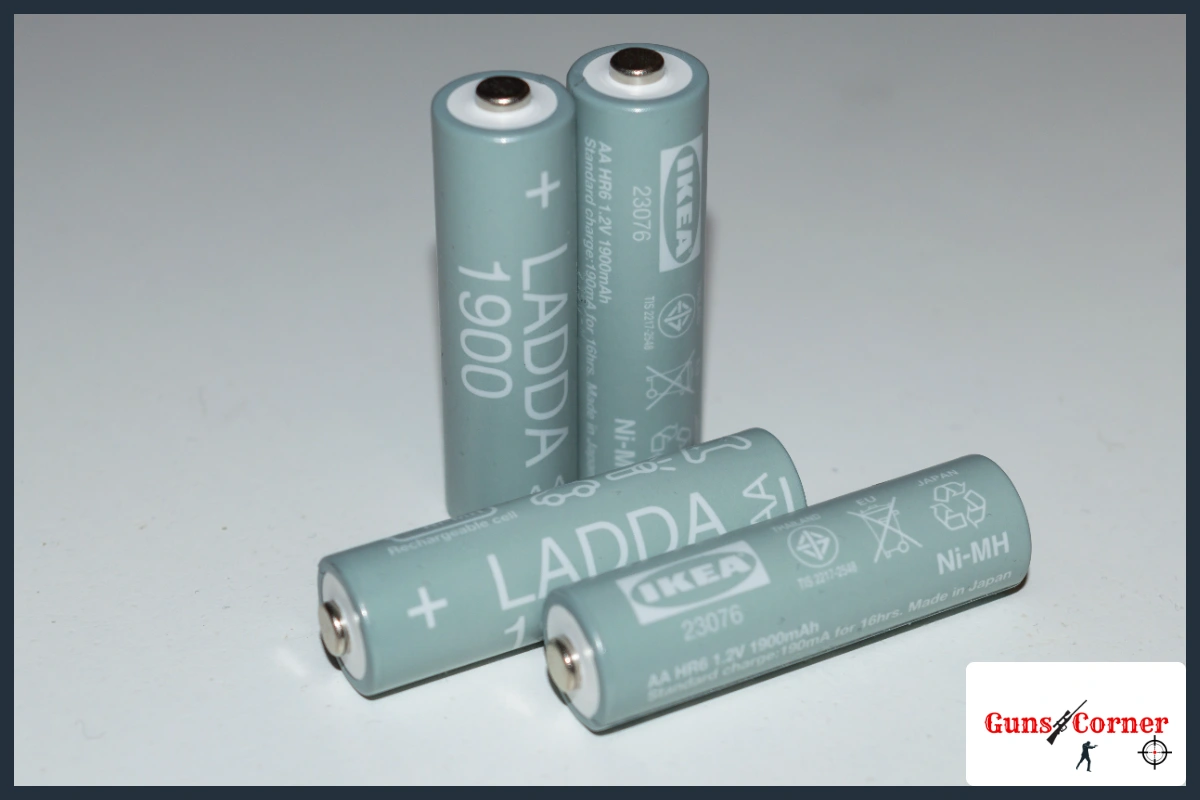
- Replace batteries on a schedule, not just when the low-battery warning sounds. Mark it on a calendar twice a year.
- Keep the mechanical key or backup code somewhere you can actually find it at 2 a.m., separate from the safe itself.
- Re-enroll your fingerprints every year or so, especially if you’ve had a cut, callus, or notice more false rejects than usual.
- Wipe the scanner pad with a dry microfiber cloth. Gun oil and dust on your fingers end up on the sensor.
- Test the lock monthly with a dry run, not just when you need the gun. A scanner that’s failing shows up early as slow reads or repeated rejects.
Common Mistakes That Make a Biometric Safe Less Secure
A safe is only as reliable as the habits around it. The most common mistake isn’t picking the wrong lock type. It’s treating the biometric scanner as the only line of defense instead of one layer of it.
- Never checking whether the exact model has an open recall or warning.
- Letting batteries run down until the safe fails at the worst possible moment.
- Taping a spare key to the back of the safe where anyone searching the closet would find it.
- Buying the cheapest biometric model available with no track record, no published UL rating, and no company phone number that actually gets answered.
- Skipping fingerprint re-enrollment after an injury, then assuming the lock itself is broken.
So, Should You Trust a Biometric Lock on Your Gun Safe?
Trust the safe, not the marketing on the box. A biometric lock from a manufacturer with a clean recall history, backed by a mechanical override you keep accessible, is a reasonable choice for quick access to a home-defense firearm. A no-name biometric safe with no backup and no way to verify its recall status is a bet you don’t need to make.
Start today by pulling up your own safe’s model number and checking it against the brands in the table above. If it’s not listed, register the product with the manufacturer anyway, so you’re not the last to know if that changes.
FAQ About Biometric Gun Safe Reliability
Are biometric gun safes safe enough for home defense?
Yes, for most buyers, as long as the model has a clean recall history and a working mechanical backup. Don’t rely on the fingerprint scanner as your only way into the safe during an emergency.
Can a biometric gun safe be fooled by someone else’s fingerprint?
It shouldn’t be, but the CPSC recalls above show it has happened with specific models. A properly functioning scanner only opens for prints you’ve enrolled. A defective one can open for prints it was never shown.
Do biometric gun safes still work if the batteries die?
The biometric reader won’t, but a quality safe includes a mechanical key or dial override that works with no power at all. If a model has no mechanical backup, that’s a reason to look elsewhere.
How many fingerprints can a biometric gun safe store?
It varies by model, typically somewhere between 10 and 100 enrolled prints on consumer units. Check your specific owner’s manual rather than assuming, since capacity differs by brand and lock generation.
Is an electronic keypad more reliable than a fingerprint scanner?
Keypads avoid the false-accept problem tied to worn or defective scanners, but they bring their own risk: a shared or observed code. Either option needs a non-electronic backup.
What should I do if my gun safe’s brand is on a recall list?
Follow the manufacturer’s posted remedy first. If none is available or the fix feels inadequate, the CPSC’s own advice is to remove the batteries and physically disable the biometric reader until the safe only responds to its key or combination.
Do fingerprint locks get less accurate as they age?
Sensor performance can drift with wear, dust buildup, and software that was never updated after purchase. Routine cleaning and periodic re-enrollment catch most of this before it becomes a lockout problem.
Does paying more for a biometric safe guarantee it’s more reliable?
Not automatically, but it correlates. Recalled models have mostly come from budget-tier manufacturers with limited track records, while established safe makers with published security certifications have not shown up in the CPSC actions above.