
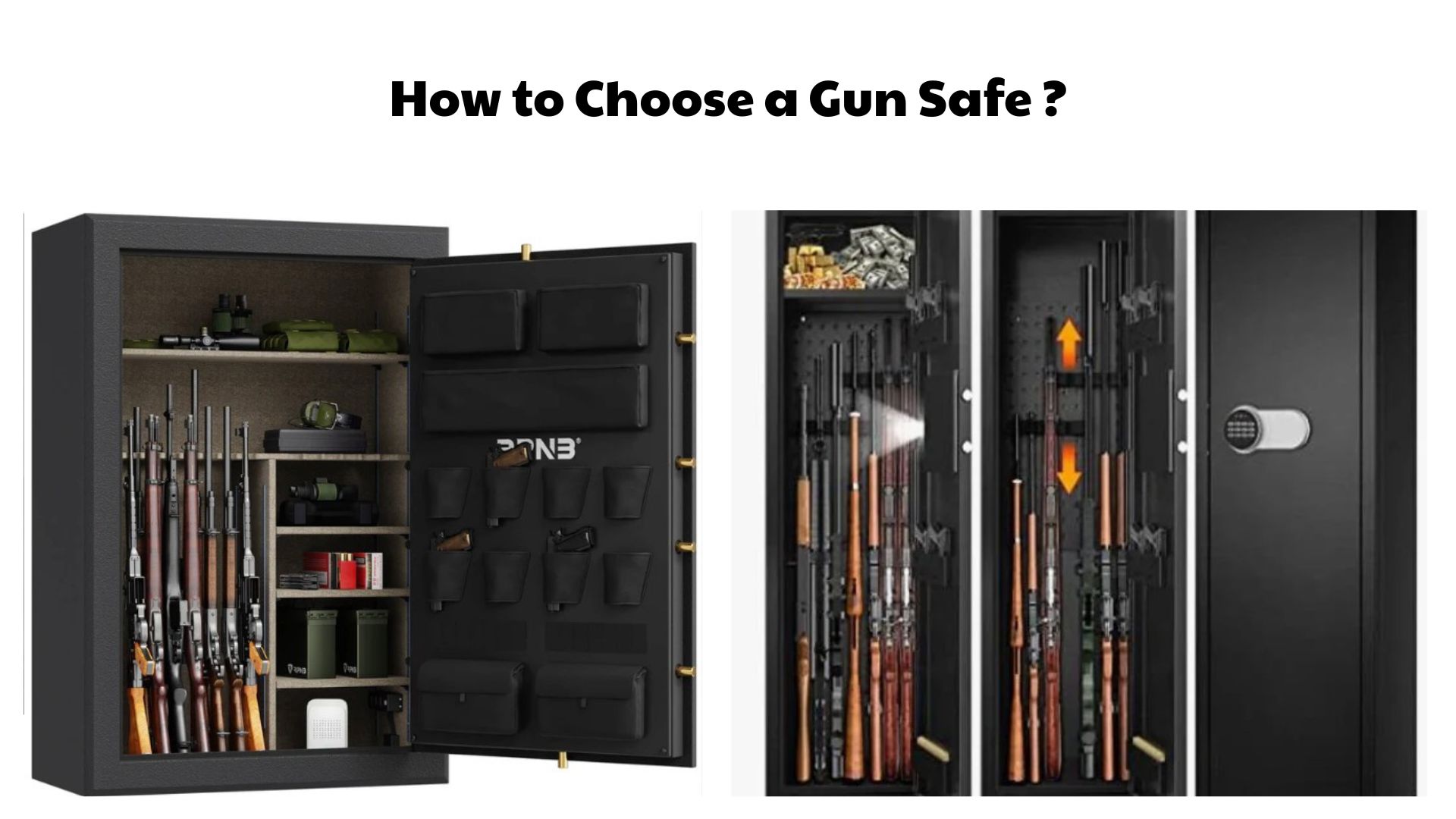

Choosing the right gun safe is not just a purchase decision—it is a long-term responsibility tied to safety, security, and peace of mind. Whether you own a single handgun or a growing firearm collection, proper storage plays a critical role in preventing accidents, theft, and unauthorized access. In modern homes, firearms must be secured in a way that protects both the owner and everyone in the household. This is where understanding How to Choose a Gun Safe becomes essential for any responsible gun owner.
A gun safe is more than a metal box. It is a protective system designed to keep firearms out of the wrong hands while also shielding them from fire, humidity, and physical damage. With rising concerns about home security and increasing awareness of firearm safety, gun safes have become a standard requirement rather than an optional accessory. Many homeowners now consider them as important as smoke detectors or alarm systems.
One of the most important reasons for owning a gun safe is preventing unauthorized access. Accidental firearm injuries often happen when guns are left unsecured in homes with children, guests, or untrained individuals. A properly secured safe ensures that only authorized users can access the firearms, significantly reducing the risk of tragic accidents. At the same time, it acts as a strong barrier against theft, which is especially important in areas where break-ins or property crimes are a concern.
Legal compliance is another major factor that cannot be ignored. In many countries and regions, firearm storage laws require gun owners to keep weapons locked in certified safes or locking devices. These regulations are designed to promote public safety and reduce gun-related incidents. Failing to comply can result in penalties or legal consequences, depending on local laws. Even in places where regulations are less strict, responsible storage is still strongly encouraged by law enforcement and firearm organizations.
Beyond safety and legality, a gun safe also helps preserve the condition of firearms. Exposure to humidity, dust, and temperature fluctuations can damage metal components over time. A quality safe often includes protective features such as moisture control and fire resistance, helping maintain the value and functionality of your collection. For collectors or hunters who invest significantly in their firearms, this added protection is a practical necessity.
This guide is designed to walk you through every essential factor involved in selecting the right gun safe. We will cover important topics such as size selection, fire protection ratings, security features, lock types, and installation considerations. Each section will help you understand what truly matters when comparing different models, so you can make a confident and informed decision.
By the end of this guide, you will have a clear understanding of how to evaluate gun safes based on your personal needs, whether for home defense, collection storage, or long-term security. The goal is simple: to help you choose a safe that not only protects your firearms but also enhances the overall safety of your home.
2. Understanding Gun Safes: Types and Purposes
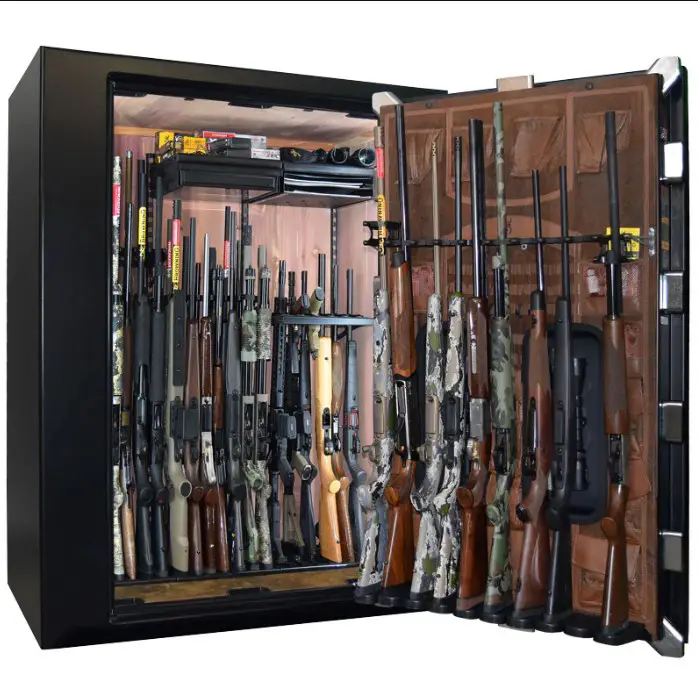
Before learning How to Choose a Gun Safe, it is important to understand that not all safes are built the same. Many buyers make the mistake of assuming any heavy steel box will do the job, but gun safes are specifically engineered for firearm storage. They are designed with unique internal layouts, security mechanisms, and protection features that standard safes cannot fully provide. Understanding these differences helps you avoid costly mistakes and choose a safe that truly matches your needs.
2.1 Gun Safe vs Other Safe Types
The first distinction to understand is the difference between gun safes, fire safes, and burglary safes. While they may look similar on the surface, each type serves a different primary purpose.
A fire safe is designed mainly to protect documents, cash, or valuables from high temperatures during a fire. These safes prioritize insulation materials and heat resistance. However, they are not always built with strong locking bolts or reinforced steel structures needed to stop forced entry. This means they may perform well in fire scenarios but fall short in theft prevention.
A burglary safe, on the other hand, focuses heavily on resisting break-ins. It uses thick steel walls, advanced locking systems, and reinforced doors. While strong against theft attempts, it may not always offer extended fire protection or internal organization suitable for firearms.
A gun safe combines both principles but is further specialized for firearms storage. It includes interior gun racks, barrel rests, and adjustable shelving designed to hold rifles and handguns securely without causing damage. Many gun safes also include moisture control features to prevent rust, which is essential for firearm maintenance. This combination of organization, security, and protection makes gun safes the most practical choice for gun owners.
2.2 Main Types of Gun Safes
Gun safes come in several types, each designed for different ownership styles and storage needs. Choosing the right category is a key step in learning How to Choose a Gun Safe effectively.
Small handgun safes (quick access safes) are compact units designed for rapid entry. These safes are commonly used for bedside or vehicle storage, allowing gun owners to access a handgun quickly in emergency situations. They often feature biometric scanners, keypad locks, or mechanical push-button systems. While they are fast and convenient, they are not intended for storing multiple firearms.
Full-size rifle safes are the most common choice for serious gun owners. These safes are tall, heavy, and designed to store multiple long guns along with handguns, ammunition, and accessories. They often include internal shelving systems and reinforced doors for maximum security. This type is ideal for homeowners who want a central, secure storage location for their entire firearm collection.
Modular or expandable safes are designed for flexibility. As firearm collections grow, these safes can be adjusted or expanded with additional shelving or compartments. This makes them a smart long-term investment for users who plan to add more firearms over time. Instead of replacing the entire safe, users can modify the interior layout.
Hidden or compact safes focus on discreet storage. These safes are often designed to blend into furniture, walls, or closets. They provide a layer of concealment in addition to security, making them useful in homes where visibility of firearms must be minimized. While they may not offer the same capacity as full-size safes, they are valuable for strategic placement and low-profile protection.
2.3 Purpose-Based Selection
Selecting a gun safe should always start with its intended purpose. Different users have different priorities, and the “best” safe depends entirely on how it will be used.
For home defense use, speed of access is the top priority. A safe with quick-open mechanisms such as biometric or keypad locks is ideal. These safes are typically placed in bedrooms or strategic areas of the home for emergency readiness. However, they must still meet a basic security standard to prevent unauthorized access.
For long-term collection storage, capacity and protection matter more than speed. Owners who store rifles, shotguns, and multiple handguns should focus on large-capacity safes with adjustable interiors and strong fire resistance. Humidity control becomes important in this scenario to maintain firearm condition over time.
For tactical or high-value firearm protection, security is the primary concern. These users often invest in high-grade steel safes with advanced locking systems, reinforced door structures, and anti-pry protection. In many cases, these safes also include alarm integration or smart monitoring features for added security.
Understanding these categories ensures that your decision is not based on appearance or price alone. Instead, it becomes a structured choice based on actual usage needs. This is a critical foundation when learning How to Choose a Gun Safe that provides both practical function and long-term reliability.
3. Choosing the Right Size Gun Safe
When learning How to Choose a Gun Safe, size is one of the most misunderstood factors. Many buyers focus on price, brand, or locking systems, but overlook how quickly space becomes a limitation. A safe that looks “big enough” in the showroom often feels cramped after just a few months of real use. This happens because manufacturers typically rate capacity under ideal conditions, not real-world firearm setups. Understanding how size truly works will help you avoid frustration and unnecessary upgrades later.
3.1 Why Size Matters More Than You Think
Gun safe capacity ratings can be misleading. When a manufacturer states that a safe holds 12, 24, or even 36 guns, it usually refers to slim, unmodified rifles placed side by side without optics, scopes, or attachments. In reality, most modern firearms include additional components such as scopes, bipods, extended magazines, and tactical accessories. These additions significantly increase the space each firearm requires.
As a result, a safe advertised for 24 guns may realistically hold closer to 12–16 firearms in a practical setup. This discrepancy is one of the most common surprises for first-time buyers. It is not necessarily intentional deception, but rather a standardized measurement that does not reflect everyday usage.
Another factor that reduces usable space is interior organization. Gun safes include racks, shelving systems, and protective padding that occupy internal volume. While these features are essential for protecting firearms from scratches and damage, they also reduce available storage capacity. This makes it even more important to think beyond advertised numbers and focus on real usability.
3.2 Future-Proofing Your Collection
One of the most practical rules in How to Choose a Gun Safe is simple: always buy larger than you think you need. Many gun owners start with a small collection, only to expand over time as they add rifles, handguns, or specialty firearms. If the safe is too small, upgrading later becomes expensive and inconvenient.
Future-proofing your purchase means planning for growth. Even if you currently own just a few firearms, it is reasonable to expect your collection to increase over the next several years. This is especially true for hunting enthusiasts, sport shooters, or collectors who tend to accumulate different firearm types over time.
A good rule of thumb is to choose a safe that offers at least 30–50% more capacity than your current needs. This extra space is not wasted—it provides flexibility for accessories, ammunition storage, and improved organization. It also helps prevent overcrowding, which can lead to scratches or difficulty accessing firearms quickly.
Another advantage of buying larger early is long-term cost efficiency. Upgrading to a bigger safe later often means paying for a second unit, arranging heavy transport, and reinstalling anchoring systems. In contrast, investing in a properly sized safe from the beginning avoids these repeated expenses.
3.3 Interior Layout Considerations
Size is not just about external dimensions—it is also about how the interior is designed. A well-organized safe can often store more usable firearms than a poorly designed larger model. This is why interior layout plays a critical role in choosing the right safe.
Adjustable shelving and modular racks are essential features for flexibility. These systems allow you to reconfigure the interior as your collection changes. For example, you might start with more vertical rifle storage, then later convert sections into shelving for pistols or accessories. This adaptability makes the safe more useful over time.
Another important consideration is dedicated space for ammunition, documents, and accessories. Many gun owners store cleaning kits, magazines, optics, and important paperwork inside the same safe. Without proper shelving or compartments, these items can quickly clutter the space and reduce accessibility.
Interior layout also affects how efficiently space is used in vertical versus horizontal orientation. Vertical storage is ideal for rifles and shotguns, maximizing height usage. However, horizontal shelving may be more efficient for handguns and accessories. The best gun safes combine both approaches, offering hybrid layouts that balance accessibility with capacity.
3.4 Installation Space Requirements
Even the perfect gun safe becomes useless if it cannot be properly installed. Many buyers underestimate the physical challenges of delivery and placement. Gun safes are extremely heavy, often weighing several hundred kilograms, which means planning ahead is essential.
Door clearance and delivery access are the first things to check. Before purchasing, measure all entry points including doors, hallways, and staircases. A safe may fit in your intended location, but still be impossible to move inside the building. Tight corners, narrow corridors, or low ceilings can create unexpected obstacles during installation.
Weight considerations are equally important. Floors must be able to support the load of the safe, especially in upper levels of a house or apartment. Concrete floors are generally safe, while wooden structures may require reinforcement. Proper anchoring is also recommended to prevent tipping or forced removal.
Choosing the right placement location is another key decision. A basement often provides strong structural support and natural concealment, making it a popular choice. However, humidity levels can be higher, requiring additional moisture control systems inside the safe.
A garage offers easy access and space flexibility, but it is also more exposed to temperature changes and potential break-in risks. If used, the safe should be securely anchored and ideally hidden from direct view.
A closet or interior room is often the most balanced option. It provides controlled temperature, better concealment, and easier access. However, space limitations may restrict the size of safe you can install.
Ultimately, selecting the right size is not just about storage—it is about usability, safety, and long-term convenience. A well-sized gun safe ensures that your firearms are not only protected but also easily accessible when needed. This makes it a foundational step in mastering How to Choose a Gun Safe that truly fits your lifestyle.
4. Fire Protection Ratings Explained
When understanding How to Choose a Gun Safe, fire protection is one of the most critical yet misunderstood features. Many buyers assume all gun safes provide equal fire resistance, but in reality, fire ratings vary significantly in both testing methods and real-world performance. A properly rated safe can protect firearms, documents, and valuables during a house fire, while a poorly rated one may only offer minimal resistance. Knowing how fire ratings work helps you make a safer and more informed decision.
4.1 What Fire Ratings Mean
Fire ratings describe how long a gun safe can protect its contents under extreme heat conditions before internal temperatures reach a critical threshold. One of the most commonly referenced benchmarks is the internal safety limit of around 350°F (177°C). At this temperature, paper documents may begin to burn or char, and certain materials inside firearms or accessories may become damaged.
Fire ratings also include duration ratings, which indicate how long the safe can maintain safe internal temperatures during a fire. Common ratings include 30 minutes, 60 minutes, 90 minutes, or even longer. These numbers are based on standardized fire testing procedures where safes are exposed to high temperatures in controlled environments.
However, it is important to understand that fire ratings are not absolute guarantees. They are based on laboratory conditions and may not fully replicate the unpredictable nature of real house fires, which can vary in intensity, duration, and heat distribution.
4.2 Real-World Fire Safety Expectations
In real-world scenarios, house fires often burn intensely for 20 to 60 minutes before firefighters gain control, depending on response time and building materials. This means a safe with a 30–60 minute fire rating may be sufficient in many residential situations, but it is still essential to consider additional safety margins.
Another important factor is how heat actually penetrates a safe. Fire protection is not only about steel thickness but also about internal insulation. High-quality safes use fireboard insulation inside the walls, ceiling, and door to slow heat transfer. This material expands under heat, creating a barrier that helps maintain internal temperature stability.
Equally important are door seals, often made from heat-activated materials. During a fire, these seals expand and block smoke, heat, and water from entering the safe. Without proper sealing, even a thick steel safe can fail to protect sensitive contents from heat damage.
Understanding these components is essential when evaluating fire protection in the context of How to Choose a Gun Safe. Fire resistance is not just about numbers—it is about engineering quality and material performance under extreme conditions.
4.3 Certification Standards
Fire ratings are often associated with certification standards, but not all safes are tested equally. The two most commonly referenced organizations are UL (Underwriters Laboratories) and ETL. Both are independent testing bodies that evaluate product safety and performance.
A UL-certified safe typically undergoes more rigorous and widely recognized testing procedures. These tests involve exposing the safe to extremely high temperatures, followed by impact testing to simulate building collapse scenarios. UL certification is generally considered the gold standard in fire and burglary testing.
ETL certification also follows strict testing protocols but may vary slightly in methodology. While still reliable, ETL ratings are sometimes less detailed in consumer perception compared to UL.
It is also important to note that many gun safes in the market advertise manufacturer-declared fire ratings without third-party certification. These ratings may still be based on internal testing, but they are not independently verified. As a result, they should be evaluated with more caution.
When comparing safes, certified ratings provide a higher level of trust, especially for users prioritizing long-term protection of valuable firearms and documents.
4.4 Choosing the Right Fire Rating
Selecting the correct fire rating depends on your environment, risk level, and personal storage needs. For most homeowners, a minimum recommendation of 30 to 60 minutes of fire protection is considered a practical baseline. This range offers a balance between cost, protection, and availability across most gun safe models.
However, higher ratings such as 90 minutes or more may be preferred for users storing high-value collections, irreplaceable documents, or living in areas with slower emergency response times.
Rural vs urban considerations also play a role. In urban areas, fire departments typically respond faster, which may reduce the required fire resistance duration. In rural locations, longer response times can increase the importance of extended fire protection ratings.
Ultimately, fire rating selection should be based on realistic risk assessment rather than marketing claims. A well-balanced approach ensures your firearms remain protected even under extreme conditions, making fire resistance a crucial pillar in understanding How to Choose a Gun Safe.
5. Burglary Resistance & Security Features
While fire protection is essential, burglary resistance is equally important when selecting a gun safe. A safe that performs well in fire scenarios but fails under forced entry attempts does not provide complete protection. Security features determine how well a safe can withstand physical attacks, tools, and break-in attempts. This section explains the key structural and mechanical elements that define a truly secure gun safe.
5.1 Steel Thickness and Gauge
One of the most important indicators of a safe’s strength is its steel thickness, often measured in gauge. In general, lower gauge numbers indicate thicker and stronger steel. For gun safes, a common recommendation is 10 to 12 gauge steel, which provides a solid balance between strength and affordability.
Thicker steel significantly improves resistance against tools such as crowbars, hammers, and drilling equipment. It also makes it more difficult for intruders to bend or penetrate the safe walls. However, it is important to understand that steel thickness alone does not guarantee full security—it must work in combination with door design and locking systems.
Heavier steel also contributes to overall weight, which indirectly improves security by making the safe harder to move or steal. In many break-in scenarios, attackers prefer to remove lightweight safes rather than spend time trying to open them on-site.
5.2 Door Construction Quality
The door is often the weakest point of any safe, which makes its construction extremely important. A solid steel door provides higher resistance compared to layered composite designs that mix materials for cost reduction.
One critical factor is the door gap. A smaller gap between the door and frame reduces the ability to insert prying tools. High-quality safes feature precision engineering to minimize this gap while still allowing smooth operation.
Pry resistance is another key consideration. Reinforced edges, internal flanges, and overlapping door designs help prevent forced entry attempts using leverage tools.
Some advanced safes include recessed doors, where the door sits deeper inside the frame. This design adds an extra layer of protection by making it harder for tools to gain leverage against the door edges.
5.3 Locking Mechanisms
Locking systems play a major role in both convenience and security. Each type has its advantages depending on user preference and usage scenario.
Mechanical combination locks are known for their reliability. They do not require batteries or electronic components, making them highly durable over long periods. However, they may be slower to open in emergency situations.
Electronic keypad locks offer faster access and ease of use. Users can enter a code quickly, which is especially useful in home defense scenarios. The main drawback is dependency on battery power, which requires periodic maintenance.
Biometric fingerprint locks provide the fastest access among modern systems. They allow near-instant opening using registered fingerprints. However, they can be affected by sensor errors, environmental conditions, or battery issues, making backup access methods essential.
5.4 Bolt Work and Locking Bars
Inside the safe, the locking system relies on bolt work mechanisms that secure the door into the frame. High-quality safes use multi-directional locking bolts that engage from several sides, including the top, bottom, and sides of the door. This design distributes force evenly and increases resistance against prying or kicking attempts.
Anti-pry reinforcement systems are often built into the door frame to further reduce vulnerability. These reinforcements make it difficult for tools to gain leverage, even under repeated force.
Another important feature is the relocking device. This mechanism activates automatically during a break-in attempt, especially if the lock is tampered with or forcibly damaged. Once triggered, it locks the bolts in place, making it significantly harder for intruders to open the safe even after defeating the primary lock.
Together, these security elements form a layered defense system. When evaluating How to Choose a Gun Safe, understanding burglary resistance is just as important as fire protection. A truly reliable safe must balance both, ensuring firearms remain protected under all realistic threat conditions.
6. Fire vs Theft Protection Trade-Off
When learning How to Choose a Gun Safe, one of the most important realities to understand is that fire protection and burglary resistance often work against each other. Improving one feature can sometimes reduce the effectiveness of the other. This is why no gun safe is perfectly “all-in-one” in the highest possible sense. Instead, every design represents a balance between two critical priorities: surviving a house fire and resisting forced entry.
Fire Protection Materials vs Burglary Resistance Materials
Fire protection in gun safes relies heavily on insulation materials such as fireboard, gypsum layers, and heat-expanding seals. These materials are designed to slow down heat transfer and maintain a safe internal temperature during a fire. However, they are not necessarily strong against physical attacks.
On the other hand, burglary resistance depends on thick steel, reinforced framing, and solid locking mechanisms. These features are excellent for resisting tools like crowbars, drills, and cutting equipment, but they do not provide the same level of thermal insulation needed for fire protection.
The challenge is that adding more fireproof material often increases bulk without significantly improving structural strength. Likewise, adding more steel improves security but increases heat conductivity, which can reduce fire resistance efficiency. This creates a natural engineering trade-off in safe design.
Why Balancing Both Is Challenging
Manufacturers must constantly balance weight, cost, usability, and performance. A safe that is extremely fire-resistant may require thick insulation layers that take up interior space and add weight. Meanwhile, a highly secure anti-theft safe may prioritize steel thickness, which can reduce internal fire protection efficiency unless carefully engineered.
Another challenge is market demand. Many consumers want a safe that is both affordable and highly rated in every category. In reality, achieving top-level fire resistance and top-level burglary resistance in the same product significantly increases cost and weight. This is why most safes are designed as compromises rather than extreme specialists.
Hybrid Safes vs Specialized Safes
There are generally two categories of gun safes in the market: hybrid safes and specialized safes.
Hybrid safes attempt to provide balanced protection against both fire and theft. These are the most common type for home users. They typically include moderate steel thickness, fireboard insulation, and standard locking systems. Hybrid safes are practical for everyday gun owners who need general protection without focusing on a single extreme threat.
Specialized safes, however, are designed to excel in one area. A fire-focused safe may prioritize insulation and heat resistance, making it ideal for document and low-risk firearm storage. A burglary-focused safe may use thicker steel, heavier doors, and advanced locking systems, making it better suited for high-risk environments or valuable collections.
Choosing between these options depends on your priorities. If you live in an area with higher fire risk, fire protection may take priority. If theft risk is a bigger concern, then stronger structural security becomes more important.
Choosing Based on Primary Risk (Fire or Theft)
A practical way to approach How to Choose a Gun Safe is to identify your primary risk. Most homeowners face both risks, but usually one is more likely than the other depending on location, housing type, and lifestyle.
If your home is in an area with older electrical systems, dense housing, or higher fire incidence, prioritizing fire protection makes sense. In this case, focus on higher fire ratings, certified insulation, and heat-resistant seals.
If you live in a high-crime area or frequently store valuable firearms, theft resistance becomes more important. In this case, prioritize thicker steel, stronger locking mechanisms, and reinforced door construction.
The key takeaway is that no gun safe can maximize both fire and theft protection at the absolute highest level simultaneously. Understanding your main risk allows you to choose a safe that is optimized for your real-world situation rather than a theoretical ideal.
7. Safe Construction Quality
Beyond fire and theft ratings, the overall construction quality of a gun safe plays a major role in long-term performance. Even if a safe looks strong on paper, poor construction can create weak points that reduce its effectiveness over time. This section focuses on structural integrity, durability, and internal build quality—three essential factors when evaluating How to Choose a Gun Safe.
7.1 Steel Frame and Weld Quality
The steel frame is the backbone of any gun safe. It determines how well the safe holds its shape under pressure, impact, or forced entry attempts. One of the most important indicators of quality is the welding method used in construction.
Continuous weld construction involves welding along the entire seam of the steel panels. This creates a stronger, more unified structure that resists bending and separation under stress. Continuous welds are commonly found in higher-quality safes designed for long-term durability.
In contrast, spot weld construction uses intermittent welding points to join panels. While this method is more cost-effective, it can create weak points along the seams. Over time or under extreme force, these areas may be more vulnerable to failure compared to continuously welded designs.
Cheap safes often rely on thinner steel combined with minimal welding, which can result in structural weak points around corners, door frames, or hinge areas. These weaknesses may not be visible at first glance but become critical during forced entry attempts or long-term use.
7.2 Weight as a Security Indicator
Weight is often an overlooked but useful indicator of safe quality. In general, heavier safes are more secure because they are harder to move, tip, or remove from a property. A heavy safe also suggests the use of thicker steel and denser internal materials.
While weight alone does not guarantee security, it often correlates with stronger construction. Lightweight safes may be easier to install, but they are also easier for burglars to carry away entirely, which bypasses all locking mechanisms.
This is why proper installation is essential. Anchoring the safe to the floor or wall significantly improves security by preventing physical removal. Most quality gun safes include pre-drilled anchor holes designed for this purpose.
In practical terms, anchoring turns a heavy object into a fixed security system. Without anchoring, even a strong safe can be compromised simply by being moved.
7.3 Interior Build Quality
Interior construction is just as important as exterior strength, especially for long-term firearm storage. A well-designed interior protects guns from scratches, corrosion, and environmental damage.
Moisture resistance and rust prevention are critical features. Many safes include dehumidifying systems or moisture-absorbing materials to control humidity levels inside the unit. This helps prevent rust, especially in climates with high humidity or seasonal temperature changes.
Without proper moisture control, even securely stored firearms can degrade over time, affecting both performance and value.
Another important aspect is the use of carpeted or padded interiors. These materials line the inside walls and shelves of the safe, reducing friction and preventing scratches on firearm surfaces. Soft interiors also help stabilize firearms in place, reducing movement when the safe is opened or closed.
High-quality interiors are carefully designed to balance protection and accessibility. Poorly designed interiors may waste space or create awkward storage angles, making it difficult to organize firearms efficiently.
Ultimately, construction quality is what determines how a gun safe performs over many years of use. When combined with fire and theft protection, it forms the foundation of a truly reliable system. This is a key step in mastering How to Choose a Gun Safe that delivers both safety and durability in real-world conditions.
Lock Types and Access Speed
When learning How to Choose a Gun Safe, the locking system is one of the most important factors because it directly affects both security and accessibility. A gun safe is only useful if it can be accessed reliably when needed, but also remains secure enough to prevent unauthorized entry. Different lock types offer different strengths, and understanding them helps you choose a system that matches your lifestyle and risk level.
Mechanical Dial Locks (Long-Term Durability)
Mechanical combination locks are the traditional standard in gun safes. They operate without batteries or electronics, relying instead on a rotating dial system to align internal tumblers.
The biggest advantage of mechanical locks is long-term durability. They are highly resistant to environmental issues such as humidity, power failure, or electronic malfunction. Because they do not depend on batteries, they can function reliably for decades with minimal maintenance.
However, mechanical locks are slower to operate. In emergency situations, accessing the safe requires careful dialing, which may not be ideal for home defense use where speed matters. Still, many users prefer them for their simplicity and proven reliability.
Electronic Locks (Fast Entry)
Electronic keypad locks are one of the most popular modern options. They allow users to enter a numeric code quickly, making them significantly faster than mechanical systems.
The main advantage is speed of access. In high-pressure situations, such as home defense scenarios, being able to open a safe in seconds can be critical. Many electronic locks also include features like multiple user codes and programmable access settings.
The downside is dependency on batteries. If batteries are not replaced on time, the lock may fail to operate. Most quality safes include low-battery warnings, but regular maintenance is still required to ensure reliability.
Biometric Systems (Modern Convenience)
Biometric locks use fingerprint recognition to grant access. These systems are designed for maximum convenience and speed, often allowing near-instant opening with a registered fingerprint.
The biggest benefit is quick, intuitive access without needing to remember codes or rotate dials. This makes biometric systems ideal for users who prioritize fast response times.
However, biometric systems can be sensitive to environmental factors such as dirt, moisture, or skin conditions. They also rely on electronic components and batteries, meaning backup access methods are essential for reliability.
Backup Key Systems for Emergencies
Most modern gun safes include a backup key system as a secondary access method. This is an important safety feature in case electronic systems fail, batteries die, or biometric readers malfunction.
Backup keys provide a simple mechanical override, ensuring that the safe can always be opened in emergency situations. However, they must be stored securely, as losing control of backup keys can compromise the entire security system.
A well-designed safe typically combines a primary lock system (electronic or biometric) with a backup key or mechanical override for redundancy.
Safe Placement & Installation Tips
Choosing the right gun safe is only part of the equation. Proper placement and installation are equally important for maximizing security. Even the strongest safe can become vulnerable if it is poorly positioned or easily accessible to intruders.
Best Locations: Basement, Closet, Interior Walls
One of the safest locations for a gun safe is the basement. Basements offer natural concealment, structural support, and reduced visibility from outside the home. They are also typically more stable in temperature compared to garages or attics.
Another good option is a closet inside an interior room. This placement keeps the safe hidden from plain sight while maintaining convenient access. Interior rooms also provide better protection from external break-in points like windows and exterior doors.
In some cases, safes can also be installed near interior walls or reinforced corners, which provide additional structural support and concealment opportunities.
Avoid Garages Due to Temperature and Theft Risk
Garages are one of the least recommended locations for gun safes. They are often exposed to extreme temperature fluctuations, humidity changes, and reduced environmental control. These conditions can negatively affect firearm condition over time.
More importantly, garages are typically more vulnerable to break-ins because they are easier to access than interior spaces. If a safe is visible in a garage, it becomes a primary target for theft attempts.
For these reasons, garages should only be used if no other secure indoor option is available, and even then, the safe must be properly concealed and anchored.
Importance of Concealment and Limited Visibility
Concealment is a key part of safe placement strategy. A gun safe that is not visible reduces the likelihood of being targeted during a break-in. Intruders typically act quickly and choose easy-to-spot valuables.
Limiting visibility can be achieved by placing the safe behind furniture, inside closets, or in low-traffic areas of the home. The goal is to ensure that even if someone enters the home, they are less likely to locate the safe.
This principle is often overlooked, but it plays a major role in real-world security effectiveness.
Anchoring Safes to Prevent Removal
Anchoring is one of the most important installation steps. A gun safe should always be secured to the floor or wall using heavy-duty bolts. This prevents intruders from simply carrying the safe away, which is one of the most common theft methods for unanchored units.
Most quality safes include pre-drilled anchor holes designed for secure installation. Anchoring not only improves theft resistance but also increases stability, especially for tall or heavy safes.
Additional Features to Consider
Beyond core security and fire protection, modern gun safes often include additional features that improve usability, organization, and long-term firearm care. While not always essential, these features can significantly enhance the overall value of a safe.
Interior Lighting Systems
Interior lighting is a practical feature that improves visibility inside the safe, especially in low-light conditions. LED lighting systems activate when the door opens, making it easier to locate firearms and accessories quickly.
This feature is particularly useful for larger safes with multiple compartments or for nighttime access scenarios.
Adjustable Gun Racks
Adjustable gun racks allow users to customize the interior layout based on firearm size and type. This flexibility is important for accommodating rifles, shotguns, and handguns in a single system.
Modular racks also help prevent damage by ensuring firearms are securely positioned and not touching each other unnecessarily.
Humidity Control (Dehumidifiers, Desiccant Systems)
Humidity control is essential for long-term firearm preservation. Moisture inside a safe can lead to rust, corrosion, and mechanical issues over time.
Common solutions include electric dehumidifiers or desiccant packs that absorb moisture. These systems help maintain a stable internal environment, especially in humid climates.
Fireproof Door Seals
Fireproof seals are designed to expand when exposed to high heat, sealing the gaps around the door. This prevents smoke, heat, and flames from entering the safe during a fire.
These seals are a critical component of fire protection performance and significantly improve overall safety during emergency situations.
Alarm or Smart Safe Connectivity Options
Some modern safes include smart features such as alarms or connectivity systems. These can alert owners to unauthorized access attempts or allow remote monitoring through mobile devices.
While not necessary for every user, these features add an extra layer of awareness and control, especially for high-value collections.
Common Mistakes When Buying a Gun Safe
Even experienced buyers can make mistakes when selecting a gun safe. Understanding these common errors can help you avoid costly decisions and ensure better long-term satisfaction.
Buying Too Small
One of the most frequent mistakes is choosing a safe that is too small. Many buyers underestimate how quickly their firearm collection or storage needs will grow. A cramped safe not only reduces usability but can also damage firearms due to tight spacing.
Overestimating Fire Ratings
Another common mistake is assuming that higher fire ratings automatically mean better overall protection. While fire resistance is important, it must be balanced with burglary resistance and real-world usability.
Ignoring Steel Thickness
Some buyers focus only on fire ratings or features while ignoring steel thickness. Thin steel walls can significantly reduce burglary resistance, making the safe vulnerable to forced entry attempts.
Not Anchoring the Safe
Failing to anchor a gun safe is a serious security oversight. An unanchored safe can be removed entirely by intruders, bypassing all internal security features.
Choosing Convenience Over Security
While convenience features like biometric locks or smart systems are attractive, they should not come at the expense of core security. A balanced approach is essential when evaluating How to Choose a Gun Safe.
A well-chosen gun safe combines reliable locking systems, proper placement, strong construction, and practical features. Avoiding these common mistakes ensures your investment delivers long-term protection, safety, and peace of mind.
How to Choose the Right Gun Safe (Step-by-Step Guide)
By this point, you already understand the major components involved in safe selection. Now it is time to bring everything together into a practical, step-by-step process. When learning How to Choose a Gun Safe, the key is not just knowing features, but applying them in the right order. A structured approach helps eliminate confusion and ensures you select a safe that truly fits your needs, both now and in the future.
Step 1: Identify What You Are Protecting
The first and most important step is to clearly define what you plan to store inside the safe. This may include firearms, ammunition, important documents, cash, or other valuables. Each category has different storage requirements.
For example, firearms require organized racks and protective padding to prevent damage. Documents require fire resistance and moisture control. Valuables may require additional security layers or concealed storage compartments. Understanding your priorities helps shape every other decision in the buying process.
Step 2: Determine Size Based on Current + Future Needs
Size selection should always account for both current ownership and future expansion. Many users make the mistake of buying a safe that only fits their existing firearms. Over time, as collections grow, space quickly becomes insufficient.
A practical approach is to choose a safe that offers at least 30–50% more capacity than your current requirement. This ensures room for additional firearms, accessories, and organizational flexibility. It also prevents overcrowding, which can lead to scratches or difficult access.
Step 3: Choose Required Fire Rating Level
Fire protection should match your environmental risk and storage priorities. If you are primarily storing firearms and some documents, a moderate fire rating of 30–60 minutes is often sufficient. This level provides a solid balance between protection and cost.
For users storing high-value collections or living in areas with slower emergency response times, higher fire ratings may be more appropriate. The goal is to ensure your safe can withstand realistic fire conditions long enough for emergency services to respond.
Step 4: Select Appropriate Security Level (Steel + Lock Type)
Security is defined by two key elements: steel construction and locking mechanisms. Thicker steel (typically 10–12 gauge or better) provides stronger resistance against forced entry.
Lock selection should be based on both convenience and reliability. Mechanical locks offer long-term durability, electronic locks provide faster access, and biometric systems offer modern convenience. A backup key system is essential regardless of the primary lock type.
Balancing these features ensures that your safe is both secure and practical for everyday use.
Step 5: Decide Installation Location
Placement plays a critical role in real-world security. The ideal location is one that combines concealment, structural support, and environmental stability.
Basements and interior closets are often preferred because they offer better concealment and reduced exposure to external threats. Garages are generally less secure due to temperature fluctuations and higher theft risk.
Regardless of location, anchoring the safe to the floor or wall is strongly recommended to prevent removal or tipping.
Step 6: Compare Features and Budget
Once the core requirements are defined, you can compare additional features such as interior lighting, humidity control, adjustable racks, and smart connectivity options. While these features improve usability, they should not override core safety and security priorities.
Budget should be viewed as an investment rather than an expense. A higher-quality safe may cost more initially but provides significantly better long-term protection and durability.
Expert Recommendations Summary
To simplify the decision-making process, here are general expert-level recommendations based on different user needs. These categories help align expectations with realistic performance levels when selecting a gun safe.
Minimum Safe Specs for Beginners
For new gun owners or users with small collections, a basic but reliable safe should include moderate steel thickness, a simple locking system (mechanical or electronic), and at least 30 minutes of fire protection.
This level provides essential protection against unauthorized access and basic fire scenarios while remaining affordable and easy to use. It is a solid entry point for responsible firearm storage.
Mid-Range Safe for Growing Collections
For users with expanding firearm collections, a mid-range safe is the most balanced option. These safes typically offer increased capacity, stronger steel construction, improved fire ratings, and more advanced locking systems.
They often include modular interiors, better organization systems, and enhanced burglary resistance features. This category is ideal for serious hobbyists, hunters, or recreational shooters.
High-End Safes for Serious Collectors or Rural Homeowners
High-end safes are designed for users who require maximum protection. This includes serious firearm collectors, rural homeowners, or individuals storing high-value equipment.
These safes often feature thick steel walls, advanced multi-directional locking systems, high fire resistance ratings, and reinforced door structures. They may also include smart monitoring systems, advanced humidity control, and premium interior finishes.
While more expensive, these safes provide the highest level of security and durability available in the consumer market.
Conclusion
Choosing the right gun safe is ultimately about balancing multiple factors: size, fire protection, security, placement, and long-term usability. Each element plays a role in ensuring that your firearms and valuables remain protected under different conditions.
When you understand How to Choose a Gun Safe properly, the decision becomes less about marketing claims and more about practical needs. A well-selected safe is not just storage—it is a long-term safety system for your home and your collection.
The most important principle to remember is simple: prioritize protection over price. A gun safe is not a short-term purchase. It is a long-term investment in safety, responsibility, and peace of mind. Choosing wisely today ensures your firearms remain secure for years to come.
50+ Frequently Asked Questions (FAQ) About How to Choose a Gun Safe
1. What is the most important factor when choosing a gun safe?
The most important factor is overall protection balance. A good gun safe must provide both burglary resistance and fire protection while also matching your storage needs. Many buyers focus only on price or appearance, but the real priority should be how well the safe protects firearms from theft, fire, and unauthorized access. Size, steel thickness, locking system, and fire rating all work together. If one of these areas is weak, the entire protection system is weakened.
2. How do I know what size gun safe I need?
The correct size depends on both your current firearm collection and your expected future growth. Many manufacturers overstate capacity, so a safe advertised for 20 guns may realistically hold fewer when scopes and accessories are included. A good rule is to buy a safe that is at least 30–50% larger than your current needs. This ensures long-term usability and prevents overcrowding, which can damage firearms or reduce accessibility.
3. Are gun safe capacity ratings accurate?
Not always. Capacity ratings are usually based on ideal conditions with slim rifles placed side by side without attachments. In real use, firearms with optics, bipods, or extended magazines take more space. This means actual usable capacity is often lower than advertised. It is better to evaluate interior dimensions and layout rather than rely solely on manufacturer claims.
4. What steel thickness is best for a gun safe?
For most users, 10–12 gauge steel is considered a strong and practical standard. Thicker steel provides better resistance against forced entry tools such as crowbars and drills. However, steel thickness should not be the only factor. Door construction, locking bolts, and frame reinforcement also play major roles in overall security.
5. What does fire rating mean in a gun safe?
Fire rating indicates how long a safe can protect its contents during a fire before internal temperatures reach a critical level, typically around 350°F. Common ratings include 30, 60, or 90 minutes. These ratings are based on controlled lab tests, not real house fires, but they still provide a useful benchmark for comparing fire resistance levels between safes.
6. Is a 30-minute fire rating enough?
For many urban households, a 30-minute fire rating is considered a minimum acceptable level. However, higher ratings such as 60 or 90 minutes provide extra protection and peace of mind. The best choice depends on your location, fire response time, and the value of items stored inside the safe.
7. Should I prioritize fire protection or theft protection?
It depends on your risk profile. If you live in an area with higher burglary risk, prioritize steel strength and locking systems. If fire risk is higher, focus on insulation and fire rating. Ideally, a balanced safe that provides moderate levels of both is the most practical solution for most homeowners.
8. What is the difference between a gun safe and a regular safe?
A gun safe is specifically designed for firearms storage. It includes internal racks, barrel supports, and layouts that protect long guns from damage. Regular safes focus more on documents or cash storage and may not include proper firearm organization or humidity control systems.
9. Are biometric gun safes reliable?
Biometric safes are generally reliable when made by reputable manufacturers. They offer fast access using fingerprint recognition, which is useful in emergencies. However, they depend on electronics and batteries, so backup keys or secondary access methods are essential for reliability.
10. What is the safest lock type for a gun safe?
There is no single “best” lock type. Mechanical locks are highly reliable and durable. Electronic locks offer faster access. Biometric locks provide convenience. The safest option is often a combination of a strong primary lock and a secure backup system.
11. Where should I install a gun safe?
Ideal locations include basements, interior closets, or reinforced interior rooms. These areas offer better concealment and stability. Avoid placing safes in garages due to temperature changes and higher theft risk.
12. Why should a gun safe be anchored?
Anchoring prevents thieves from moving or stealing the entire safe. Even heavy safes can be transported using tools or equipment if not secured. Anchoring to the floor or wall significantly increases security.
13. Can a gun safe be broken into easily?
Low-quality safes can be vulnerable to forced entry using basic tools. However, well-built safes with thick steel, reinforced doors, and multi-bolt systems are much more resistant and require significant time and effort to breach.
14. What is the best location inside a house for a gun safe?
Interior rooms or basements are typically the best options. These areas are less exposed to external walls, reducing both theft risk and environmental exposure. Concealment is also easier in these locations.
15. Do gun safes protect against humidity?
Many gun safes include moisture control features such as dehumidifiers or desiccant systems. These help prevent rust and corrosion, especially in humid climates. Without moisture control, firearms can degrade over time even inside a safe.
16. What is the difference between fireboard and steel protection?
Fireboard provides insulation against heat, while steel provides physical security against break-ins. Both are necessary but serve different purposes. Fireboard slows heat transfer, while steel resists forced entry.
17. Are expensive gun safes worth it?
Higher-priced safes usually offer better materials, stronger construction, and improved features. While not always necessary for beginners, they are valuable for long-term collectors or users with higher security needs.
18. How long do gun safes last?
A high-quality gun safe can last decades if properly maintained. Mechanical components, hinges, and seals may require occasional maintenance, but the core structure is designed for long-term use.
19. Can I store ammunition in a gun safe?
Yes, ammunition can be safely stored in a gun safe. However, it should be kept in a dry and organized area inside the safe to avoid clutter and maintain safety standards.
20. Do gun safes prevent fire damage completely?
No safe can guarantee complete fire protection, but fire-rated safes significantly reduce damage risk. The goal is to keep internal temperatures below critical thresholds long enough for emergency response.
21–50. Additional FAQs (Summary Format)
21. What is the best safe for beginners?
Mid-sized safes with basic fire protection and electronic locks are ideal for beginners due to balance between cost and usability.
22. Do gun safes need maintenance?
Yes, periodic maintenance like battery replacement, lubrication of hinges, and humidity control checks is recommended.
23. Can children open gun safes?
No, properly secured safes with modern locking systems are designed to prevent unauthorized access by children.
24. What is a relocking device?
It is a security feature that automatically locks the safe internally if tampering is detected.
25. Are cheap gun safes safe?
They provide basic storage but may lack strong protection against fire or burglary compared to higher-quality models.
26. Can gun safes be moved after installation?
Yes, but it is difficult due to weight and anchoring. Professional help is usually required.
27. What is a hybrid gun safe?
A safe designed to balance both fire protection and burglary resistance at moderate levels.
28. Do gun safes come with warranties?
Most reputable brands offer warranties covering manufacturing defects and structural issues.
29. Can I hide a gun safe?
Yes, concealment improves security by reducing visibility to intruders.
30. Are wall safes good for guns?
They are useful for small firearms but not suitable for large collections.
31. Do gun safes improve home insurance coverage?
Yes, in many cases gun safes can positively influence home insurance policies. Some insurance providers may offer lower premiums or better coverage terms if firearms are stored in a certified, secure safe. This is because the risk of theft, accidental damage, or liability is significantly reduced. However, requirements vary by insurer, so it is important to confirm specific conditions with your provider.
32. What is the best way to organize firearms inside a safe?
The best organization method depends on firearm type and frequency of use. Rifles should be stored vertically in designated racks, while handguns can be placed on shelves or in quick-access compartments. Accessories like ammunition and cleaning kits should be stored separately but within easy reach. Proper organization prevents damage, improves access speed, and maximizes available space.
33. Can a gun safe be installed upstairs?
Yes, but it requires careful consideration of floor strength. Gun safes are extremely heavy, and not all upper floors are designed to support such weight. Reinforcement may be necessary, especially for large safes. It is always recommended to consult structural guidelines or professionals before installing a safe on an upper level.
34. How important is door thickness in a gun safe?
Door thickness is one of the most critical security factors. The door is often the primary target during break-in attempts. A thicker, reinforced door with minimal gaps provides better resistance against prying tools and forced entry. It should always be evaluated alongside steel body thickness for overall security performance.
35. What is a multi-bolt locking system?
A multi-bolt locking system secures the safe door from multiple directions, typically top, bottom, and sides. This distributes force evenly across the frame, making it significantly harder to pry open. It is a standard feature in high-quality gun safes and greatly improves burglary resistance.
36. Are smart gun safes worth it?
Smart gun safes offer features such as app connectivity, access logs, and remote monitoring. They can be useful for tech-savvy users who want additional control and awareness. However, they should not replace core security features like strong steel construction and reliable locking systems.
37. Can gun safes be fireproof and waterproof at the same time?
Some safes offer both fire and water resistance, but performance levels vary. Fireproof safes focus on heat insulation, while waterproof features protect against flooding or sprinkler systems. A truly effective safe should balance both based on environmental risk factors.
38. How does humidity affect firearms in a safe?
Humidity can cause rust, corrosion, and mechanical degradation over time. Even inside a safe, moisture can accumulate if not controlled. This is why dehumidifiers or desiccant systems are recommended for long-term firearm storage.
39. What is the lifespan of a gun safe lock?
Mechanical locks can last decades with minimal maintenance. Electronic locks typically last several years but may require battery replacement and occasional component servicing. Biometric systems depend on sensors and electronics, which may require more frequent maintenance.
40. Is it safe to store a loaded firearm in a gun safe?
It is possible, but safety practices depend on personal preference and local regulations. Many users prefer storing unloaded firearms with ammunition stored separately for maximum safety. Quick-access safes are sometimes used for loaded firearms in home defense scenarios.
41. Do gun safes protect against earthquakes?
Gun safes are not specifically designed as earthquake-proof structures, but their heavy weight and solid build can help reduce movement. Proper anchoring is essential to prevent tipping or shifting during seismic activity.
42. Can I build a custom gun safe?
Yes, custom gun safes can be built, but they require professional design and manufacturing to ensure proper security and fire resistance. DIY solutions are generally not recommended due to safety risks and structural weaknesses.
43. What is a fireboard inside a gun safe?
Fireboard is a heat-resistant material used inside safe walls and doors. It helps slow down heat transfer during a fire, maintaining lower internal temperatures for longer periods. It is a key component of fire-rated safes.
44. How do I maintain a gun safe?
Maintenance includes checking locks, replacing batteries in electronic systems, lubricating hinges, and monitoring humidity levels. Regular maintenance ensures long-term reliability and prevents mechanical failures.
45. Can gun safes rust over time?
Yes, especially in humid environments. Even though safes are made of steel, moisture exposure can lead to rust if not properly controlled. Using dehumidifiers and keeping the interior dry helps prevent this issue.
46. What is the difference between cheap and premium gun safes?
Cheap safes typically use thinner steel, simpler locking systems, and minimal fire protection. Premium safes offer thicker steel, better engineering, certified fire ratings, and stronger burglary resistance. The difference is most noticeable under real-world stress conditions.
47. Can I store documents with guns in the same safe?
Yes, many gun safes are designed to store both firearms and documents. However, it is important to ensure proper organization and moisture control to prevent damage to sensitive paper materials.
48. What is pry resistance in a gun safe?
Pry resistance refers to the safe’s ability to withstand forced entry attempts using leverage tools like crowbars. Features such as tight door gaps, reinforced frames, and strong locking bolts improve pry resistance significantly.
49. Are all gun safes fire rated?
No, not all gun safes are fire rated. Some models focus mainly on burglary resistance and may offer little or no fire protection. Always check certification details before purchasing.
50. What is the most important advice when choosing a gun safe?
The most important advice is to prioritize long-term protection over short-term cost. A gun safe is an investment in safety, responsibility, and peace of mind. Choosing the right balance of size, fire rating, and security features ensures reliable protection for many years.
Read more: