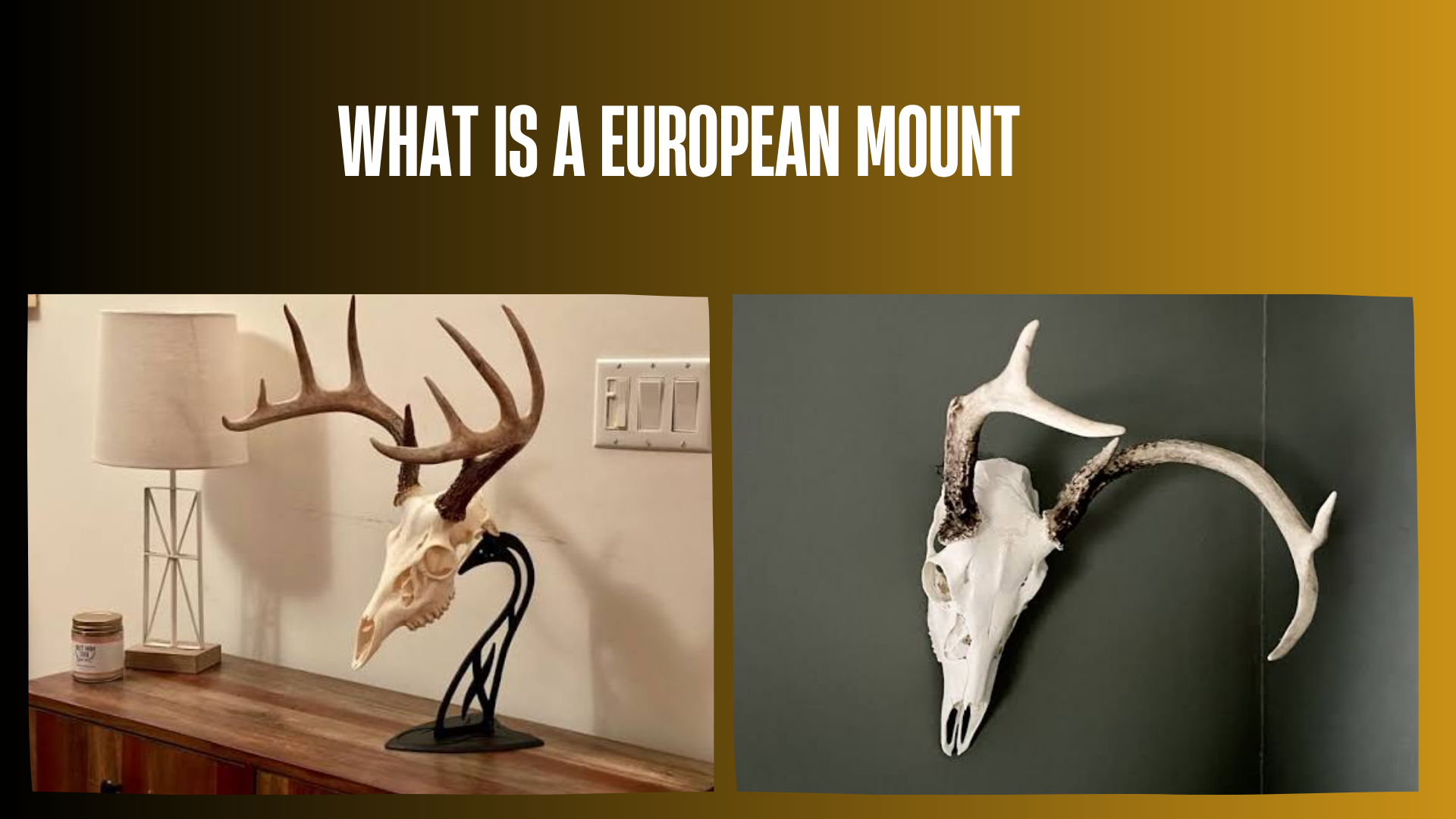

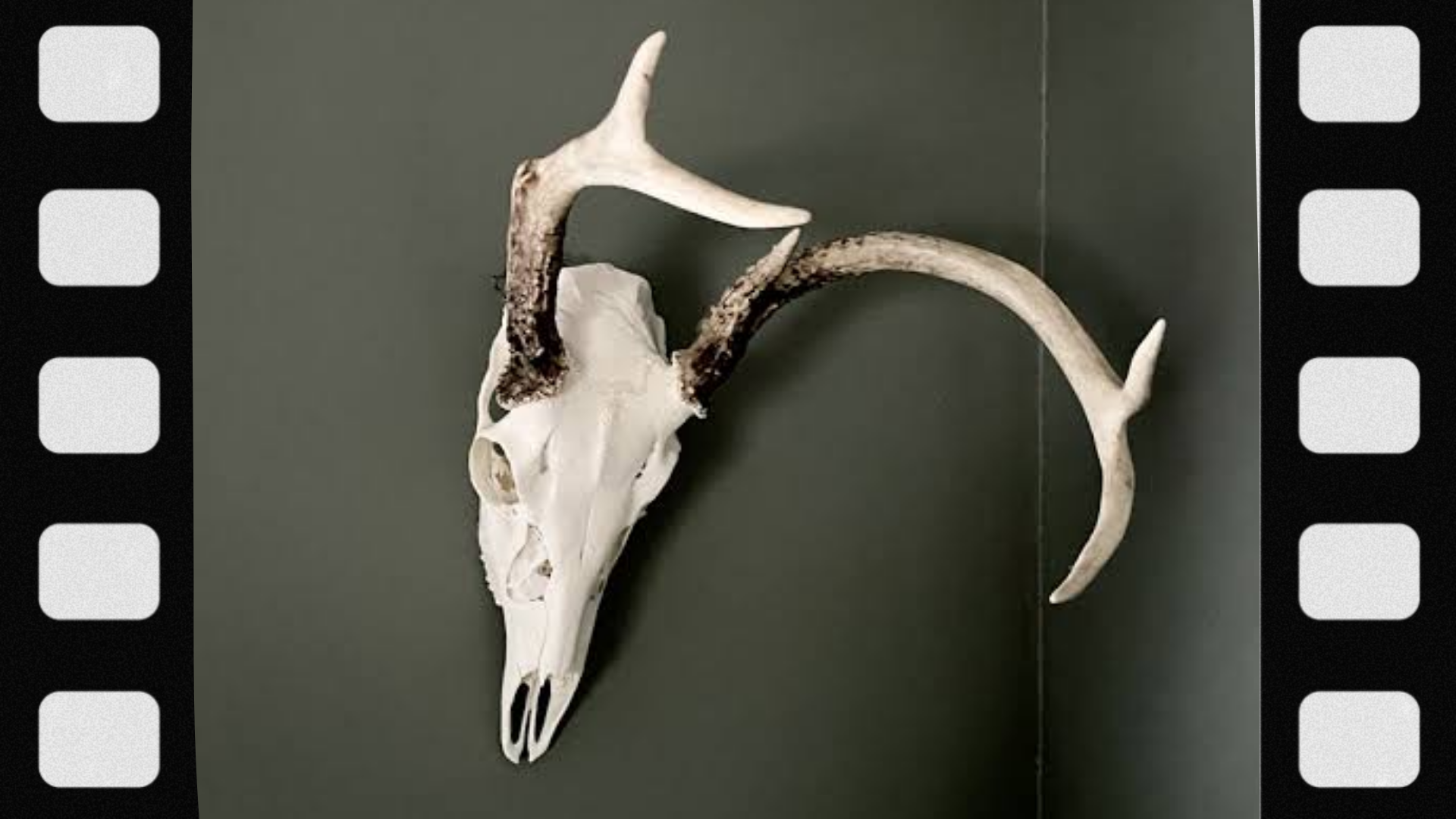
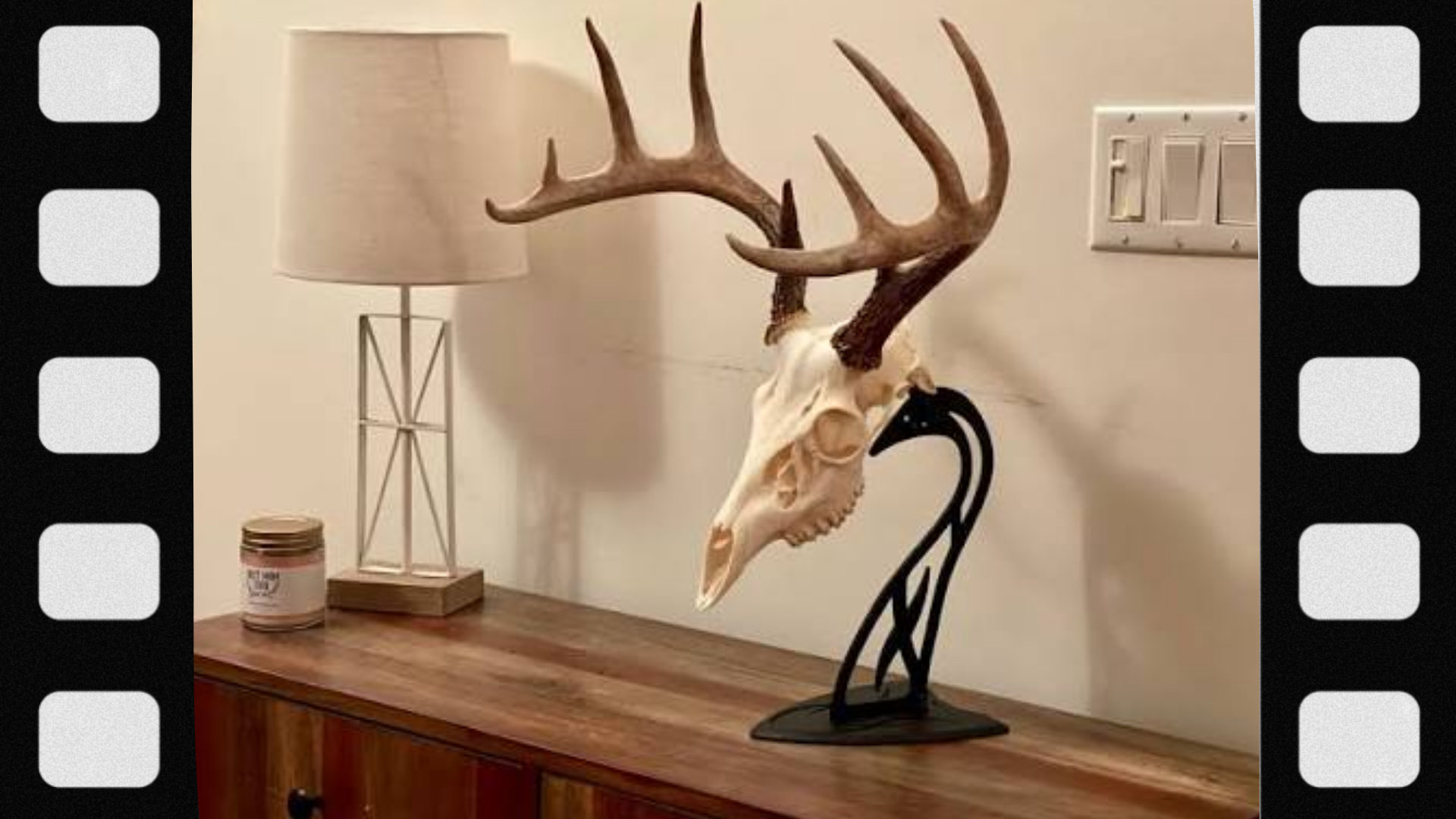
A European mount is one of the simplest ways to preserve the physical memory of a harvested deer, elk, pronghorn, moose, or other legally possessed animal. Instead of recreating the animal’s head and shoulders with its hide, a European mount displays the cleaned skull, usually with the natural antlers or horns attached.
The finished piece can be left as a freestanding skull or attached to a plaque, pedestal, bracket, or tabletop base. Although the appearance is minimalist, good preparation still requires careful tissue removal, degreasing, whitening, drying, legal documentation, and safe handling. Chronic wasting disease rules, transport restrictions, proof-of-sex requirements, taxidermy laws, and biological-waste regulations vary by jurisdiction, so hunters should make a preservation plan before cutting the head or crossing a border.
Quick Answer
A European mount is a taxidermy-style display consisting primarily of a cleaned animal skull with its antlers or horns retained. It does not include the lifelike skin, eyes, ears, and shoulder form used in a traditional shoulder mount. The skull may be cleaned by a professional using dermestid beetles or by other controlled methods, then degreased and whitened without painting the antlers. Before transporting or processing a head, verify tagging, evidence-of-sex, chronic wasting disease, import, and carcass-disposal rules with the relevant wildlife agencies.
European Mount at a Glance
| Feature | European Mount | What It Means for the Hunter |
|---|---|---|
| Displayed material | Cleaned skull with attached antlers or horns | No shoulder cape is used in the finished display |
| Appearance | Minimalist, anatomical, and compact | Shows skull structure and the natural antler or horn shape |
| Preparation | Tissue removal, degreasing, whitening, drying, and mounting | Rushing can leave odor, grease, stains, or damaged bone |
| Space | Usually requires less depth than a shoulder mount | Often easier to place on smaller walls or shelves |
| Legal concern | Possession and transport of wildlife parts | Keep documentation and check CWD/import restrictions |
| Care | Dry dusting, stable indoor conditions, and secure support | Avoid soaking, direct sun, excessive heat, and harsh cleaners |
What Is a European Mount in Hunting?
In hunting and taxidermy, the term refers to a cleaned skull display. A typical deer European mount includes the entire upper skull, nasal bones, eye sockets, teeth, antler pedicles, and antlers. The lower jaw is usually omitted, although display choices vary. Horned species may require different preparation because horns and antlers are structurally different.
The words European mount, Euro mount, and skull mount are often used interchangeably. A skull-cap mount is different: only the upper section of the skull holding the antlers is retained, and it may be covered or attached to a plaque. A full European mount preserves substantially more skull anatomy.
The origin of the name is commonly associated with a European tradition of displaying cleaned skulls, but the modern term describes the presentation style rather than the animal’s geographic origin.
European Mount vs. Shoulder Mount vs. Antler Mount
| Mount Type | What Is Preserved | Main Strength | Main Limitation |
|---|---|---|---|
| European mount | Cleaned skull and attached antlers or horns | Compact, anatomical display | Does not preserve facial appearance or cape |
| Shoulder mount | Prepared hide fitted over a sculpted head-and-shoulder form | More lifelike representation of the animal | Requires more wall depth, skilled work, and cape care |
| Antler or skull-cap mount | Antlers attached to a cut section of skull | Small and simple | Shows little of the skull’s natural structure |
| Replica mount | Cast or reproduced skull and/or antlers | Useful when originals need protection or another display is desired | Not the original bone display |
There is no universally superior choice. A shoulder mount may better preserve facial character and cape coloration, while a European mount emphasizes antler shape and bone structure. Space, condition of the cape, legal transport, sentimental value, cost, preferred style, and taxidermist availability all matter.
Why Hunters Choose European Mounts
- Compact presentation: The mount normally projects less from the wall and is easier to group with other skulls.
- Natural structure: The skull displays anatomy, antler bases, and asymmetry that a covered mount would hide.
- Flexible display: It can hang directly, sit on a shelf, or use a plaque or pedestal.
- No cape requirement: A damaged, poorly cut, or unavailable cape does not prevent a skull display.
- Professional or DIY options: Hunters can use a qualified taxidermist or, where lawful and appropriate, prepare the skull themselves.
- Often less material and space: It usually uses fewer display materials than a full shoulder mount.
These are practical benefits, not guarantees of a specific price or turnaround time. Species, skull condition, grease content, staining, taxidermist workload, repair needs, and display hardware can all affect the result.
Important Legal, CWD, and Transport Checks
This general information was reviewed on September 16, 2026. Wildlife-part laws and chronic wasting disease controls change and differ by state, province, country, species, harvest location, and destination. Before moving an intact head, verify the current rules for every jurisdiction on the route.
Keep Proof of Lawful Possession
Complete all required tagging, validation, registration, reporting, and check-station steps. Retain the license, tag, confirmation number, transport document, or taxidermy receipt required by local law. A skull found in the field may be subject to different salvage rules than an animal you legally harvested; contact a conservation officer before taking protected wildlife remains when ownership is uncertain.
Do Not Remove Required Evidence Too Early
Some hunting rules require evidence of species or sex to remain naturally attached during transport or until registration. Do not skin, cut, or clean the head in a way that destroys required evidence before the legal checkpoint.
Check CWD Carcass Restrictions
CWD regulations often restrict movement of intact heads and other high-risk cervid tissues. Rules can permit only items such as deboned meat, a cleaned skull cap, antlers with no flesh attached, a cape, or finished taxidermy. The exact allowed parts and labeling requirements differ.
For example, the New York State Department of Environmental Conservation currently explains that hunters returning with CWD-susceptible animals harvested outside New York may bring specified lower-risk parts, including cleaned skull caps and antlers with no flesh adhering, rather than an intact head. This is an example of one jurisdiction’s rule, not a nationwide standard.
Arrange Testing Before Skull Preparation
If CWD sampling is required or recommended, identify a compatible sampling station or taxidermist before altering the head. Wisconsin DNR notes that a European-mount deer can be taken to a staffed station where lymph nodes may be removed while the skull stays with the hunter, but local procedures vary. Keep the head appropriately chilled and follow agency instructions.
Dispose of Waste Responsibly
Do not dump brain tissue, hide, flesh, or skull-cleaning waste on roadsides, public land, waterways, campsites, or a different landscape. Use the harvest-location, landfill, licensed processor, taxidermist, or other method specified by the wildlife and waste authorities. Moving untreated cervid waste can spread disease risk.
How a European Mount Is Prepared
The core process has four goals: remove all soft tissue, draw fat from the bone, lighten the skull to the desired appearance, and dry it thoroughly without weakening it. Professionals adapt the method to species, skull age, stains, horn structure, damage, and desired finish.
- Legal and health planning: Complete registration, confirm evidence requirements, arrange any disease testing, and document lawful possession.
- Skin and gross-tissue removal: Hide, eyes, tongue, and accessible muscle are removed while protecting delicate nasal bones and antler bases.
- Detailed cleaning: Remaining tissue is removed through controlled methods such as dermestid beetles, maceration, or careful heated-water processing.
- Degreasing: Oils are drawn from the bone. This may take longer than visible tissue removal, especially with greasy species or mature skulls.
- Whitening: A suitable peroxide-based treatment is applied to clean bone according to the product directions. Antlers and horns are protected from bleaching.
- Drying and inspection: The skull dries fully and is checked for grease, odor, loose teeth, fragile nasal structures, or missed tissue.
- Repair and display: Loose parts may be stabilized, and the mount is attached to an appropriate hanger, bracket, plaque, or base.
Whitening is not the same as cleaning. Applying a brightener over remaining fat or tissue can hide a problem temporarily, but grease may later yellow the skull and residual tissue may create odor or attract insects.
Common Skull-Cleaning Methods
Professional Dermestid Beetles
A managed colony of dermestid beetles consumes remaining flesh while preserving many delicate structures. This can produce excellent anatomical detail, but the colony requires controlled conditions and responsible containment. It is not practical to release beetles into a home or create an unmanaged colony.
Maceration
Maceration uses controlled decomposition in water to separate soft tissue from bone. It can preserve detail but produces strong odor and biologically active liquid. Legal waste disposal, outdoor siting, contamination control, temperature management, and neighbor considerations make it unsuitable for many homes.
Careful Heated-Water Cleaning
Some preparers use hot water to loosen tissue. Aggressive boiling can weaken sutures, set grease deeper into bone, loosen teeth, crack delicate structures, and create a chalky result. Controlled temperatures and patience are safer for the skull than prolonged hard boiling.
Natural Decomposition or Burial
Outdoor decomposition may seem easy, but it can result in lost teeth, staining, rodent damage, scavenger movement, odor, soil discoloration, and disease concerns. Burial or leaving wildlife remains may also violate property, carcass-disposal, or CWD rules. Verify legality before considering it.
No method replaces final degreasing. If the animal, available space, chemical handling, disease status, or local rules make the project uncertain, use a qualified taxidermist.
Why Degreasing Matters
Bone contains natural fat. Even after all visible flesh is removed, grease can migrate to the surface and produce translucent areas, yellow-brown staining, tackiness, or odor. A skull that looks white immediately after processing may discolor later if degreasing was incomplete.
Degreasing time varies widely. Species, age, temperature, previous heating, and the chemicals used all affect the process. Avoid setting a fixed deadline based on someone else’s skull. Continue only when the skull is clean, dry, and free of recurring oily patches.
Whitening Without Damaging the Skull
Taxidermists commonly use peroxide-based products to lighten clean bone. The goal is an even appearance, not necessarily a paper-white finish. Natural bone can retain subtle color and texture.
Do not use chlorine household bleach on bone. It can damage the organic components that help bone retain strength, leaving a brittle or flaky surface. Do not mix peroxide with bleach, ammonia, acids, cleaners, or unknown chemicals. Follow the exact label and safety data for the product in use.
Hydrogen peroxide can irritate skin and eyes, and stronger concentrations can be corrosive. Work with ventilation, chemical-resistant gloves, splash protection, suitable containers, and secure storage away from children, pets, heat, and incompatible materials. If exposure occurs, follow the product label and contact local poison-control or medical services as appropriate.
Protect antlers and horns from whitening agents. Peroxide can lighten natural color, while excessive water or heat may affect certain horn sheaths. Species with true horns may require sheath removal and separate treatment that is best handled by an experienced taxidermist.
What Not to Do
- Do not cross a state, provincial, or national border with an intact cervid head before checking CWD import rules.
- Do not remove legally required evidence of sex, species, tag, or harvest location before the authorized stage.
- Do not hard-boil a skull for long periods or expose antlers and horns to unnecessary heat.
- Do not use chlorine bleach to whiten bone.
- Do not mix peroxide with other household or industrial chemicals.
- Do not pour biological or chemical waste into storm drains, waterways, or soil without lawful disposal guidance.
- Do not handle brain and nervous tissue with bare hands, especially in CWD-susceptible species.
- Do not assume a field-found skull is legal to possess, transport, or sell.
- Do not hang a heavy skull from drywall or weak hardware without structural support.
DIY or Professional Taxidermist?
A careful DIY project may suit a legally possessed deer skull when the hunter has appropriate space, protective equipment, time, lawful disposal, and access to current agency guidance. It becomes less attractive when the skull is unusually greasy, damaged, stained, frozen in an awkward position, subject to disease testing, or attached to horn sheaths that require specialized handling.
Consider a professional when:
- The mount has high sentimental value and mistakes would be difficult to accept.
- You lack a safe, ventilated, washable workspace.
- CWD sampling, shipping, or interstate transport is involved.
- The nasal bones, antler pedicle, horn sheath, or teeth are damaged.
- You want repairs, reproduction, custom coloration, or a complex pedestal.
- You cannot lawfully dispose of tissue and process water.
Ask the taxidermist which cleaning method is used, how CWD-regulated heads are accepted, whether testing must happen first, what is included in the finish, and how the completed mount should be transported and hung.
Field and Home Checklist
Before Altering the Head
- Validate, tag, register, or report the harvest as required.
- Photograph the tag and record the harvest location and confirmation number.
- Check evidence-of-sex and species rules.
- Confirm CWD testing and transport requirements.
- Decide between a European mount, skull-cap mount, and shoulder mount before cutting the cape.
- Contact a taxidermist or sampling station before long-distance travel.
During Handling
- Wear disposable or washable gloves.
- Minimize contact with brain, spinal, and lymphatic tissues.
- Keep tools used on high-risk tissues separate from food-preparation tools.
- Contain the head and waste to prevent leaks and scavenger access.
- Keep identifying documentation with the specimen where required.
Before Display
- Confirm that odor and oily patches do not return after drying.
- Check that teeth, nasal bones, and horn sheaths are secure.
- Select hardware rated for the mount and wall construction.
- Keep the display away from direct sun, moisture, pests, and high heat.
Troubleshooting a European Mount
| Problem | Likely Explanation | Safer Next Step |
|---|---|---|
| Yellow or translucent patches | Grease remains within the bone | Return to patient degreasing rather than adding paint or stronger bleach |
| Persistent odor | Residual tissue, grease, trapped moisture, or contamination | Stop finishing, isolate the skull, and inspect or consult a taxidermist |
| Loose teeth | Normal tissue loss or excess heat loosened them | Keep each tooth labeled and reinstall only after cleaning and drying |
| Chalky or flaking bone | Harsh bleach, excessive heat, or overly aggressive treatment | Stop chemical treatment and seek conservation or taxidermy advice |
| Antlers become pale | Whitening solution contacted natural antler color | Stop exposure; professional recoloring may improve appearance |
| Dark cavity or missed tissue | Material remains in a recess | Resume careful cleaning instead of sealing over it |
| Insects around the display | Residual organic material or nearby pest source | Isolate the mount, inspect the room, and use appropriate pest guidance |
How to Display and Care for a European Mount
Choose a hanger or bracket designed for the skull’s size and geometry. The fastener must suit the wall material and support the mount with a safety margin. Large elk, moose, or buffalo skulls can exert substantial leverage even when the listed hardware seems strong enough for their static weight.
Keep the skull indoors in a stable, dry environment. Direct sunlight can fade antlers and unevenly age the finish. High humidity can encourage odor, mold, or hardware corrosion, while very dry heat can stress bone and adhesives.
Dust with a soft, dry brush or low-suction vacuum held away from fragile nasal bones. Avoid soaking the skull or applying household polish, oil, or cleaner without knowing how it will affect bone, pigment, glue, and sealants. Inspect the mount and hardware periodically.
Ethical and Conservation Considerations
A mount should represent a legally harvested or lawfully possessed animal. It does not change the hunter’s responsibility to identify the animal, take only a safe and ethical shot within demonstrated ability, recover game, use edible meat responsibly, follow tagging and reporting requirements, and respect property boundaries.
Responsible skull preparation also includes disease control and waste management. Keeping high-risk tissues near the harvest location or within approved disposal systems can help avoid moving CWD prions to new areas. Finished taxidermy should never become a reason to ignore testing recommendations or carcass-import restrictions.
Authoritative Sources to Check
- New York State DEC chronic wasting disease guidance provides an official example of carcass-part import rules.
- Wisconsin DNR CWD sampling guidance explains options for hunters planning a European or shoulder mount.
- Wisconsin DNR carcass movement and disposal guidance discusses transport restrictions and safer processing practices.
- Poison Control hydrogen peroxide guidance explains exposure risks and first-aid principles.
- The wildlife agency governing the harvest and destination provides the controlling rules for tags, evidence, possession, testing, transport, and disposal.
FAQs
1. What is a European mount?
It is a display made from a cleaned animal skull, usually with the original antlers or horns attached and without the hide used in a shoulder mount.
2. Why is it called a European mount?
The name is associated with a European tradition of displaying cleaned skulls. In modern hunting, it describes the skull-display style rather than where the animal lived.
3. Is a European mount the same as a skull mount?
Usually, yes. Hunters and taxidermists commonly use “Euro mount,” “European mount,” and “skull mount” for the same general presentation.
4. Is a skull-cap mount a European mount?
No. A skull-cap mount retains only the upper portion that holds the antlers, while a European mount generally displays most of the intact skull.
5. Does a European mount include the lower jaw?
Usually not, but it can. Display preferences and species anatomy determine whether a lower jaw is retained.
6. What animals can be made into European mounts?
Common examples include deer, elk, moose, pronghorn, sheep, goats, bears, hogs, and other legally possessed mammals. Methods differ by anatomy and horn or antler structure.
7. Can a doe or antlerless animal be European mounted?
Yes, if the animal and parts are legally possessed. A skull mount does not require antlers.
8. Are horns and antlers treated the same?
No. Antlers are bone, while true horns have a keratin sheath over a bony core. Horn sheaths may require separate handling that is best left to an experienced preparer.
9. Is a European mount taxidermy?
It is commonly treated as a form of taxidermy or trophy preparation, even though it does not use a sculpted body form and preserved hide.
10. How is a European mount different from a shoulder mount?
A European mount shows cleaned bone and antlers or horns. A shoulder mount uses a prepared cape over a form to recreate the animal’s head, neck, and shoulders.
11. Which mount uses less wall space?
A European mount usually requires less depth and visual space, though wide antlers or horns can still need a large, structurally sound location.
12. Can I decide on a shoulder mount after cutting the cape?
Possibly, but a cape cut too short or damaged may be unusable. Decide early or ask a taxidermist how to cape the animal correctly before cutting.
13. Can a European mount later become a shoulder mount?
Sometimes a taxidermist can use the original antlers with a replacement cape and form, but the process depends on how the skull was cut and legal documentation. Ask before altering it.
14. How long does a European mount take?
There is no reliable universal timeline. Cleaning method, species, grease content, temperature, staining, repairs, CWD testing, and taxidermist workload all matter.
15. Why does skull degreasing take so long?
Fat can remain deep inside bone after visible tissue is gone. It must migrate out gradually, and rushing can leave recurring yellow stains or odor.
16. Why is my European mount turning yellow?
The most common explanation is residual grease moving to the surface. Smoke, cooking residue, sunlight, and some finishes can also discolor bone.
17. Why does my skull mount smell?
Odor can indicate missed tissue, grease, trapped moisture, or contamination. Isolate the mount and correct the underlying cleaning problem rather than masking it with fragrance.
18. Should a European mount be pure white?
Not necessarily. Bone naturally varies in tone. Even, clean, grease-free bone matters more than achieving an artificial paper-white color.
19. Can I use household bleach on a deer skull?
No. Chlorine bleach can weaken and degrade bone, causing a chalky or flaky finish. Professional preparers generally use appropriate peroxide-based whitening instead.
20. Is hydrogen peroxide safe for skull whitening?
It can be used when the product is appropriate and its label is followed, but it can irritate or burn skin and eyes—especially at higher concentrations. Use ventilation and proper protective equipment.
21. Can I mix peroxide with bleach?
No. Never mix peroxide with bleach, ammonia, acids, household cleaners, or unknown chemicals. Keep products in their labeled containers and follow their safety instructions.
22. Should I boil a deer skull?
A prolonged hard boil is risky because it can weaken bone, loosen teeth, damage nasal structures, and drive grease deeper. Professionals favor controlled methods rather than aggressive boiling.
23. What are dermestid beetles?
They are insects used in managed colonies to consume residual flesh from specimens. Professional colonies can preserve fine structures but require careful containment and maintenance.
24. What is skull maceration?
It is controlled decomposition in water that allows microorganisms to separate tissue from bone. It creates odor and biological waste and requires appropriate space and disposal.
25. Can I bury a skull to clean it?
Burial can cause staining, lost teeth, rodent damage, odor, and uncertain results. It may also conflict with carcass-disposal or CWD rules, so check first.
26. Can I leave a skull outside for insects to clean?
That risks scavenger movement, weather damage, lost parts, pests, and unlawful disposal. An exposed cervid head may also create CWD concerns.
27. How do I protect antlers while whitening the skull?
Keep whitening products off the antlers, use careful masking or controlled application, and follow a reputable method. A taxidermist is safer for high-value specimens.
28. Can faded antlers be restored?
An experienced taxidermist may recolor them, but matching natural variation takes skill. Preventing chemical contact and sun fading is preferable.
29. Why did the teeth fall out?
Soft-tissue removal naturally loosens teeth, and excess heat can accelerate it. Keep teeth organized so they can be returned to the correct sockets after drying.
30. Can broken nasal bones be repaired?
Often, depending on the damage and available pieces. Fine repairs are best handled by a taxidermist or specimen preparer familiar with bone conservation.
31. Do I need to seal a European mount?
Not always. Some finishes change color or trap grease. If a coating is desired, ask what product is compatible with completely clean, dry bone.
32. Can I paint a European mount?
You can create a decorative finish on a legally possessed skull, but paint hides bone condition and can complicate future cleaning. Ensure it is fully cleaned and degreased first.
33. Is a DIY European mount difficult?
It is approachable in some circumstances, but patience, biological handling, chemicals, waste disposal, disease rules, and delicate bone make it more involved than it appears.
34. When should I hire a taxidermist?
Use a professional for sentimental or rare specimens, horned animals, major damage, uncertain CWD logistics, limited workspace, or when you cannot safely manage chemicals and waste.
35. Can a deer be tested for CWD and still become a European mount?
Often, yes, if sampling is coordinated correctly. Contact the wildlife agency, staffed sampling station, or taxidermist before cutting because procedures differ.
36. Can I transport an intact deer head across state lines?
Not without checking every applicable jurisdiction. Many locations restrict intact heads from CWD-susceptible species and allow only specified cleaned parts or finished taxidermy.
37. What paperwork should stay with a skull?
Keep whatever tags, registration records, licenses, harvest confirmations, import labels, taxidermy receipts, or transfer documents the relevant laws require.
38. Can I keep a skull found in the woods?
Maybe, but salvage rules vary by species, land ownership, cause of death, and location. Obtain landowner permission and contact a conservation officer when legality is uncertain.
39. Can I sell a European mount?
Wildlife-part sale laws vary widely and may prohibit commerce even when possession is lawful. Verify species-specific federal, state, provincial, tribal, and destination rules before any transaction.
40. How should carcass waste from a skull mount be disposed of?
Use the method approved by the local wildlife and waste authorities, such as designated landfill or processor disposal. Do not move or dump untreated material on the landscape.
41. How do I hang a European mount safely?
Use a properly rated mount and fastener suited to the wall structure. Anchor into framing or appropriate masonry hardware for heavier skulls, and account for antler leverage.
42. Can a European mount sit on a table?
Yes, with a stable stand or base that supports the skull without stressing delicate nasal bones, teeth, or antler tips.
43. How do I dust a skull mount?
Use a soft dry brush or gentle low-suction method. Avoid wet scrubbing and support fragile areas while cleaning.
44. Can sunlight damage a European mount?
Yes. Direct sun can fade antlers, yellow some finishes, and cause uneven aging. Choose a stable indoor location away from strong sunlight.
45. Can humidity damage a skull mount?
Persistent humidity can contribute to mold, odor, corrosion, and adhesive failure. Very dry heat can also stress bone, so stable indoor conditions are preferable.
46. How long can a European mount last?
A properly cleaned, degreased, dried, securely mounted, and carefully stored skull can remain displayable for many years. Environment and preparation quality strongly affect longevity.
47. Does a European mount preserve the animal’s exact antler score?
It preserves the original antlers if they remain unaltered, but official scoring follows organization-specific rules, drying periods, and measurement procedures.
48. Is a European mount disrespectful to the animal?
Respect depends on lawful harvest, humane decisions, responsible meat use, disease control, waste disposal, and personal values. A mount can serve as a record of the hunt and the animal.
Final Answer
So, what is a European mount? It is a cleaned skull display that usually retains the animal’s original antlers or horns but not its hide and shoulder form. It offers a compact, anatomical alternative to a shoulder mount, yet quality still depends on complete tissue removal, patient degreasing, careful whitening, secure display, and appropriate long-term care. Before processing or transporting the head, complete all harvest requirements and check evidence-of-sex, CWD testing, import, possession, and disposal rules. When the specimen is important, the anatomy is complex, or safe handling is uncertain, a qualified taxidermist is the sensible choice.
Read more: