
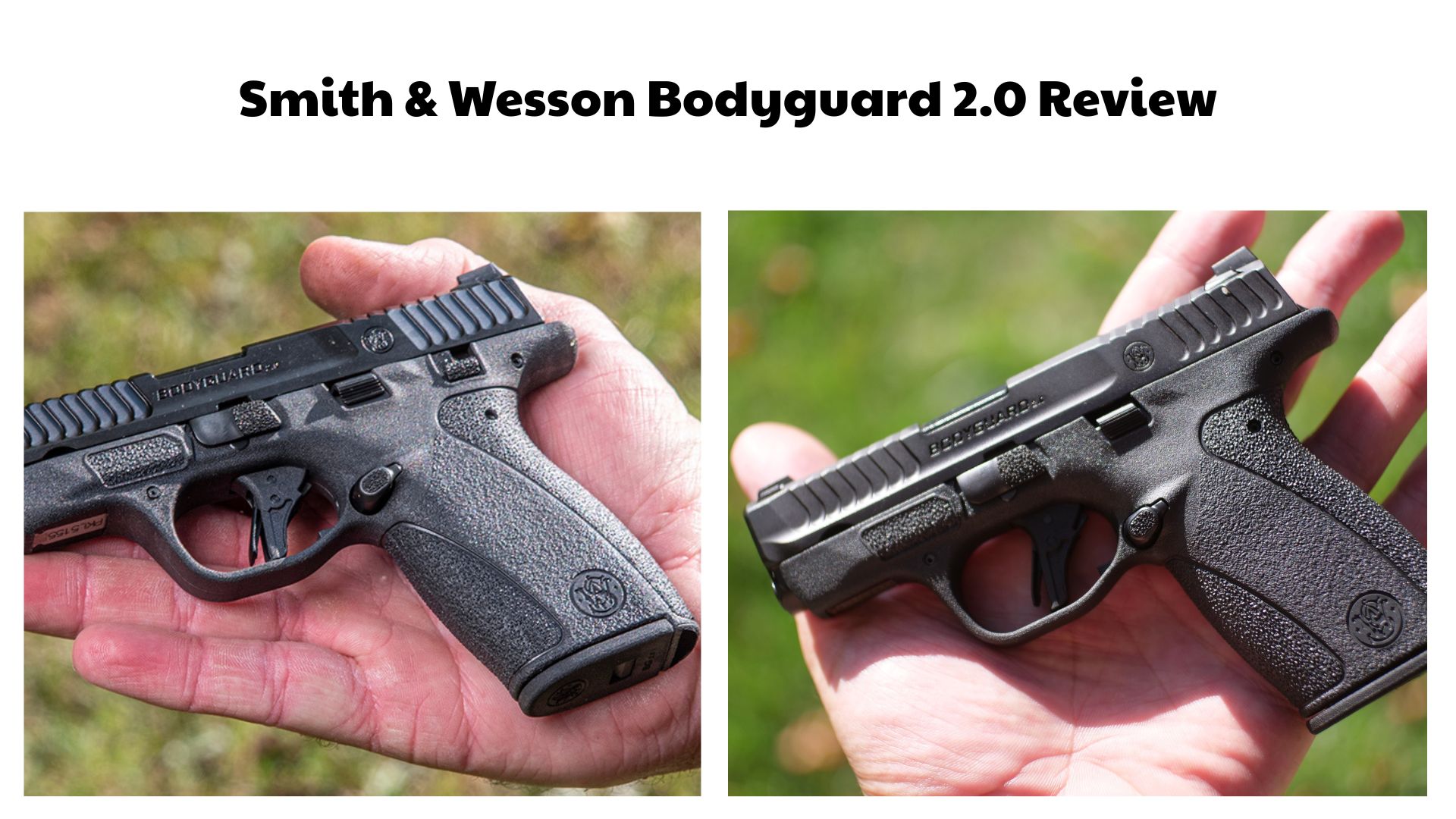

The Smith & Wesson Bodyguard 2.0 is a modern micro-compact .380 ACP pistol designed specifically for deep concealment and everyday defensive carry. It represents a significant upgrade over the original Bodyguard series, focusing on improved shootability, higher capacity, and more refined ergonomics while still maintaining an ultra-compact footprint.
Unlike larger micro-compact 9mm pistols, the Bodyguard 2.0 is built for situations where size and concealability are the top priorities. It fits into the pocket pistol category, competing directly with models like the Ruger LCP Max and SIG P238. These firearms are intended for users who need a reliable defensive option that can be carried discreetly in almost any environment.
Its core appeal comes from a combination of ultra-lightweight construction, improved magazine capacity, and updated ergonomic design. The goal is to provide a firearm that is not only easy to conceal, but also easier to control and shoot compared to older ultra-compact .380 pistols.
This raises an important question in today’s concealed carry market: with so many modern micro pistols available, is the Bodyguard 2.0 the best ultra-concealed carry pistol in 2026, or simply a niche option for specific users?
2. Bodyguard 2.0 Background & Platform Evolution
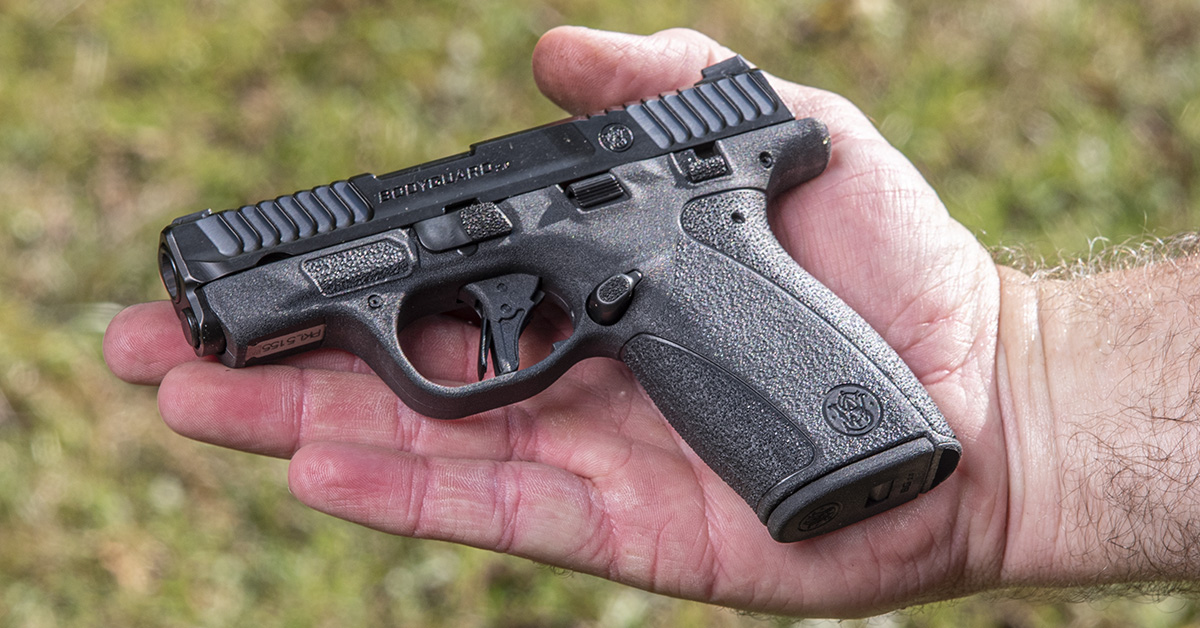
The Bodyguard 2.0 is a direct evolution of the original Smith & Wesson Bodyguard .380, which was widely used as a compact pocket carry pistol. While the original model was appreciated for its size and simplicity, it also had limitations in trigger design, ergonomics, and overall shootability.
One of the most significant changes in the 2.0 version is the transition from a hammer-fired system to a striker-fired mechanism. This shift modernizes the platform and improves trigger consistency, reliability, and overall user experience. It also aligns the pistol more closely with contemporary concealed carry expectations.
The redesign was focused on improving three key areas: capacity, ergonomics, and trigger performance. These upgrades make the Bodyguard 2.0 more competitive in the modern concealed carry market while maintaining its identity as an ultra-compact defensive pistol.
Smith & Wesson positioned the Bodyguard 2.0 as part of its broader micro-compact EDC strategy, targeting users who prioritize discreet carry options. It is not intended to replace full-size or even standard compact pistols, but rather to serve a very specific role in the deep concealment category.
As demand for smaller, easier-to-carry firearms continues to grow, the Bodyguard 2.0 has gained popularity among users seeking a balance between concealability and shootability. It is particularly relevant for pocket carry and backup defensive roles.
3. Key Specifications & Technical Overview
The Smith & Wesson Bodyguard 2.0 is chambered in .380 ACP, a cartridge commonly used in ultra-compact concealed carry pistols due to its manageable recoil and compact firearm compatibility.
It operates on a striker-fired semi-automatic action, marking a major improvement over earlier hammer-fired designs. This contributes to more consistent trigger performance and simplified operation under stress.
The barrel length is approximately 2.75 inches, placing it firmly in the ultra-compact category. This short barrel supports deep concealment while maintaining sufficient accuracy for close-range defensive encounters.
Weight is one of its standout features, ranging from approximately 9.8 to 12 ounces unloaded depending on configuration. This makes it one of the lightest defensive pistols available, ideal for all-day carry without discomfort.
Magazine capacity has also been improved compared to earlier models, offering 10+1 and 12+1 options. This is a notable upgrade in the pocket pistol category, where capacity is often limited by design constraints.
The frame uses a lightweight polymer construction paired with a stainless steel slide for durability and corrosion resistance. This combination helps maintain strength while minimizing overall weight.
In terms of size, the Bodyguard 2.0 features a slim profile between approximately 0.75 and 0.88 inches in width. This extremely narrow design is key to its concealability, especially for pocket and deep concealment carry methods.
Sight options include enhanced defensive sights, with both standard and day/night configurations depending on the model. These sights are designed to support quick target acquisition in low-light defensive scenarios.
Overall, the Bodyguard 2.0 is purpose-built for deep concealment, backup carry, and everyday defensive use where size, weight, and discretion are the primary considerations.
4. Design & Build Quality
The Smith & Wesson Bodyguard 2.0 follows a very clear design direction: maximum concealability with modern defensive usability. Every element of the pistol is shaped around the idea of making an ultra-compact firearm that disappears easily on the body while still remaining practical to shoot and control. This balance is not easy to achieve, but it defines the identity of the platform.
At its core, the Bodyguard 2.0 uses an extremely compact and lightweight polymer frame. This choice keeps the overall weight low enough for true pocket carry and deep concealment applications. The polymer construction also contributes to durability, as modern high-strength polymers are capable of withstanding daily carry stress, environmental exposure, and repeated firing cycles without significant wear.
One of the noticeable improvements over the original Bodyguard .380 is the adoption of more modern M&P-inspired ergonomics. The grip geometry has been reshaped to feel more natural in the hand, with smoother transitions and better contouring. While the pistol remains very small, these refinements help improve control during firing and reduce the “blocky” feeling often associated with older pocket pistols.
Texturing on the grip surfaces has also been enhanced. Instead of simple or minimal grip patterns, the Bodyguard 2.0 incorporates more functional texturing that helps the shooter maintain a secure hold, even under recoil or in less-than-ideal conditions. This is particularly important in ultra-light pistols, where reduced mass can make recoil management more challenging.
The slide design is slim and streamlined, contributing directly to its concealability. The reduced width and smooth exterior profile minimize printing under clothing, making it easier to carry discreetly in a pocket holster or inside-the-waistband setup. There are no unnecessary protrusions or aggressive tactical styling elements, reinforcing its role as a practical defensive tool rather than a feature-heavy platform.
Another important design decision is the absence of accessory features such as a rail system. While this limits the ability to mount lights or lasers, it significantly improves concealment and keeps the overall footprint as small as possible. This reflects the priority of the platform: deep concealment first, accessories second.
In terms of durability, the Bodyguard 2.0 represents a clear improvement over the original generation. The updated materials, revised frame geometry, and modern manufacturing processes all contribute to a more robust and reliable firearm. It is designed to withstand long-term daily carry, including exposure to sweat, moisture, and environmental conditions that are common in concealed carry use.
Overall, the design and build quality of the Bodyguard 2.0 reflect a modernized approach to the pocket pistol category. It is minimalistic but not underbuilt, simple but not outdated, and most importantly, optimized for concealment without completely sacrificing usability.
5. Ergonomics & Handling Experience
Ergonomics play a critical role in the usability of any ultra-compact firearm, and the Bodyguard 2.0 shows meaningful improvements in this area compared to its predecessor. Despite its very small size, the pistol has been designed to offer a more natural and controlled shooting experience.
One of the key ergonomic upgrades is the improved grip angle and undercut trigger guard. These refinements allow the shooter to achieve a slightly higher grip on the firearm, which helps improve recoil control and overall stability during firing. Even small changes in grip geometry can have a noticeable impact in lightweight pistols, and this adjustment makes the Bodyguard 2.0 feel more secure in the hand.
The pistol is generally best suited for small to medium hand sizes, where it can be held comfortably without excessive overhang. The compact grip naturally limits the amount of surface area available, which is a common tradeoff in pocket-sized firearms. However, the redesigned contours help reduce sharp edges and improve overall comfort during use.
An enhanced beavertail design also contributes to better handling. This feature helps prevent slide bite and allows for a higher grip position, which improves recoil control and shooting consistency. While subtle, this improvement adds to the overall refinement of the platform and makes it more user-friendly than earlier designs.
One of the strongest advantages of the Bodyguard 2.0 is its extremely lightweight carry feel. At under 12 ounces unloaded, it is easy to forget it is being carried, which is a major benefit for all-day concealed carry users. This makes it especially appealing for individuals who prioritize comfort and minimal carry disruption in their daily routine.
For users with larger hands, magazine extensions can significantly improve handling. These extensions provide additional surface area for the support hand, improving grip stability and control during firing. While they slightly increase the overall footprint, they also enhance shootability, making the pistol more adaptable to different users.
The overall handling philosophy of the Bodyguard 2.0 is simplicity and intuition. It is not designed to require extensive training or complex manipulation techniques. Instead, it focuses on straightforward operation that can be easily understood and applied under stress. This makes it particularly suitable for defensive scenarios where simplicity and speed are more important than advanced handling features.
In summary, the ergonomics and handling experience of the Bodyguard 2.0 represent a thoughtful evolution of the pocket pistol concept. It remains extremely compact, but improvements in grip design, control surfaces, and overall usability make it more practical and confidence-inspiring than earlier generations.
6. Trigger System & Shooting Characteristics
The trigger system in the Smith & Wesson Bodyguard 2.0 is one of its most significant upgrades over the original model. Moving to a striker-fired design marks a major shift in both performance and user experience, aligning the pistol more closely with modern concealed carry expectations.
The trigger pull typically falls in the 4 to 6 pound range, depending on the specific unit and configuration. This places it within a comfortable defensive range that balances safety with usability. It is light enough to allow controlled shooting, yet heavy enough to maintain safe handling under stress.
One of the key improvements is the cleaner break and more consistent trigger feel. The original Bodyguard series was often criticized for its heavier and less predictable trigger, but the 2.0 version addresses this with a smoother and more uniform pull. This contributes to better shot control and improved accuracy in defensive situations.
The trigger reset is relatively short, which supports faster follow-up shots when needed. While the Bodyguard 2.0 is not designed for rapid competition shooting, this shorter reset still provides a functional advantage in defensive scenarios where multiple shots may be required.
It is important to understand that the trigger system is intentionally designed around reliability and simplicity rather than performance optimization. The goal is not to create a match-grade shooting experience, but rather a predictable and dependable trigger that functions consistently under pressure.
In practical use, the trigger characteristics support the pistol’s overall role as a defensive carry firearm. It encourages deliberate, controlled shooting rather than fast, aggressive firing sequences. This aligns well with the intended use case of the Bodyguard 2.0 as a deep concealment or backup defensive tool.
Overall, the trigger system represents a meaningful improvement that enhances the usability of the platform. While it may not compete with high-end performance triggers, it delivers exactly what is needed for its intended role: reliability, consistency, and straightforward operation in a compact defensive handgun.
7. Recoil & Shootability
Recoil management is one of the most important factors in any ultra-compact pistol, and the Smith & Wesson Bodyguard 2.0 performs notably well for its size and caliber class. Chambered in .380 ACP, it is already positioned in a lower-recoil category compared to 9mm micro-compacts, but the design refinements in the 2.0 version further enhance shootability.
The recoil impulse is generally described as soft for a pocket-sized handgun. This is largely due to the combination of lightweight construction and improved ergonomics that help distribute recoil forces more evenly across the shooter’s hand. While small pistols naturally produce more felt recoil than larger platforms, the Bodyguard 2.0 manages it in a controlled and predictable way.
Compared to older ultra-compact .380 pistols, the Bodyguard 2.0 is noticeably more controllable. The improved grip geometry, better texturing, and updated frame design all contribute to a more stable shooting experience. This makes it easier for shooters to maintain sight alignment during follow-up shots, even in rapid defensive strings.
Despite its small size, the pistol is comfortable enough for extended defensive practice sessions. While many pocket pistols become fatiguing after a short period of shooting, the Bodyguard 2.0’s softened recoil characteristics help reduce shooter fatigue and improve training consistency.
As expected, recoil does increase slightly when using +P defensive-style .380 ammunition. However, this increase remains manageable for most users and does not significantly impact control when proper grip technique is used.
Overall, the Bodyguard 2.0 is widely regarded as one of the easiest-shooting micro .380 pistols available. It achieves a rare balance between extreme concealability and practical controllability, which is a key advantage in its category.
8. Accuracy & Range Performance
The Smith & Wesson Bodyguard 2.0 delivers strong practical accuracy for a pistol in its size class. It is specifically optimized for defensive engagements rather than precision shooting, but within its intended use case, it performs reliably and consistently.
At typical self-defense distances of 5 to 15 yards, the pistol demonstrates solid grouping and predictable point-of-impact behavior. These distances represent the most realistic scenarios for concealed carry use, and the Bodyguard 2.0 is well-suited for them.
One of the contributing factors to its consistency is the fixed barrel design. By eliminating the movement associated with tilting-barrel systems found in many striker-fired pistols, the Bodyguard 2.0 achieves improved mechanical stability. This helps reduce variables in shot placement and enhances repeatability.
With sufficient training, the pistol is also capable of acceptable performance at extended ranges beyond typical defensive distances. While it is not designed for precision shooting at 25 yards or more, experienced shooters can still achieve reasonable accuracy when fundamentals are applied correctly.
It is worth noting that there may be slight point-of-impact variations depending on ammunition type. This is common in compact .380 pistols and can be influenced by bullet weight, velocity, and load characteristics. Testing different defensive loads is recommended to determine the most consistent performance for a given firearm.
Overall, the Bodyguard 2.0 is clearly optimized for real-world self-defense rather than range precision. Its accuracy profile aligns well with its intended purpose as a deep concealment defensive pistol.
9. Concealed Carry Performance (EDC Use)
Concealed carry performance is where the Smith & Wesson Bodyguard 2.0 truly excels. Its ultra-lightweight design makes it one of the most discreet and comfortable firearms available for everyday carry, particularly in situations where concealment is the top priority.
The pistol is ideally suited for pocket carry and deep concealment setups. Its compact dimensions allow it to fit comfortably in properly designed pocket holsters without creating excessive bulk or noticeable printing. This makes it especially useful in environments where discretion is essential.
In addition to pocket carry, the Bodyguard 2.0 performs well in inside-the-waistband (IWB) and appendix carry configurations. Its slim profile allows it to sit close to the body, reducing visibility under clothing and improving overall concealment efficiency.
One of its strongest advantages is minimal printing. Due to its extremely narrow width and lightweight construction, the pistol remains discreet under most clothing styles, including lightweight summer garments. This makes it a practical option for year-round concealed carry.
Comfort is another key strength. At under a pound unloaded, the Bodyguard 2.0 is extremely easy to carry for extended periods without causing fatigue or discomfort. Many users report that it quickly becomes “forgettably light,” which is ideal for consistent daily carry habits.
The pistol also serves well as a backup firearm in addition to being a potential primary ultra-concealed EDC option. Law enforcement personnel, experienced carriers, and civilian users often appreciate its role as a secondary defensive tool due to its size and ease of deployment.
In summary, the Bodyguard 2.0 delivers exceptional concealed carry performance in the deep concealment category. It prioritizes discretion, comfort, and accessibility, making it one of the most practical ultra-compact defensive pistols for users who value minimal carry footprint above all else.
10. Reliability & Ammunition Performance
The Smith & Wesson Bodyguard 2.0 maintains a strong reputation for reliability within the ultra-compact .380 ACP category. When paired with quality FMJ training ammunition and reputable defensive hollow-point loads, it generally performs consistently and predictably. This reliability is one of the key reasons it has been well received as a modern pocket carry option.
Compared to the original Bodyguard generation, the 2.0 model shows noticeably improved consistency. Refinements in the striker-fired system and overall mechanical design help reduce the likelihood of malfunctions and improve cycling reliability under typical defensive use conditions.
As with many compact defensive pistols, the Bodyguard 2.0 may benefit from a short break-in period. During early use, minor inconsistencies can occur but typically diminish after a few hundred rounds as internal components settle into regular operation.
Some users have reported occasional sensitivity to lighter or lower-powered ammunition. This is not uncommon in ultra-light firearms, where reduced slide mass and recoil dynamics can affect cycling performance. For this reason, standard-pressure defensive loads are generally recommended for optimal reliability.
When properly maintained and used with appropriate ammunition, the Bodyguard 2.0 is widely regarded as dependable for defensive carry. Regular cleaning and basic preventive maintenance further enhance its long-term reliability.
11. Variants & Model Options
The Bodyguard 2.0 lineup includes several variants designed to accommodate different user preferences and carry styles. The standard model represents the baseline configuration, offering the core features of the platform in its most streamlined form.
For users seeking enhanced performance characteristics, Smith & Wesson offers Performance Center Carry Comp models. These versions typically include upgrades aimed at improving shooting control and overall handling, particularly under rapid fire conditions.
Another key variation involves the presence or absence of a manual thumb safety. Some users prefer the added security of a manual safety, while others opt for a simplified draw-and-fire system without external safety controls.
Sight configurations also vary across models. Standard versions include basic defensive sights, while upgraded options may feature night sights or enhanced visibility setups for low-light conditions. These variations allow users to tailor the pistol to specific defensive environments.
Magazine capacity options have also expanded in the Bodyguard 2.0 series, with 10+1 and 12+1 configurations available. This represents a meaningful improvement in capacity for a pistol of this size class, increasing its practicality for defensive use.
Overall, the Bodyguard 2.0 continues to evolve as part of Smith & Wesson’s ultra-compact EDC lineup, offering multiple configurations while maintaining its core identity as a deep concealment defensive firearm.
12. Bodyguard 2.0 vs Competitors
In the modern pocket pistol market, the Bodyguard 2.0 competes directly with several established .380 ACP platforms, each offering different strengths and tradeoffs.
When compared to the Ruger LCP Max, the Bodyguard 2.0 offers a more modern ergonomic design and comparable or slightly improved capacity depending on configuration. Both pistols excel in deep concealment, but the Bodyguard 2.0 tends to feel more refined in terms of trigger and handling improvements.
Against the SIG P238, the comparison highlights two different operating systems. The P238 is a hammer-fired pistol with a more traditional manual-of-arms feel, while the Bodyguard 2.0 is striker-fired, offering a more modern and simplified shooting experience. The Bodyguard 2.0 also benefits from lighter weight and easier concealment.
When compared to the Glock 42, both pistols serve similar roles in the .380 concealed carry space. However, they differ in ergonomics and trigger characteristics. The Glock 42 is known for its simplicity and Glock system consistency, while the Bodyguard 2.0 focuses more on compactness and updated design elements.
The primary strengths of the Bodyguard 2.0 include extreme concealability, a modern striker-fired trigger system, and improved capacity over earlier pocket pistol designs. These features make it highly competitive within its category.
Its main weakness is the use of .380 ACP, which offers less ballistic performance compared to modern 9mm micro-compacts. This is a fundamental tradeoff inherent to ultra-small defensive pistols.
Overall, the Bodyguard 2.0 occupies a strong position in the elite pocket carry category. It stands out as one of the most modern and refined ultra-compact .380 pistols available today, particularly for users prioritizing concealment over raw stopping power.
13. Advantages of the Bodyguard 2.0
The Smith & Wesson Bodyguard 2.0 offers several clear advantages that make it stand out in the ultra-compact .380 ACP category. Its most significant strength is its extremely lightweight and highly concealable design. At under a pound unloaded, it is easy to carry throughout the day without causing fatigue, making it ideal for users who prioritize comfort and discretion in everyday concealed carry.
Another major improvement is the upgraded trigger system compared to the original Bodyguard generation. The striker-fired design delivers a more consistent and predictable trigger pull, which enhances shooting confidence and improves overall defensive performance. This is a meaningful upgrade for users familiar with older pocket pistols.
Capacity has also been improved for its size class. With 10+1 and 12+1 magazine options, the Bodyguard 2.0 offers more defensive rounds than many traditional pocket pistols, increasing its practical effectiveness without significantly increasing its footprint.
Modern ergonomics are another key advantage. The redesigned grip geometry and improved texturing provide better control during firing, making the pistol easier to handle than many older ultra-compact designs. This contributes to a more stable and confident shooting experience.
The overall design philosophy remains simple and reliable, which is essential for a defensive firearm. With fewer unnecessary features and a focus on core functionality, the Bodyguard 2.0 is easy to operate under stress and suitable for users who want a straightforward defensive tool.
Finally, its ultra-compact size makes it ideal for pocket carry and deep concealment applications. It excels in situations where discretion is the top priority, offering users a firearm that can be carried in environments where larger pistols would be impractical.
14. Disadvantages & Limitations
Despite its strengths, the Bodyguard 2.0 does have limitations that are important to consider. The most significant drawback is its use of the .380 ACP cartridge. While manageable and suitable for defensive use, it offers less stopping power compared to modern 9mm micro-compact pistols, which may influence user preference depending on defensive needs.
Another limitation is its relatively small accessory and optics ecosystem. Unlike more modern pistols designed with modularity in mind, the Bodyguard 2.0 is intentionally minimalist. This means limited compatibility with lights, lasers, or red dot optics.
The compact size, while excellent for concealment, can also be challenging for users with larger hands. Grip surface area is limited, and while magazine extensions help, they do not fully replicate the control of larger firearms.
Additionally, the Bodyguard 2.0 is not ideal for high-volume range training. While it performs well in defensive scenarios, its small size and .380 platform make it less comfortable for extended shooting sessions compared to larger handguns.
Finally, it is generally less versatile than modern micro 9mm pistols. While it excels in deep concealment, it does not offer the same balance of capacity, power, and modularity found in newer EDC platforms.
15. Ideal Users for the Bodyguard 2.0
The Bodyguard 2.0 is best suited for a specific category of concealed carry users who prioritize discretion and comfort above all else. One of its primary user groups includes deep concealment and pocket carry users who need a firearm that can be carried invisibly in a wide range of clothing and environments.
It is also well-suited for shooters with limited hand strength or recoil sensitivity. The soft recoil characteristics of the .380 ACP cartridge, combined with the pistol’s improved ergonomics, make it easier to handle than many higher-caliber alternatives.
Another important user group includes backup gun carriers, both civilian and law enforcement. Its small size and lightweight construction make it an excellent secondary defensive option that can be carried without significant burden.
Minimalist everyday carry users also benefit from the Bodyguard 2.0. These individuals prioritize simplicity, lightweight carry, and ease of concealment over advanced features or high capacity.
The pistol is also a strong choice for users who prioritize concealability over firepower. While it does not match the ballistic performance of 9mm pistols, its extreme discretion makes it highly practical in situations where carrying a larger firearm is not feasible.
Finally, it can serve as a good option for beginners who need a soft-shooting defensive pistol. Its manageable recoil and simple operation help new shooters build confidence while still maintaining a defensive capability.
16. Final Verdict: Is the Bodyguard 2.0 Worth It?
The Smith & Wesson Bodyguard 2.0 stands out as one of the most advanced ultra-compact .380 ACP pistols currently available. It represents a meaningful evolution over earlier pocket pistol designs, especially in terms of ergonomics, trigger performance, and magazine capacity. For a firearm in this size category, it delivers a level of refinement that is difficult to ignore.
Its biggest strength lies in the balance between concealability, control, and usability. Many ultra-compact pistols excel in one area but compromise heavily in another. The Bodyguard 2.0 manages to remain extremely small and lightweight while still offering a usable trigger system, improved grip design, and practical defensive accuracy. This combination makes it a strong option for real-world concealed carry.
In practical terms, the Bodyguard 2.0 is best suited for deep concealment and backup carry roles. It performs exceptionally well when discretion is the top priority, such as pocket carry in professional environments, summer clothing setups, or as a secondary firearm for experienced carriers.
However, it is important to acknowledge its limitations. Compared to modern micro 9mm pistols, it is clearly outclassed in terms of raw stopping power and ballistic performance. This is not a flaw in design, but rather a consequence of its .380 ACP platform and ultra-compact size philosophy.
Despite this tradeoff, the Bodyguard 2.0 excels in what it is designed to do. It is not intended to compete with full-featured micro-compacts, but rather to serve as a highly concealable, easy-to-carry defensive option when size constraints matter most.
Final takeaway: the Smith & Wesson Bodyguard 2.0 is a top-tier pocket pistol for users who prioritize true discreet everyday carry. It may not be the most powerful option on the market, but it is one of the most practical and refined solutions for deep concealment in modern concealed carry use.
1. Is the Smith & Wesson Bodyguard 2.0 good for everyday concealed carry?
Yes, the Bodyguard 2.0 is specifically designed for everyday concealed carry, especially in situations where deep concealment is required. Its ultra-lightweight polymer frame and slim profile make it extremely comfortable for all-day carry without causing fatigue. It is particularly effective in pocket carry or inside-the-waistband setups where minimal printing is important. While it is not as powerful as 9mm micro-compacts, it compensates with ease of carry, simplicity, and discretion, making it a strong EDC option for many users.
2. How reliable is the Bodyguard 2.0?
The Bodyguard 2.0 is generally considered reliable when used with quality ammunition and proper maintenance. It improves upon the original Bodyguard platform with better engineering and a striker-fired system that enhances consistency. Like many small pistols, it may require a short break-in period, but after that, it performs well with FMJ and defensive hollow-point loads. Reliability is one of its key strengths in the pocket pistol category.
3. What is the main purpose of the Bodyguard 2.0?
The primary purpose of the Bodyguard 2.0 is deep concealment self-defense. It is designed for users who need a firearm that can be carried discreetly in environments where larger pistols would be impractical. This includes pocket carry, backup carry, and situations where minimal printing and lightweight design are top priorities. It is not intended for competition or high-volume range training.
4. Is the Bodyguard 2.0 better than the original Bodyguard .380?
Yes, the Bodyguard 2.0 is a significant improvement over the original model. It replaces the older hammer-fired system with a modern striker-fired trigger, improves ergonomics, and increases magazine capacity. The grip design is more comfortable, and overall shooting consistency is better. It represents a more modern approach to the pocket pistol concept.
5. What caliber does the Bodyguard 2.0 use?
The Bodyguard 2.0 is chambered in .380 ACP, a cartridge commonly used in pocket pistols. This caliber is chosen because it offers manageable recoil in a very small firearm, making it easier to control for a wide range of shooters. While it is less powerful than 9mm, it is widely considered adequate for close-range self-defense when paired with quality defensive ammunition.
6. Is .380 ACP powerful enough for self-defense?
.380 ACP is considered a minimum acceptable defensive caliber rather than a high-power option. It is effective at close distances, especially when using modern hollow-point ammunition designed for expansion. While it does not match the stopping power of 9mm, it is widely used in concealed carry pistols where size and recoil control are more important than maximum ballistic performance.
7. How accurate is the Bodyguard 2.0?
The Bodyguard 2.0 offers strong defensive accuracy within typical engagement distances of 5 to 15 yards. Its fixed barrel design improves mechanical consistency, helping maintain predictable shot placement. While it is not designed for precision shooting, it performs reliably for real-world self-defense scenarios.
8. Can you shoot the Bodyguard 2.0 at 25 yards?
Yes, it is possible to shoot the Bodyguard 2.0 at 25 yards, but it is not optimized for that distance. Experienced shooters can achieve acceptable groupings, but the pistol is primarily designed for close-range defensive encounters. Accuracy naturally decreases as distance increases due to its compact size and short sight radius.
9. Is the recoil on the Bodyguard 2.0 manageable?
Yes, recoil is relatively soft for a .380 ACP pocket pistol. The lightweight design does increase perceived recoil compared to larger handguns, but it remains manageable for most shooters. Many users find it easier to control than older ultra-compact pistols due to improved ergonomics and grip design.
10. Is the Bodyguard 2.0 suitable for beginners?
Yes, it can be suitable for beginners, especially those who prioritize concealment and want a lightweight, easy-to-carry defensive firearm. However, beginners should still receive proper training, as small pistols require good grip technique to manage recoil effectively. It is often recommended for users who prefer simplicity and minimal recoil.
11. How many rounds does the Bodyguard 2.0 hold?
The Bodyguard 2.0 typically comes in 10+1 and 12+1 magazine configurations depending on the model. This is a notable improvement for a pocket-sized .380 pistol, offering more defensive capacity than many older designs in the same category.
12. Does the Bodyguard 2.0 have a manual safety?
Some versions of the Bodyguard 2.0 include a manual thumb safety, while others do not. This allows users to choose based on personal preference. Those who prefer simpler operation may opt for the no-safety version, while others may appreciate the additional layer of mechanical security.
13. Is the Bodyguard 2.0 good for pocket carry?
Yes, it is one of the best pistols available for pocket carry. Its slim profile and low weight make it easy to carry in a pocket holster without significant printing. It is specifically designed for this type of deep concealment use.
14. Does the Bodyguard 2.0 print under clothing?
Printing is minimal due to its extremely compact size and narrow frame. When paired with proper holsters and appropriate clothing, it is very difficult to detect. This makes it highly effective for discreet concealed carry.
15. Can the Bodyguard 2.0 be used as a primary carry gun?
Yes, but it depends on the user’s priorities. While it can serve as a primary concealed carry firearm, many users prefer it as a backup due to its .380 caliber and limited size. However, for deep concealment needs, it can absolutely function as a primary EDC.
16. What type of holster works best with the Bodyguard 2.0?
Pocket holsters and minimalist inside-the-waistband holsters are the most common choices. These holsters help maintain proper orientation, improve safety, and reduce printing. The lightweight nature of the pistol makes it compatible with a wide variety of carry setups.
17. How does the Bodyguard 2.0 compare to the Ruger LCP Max?
The Bodyguard 2.0 offers more modern ergonomics and improved trigger design compared to earlier pocket pistols, while the Ruger LCP Max focuses heavily on capacity. Both are strong competitors in the .380 category, but the Bodyguard 2.0 emphasizes refined handling and concealment balance.
18. Is the Bodyguard 2.0 better than the Glock 42?
Both pistols serve similar roles, but they have different strengths. The Glock 42 is known for Glock simplicity and reliability, while the Bodyguard 2.0 offers a more compact profile and updated ergonomics. Preference often comes down to grip feel and trigger style.
19. How does the trigger feel on the Bodyguard 2.0?
The trigger is striker-fired with a moderate pull weight and a cleaner break compared to older designs. It is not a competition-grade trigger, but it is consistent and predictable, which is important for defensive use.
20. Does the Bodyguard 2.0 have a good reset?
Yes, the trigger reset is relatively short and functional for follow-up shots. While not as fast or refined as higher-end pistols, it is more than adequate for defensive shooting scenarios.
21. Is the Bodyguard 2.0 good for people with small hands?
Yes, it is particularly well-suited for small to medium hands due to its compact grip size. The design naturally fits smaller hands better than larger pistols, improving control and comfort.
22. Is the Bodyguard 2.0 good for large hands?
It can be used by shooters with large hands, but it may feel cramped. Magazine extensions can help improve grip surface, but overall it is still a very small platform designed primarily for concealment rather than comfort for large hands.
23. Does the Bodyguard 2.0 require a break-in period?
Some units may benefit from a short break-in period of a few hundred rounds. This allows internal components to settle and improves cycling consistency. After break-in, performance is typically very reliable.
24. What kind of ammunition works best in the Bodyguard 2.0?
High-quality FMJ for training and reputable defensive hollow-point ammunition are recommended. Standard-pressure loads are generally preferred for reliability, though +P .380 ammunition can be used with manageable recoil increase.
25. Is the Bodyguard 2.0 good for home defense?
While it can be used for home defense, it is not its primary role. Larger pistols or firearms are generally better suited for home defense due to increased capacity and power. The Bodyguard 2.0 is best viewed as a concealed carry or backup option.
26. Is the Bodyguard 2.0 easy to rack?
Yes, one of its advantages is an easy-to-manipulate slide compared to many compact pistols. This makes it more accessible for users with limited hand strength.
27. Does the Bodyguard 2.0 have optics capability?
No, the Bodyguard 2.0 does not support optics mounting. It is designed as a minimalist deep concealment pistol without accessory or optic integration.
28. Is the Bodyguard 2.0 good for concealed carry beginners?
Yes, it can be a good option for beginners who prioritize simplicity and low recoil. However, proper training is still essential to ensure safe handling and effective use under stress.
29. How durable is the Bodyguard 2.0?
It is designed for everyday concealed carry durability, with a reinforced polymer frame and stainless steel slide. It can withstand regular use, provided it is properly maintained and cleaned.
30. Is the Bodyguard 2.0 better than older pocket pistols?
Yes, it offers clear improvements in trigger design, ergonomics, and capacity compared to many older pocket pistols. It represents a more modern take on the deep concealment category.
31. Can the Bodyguard 2.0 be used for training?
It can be used for training, but it is not ideal for high-volume shooting due to its small size and .380 recoil characteristics. It is better suited for defensive practice rather than extended range sessions.
32. How does weather affect carrying the Bodyguard 2.0?
Its small size makes it suitable for all-weather carry. It is especially useful in hot climates where lightweight clothing makes concealment more difficult.
33. Is the Bodyguard 2.0 good for summer carry?
Yes, it excels in summer carry due to its minimal size and lightweight construction. It is one of the easiest pistols to conceal under light clothing.
34. Can the Bodyguard 2.0 be used in winter carry?
Yes, it works well in winter carry as well. Heavier clothing further improves concealment, making it even easier to carry discreetly.
35. Is the Bodyguard 2.0 loud when firing?
Like most compact pistols, it produces noticeable muzzle report, but this is normal for the caliber and size. Proper hearing protection should always be used at the range.
36. Does the Bodyguard 2.0 have a rail for accessories?
No, it does not include an accessory rail. This is intentional to maintain maximum concealability and minimize bulk.
37. What is the weight of the Bodyguard 2.0?
It typically weighs under 12 ounces unloaded, making it one of the lightest defensive pistols available on the market today.
38. Is the Bodyguard 2.0 good for elderly users?
Yes, it can be a good option for elderly users due to its light recoil, easy slide operation, and lightweight design. It is often chosen for ease of handling and comfort.
39. Is the Bodyguard 2.0 good for law enforcement backup use?
Yes, it is often used as a backup or secondary firearm due to its compact size and ease of concealment.
40. How does the Bodyguard 2.0 compare to 9mm micro pistols?
It is smaller and easier to conceal but has less stopping power and lower overall ballistic performance compared to 9mm micro-compacts. The tradeoff is size versus power.
41. Is the Bodyguard 2.0 safe to carry loaded?
Yes, when used with proper holsters and safe handling practices, it is designed to be safely carried loaded. Striker-fired safety systems and holster discipline are important.
42. Can the Bodyguard 2.0 be dry-fired?
Yes, it can typically be dry-fired safely, but it is always recommended to follow manufacturer guidelines or use snap caps for extended practice.
43. Does the Bodyguard 2.0 rust easily?
It features corrosion-resistant finishes, but like all firearms, it should be properly maintained and cleaned, especially if exposed to sweat or moisture during daily carry.
44. Is the Bodyguard 2.0 suitable for women’s concealed carry?
Yes, it is often recommended for women’s concealed carry due to its lightweight design, small size, and ease of concealment in different clothing styles.
45. What makes the Bodyguard 2.0 different from competitors?
Its combination of modern striker-fired operation, ultra-lightweight design, improved ergonomics, and increased capacity helps it stand out in the pocket pistol category.
46. Is the Bodyguard 2.0 expensive?
It is generally positioned as an affordable concealed carry pistol, offering strong value for its category and features.
47. Does the Bodyguard 2.0 have a long lifespan?
Yes, with proper maintenance, it is designed for long-term concealed carry use and regular defensive training within reasonable limits.
48. Is the Bodyguard 2.0 good for tactical use?
It is not designed for tactical or duty use. Its primary role is deep concealment and personal defense at close range.
49. What is the biggest strength of the Bodyguard 2.0?
Its biggest strength is extreme concealability combined with modern usability. It is one of the easiest pistols to carry discreetly while still offering defensive capability.
50. What is the biggest weakness of the Bodyguard 2.0?
Its main weakness is the .380 ACP caliber, which offers less power compared to modern 9mm micro-compacts, limiting its effectiveness in broader defensive scenarios.
51. Is the Bodyguard 2.0 worth buying in 2026?
Yes, it remains a strong option in 2026 for users who prioritize deep concealment and lightweight carry. While newer pistols offer more power and features, the Bodyguard 2.0 continues to excel in its niche as a top-tier pocket carry firearm.
Read more: