

When considering what guns are used in the Olympics, enthusiasts and newcomers alike often marvel at the diversity and precision of firearms employed in these prestigious competitions. Olympic shooting sports showcase a fascinating array of weaponry, meticulously designed and calibrated for maximum accuracy and controlled performance. This article delves into the ranges of firearms used across various shooting disciplines, revealing not just the types but also the technological evolutions shaping the future of Olympic firearm competition.
Understanding the firearms involved in Olympic shooting events offers an insightful glimpse into the intersection of tradition, craftsmanship, and cutting-edge technology. From the sleek rifles used in precision marksmanship to the specialized shotguns for clay pigeon shooting and the meticulous handguns in pistol events, each firearm is selected based on strict standards to ensure fairness, safety, and the pursuit of excellence. Let’s explore the detailed landscape of Olympic shooting guns across different disciplines.
Overview of Firearms Used in Olympic Shooting Events
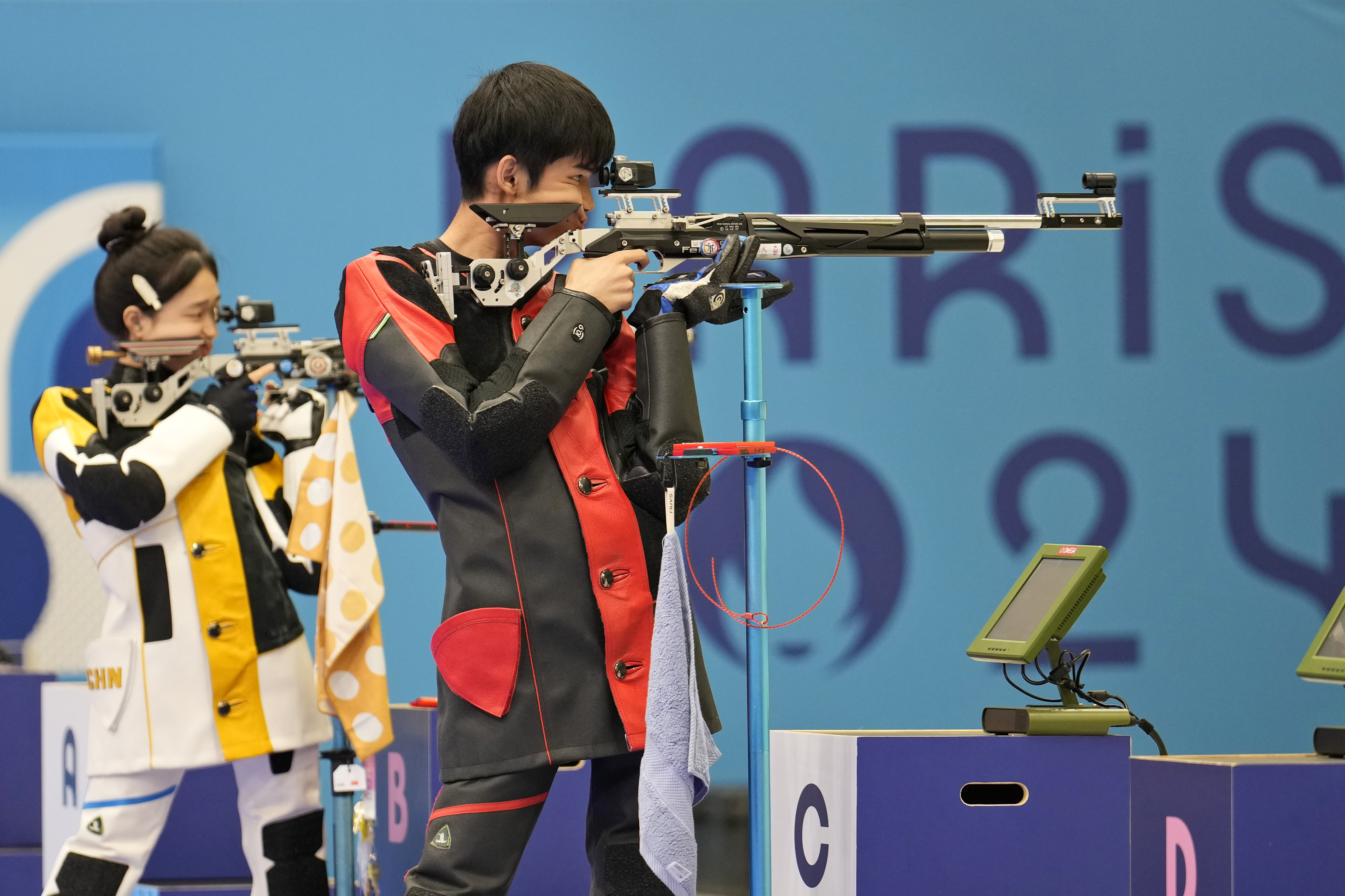
Olympic shooting events are distinguished by their rigorous standards for firearms, emphasizing precision, consistency, and safety. While each discipline—whether rifle, pistol, or shotgun—has its specific requirements, all firearms used in Olympic competitions are highly specialized, often custom-fitted to the athlete. The rifles, pistols, and shotguns must meet strict specifications concerning weight, dimensions, and mechanical operation to ensure a level playing field.
The firearms predominantly used in Olympics are modern, highly refined devices, often developed with the latest technology. For example, Olympic rifles and pistols are often equipped with adjustable stocks, specialized sighting systems, and minimal recoil mechanisms to enhance accuracy. These guns are also designed to minimize external variables, such as vibrations and inconsistencies, to allow athletes to demonstrate their skill and precision. Despite their technical sophistication, these firearms are fundamentally tools for precise sport and are not weapons for combat or self-defense, reflecting the sport’s focus on skill and discipline.
Types of Guns Used in Olympic Rifle Competitions
Olympic rifle shooting is primarily conducted using small-bore rifles, typically chambered for the .22 Long Rifle caliber, which provides a delicate balance between power and control. These rifles are highly customized, often featuring adjustable cheek pieces, stocks, and trigger mechanisms to suit each competitor’s ergonomic preferences. The most common types are the 50-meter rifle three-position event rifles, which athletes shoot in lying, kneeling, and standing positions, and the 10-meter air rifle event, where athletes fire hollow-point pellets at a fixed target with precision.
What truly sets Olympic rifle guns apart is their meticulous craftsmanship and technological integration. Many rifles incorporate advanced sighting systems with adjustable scopes or microscopic sights, allowing shooters to make fine adjustments during competitions. The weight of these rifles is carefully regulated, often around 4.5 kilograms, to balance stability and control. As shooting technology evolves, there is increasing interest in the use of electronic scoring systems and enhanced stabilization technology, which further showcase how innovations are shaping the future of Olympic rifle shooting.
Shotguns in Olympic Clay Pigeon Shooting
Shotguns used in Olympic clay pigeon shooting—specifically in trap, skeet, and double trap disciplines—are specialized for rapid, accurate shot placement. Typically, these shotguns are over-and-under models, which provide a balanced design for stability and quick handling, although semi-automatic shotguns are also used in some events. These shotguns are highly customizable, with options for adjustable stocks, ported barrels to reduce recoil, and specialized chokes to control shot patterning, all tailored to the shooter’s preferences.
The ammunition used in Olympic shotgun events is standardized to ensure fairness and consistency. The shotguns themselves are engineered for high precision, with tight manufacturing tolerances that facilitate consistent shot patterns. The technological innovations in recent years include recoil reduction systems and improved barrel design, which help shooters maintain accuracy under intense competition conditions. As the sport continues to evolve, so does the firearms, with manufacturers focusing on delivering equipment that supports rapid target acquisition and shooters’ comfort over lengthy courses of fire.
Popular Handguns in Olympic Shooting Sports
Olympic pistol shooting combines elements of precision and rapid fire. The handguns selected for these events—such as the 25-meter rapid fire pistol and 10-meter air pistol—are specially designed to optimize accuracy and ease of handling. Most of these handguns are semi-automatic, often constructed from lightweight, durable materials like aluminum and high-strength polymers, with finely tuned trigger mechanisms and adjustable sights to suit individual shooters’ preferences.
What makes these pistols particularly interesting is their adherence to strict regulatory standards, ensuring all competitors have an equal platform for demonstrating their skills. The precision-engineered components, such as the barrel and trigger assembly, are critical for success at the Olympic level. Recent technological trends include the integration of electronic scoring and sighting systems, which enhance the shooter’s ability to fine-tune their aim, and ergonomic modifications that cater to rapid, consecutive shots. The designs symbolize a perfect blend of craftsmanship and technological innovation, emphasizing the importance of consistency and control.
Comparison of Equipment Used by Olympic Shooters
While the ultimate goal across all shooting disciplines is accuracy, the equipment used varies significantly, reflecting the unique demands of each event. Olympic rifle shooters require highly stable and adjustable rifles tailored for precision at long distances, while shotgun athletes lean heavily on quick handling and shot pattern control to hit fast-moving clay targets. Pistol shooters focus on ergonomics, trigger responsiveness, and minimal recoil to shoot accurately in rapid succession or at precise distances.
Despite these differences, a common theme emerges: all equipment must be tailored to the athlete, often customized or personalized, to maximize their strengths. Advances in materials science, such as carbon fiber stocks and lightweight alloys, have allowed shooters to build equipment that improves stability and reduces fatigue during competitions. Moreover, technological innovations—like electronic sights, recoil dampening systems, and electronic scoring—are rapidly transforming the sporting firearms landscape, summing up a future where precision, comfort, and adaptability will become even more central.
Future Trends in Olympic Shooting Firearms
Looking ahead, the future of firearms used in Olympic shooting is poised for exciting innovations grounded in technology and design. Notably, smart gun technology, incorporating sensors and electronic adjustments, could allow real-time calibration adjustments based on environmental factors and shooter feedback, elevating performance standards. Artificial intelligence might also play a role in analyzing shot data to guide training or optimize firearm tuning, pushing the boundaries of human and machine collaboration.
Furthermore, advancements in materials science promise lighter, more durable firearms that enhance stability and reduce fatigue without sacrificing precision. As the sport continues to embrace sustainability, eco-friendly ammunition and manufacturing processes are likely to become more prominent, aligning with global environmental goals. The combination of advanced optics, augmented reality interfaces, and ergonomic customization will likely redefine what guns are used in the Olympics, blending tradition with innovative technology to elevate the sport’s standards for years to come.
FAQ’s
1. What types of guns are used in the Olympics?
The Olympics feature three main types of guns: rifles, pistols, and shotguns, each used in different shooting disciplines.
2. Are Olympic guns real firearms?
Yes, Olympic guns are real firearms or precision air guns, but they are designed specifically for sport shooting and not for combat.
3. What is an Olympic air rifle?
An Olympic air rifle is a precision firearm that shoots small pellets using compressed air, typically used in 10-meter events.
4. What caliber are Olympic rifles?
Olympic rifles are usually .22 caliber (5.6 mm) for 50-meter events and 4.5 mm (.177) for air rifle events.
5. What pistols are used in Olympic shooting?
Olympic pistol events use air pistols and small-bore pistols, commonly in .177 or .22 caliber.
6. What is a 10m air pistol?
The 10m air pistol is a single-shot pistol powered by compressed air, firing 4.5 mm pellets at a target 10 meters away.
7. What shotguns are used in the Olympics?
Olympic shotgun events use 12-gauge over-under shotguns for trap and skeet competitions.
8. Are Olympic guns automatic?
No, Olympic guns are not automatic; they are typically single-shot or semi-automatic for controlled, precise shooting.
9. What is the difference between air guns and firearms?
Air guns use compressed air or gas to fire pellets, while firearms use gunpowder to propel bullets.
10. Why are air guns used in the Olympics?
Air guns provide high precision, reduced recoil, and safer indoor shooting conditions.
11. What distances are used in Olympic shooting?
Common distances include 10 meters, 25 meters, and 50 meters depending on the event.
12. Do Olympic shooters use scopes?
No, optical scopes are not allowed; shooters use iron sights for accuracy.
13. What is a small-bore rifle?
A small-bore rifle is a .22 caliber rifle used in Olympic 50-meter shooting events.
14. How accurate are Olympic guns?
Olympic guns are extremely accurate, capable of hitting targets within fractions of a millimeter.
15. What is the weight limit for Olympic rifles?
Rifles must meet strict weight limits, typically up to around 8 kg depending on the event.
16. Are Olympic guns customized?
Yes, athletes often customize their guns for fit, balance, and performance.
17. What is trap shooting?
Trap shooting involves shooting clay targets launched away from the shooter using a shotgun.
18. What is skeet shooting?
Skeet shooting involves hitting clay targets launched from two fixed stations crossing in front of the shooter.
19. What is rapid fire pistol?
Rapid fire pistol is an event where shooters fire quickly at multiple targets using a .22 caliber pistol.
20. Do Olympic shooters use silencers?
No, silencers are not used in Olympic shooting competitions.
21. How many shots do Olympic shooters fire?
The number varies by event, but competitors may fire between 30 and 60 shots in qualification rounds.
22. Are Olympic guns expensive?
Yes, Olympic shooting equipment can be very expensive due to its precision engineering and customization.
23. What materials are Olympic guns made from?
They are typically made from high-quality steel, aluminum, and composite materials.
24. Do Olympic shooters bring their own guns?
Yes, athletes usually use their own customized firearms.
25. Are Olympic guns regulated?
Yes, strict rules govern size, weight, caliber, and features to ensure fairness.
26. What is a break-action shotgun?
A break-action shotgun opens at the hinge to load shells and is commonly used in Olympic trap and skeet.
27. What kind of ammunition is used?
Air guns use pellets, while rifles and pistols use small-caliber bullets, and shotguns use shells with pellets.
28. Are Olympic guns safe?
Yes, they are used under strict safety protocols and supervision.
29. Why are Olympic guns so specialized?
They are designed for extreme accuracy and consistency in competitive shooting.
30. Can beginners use Olympic guns?
Beginners can train with similar equipment but usually start with basic versions.
31. What is a shooting range in the Olympics?
It is a controlled environment where athletes shoot at targets under standardized conditions.
32. Do Olympic guns recoil?
Yes, but recoil is minimal, especially in air guns.
33. What is the role of trigger control?
Trigger control is crucial for accuracy and consistency in shooting performance.
34. Are Olympic guns different from military guns?
Yes, they are designed for sport and precision, not for combat use.
35. What is the purpose of shooting jackets?
Shooting jackets provide stability and support to improve accuracy.
36. Can Olympic guns be used for hunting?
They are not designed for hunting and are optimized for target shooting.
37. What is a pellet in air gun shooting?
A pellet is a small projectile used in air rifles and pistols.
38. What is the maximum weight for Olympic pistols?
Pistols usually have a maximum weight limit of around 1.4 kg.
39. What is a five-shot pistol?
It is a pistol capable of holding five rounds, commonly used in rapid fire events.
40. Are Olympic guns manually loaded?
Many are single-shot and require manual loading for each round.
41. What is the difference between prone and standing shooting?
Prone shooting is done lying down, while standing shooting is done upright, requiring more balance.
42. Why is breathing important in shooting?
Controlled breathing helps stabilize the body and improve aim.
43. What is a clay target?
A clay target is a disc used in shotgun events to simulate moving targets.
44. Do Olympic shooters wear protective gear?
Yes, they use eye protection, ear protection, and specialized clothing.
45. What is the ISSF?
The ISSF (International Shooting Sport Federation) governs Olympic shooting rules.
46. Are there mixed team shooting events?
Yes, mixed team events are included in Olympic shooting competitions.
47. How are Olympic shooting scores measured?
Scores are based on accuracy, with points awarded for proximity to the target center.
48. What is the smallest scoring ring?
The smallest ring is the center “10” ring, often measured to decimal precision.
49. Can weather affect Olympic shooting?
Yes, especially in outdoor shotgun events where wind can impact targets.
50. How do athletes maintain their guns?
They clean, adjust, and carefully store their equipment to ensure peak performance.
51. What skills are needed for Olympic shooting?
Key skills include focus, precision, control, and consistency.
52. Is Olympic shooting difficult?
Yes, it requires extreme precision, discipline, and years of training to master.
Conclusion
In summary, the firearms used in the Olympics represent the pinnacle of technological innovation and craftsmanship within the sporting world. From highly refined rifles for precision long-distance shooting and customized shotguns tailored for rapid clay target engagement, to precisely engineered pistols optimized for rapid and accurate shooting, each firearm underscores the athlete’s mastery and the sport’s emphasis on precision. The evolving landscape, driven by advancements in materials, electronics, and design, promises a future where Olympic shooters will enjoy more sophisticated, tailored equipment that pushes the limits of human capability. Exploring what guns are used in the Olympics reveals not only the technical level of these firearms but also highlights the sport’s unwavering pursuit of excellence, precision, and innovation.
Read more: