
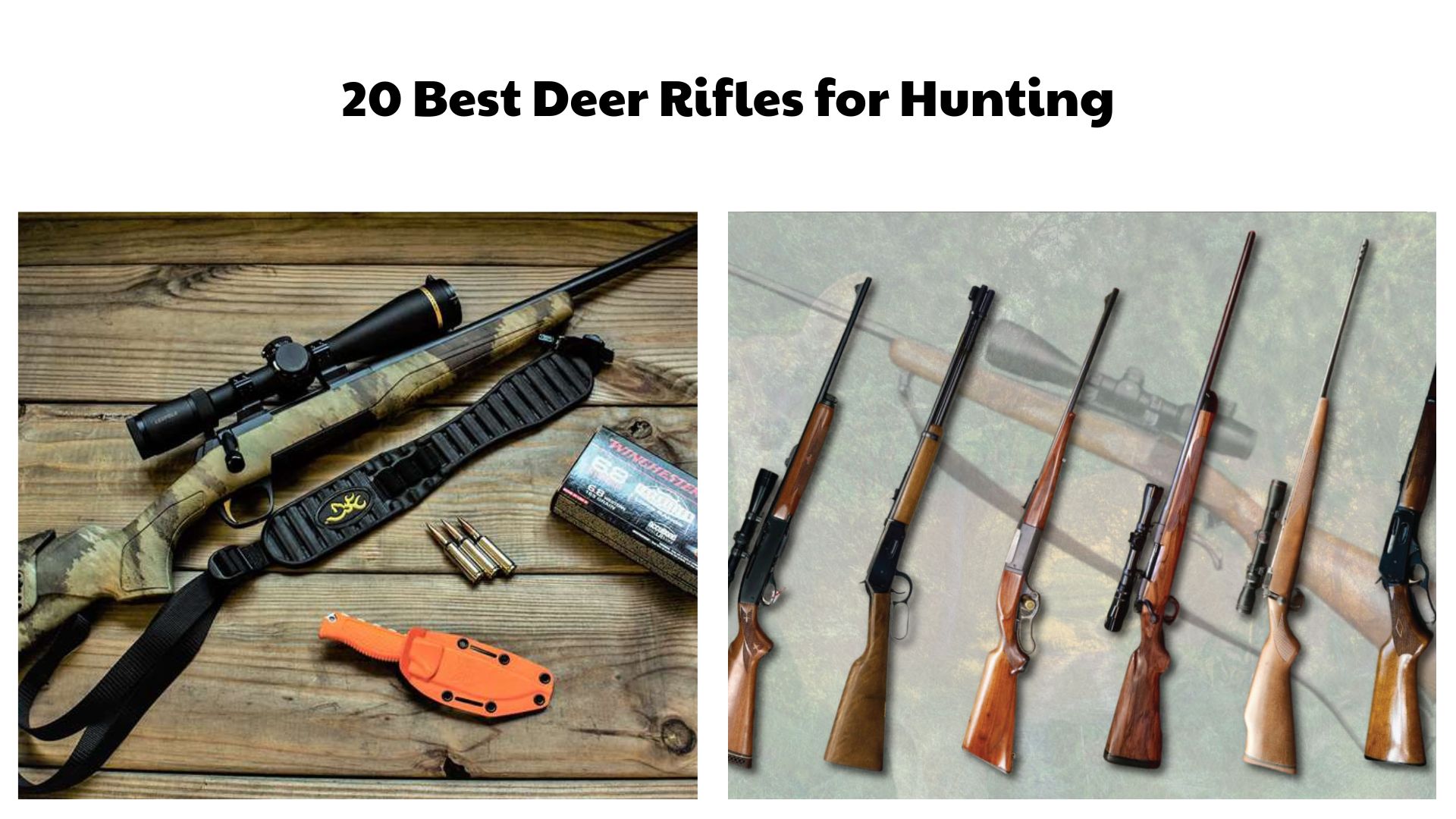

Finding the best deer rifles is not simply about choosing the most expensive firearm on the shelf or copying what another hunter carries into the woods. A great deer rifle should feel balanced in the hands, deliver reliable accuracy in changing weather conditions, and provide enough stopping power for ethical harvests without excessive recoil. Modern deer hunters have more choices than ever before, ranging from lightweight mountain rifles to classic lever-actions and advanced precision platforms designed for long-range hunting. The challenge is separating the rifles that genuinely perform in the field from those that rely mostly on marketing hype.
This guide covers the best deer rifles available today for hunters of different experience levels, budgets, and hunting environments. Whether you hunt thick timber, open farmland, rolling hills, or western backcountry terrain, these rifles have earned strong reputations for accuracy, reliability, and practical hunting performance. Each rifle reviewed below offers its own strengths, from lightweight portability to exceptional long-range precision, helping hunters choose a firearm that matches their style and hunting conditions.
20 Best Deer Rifles for Modern Hunters
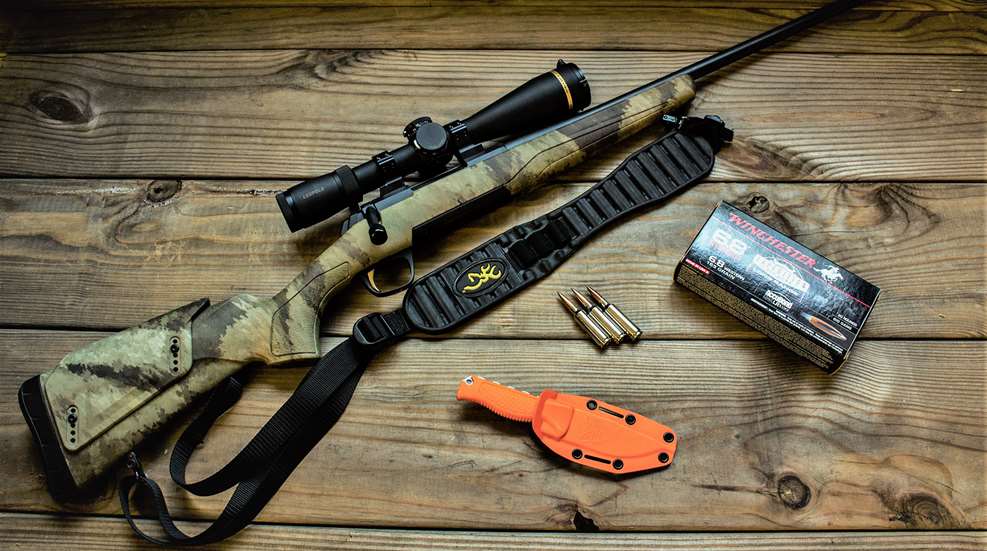
1. Ruger American Rifle Gen II Predator
The Ruger American Rifle Gen II Predator has quickly become one of the most talked-about deer rifles among modern hunters because it combines affordability, practical features, and field-ready accuracy in a package that feels much more refined than its price tag suggests. Ruger designed this rifle for hunters who want dependable performance without stepping into premium rifle territory, and the result is a firearm that consistently surprises experienced shooters. The rifle uses a cold hammer-forged barrel that delivers impressive consistency, especially when chambered in popular deer cartridges such as .308 Winchester, 6.5 Creedmoor, and .243 Winchester. One of the major strengths of the Gen II Predator is its lightweight handling, which makes long walks through forests, hills, and rough terrain significantly easier compared to heavier precision-style rifles.
The ergonomic stock design improves overall shooting comfort and helps the rifle shoulder naturally during fast shots in the field. Hunters often underestimate how important rifle balance becomes during real hunting situations, especially when an opportunity appears suddenly and there is little time to prepare. The Ruger American Rifle Gen II Predator feels agile and responsive, making it ideal for deer hunters who stalk through wooded terrain or move frequently between hunting locations. Ruger also improved the trigger system, giving shooters a cleaner and more predictable break that contributes to better shot placement under pressure. Accuracy remains one of the rifle’s strongest selling points, with many hunters reporting sub-MOA groups using factory hunting ammunition. For a rifle in this price range, that level of performance is extremely impressive.
Another reason this rifle stands out among the best deer rifles is its versatility. The threaded barrel allows hunters to add suppressors or muzzle devices, which is increasingly popular among modern hunters seeking reduced recoil and hearing protection. The detachable magazine feeds reliably and simplifies loading and unloading at camp or in vehicles. Durability is another area where the Ruger performs well because the synthetic stock and corrosion-resistant finish hold up nicely against rain, mud, snow, and rough outdoor use. Some lightweight rifles sacrifice stability for portability, but the Ruger manages to maintain enough rigidity for accurate shooting while still remaining easy to carry throughout an entire hunting season. The rifle also accepts optics easily, allowing hunters to customize setups for dense woods or long-range open country hunting.
For beginner hunters, the Ruger American Rifle Gen II Predator offers an excellent introduction to deer hunting rifles because it removes many of the frustrations often associated with cheaper bolt-action firearms. Experienced hunters also appreciate it because it delivers practical field performance without unnecessary complexity or excessive weight. While it may not carry the prestige of some premium rifle brands, the Ruger consistently proves itself where it matters most: real-world hunting conditions. Hunters who prioritize value, reliability, manageable recoil, and consistent accuracy will find this rifle extremely difficult to ignore. It is one of the clearest examples of how modern deer rifles have evolved to provide excellent performance at accessible price points.
2. Tikka T3x Lite
The Tikka T3x Lite has developed an almost legendary reputation among hunters who value precision, smooth operation, and lightweight field performance. Manufactured in Finland, this rifle reflects the Scandinavian approach to firearm design, focusing heavily on practical functionality rather than unnecessary cosmetic features. The first thing many hunters notice about the Tikka T3x Lite is how incredibly smooth the bolt feels during cycling. Fast follow-up shots become effortless because the action operates with minimal resistance, even in cold weather or difficult conditions. That level of refinement is one reason many experienced hunters consider the Tikka one of the best deer rifles currently available.
Weight plays a massive role in hunting comfort, especially during long days in mountainous terrain or dense backcountry areas, and the T3x Lite excels in this category. Carrying a heavy rifle for hours can become exhausting, particularly when combined with optics, packs, and additional gear. The lightweight synthetic stock helps reduce fatigue while maintaining solid durability against harsh environmental conditions. Despite its lighter construction, the rifle still feels stable and balanced when shooting from field positions such as kneeling, prone, or supported against trees and rocks. Tikka also designed the recoil pad to absorb much of the felt recoil, which helps hunters maintain sight picture and confidence during shots.
Accuracy is where the Tikka T3x Lite truly shines. Many hunters report excellent consistency with factory ammunition, often achieving groups that rival much more expensive rifles. The barrel quality contributes heavily to this performance, providing dependable precision at both moderate and extended hunting distances. Whether hunting whitetail deer in wooded environments or mule deer across wide-open western terrain, the Tikka delivers reliable shot placement that inspires confidence. The crisp trigger also enhances accuracy because it breaks cleanly without excessive creep or heaviness. Hunters who appreciate precise shooting mechanics often become loyal Tikka users after experiencing the rifle firsthand.
Another advantage of the Tikka T3x Lite is its adaptability across various hunting styles. It performs equally well as a lightweight mountain rifle, a general-purpose deer rifle, or even a crossover hunting and target shooting platform. The rifle’s receiver accommodates modern optics setups easily, and aftermarket support continues to grow for hunters interested in customization. While some deer rifles focus heavily on tactical aesthetics or oversized chassis systems, the Tikka remains refreshingly practical and field-oriented. It prioritizes real hunting performance instead of trends, which explains why it continues to earn respect among hunters worldwide. For those seeking a lightweight, accurate, and dependable deer rifle that performs exceptionally well in nearly every hunting scenario, the Tikka T3x Lite remains one of the strongest options available today.
3. Bergara B-14 Ridge
The Bergara B-14 Ridge represents a modern approach to bolt-action hunting rifles, blending precision-rifle engineering with practical hunting functionality. Bergara built its reputation through exceptional barrel manufacturing, and that expertise is immediately noticeable when shooting the B-14 Ridge. Accuracy remains one of the defining characteristics of this rifle, with many hunters and long-range shooters praising its consistency across multiple calibers commonly used for deer hunting. The rifle’s barrel construction helps maintain stable shot placement even during extended shooting sessions, making it particularly attractive for hunters who also enjoy recreational target shooting outside hunting season.
One reason the B-14 Ridge stands out among the best deer rifles is its balance between weight and stability. Some lightweight rifles become difficult to steady during longer shots, while heavier rifles can become tiring to carry through rough terrain. Bergara found an effective middle ground that allows the rifle to feel manageable during long hikes while still providing a stable shooting platform. The synthetic stock offers weather resistance and a comfortable grip texture that helps maintain control during wet or cold conditions. Deer hunting rarely happens under perfect circumstances, and rifles that continue functioning reliably in unpredictable weather often become favorites among experienced hunters.
The action design on the Bergara B-14 Ridge contributes heavily to its reputation for smooth operation. Cycling the bolt feels controlled and solid, giving shooters confidence during rapid follow-up shots if necessary. The trigger system also deserves praise because it offers a crisp and predictable break that helps maximize practical field accuracy. Combined with the rifle’s inherent precision, the trigger makes accurate shooting feel more natural, especially when shooting from improvised field positions. Hunters pursuing deer in open country often appreciate rifles capable of reliable long-distance performance, and the Bergara handles those situations very well.
Beyond raw performance, the Bergara B-14 Ridge also appeals to hunters who appreciate a refined shooting experience without entering ultra-premium price ranges. The rifle feels thoughtfully designed rather than overly complicated, with every feature serving a practical purpose for hunting applications. The threaded barrel adds modern versatility for suppressor use, while the receiver supports a wide range of optics configurations. Many hunters who purchase the B-14 Ridge eventually describe it as a rifle that exceeds expectations because it combines precision-rifle accuracy with traditional hunting practicality. It is an outstanding option for hunters seeking a reliable deer rifle that performs confidently across multiple hunting environments and shooting distances.
4. Browning X-Bolt Hunter
The Browning X-Bolt Hunter remains one of the most respected deer rifles on the market because it successfully blends classic hunting rifle aesthetics with modern engineering improvements. Browning designed the X-Bolt platform to provide hunters with a smoother, more accurate, and more reliable bolt-action experience compared to older traditional designs. The walnut stock immediately gives the rifle a refined appearance that many hunters still appreciate in an era dominated by synthetic materials and tactical styling. However, the X-Bolt Hunter is far more than just a visually attractive firearm because its real strength appears in actual field performance.
The rifle’s action operates smoothly and locks up securely, creating a shooting platform capable of excellent accuracy with factory hunting ammunition. Browning paid close attention to barrel free-floating and bedding design, which contributes significantly to shot consistency. Deer hunters often face difficult shooting conditions involving awkward angles, elevated stands, or quick shooting opportunities, and rifles that maintain predictable accuracy under pressure become extremely valuable. The X-Bolt Hunter delivers that reliability while still feeling elegant and lightweight enough for long hunting days. The detachable rotary magazine feeds cartridges smoothly and sits flush with the stock, maintaining the rifle’s clean overall profile.
One of the standout features of the Browning X-Bolt Hunter is its excellent trigger system. A clean trigger break helps hunters shoot more accurately because it minimizes unwanted movement during firing. Combined with the rifle’s balanced design and manageable recoil characteristics, the trigger contributes to a confident and comfortable shooting experience. The recoil pad also performs exceptionally well, reducing felt recoil enough to help shooters maintain better control during follow-up shots. This becomes especially important for hunters using larger calibers such as .30-06 Springfield or .300 Winchester Magnum for deer hunting in larger open-country environments.
Hunters who choose the Browning X-Bolt Hunter often do so because they want a rifle that feels traditional while still benefiting from modern performance improvements. It appeals to hunters who appreciate craftsmanship, reliability, and refined shooting characteristics without excessive tactical styling or unnecessary weight. The rifle handles beautifully in wooded terrain, elevated blinds, and open fields alike, making it one of the more versatile deer rifles available today. While newer rifle models continue entering the market every year, the X-Bolt Hunter remains consistently respected because it continues delivering dependable hunting performance season after season.
5. Savage 110 Hunter
The Savage 110 Hunter has earned a strong reputation among deer hunters by prioritizing accuracy, customization, and reliability at a highly competitive price point. Savage rifles have long been associated with excellent out-of-the-box precision, and the 110 Hunter continues that tradition with impressive consistency across numerous hunting calibers. One of the rifle’s biggest strengths is its adjustable AccuTrigger system, which allows shooters to customize trigger pull weight according to personal preference. A good trigger can dramatically improve practical field accuracy, and Savage recognized early how important that feature is for hunters of all experience levels.
The overall design of the Savage 110 Hunter focuses heavily on functionality and adaptability. The synthetic stock includes an adjustable length-of-pull system, which helps shooters achieve a more comfortable fit regardless of body size or clothing layers. Proper rifle fit often receives less attention than optics or caliber selection, yet it plays a major role in consistent shot placement during real hunting situations. The Savage feels stable and comfortable from multiple shooting positions, including tree stands, ground blinds, and prone field setups. The rifle also balances weight effectively, preventing it from feeling overly front-heavy during extended carrying periods.
Accuracy remains the defining trait of the Savage 110 Hunter. The rifle’s barrel and action design consistently produce tight groups with factory ammunition, making it a favorite among hunters who value precision without spending premium-level money. Many hunters confidently use the Savage for shots at moderate and extended distances because the rifle inspires trust through repeatable performance. The bolt action operates reliably in challenging weather conditions, including rain, snow, and freezing temperatures often encountered during late-season deer hunts. Durability matters greatly for hunting rifles, and the Savage platform has proven capable of handling rough outdoor use over many years.
Another reason the Savage 110 Hunter remains popular among deer hunters is its versatility. The rifle works well for beginners learning hunting fundamentals while still offering enough accuracy and customization potential for experienced shooters. It supports modern optics setups easily and performs effectively across a wide range of hunting environments. Some rifles prioritize appearance over functionality, but the Savage focuses almost entirely on practical field performance. That straightforward design philosophy continues attracting hunters who simply want a dependable rifle capable of ethical, accurate deer harvesting season after season. Among modern deer rifles, the Savage 110 Hunter remains one of the strongest values available today.
6. Winchester Model 70 Featherweight
The Winchester Model 70 Featherweight is one of the most iconic deer rifles ever produced, and its reputation has remained strong for generations because it combines elegant craftsmanship with dependable hunting performance. Often called “The Rifleman’s Rifle,” the Model 70 carries a legacy that few modern hunting rifles can match. Hunters who appreciate traditional bolt-action rifles often gravitate toward the Featherweight model because it balances classic styling with practical field usability. The rifle features a slimmer profile and lighter overall weight than standard Model 70 variants, making it far more comfortable to carry during long hunts through wooded hills, rugged mountain terrain, and open farmland. Despite its lighter design, the rifle still maintains excellent stability and handling characteristics during real-world shooting situations.
One of the biggest strengths of the Winchester Model 70 Featherweight is its controlled-round-feed action system. Many experienced hunters value this design because it improves cartridge feeding reliability, particularly during stressful moments when quick follow-up shots become necessary. In harsh hunting environments involving mud, rain, snow, or freezing temperatures, dependable cycling can make a significant difference. The Model 70’s action feels smooth and confident, while the three-position safety system offers an added layer of security that hunters appreciate when moving through difficult terrain. These practical design features help explain why the rifle continues to maintain such a loyal following among serious deer hunters decades after its original introduction.
Accuracy is another area where the Featherweight performs exceptionally well. The free-floating barrel and quality construction allow the rifle to produce excellent shot consistency with common deer hunting calibers such as .270 Winchester, .308 Winchester, and .30-06 Springfield. Many hunters particularly favor the .270 Winchester version because the cartridge and rifle combination offers a flat trajectory, manageable recoil, and excellent effectiveness on deer-sized game. The rifle shoulders naturally and points quickly, which becomes extremely valuable during fast-moving encounters in dense woods where deer may only appear for a few seconds. The crisp trigger also contributes to better practical accuracy by allowing shooters to maintain control throughout the firing process.
Another reason the Winchester Model 70 Featherweight remains among the best deer rifles is the overall shooting experience it provides. Many modern hunting rifles focus heavily on synthetic materials and tactical-inspired styling, but the Featherweight preserves the classic feel that many hunters still admire. The walnut stock adds warmth and character, while the polished metal finish gives the rifle a timeless appearance that never feels outdated. Yet beneath that traditional look lies a highly capable hunting firearm that performs reliably across a wide variety of hunting conditions. Hunters who value heritage, craftsmanship, smooth operation, and dependable field accuracy often find the Model 70 Featherweight extremely rewarding to own and use. It is a rifle that connects generations of hunters while still remaining highly relevant in today’s deer hunting world.
7. Remington 700 SPS
The Remington 700 SPS has remained one of the most influential bolt-action deer rifles for decades because of its proven action design, widespread availability, and impressive accuracy potential. Many hunters consider the Remington 700 platform the benchmark for modern hunting rifles because it has been trusted in both hunting and precision shooting communities for generations. The SPS variant, which stands for Special Purpose Synthetic, focuses on delivering practical field performance in a more weather-resistant and affordable configuration than some of the company’s premium hunting models. The synthetic stock improves durability in wet and rough conditions while reducing concerns about warping or cosmetic damage during hard outdoor use.
One of the most appealing characteristics of the Remington 700 SPS is its inherent accuracy. The cylindrical receiver design contributes to strong bedding consistency and stable barrel alignment, which helps the rifle deliver reliable precision across multiple hunting calibers. Hunters commonly choose chamberings such as .243 Winchester, .270 Winchester, .308 Winchester, and 7mm Remington Magnum depending on their local hunting environments and shooting preferences. The rifle’s accuracy potential becomes especially noticeable when paired with quality optics and well-matched hunting ammunition. Many hunters eventually customize their Remington 700 rifles because the platform supports one of the largest aftermarket ecosystems in the firearms industry.
The handling characteristics of the Remington 700 SPS make it highly practical for deer hunting in a wide range of terrain types. The rifle balances comfortably while still maintaining enough weight to stabilize shots effectively from field positions. Whether hunting from elevated blinds, dense timber, or open crop fields, the SPS adapts well to changing situations. The bolt action cycles smoothly and allows for efficient follow-up shots when necessary. Hunters often appreciate rifles that feel predictable and intuitive during high-pressure situations, and the Remington platform delivers that familiarity through years of refinement and real-world use. The recoil characteristics also remain manageable across most popular deer calibers, helping shooters maintain confidence and control during extended practice sessions.
Another reason the Remington 700 SPS remains one of the best deer rifles is its versatility. Some rifles perform well only within narrow hunting roles, but the 700 platform transitions easily between deer hunting, predator hunting, recreational shooting, and long-range target practice. The rifle’s strong reputation also means replacement parts, accessories, and upgrades remain widely available almost everywhere. While newer hunting rifle designs continue entering the market with advanced materials and features, the Remington 700 SPS continues earning respect because its foundation remains highly effective. It is a dependable, adaptable, and accurate rifle that still satisfies the needs of both new hunters and experienced outdoorsmen.
8. Weatherby Mark V Backcountry
The Weatherby Mark V Backcountry is designed for hunters who demand premium-level performance in extremely challenging hunting environments. Built with lightweight materials and advanced engineering, this rifle targets hunters who spend long days climbing mountains, crossing rough terrain, and pursuing deer in remote backcountry regions where every ounce of carried weight matters. Weatherby’s reputation for producing high-performance hunting rifles is well established, and the Mark V Backcountry showcases that experience through its exceptional balance of portability, accuracy, and rugged durability. Despite its lightweight construction, the rifle still feels solid and confidence-inspiring during actual shooting situations.
One of the defining features of the Mark V Backcountry is its advanced stock and action construction. The lightweight carbon-fiber components significantly reduce overall weight while maintaining structural rigidity that supports consistent accuracy. Carrying a heavy rifle through steep terrain can quickly become exhausting, especially during multi-day hunts, and the Backcountry’s lightweight profile helps reduce fatigue without sacrificing performance. The fluted barrel and precision-machined action further contribute to weight savings while preserving reliable function. Hunters who spend time in difficult weather conditions also appreciate the rifle’s corrosion-resistant finishes and durable materials, which help it withstand rain, snow, mud, and temperature extremes.
Accuracy remains a major strength of the Weatherby Mark V Backcountry. The rifle is capable of exceptional precision at longer hunting distances, making it particularly appealing for western deer hunting where shots may occur across open valleys or mountain ridges. Chamberings such as 6.5 Creedmoor, .300 Weatherby Magnum, and .280 Ackley Improved provide hunters with powerful and flat-shooting options for varying terrain types. The trigger system feels crisp and controlled, helping shooters maintain proper sight alignment during critical moments. The lightweight nature of the rifle does increase felt recoil slightly in magnum calibers, but the recoil pad and stock design help manage that effect effectively.
Beyond pure performance, the Weatherby Mark V Backcountry represents a premium hunting experience that appeals strongly to serious hunters willing to invest in high-end equipment. The rifle feels refined in every detail, from the smooth bolt operation to the carefully engineered balance and handling characteristics. While some deer hunters may not require such an advanced lightweight platform, those who regularly hunt remote and physically demanding environments often consider the investment worthwhile. The Mark V Backcountry demonstrates how modern deer rifles continue evolving through advanced materials and precision engineering while still remaining deeply focused on practical hunting performance.
9. Marlin Model 336 Classic
The Marlin Model 336 Classic holds a special place in deer hunting history because it represents one of the most successful lever-action hunting rifles ever produced. While bolt-action rifles dominate many modern hunting discussions, the 336 continues proving that traditional lever guns remain highly effective for deer hunting, especially in dense woods and short-range environments. Hunters pursuing whitetail deer in thick timber, brush-filled terrain, and wooded hills often prefer lever-action rifles because of their fast handling and rapid follow-up shot capability. The Marlin 336 delivers those advantages while maintaining the rugged reliability that hunters have trusted for decades.
One of the most recognizable aspects of the Marlin 336 is its chambering in .30-30 Winchester, a cartridge that has harvested countless deer across North America. The combination of manageable recoil, strong terminal performance, and moderate range capability makes the .30-30 exceptionally practical for woodland hunting. The rifle shoulders quickly and points naturally, allowing hunters to react rapidly when deer appear unexpectedly through brush or narrow shooting lanes. Unlike heavier scoped bolt-action rifles designed for long-distance precision, the 336 emphasizes speed, balance, and intuitive handling. Those qualities remain extremely valuable in traditional eastern deer hunting environments where most shots occur well inside 150 yards.
The Marlin Model 336 Classic also stands out because of its simplicity and durability. Lever-action rifles contain fewer complexities than many modern hunting platforms, and the 336 has built a reputation for dependable operation under harsh field conditions. Hunters appreciate firearms that continue functioning reliably despite mud, rain, cold weather, and rough transportation during hunting season. The rifle’s side-ejection design also allows easier optics mounting compared to some older lever-action designs, giving hunters more flexibility in configuring their setups. Modern production improvements have further enhanced manufacturing consistency while preserving the classic appearance and feel that many hunters still admire.
Another reason the Marlin 336 Classic remains one of the best deer rifles is the emotional connection many hunters have with lever-action firearms. For countless families, the 336 represents hunting traditions passed down across generations. However, nostalgia alone would not sustain the rifle’s popularity if it failed to perform effectively in the field. The truth is that the Marlin 336 continues delivering practical hunting performance year after year. It may not offer extreme long-range capability or tactical styling, but for hunters who value quick handling, reliability, and classic deer camp character, few rifles remain as beloved as the Marlin Model 336 Classic.
10. Henry Long Ranger
The Henry Long Ranger brings a modern twist to the traditional lever-action deer rifle by combining classic lever-gun handling with the performance advantages of modern high-pressure rifle cartridges. While traditional lever-actions often rely on tubular magazines and older cartridge designs, the Long Ranger uses a detachable box magazine system that safely accommodates pointed bullets commonly used in cartridges such as .308 Winchester, 6.5 Creedmoor, and .243 Winchester. This design significantly expands the rifle’s effective range and ballistic performance while preserving the quick handling characteristics that lever-action enthusiasts appreciate. As a result, the Henry Long Ranger bridges the gap between traditional hunting rifles and modern precision-oriented deer rifles.
One of the most impressive qualities of the Henry Long Ranger is how naturally it handles in the field. Lever-action rifles have always been known for their fast cycling speed and excellent balance, and the Long Ranger maintains those strengths while adding greater versatility. Hunters moving through dense woods or hunting from elevated stands often appreciate rifles that can be brought onto target quickly without feeling cumbersome. The smooth lever operation allows rapid follow-up shots, while the rifle’s overall balance helps maintain steady aim during offhand shooting situations. Despite its traditional styling, the Long Ranger feels surprisingly modern in terms of ergonomics and shooting performance.
Accuracy is another area where the Henry Long Ranger exceeds expectations for many hunters. The rifle’s rotating bolt design creates a stronger lockup than traditional lever guns, contributing to improved precision with modern deer hunting cartridges. Combined with quality barrels and solid receiver construction, the Long Ranger is fully capable of ethical deer harvesting at distances far beyond what many hunters normally associate with lever-action rifles. The crisp trigger and manageable recoil characteristics further enhance the rifle’s practical field accuracy. Hunters who appreciate traditional firearms but still want modern ballistic capability often find the Long Ranger especially appealing.
Beyond performance, the Henry Long Ranger also delivers exceptional craftsmanship and visual appeal. The walnut stock and polished metal finish create a rifle that feels elegant without appearing overly flashy. Henry rifles are widely respected for their fit and finish quality, and the Long Ranger continues that tradition. It offers a unique combination of old-school hunting character and modern ballistic efficiency that few rifles successfully achieve. For deer hunters seeking something different from the standard synthetic-stock bolt-action rifle, the Henry Long Ranger provides an excellent alternative that remains highly practical, accurate, and enjoyable to carry into the field.
11. CVA Cascade
The CVA Cascade has emerged as one of the most impressive value-driven deer rifles in recent years because it combines practical hunting features, reliable accuracy, and excellent overall build quality at a price that remains accessible for most hunters. While CVA originally became well known for muzzleloaders, the company successfully transitioned into the bolt-action rifle market with the Cascade platform. Many hunters initially underestimated the rifle simply because the brand lacked a long history in centerfire bolt-action hunting rifles, but field experience quickly changed those opinions. The Cascade consistently demonstrates that a rifle does not need a premium price tag to perform exceptionally well during real-world deer hunting situations.
One of the strongest characteristics of the CVA Cascade is its balanced design. The rifle feels comfortable in the hands without becoming too heavy during long walks through rough terrain. Carrying a deer rifle all day can quickly become exhausting when unnecessary weight is involved, especially for hunters navigating hills, dense forests, or changing elevations. The Cascade avoids that issue by maintaining a practical hunting weight while still feeling stable enough for accurate shooting from field positions. The synthetic stock provides solid weather resistance and includes textured grip areas that improve control during rain, snow, or cold-weather hunts when gloves become necessary.
Accuracy remains one of the biggest reasons the CVA Cascade has gained respect among hunters. The rifle’s fluted barrel helps reduce weight while supporting consistent shot placement with common deer cartridges such as .308 Winchester, 6.5 Creedmoor, and .350 Legend. Many hunters report impressive out-of-the-box accuracy using factory hunting ammunition, making the rifle highly appealing for shooters who want dependable precision without spending heavily on custom upgrades. The trigger system also contributes positively to shooting consistency because it breaks cleanly and predictably without excessive creep or heaviness. In practical hunting scenarios where shot opportunities may only last a few seconds, a controllable and accurate rifle becomes extremely valuable.
Another reason the CVA Cascade deserves recognition among the best deer rifles is its modern versatility. The threaded barrel allows suppressor compatibility, which has become increasingly important among hunters looking to reduce recoil and improve hearing protection during extended shooting sessions. The rifle also accepts modern optics setups easily and provides reliable feeding through its detachable magazine system. While some rifles rely heavily on aggressive styling or tactical-inspired features to attract attention, the Cascade focuses primarily on practical field performance. That straightforward design philosophy has helped the rifle gain popularity among hunters who care more about dependable results than unnecessary complexity. For hunters seeking a reliable, accurate, and affordable deer rifle capable of handling a wide variety of hunting conditions, the CVA Cascade stands out as one of the strongest modern options available.
12. Sako 90 Adventure
The Sako 90 Adventure represents premium European rifle craftsmanship blended with advanced hunting performance, making it one of the most refined deer rifles currently available. Sako has long maintained a reputation for producing exceptionally accurate and smooth-operating hunting rifles, and the 90 Adventure continues that tradition with impressive attention to detail. Hunters who value precision engineering immediately notice the rifle’s excellent fit and finish, smooth bolt travel, and carefully balanced handling characteristics. While many deer rifles focus primarily on affordability or rugged simplicity, the Sako 90 Adventure aims to provide a truly premium shooting experience without sacrificing practical hunting functionality.
One of the defining strengths of the Sako 90 Adventure is its outstanding action design. The bolt cycles incredibly smoothly, allowing fast and controlled operation even under stressful field conditions. During cold-weather hunts or situations requiring quick follow-up shots, that smoothness becomes more than just a luxury feature because it helps maintain efficiency and confidence. The rifle’s receiver and barrel system are engineered for exceptional precision, and many shooters experience remarkable accuracy even with factory-loaded hunting ammunition. Chamberings such as .308 Winchester, 6.5 Creedmoor, and .270 Winchester perform especially well in the platform, providing hunters with flexibility across multiple deer hunting environments.
The stock design on the Sako 90 Adventure further enhances its reputation as a premium deer rifle. The ergonomic shape supports comfortable shooting positions while improving recoil management and natural target alignment. Deer hunting often involves awkward shooting angles from tree stands, uneven terrain, or improvised rests, and rifles that shoulder naturally can significantly improve shot placement during those moments. The weather-resistant materials also help the rifle withstand difficult outdoor conditions without compromising structural integrity or appearance. Despite its refined construction, the Sako remains a serious hunting tool designed to perform consistently in real environments rather than simply looking impressive in display cases.
Another reason the Sako 90 Adventure stands among the best deer rifles is the confidence it inspires in experienced hunters. Every aspect of the rifle feels deliberate and carefully engineered, from the trigger quality to the magazine system and recoil characteristics. The rifle performs equally well in dense woodland hunts and open-country scenarios where longer shots may become necessary. Although the premium pricing places it above entry-level hunting rifles, many hunters view the investment as worthwhile because of the rifle’s long-term reliability, accuracy, and overall refinement. For hunters seeking a high-end deer rifle that combines elegance with genuine field performance, the Sako 90 Adventure delivers one of the most complete hunting packages available today.
13. Kimber Mountain Ascent
The Kimber Mountain Ascent is specifically designed for hunters who prioritize extreme lightweight performance without sacrificing accuracy or reliability. Mountain hunting often involves physically demanding terrain where every pound of carried gear matters, and Kimber engineered the Mountain Ascent to address that challenge directly. The rifle weighs significantly less than many traditional hunting rifles, making it highly attractive for hunters pursuing deer across steep ridges, remote valleys, and rugged backcountry environments. Despite its lightweight construction, the rifle still maintains the precision and durability necessary for ethical hunting at moderate and extended ranges.
One of the most impressive aspects of the Kimber Mountain Ascent is how effectively it balances portability with shooting performance. Lightweight rifles sometimes become difficult to control during firing because reduced mass can increase perceived recoil and movement, but Kimber designed the stock and recoil management system carefully to minimize those drawbacks. The carbon-fiber reinforced stock helps maintain structural rigidity while significantly reducing overall weight. The fluted barrel and skeletonized bolt further contribute to weight savings without compromising reliability. Carrying the rifle over long distances feels noticeably easier compared to heavier hunting rifles, especially during multi-day hunting trips in mountainous terrain.
Accuracy remains a major strength of the Kimber Mountain Ascent. The rifle consistently performs well with high-quality hunting ammunition, particularly in flat-shooting cartridges such as 6.5 Creedmoor, .280 Ackley Improved, and .308 Winchester. Hunters who pursue mule deer or western whitetail often appreciate rifles capable of precise shot placement at longer distances, and the Kimber handles those situations confidently. The trigger feels crisp and controlled, supporting accurate shooting from field positions where stability may be limited. Although lightweight rifles require proper shooting technique to maximize precision, experienced hunters often find the Kimber extremely rewarding once familiar with its handling characteristics.
Another reason the Kimber Mountain Ascent ranks among the best deer rifles is the overall freedom it provides during physically demanding hunts. Hunters covering steep elevations and rough landscapes quickly learn how valuable lightweight equipment becomes over time. Reducing fatigue can improve overall hunting performance, decision-making, and shooting stability throughout long days in difficult terrain. The Mountain Ascent also offers weather resistance and dependable reliability under harsh outdoor conditions, ensuring it remains functional despite rain, snow, or freezing temperatures. For hunters seeking an ultra-light deer rifle designed specifically for challenging backcountry adventures, the Kimber Mountain Ascent remains one of the most respected choices on the market.
14. Franchi Momentum Elite
The Franchi Momentum Elite has become increasingly popular among deer hunters because it delivers a strong combination of modern ergonomics, practical accuracy, and attractive styling at a competitive price point. Franchi, traditionally associated with shotguns, entered the bolt-action hunting rifle market with a fresh approach that emphasizes comfort, balance, and real-world hunting functionality. The Momentum Elite immediately stands out because of its modern stock design, which feels highly ergonomic and natural during field use. Hunters spending long hours carrying rifles through forests, hills, or agricultural land often appreciate firearms that reduce fatigue while maintaining solid shooting stability.
One of the defining strengths of the Momentum Elite is its comfortable shooting experience. The stock geometry helps absorb recoil effectively while encouraging consistent cheek weld and natural sight alignment. These factors become important during actual hunting situations because they contribute directly to shot placement under pressure. The rifle’s action cycles smoothly, allowing efficient operation during follow-up shots if necessary. Franchi also incorporated a quality trigger system that breaks cleanly and predictably, helping hunters maintain confidence during critical shooting moments. Combined with the rifle’s balanced handling, the trigger contributes significantly to practical hunting accuracy.
The Momentum Elite also performs impressively in terms of precision. The free-floating barrel and stable action design help produce reliable shot consistency across multiple deer hunting calibers, including .308 Winchester, 6.5 Creedmoor, and .243 Winchester. Many hunters discover that the rifle shoots far better than expected for its price category, especially when paired with quality optics and well-matched ammunition. The threaded barrel adds versatility for suppressor users, while the weather-resistant finish improves durability during wet and cold hunting seasons. Modern deer hunters increasingly value rifles that combine traditional hunting practicality with updated features, and the Momentum Elite addresses that demand effectively.
Another reason the Franchi Momentum Elite deserves consideration among the best deer rifles is its broad versatility. The rifle adapts well to wooded whitetail hunts, open-country mule deer hunts, and general recreational shooting outside hunting season. It offers modern performance without feeling overly tactical or excessively complicated. Hunters who want a reliable and accurate deer rifle that feels refined without entering premium price ranges often find the Momentum Elite highly appealing. Franchi successfully created a hunting rifle that feels comfortable, shoots accurately, and performs reliably across a wide variety of real hunting situations.
15. Mossberg Patriot
The Mossberg Patriot has earned a strong following among deer hunters because it offers practical hunting performance at an affordable price while still maintaining reliability and solid accuracy. Mossberg designed the Patriot series specifically for hunters who want a dependable bolt-action deer rifle without overspending on unnecessary premium features. In many ways, the Patriot reflects a straightforward hunting philosophy focused on functionality rather than excessive styling or complicated systems. That practical approach has helped the rifle become especially popular among beginner hunters, budget-conscious sportsmen, and experienced hunters seeking a reliable backup rifle for deer season.
One of the biggest advantages of the Mossberg Patriot is its lightweight and comfortable handling characteristics. The rifle feels easy to carry throughout long hunting days, whether moving through thick timber, climbing into elevated blinds, or crossing open farmland. The synthetic stock provides durability against moisture and rough outdoor conditions while maintaining a practical hunting weight. Hunters often underestimate how important rifle comfort becomes during extended hunts, particularly when carrying additional gear and heavy clothing during colder weather. The Patriot’s manageable balance and ergonomic grip areas help reduce fatigue while improving overall control during field shooting situations.
Accuracy is another area where the Mossberg Patriot performs surprisingly well considering its accessible price point. The rifle consistently produces dependable hunting-level precision with common deer calibers such as .243 Winchester, .308 Winchester, 6.5 Creedmoor, and .30-06 Springfield. The trigger system helps support accurate shooting by offering a relatively clean break that allows hunters to maintain proper sight alignment during firing. While the Patriot may not compete directly with premium precision-oriented rifles, it delivers more than enough accuracy for ethical deer hunting across typical hunting distances. Many hunters find the rifle performs best when paired with quality hunting ammunition and properly mounted optics.
Another reason the Mossberg Patriot remains among the best deer rifles for many hunters is its simplicity and reliability. The bolt action operates smoothly enough for practical field use, and the detachable magazine system allows quick loading and unloading during travel or camp preparation. The rifle’s affordability also allows hunters to invest more of their budget into optics, ammunition, and hunting gear without sacrificing essential firearm performance. For many deer hunters, especially those entering the sport for the first time, the Patriot offers an effective balance of reliability, accuracy, affordability, and ease of use. It proves that a practical deer rifle does not need to be expensive to perform successfully during hunting season.
16. Howa 1500 Hogue
The Howa 1500 Hogue has quietly earned a strong reputation among experienced deer hunters because it delivers exceptional reliability, smooth bolt operation, and impressive accuracy at a price that often undercuts many competing rifles. Manufactured in Japan, the Howa 1500 reflects a level of machining precision and consistency that hunters immediately notice when handling the rifle for the first time. Although it may not always receive the same level of mainstream attention as some American hunting rifle brands, the Howa platform has developed a loyal following among hunters who prioritize dependable field performance over marketing trends. The Hogue version, in particular, adds improved comfort and control through its overmolded stock design, which performs especially well in wet and cold hunting conditions.
One of the standout characteristics of the Howa 1500 Hogue is the smoothness of its bolt action. Cycling feels controlled and refined, allowing hunters to chamber rounds efficiently without excessive resistance or roughness. During actual deer hunts, particularly when adrenaline rises after spotting game, a reliable and smooth action can make a meaningful difference in maintaining composure and executing fast follow-up shots if necessary. The rifle’s two-stage trigger also contributes positively to practical accuracy because it provides a predictable and clean break that helps reduce unnecessary movement during firing. Combined with the rifle’s stable platform and solid barrel quality, the trigger helps the Howa consistently produce tight hunting groups with factory ammunition.
The Hogue stock deserves special attention because it significantly improves handling comfort during extended hunts. The soft overmolded texture enhances grip security even when exposed to rain, mud, snow, or cold-weather gloves. Deer hunting rarely occurs under perfect conditions, and rifles that remain easy to control during difficult weather often become long-term favorites among serious hunters. The stock also helps absorb recoil effectively, making larger calibers such as .30-06 Springfield or .308 Winchester feel more manageable during repeated practice sessions. That comfort encourages hunters to spend more time training at the range, which naturally improves confidence and field shooting performance during hunting season.
Another reason the Howa 1500 Hogue ranks among the best deer rifles is its versatility across different hunting environments. The rifle performs equally well in dense eastern forests, rolling farmland, and more open western terrain where longer shots may occasionally become necessary. It supports modern optics setups easily and offers dependable feeding reliability through its internal magazine system. Hunters who appreciate practical engineering, strong durability, and consistent real-world accuracy often discover that the Howa 1500 Hogue delivers far more value than its price initially suggests. It remains one of the most underrated deer rifles available today and continues proving itself season after season among hunters who value substance over hype.
17. CZ 600 Alpha
The CZ 600 Alpha represents a modern evolution in bolt-action hunting rifles, combining advanced engineering with practical field-oriented design features that appeal strongly to today’s deer hunters. CZ has long maintained a respected reputation in the firearms industry for producing accurate and reliable rifles, and the 600 Alpha continues that tradition while introducing updated ergonomics and improved modularity. The rifle immediately feels balanced and refined in the hands, giving hunters confidence whether walking through thick timber or preparing for longer shots across open fields. Unlike some modern hunting rifles that focus heavily on tactical styling, the CZ 600 Alpha maintains a clean and purpose-driven hunting design.
One of the strongest aspects of the CZ 600 Alpha is its exceptional action smoothness and overall shooting refinement. The bolt cycles effortlessly, allowing fast and reliable operation during stressful hunting moments where speed and consistency matter. The locking system provides strong and secure engagement, contributing to the rifle’s excellent accuracy potential across multiple popular deer hunting calibers such as .308 Winchester, 6.5 Creedmoor, and .243 Winchester. The rifle’s cold hammer-forged barrel further enhances precision by delivering stable shot consistency and impressive durability over long-term use. Many hunters report excellent out-of-the-box performance without requiring extensive customization or tuning.
The synthetic stock design also contributes significantly to the rifle’s hunting practicality. The ergonomic shape promotes natural shouldering and stable shooting positions while maintaining weather resistance against rain, mud, and changing temperatures. Deer hunters often encounter unpredictable outdoor conditions during fall and winter seasons, making durable stock materials especially important. The rifle’s relatively lightweight construction also helps reduce fatigue during long hikes or extended periods of carrying gear through rough terrain. Recoil remains manageable even in larger calibers thanks to the stock geometry and overall rifle balance, allowing shooters to maintain good control and rapid sight recovery after firing.
Another reason the CZ 600 Alpha stands among the best deer rifles is its ability to combine modern performance with straightforward usability. The rifle avoids unnecessary complexity while still offering many of the features modern hunters value, including excellent optics compatibility, reliable magazine feeding, and strong overall build quality. Hunters who want a contemporary hunting rifle that feels refined, accurate, and dependable without becoming overly tactical often find the CZ 600 Alpha highly appealing. It is a rifle built for real-world hunting situations rather than range-only performance, and that practical focus continues helping it gain popularity among serious deer hunters worldwide.
18. Seekins Precision Havak PH2
The Seekins Precision Havak PH2 is one of the most advanced deer rifles available for hunters who demand premium accuracy and exceptional build quality in the field. Originally known for producing high-end precision rifle components, Seekins Precision successfully applied its engineering expertise to the hunting market with the Havak series. The PH2 model specifically targets hunters who want near-custom-rifle performance without the long wait times and extreme costs associated with fully custom builds. From the moment hunters handle the rifle, the attention to detail becomes obvious through its excellent machining, smooth bolt operation, and carefully balanced construction.
Accuracy remains the defining strength of the Havak PH2. The rifle consistently produces outstanding shot groups with factory hunting ammunition and often performs at a level that rivals dedicated precision rifles. This makes it particularly appealing for western deer hunting where longer shooting distances are common and precise shot placement becomes critical. Chamberings such as 6.5 Creedmoor, .308 Winchester, and 7mm PRC perform exceptionally well in the platform, offering hunters flat trajectories and strong terminal performance for deer-sized game. The trigger system feels crisp and highly refined, helping shooters maintain excellent control during difficult field shots where precision matters most.
The Havak PH2 also excels in terms of ergonomics and handling. While precision-oriented rifles sometimes become excessively heavy for practical hunting use, Seekins managed to maintain a balance between stability and portability. The rifle feels solid without becoming burdensome during long days in the field. The stock design promotes natural alignment behind optics while providing enough rigidity for consistent shooting performance from improvised field positions. The action cycles smoothly and confidently, allowing rapid follow-up shots when necessary. Combined with the rifle’s excellent recoil management, these characteristics create a highly controllable and confidence-inspiring hunting platform.
Another major advantage of the Seekins Precision Havak PH2 is its overall durability and premium construction quality. The rifle is built to withstand harsh outdoor conditions while maintaining consistent performance across changing environments and temperatures. Hunters investing in the Havak often view it as a long-term hunting rifle capable of handling everything from deer and elk hunts to recreational long-range shooting. Although its premium pricing places it above many traditional hunting rifles, the rifle justifies that cost through exceptional precision, reliability, and craftsmanship. For hunters seeking one of the most refined and accurate modern deer rifles available, the Seekins Precision Havak PH2 stands near the top of the category.
19. Browning BAR Mark 3
The Browning BAR Mark 3 remains one of the most respected semi-automatic deer rifles because it combines fast follow-up shot capability with excellent reliability and surprisingly strong accuracy. While bolt-action rifles dominate much of the deer hunting market, semi-automatic hunting rifles continue holding a dedicated place among hunters who value quick shooting opportunities and smooth recoil characteristics. The BAR platform has existed for decades and earned a reputation for dependable field performance under real hunting conditions. The modern Mark 3 version improves upon that legacy through updated ergonomics, lighter construction, and refined operation that feels highly polished during use.
One of the most important advantages of the Browning BAR Mark 3 is its recoil management. Semi-automatic action systems naturally absorb some recoil energy during cycling, making larger deer hunting calibers feel noticeably softer compared to similarly chambered bolt-action rifles. This reduced recoil allows hunters to recover sight picture more quickly after firing and maintain better overall shooting control. For hunters sensitive to recoil or those pursuing fast-moving deer in driven hunts and wooded terrain, that characteristic becomes especially valuable. The rifle shoulders naturally and points quickly, helping hunters react efficiently during short-window shooting opportunities.
Accuracy is another area where the BAR Mark 3 often exceeds expectations. Some hunters mistakenly assume semi-automatic rifles sacrifice precision for speed, but the BAR platform consistently demonstrates excellent hunting-level accuracy across popular calibers such as .308 Winchester, .30-06 Springfield, and .270 Winchester. The rifle’s barrel design and stable receiver construction help maintain reliable shot consistency at normal deer hunting distances. Combined with quality optics, the BAR performs effectively in both dense woodland environments and more open agricultural terrain. The detachable magazine system also simplifies loading and unloading while maintaining reliable feeding under field conditions.
Another reason the Browning BAR Mark 3 ranks among the best deer rifles is its combination of tradition and modern practicality. The rifle retains a classic hunting appearance while integrating modern engineering improvements that enhance reliability and handling. Hunters who prefer semi-automatic platforms often appreciate the BAR because it feels purpose-built for hunting rather than adapted from military-style rifle systems. The rifle’s refined finish, smooth operation, and dependable field performance have helped it maintain popularity for generations. For hunters seeking a fast-handling, reliable, and comfortable semi-automatic deer rifle, the Browning BAR Mark 3 remains one of the finest options available today.
20. Ruger Hawkeye Hunter
The Ruger Hawkeye Hunter closes this list of the best deer rifles with a combination of rugged reliability, modern features, and classic controlled-feed bolt-action performance that appeals strongly to serious hunters. Ruger designed the Hawkeye Hunter for outdoorsmen who need a rifle capable of handling difficult weather conditions, rough terrain, and demanding hunting environments without sacrificing accuracy or durability. The rifle immediately feels robust and dependable, giving hunters confidence before even stepping into the field. Its stainless-steel construction and reinforced stock materials make it particularly well suited for wet climates, mountain hunts, and long-term hard outdoor use.
One of the defining characteristics of the Ruger Hawkeye Hunter is its controlled-round-feed action system. Many experienced hunters value this design because it improves cartridge control during feeding and extraction, especially when operating the bolt quickly or under stressful hunting situations. Reliability becomes critically important during real hunts where opportunities may only last a few seconds, and the Hawkeye’s action system provides an added sense of security. The bolt operates smoothly while locking securely into place, contributing to both reliability and accuracy. The rifle’s adjustable trigger also helps shooters maintain consistent shot placement by delivering a crisp and predictable break.
Accuracy remains another major strength of the Ruger Hawkeye Hunter. The cold hammer-forged barrel consistently delivers strong precision with common deer hunting calibers such as .308 Winchester, 6.5 Creedmoor, and .30-06 Springfield. The rifle handles longer shots confidently while still remaining maneuverable enough for wooded hunting environments. The stock design improves overall ergonomics and recoil management, helping hunters maintain stable shooting positions from field rests, blinds, or prone setups. Ruger also incorporated a threaded barrel, allowing hunters to use suppressors or muzzle devices depending on local regulations and personal preferences.
Another reason the Ruger Hawkeye Hunter stands among the best deer rifles is its balance between traditional hunting functionality and modern upgrades. The rifle avoids unnecessary gimmicks while still providing many features that modern hunters appreciate, including weather resistance, suppressor compatibility, and strong optics mounting capability. It performs consistently across a wide range of hunting conditions and remains durable enough for years of hard use. Hunters seeking a dependable all-around deer rifle that blends rugged construction, reliable accuracy, and practical field performance will find the Ruger Hawkeye Hunter an outstanding choice. It represents the kind of rifle built not just for one hunting season, but for decades of dependable use in the field.
Conclusion
Choosing among the best deer rifles ultimately comes down to hunting style, terrain, shooting preference, and personal comfort in the field. Some hunters prefer lightweight mountain rifles built for long hikes and rugged backcountry terrain, while others value classic lever-actions for fast handling in thick woods. Modern deer rifles now offer more versatility, accuracy, and reliability than ever before, giving hunters a wide range of options that can match nearly any environment or budget. From premium precision-focused rifles like the Seekins Precision Havak PH2 and Weatherby Mark V Backcountry to dependable value-driven choices such as the Ruger American Rifle Gen II Predator and Mossberg Patriot, every rifle on this list has earned its place through real hunting performance rather than simple marketing claims.
A great deer rifle should inspire confidence when the moment of truth arrives. Accuracy matters, but so do balance, reliability, recoil control, durability, and overall handling. Hunters who spend time practicing with their chosen rifle and understanding its capabilities will almost always perform better in the field than those chasing trends or unnecessary features. Whether hunting whitetail deer in dense eastern timber, mule deer across western canyons, or farmland deer in open country, the right rifle becomes more than just equipment—it becomes a trusted hunting companion built through experience and consistency.
The deer rifles featured in this guide continue proving themselves season after season because they combine practical design with dependable field performance. Some represent traditional hunting heritage, while others showcase modern advancements in materials and engineering, but all share the same core purpose: helping hunters make accurate, ethical shots under real-world hunting conditions. By choosing a rifle that fits both the hunter and the environment, deer hunters can improve not only their success rates but also their overall enjoyment and confidence during every hunting season ahead.
Frequently Asked Questions About the Best Deer Rifles
1. What caliber is best for deer hunting?
The best caliber for deer hunting depends on the hunter’s environment, shooting distance, recoil tolerance, and overall hunting style. Popular deer calibers such as .308 Winchester, .270 Winchester, 6.5 Creedmoor, .30-06 Springfield, and .243 Winchester continue dominating the market because they provide reliable accuracy, manageable recoil, and enough energy for ethical deer harvests. Hunters pursuing whitetail deer in thick woods often prefer cartridges like the .30-30 Winchester because of its effectiveness at shorter distances, while western hunters may choose flatter-shooting calibers like the 6.5 Creedmoor or .270 Winchester for longer shots across open terrain. There is no universal “perfect” caliber because proper shot placement remains far more important than raw power alone. Choosing a caliber that allows comfortable practice and consistent accuracy is usually more beneficial than selecting the largest cartridge available.
2. Are bolt-action rifles better for deer hunting?
Bolt-action rifles remain the most popular deer rifles because they offer excellent reliability, strong accuracy potential, and relatively simple mechanical operation. Most bolt-action deer rifles are lightweight, durable, and capable of handling a wide range of calibers suitable for deer-sized game. Hunters also appreciate their controlled shooting pace and dependable feeding systems during difficult field conditions. However, that does not mean bolt-action rifles are automatically superior for every hunting situation. Lever-action rifles excel in dense timber where quick shots matter, and semi-automatic rifles provide faster follow-up shots for moving game. The best rifle platform depends on the hunter’s terrain, preferences, and level of experience. Bolt-action rifles simply offer the broadest balance of precision, reliability, affordability, and versatility for most deer hunters.
3. How far can you accurately shoot a deer rifle?
The effective range of a deer rifle depends on the rifle itself, the caliber, ammunition quality, optics, weather conditions, and most importantly, the shooter’s skill level. Many hunters ethically harvest deer inside 100 to 300 yards because those distances allow higher confidence in shot placement. Modern deer rifles chambered in cartridges like 6.5 Creedmoor, .270 Winchester, or .308 Winchester are fully capable of accurate shooting well beyond 500 yards when paired with quality optics and proper training. However, long-range hunting requires advanced understanding of wind drift, bullet drop, shooting angles, and environmental variables. Ethical deer hunting should always prioritize clean, humane shots rather than simply testing maximum rifle distance capability.
4. Is the 6.5 Creedmoor good for deer hunting?
Yes, the 6.5 Creedmoor has become one of the most popular modern deer hunting cartridges because it combines excellent accuracy, manageable recoil, and strong ballistic performance. The cartridge performs particularly well at medium and longer hunting distances due to its high ballistic coefficient bullets, which resist wind drift and maintain velocity efficiently. Hunters often appreciate the softer recoil because it allows better shooting control and encourages more range practice. Despite its moderate recoil, the 6.5 Creedmoor still provides enough energy for ethical deer harvesting when proper hunting bullets and shot placement are used. It has proven highly effective on whitetail deer, mule deer, and even larger game under appropriate conditions.
5. What is the best budget deer rifle?
Several budget-friendly deer rifles perform exceptionally well today, including the Ruger American Rifle Gen II Predator, Savage 110 Hunter, Mossberg Patriot, and CVA Cascade. These rifles demonstrate that hunters no longer need to spend premium-level money to obtain dependable accuracy and reliability. Modern manufacturing techniques have improved consistency across affordable rifle platforms, allowing budget rifles to achieve performance levels that were once associated only with expensive firearms. The key is choosing a rifle that balances quality construction, comfortable ergonomics, and reliable field performance while leaving enough budget for quality optics and ammunition.
6. What scope magnification is best for deer hunting?
Most deer hunters prefer variable scopes in the 3-9×40 or 2-10x range because these optics provide versatility across multiple hunting environments. Lower magnification settings work well for dense woods and fast-moving deer at close distances, while higher magnification becomes useful for open-country shots across fields or valleys. Extremely high magnification is usually unnecessary for typical deer hunting situations and can actually reduce field of view during close encounters. Quality glass clarity, durability, and low-light performance are often more important than excessive magnification. Deer are commonly active during dawn and dusk, making strong low-light optics highly valuable for successful hunting.
7. Is .308 Winchester enough for deer hunting?
The .308 Winchester is widely considered one of the best all-around deer hunting calibers ever developed. It provides excellent balance between power, recoil, accuracy, and ammunition availability. The cartridge performs effectively in both short-range woodland hunts and moderate long-range open-country situations. Hunters appreciate the .308 because it works well in compact rifles while still delivering reliable terminal performance on deer-sized game. Ammunition options are also widely available in nearly every sporting goods store, making it convenient for hunters who travel or practice frequently. Proper bullet selection and shot placement make the .308 Winchester extremely effective for nearly all deer hunting scenarios.
8. What is the best deer rifle for beginners?
The best deer rifle for beginners should prioritize manageable recoil, simplicity, reliability, and affordability. Rifles such as the Ruger American Rifle, Savage 110 Hunter, Mossberg Patriot, and Tikka T3x Lite are often recommended because they provide excellent accuracy and user-friendly handling without excessive complexity. Beginner hunters benefit greatly from calibers like .243 Winchester or 6.5 Creedmoor because lighter recoil encourages better shooting habits and greater confidence. A beginner-friendly rifle should also fit comfortably and balance naturally, allowing the hunter to focus on fundamentals such as trigger control, breathing, and shot placement rather than fighting excessive recoil or awkward ergonomics.
9. Are lever-action rifles still good for deer hunting?
Yes, lever-action rifles remain highly effective deer hunting tools, especially in dense woods and shorter-range environments. Rifles like the Marlin Model 336 and Henry Long Ranger continue proving their practicality through fast handling, quick follow-up shots, and reliable performance. Lever-actions are particularly popular among hunters pursuing whitetail deer in thick eastern forests where shots often occur inside 150 yards. Their lightweight design and intuitive handling make them easy to carry and fast to shoulder during sudden deer encounters. While bolt-action rifles dominate long-range hunting discussions, lever-actions remain extremely capable and enjoyable deer rifles for many traditional hunting situations.
10. How important is rifle weight for deer hunting?
Rifle weight plays a major role in hunting comfort and shooting performance. Lightweight rifles are easier to carry during long hikes, mountain hunts, and extended days in the field, reducing overall fatigue significantly. However, lighter rifles can also produce more felt recoil and sometimes feel less stable during long-distance shooting. Heavier rifles absorb recoil more effectively and often improve shooting steadiness but can become tiring to carry through difficult terrain. The ideal deer rifle weight depends on hunting style, terrain, and personal preference. Hunters who cover large distances often prioritize lighter rifles, while stationary hunters may prefer slightly heavier setups for increased stability.
11. What barrel length is best for deer rifles?
Most deer rifles perform very well with barrel lengths between 20 and 24 inches. Shorter barrels improve maneuverability in dense woods, tree stands, and vehicles while reducing overall rifle weight. Longer barrels can increase bullet velocity slightly and sometimes improve balance for long-range shooting. However, excessively long barrels may become awkward in tight hunting environments. Modern powders and cartridge designs allow many calibers to perform efficiently even from compact barrels. Hunters should focus more on rifle balance and practical handling rather than chasing minimal velocity differences caused by barrel length alone.
12. Is suppressor use helpful for deer hunting?
Suppressors have become increasingly popular among deer hunters because they reduce noise, recoil, and muzzle blast. Lower recoil often helps shooters maintain better accuracy and faster follow-up sight picture after firing. Reduced sound exposure also helps protect hearing during hunting situations where wearing traditional hearing protection may be impractical. Contrary to movie portrayals, suppressors do not make rifles silent; they simply reduce noise to safer and more comfortable levels. Many modern deer rifles now include threaded barrels specifically to support suppressor compatibility, reflecting the growing popularity of suppressed hunting setups.
13. Can you hunt deer with an AR-style rifle?
Yes, AR-style rifles chambered in appropriate hunting calibers are legal for deer hunting in many areas, although regulations vary by state and region. Platforms chambered in cartridges such as .308 Winchester, 6.5 Creedmoor, or 6.5 Grendel can be highly effective for deer hunting when used responsibly. Hunters appreciate the modularity, adjustable ergonomics, and reduced recoil characteristics of AR platforms. However, local hunting regulations regarding magazine capacity, caliber restrictions, and rifle configurations must always be checked carefully before hunting. Ethical shot placement and proper hunting ammunition remain far more important than rifle appearance or platform style.
14. How often should a deer rifle be cleaned?
Cleaning frequency depends on usage, weather exposure, and ammunition type. Rifles used heavily during range sessions may require more frequent cleaning than rifles fired only occasionally during hunting season. Moisture, dirt, and debris should always be removed promptly after hunts in harsh conditions to prevent corrosion and maintain reliability. Over-cleaning can sometimes create unnecessary wear, so many experienced hunters clean moderately while focusing heavily on barrel protection and bolt maintenance. Regular inspection of optics mounts, screws, and moving components is equally important for ensuring dependable field performance during hunting season.
15. What is the difference between hunting rifles and precision rifles?
Hunting rifles are generally designed to prioritize portability, quick handling, and practical field performance, while precision rifles emphasize maximum long-range accuracy and shooting stability. Hunting rifles tend to be lighter and easier to carry over long distances, whereas precision rifles often use heavier barrels and chassis systems that improve consistency during extended shooting sessions. Some modern rifles successfully blend both categories, offering strong long-range capability while remaining practical enough for hunting. Deer hunters should choose rifles based on realistic field needs rather than assuming heavier precision-style setups automatically improve hunting effectiveness.
16. What is the best deer rifle for hunting in thick woods?
Hunters pursuing deer in thick woods often prefer compact and fast-handling rifles that can be brought onto target quickly in tight spaces. Lever-action rifles such as the Marlin Model 336 or compact bolt-actions like the Ruger American Rifle and Winchester Model 70 Featherweight are especially popular in dense timber environments. Shorter barrels improve maneuverability around brush, tree stands, and narrow shooting lanes, while moderate calibers like .30-30 Winchester, .308 Winchester, or .35 Remington provide excellent stopping power at close to moderate distances. In wooded terrain, quick target acquisition and natural rifle handling are usually more important than extreme long-range precision.
17. Is .243 Winchester enough for deer hunting?
Yes, the .243 Winchester is widely considered an excellent deer hunting cartridge, especially for beginners, younger hunters, and shooters sensitive to recoil. The cartridge combines mild recoil with excellent accuracy and flat trajectory, making it easier for hunters to shoot confidently and place shots accurately. Modern hunting bullets designed for controlled expansion have significantly improved the .243’s effectiveness on deer-sized game. While it may not hit as hard as larger calibers like .30-06 Springfield or .308 Winchester, proper bullet selection and precise shot placement make the .243 highly effective for whitetail and mule deer hunting.
18. Should deer hunters choose synthetic or wood stocks?
Both synthetic and wood rifle stocks offer unique advantages. Synthetic stocks are generally more weather-resistant, durable, and lightweight, making them highly practical for hunters who regularly encounter rain, snow, mud, and changing temperatures. Wood stocks, however, provide classic appearance, warmth, and traditional craftsmanship that many hunters deeply appreciate. Modern synthetic stocks often outperform wood in harsh weather conditions because they resist warping and moisture damage more effectively. The best choice depends largely on personal preference, hunting conditions, and whether the hunter prioritizes rugged practicality or traditional aesthetics.
19. What is MOA accuracy in deer rifles?
MOA stands for “Minute of Angle,” which is a measurement used to describe rifle accuracy. One MOA roughly equals one inch at 100 yards. A deer rifle capable of shooting 1 MOA groups can theoretically place shots within a one-inch circle at 100 yards, a two-inch circle at 200 yards, and so on. Many modern deer rifles advertise sub-MOA accuracy, meaning they can consistently shoot groups smaller than one inch at 100 yards under controlled conditions. While impressive accuracy is valuable, field shooting conditions and hunter skill remain far more important during actual hunting situations.
20. Are expensive deer rifles worth the money?
Expensive deer rifles often provide advantages such as smoother actions, lighter weight, premium materials, improved triggers, and enhanced craftsmanship. However, many affordable rifles today deliver excellent hunting performance that easily meets the needs of most deer hunters. A premium rifle may offer noticeable refinements and long-term durability benefits, but it does not automatically guarantee better hunting success. Hunters who practice regularly with a moderately priced rifle often outperform hunters using expensive rifles without proper training. Budget allocation should also include quality optics, ammunition, and range time rather than focusing entirely on the rifle itself.
21. What is the best all-around deer hunting cartridge?
The .308 Winchester is frequently considered one of the best all-around deer hunting cartridges because it balances recoil, power, ammunition availability, and versatility extremely well. It performs effectively across a wide range of hunting environments and works well in compact rifles. The .30-06 Springfield is another classic all-around cartridge with slightly more power and broader bullet weight options. Hunters seeking flatter trajectory may favor the .270 Winchester or 6.5 Creedmoor instead. Ultimately, the best all-around cartridge is one that the hunter can shoot accurately and confidently under real hunting conditions.
22. Do deer rifles need muzzle brakes?
Muzzle brakes are not essential for most deer rifles, but they can help reduce felt recoil significantly, especially on larger calibers such as .300 Winchester Magnum or 7mm Remington Magnum. Reduced recoil allows hunters to maintain better shooting control and recover sight picture faster after firing. However, muzzle brakes also increase muzzle blast and noise, which can become uncomfortable without hearing protection. Many hunters now prefer suppressors because they reduce both recoil and sound more effectively. Whether a muzzle brake is beneficial depends on caliber choice, recoil sensitivity, and hunting preferences.
23. What is the ideal deer rifle for long-range hunting?
Long-range deer hunting rifles should combine strong accuracy, manageable recoil, quality optics compatibility, and cartridges capable of maintaining energy and resisting wind drift at extended distances. Rifles such as the Bergara B-14 Ridge, Seekins Precision Havak PH2, and Tikka T3x Lite perform exceptionally well in these roles. Popular long-range hunting calibers include 6.5 Creedmoor, .270 Winchester, 7mm PRC, and .300 Winchester Magnum. However, long-range hunting requires advanced shooting skills and extensive practice to ensure ethical shot placement under real environmental conditions.
24. How important is trigger quality in deer rifles?
Trigger quality plays a major role in practical shooting accuracy because it directly affects how cleanly a hunter can fire the rifle without disturbing sight alignment. A heavy or inconsistent trigger can cause shooters to jerk or pull shots off target, especially during stressful hunting moments. Modern deer rifles increasingly include adjustable triggers that allow hunters to customize pull weight according to personal preference. Crisp, predictable triggers improve confidence and make accurate shooting feel more natural, particularly during offhand or improvised field shots.
25. Is the .30-06 Springfield still relevant today?
Absolutely. The .30-06 Springfield remains one of the most versatile and respected hunting cartridges ever created. Despite newer cartridges entering the market, the .30-06 continues proving itself highly effective for deer, elk, and many other game species. It offers broad ammunition availability, excellent terminal performance, and flexibility across numerous bullet weights. Many hunters appreciate its proven history and ability to perform reliably in nearly every North American hunting environment. While modern cartridges may offer certain ballistic advantages, the .30-06 remains extremely capable and widely trusted.
26. How much recoil is too much for deer hunting?
Excessive recoil becomes a problem when it causes shooters to develop flinching habits or lose confidence behind the rifle. Hunters should choose calibers they can practice with comfortably and shoot accurately under pressure. Moderate-recoil cartridges such as 6.5 Creedmoor, .243 Winchester, and .308 Winchester are often ideal because they balance power with manageable shooting comfort. Larger magnum cartridges may offer additional range or energy but are unnecessary for many deer hunting situations. Shot placement remains far more important than recoil-heavy power.
27. Can lightweight deer rifles still be accurate?
Yes, many lightweight deer rifles are extremely accurate thanks to modern manufacturing techniques and improved barrel construction. Rifles like the Kimber Mountain Ascent and Tikka T3x Lite demonstrate that reduced weight does not automatically mean reduced precision. However, lightweight rifles can feel less stable during long-range shooting and may produce greater felt recoil. Hunters must balance portability with shooting comfort and realistic hunting distances when selecting lightweight rifle setups.
28. What is the best optic setup for deer rifles?
A quality variable-power scope mounted securely on dependable rings and bases remains the most common and effective setup for deer hunting rifles. Many hunters choose scopes in the 3-9×40, 2-10×42, or 4-12x range depending on terrain and shooting distance expectations. Clear glass, strong low-light performance, and durable construction matter more than excessive magnification. Red-dot optics and low-power variable optics are also becoming more common for close-range woodland hunting setups.
29. How important is rifle fit for deer hunting?
Proper rifle fit significantly improves comfort, recoil management, and shooting consistency. A rifle that fits poorly may feel awkward, increase perceived recoil, and reduce accuracy during field shooting situations. Length of pull, comb height, and overall balance all contribute to how naturally a rifle shoulders and aligns with optics. Hunters wearing bulky cold-weather clothing may require slightly different fit considerations than hunters in lighter climates. Comfortable rifles encourage better practice habits and more confident field shooting.
30. Are detachable magazines better for deer rifles?
Detachable magazines offer convenience for loading, unloading, and transporting rifles safely. Many hunters appreciate the ability to remove magazines quickly when entering vehicles, camps, or blinds. However, traditional internal magazines remain extremely reliable and often provide slimmer rifle profiles. Some hunters prefer internal magazine systems because they eliminate concerns about losing detachable magazines in the field. Both systems can work very effectively when properly designed and maintained.
31. Why do hunters prefer bolt-action rifles?
Bolt-action rifles remain popular because they combine simplicity, durability, accuracy, and broad caliber availability in a lightweight package. Their manually operated actions are highly dependable and capable of handling harsh environmental conditions with minimal maintenance. Bolt-actions also tend to offer excellent accuracy potential due to strong lockup and rigid receiver designs. For many hunters, bolt-action rifles represent the ideal balance between precision, portability, and field reliability.
32. What is the best deer rifle for women hunters?
The best deer rifle for women hunters depends on individual comfort, body size, and recoil tolerance rather than gender alone. Many women prefer lighter rifles with manageable recoil, such as the Tikka T3x Lite, Ruger American Rifle, or Savage 110 Hunter chambered in 6.5 Creedmoor or .243 Winchester. Adjustable stocks and shorter lengths of pull can also improve fit and handling comfort significantly. The most important factor is choosing a rifle that feels comfortable and encourages confident shooting.
33. Is camo finish useful on deer rifles?
Camo finishes primarily help reduce glare and blend rifles into hunting environments more effectively. While deer rely more heavily on movement and scent detection than color recognition, camo patterns can still help reduce visibility during close encounters. Many hunters also appreciate the additional protective coatings applied with camo finishes because they improve weather resistance. However, camo patterns are not essential for successful deer hunting and often come down to personal preference.
34. Can deer rifles be used for elk hunting?
Many deer rifles chambered in cartridges such as .308 Winchester, .30-06 Springfield, or 7mm Remington Magnum are fully capable of handling elk hunting as well. Hunters pursuing larger game may prefer heavier bullets and more powerful cartridges, but numerous deer hunting rifles offer enough versatility for multiple game species. Proper bullet construction and shot placement become especially important when transitioning from deer-sized animals to larger species like elk.
35. What is free-floating barrel design?
A free-floating barrel does not touch the rifle stock along its length, allowing the barrel to vibrate consistently during firing. This design often improves accuracy because pressure from the stock does not interfere with barrel harmonics. Many modern deer rifles use free-floating barrel systems to maximize shot consistency across varying environmental conditions and shooting positions. Free-floating barrels have become increasingly common due to their proven accuracy benefits.
36. How often should deer hunters practice shooting?
Regular practice is essential for ethical and successful deer hunting. Hunters should ideally practice several times throughout the year rather than only immediately before hunting season. Familiarity with rifle operation, recoil, optics, and shooting positions greatly improves confidence and field performance. Practicing from realistic field positions such as kneeling, prone, or shooting sticks is often more valuable than bench-only shooting.
37. Is stainless steel better for deer rifles?
Stainless steel rifles offer improved corrosion resistance compared to traditional blued steel, making them highly valuable for hunters exposed to wet climates, snow, and humid environments. Stainless finishes require less maintenance and generally tolerate harsh outdoor conditions more effectively. However, traditional blued rifles still perform extremely well when properly maintained. Stainless construction primarily adds convenience and durability rather than directly improving accuracy.
38. What is the advantage of fluted barrels?
Fluted barrels reduce overall rifle weight while maintaining much of the barrel’s structural strength. Fluting can also slightly improve cooling by increasing surface area. Many hunters appreciate fluted barrels because they help create lighter rifles that remain stable enough for accurate shooting. While fluting offers practical benefits, it does not automatically make rifles more accurate.
39. What is the best deer rifle for mountain hunting?
Mountain hunting rifles should prioritize lightweight construction, durability, and reliable accuracy. Rifles such as the Kimber Mountain Ascent, Weatherby Mark V Backcountry, and Tikka T3x Lite are particularly popular for steep terrain and backcountry hunts. Hunters covering long distances in mountainous environments often benefit greatly from reducing overall carried weight while still maintaining dependable long-range capability.
40. Are semi-automatic deer rifles reliable?
Yes, quality semi-automatic deer rifles such as the Browning BAR Mark 3 can be extremely reliable when properly maintained. Modern semi-automatic hunting rifles are designed to function effectively in harsh outdoor conditions while providing faster follow-up shots and softer recoil characteristics. Reliability depends heavily on proper maintenance, ammunition selection, and overall rifle quality.
41. Should beginners buy expensive deer rifles?
Beginners usually benefit more from affordable, reliable rifles combined with quality optics and regular practice rather than purchasing extremely expensive firearms immediately. Rifles like the Ruger American Rifle, Savage 110 Hunter, and Mossberg Patriot provide excellent value and more than enough performance for new hunters. Building shooting fundamentals matters far more than owning premium equipment early on.
42. What makes a deer rifle accurate?
Several factors contribute to rifle accuracy, including barrel quality, action consistency, trigger design, optics quality, ammunition selection, and shooter skill. Proper rifle fit and consistent shooting technique also play major roles. Even highly accurate rifles cannot compensate for poor shooting fundamentals or lack of practice. Accuracy is always a combination of equipment and shooter capability.
43. Is hunting with iron sights still practical?
Iron sights remain practical for close-range hunting situations, especially in dense woods where shots occur quickly and at shorter distances. Some hunters prefer iron sights for traditional hunting experiences or as backup systems. However, optics generally improve low-light visibility and shot precision significantly, which is why scopes dominate modern deer hunting setups.
44. Why are threaded barrels becoming common?
Threaded barrels allow hunters to attach suppressors or muzzle devices easily. Suppressors have become increasingly popular for reducing recoil and noise, while muzzle brakes help manage recoil on larger calibers. As suppressor ownership continues growing in many regions, threaded barrels are becoming standard features on modern deer rifles.
45. How durable are modern synthetic stocks?
Modern synthetic stocks are extremely durable and resistant to moisture, temperature changes, and physical impacts. High-quality synthetic materials maintain structural stability even during harsh weather conditions that might affect traditional wood stocks. Many hunters prefer synthetic stocks specifically because they require less maintenance and perform consistently across changing environments.
46. What is the best deer rifle for older hunters?
Older hunters often appreciate rifles with manageable recoil, lighter weight, and comfortable ergonomics. Rifles chambered in 6.5 Creedmoor, .243 Winchester, or .308 Winchester paired with quality recoil pads can significantly improve shooting comfort. Lightweight rifles such as the Tikka T3x Lite or Franchi Momentum Elite may also reduce fatigue during long hunting days.
47. Is barrel break-in necessary for deer rifles?
Barrel break-in procedures remain debated among shooters. Some hunters follow detailed break-in routines involving repeated cleaning between early shots, while others simply begin shooting normally. Many modern barrels perform exceptionally well without elaborate break-in processes. Proper cleaning and quality ammunition generally matter more than strict break-in rituals for most hunting rifles.
48. What weather conditions affect deer rifle performance?
Temperature, humidity, wind, rain, and altitude can all influence rifle and ammunition performance. Cold temperatures may slightly alter powder burn rates, while wind greatly affects bullet trajectory at longer distances. Moisture can impact optics clarity and metal surfaces if rifles are not properly maintained. Hunters should practice in varied weather conditions whenever possible to better understand how their setups perform outdoors.
49. What is the best age to start deer hunting?
The appropriate age to begin deer hunting depends on maturity, safety awareness, and local hunting regulations. Many young hunters begin learning firearm safety and basic marksmanship under adult supervision before transitioning into actual hunting. Starting with low-recoil calibers and properly fitted rifles helps build confidence and safe shooting habits early.
50. Why do hunters become attached to certain rifles?
Hunters often form emotional connections with rifles because those firearms become tied to memories, traditions, family experiences, and successful hunts over many years. A trusted deer rifle may accompany hunters through multiple seasons, challenging weather conditions, and meaningful outdoor moments. Beyond simple equipment, many rifles become deeply personal tools representing skill, confidence, and hunting heritage.
51. What is the future of modern deer rifles?
Modern deer rifles will likely continue evolving through lighter materials, improved suppressor integration, better recoil management systems, and enhanced optics compatibility. Carbon-fiber barrels, advanced stock materials, and precision manufacturing are already reshaping hunting rifle design. However, despite technological changes, the core priorities of deer hunters remain consistent: reliability, accuracy, durability, and confidence in the field.
52. How important is ammunition selection for deer rifles?
Ammunition selection is extremely important because even the best deer rifle can perform poorly with unsuitable or inconsistent ammunition. Different rifles often prefer specific bullet weights and load types, meaning hunters should test several options to determine which performs best in their firearm. Modern hunting bullets are designed for controlled expansion and reliable penetration, helping improve terminal performance on deer-sized game. Hunters should prioritize dependable hunting ammunition rather than simply choosing the cheapest available option.
53. Can a deer rifle last a lifetime?
Yes, a quality deer rifle can absolutely last a lifetime when properly maintained. Many hunters still use rifles passed down through multiple generations because bolt-action and lever-action hunting rifles are built for long-term durability. Routine cleaning, proper storage, and occasional inspection of optics and moving parts help extend service life significantly. A dependable deer rifle often becomes a long-term companion rather than a short-term purchase.
54. What is the biggest mistake new deer hunters make when choosing rifles?
One of the biggest mistakes new hunters make is choosing overly powerful rifles that produce excessive recoil and reduce shooting confidence. Many beginners assume larger calibers automatically improve hunting success, but poor shot placement caused by flinching often creates the opposite result. Hunters should choose rifles that feel comfortable, manageable, and practical for realistic hunting distances rather than chasing maximum power or extreme long-range capability.
55. What truly makes a rifle one of the best deer rifles?
The best deer rifles combine reliability, practical accuracy, comfortable handling, durability, and confidence under real hunting conditions. A truly great deer rifle performs consistently regardless of weather, terrain, or hunting pressure while fitting naturally into the hunter’s shooting style. Premium materials and advanced features can certainly help, but the most important qualities remain trust and familiarity. Hunters who know their rifles well and practice regularly will almost always achieve better results than those constantly switching equipment in search of perfection.
Read more: