
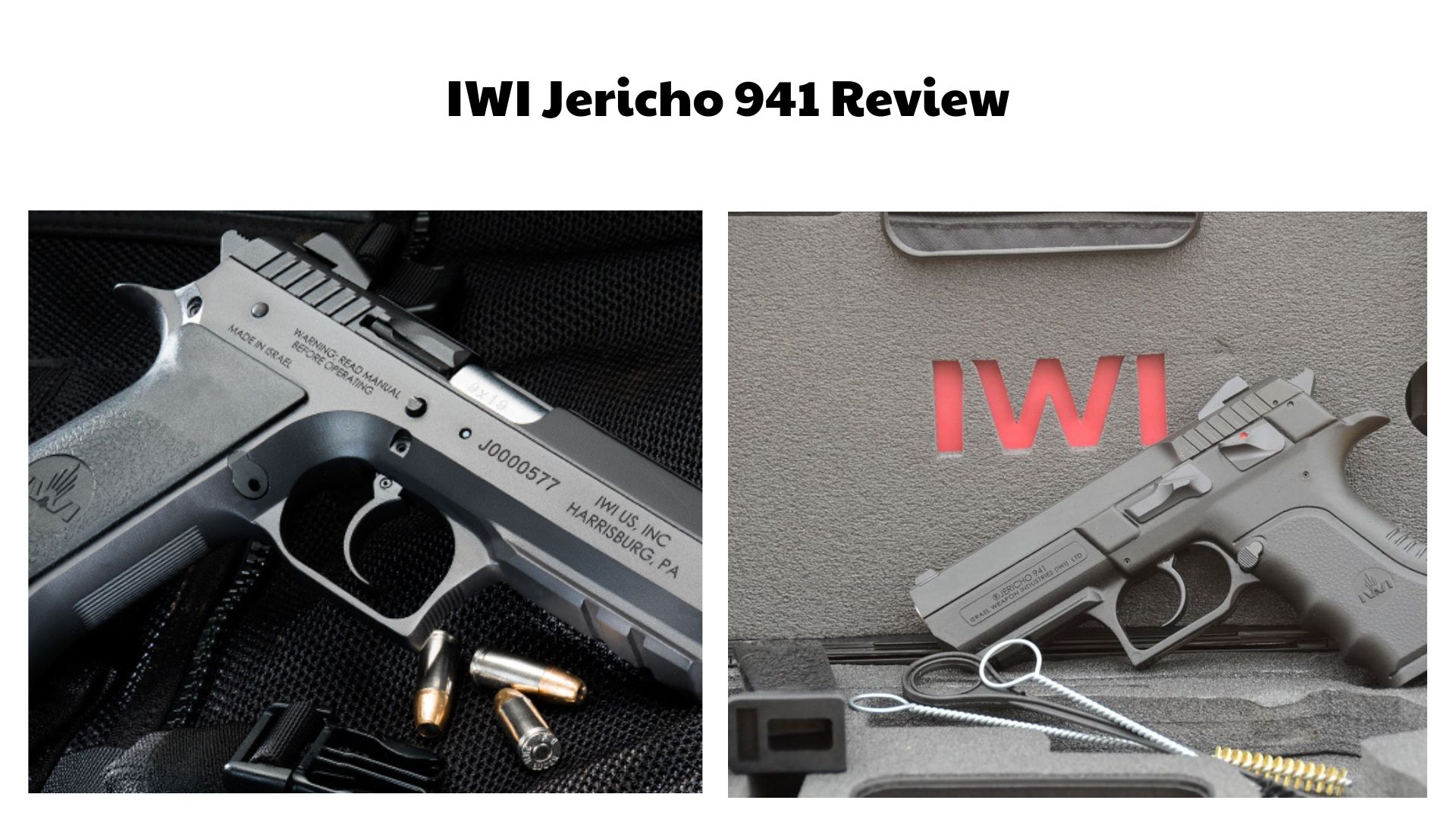

The IWI Jericho 941 is a semi-automatic pistol developed by Israel Weapon Industries (IWI), originally designed for military, law enforcement, and civilian defensive use. It is known for its robust construction, reliable operation, and strong mechanical accuracy.
Built around a proven short-recoil, locked-breech system, the Jericho 941 is available in multiple calibers and configurations, making it a versatile platform for a wide range of shooters.
The Jericho 941 earned its reputation as a “CZ-75 inspired” handgun because its internal design and operating system are heavily influenced by the legendary CZ-75 platform. This includes its slide-in-frame design concept and smooth DA/SA trigger system.
Over time, it has built a reputation as a “steel legend” due to its heavy-duty construction, long service life, and strong performance under demanding conditions.
History and Platform Overview
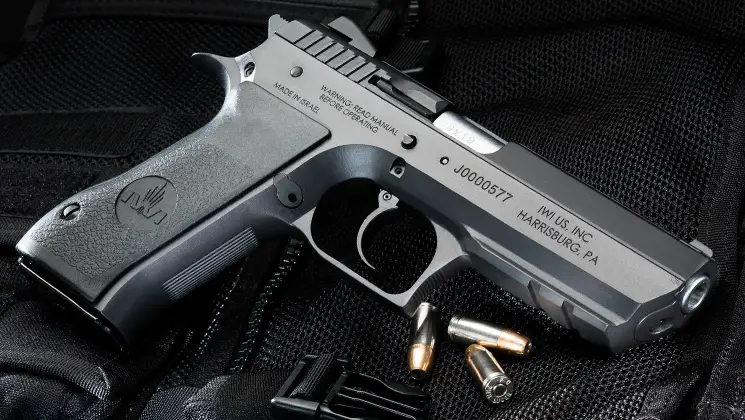
Origins of the Jericho 941 and Israeli Weapon Industries Development
The Jericho 941 was introduced in the early 1990s by Israeli Weapon Industries as a modern service pistol designed to meet military and police requirements. It was engineered to be durable, reliable, and adaptable for different operational roles.
Its development focused on combining proven European handgun mechanics with Israeli military reliability standards, resulting in a highly respected duty pistol platform.
CZ-75 Influence and Short-Recoil Operating System
The Jericho 941 is strongly influenced by the CZ-75 design, particularly in its slide-in-frame configuration and DA/SA trigger system. It uses a short-recoil, locked-breech mechanism, which contributes to smooth cycling and consistent performance.
This design also helps reduce muzzle flip and improves overall shooting stability compared to some polymer striker-fired alternatives.
Military and Law Enforcement Adoption (Including IDF Use)
The Jericho 941 has been adopted by various military and law enforcement agencies around the world, including use within Israeli security forces. Its durability and reliability in harsh environments made it a trusted sidearm in operational settings.
While newer platforms have replaced it in some roles, it remains respected for its proven service history.
Evolution of the Platform: Steel Frame, Polymer Frame, and Modern Variants
Over time, the Jericho 941 platform has evolved from its original all-steel frame design into multiple variants, including lighter polymer-framed models for improved carry comfort.
Modern versions also include updated ergonomics, accessory rails, and improved finishes, allowing the platform to remain competitive in today’s handgun market.
Design and Build Quality
All-Steel Frame Construction and “Built Like a Tank” Reputation
One of the most defining features of the Jericho 941 is its all-steel frame construction in traditional models. This gives the pistol significant weight and rigidity, contributing to excellent recoil control and long-term durability.
Its reputation for being “built like a tank” comes from its ability to withstand heavy use and harsh operating conditions without significant wear or performance degradation.
Polymer vs Steel Frame Variants Explained
The Jericho 941 is available in both steel and polymer frame configurations. Steel-frame models prioritize stability and recoil reduction, while polymer versions reduce overall weight for easier carry.
This allows users to choose between maximum shooting performance or improved everyday carry comfort depending on their needs.
Polygonal Barrel Design and Durability Advantages
Many Jericho 941 variants feature a polygonal barrel design, which enhances bullet seal, improves velocity consistency, and reduces barrel wear over time.
This design also makes cleaning easier and contributes to the pistol’s long service life under heavy use.
Accessory Rail and Modern Tactical Enhancements
Modern Jericho 941 models often include an accessory rail for mounting lights or lasers, increasing their usefulness for defensive and tactical applications.
Combined with updated grips and ergonomic refinements, these enhancements help the platform remain relevant in modern handgun configurations.
Key Specifications of the Jericho 941
Caliber Options (9mm, .40 S&W, .45 ACP) and Magazine Capacity
The IWI Jericho 941 is offered in multiple caliber configurations, including 9mm, .40 S&W, and .45 ACP, depending on the model variant. This flexibility allows the platform to serve different roles, from duty use to personal defense and range shooting.
Magazine capacities vary by caliber and frame size, with 9mm models typically offering higher capacity, while .40 S&W and .45 ACP versions hold fewer rounds due to cartridge size.
Barrel Length and Full-Size vs Compact Models
The Jericho 941 is available in both full-size and compact configurations. Full-size models generally feature longer barrels that improve sight radius, accuracy, and velocity, making them ideal for duty or range use.
Compact versions reduce overall length and weight, improving concealability while maintaining the same core operating system and reliability standards.
DA/SA Trigger System and Safety/Decocker Configurations
The Jericho 941 uses a traditional DA/SA (double-action/single-action) trigger system. The first trigger pull is longer and heavier in double-action mode, while subsequent shots benefit from a lighter, shorter single-action break.
Depending on the variant, the pistol may include a frame-mounted safety, a decocker, or a combination of both, allowing users to choose their preferred manual of arms.
Weight, Size, and Duty vs Range Use Characteristics
Due to its steel-frame construction, the Jericho 941 is heavier than many modern polymer pistols. This added weight helps reduce recoil and improve stability during rapid fire.
While the weight is beneficial for range performance and duty use, it can make the pistol less comfortable for long-duration concealed carry compared to lighter platforms.
Trigger Performance
Double-Action First Pull and Single-Action Break
The Jericho 941 features a traditional DA/SA trigger system where the initial double-action pull is longer and heavier, designed with safety in mind. Once the hammer is cocked, the single-action trigger provides a noticeably lighter and crisper break.
This transition is typical of classic duty pistols and rewards shooters who train regularly with consistent trigger control.
Trigger Reset and Shooting Rhythm
The trigger reset on the Jericho 941 is relatively short and tactile, allowing shooters to maintain a steady rhythm during follow-up shots. While not as short as some modern striker-fired systems, it remains predictable and controllable.
This contributes to smooth cadence shooting, especially in controlled defensive or range environments.
Comparison to CZ-75 Style Triggers
Because the Jericho 941 is heavily influenced by the CZ-75 platform, its trigger feel is often compared directly to CZ pistols. Both share a similar DA/SA structure, but the Jericho is often described as slightly heavier and more robust in feel.
In contrast, CZ triggers are sometimes considered smoother out of the box, though both systems improve significantly with use and training.
User Feedback on Trigger Smoothness and Control
User feedback generally highlights the Jericho 941 trigger as reliable and consistent, with a noticeable improvement in smoothness after break-in. The single-action mode is often praised for its clean break and predictable reset.
While some users prefer lighter modern striker-fired triggers, many appreciate the Jericho’s traditional DA/SA system for its added safety and deliberate shooting feel.
Accuracy and Shooting Performance
Real-World Accuracy at Defensive and Range Distances
The Jericho 941 is widely regarded as a naturally accurate handgun thanks to its steel-frame construction and CZ-75-inspired design. At typical defensive distances (3–15 yards), it delivers tight and consistent groupings with minimal effort from the shooter.
At extended range distances, the combination of a solid lockup system and long sight radius on full-size models allows the pistol to maintain impressive precision, making it suitable for both defensive and recreational target shooting.
Steel Frame Weight and Recoil Absorption
One of the key advantages of the Jericho 941 is its heavy steel frame, which plays a major role in recoil management. The added weight helps absorb recoil energy, reducing muzzle rise and allowing faster, more controlled follow-up shots.
This makes the pistol especially comfortable to shoot in higher calibers such as .40 S&W or .45 ACP, where recoil is more pronounced in lighter polymer-framed handguns.
Low Bore Axis and Natural Pointing Characteristics
The Jericho 941 features a relatively low bore axis compared to many traditional duty pistols, which helps reduce perceived muzzle flip and improves shot-to-shot recovery.
Additionally, many shooters report that the pistol points naturally, meaning it aligns well with the shooter’s line of sight without requiring excessive adjustment. This contributes to faster target acquisition in defensive scenarios.
Barrel Design Impact on Precision Shooting
The barrel design of the Jericho 941, particularly in polygonal variants, contributes to consistent bullet engagement and improved velocity stability. This enhances overall accuracy and shot consistency.
Combined with tight manufacturing tolerances, the barrel system helps the pistol maintain reliable precision even after extended use.
Reliability and Durability
Military Testing Background and Long-Term Service Reputation
The Jericho 941 was developed with military and law enforcement requirements in mind, and its design reflects a focus on durability and reliability under harsh conditions. It has been used by various security forces, contributing to its reputation as a robust service pistol.
Its steel construction and proven operating system make it suitable for demanding environments where equipment failure is not an option.
High Round Count Reliability and Consistency
The Jericho 941 is known for maintaining consistent performance over high round counts. With proper maintenance, it can handle extensive training and duty use without significant mechanical issues.
Many long-term users report continued reliability even after thousands of rounds, reinforcing its reputation as a durable platform.
Ammunition Compatibility and +P Performance
The pistol is designed to function reliably with a wide range of 9mm, .40 S&W, and .45 ACP ammunition, including standard FMJ and defensive hollow-point loads.
It is also generally capable of handling +P ammunition in appropriate calibers, offering additional defensive performance when needed, though standard loads are typically recommended for routine training.
Performance in Harsh Conditions and Duty Environments
The Jericho 941 is built to perform in challenging environments, including exposure to dust, dirt, and moisture. Its robust steel frame and proven mechanical design help ensure consistent operation even under less-than-ideal conditions.
This durability makes it a trusted option for duty use, field operations, and long-term defensive storage where reliability is critical.
Pros and Cons of the Jericho 941
Key Advantages (Reliability, Accuracy, Steel Frame Feel, Value)
The IWI Jericho 941 is widely respected for its exceptional reliability and rugged construction. Built on a proven CZ-75-inspired steel-frame design, it delivers long-term durability and consistent performance under demanding conditions.
Accuracy is another major strength, with many shooters praising its natural pointability and stable shooting platform. The heavy steel frame significantly reduces felt recoil, making it especially smooth to shoot in 9mm, .40 S&W, and .45 ACP variants.
In terms of value, the Jericho 941 often competes favorably against higher-priced European steel pistols while offering similar mechanical performance and service-grade durability. :contentReference[oaicite:0]{index=0}
Main Drawbacks (Weight, Size, Carry Comfort, Aftermarket Support)
The biggest drawback of the Jericho 941 is its weight. The all-steel construction, while excellent for recoil control, makes it noticeably heavier than modern polymer-frame pistols.
This weight can reduce comfort for everyday concealed carry, especially during long periods of wear. Additionally, the platform has more limited aftermarket support compared to Glock or SIG systems, meaning fewer customization options.
Jericho 941 vs Competitors
Comparison with CZ-75
The Jericho 941 is heavily influenced by the CZ-75 and shares a similar DA/SA system and slide-in-frame design. Both pistols offer excellent accuracy and recoil control.
However, the CZ-75 is often considered slightly smoother in trigger feel and has a more established global aftermarket ecosystem. The Jericho, on the other hand, is typically more robustly built and has a heavier, more stable shooting feel. :contentReference[oaicite:1]{index=1}
Comparison with Beretta 92FS
Compared to the Beretta 92FS, the Jericho 941 generally offers a lower bore axis and a more compact grip profile for many shooters, improving natural pointability.
The Beretta 92FS, however, benefits from a longer military service history and widespread adoption, giving it an edge in parts availability and institutional familiarity. The Jericho tends to feel more “solid” due to its steel-frame weight, while the Beretta is slightly more open-slide and smoother cycling in feel.
Comparison with Glock 17 / Glock 19
Against Glock pistols, the Jericho 941 is a fundamentally different platform. Glock offers lighter weight, simpler striker-fired operation, and massive aftermarket support.
The Jericho counters with superior steel-frame recoil absorption, a more traditional DA/SA trigger system, and a heavier, more stable shooting experience. Many shooters describe the Jericho as more “range-focused,” while Glock is more optimized for carry and simplicity. :contentReference[oaicite:2]{index=2}
Position in the Modern DA/SA Steel Frame Pistol Market
Today, the Jericho 941 occupies a niche but respected position in the modern handgun market. It stands alongside pistols like the CZ-75 and Beretta 92 series as a traditional DA/SA steel-frame option in an era dominated by polymer striker-fired designs.
Its appeal is strongest among shooters who value classic engineering, recoil control, and long-term mechanical durability over ultra-lightweight carry convenience.
Final Verdict
Is the IWI Jericho 941 Worth It?
Yes, the Jericho 941 is absolutely worth considering for shooters who want a durable, accurate, and smooth-shooting steel-frame pistol. It delivers excellent performance at a price point that is often more accessible than comparable European pistols.
It is especially rewarding for those who enjoy traditional DA/SA systems and appreciate a heavier, more stable shooting platform.
Who Should Buy the Jericho 941?
The Jericho 941 is best suited for:
- Shooters who prefer steel-frame DA/SA pistols
- Range enthusiasts focused on accuracy and recoil control
- Users who want a durable duty-style handgun with proven design roots
- Collectors and enthusiasts of CZ-75-style platforms
It may be less ideal for users prioritizing ultra-light concealed carry or extensive aftermarket customization options.
Frequently Asked Questions (FAQ) – IWI Jericho 941
1. What is the IWI Jericho 941 used for?
The Jericho 941 is used for self-defense, law enforcement duty, and recreational shooting. Its steel-frame construction and DA/SA system make it especially popular among shooters who prefer traditional service pistols with strong recoil control and long-term durability.
2. Is the Jericho 941 a good handgun?
Yes, the Jericho 941 is widely considered a high-quality handgun. It offers excellent reliability, strong accuracy, and a durable build. Many shooters appreciate its CZ-75-inspired design and stable shooting characteristics.
3. Who makes the Jericho 941?
The Jericho 941 is manufactured by Israel Weapon Industries (IWI), a well-known Israeli firearms company that produces military, law enforcement, and civilian firearms.
4. What caliber does the Jericho 941 come in?
It is available in multiple calibers, including 9mm, .40 S&W, and .45 ACP depending on the model. This makes it adaptable for different defensive and range shooting preferences.
5. Is the Jericho 941 based on the CZ-75?
Yes, the Jericho 941 is heavily inspired by the CZ-75 platform. It uses a similar slide-in-frame design and DA/SA trigger system, though it incorporates Israeli design improvements and modifications.
6. Is the Jericho 941 reliable?
Yes, it is known for excellent reliability. It has been tested in military and law enforcement environments and is designed to function under harsh conditions with minimal malfunctions.
7. Is the Jericho 941 good for concealed carry?
It can be used for concealed carry, especially compact or polymer versions, but its steel-frame models are relatively heavy, which may reduce comfort for everyday carry.
8. How heavy is the Jericho 941?
Steel-frame models are noticeably heavy compared to modern polymer pistols. This weight improves recoil control but can make long-term carry more challenging.
9. Does the Jericho 941 have good accuracy?
Yes, it is known for strong accuracy due to its tight barrel lockup, steel frame stability, and natural pointability, especially at defensive and mid-range distances.
10. What type of trigger does it use?
The Jericho 941 uses a DA/SA (double-action/single-action) trigger system. The first shot is longer and heavier, while subsequent shots are lighter and more precise.
11. Is the Jericho 941 safe?
Yes, it is considered safe when handled properly. Depending on the model, it may include a manual safety, decocker, or both, along with internal safety mechanisms.
12. Does the Jericho 941 have a decocker?
Many variants include a decocker, allowing the user to safely lower the hammer without firing. Some models also combine a safety lever with the decocker.
13. Is the Jericho 941 good for beginners?
It can be suitable for beginners, but its DA/SA system and heavier weight may require more training compared to striker-fired pistols.
14. How does the Jericho 941 compare to Glock?
Compared to Glock pistols, the Jericho 941 is heavier and uses a DA/SA system, while Glock is lighter and striker-fired. The Jericho offers better recoil control, while Glock offers simplicity and lower maintenance.
15. Is the Jericho 941 better than CZ-75?
Both are very similar. CZ-75 is often considered smoother in trigger feel, while Jericho 941 is known for its rugged construction and durability.
16. What makes the Jericho 941 unique?
Its combination of CZ-75-inspired design, Israeli military engineering, and steel-frame durability makes it stand out among DA/SA pistols.
17. Is the Jericho 941 still in production?
Yes, updated versions of the Jericho 941 are still produced by IWI, including modernized polymer-frame variants.
18. What is the barrel length?
Barrel lengths vary by model, typically ranging from compact to full-size configurations, with full-size versions offering better accuracy and velocity.
19. Does it have a rail for accessories?
Yes, many modern Jericho 941 models include an accessory rail for lights and lasers.
20. Is the Jericho 941 good for duty use?
Yes, it has a strong history of military and law enforcement use, making it suitable for duty applications.
21. What is the recoil like?
Recoil is very manageable due to the heavy steel frame, especially in 9mm configuration.
22. Is the Jericho 941 accurate at long range?
Yes, it maintains good practical accuracy at extended handgun distances thanks to its stable platform and barrel design.
23. What magazines does it use?
It uses proprietary magazines designed for Jericho 941 models, with capacities depending on caliber and configuration.
24. Is maintenance difficult?
No, it is relatively easy to maintain with standard disassembly and cleaning procedures.
25. Does it rust easily?
Steel models can rust if neglected, but proper cleaning and oiling prevent corrosion effectively.
26. Is it good for home defense?
Yes, it is a strong home defense option due to reliability, capacity, and accuracy.
27. Is it expensive?
It is moderately priced, often offering strong value compared to other steel-frame pistols.
28. What is the grip like?
The grip is ergonomic and natural due to CZ-75-style design, with good control and stability.
29. Does it have good aftermarket support?
Aftermarket support exists but is more limited compared to Glock or SIG platforms.
30. Is it good for competition shooting?
It can be used for recreational competition, though it is not specifically designed as a competition pistol.
31. What is the slide design?
It uses a slide-in-frame design which lowers bore axis and improves stability.
32. Is it ambidextrous?
Some controls are ambidextrous depending on model configuration, but not all versions are fully ambidextrous.
33. Is it good for small hands?
Compact versions may suit smaller hands better, while full-size models may feel large and heavy.
34. What ammunition does it use best?
It performs well with standard FMJ and defensive hollow-point ammunition across supported calibers.
35. Does it handle +P ammo?
Yes, in 9mm variants it can generally handle +P ammunition when used appropriately.
36. Is it outdated?
No, while it is a traditional design, it remains relevant due to reliability and performance.
37. Is it good for tactical use?
Yes, especially models with rails and modern upgrades are suitable for tactical roles.
38. What is the safety system like?
It includes mechanical safeties such as firing pin blocks and optional manual safety/decocker systems.
39. Is it easy to shoot?
Yes, especially due to its stable weight and natural pointing characteristics.
40. How durable is it?
It is extremely durable and designed for long-term service use in demanding environments.
41. Does it have recoil problems?
No, recoil is actually one of its strengths due to the heavy steel frame.
42. Is it good for suppressor use?
Some threaded barrel variants support suppressors, depending on configuration.
43. Is it better than Beretta 92FS?
Both are excellent steel-frame pistols. Jericho often feels more compact, while Beretta has longer military service history.
44. Is it good for law enforcement?
Yes, it has been used by various agencies and is considered duty-capable.
45. What is the main weakness?
The main weakness is weight, especially for concealed carry.
46. Is it beginner-friendly?
It is moderately beginner-friendly but benefits from training due to DA/SA trigger system.
47. Is it better than modern striker pistols?
It depends on preference—striker pistols are simpler, while Jericho offers better recoil control and classic handling.
48. Can it be used for daily carry?
Yes, but compact models are more practical for everyday concealed carry.
49. Is it a good investment?
Yes, it offers long-term durability and strong performance value for its price range.
50. Should I buy the Jericho 941?
If you prefer a durable, accurate, steel-frame DA/SA pistol with strong recoil control and proven reliability, the Jericho 941 is an excellent choice.
Read more: