
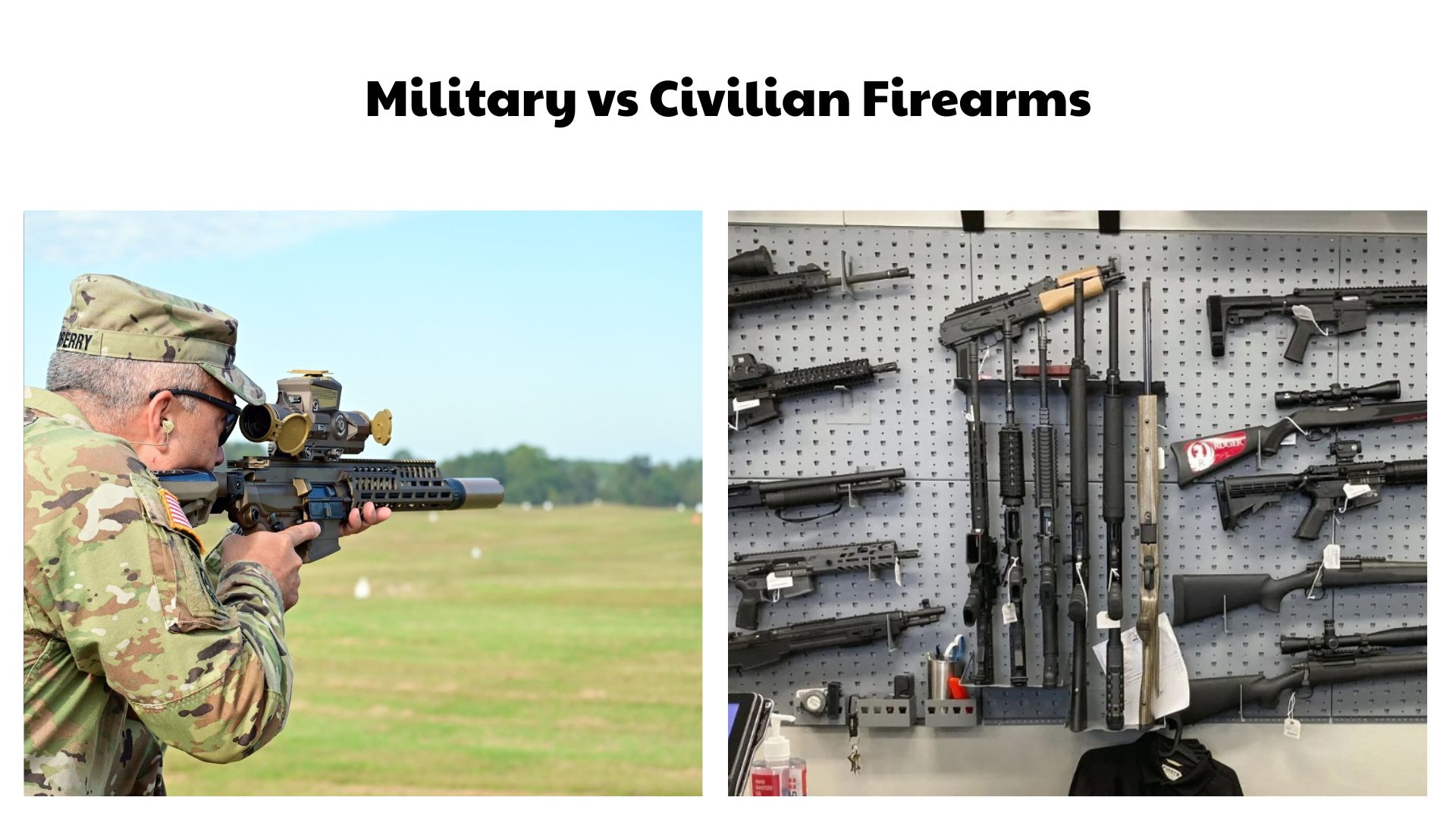

In recent years, there has been a growing interest in comparing military and civilian firearms, especially as modern civilian platforms increasingly resemble military-grade designs in appearance and performance. This has led many shooters, enthusiasts, and researchers to explore how these two categories truly differ in purpose and function.
However, the distinction between military and civilian firearms is often misunderstood or oversimplified. Many people assume the differences are purely based on appearance or firepower, when in reality the separation is driven by purpose, legal restrictions, and intended operational environments rather than just mechanical design.
Understanding these differences requires a closer look at how each category is designed, how it is used in real-world scenarios, and the legal frameworks that regulate ownership and deployment. These factors collectively define how firearms are classified and applied in both military and civilian contexts.
This article will break down the key aspects of military vs civilian firearms, including design philosophy, operational use, regulatory differences, and real-world applications to provide a clear and structured comparison.
What Are Military Firearms?
Definition and Primary Purpose
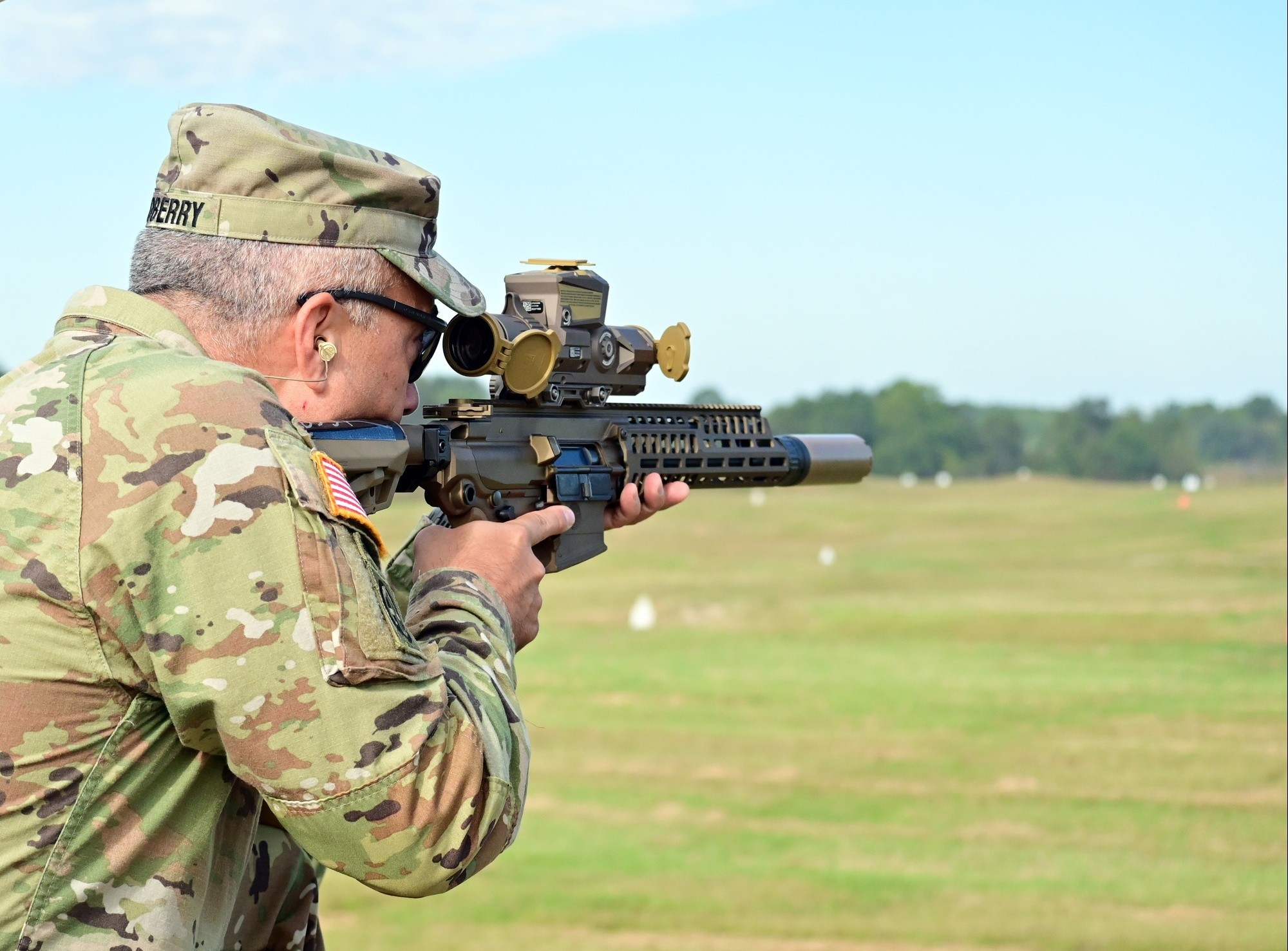
Military firearms are weapons specifically designed for combat, defense, and tactical operations. Their primary purpose is to support soldiers in battlefield environments where reliability, durability, and consistent performance under extreme conditions are critical.
These firearms are engineered with a focus on mission effectiveness, ensuring they can function reliably in high-stress combat scenarios where failure is not an option.
Key Characteristics
Military firearms are built with high durability to withstand extreme environments such as sand, mud, water, and heavy use over extended periods. They are designed to remain operational under harsh conditions where standard civilian equipment may fail.
Another key feature is the use of standardized calibers, which simplifies logistics, ammunition supply, and battlefield compatibility across military units. In many military contexts, these firearms may also be designed for selective fire capability, allowing different firing modes depending on operational needs.
Overall, military firearms are constructed for sustained operational use, meaning they are expected to perform continuously in demanding combat environments without degradation in reliability.
Operational Environment
Military firearms are primarily used in combat zones and military missions where conditions are often unpredictable and extreme. These environments can include deserts, jungles, urban warfare zones, and arctic regions, all of which require highly reliable weapon systems.
They are also integrated with broader military systems and equipment, including optics, communication devices, and tactical accessories, ensuring full compatibility with modern battlefield requirements.
What Are Civilian Firearms?
Definition and Primary Purpose
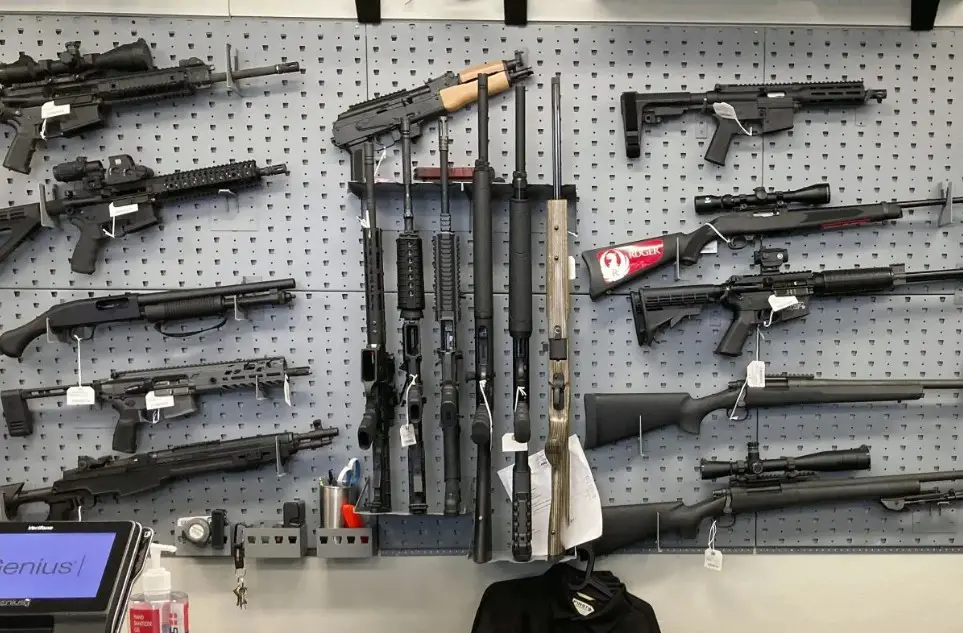
Civilian firearms are designed for personal defense, hunting, sport shooting, and recreational use. Unlike military firearms, their primary focus is on usability, safety, accessibility, and compliance with legal regulations.
These firearms are intended for non-combat environments where controlled and responsible usage is the primary expectation.
Key Characteristics
Most civilian firearms operate in semi-automatic mode, depending on local laws and regulations. This means one round is fired per trigger pull, which is the standard configuration in many civilian markets.
Civilian firearms also come in a wider variety of designs and configurations, allowing users to select models based on personal preference, intended use, and budget. Emphasis is placed on accuracy, ergonomics, and affordability to suit a broad range of shooters.
Additionally, civilian firearms are subject to strict regulations depending on the country or region, including background checks, licensing requirements, and restrictions on certain firearm types.
Common Use Cases
Civilian firearms are widely used for home defense, providing individuals with a means of personal protection within legal boundaries. They are also commonly used in hunting and wildlife control, where accuracy and ethical shooting practices are essential.
In addition, civilian firearms play a major role in competitive shooting sports, where precision and performance are tested in structured environments. They are also used for recreational range shooting, which is one of the most popular activities among firearm enthusiasts.
Military vs Civilian Firearms – Key Differences
Design Philosophy
Military firearms are designed with a strong focus on ruggedness, mission readiness, and combat effectiveness. Every component is engineered to perform reliably in battlefield conditions where failure is not an option. This results in weapons that prioritize durability, consistency, and operational performance over comfort or convenience.
In contrast, civilian firearms are designed with usability, safety, and legal compliance as primary priorities. They are intended for controlled environments such as homes, shooting ranges, and hunting fields, where ease of use and responsible handling are more important than combat durability.
Firepower and Ammunition
Military firearms often use standardized combat calibers selected for logistical efficiency and battlefield performance. These calibers are designed to ensure compatibility across military units and provide consistent performance in combat scenarios.
Civilian firearms, on the other hand, support a much wider range of calibers depending on their intended purpose. From small-caliber target shooting rounds to larger hunting cartridges, civilian ammunition is designed for versatility across different shooting activities.
Military ammunition typically prioritizes penetration, reliability, and consistent terminal performance under harsh conditions. Civilian ammunition, however, often balances stopping power, recoil control, and shooting comfort depending on the application.
Fire Rate and Functionality
Many military firearms are capable of selective fire, allowing users to switch between semi-automatic, burst, or fully automatic modes depending on mission requirements. This functionality is designed for combat adaptability.
Civilian firearms are generally restricted to semi-automatic operation, meaning one round is fired per trigger pull. These limitations are imposed by law in most jurisdictions and are intended to ensure controlled and responsible usage.
As a result, legal regulations play a significant role in defining the functional differences between military and civilian firearm systems.
Durability and Testing Standards
Military firearms undergo extremely rigorous testing procedures to ensure they can withstand harsh environments, including exposure to dirt, moisture, extreme temperatures, and heavy continuous use. These weapons must remain reliable under battlefield stress conditions.
Civilian firearms are also tested for safety and reliability, but their testing standards are based on commercial use rather than combat deployment. The focus is on safe operation, accuracy, and long-term usability in non-combat environments.
Customization and Modifications
Military firearms are typically standardized to ensure uniformity across units, which means customization options are limited. Any modifications are generally controlled and must comply with strict military specifications.
Civilian firearms, in contrast, offer extensive aftermarket customization. Owners can modify optics, grips, stocks, triggers, and other components to suit personal preferences, shooting style, or specific applications such as hunting or competition shooting.
Legal Differences Between Military and Civilian Firearms
Ownership Regulations
Civilian firearm ownership varies significantly depending on country, state, or jurisdiction. Most regions require background checks, licensing, and compliance with strict legal frameworks to ensure responsible ownership.
Military firearms, however, are restricted to government forces and authorized agencies. They are not available for general civilian ownership due to their intended combat use and regulatory restrictions.
Access and Distribution
Military firearms are distributed through government procurement systems and defense contracts. These weapons are manufactured and supplied directly to military organizations based on operational requirements.
Civilian firearms are purchased through licensed dealers and regulated commercial channels. Buyers must comply with local laws and regulations before acquiring and possessing firearms.
Restrictions and Compliance
Civilian firearms are subject to a wide range of legal requirements, including background checks, waiting periods, registration, and licensing depending on jurisdiction. These measures are designed to promote safe and responsible ownership.
Military firearms operate under defense regulations and operational protocols established by armed forces. Their use, storage, and deployment are strictly controlled within military command structures.
Military vs Civilian Firearms – Use Case Comparison
Combat and Defense Applications
Military firearms are specifically designed for battlefield effectiveness, where reliability, firepower, and durability under extreme conditions are critical. These weapons are built to perform in coordinated combat operations and are optimized for sustained use in high-intensity environments.
Civilian firearms, while not designed for warfare, are often adapted for personal protection scenarios such as home defense. In these contexts, the focus shifts toward controllability, ease of use, and safe handling rather than combat-oriented performance.
Law Enforcement vs Civilian Use
Law enforcement firearms occupy a middle ground between military and civilian applications. Police and security forces require weapons that balance controllability, stopping power, and safety to handle a wide range of urban and defensive situations.
Unlike military use, law enforcement firearms are designed with greater emphasis on minimizing collateral risk while still maintaining effectiveness in high-pressure encounters.
Hunting and Sport Shooting
Civilian firearms dominate the hunting and sport shooting markets, where precision, accuracy, and comfort are more important than raw firepower. These firearms are optimized for ethical hunting practices and consistent performance over a variety of distances.
In sport shooting disciplines, firearms are further refined for accuracy, recoil management, and shooter comfort, making them very different in practical use from military-focused designs.
Are Military and Civilian Firearms Really That Different?
In reality, there is significant overlap in many firearm designs used in both military and civilian sectors. A large number of civilian rifles are based on military platforms, with modifications to comply with legal restrictions and civilian use requirements.
The differences between the two categories often come more from regulation and intended use rather than fundamental mechanical design. Many core operating systems are shared, adapted, or modified depending on the market.
The term “military-grade” is also frequently used as a marketing label rather than a strict technical classification, and does not always indicate a weapon is exclusively used by military forces.
Common Misconceptions About Military and Civilian Firearms
Myth: Military firearms are always fully automatic
In reality, many military firearms operate in semi-automatic or selective fire modes, and full-automatic capability is often restricted or mission-dependent rather than constant.
Myth: Civilian firearms are weaker or low quality
Civilian firearms are not inherently weaker. Many are built on the same platforms and engineering principles as military firearms, but are configured for different legal and practical uses.
Myth: Military weapons are completely different designs
Many military and civilian firearms share core designs, operating systems, and components. Differences are often in configuration, features, and compliance rather than entirely separate engineering.
Reality: Many platforms are shared or adapted between sectors
A significant number of modern firearms exist in both military and civilian versions, with modifications to meet legal requirements, usage environments, and market needs.
Advantages of Military Firearms
- Extreme durability and reliability: Built to function consistently under harsh and unpredictable combat conditions.
- Designed for harsh operational environments: Capable of operating in extreme climates such as deserts, jungles, and arctic regions.
- Standardized logistics and ammunition systems: Ensures compatibility and efficiency across military units and supply chains.
- Built for sustained combat use: Engineered for continuous operation during prolonged missions and engagements.
Disadvantages of Military Firearms for Civilian Use
- Heavily restricted ownership: Military firearms are generally not accessible to civilians due to strict legal frameworks. In most countries, ownership is limited to government agencies and authorized military personnel, making direct civilian use highly restricted or impossible.
- Overbuilt for civilian needs: Many military firearms are engineered for combat scenarios and sustained battlefield conditions. As a result, their design features may exceed what is necessary for civilian activities such as hunting, sport shooting, or home defense.
- Less customization flexibility in standard issue form: Military firearms are typically standardized to ensure uniformity across units. This limits personalization options compared to civilian platforms, which often support extensive aftermarket modifications.
Advantages of Civilian Firearms
- Wide variety of designs and calibers: Civilian firearms are available in a broad range of configurations, allowing users to select models suited for hunting, sport shooting, personal defense, and recreational use.
- High customization potential: One of the strongest advantages of civilian firearms is their adaptability. Users can modify optics, stocks, triggers, grips, and other components to match personal preferences and shooting styles.
- Designed for comfort, usability, and accessibility: Civilian firearms are engineered with user-friendliness in mind, prioritizing ergonomics, manageable recoil, and ease of operation for a wide range of shooters.
- Suitable for multiple non-combat purposes: These firearms are versatile tools used in hunting, sport shooting competitions, training, and recreational shooting activities.
Disadvantages of Civilian Firearms Compared to Military Use
- Not designed for sustained battlefield conditions: Civilian firearms are not built for prolonged combat environments where extreme durability and continuous operation under harsh conditions are required.
- Limited legal functionality in many jurisdictions: Depending on local laws, certain features or configurations may be restricted, reducing functionality compared to military counterparts.
- Less standardized for military logistics environments: Civilian firearms lack the strict standardization required for military supply chains, which can affect interoperability in structured operational systems.
Expert Insight Summary
Military firearms are primarily engineered for performance under extreme conditions. Their design prioritizes reliability, durability, and consistent operation in combat environments where failure is not an option. These systems are built to support mission-critical operations across highly demanding scenarios.
Civilian firearms, in contrast, emphasize flexibility, accessibility, and practical everyday use. They are designed to accommodate a wide range of non-combat applications such as hunting, sport shooting, training, and personal defense, where usability and compliance are key factors.
Despite these distinctions, there is significant overlap between the two categories in terms of underlying design principles and technology. Many modern firearm platforms share common engineering foundations and are adapted for different legal and functional contexts.
Ultimately, the key differences between military and civilian firearms are driven more by intended purpose and regulatory frameworks than by fundamental mechanical design.
Conclusion
Military and civilian firearms serve distinctly different operational roles, each tailored to specific environments and requirements. Military systems are optimized for combat effectiveness, while civilian systems focus on safety, usability, and lawful applications.
The distinction between the two is therefore based primarily on usage and context rather than entirely on design differences. In many cases, similar platforms exist in both categories, modified to meet legal standards and functional needs.
The final takeaway is that understanding intent, application, and regulation is far more important than relying on labels such as “military” or “civilian” when evaluating firearms.
Frequently Asked Questions (FAQ) – Military vs Civilian Firearms
1. What is the main difference between military and civilian firearms?
The main difference lies in purpose and regulation rather than pure mechanical design. Military firearms are built for combat environments, focusing on durability, reliability, and mission effectiveness under extreme conditions. Civilian firearms are designed for lawful activities such as hunting, sport shooting, and personal defense, with a strong emphasis on usability, safety, and legal compliance. While they may look similar, their intended roles are fundamentally different.
2. Are military firearms more powerful than civilian firearms?
Not necessarily. Power depends on caliber and ammunition type, not whether a firearm is military or civilian. Many civilian firearms use the same calibers as military versions. The key difference is how the ammunition is selected and regulated rather than raw power.
3. Can civilians own military firearms?
In most countries, civilians cannot legally own true military firearms, especially those capable of full automatic fire or restricted combat configurations. Some civilian versions of military-style firearms exist, but they are modified to comply with local laws and typically operate in semi-automatic mode only.
4. Why are military firearms heavily restricted?
Military firearms are restricted due to their intended use in combat situations. Governments regulate them strictly to maintain public safety and ensure that such weapons remain under controlled military or law enforcement authority.
5. Are civilian firearms based on military designs?
Yes, many civilian firearms are based on military platforms. Manufacturers often adapt military designs for civilian markets by removing or modifying restricted features while retaining the core operating system and reliability.
6. What does “military-grade” mean?
“Military-grade” is often a marketing term rather than a strict technical classification. It usually implies that a product meets certain durability or performance standards inspired by military requirements, but it does not always mean the item is used by armed forces.
7. Are military firearms fully automatic?
Some military firearms can be fully automatic or selective fire, but not all are. Many modern military weapons are designed to operate in semi-automatic or controlled burst modes depending on tactical requirements.
8. Why are civilian firearms usually semi-automatic?
Civilian firearms are usually semi-automatic due to legal restrictions in many jurisdictions. One trigger pull equals one shot, which provides greater control and aligns with safety regulations for civilian ownership.
9. Do military firearms last longer than civilian firearms?
Military firearms are designed for extreme durability and long-term use under harsh conditions. However, high-quality civilian firearms can also be extremely durable. The difference is that military weapons are tested for battlefield stress scenarios.
10. Are civilian firearms safe?
Yes, civilian firearms are designed with safety in mind and must pass strict manufacturing standards. Safety depends heavily on proper handling, training, and adherence to legal regulations.
11. What are civilian firearms mainly used for?
Civilian firearms are primarily used for home defense, hunting, sport shooting, competition, and recreational range use. Their design prioritizes versatility and safe, controlled operation.
12. What are military firearms mainly used for?
Military firearms are used in combat, defense operations, tactical missions, and other battlefield environments where reliability and performance under stress are critical.
13. Can civilian firearms be used in combat?
Civilian firearms are not designed for combat and are legally restricted from military use in most jurisdictions. While they can function in defensive scenarios, they are not intended for battlefield deployment.
14. Why do military firearms look similar to civilian ones?
Many firearms share the same base design because civilian versions are often derived from military platforms. The differences usually involve firing modes, legal compliance features, and accessory configurations.
15. What is the biggest misconception about military firearms?
A common misconception is that military firearms are always fully automatic and significantly more powerful than civilian ones. In reality, many share similar calibers and operating systems, with differences mainly in regulation and usage.
16. Are civilian firearms lower quality?
No, civilian firearms are not inherently lower quality. Many are manufactured by the same companies that produce military firearms and are built to high standards for accuracy, safety, and durability.
17. What is selective fire?
Selective fire refers to the ability of a firearm to switch between semi-automatic, burst, and fully automatic modes. This feature is typically restricted to military firearms.
18. Why is selective fire restricted for civilians?
Selective fire is restricted because it significantly increases a firearm’s rate of fire, which raises safety and regulatory concerns in civilian environments.
19. Do police use military or civilian firearms?
Law enforcement agencies often use firearms that are similar to civilian models but may include tactical enhancements. They bridge the gap between civilian and military requirements.
20. Are military firearms more accurate?
Accuracy depends on design, barrel quality, and ammunition rather than classification. Civilian precision rifles can be just as accurate as military rifles, especially in long-range shooting applications.
21. What is the role of ammunition in differences?
Military ammunition prioritizes reliability and battlefield effectiveness, while civilian ammunition is often designed for hunting performance, target shooting precision, and recoil management.
22. Can civilians buy military-style rifles?
Yes, in many countries civilians can buy military-style rifles that have been modified to comply with legal restrictions, typically operating in semi-automatic mode only.
23. Are military firearms more expensive?
Military firearms are not typically sold commercially, but their procurement cost is influenced by contracts, durability requirements, and standardized production. Civilian versions vary widely in price.
24. What is the difference in training between military and civilian users?
Military personnel undergo structured combat training, while civilians typically receive safety and handling training focused on legal use, sport shooting, or self-defense.
25. Are civilian firearms regulated worldwide?
Yes, civilian firearms are heavily regulated in almost all countries, though the level of restriction varies significantly depending on local laws.
26. Why are military firearms standardized?
Standardization ensures compatibility of parts, ammunition, and training across military units, improving efficiency in logistics and combat operations.
27. Can civilian firearms be customized?
Yes, civilian firearms often support extensive customization, including optics, grips, barrels, and triggers, depending on local regulations.
28. Why are military firearms less customizable?
Military firearms are standardized to maintain consistency, reliability, and interoperability across units, limiting individual customization.
29. What is the role of ergonomics in civilian firearms?
Ergonomics is a key focus in civilian firearms to ensure comfort, ease of use, and reduced recoil for a wide range of users.
30. Are military firearms heavier?
Military firearms are often built for durability, which can result in heavier designs compared to some civilian-focused lightweight platforms.
31. What is the most common civilian firearm type?
Semi-automatic rifles and pistols are among the most common civilian firearm types due to their versatility and legal compliance.
32. Do military firearms use special materials?
Military firearms often use high-strength materials designed to withstand extreme conditions, including reinforced metals and heat-resistant components.
33. Are civilian firearms used in competitions?
Yes, civilian firearms are widely used in shooting sports competitions, including precision shooting, dynamic shooting, and hunting competitions.
34. What is the lifespan difference between military and civilian firearms?
Military firearms are designed for extended operational lifespans under harsh conditions, while civilian firearms can also last decades with proper maintenance.
35. Do military firearms require more maintenance?
Military firearms are built for reliability but often operate in harsher environments, requiring regular maintenance depending on usage conditions.
36. Can civilian firearms be as reliable as military ones?
Yes, high-quality civilian firearms can be extremely reliable, especially when properly maintained and used within their intended purpose.
37. Why do civilians prefer customization?
Customization allows civilian users to adapt firearms to personal preferences, improving comfort, accuracy, and performance for specific activities.
38. Are military firearms used in sports shooting?
Not directly, but civilian versions of military firearms are commonly used in sport shooting disciplines.
39. What is the role of optics in both categories?
Both military and civilian firearms use optics, but military systems often integrate advanced targeting equipment, while civilian optics focus on accuracy and usability.
40. Do military firearms use different calibers?
Military firearms often use standardized calibers to ensure compatibility across forces, while civilian firearms offer a broader range of options.
41. Are civilian firearms evolving toward military designs?
Yes, many civilian firearms incorporate design elements from military platforms due to shared engineering advancements.
42. Why is regulation more important than design?
Regulation determines how a firearm can be used, owned, and modified, often having a greater impact than the mechanical design itself.
43. What is the biggest advantage of civilian firearms?
Their biggest advantage is versatility, allowing use in hunting, sport shooting, defense, and recreational activities.
44. What is the biggest advantage of military firearms?
Their primary advantage is extreme reliability under harsh and unpredictable combat conditions.
45. Are military firearms illegal for civilians everywhere?
Laws vary, but in most countries, true military firearms are heavily restricted or prohibited for civilian ownership.
46. Can civilians train with military-style firearms?
Yes, civilians can train with legal civilian versions of military-style firearms under regulated environments.
47. What role does safety play in civilian firearms?
Safety is a core design priority, including manual safeties, controlled firing systems, and strict handling guidelines.
48. Are military firearms more complex?
Some military firearms are more complex due to additional features like selective fire, but simplicity is still prioritized for reliability.
49. What determines firearm classification?
Classification is determined more by legal definition and intended use than by physical design alone.
50. What is the key takeaway about military vs civilian firearms?
The key takeaway is that military and civilian firearms often share similar designs, but differ primarily in purpose, regulation, and intended use rather than fundamental mechanics.
Read more: