
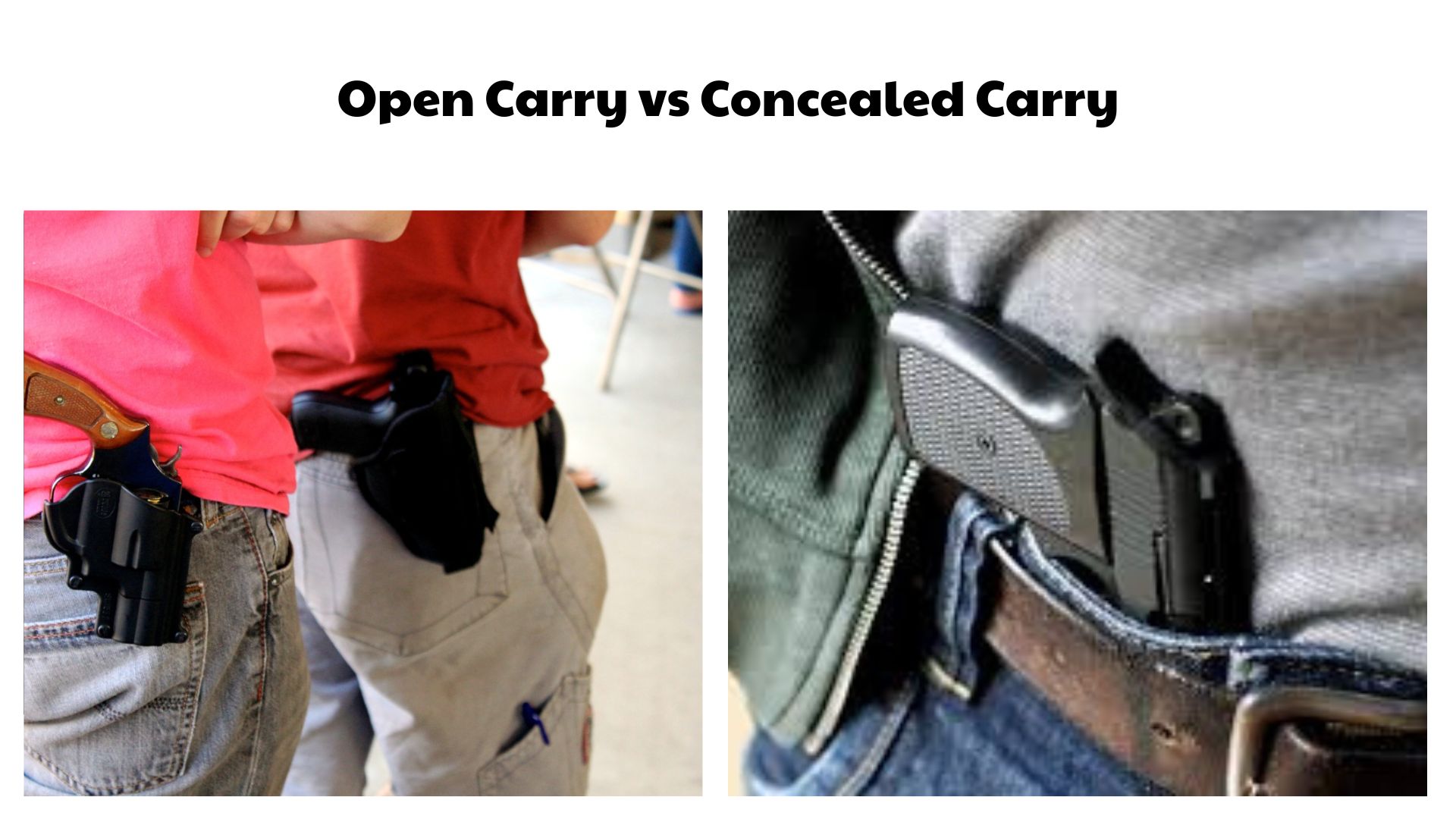

Firearm carry methods play a central role in self-defense and legal firearm ownership. These methods define how a firearm is worn, accessed, and presented in everyday life. Beyond simple transportation, carry methods also reflect a balance between personal safety, legal responsibility, and situational awareness. For responsible gun owners, understanding how different carry styles function is essential not only for effectiveness but also for compliance with local laws and safe handling practices.
The importance of understanding Open Carry vs Concealed Carry goes beyond preference. It directly impacts how a firearm is perceived in public, how quickly it can be accessed, and how safely it can be managed in different environments. Each method comes with its own legal considerations, practical advantages, and potential limitations. Choosing the wrong approach for a given situation can affect comfort, safety, and even legal standing depending on jurisdiction.
There are two primary carry styles widely recognized in firearm practice. The first is Open Carry, where the firearm is visibly worn in a holster or carrying system and can be seen by others in public. This method emphasizes accessibility and visibility, often used in specific regions or outdoor environments where laws permit it. The second is Concealed Carry, where the firearm is hidden under clothing or carried in a discreet manner, keeping it out of public view. This method focuses on discretion, privacy, and blending into everyday surroundings.
The core comparison between these two carry styles revolves around several key factors: legality, safety, accessibility, comfort, and social perception. Legal regulations vary significantly depending on location, making compliance an essential part of choosing a carry method. Safety considerations include both firearm retention and responsible handling in public spaces. Accessibility relates to how quickly a firearm can be drawn in an emergency. Comfort affects daily wear and long-term usability. Finally, social perception influences how others respond to the presence—or absence—of a visible firearm in public environments.
What Is Open Carry?
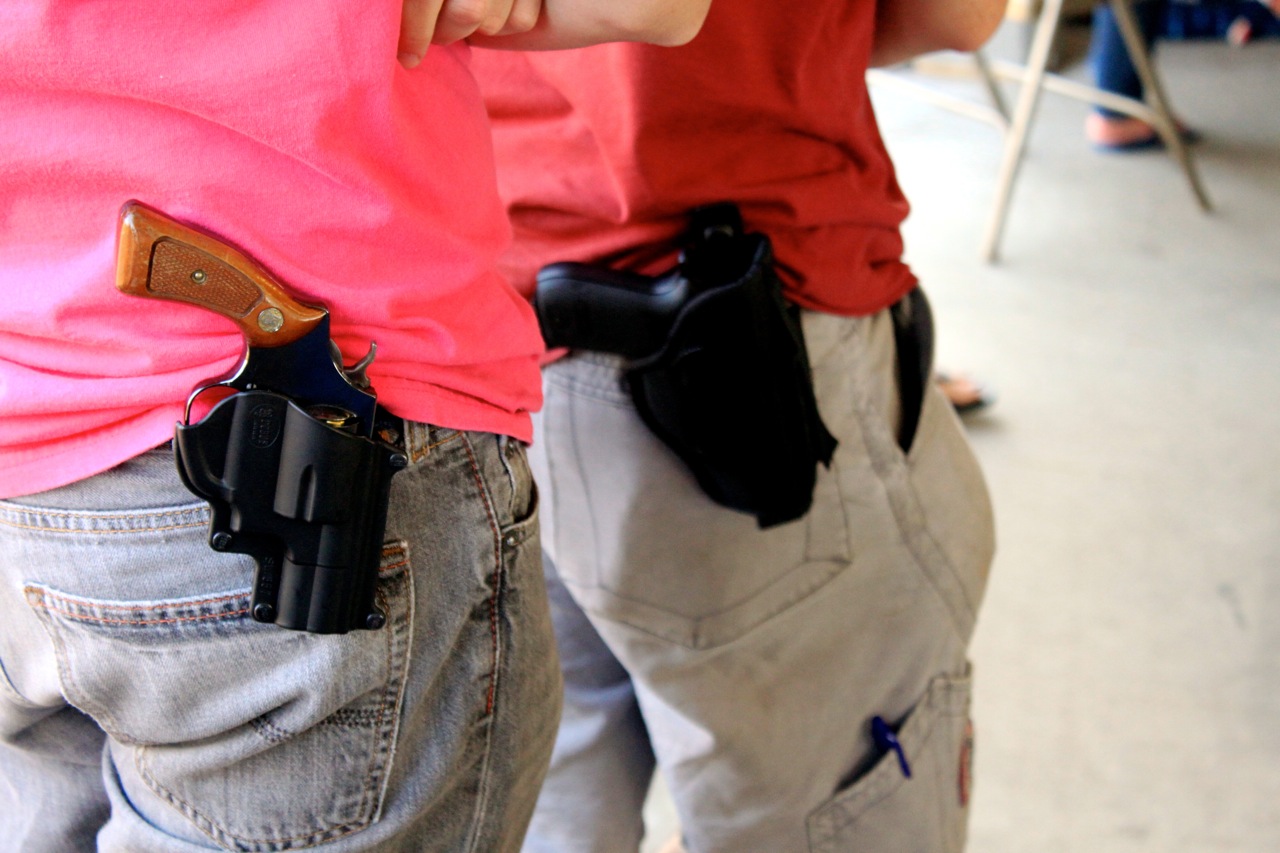
Open carry refers to the practice of carrying a firearm in a visible manner on the body, typically in a holster or carrying system that is openly displayed. In this method, the firearm is not covered by clothing, meaning it is clearly visible to people nearby in public or semi-public environments. The concept is straightforward: the weapon remains accessible and immediately identifiable, without any effort to conceal its presence.
Common open carry setups vary depending on activity, comfort, and firearm type. One of the most widely used options is the outside-the-waistband (OWB) holster, which positions the firearm on the outside of the waistband for easy access. Shoulder holsters are also used, especially in colder climates or situations where waist carry is less practical. In more tactical or outdoor environments, chest rigs and specialized carry systems may be preferred for stability and accessibility during movement.
The legality of open carry depends heavily on jurisdiction. In some states or countries, open carry is fully permitted with minimal restrictions, while in others it may be partially regulated or completely prohibited. These legal differences often dictate where and how individuals can legally carry a visible firearm. Because of this variation, understanding local firearm laws is a critical part of responsible open carry practice.
Open carry is more commonly seen in specific environments where visibility is socially accepted or functionally practical. Rural areas are one of the most common settings, where firearms are often part of daily outdoor or property-related activities. Outdoor activities such as hunting, hiking, or camping also frequently involve open carry due to ease of access and environmental conditions. In addition, certain security or professional roles may require or allow visible firearm carry as part of the job function.
Key Characteristics of Open Carry
One of the defining features of open carry is that the firearm is fully visible to others. There is no concealment involved, which makes the presence of the weapon immediately noticeable in any setting. This visibility is a core aspect of the method and influences both how it is perceived and how it functions in real-world use.
In some situations, open carry may act as a visual deterrent. The visible presence of a firearm can influence the behavior of others, potentially discouraging unwanted interactions. However, this effect varies depending on environment, legal context, and public perception.
From a practical standpoint, open carry often allows for faster access to the firearm. Since there are no clothing barriers to clear, the draw motion can be more direct compared to concealed carry. This can be beneficial in situations where quick response is necessary, provided proper training is in place.
However, open carry requires the use of retention-focused holsters. These holsters are designed to prevent unauthorized access or accidental dislodging of the firearm. Because the weapon is exposed, additional safety mechanisms become important to reduce risk in public environments.
Another important characteristic is the higher level of public attention and visibility. Open carry naturally draws more notice from people nearby, which can lead to increased social interaction, curiosity, or scrutiny. This visibility factor is one of the most significant differences compared to concealed carry and plays a major role in how the method is experienced in daily use.
What Is Concealed Carry?
Concealed carry refers to the practice of carrying a firearm in a way that keeps it hidden from public view. Unlike open carry, where the firearm is clearly visible, concealed carry is designed to ensure that the weapon remains discreet and undetectable to others in everyday environments. The primary goal of this method is to maintain personal defense capability while blending naturally into public life without drawing attention.
There are several common carry positions used in concealed carry, each offering different levels of comfort, speed, and concealment. One of the most popular is Appendix Inside the Waistband (AIWB), where the firearm is positioned at the front of the body for quick access. Another widely used option is strong-side hip carry, typically around the 3 to 5 o’clock position, which balances comfort and accessibility. Additional methods include shoulder holsters, ankle holsters, and concealed carry bags, which are often used depending on clothing style, environment, and personal preference.
In most jurisdictions, concealed carry requires legal permits such as CCW (Carrying a Concealed Weapon) or CPL (Concealed Pistol License). These permits typically involve background checks, safety training, and knowledge of local firearm laws. The regulatory framework is designed to ensure that individuals who carry concealed weapons understand both legal responsibilities and safe handling practices.
Concealed carry is primarily designed for everyday discreet self-defense. It allows individuals to carry a firearm in public spaces without revealing its presence, which can be important in urban environments or situations where visible firearms may cause concern or legal complications. This discreet approach enables a more flexible and socially adaptable method of personal protection.
Key Characteristics of Concealed Carry
One of the most defining features of concealed carry is that the firearm is hidden from public view. The weapon is intentionally covered by clothing or carried in a concealed manner so that it remains undetectable during normal daily activities. This concealment is central to the method’s purpose and effectiveness.
Concealed carry also emphasizes a low-profile lifestyle. The focus is on discretion and blending into everyday environments without signaling that the individual is armed. This approach reduces unwanted attention and allows for smoother interaction in public spaces.
To be effective, concealed carry requires proper holster selection and appropriate clothing. Holsters must securely retain the firearm while supporting safe and consistent draw techniques. Clothing choices also play a role in ensuring that the firearm remains concealed without printing or becoming visible during movement.
Compared to open carry, concealed carry generally involves slightly slower access to the firearm. This is due to the need to clear clothing before drawing. However, with proper training and repetition, this difference can be significantly minimized, making concealed carry efficient in defensive situations.
Another key characteristic of concealed carry is reduced public attention and social interaction. Because the firearm is not visible, it typically does not influence how others perceive or react to the carrier. This allows for a more neutral presence in public spaces, which is one of the primary reasons many individuals prefer concealed carry for daily use.
Open Carry vs Concealed Carry – Key Comparison Factors
When comparing Open Carry vs Concealed Carry, it becomes clear that both methods are built around different priorities rather than one being universally better than the other. Each approach has strengths and limitations depending on environment, legal context, and personal lifestyle. Below is a detailed breakdown of the most important factors that influence real-world carry decisions.
1. Tactical Advantage
Open carry provides a visible presence that can act as a deterrent in some situations. The idea is simple: a clearly visible firearm may discourage potential threats before any confrontation occurs. However, this visibility also means the element of surprise is lost.
Concealed carry, in contrast, preserves discretion and unpredictability. The firearm remains hidden, allowing the carrier to control when and how it is revealed. This can create a tactical advantage in defensive situations where surprise and timing matter. In practical terms, concealed carry often offers more flexibility in dynamic environments.
2. Draw Speed and Accessibility
Open carry generally allows faster access to the firearm because there are no clothing barriers to clear. The draw motion is direct and more intuitive, especially under stress. This can be an advantage in situations requiring immediate response.
Concealed carry requires an additional step of clearing clothing before drawing. This introduces a slight delay and increases the need for consistent training. However, with proper practice, the difference in speed can be reduced significantly, making concealed carry highly effective in skilled hands.
3. Concealment and Social Perception
Open carry is highly visible, meaning the firearm is immediately noticeable to others. This can lead to mixed reactions depending on cultural norms, location, and public awareness. In some areas, it may be accepted, while in others it may attract attention or concern.
Concealed carry avoids this issue entirely by keeping the firearm hidden. The carrier blends into everyday environments without drawing attention. This low-profile approach is one of the main reasons concealed carry is widely preferred in urban and suburban settings.
4. Safety Considerations
Open carry introduces a higher risk of weapon grab attempts since the firearm is exposed. Because of this, retention holsters and situational awareness become extremely important. Proper training is essential to minimize these risks.
Concealed carry reduces exposure to external threats because the firearm is not visible. However, it places greater responsibility on safe handling during drawing and reholstering. Both methods require strong discipline, but the types of risks differ significantly.
5. Comfort and Daily Wear
Open carry is often more comfortable for long periods because it does not rely on tight clothing or concealment adjustments. The firearm is carried externally, reducing pressure and restriction on movement.
Concealed carry comfort varies depending on holster design, body type, and clothing choices. Some positions, such as appendix or strong-side carry, may feel more natural for certain users than others. Comfort is highly personal and often improves with experience and adjustment.
6. Legal and Social Environment
Open carry laws vary widely and are often more restricted in urban or densely populated areas. In some regions, it is fully legal, while in others it may be heavily regulated or prohibited. Social acceptance also plays a major role in how open carry is perceived.
Concealed carry is generally more widely accepted in daily environments because it does not draw attention. It is often the preferred legal method for civilian self-defense in many jurisdictions, especially where discretion is valued or required.
7. Real-World Practicality
Open carry tends to be more practical in rural areas, outdoor environments, and situations where visibility is not an issue. It allows easy access and aligns well with outdoor activities such as hiking or hunting.
Concealed carry is typically more practical for urban life, workplaces, and everyday public interaction. It allows individuals to carry a firearm without altering how they interact with society. In most modern daily scenarios, concealed carry offers greater flexibility and adaptability.
Pros and Cons of Open Carry
Open carry is often viewed as the more straightforward and visible method of carrying a firearm. It offers clear advantages in accessibility and comfort, but it also comes with social and environmental trade-offs. Understanding both sides is important before deciding if this method fits your lifestyle and legal environment.
Advantages
One of the biggest advantages of open carry is a faster and easier draw. Since the firearm is not covered by clothing, the user can access it directly without needing to clear any barriers. This makes the draw motion more immediate in situations where time matters.
Another commonly mentioned benefit is its possible deterrence factor. A visible firearm may discourage certain threats or unwanted behavior simply by being present. While this effect is not guaranteed, it is often considered part of the open carry philosophy.
Open carry is also generally more comfortable for carrying larger firearms. Because the weapon is not concealed against the body or restricted by tight clothing, it can be worn more freely for extended periods. This makes it practical for outdoor use or long wear scenarios.
Finally, open carry requires a simpler setup. There is no need to adjust clothing for concealment or worry about printing. A basic holster system is often enough, making it a straightforward option for users who prefer simplicity and accessibility.
Disadvantages
The most significant drawback of open carry is high visibility. A visible firearm can attract attention in public spaces, which may lead to unwanted interactions or discomfort for others. This makes it less suitable for environments where discretion is important.
There is also a greater risk of weapon targeting. Because the firearm is exposed, it may become a focus in confrontational situations. This increases the importance of retention holsters and situational awareness.
Open carry can also lead to possible legal or social complications depending on the jurisdiction. In some areas, it may be restricted or discouraged, especially in urban environments or sensitive public locations.
Overall, open carry is less suitable for urban environments where social perception and legal restrictions are more complex. It tends to work better in rural or outdoor settings where visibility is more acceptable.
Pros and Cons of Concealed Carry
Concealed carry focuses on discretion and blending into everyday life. It is widely used in modern urban environments and is often preferred for personal defense due to its low-profile nature. However, it also requires more training and adjustment compared to open carry.
Advantages
One of the primary advantages of concealed carry is that it maintains discretion and privacy. The firearm remains hidden from public view, allowing the carrier to move through daily life without drawing attention.
This approach also reduces public attention. Since the firearm is not visible, it avoids influencing how others react or interact with the carrier in normal situations. This can create a more neutral and comfortable social experience.
Concealed carry is generally better suited for everyday urban use. It integrates more naturally into modern clothing styles and public environments where visible firearms may not be socially acceptable.
Another key advantage is the tactical surprise factor. Because the firearm is hidden, it may provide an advantage in defensive situations where the element of surprise and controlled response timing are important.
Disadvantages
One of the main disadvantages of concealed carry is slower draw speed compared to open carry. The user must first clear clothing before accessing the firearm, which adds an extra step to the draw process.
It also requires consistent training and practice. Efficient concealed carry depends on muscle memory, proper holster use, and repeated drills to ensure safe and fast access when needed.
Comfort can vary significantly depending on setup. Factors such as holster type, carry position, and body shape all influence how comfortable concealed carry feels throughout the day.
Finally, concealed carry is dependent on clothing and environment. Certain outfits or weather conditions can make concealment more challenging, requiring adjustments in wardrobe or carry position to maintain effectiveness.
Open Carry vs Concealed Carry in Real-Life Scenarios
When moving beyond theory, the choice between Open Carry vs Concealed Carry becomes highly dependent on real-world environments. Daily life presents different conditions that influence comfort, safety, legal compliance, and social interaction. Because of this, the “best” method often changes based on where and how a firearm is carried rather than a fixed rule.
In urban environments, concealed carry is generally more practical. Cities tend to have higher population density, stricter regulations, and greater social sensitivity toward visible firearms. A concealed firearm allows the carrier to move through public spaces without drawing attention, reducing unnecessary interactions while maintaining personal defense capability.
In contrast, rural and outdoor environments often align better with open carry. In these settings, visibility is less of a concern, and accessibility becomes more important. Activities such as hiking, hunting, or working on private land make open carry more comfortable and functionally practical. The environment itself often supports a more relaxed approach to visible firearms.
For self-defense situations, concealed carry is often seen as offering greater tactical flexibility. The firearm remains hidden, allowing the carrier to control when it is revealed. This can reduce escalation in certain scenarios and preserve the element of surprise, which may be relevant in defensive encounters.
In workplace and everyday life situations, concealed carry is typically less disruptive. It allows individuals to maintain normal social interactions without signaling that they are armed. This can be particularly important in professional environments, retail spaces, or public-facing roles where discretion is preferred.
Expert Insight – No Single Best Method
There is no universal “best” choice between open carry and concealed carry. Both methods are valid and effective when used in appropriate contexts. The key is understanding that each method serves a different purpose rather than competing directly with one another.
Several key factors influence the decision-making process. Lifestyle plays a major role, as daily routines determine how often a firearm is carried and in what environments. Environment is equally important, since urban, suburban, and rural areas each present different expectations and legal frameworks. Legal restrictions must always be considered, as firearm laws vary widely between regions and can directly affect carry options.
Training level is another critical factor. Concealed carry often requires more consistent practice due to the added step of drawing from concealment, while open carry emphasizes retention and situational awareness. Experience with either method can significantly improve effectiveness and safety.
Many experienced firearm carriers do not rely on a single method. Instead, they adjust their carry style depending on the situation. This flexible mindset allows them to balance comfort, legality, and practicality in different environments rather than forcing one method into every scenario.
As a result, a hybrid approach is increasingly common among trained users. This means open carry may be used in outdoor or private settings, while concealed carry is preferred in public or urban environments. This adaptability reflects a more realistic approach to firearm use in modern daily life.
Final Verdict
Open carry is best suited for visibility, comfort, and outdoor use where legal and social conditions allow it. It offers straightforward access and can be practical in environments where discretion is not required. However, it is not always suitable for urban or socially sensitive areas.
Concealed carry is best suited for discretion, daily carry, and urban environments. It allows individuals to maintain a low profile while still having access to a defensive tool. This makes it the preferred method for many everyday carry users in modern settings.
Ultimately, there is no universal winner in the Open Carry vs Concealed Carry debate. The correct choice depends on personal circumstances, including environment, legal framework, and individual comfort. More importantly, training, awareness, and responsible handling matter far more than the carry style itself. A well-trained carrier using either method will always be more effective than an untrained carrier relying on the “best” setup alone.
Frequently Asked Questions (FAQ) – Open Carry vs Concealed Carry
1. What is the main difference between open carry and concealed carry?
The main difference is visibility. Open carry means the firearm is visible to others in public, usually in a holster. Concealed carry means the firearm is hidden under clothing or carried in a way that prevents it from being seen. This difference affects legality, social perception, draw speed, and daily comfort. Open carry emphasizes accessibility and visibility, while concealed carry focuses on discretion and low-profile living.
2. Is open carry legal everywhere?
No, open carry is not legal everywhere. Laws vary significantly depending on country, state, or region. Some places allow it freely, others restrict it to certain conditions, and many urban areas prohibit it entirely. Because of these differences, firearm owners must always check local regulations before choosing open carry.
3. Do I need a permit for concealed carry?
In most jurisdictions, yes. Concealed carry typically requires a permit such as CCW (Carrying a Concealed Weapon) or CPL (Concealed Pistol License). These permits usually involve background checks, safety training, and sometimes written exams. However, a few regions allow permitless concealed carry under specific conditions.
4. Which is safer: open carry or concealed carry?
Neither method is automatically safer. Safety depends more on training, awareness, and responsible handling. Open carry increases exposure to potential weapon grab attempts, while concealed carry requires careful draw discipline. Both methods can be safe when practiced correctly.
5. Is concealed carry better for self-defense?
Concealed carry is often preferred for self-defense because it provides discretion and tactical flexibility. The firearm remains hidden, which can help avoid escalating situations prematurely. However, effectiveness depends on training and the ability to draw safely under stress.
6. Why do some people prefer open carry?
Some people prefer open carry because it offers faster access, comfort, and visibility. In certain environments, it may also act as a deterrent. It is often chosen in rural areas, outdoor activities, or professional roles where visible firearms are acceptable.
7. Does open carry scare people?
It can, depending on the environment and cultural expectations. In some regions, open carry is normalized and accepted, while in others it may cause concern or anxiety. Public perception plays a major role in how open carry is received.
8. Is concealed carry harder to learn?
Yes, concealed carry generally requires more practice. Users must learn how to draw from under clothing, manage holster placement, and ensure safe reholstering. With consistent training, however, it becomes natural and efficient.
9. Which carry method is faster?
Open carry is usually faster because there are no clothing barriers. Concealed carry adds an extra step of clearing garments before drawing. However, trained concealed carriers can significantly reduce this speed gap.
10. Can open carry prevent crime?
In some cases, visible firearms may deter certain criminal behavior, but it is not guaranteed. The effect depends on environment, perception, and individual circumstances. It should not be relied upon as a primary crime prevention strategy.
11. Is concealed carry more popular?
Yes, concealed carry is generally more popular in urban and suburban environments. It is often preferred because it allows individuals to carry without attracting attention or affecting social interactions.
12. Which is better for beginners?
Many experts recommend concealed carry for beginners because it encourages structured training and legal awareness. However, open carry may be easier to understand mechanically since it does not require concealment techniques.
13. Can I switch between open and concealed carry?
Yes, many firearm owners switch depending on environment, clothing, and legal context. For example, concealed carry may be used in public, while open carry may be used in rural or outdoor settings.
14. Does concealed carry slow reaction time?
It can slightly slow initial access due to clothing barriers. However, with proper training and repetition, the difference becomes minimal in real-world performance.
15. What is the “best” carry method overall?
There is no universal best method. The choice depends on lifestyle, environment, legal restrictions, and training level. Both open and concealed carry are effective when used appropriately.
16. Is open carry allowed in cities?
In many cities, open carry is restricted or discouraged due to public safety concerns and local laws. Urban environments tend to favor concealed carry instead.
17. Is concealed carry completely hidden?
When done correctly, yes, concealed carry is not visible to others. However, improper clothing or holster setup can sometimes cause “printing,” where the outline of the firearm becomes noticeable.
18. What is printing in concealed carry?
Printing refers to when the shape of a concealed firearm becomes visible through clothing. This can happen if the holster or clothing is not properly adjusted, reducing concealment effectiveness.
19. Does open carry require special holsters?
Yes, open carry often requires retention holsters designed to secure the firearm and prevent unauthorized access, especially since the weapon is exposed.
20. Can concealed carry be comfortable all day?
Yes, but comfort depends on holster quality, carry position, and clothing choice. Many users adjust their setup over time to improve comfort for daily wear.
21. Does open carry require training?
Yes, open carry requires training even though the firearm is visible and easier to access. Training focuses on safe handling, situational awareness, and especially weapon retention. Since the firearm is exposed, users must understand how to prevent unauthorized access and how to respond in public environments safely and responsibly.
22. Is concealed carry legal everywhere?
No, concealed carry is not legal everywhere. Laws differ by country, state, and even local jurisdiction. Some areas require permits, while others may allow permitless carry under specific conditions. Understanding local laws is essential before carrying concealed.
23. Can concealed carry be used without printing?
Yes, proper concealed carry aims to avoid printing completely. This requires the right holster, correct positioning, and appropriate clothing. However, movement, tight clothing, or poor setup can still cause accidental visibility.
24. Is open carry more effective for deterrence?
Open carry may act as a visual deterrent in some situations because the firearm is visible. However, its effectiveness depends heavily on environment and perception. It should not be relied upon as a guaranteed deterrent strategy.
25. Which method is better for daily commuting?
Concealed carry is generally better for daily commuting, especially in urban areas. It allows individuals to move through public transportation, workplaces, and crowded environments without drawing attention.
26. Does open carry reduce surprise advantage?
Yes, open carry removes the element of surprise because the firearm is visible. This means any potential threat can immediately identify the presence of a weapon.
27. Can concealed carry be used in vehicles?
Yes, concealed carry is commonly used in vehicles. However, accessibility depends on carry position and training. Some positions are easier to access while seated than others.
28. Is open carry allowed in private businesses?
It depends on the business owner and local laws. Some businesses allow open carry, while others may restrict firearms on their property regardless of legal carry rights.
29. Does concealed carry affect clothing choices?
Yes, concealed carry often requires adjustments in clothing style. Looser shirts, structured waistbands, or specific fabric choices help prevent printing and improve comfort.
30. Is open carry more comfortable in hot weather?
Open carry can be more comfortable in hot weather because it avoids tight concealed holsters and extra clothing layers. However, social and legal factors may still limit its practicality.
31. Can concealed carry be faster with training?
Yes, with consistent training, concealed carry draw speed can become very fast. Experienced users can reduce the difference between concealed and open carry significantly.
32. Is open carry legal for tourists?
In most cases, tourists are subject to the same firearm laws as residents. Some jurisdictions may not recognize out-of-state permits, so legal research is essential before carrying.
33. Does concealed carry require constant adjustment?
Yes, concealed carry often requires small adjustments throughout the day, especially when sitting, driving, or moving between environments.
34. Is open carry more visible to law enforcement?
Yes, open carry is immediately visible to law enforcement and may result in interaction depending on local laws and context.
35. Can concealed carry be used with backpacks?
Yes, some people use concealed carry backpacks designed with quick-access compartments. However, draw speed and accessibility depend heavily on design quality.
36. Does open carry require special awareness?
Yes, open carry requires increased situational awareness because the firearm is exposed. Users must be mindful of surroundings at all times.
37. Is concealed carry more discreet in public?
Yes, concealed carry is specifically designed for discretion. It allows individuals to move through public spaces without revealing they are armed.
38. Can open carry be restricted in schools or government buildings?
Yes, most schools, government buildings, and sensitive areas prohibit firearms regardless of open or concealed carry laws.
39. Does concealed carry reduce social interaction?
Yes, since the firearm is not visible, concealed carry typically reduces unwanted attention or conversations about firearms in public.
40. Is open carry better for outdoor sports?
In many outdoor environments like hiking or hunting, open carry is often more practical due to easier access and comfort.
41. Can concealed carry be uncomfortable for beginners?
Yes, beginners may initially find concealed carry uncomfortable due to unfamiliar holster pressure points or clothing adjustments, but this often improves over time.
42. Does open carry require stronger holsters?
Yes, open carry typically requires retention holsters that securely lock the firearm in place to prevent unauthorized access or accidental dislodging.
43. Is concealed carry harder in winter or summer?
Both seasons present different challenges. Winter allows easier concealment with layered clothing, while summer can make concealment more difficult due to lighter clothing.
44. Can open carry increase legal scrutiny?
Yes, in some areas open carry may lead to increased law enforcement attention or legal checks depending on local regulations.
45. Does concealed carry require regular practice?
Yes, regular practice is essential for safe and efficient concealed carry. Training helps maintain draw speed, accuracy, and safe handling habits.
46. Is open carry considered more traditional?
In some regions and historical contexts, open carry is considered more traditional, especially in rural or frontier environments.
47. Can concealed carry fail in emergencies?
It can fail if not properly trained or if clothing and holster setup are not optimized. Preparation and repetition are key to reliability.
48. Is open carry banned in some states?
Yes, several states or regions restrict or prohibit open carry entirely, while others allow it with limitations.
49. Can concealed carry be used with formal clothing?
Yes, concealed carry can be adapted to formal clothing, but it may require specialized holsters and careful wardrobe selection.
50. What is the most important factor when choosing between open and concealed carry?
The most important factor is context. Lifestyle, legal environment, training level, and personal comfort all matter more than the carry method itself. Responsible decision-making and consistent training are ultimately more important than choosing one method over the other.
Read more: