
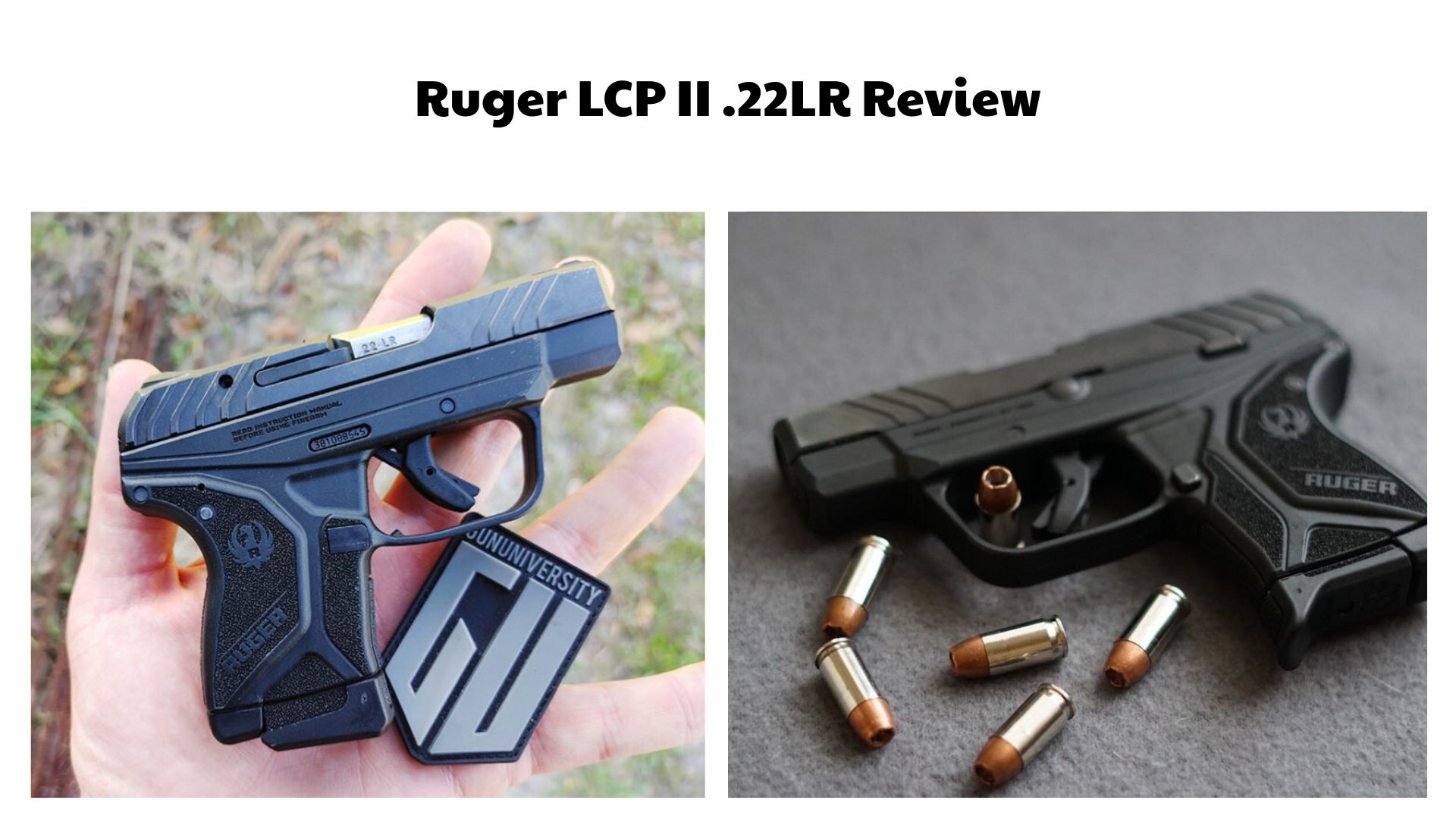

The Ruger LCP II .22LR is an ultra-compact pocket pistol designed for maximum concealability and extremely low recoil shooting. It is chambered in .22 LR, making it one of the easiest-handling defensive-style pistols in its class, especially for new shooters or those sensitive to recoil.
Built on the proven Ruger LCP II platform originally chambered in .380 ACP, this rimfire version is intended for concealed carry, backup use, and deep concealment scenarios where size and weight matter more than raw stopping power.
Its core identity can be summarized as an “ultra-light, ultra-compact, ultra-concealable rimfire defensive pistol,” offering a very specific balance of portability and shootability.
However, opinions remain mixed regarding its suitability for self-defense due to the inherent limitations of the .22 LR cartridge compared to larger defensive calibers.
History and Development of the LCP II .22LR
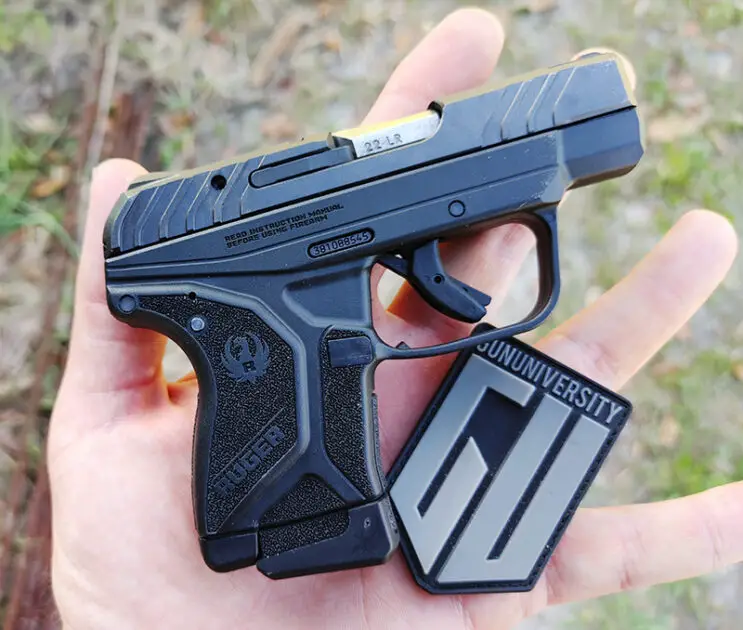
Evolution from Original LCP Series
The Ruger LCP series began with the original LCP, a compact .380 ACP pistol designed for deep concealment and everyday carry. It quickly gained popularity due to its minimal size and lightweight construction.
The LCP II introduced significant improvements over the original design, including a better trigger system, enhanced sights, and improved ergonomics for more controllable shooting.
Building on that success, Ruger expanded the platform into a .22 LR variant, aiming to create a lower-recoil alternative suitable for training and extended practice sessions.
Purpose Behind the .22 LR Version
The primary purpose of the LCP II .22LR is to provide an easier shooting experience with virtually no recoil, making it accessible to a wider range of shooters.
It is also intended as a training pistol, allowing users to practice fundamentals at a significantly lower cost due to inexpensive .22 LR ammunition.
Additionally, it appeals to individuals who are sensitive to recoil or have limited hand strength but still want a highly concealable defensive-style firearm.
Design Overview – Compact Rimfire Engineering
Size, Weight, and Concealability
One of the most defining characteristics of the Ruger LCP II .22LR is its extremely lightweight design, weighing approximately 11 ounces unloaded. This makes it one of the lightest pistols available in its category.
Its compact dimensions allow it to be carried easily in a pocket, ankle holster, or deep concealment setup without printing or discomfort.
Because of its minimal footprint, it is highly suitable for everyday concealed carry in situations where discretion is critical.
Frame and Build Materials
The LCP II .22LR features a glass-filled polymer frame designed to reduce weight while maintaining structural durability. This material choice allows the pistol to remain both lightweight and reasonably strong for its size.
The slide is constructed from alloy steel, providing the necessary strength to handle repeated cycling of rimfire ammunition.
Despite its ultra-compact design, Ruger engineered the pistol with durability in mind, ensuring it can withstand regular concealed carry use and training.
Lite Rack System and Slide Design
The Lite Rack system is one of the key usability improvements of the LCP II platform. It makes slide manipulation significantly easier, especially for shooters with weaker hand strength.
The slide includes both forward and rear serrations to improve grip and handling during loading and clearing procedures.
Depending on the configuration, some models may also include a manual safety, offering an additional layer of control for users who prefer it.
Shooting Performance and Range Experience
Recoil and Shootability
The Ruger LCP II .22LR produces extremely low recoil due to the mild nature of the .22 LR cartridge. This makes it one of the easiest micro pistols to shoot comfortably.
Compared to .380 ACP and 9mm pocket pistols, it offers significantly reduced recoil, allowing for better control and reduced shooter fatigue.
This makes it particularly suitable for beginners and recoil-sensitive shooters who want a comfortable shooting experience.
Muzzle rise is minimal, which helps shooters stay on target more easily during rapid or repeated shots.
Accuracy Performance
The LCP II .22LR is generally effective at close defensive distances, typically within 3 to 7 yards. Within this range, it provides acceptable accuracy for a pocket-sized handgun.
However, due to its small size and short sight radius, its performance becomes more limited at longer distances.
While it features improved sights compared to the original LCP, they remain minimalistic to preserve concealability.
The small grip size can also affect stability and precision, especially for shooters with larger hands.
Trigger Performance
The LCP II .22LR features an improved trigger system compared to the original LCP generation. It offers a shorter and lighter pull, making it easier to shoot accurately.
This improvement enhances overall control and usability, particularly in rapid-fire situations or defensive training.
Despite these upgrades, the trigger is still not considered match-grade, but it is fully functional and adequate for defensive and training purposes.
Reliability and Real-World Performance
Mixed Reliability Reports
The Ruger LCP II .22LR receives mixed feedback regarding reliability, which is common for ultra-compact rimfire pistols. Some users report excellent performance when using high-quality ammunition, with smooth cycling and minimal malfunctions.
However, other shooters experience occasional failures to feed, failure to eject, or light primer strikes. These inconsistencies are often influenced by ammunition choice, maintenance habits, and individual pistol break-in conditions.
Overall performance can vary significantly from one unit to another, making real-world reliability somewhat dependent on usage patterns and ammo selection.
Ammunition Sensitivity
The LCP II .22LR performs best with high-quality .22 LR ammunition such as CCI Mini-Mag or similar premium loads known for consistent ignition and reliable cycling.
Bulk or lower-cost ammunition tends to increase the likelihood of malfunctions, especially during early stages of use or in tightly fitted pistols.
There can also be noticeable differences in performance between hollow point and round nose ammunition, with round nose typically offering more consistent feeding in compact semi-automatic designs.
Break-In Period Observations
Some users report that the LCP II .22LR becomes more reliable after a break-in period of approximately 200 to 500 rounds. During this phase, internal components may smooth out, improving cycling consistency.
It is not uncommon for early shooting sessions to include more malfunctions, which may gradually decrease as the pistol is used more extensively.
This break-in behavior is relatively common among small, tightly engineered rimfire pistols.
Ergonomics and Concealed Carry Experience
Pocket Carry Comfort
The Ruger LCP II .22LR is widely regarded as one of the most pocket-friendly pistols available on the market today. Its extremely compact dimensions allow it to be carried discreetly in a wide variety of clothing styles.
It can easily disappear inside jeans, shorts, or jacket pockets without noticeable printing, making it highly suitable for deep concealment applications.
This level of portability makes it especially attractive for users who prioritize concealment over firepower.
Grip and Handling
Due to its very small frame, the grip can feel cramped for shooters with larger hands. This may reduce comfort and control during extended shooting sessions.
It tends to be better suited for shooters with average or smaller hand sizes, where grip alignment feels more natural and manageable.
Aftermarket grip sleeves or extensions can help improve control and overall handling stability.
Ease of Use
The lightweight design of the LCP II .22LR makes it extremely easy to carry throughout the day without discomfort or fatigue.
Its simplified manual of arms, with minimal controls, makes it accessible to basic or less experienced users.
This simplicity reduces complexity during operation but also limits customization and advanced handling options compared to larger pistols.
Ruger LCP II .22LR Pros and Cons
Key Advantages
The Ruger LCP II .22LR offers several strong advantages, starting with its extremely lightweight and compact design, making it one of the easiest pistols to conceal.
It provides very low recoil, allowing for comfortable shooting even for beginners or recoil-sensitive users.
The use of .22 LR ammunition makes it highly affordable to train and practice regularly.
Compared to the original LCP, it features an improved trigger system and better ergonomics, enhancing overall usability.
Its concealability is among the best in its class, making it ideal for deep concealment scenarios.
Main Drawbacks
One of the main drawbacks is its mixed reliability when using certain types of ammunition, particularly lower-quality bulk rounds.
The .22 LR cartridge also has limited defensive power compared to larger calibers like .380 ACP or 9mm, which raises concerns for primary self-defense use.
Its small sights and short sight radius make precise shooting more challenging beyond close distances.
Magazine capacity is relatively low compared to larger modern pistols.
Overall, it is not considered ideal for users seeking a primary, high-performance defensive firearm.
Ruger LCP II .22LR vs Competitors
vs Ruger LCP II .380
The Ruger LCP II in .380 ACP is the more powerful defensive option, offering significantly better stopping power and overall terminal performance. It is generally considered more suitable for self-defense applications due to the larger cartridge.
However, the .22 LR version is noticeably easier to shoot, with almost no recoil, making it far more comfortable for beginners, recoil-sensitive shooters, and high-volume training.
In terms of reliability, the .380 ACP version is typically more consistent for defensive use, while the .22 LR model can be more sensitive to ammunition quality and maintenance.
vs Taurus TX22 Compact
The Taurus TX22 Compact is a larger and more modern .22 LR pistol that offers higher magazine capacity and generally better reliability across a wide range of ammunition types.
It is designed more as a range and training handgun, providing a stable shooting platform and improved long-term performance.
In contrast, the Ruger LCP II .22LR is significantly smaller and lighter, making it far superior in pocket carry and deep concealment scenarios where size is the top priority.
vs Smith & Wesson M&P 22 Compact
The Smith & Wesson M&P 22 Compact is known for being a more stable and controllable training and recreational shooting pistol. It offers better handling, improved sight radius, and a more comfortable grip for extended range sessions.
However, the Ruger LCP II .22LR dominates in terms of concealability and portability, making it much easier to carry discreetly in everyday situations.
This makes the LCP II more suitable for deep concealment, while the M&P 22 Compact is better suited for training and range use.
Real-World User Opinions and Feedback
Real-world users often appreciate the Ruger LCP II .22LR for its exceptional concealability and ease of everyday carry. Many highlight how effortlessly it disappears in pockets or small holsters.
Positive feedback is commonly centered on its very low recoil and comfortable shooting experience, which makes it accessible to a wide range of users.
However, criticism frequently focuses on inconsistent reliability, particularly when using lower-quality ammunition or during early break-in periods.
Opinions are often divided regarding its suitability for self-defense, with some users trusting it as a backup option while others prefer more powerful calibers.
Overall, it is commonly described as a “backup gun or deep concealment tool” rather than a primary defensive handgun.
Who Should Buy the Ruger LCP II .22LR?
The Ruger LCP II .22LR is best suited for individuals who need an extreme deep concealment option where size and weight are the most important factors.
It is also a strong choice for recoil-sensitive shooters, beginners, or those who prefer a very easy and comfortable shooting experience.
Additionally, it works well as an affordable training pistol due to the low cost of .22 LR ammunition, allowing for frequent practice without high expense.
However, it is not ideal for users seeking a primary defensive firearm with maximum stopping power and consistent duty-grade reliability.
Final Verdict – Is the Ruger LCP II .22LR Worth It in 2026?
The Ruger LCP II .22LR remains an excellent ultra-concealable pocket pistol designed for maximum portability and extremely low recoil shooting.
It is very easy to shoot, making it appealing for beginners and users who prioritize comfort and minimal recoil over power.
However, its reliability is highly dependent on ammunition selection and proper maintenance, which can affect confidence for primary defensive use.
Overall, it is best suited as a backup or deep concealment firearm rather than a main duty or self-defense pistol.
The final takeaway is clear: “ultra-small, ultra-light, but not a primary duty defensive pistol.”
Ruger LCP II .22LR – 55 Frequently Asked Questions (FAQ)
1. Is the Ruger LCP II .22LR good for self-defense?
It can be used for self-defense in very limited roles, but it is generally considered a backup or deep concealment option rather than a primary defensive firearm. The .22 LR cartridge has limited stopping power compared to larger defensive calibers, which is why many experts recommend it only when concealability is the top priority.
2. How reliable is the Ruger LCP II .22LR?
Reliability is mixed. Some users experience excellent performance with high-quality ammunition, while others report occasional malfunctions such as failures to feed or eject. Ammunition quality and maintenance play a major role in overall reliability.
3. What ammo works best in the LCP II .22LR?
Premium .22 LR ammunition such as CCI Mini-Mag is widely recommended. These rounds offer more consistent ignition and cycling compared to cheaper bulk ammunition, which may cause more malfunctions.
4. Is the LCP II .22LR better than the .380 version?
The .380 version offers significantly better stopping power, making it more suitable for defense. However, the .22 LR version is easier to shoot, has less recoil, and is cheaper to practice with.
5. How much does the Ruger LCP II .22LR weigh?
It weighs approximately 11 ounces unloaded, making it one of the lightest semi-automatic pistols available, ideal for pocket carry and deep concealment.
6. Is the LCP II .22LR easy to conceal?
Yes, it is extremely easy to conceal due to its small size and lightweight design. It can fit comfortably in pockets, ankle holsters, or small concealed carry holsters without printing.
7. What is the magazine capacity?
The standard magazine capacity is typically 10 rounds of .22 LR, depending on configuration and magazine design.
8. Does the LCP II .22LR have a safety?
Some versions include a manual thumb safety, while others rely on internal safety mechanisms. This depends on the specific model configuration.
9. Is the trigger good on the LCP II .22LR?
The trigger is improved compared to the original LCP. It is lighter and shorter but still not a match-grade trigger. It is considered adequate for defensive and training use.
10. How accurate is the LCP II .22LR?
It is reasonably accurate at close distances (3–7 yards), which is typical for pocket pistols. Its small size limits precision at longer ranges.
11. Is it good for beginners?
Yes, it is very beginner-friendly due to its extremely low recoil and simple operation. It is often recommended as a first pistol for recoil-sensitive shooters.
12. Does it have a break-in period?
Some users report improved reliability after 200–500 rounds, as internal components smooth out during initial use.
13. Can it shoot hollow points?
Yes, but performance varies depending on ammunition brand. Some hollow points may not feed as reliably as round nose ammunition in this compact design.
14. Is the LCP II .22LR good for pocket carry?
Yes, it is one of the best pocket carry pistols due to its extremely small size and light weight.
15. Is it better than the Taurus TX22 Compact?
The TX22 Compact is more reliable and higher capacity, but the LCP II is far smaller and much better for deep concealment.
16. Is it good for home defense?
It is not ideal for home defense compared to larger pistols, but it can serve as a backup option in emergency situations.
17. Can it handle +P ammo?
No, .22 LR does not have a +P designation in the same way as centerfire cartridges, and high-pressure variations should be avoided unless specified by manufacturer.
18. Is recoil really that low?
Yes, recoil is extremely minimal, making it one of the easiest semi-auto pistols to shoot comfortably.
19. Is it good for concealed carry everyday?
Yes, especially for users prioritizing deep concealment over firepower. It is one of the easiest pistols to carry daily.
20. What are its main weaknesses?
Its main weaknesses include limited stopping power, mixed reliability with some ammo types, and small size affecting control and accuracy.
21–55. Additional Frequently Asked Questions
21. Is the LCP II .22LR good for elderly shooters?
Yes, its low recoil and light slide make it very suitable for elderly or physically limited shooters.
22. How durable is the LCP II .22LR?
It is reasonably durable for its size, though not designed for extremely high round counts like larger duty pistols.
23. Can it be used for training?
Yes, it is excellent for low-cost training due to inexpensive .22 LR ammunition.
24. Does it jam often?
It can jam depending on ammunition quality, with bulk ammo increasing malfunction rates.
25. Is it loud when fired?
Yes, like most .22 LR pistols, it still produces a noticeable report despite low recoil.
26. Can it be used as a backup gun?
Yes, it is commonly used as a backup or secondary firearm due to its small size.
27. Is it good for bug-out bags?
Yes, its lightweight design makes it a popular choice for emergency kits.
28. Does it have good sights?
The sights are improved over older models but remain minimalistic for concealability.
29. Can it be modified?
Limited modifications are available compared to larger pistols.
30. Is it expensive?
No, it is relatively affordable compared to many modern pistols.
31. Is it good for competition?
No, it is not designed for competitive shooting.
32. Does it rust easily?
No, it has corrosion-resistant finishes, but maintenance is still important.
33. How many rounds can it last?
With proper care, it can last thousands of rounds, though rimfire pistols generally have shorter lifespans than centerfire duty guns.
34. Is it reliable with suppressors?
No, it is not designed for suppressor use.
35. Is it good for small hands?
Yes, it fits small hands better than most compact pistols.
36. Is it good for large hands?
It may feel cramped for large hands, affecting control.
37. Does it have slide lock issues?
Some users report occasional slide lock sensitivity depending on grip technique.
38. Can it be used one-handed?
Yes, but control is limited due to its small size.
39. Is it safe to carry loaded?
Yes, when properly handled and using safe carry practices.
40. Does it have a good warranty?
Ruger provides a strong warranty and customer support reputation.
41. Is it better than revolvers in .22 LR?
It offers higher capacity but may be less mechanically simple than revolvers.
42. Is it good for camping or outdoor use?
Yes, as a lightweight backup firearm for small pest control or emergencies.
43. Does it require special cleaning?
No special cleaning, but rimfire ammunition tends to be dirtier and requires regular maintenance.
44. Is it legal everywhere?
Legality depends on local firearm laws and concealed carry regulations.
45. Does it have recoil spring issues?
Some users report wear over time, but generally it performs adequately for its class.
46. Can it be used for defense training?
Yes, especially for low-recoil skill development and fundamentals.
47. Is it better than revolvers for concealment?
It is typically thinner and easier to conceal than many revolvers.
48. Is it accurate enough for defense?
Yes, at close distances typical of defensive encounters.
49. Does it have magazine drop issues?
Generally reliable, though some wear can occur with heavy use.
50. What is the main purpose of this pistol?
Its main purpose is deep concealment and low-recoil shooting rather than high-power defense.
51. Is it still worth buying in 2026?
Yes, if concealability and low recoil are top priorities, but not if maximum defensive power is required.
52. What is the biggest advantage of the LCP II .22LR?
Its unmatched combination of size, weight, and ease of shooting.
53. What is the biggest disadvantage?
Limited stopping power compared to larger defensive calibers.
54. Who should avoid it?
Users who want a primary duty or high-power defensive firearm should consider larger calibers.
55. What is the final summary?
It is an ultra-compact, ultra-light pistol ideal for deep concealment and training, but not a primary defensive solution.
Read more: