


The Browning Buck Mark is one of the most popular .22 LR semi-automatic pistols ever produced, widely recognized for its accuracy, reliability, and long-standing presence in the rimfire handgun market. It has become a go-to choice for target shooters, plinkers, and training purposes due to its consistent performance and user-friendly design.
Within Browning’s lineup, the Buck Mark holds a strong position as a dedicated rimfire platform that has remained in continuous production since the 1980s. Over the decades, it has earned a reputation as a dependable and well-built pistol that bridges the gap between entry-level training guns and serious precision rimfire pistols.
The Buck Mark is especially popular among recreational shooters and those looking to develop handgun fundamentals without the recoil and cost of centerfire ammunition. However, it also sits at the center of ongoing debate—while many shooters praise its accuracy and build quality, others argue it may be somewhat overrated compared to modern competitors with easier maintenance and modular designs.
History and Development of the Buck Mark
Evolution from Browning Challenger and Early Designs
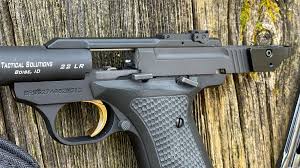
The Browning Buck Mark evolved from earlier Browning rimfire pistols such as the Challenger and International series. These earlier models helped establish Browning’s reputation for precision .22 pistols, but they eventually gave way to a more modern and refined design.
By the mid-1980s, Browning transitioned to the Buck Mark platform, introducing a more updated rimfire pistol that improved ergonomics, durability, and manufacturing consistency. This shift marked a significant step forward in Browning’s approach to semi-automatic .22 caliber handguns.
Design Philosophy and Manufacturing Background
The Buck Mark was designed with a strong emphasis on accuracy and long-term reliability. It features a precision-machined aluminum frame, which helps reduce weight while maintaining structural strength and rigidity.
Browning focused on creating a pistol that could deliver consistent performance over time, with tight manufacturing tolerances and a design that supports repeatable accuracy. This makes it especially appealing for target shooting applications.
The Buck Mark also reflects Browning’s broader legacy in rimfire firearm development, building on decades of experience in producing high-quality sporting and recreational firearms.
Browning Buck Mark Models and Variants
Standard Buck Mark Models
Standard Buck Mark models are designed for general-purpose use, including recreational shooting and basic training. These configurations typically feature simpler barrel designs and standard sights, making them accessible and easy to use for most shooters.
They are ideal for those who want a straightforward and reliable .22 LR pistol without specialized competition features.
Target and Bull Barrel Versions
Target-oriented Buck Mark models often feature heavy bull barrels that improve stability and reduce muzzle movement during firing. This added weight enhances accuracy, especially during slow, precision-focused shooting.
These versions are commonly used in bullseye shooting and other precision disciplines where consistency and tight grouping are critical.
Optics-Ready and Rail-Equipped Models
Modern Buck Mark variants increasingly come with Picatinny rails or optics-ready designs, allowing shooters to mount red dot sights or other optical systems.
This enhances versatility and brings the platform in line with contemporary shooting preferences, especially for competition or faster target acquisition training.
Suppressor-Ready Variants
Some Buck Mark models feature threaded barrels designed for suppressor use. These variants are compatible with subsonic .22 LR ammunition, making them ideal for quieter shooting applications.
Suppressor-ready models are particularly popular among enthusiasts who value reduced noise levels and a more controlled shooting experience.
Key Specifications of the Browning Buck Mark
The Browning Buck Mark is chambered in .22 Long Rifle (LR), one of the most widely used and affordable rimfire cartridges available. It operates as a single-action, blowback-operated semi-automatic pistol, offering a straightforward and reliable cycling system.
Magazine capacity is typically 10 rounds, which is standard for .22 LR pistols in this category and provides a balance between compact size and usable firepower for training or recreational shooting.
The frame is constructed from 7075 aluminum alloy, offering a strong yet lightweight foundation that contributes to the pistol’s durability and handling characteristics.
Barrel lengths vary depending on the model, generally ranging from 4.4 inches to 5.5 inches. This allows users to choose between more compact handling or enhanced accuracy through longer sight radius and increased barrel stability.
Sight configurations also vary, with options including fixed rear sights, adjustable rear sights, and fiber optic front sights designed to improve visibility in different lighting conditions.
The overall weight of the Buck Mark is approximately 35 ounces, depending on configuration, with heavier bull barrel models offering increased stability during shooting.
One of its standout features is the crisp single-action trigger, often referred to as the “gold trigger,” which is widely praised for its clean break and consistent feel, making it especially suitable for precision shooting applications.
Build Quality and Materials
Frame Construction and Machining Quality
The Browning Buck Mark is widely regarded for its solid build quality, largely due to its CNC-machined aluminum frame. This manufacturing approach allows for tight tolerances, which directly contributes to consistent mechanical performance and long-term durability.
Unlike many entry-level .22 pistols that rely on more basic construction methods, the Buck Mark benefits from precise machining that gives it a more refined feel and improved structural rigidity. This is one of the key reasons it has maintained a strong reputation in the rimfire market for decades.
Barrel Design and Stability
One of the Buck Mark’s most important design features is its fixed barrel system. Because the barrel is directly integrated into the frame rather than being part of a tilting system, it significantly enhances inherent accuracy and shot consistency.
Bull barrel versions further improve stability by adding weight and reducing muzzle movement during firing. Standard barrel models, while lighter and easier to handle, may not offer the same level of steadiness but still perform very well for general shooting.
Overall Fit and Finish
Overall fit and finish on the Browning Buck Mark is considered premium for a .22 LR pistol in its price range. The pistol generally feels solid, well-assembled, and more refined compared to many competing rimfire handguns.
However, there can be minor variations between models and production runs, particularly in cosmetic finishing. These differences are typically superficial and do not affect function or reliability.
Ergonomics and Handling
Grip Design and Comfort
The Buck Mark features a grip angle inspired by the 1911 platform, which many shooters find highly natural and intuitive. This design helps the pistol point naturally and supports consistent hand placement.
Grip panels are generally comfortable for a wide range of hand sizes, contributing to its popularity among both beginners and experienced shooters. The ergonomic design plays a major role in reducing fatigue during extended shooting sessions.
Balance and Weight Distribution
The balance of the Buck Mark varies depending on configuration, with bull barrel models exhibiting a noticeably heavier front end. This forward weight bias helps stabilize the pistol during firing and improves precision shooting performance.
Standard models feel more balanced and lightweight, making them easier to handle for casual shooting or extended plinking sessions.
Controls Layout
The Buck Mark features a straightforward and user-friendly control layout, including an easily accessible magazine release and manual safety. These controls are positioned for intuitive use without requiring major hand adjustments.
Many models also offer ambidextrous-friendly handling characteristics, making the pistol suitable for both right- and left-handed shooters with minimal adjustment.
Trigger Performance
Buck Mark Gold Trigger Characteristics
One of the standout features of the Browning Buck Mark is its “Gold Trigger,” which is widely praised for its crisp single-action break. The trigger delivers a clean, predictable release that enhances shooting precision.
Many shooters compare its feel to competition-style triggers, especially in higher-end or target-focused Buck Mark models, making it a strong choice for accuracy-oriented shooting.
Trigger Weight and Feel
Trigger pull weight varies slightly depending on the specific model, but it is generally light to moderate. The break is smooth, with minimal overtravel, contributing to a controlled and consistent shooting experience.
This combination of characteristics makes the Buck Mark particularly well-suited for target shooting and skill development.
Accuracy and Range Performance
Real-World Accuracy Testing
In real-world shooting conditions, the Browning Buck Mark is capable of producing sub-2-inch groups at distances of 15 to 25 yards when used with quality ammunition. This level of performance is impressive for a .22 LR pistol and makes it a strong contender for precision shooting.
Consistency is one of its strongest attributes, particularly when paired with match-grade ammunition that maximizes its inherent accuracy potential.
Bull Barrel Advantage
Bull barrel configurations offer improved stability due to increased weight and reduced barrel movement during firing. This results in tighter groupings and better overall control, especially during slow, deliberate shooting.
These models are often preferred by competitive shooters or those focusing on precision-based disciplines.
Ammunition Sensitivity
The Buck Mark generally performs best with higher-quality .22 LR ammunition. Match-grade or premium loads tend to produce the most consistent results in terms of accuracy and reliability.
While it can function with bulk ammunition, some variance in reliability and grouping size may occur depending on the brand and load quality.
Reliability and Function
Overall Reliability Performance
The Browning Buck Mark is generally considered reliable for a rimfire pistol, especially when properly maintained and paired with quality ammunition. Its simple blowback design contributes to consistent cycling under normal conditions.
However, like most .22 LR firearms, it may experience occasional malfunctions if not cleaned regularly or when using lower-quality ammunition.
Magazine and Feeding Behavior
Magazine performance can vary slightly depending on condition and maintenance. Well-maintained magazines tend to feed reliably, while worn or dirty magazines may introduce occasional inconsistencies.
After a short break-in period, feeding reliability typically improves as internal components settle and wear patterns stabilize.
Shootability and User Experience
Ease of Shooting
The Browning Buck Mark is widely praised for its extremely low recoil and minimal muzzle rise, which makes it one of the easiest .22 LR pistols to shoot effectively. The combination of a well-balanced frame and the low-energy cartridge creates a very smooth shooting experience.
This makes the Buck Mark an excellent choice for beginners who are still developing fundamental handgun skills such as grip control, sight alignment, and trigger discipline. It is also frequently used in structured training environments because of its forgiving shooting characteristics.
Fun Factor and Plinking Performance
Beyond training applications, the Buck Mark is highly regarded for its recreational shooting appeal. It is often described as a “fun gun” due to its light recoil, crisp trigger, and inherent accuracy.
Whether shooting steel targets, paper targets, or engaging in casual plinking sessions, the Buck Mark delivers a highly enjoyable experience that keeps shooters engaged for extended range sessions. Its strong reputation in the rimfire community is largely built on this balance of performance and enjoyment.
Browning Buck Mark vs Competitors
Buck Mark vs Ruger Mark IV
When comparing the Browning Buck Mark to the Ruger Mark IV, one of the most noticeable differences is in takedown and cleaning. The Ruger Mark IV is widely praised for its simple one-button takedown system, which makes maintenance significantly easier than the Buck Mark’s more traditional disassembly process.
In terms of ergonomics, both pistols offer excellent shooting comfort, though they differ in grip feel and balance. Accuracy between the two is generally comparable, with both platforms capable of excellent precision when paired with quality ammunition.
The Ruger platform typically has a larger aftermarket ecosystem, offering more customization options, while the Buck Mark is often favored for its trigger feel and out-of-the-box shooting smoothness.
Buck Mark vs Smith & Wesson SW22 Victory
Compared to the Smith & Wesson SW22 Victory, the Browning Buck Mark offers a more traditional design with a strong emphasis on trigger quality and shooting feel. The Buck Mark’s trigger is often considered superior in terms of crispness and break consistency.
The SW22 Victory, on the other hand, stands out for its modular design, allowing easier barrel swaps and customization. This makes it more appealing to shooters who want to modify or upgrade their pistol over time.
In terms of value, both pistols compete closely, but the Buck Mark leans more toward refined shooting performance while the Victory emphasizes modularity and user customization potential.
Buck Mark vs Other .22 LR Pistols
Against other .22 LR pistols in the market, the Browning Buck Mark consistently positions itself as a premium-feeling rimfire handgun focused on accuracy and shooting enjoyment.
While some competitors may offer easier maintenance or more modular features, the Buck Mark stands out for its strong balance of accuracy, ergonomics, and trigger performance. It is often chosen by shooters who prioritize shooting experience over ease of disassembly or extensive customization.
Pros and Cons of the Browning Buck Mark
Advantages
The Browning Buck Mark offers excellent accuracy for its price category, making it a strong performer in both recreational and target shooting scenarios. Its inherent precision is one of its most praised characteristics.
The ergonomic grip design, inspired by the 1911 platform, provides a natural and comfortable shooting experience for a wide range of users. This contributes significantly to its ease of use.
Build quality is another major advantage, with CNC-machined components and tight tolerances that give the pistol a durable and premium feel.
It is also known for reliable performance when paired with quality .22 LR ammunition, along with an excellent trigger feel that enhances accuracy and shooting enjoyment.
Disadvantages
One of the most commonly mentioned drawbacks is that the Buck Mark can be more difficult to clean and disassemble compared to some competitors, which may discourage newer owners.
Like many rimfire firearms, it can also be sensitive to ammunition quality, with bulk or low-quality rounds occasionally affecting reliability and consistency.
Some users report magazine inconsistencies depending on wear and maintenance, although this is generally manageable with proper care.
Finally, the Buck Mark offers limited factory modularity compared to platforms like the SW22 Victory, making it less flexible for shooters who enjoy extensive customization.
Maintenance and Durability
Maintenance of the Browning Buck Mark can be more complex than some competing rimfire pistols, particularly when it comes to field stripping and deep cleaning. Its design prioritizes performance and accuracy over ease of disassembly.
Because it is a .22 LR firearm, rimfire fouling can accumulate relatively quickly, making regular cleaning important to maintain consistent performance and reliability.
Long-term durability is generally strong, especially when the pistol is properly maintained and lubricated. The aluminum frame and steel components are designed to withstand extended use in recreational and training environments.
Proper lubrication and routine maintenance play a key role in ensuring smooth operation over time, particularly in high-round-count shooting sessions.
While field stripping may require more effort compared to some modern designs, many owners find that the performance benefits outweigh the maintenance complexity.
Common Issues and Limitations
While the Browning Buck Mark is widely respected for its accuracy and shooting performance, it does come with a few common issues and limitations that potential owners should be aware of before purchasing.
One of the most frequently mentioned drawbacks is its tendency toward dirty operation and carbon buildup. Like most .22 LR firearms, the Buck Mark can accumulate fouling relatively quickly, especially during high-volume shooting sessions. Regular cleaning is necessary to maintain smooth cycling and consistent performance.
Some users also report occasional feeding or ejection issues, particularly when using lower-quality or inconsistent ammunition. While not a widespread reliability problem, rimfire ammunition variability can sometimes affect overall function.
Magazine quality can also vary depending on production batches and wear over time. In some cases, older or heavily used magazines may contribute to minor feeding inconsistencies, though this is generally manageable with proper maintenance or replacement.
Additionally, heavier bull barrel models may feel front-heavy for some shooters. While this added weight improves stability and accuracy, it can also reduce comfort during extended casual shooting sessions for users who prefer a more balanced pistol.
Ideal Use Cases for the Browning Buck Mark
The Browning Buck Mark excels in a variety of shooting applications, particularly those that prioritize accuracy, control, and recreational enjoyment.
It is especially well-suited for target shooting and bullseye competition, where its inherent accuracy and crisp trigger give shooters a strong advantage in precision-based disciplines.
Recreational plinking is another major use case, as the low recoil and enjoyable shooting experience make it ideal for casual range sessions and informal target practice.
The Buck Mark is also widely used for beginner handgun training. Its mild recoil, intuitive ergonomics, and predictable trigger make it a strong platform for learning foundational shooting skills.
Threaded barrel models expand its versatility further by supporting suppressed shooting setups. When paired with subsonic .22 LR ammunition, the Buck Mark can offer a significantly quieter shooting experience.
Finally, it is highly effective for accuracy-focused practice sessions, helping shooters refine their marksmanship skills through consistent and repeatable performance.
Expert Verdict – Is the Browning Buck Mark Worth It?
From an expert perspective, the Browning Buck Mark maintains a strong reputation due to its excellent accuracy and overall shooting performance. It has consistently proven itself as a capable and enjoyable .22 LR pistol across a wide range of users and applications.
It also represents excellent value within the mid-tier .22 LR pistol category, offering performance characteristics that often compete with more expensive platforms while remaining relatively accessible.
The Buck Mark is best suited for shooters who prioritize precision, shooting comfort, and overall range performance. Its ergonomic design and high-quality trigger make it particularly appealing for those focused on improving marksmanship skills.
However, it may be slightly less appealing to users who prioritize easy maintenance or highly modular firearm systems, as its design is more traditional and less flexible compared to some modern competitors.
Final Conclusion
In summary, the Browning Buck Mark stands out as a highly accurate, well-built, and enjoyable .22 LR pistol with a long-standing reputation in the shooting community.
Its key strengths include excellent accuracy, ergonomic grip design, and a crisp, competition-style trigger that enhances overall shooting performance.
On the other hand, its main weaknesses include more complex maintenance requirements and typical rimfire-related quirks such as sensitivity to ammunition quality and occasional fouling buildup.
Despite these limitations, the Buck Mark remains a top recommendation for beginners, recreational shooters, and target shooting enthusiasts who value performance and shooting experience over modularity or ease of disassembly.
Ultimately, its continued popularity and long production history demonstrate why it remains one of the most respected and widely used .22 LR pistols in production today.
FAQs About the Browning Buck Mark
1. What is the Browning Buck Mark?
The Browning Buck Mark is a .22 LR semi-automatic pistol designed primarily for target shooting, plinking, and training. It is known for its accuracy, ergonomic grip, and high-quality trigger, making it one of the most respected rimfire pistols in production for decades.
2. Is the Browning Buck Mark good for beginners?
Yes, the Buck Mark is an excellent choice for beginners due to its very low recoil, simple manual of arms, and forgiving shooting characteristics. It helps new shooters focus on fundamentals like grip, sight alignment, and trigger control without being overwhelmed by recoil or complex operation.
3. What caliber does the Browning Buck Mark use?
The Buck Mark is chambered in .22 Long Rifle (.22 LR), one of the most affordable and widely available ammunition types. This makes it ideal for high-volume practice, training, and recreational shooting.
4. How many rounds does the Buck Mark hold?
Most Browning Buck Mark pistols use a 10-round magazine. This capacity is standard for .22 LR pistols and provides a good balance between compact size and practical shooting capacity.
5. Is the Browning Buck Mark accurate?
Yes, the Buck Mark is widely regarded as one of the more accurate .22 LR pistols in its class. Its fixed barrel design, tight tolerances, and quality trigger allow it to produce very consistent shot groups, especially with quality ammunition.
6. What makes the Buck Mark accurate?
The main accuracy advantages come from its fixed barrel system, CNC-machined aluminum frame, and well-designed trigger. Because the barrel does not move during cycling, it maintains consistent alignment with the sights, improving repeatability.
7. Is the Browning Buck Mark reliable?
Overall, the Buck Mark is reliable when properly maintained and paired with good-quality ammunition. Like most .22 LR firearms, it can experience occasional issues with dirty ammo or neglect, but it performs well in regular use conditions.
8. What is the Browning Buck Mark made of?
The Buck Mark uses a 7075 aluminum alloy frame combined with a steel barrel and internal components. This combination provides a balance of lightweight handling and long-term durability.
9. Does the Buck Mark have a good trigger?
Yes, the Buck Mark is famous for its crisp single-action “Gold Trigger.” It provides a clean break with minimal creep and is often praised for feeling similar to competition-grade triggers.
10. Is the Buck Mark good for competition shooting?
Yes, many shooters use the Buck Mark in bullseye and rimfire competitions. Its accuracy, stable barrel design, and quality trigger make it a strong performer in precision shooting disciplines.
11. Is the Browning Buck Mark easy to clean?
Not particularly. One of the most common criticisms is that the Buck Mark can be more difficult to disassemble and clean compared to competitors like the Ruger Mark IV. It requires more effort for field stripping and maintenance.
12. Does the Buck Mark jam often?
No, the Buck Mark does not jam frequently when using quality ammunition and a clean firearm. Most malfunctions are related to dirty rimfire ammo or lack of maintenance rather than mechanical design issues.
13. What type of ammo works best in the Buck Mark?
High-quality .22 LR ammunition typically performs best. Match-grade or premium rounds provide the most consistent accuracy and reliability, while bulk ammo may result in slightly more variation.
14. Is the Buck Mark good for plinking?
Yes, it is excellent for plinking. Its low recoil, accurate shooting, and fun handling characteristics make it ideal for informal target shooting and recreational range use.
15. What is the barrel type on the Buck Mark?
The Buck Mark is available with both standard and bull barrel configurations. Bull barrels are heavier and more stable, improving accuracy, while standard barrels are lighter and easier to handle.
16. Does the Buck Mark have adjustable sights?
Many models feature adjustable rear sights, while others use fixed sights. Some versions also include fiber optic front sights for improved visibility in different lighting conditions.
17. Is the Buck Mark good for self-defense?
While it is technically a firearm, the Buck Mark is not designed for self-defense. The .22 LR caliber and rimfire platform are better suited for training and recreational shooting rather than defensive use.
18. How heavy is the Browning Buck Mark?
The Buck Mark typically weighs around 35 ounces depending on configuration. Bull barrel models can feel heavier, which helps improve stability during shooting.
19. Does the Buck Mark have recoil?
Recoil is extremely low due to the .22 LR cartridge. Most shooters describe it as very soft and easy to control, making it ideal for beginners and extended shooting sessions.
20. Is the Buck Mark better than the Ruger Mark IV?
Both pistols are excellent, but they excel in different areas. The Buck Mark is often praised for its trigger and shooting feel, while the Ruger Mark IV is known for its easier cleaning system and modularity.
21. Is the Buck Mark better than the SW22 Victory?
The Buck Mark generally offers a better trigger and more traditional shooting feel, while the SW22 Victory provides easier customization and modular barrel changes. The choice depends on shooter preference.
22. How long does a Buck Mark last?
With proper care, the Buck Mark can last tens of thousands of rounds. Its durable construction and steel components contribute to a long service life in recreational and training use.
23. Is the Buck Mark good for training?
Yes, it is widely used for training because it helps shooters develop fundamental skills with minimal recoil and high accuracy potential.
24. Can the Buck Mark be suppressed?
Some models with threaded barrels can be used with suppressors. When paired with subsonic .22 LR ammunition, it can operate very quietly.
25. Does the Buck Mark rust easily?
No, it is fairly resistant to rust due to its aluminum frame and protective finishes. However, like all firearms, it should be properly cleaned and stored in a dry environment.
26. What is the magazine capacity?
The Buck Mark typically uses 10-round magazines, which is standard for .22 LR pistols in this category.
27. Are Buck Mark magazines reliable?
Yes, but reliability can vary slightly depending on wear and maintenance. Keeping magazines clean and in good condition helps ensure consistent feeding.
28. Is the Buck Mark good for left-handed shooters?
Yes, it is generally left-hand friendly due to its simple control layout and ambidextrous-friendly design in many models.
29. Can you dry fire a Buck Mark?
Yes, but it is recommended to use snap caps if possible to reduce wear on internal components over time, even though occasional dry firing is generally safe.
30. Is the Buck Mark expensive?
The Buck Mark is considered mid-range in pricing for a .22 LR pistol. It is more expensive than entry-level options but offers higher build quality and performance.
31. How often should you clean the Browning Buck Mark?
The Browning Buck Mark should ideally be cleaned after every shooting session, especially if you fire a high volume of rounds. Because .22 LR ammunition is known for being relatively dirty, carbon buildup can accumulate quickly in the chamber, barrel, and action. Regular cleaning helps maintain reliable cycling, consistent accuracy, and long-term durability of internal components.
32. What happens if you don’t clean the Buck Mark regularly?
If the Buck Mark is not cleaned regularly, it may begin to experience increased fouling, which can affect reliability and feeding consistency. Over time, excessive carbon buildup may lead to occasional malfunctions or reduced accuracy. While the pistol is durable, rimfire firearms in general perform best with consistent maintenance.
33. Is the Browning Buck Mark difficult to disassemble?
Yes, compared to some competitors like the Ruger Mark IV, the Buck Mark is considered more difficult to disassemble. Field stripping typically requires more steps and attention to detail, which can make cleaning less convenient for new owners. However, many users become comfortable with the process after a few repetitions.
34. Does the Buck Mark require a break-in period?
Some Buck Mark pistols may benefit from a short break-in period where internal components settle and smooth out. During this time, feeding and cycling may become more consistent as the pistol is used and lightly worn in through normal shooting.
35. Can the Buck Mark shoot bulk .22 LR ammo?
Yes, the Buck Mark can shoot bulk .22 LR ammunition, but performance may vary depending on the brand and quality. Higher-quality or match-grade ammunition typically provides better consistency and fewer malfunctions, while bulk ammo may produce slightly more variation in reliability and accuracy.
36. Is the Browning Buck Mark good for beginners?
Yes, the Buck Mark is an excellent beginner pistol due to its low recoil, intuitive ergonomics, and accurate performance. It allows new shooters to focus on fundamental skills such as trigger control and sight alignment without being distracted by heavy recoil or complex operation.
37. How accurate is the Browning Buck Mark?
The Buck Mark is widely regarded as one of the more accurate .22 LR pistols in its category. At typical distances of 15 to 25 yards, it can consistently produce tight groupings, especially when paired with quality ammunition and proper shooting technique.
38. What barrel length is best for the Buck Mark?
Barrel length depends on the intended use. Shorter barrels are easier to handle and better for general plinking, while longer bull barrels provide improved stability and accuracy. Many shooters prefer the mid-length or bull barrel versions for precision shooting.
39. Is the Buck Mark good for competition shooting?
Yes, many shooters use the Buck Mark in rimfire and bullseye competitions. Its stable barrel design, excellent trigger, and inherent accuracy make it suitable for precision shooting disciplines.
40. Can you mount a red dot on the Buck Mark?
Yes, many modern Buck Mark models come with a Picatinny rail or optic-ready design that allows shooters to mount red dot sights. This enhances target acquisition speed and is especially useful for competition or training purposes.
41. Is the Buck Mark reliable?
The Buck Mark is generally reliable when properly maintained and used with quality ammunition. Like most .22 LR firearms, it can be sensitive to dirt and low-quality ammo, but overall it performs consistently well in normal shooting conditions.
42. Does the Buck Mark jam often?
No, the Buck Mark does not jam frequently. Most malfunctions are related to ammunition quality or lack of cleaning rather than design flaws. With proper maintenance, it functions smoothly and consistently.
43. What is the grip like on the Buck Mark?
The Buck Mark features a 1911-style grip angle that many shooters find natural and comfortable. It promotes a consistent shooting stance and helps with recoil control, even though recoil is already minimal in .22 LR.
44. Is the Buck Mark good for target practice?
Yes, the Buck Mark is excellent for target practice due to its accuracy and stable shooting platform. It is commonly used for improving marksmanship skills and precision shooting training.
45. Can the Buck Mark be used for self-defense?
While it is technically a firearm, the Buck Mark is not intended for self-defense. The .22 LR caliber and rimfire platform make it better suited for training, recreation, and target shooting rather than defensive applications.
46. How heavy is the Buck Mark?
The Buck Mark typically weighs around 35 ounces depending on model configuration. Bull barrel versions may feel heavier, which actually helps improve stability during shooting.
47. Does the Buck Mark have a good trigger?
Yes, the Buck Mark is well known for its crisp “Gold Trigger,” which offers a clean break and smooth pull. It is often praised as one of the best factory triggers in its class of rimfire pistols.
48. Is the Buck Mark good for plinking?
Yes, it is one of the best pistols for plinking due to its low recoil, enjoyable shooting experience, and affordability of .22 LR ammunition. It is highly popular for casual range fun.
49. How does the Buck Mark compare to the Ruger Mark IV?
The Buck Mark is often favored for its trigger feel and shooting experience, while the Ruger Mark IV is preferred for its easier takedown and maintenance system. Both are highly capable .22 pistols with different strengths.
50. How does the Buck Mark compare to the SW22 Victory?
The Buck Mark generally offers better out-of-the-box trigger performance, while the SW22 Victory provides more modularity and easier customization. The choice depends on whether the shooter values feel or flexibility more.
51. Is the Buck Mark good for suppressed shooting?
Yes, threaded barrel models of the Buck Mark are compatible with suppressors. When paired with subsonic .22 LR ammunition, it can operate very quietly and is popular among suppressor enthusiasts.
52. Does the Buck Mark rust easily?
No, the Buck Mark is fairly resistant to rust due to its aluminum frame and protective finishes. However, like all firearms, it should still be cleaned and stored properly to prevent corrosion over time.
53. What is the magazine capacity of the Buck Mark?
Most Buck Mark pistols use 10-round magazines, which is standard for .22 LR semi-automatic pistols and provides a good balance of capacity and compact size.
54. Is the Buck Mark worth buying in 2026?
Yes, the Buck Mark remains a strong purchase in 2026 due to its proven accuracy, reliability, and long-standing reputation. It continues to be one of the best mid-tier rimfire pistols available.
55. What is the biggest advantage of the Browning Buck Mark?
The biggest advantage of the Buck Mark is its combination of accuracy, ergonomics, and trigger quality. These three factors work together to create a highly enjoyable and precise shooting experience that keeps it competitive even against newer designs.
Read more: