
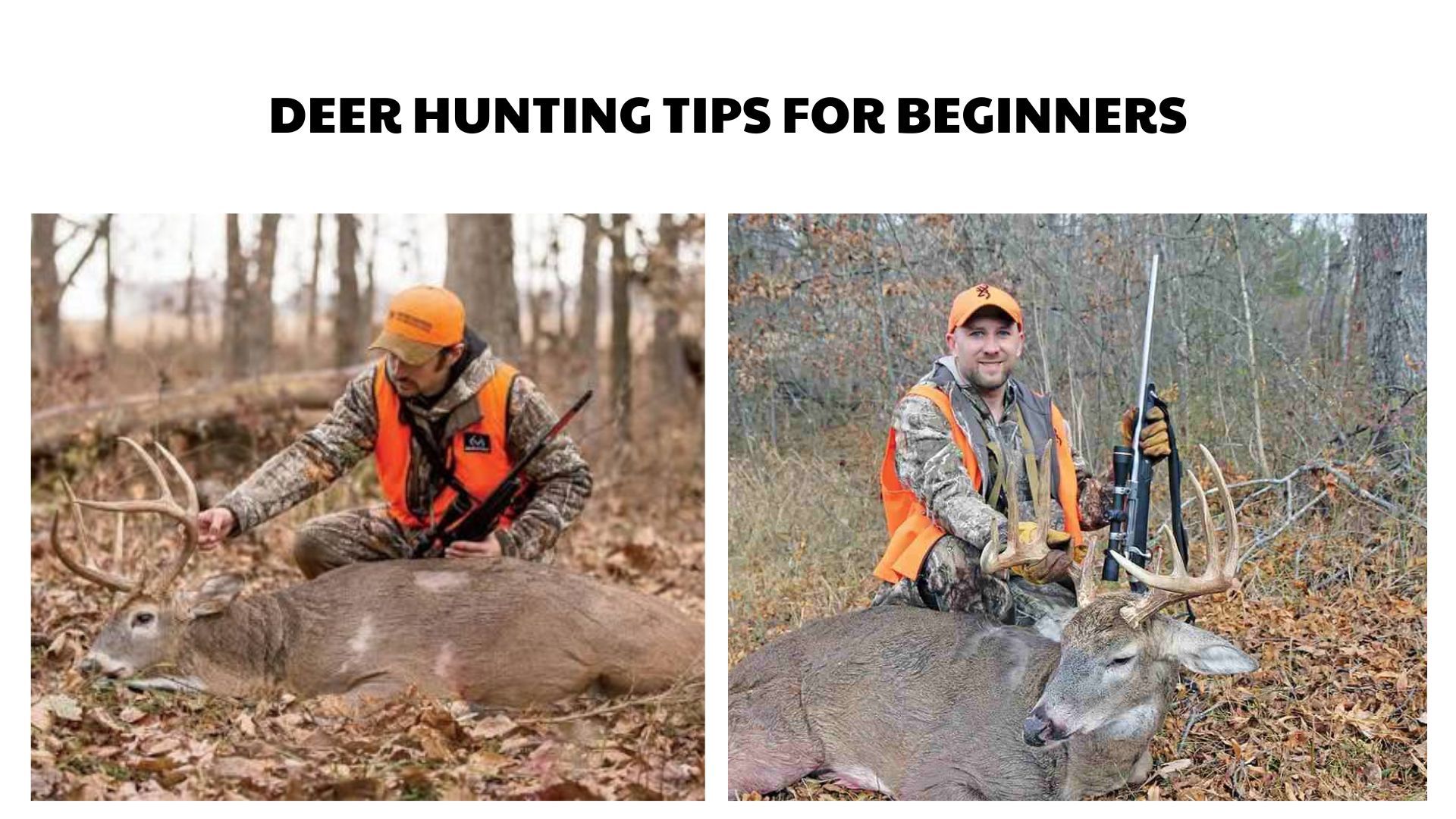

Starting deer hunting can feel overwhelming because there is more to learn than simply going into the woods and waiting. A new hunter must understand hunting laws, licenses, deer tags, hunter education, safe firearm or bow handling, deer behavior, scouting, wind direction, land access, ethical shot decisions, recovery, harvest reporting, and responsible meat care.
This guide to deer hunting tips for beginners is designed for new hunters who want a calm, practical, safety-first path into deer hunting. It explains what to do before your first hunt, how to read basic deer sign, how to choose a legal and safe hunting area, what gear matters most, and how to make responsible decisions in the field.
No beginner should expect guaranteed success on a first hunt. Deer hunting takes patience, preparation, practice, and respect for wildlife. If you focus on legality, safety, scouting, wind, and ethical choices, you can build strong habits that make every hunt more educational and responsible.
Quick Answer
The best deer hunting tips for beginners are to complete hunter education where required, check current deer hunting regulations, get the correct license and deer tags, scout for fresh deer sign, practice with your legal hunting method, and hunt only with a safe wind and clear shot opportunity. Beginners should learn how deer use food, bedding cover, water, travel corridors, and pressure before choosing a stand or blind. Safety, patience, and legal compliance matter more than rushing for a harvest. With time and careful preparation, a new hunter can become more confident and make better decisions in the field.
What New Hunters Really Want to Learn
Most beginners searching for this topic want more than random deer hunting tricks. They want to know how to start legally, what gear they need, where deer might be, how not to scare deer away, and what to do if they finally get an ethical shot opportunity.
This guide helps answer beginner questions such as:
- What do I need before I can hunt deer legally?
- How do I find a safe and legal place to hunt?
- What deer sign should I look for?
- How do wind direction and scent affect deer hunting?
- Should I use a tree stand, ground blind, or natural cover?
- What gear does a beginner actually need?
- How do I avoid unsafe or unethical shots?
- What should I do after a successful deer hunt?
Before You Hunt Deer: Regulations, Safety, and Permission Basics
Deer hunting laws vary by country, state, province, county, deer zone, season, land type, weapon type, hunting method, and species. A beginner should never rely only on old advice, social media comments, forums, or what another hunter remembers from last year. Always verify current rules with your official wildlife agency before hunting.
Hunter education resources commonly teach core firearm safety rules such as controlling the muzzle, keeping your finger off the trigger until ready to fire, treating every firearm as if it is loaded, and knowing your target and what is beyond it. Tree stand safety education also emphasizes wearing a full-body fall-arrest harness whenever your feet leave the ground and checking stand equipment before use.
- Hunting license: Check whether you need a resident or nonresident hunting license before hunting deer.
- Hunter education: Confirm whether your age, state, or hunting method requires hunter education certification.
- Deer tags and permits: Verify whether you need deer tags, antlered or antlerless permits, draw permits, stamps, or zone-specific authorization.
- Season dates: Confirm legal deer hunting season dates for your area and weapon type.
- Legal hunting hours: Check when you may legally hunt each day.
- Weapon rules: Verify legal firearms, archery equipment, muzzleloaders, ammunition, broadheads, and method restrictions.
- Bag limits: Confirm how many deer may legally be harvested and whether sex, antler, or zone rules apply.
- Public land access: Study boundaries, maps, parking areas, closed zones, special permits, and local land-use rules.
- Private land permission: Get written permission when required and never assume access.
- Hunter orange: Wear required visibility clothing where applicable.
- Safe firearm or bow handling: Identify your target, know what is beyond it, and never point a weapon in an unsafe direction.
- Tree stand safety: Use a full-body safety harness and inspect stands before climbing.
- Weather and emergency planning: Carry navigation, water, first aid, and emergency communication.
- Harvest reporting and transport: Many agencies require deer harvest reporting, but deadlines and methods vary by state.
Understanding Deer Behavior Before Your First Hunt
Beginners often make better choices when they stop thinking only about “where deer are” and start thinking about “why deer are there.” Deer move through habitat to feed, rest, drink, avoid danger, and reproduce. Their movement changes with season, weather, food availability, rut activity, hunting pressure, and human disturbance.
Food Sources
Deer feed on different foods depending on region and season. Common food sources may include acorns, browse, leaves, shoots, grasses, agricultural crops, soft mast, and natural openings. A good beginner habit is to look for active feeding sign near cover instead of sitting in random open areas.
Bedding Areas
Bedding areas are places where deer rest and feel secure. These areas may be thick brush, young timber, tall grass, pine cover, creek bottoms, swamp edges, ridge points, or benches. Beginners should avoid walking directly through bedding cover unless they understand the consequences, because bumping deer from beds can change their movement.
Water Sources
Creeks, ponds, springs, seeps, and waterholes can influence deer movement, especially in dry conditions. Water is most useful when connected to cover, food, and safe travel routes.
Travel Corridors
A travel corridor is a route deer use to move between bedding, feeding, water, and security cover. Examples include creek crossings, field edges, saddles, fence gaps, brush lines, timber edges, ridge trails, and narrow strips of cover.
Edges and Transition Zones
Edges are places where two habitat types meet, such as hardwoods beside pines, timber beside a field, brush beside open ground, or a clear-cut beside mature woods. Deer often use edges because they provide both food and cover.
Tracks, Droppings, Rubs, Scrapes, and Trails
Deer sign tells you where deer have been. Tracks show movement. Droppings can suggest feeding or bedding activity nearby. Trails show repeated travel. Rubs may indicate buck activity. Scrapes may become more important around rut periods. Fresh sign is usually more valuable than old sign.
Wind and Scent
Deer rely heavily on scent to detect danger. If your scent blows toward deer, they may leave before you ever see them. One of the most important beginner deer hunting lessons is to choose a setup where the wind carries your scent away from expected deer movement.
Hunting Pressure
On public land and heavily hunted private land, deer often react to human pressure. They may use thicker cover, move later, avoid obvious trails, or shift into overlooked areas. Beginners should learn where people go first, then look for legal areas deer may use to avoid that pressure.
Beginner Deer Hunting Checklist
A beginner should prepare legal documents, safety equipment, navigation, weather gear, and a simple hunting plan before worrying about advanced gear. Start with essentials and add specialized tools later as your experience grows.
| Checklist Item | Why It Matters | Beginner Tip |
|---|---|---|
| Hunting license and deer tags | You must be legal before hunting | Check your official wildlife agency before buying or hunting. |
| Hunter education | It teaches safety, ethics, laws, and responsible hunting | Complete it early so you are not rushed before season. |
| Legal hunting method | Weapon rules vary by season and area | Use only equipment allowed where you hunt. |
| Hunter orange or visibility clothing | Required in many areas and important for safety | Check exact requirements for your state, season, and land type. |
| Map, compass, GPS, or hunting app | Helps avoid trespass and getting lost | Carry a backup if phone service is unreliable. |
| First aid and emergency contact plan | Accidents and weather changes can happen | Tell someone where you will hunt and when you expect to return. |
| Weather-appropriate clothing | Comfort helps you sit safely and patiently | Dress in layers and avoid noisy materials. |
| Boots | Poor footwear can ruin a hunt or create safety issues | Choose boots for your terrain, temperature, and walking distance. |
| Binoculars | Help you observe safely without guessing | Use optics to study movement and confirm details. |
| Tree stand harness | Essential if using an elevated stand | Wear a full-body harness whenever your feet leave the ground. |
| Meat care supplies | Helps avoid waste after a successful harvest | Prepare gloves, bags, cooler, and local processing plan. |
A Beginner-Friendly Deer Hunting Plan
1. Complete Hunter Education First
Hunter education gives beginners a foundation in safety, regulations, ethics, wildlife conservation, firearm or bow handling, and field responsibility. Even where an apprentice option exists, formal education is still one of the best first steps.
2. Read the Current Deer Regulations
Before choosing gear or a hunting location, read the current deer regulations for your area. Check license requirements, tag rules, legal seasons, weapon restrictions, bag limits, public land rules, harvest reporting, transport rules, and private land permission requirements.
3. Choose One Legal Hunting Method
Do not try to learn every hunting method at once. Start with the legal method you can practice safely and consistently. Whether you use a firearm, bow, crossbow, or muzzleloader where legal, your first responsibility is safe and ethical use.
4. Practice Before the Season
Practice from realistic positions and distances. A beginner should know their personal limit before hunting. Do not take shots in the field that exceed what you can do consistently during practice.
5. Find a Legal Place to Hunt
Beginners can hunt public land, private land with permission, family land, leases, clubs, or guided properties where legal. Study boundaries carefully. Never cross fences, gates, or property lines without permission.
6. Scout for Fresh Deer Sign
Look for tracks, droppings, trails, feeding sign, bedding cover, rubs, scrapes, and travel routes. Fresh sign near food, cover, and a good wind setup is more useful than old sign in a random location.
7. Pick a Simple Setup
A beginner does not need a complicated plan. Choose a safe ground blind, tree stand, or natural cover setup where you can sit quietly, see clearly, identify your target, and make only a safe and ethical shot.
8. Plan Your Entry Route
Think about how you will walk in without blowing your scent into deer bedding or feeding areas. Avoid crossing major deer trails when possible. Move quietly and give yourself extra time.
9. Hunt the Wind
Before each hunt, check wind direction. Your setup should keep your scent away from where deer are likely to travel. If the wind is wrong, choose a backup spot instead of forcing the hunt.
10. Sit Still and Watch Carefully
Beginners often move too much. Sit quietly, scan slowly, and listen. Deer can appear suddenly, but they often detect fast movement before hunters notice them.
11. Wait for a Safe and Ethical Shot Opportunity
Do not rush. Confirm the deer is legal, identify what is beyond it, stay within your practiced ability, and pass if the angle, distance, visibility, or background is not right.
12. Follow Recovery, Reporting, and Meat Care Rules
Before hunting, know how to tag, report, recover, transport, and care for deer according to local rules. After a successful hunt, follow all legal requirements and avoid waste.
Basic Deer Sign for Beginners
| Deer Sign | What It Means | How Beginners Should Use It |
|---|---|---|
| Tracks | Deer traveled through the area | Look for fresh tracks near cover, food, or trails. |
| Droppings | Deer recently fed, traveled, or rested nearby | Use freshness and location to judge current activity. |
| Trails | Repeated deer movement | Follow trails carefully to learn where they connect food and bedding cover. |
| Rubs | Buck activity may be present | Look for rub lines, but do not assume every rub means daytime movement. |
| Scrapes | Deer communication activity, often more useful around rut periods | Watch nearby trails and cover instead of focusing only on the scrape. |
| Beds | Deer feel secure enough to rest there | Avoid disturbing bedding areas and hunt nearby travel routes when conditions fit. |
| Browse | Deer are feeding on available plants | Compare feeding sign with nearby cover and fresh tracks. |
Best Time, Place, and Conditions for a Beginner Deer Hunt
Early Morning
Mornings can be productive when deer move from feeding areas back toward bedding cover. The challenge is entering quietly in the dark without walking through active deer movement.
Late Afternoon
Evenings can be useful near food sources, field edges, mast-producing trees, browse, or travel routes from bedding cover. Plan your exit route so you do not repeatedly bump deer after legal hunting time.
Wind Direction
Wind is often more important than the exact hour. A good beginner setup should allow deer to approach without your scent blowing directly toward them.
Weather Changes
Weather can affect movement, comfort, and safety. Cooler temperatures, weather fronts, rain, snow, or changing wind may influence deer behavior, but local patterns matter most. Keep notes instead of relying on one universal rule.
Rut Activity
The rut can change deer movement because bucks may travel more while seeking does. Rut timing varies by region, so beginners should learn local patterns and avoid making assumptions based on another state’s calendar.
Low-Pressure Areas
On public land, many hunters choose easy access areas. Beginners who study maps, respect boundaries, and find overlooked legal cover may discover better opportunities away from obvious pressure.
Beginner Public Land and Private Land Advice
Beginners can learn on both public and private land, but each requires different planning. Public land demands careful map work and respect for other users. Private land requires clear permission and good landowner relationships.
| Hunting Situation | Beginner Challenge | Better Approach |
|---|---|---|
| Public land near parking areas | High pressure and frequent human scent | Scout legal overlooked areas and have backup spots. |
| Remote public land | Navigation and recovery become harder | Carry navigation, emergency gear, and avoid going beyond your ability. |
| Private land | Permission and boundaries must be clear | Get permission, respect rules, and communicate with the landowner. |
| Family or friend property | Beginners may assume rules are informal | Still confirm legal requirements, safe zones, and property lines. |
| Guided beginner hunt | Costs and expectations may vary | Ask about licensing, safety rules, legal responsibilities, and what is included. |
Common Beginner Deer Hunting Mistakes
- Not checking current regulations: Laws can change by year, location, zone, season, and method.
- Buying gear before understanding the law: Make sure your chosen method is legal where you plan to hunt.
- Skipping hunter education: Safety and ethics should come before field tactics.
- Ignoring wind direction: A poor wind can ruin a good setup.
- Walking through bedding cover: Careless entry can push deer away before the hunt begins.
- Moving too much: Sudden movement is easy for deer to detect.
- Making unnecessary noise: Loud clothing, metal gear, and rushed walking can alert deer.
- Choosing a setup with poor visibility: You need to identify the deer and what is beyond it.
- Hunting the same spot too often: Repeated pressure can change deer movement.
- Not practicing enough: Ethical shot decisions depend on real skill.
- Taking a rushed shot: Passing an uncertain shot is always better than forcing one.
- Forgetting harvest reporting: Know tagging, logging, reporting, and transport rules before hunting.
- Trespassing by mistake: Use updated maps and confirm boundaries.
- Underestimating weather: Cold, heat, rain, snow, and storms can create safety risks.
Troubleshooting Beginner Deer Hunting Problems
| Problem | Possible Cause | What a Beginner Should Do |
|---|---|---|
| You are not seeing deer | Old sign, wrong wind, poor setup, or heavy pressure | Scout fresh sign, adjust your stand location, and choose a better wind. |
| Deer seem to disappear before you arrive | Noisy entry or scent blowing into bedding or feeding areas | Plan a quieter route and avoid walking through high-use deer areas. |
| You feel nervous with your weapon | Not enough practice or training | Stop hunting until you practice more and seek qualified instruction. |
| You are unsure whether a deer is legal | Unclear tag, antler, sex, or season rules | Do not shoot. Review the regulations and ask the wildlife agency if needed. |
| Other hunters are close by | Popular public land access or obvious location | Stay safe, avoid crowding, and move to a backup area if appropriate. |
| The wind changes during the hunt | Weather shift, terrain effect, or thermal movement | Move or leave if your scent starts blowing into likely deer movement. |
| You cannot tell where the property line is | Unclear boundaries or outdated maps | Do not guess. Confirm maps, signs, and permission before continuing. |
| Your gear is uncomfortable | Untested boots, clothing, pack, or stand setup | Test gear before the hunt and simplify your setup. |
| You are unsure about recovery | Lack of experience or legal uncertainty | Follow local law, wait appropriately, respect boundaries, and get legal help from a mentor or tracker where allowed. |
| You feel overwhelmed | Trying to learn too much at once | Focus on laws, safety, wind, fresh sign, and one simple setup. |
Ethical Deer Hunting and Conservation for Beginners
Ethical deer hunting means respecting the animal, the law, the land, and the people around you. A beginner should learn early that hunting is not about rushing, showing off, or forcing a result. It is about responsible participation in wildlife management and outdoor tradition.
Responsible beginners should:
- Respect deer and all wildlife.
- Follow seasons, limits, tags, permits, and reporting rules.
- Practice before hunting.
- Pass on unsafe, unclear, or low-confidence shots.
- Identify the target and what is beyond it.
- Avoid waste and care for meat responsibly.
- Respect landowners, other hunters, hikers, farmers, and nearby residents.
- Leave public and private land cleaner than they found it.
- Support conservation through legal licenses and responsible participation.
In the United States, hunting license sales and excise taxes on hunting and shooting equipment help support state wildlife agencies, public access, hunter education, wildlife management, and shooting ranges.
When Beginners Should Get More Training, a Mentor, or a Guide
A beginner should ask for help before hunting if they are unsure about safety, laws, land access, equipment, shot discipline, recovery, or meat care. Learning from a responsible mentor can prevent mistakes and build confidence faster than learning alone.
Seek more help if:
- You have never handled a firearm, bow, crossbow, or muzzleloader.
- You have not completed hunter education.
- You do not understand your local deer regulations.
- You are unsure about property boundaries.
- You are not confident in safe shooting.
- You are using a tree stand for the first time.
- You are hunting unfamiliar terrain.
- You are planning an out-of-state deer hunting trip.
- You need help with legal deer recovery.
- You need guidance on meat care, processing, or transport rules.
Good learning sources include official hunter education courses, state wildlife agencies, certified instructors, experienced ethical mentors, local conservation organizations, reputable hunting clubs, and licensed guides or outfitters where appropriate.
After the Hunt: Reporting, Meat Care, Gear Care, and Learning
After a deer hunt, follow all tagging, logging, harvest reporting, and transport rules for your location. Harvest reporting rules differ by state, and official agencies may offer online, phone, app, or in-person reporting options depending on the jurisdiction.
- Follow tagging or validation rules exactly as required.
- Complete harvest reporting within the required timeframe.
- Respect property boundaries during recovery.
- Care for meat responsibly and avoid waste.
- Clean and safely store your legal hunting equipment.
- Dry wet clothing, boots, packs, and blinds.
- Record weather, wind, sign, location, pressure, and deer movement.
- Review what worked and what did not.
- Keep legal records, tags, confirmations, or receipts where required.
- Use each hunt as a lesson for the next one.
Recommended Deer Hunting Gear and Tools to Consider
You do not need the most expensive gear to hunt deer responsibly. Choose gear based on your local laws, hunting method, terrain, weather, safety needs, skill level, and budget.
- Legal hunting weapon or method allowed in your area
- Current hunting license, deer tags, permits, and regulations
- Quality boots for your terrain and weather
- Weather-appropriate clothing and required visibility gear
- Quiet gloves, hat, and layers for longer sits
- Binoculars for safe observation
- Tree stand safety harness if using an elevated stand
- Ground blind or tree stand where legal and appropriate
- Navigation tools such as a map, compass, GPS, or hunting app
- First aid kit and emergency communication
- Headlamp or flashlight with extra batteries
- Water, snacks, and weather protection
- Cooler, gloves, game bags, and basic meat care supplies where relevant
- Notebook or phone notes for learning from each hunt
Final Thoughts
The best deer hunting tips for beginners are built around simple, responsible habits: learn the law, complete hunter education, practice before the season, scout fresh sign, hunt the wind, enter quietly, set up safely, wait patiently, and pass any shot that is not legal, safe, and ethical.
A first deer hunt does not need to be perfect. You may not see deer every time. You may change plans, learn from mistakes, and discover how much weather, terrain, food, pressure, and wind affect movement. That learning process is part of becoming a better hunter.
Choose gear and methods that match your local laws, skill level, terrain, and conservation responsibilities. Hunt with respect for deer, landowners, other hunters, and the future of responsible deer hunting.
FAQs About Deer Hunting Tips for Beginners
1. What are the best deer hunting tips for beginners?
The best beginner tips are to complete hunter education, check current regulations, get the right license and deer tags, practice safely, scout fresh sign, hunt with the wind in your favor, and take only legal and ethical shots.
2. How do I start deer hunting as a beginner?
Start by learning your local hunting laws, completing hunter education if required, choosing a legal hunting method, finding a legal place to hunt, practicing, scouting deer sign, and planning a safe first hunt.
3. Do beginners need hunter education?
Many places require hunter education for new hunters or hunters born after a certain date. Even when not required, hunter education is strongly recommended because it teaches safety, laws, ethics, and responsible hunting habits.
4. Do I need a license to hunt deer?
In most areas, you need a valid hunting license and may also need deer tags, permits, stamps, or special authorization. Rules vary by location, age, residency, land type, and hunting method.
5. What are deer tags?
Deer tags are legal authorizations that allow a hunter to harvest a deer under specific rules. They may depend on season, sex, antlers, zone, species, or weapon type.
6. When is deer hunting season?
Deer hunting season depends on your state, province, zone, species, weapon type, and local regulations. Always check official season dates before hunting.
7. What is the easiest way for a beginner to find deer?
The easiest way is to scout for fresh tracks, droppings, trails, feeding sign, bedding cover, and travel corridors between food and cover. Start with simple habitat connections instead of guessing.
8. What deer sign should beginners look for?
Beginners should look for tracks, droppings, trails, rubs, scrapes, beds, browse, creek crossings, field edges, and worn paths through cover.
9. What do deer tracks look like?
Deer tracks are usually heart-shaped or pointed hoof prints. Fresh tracks in mud, snow, sand, or soft soil can help show recent travel direction.
10. What do deer droppings mean?
Droppings can show that deer have recently fed, traveled, or rested nearby. Freshness and location are more useful than simply finding droppings anywhere.
11. What are deer rubs?
Rubs are places where bucks rub trees or brush with their antlers. They may indicate buck activity, travel routes, or seasonal behavior.
12. What are deer scrapes?
Scrapes are areas where deer paw the ground and communicate through scent. They can be useful around rut periods, but nearby trails and cover are often just as important.
13. What are deer bedding areas?
Bedding areas are secure places where deer rest during the day or between feeding movements. They are often in thick cover, protected terrain, or areas with good escape options.
14. Should beginners hunt near bedding areas?
Beginners can hunt near travel routes leading to or from bedding areas, but they should avoid walking directly through bedding cover unless they understand the risk of disturbing deer.
15. What is a deer travel corridor?
A travel corridor is a route deer use to move between food, water, bedding, and cover. Trails, creek crossings, saddles, brush lines, and field edges can all be travel corridors.
16. Why is wind direction important for deer hunting?
Wind direction controls where your scent travels. If your scent blows toward deer, they may detect you before you see them.
17. How should a beginner hunt the wind?
Choose a setup where the wind carries your scent away from expected deer movement. Also plan an entry route that does not blow scent into bedding areas or major trails.
18. What is the best time of day for beginner deer hunting?
Early morning and late afternoon are common focus times because deer often move between bedding and feeding areas. Local weather, pressure, rut activity, and food sources can change this pattern.
19. Is morning or evening better for deer hunting?
Both can work. Mornings may catch deer returning to bedding areas, while evenings may catch deer moving toward food. Beginners should choose the time that allows safe, quiet access and exit.
20. What weather is best for deer hunting?
There is no universal best weather. Cooler temperatures, changing conditions, or light precipitation may affect movement in some areas, but safety and local deer patterns matter most.
21. Can beginners hunt deer in the rain?
Beginners can hunt in rain where legal and safe, but heavy rain can reduce visibility, make tracking harder, and increase safety risks. Light rain may be manageable with proper gear.
22. What should a beginner wear deer hunting?
Wear quiet, weather-appropriate layers, comfortable boots, gloves, a hat, and required visibility clothing such as hunter orange where applicable.
23. What gear does a beginner deer hunter need?
A beginner needs legal documents, a legal hunting method, safety gear, navigation, weather-appropriate clothing, binoculars, first aid, water, light, and basic meat care supplies if a harvest is possible.
24. Do beginners need expensive deer hunting gear?
No. Beginners should prioritize legal compliance, safety, practice, boots, clothing, navigation, and reliable basic gear before buying expensive accessories.
25. Should a beginner use a tree stand?
A beginner can use a tree stand if it is legal and they understand fall safety. A full-body harness, safe climbing method, and equipment inspection are essential.
26. Are ground blinds good for beginner deer hunters?
Ground blinds can be good for beginners because they provide cover, comfort, and a defined setup. They still require good wind, safe visibility, and legal placement.
27. Can I deer hunt from the ground without a blind?
Yes, where legal. Natural cover can work if you stay still, watch the wind, and choose a spot with safe shooting lanes and good visibility.
28. How early should I arrive for a deer hunt?
Arrive early enough to reach your setup safely and quietly before expected deer movement. Exact timing depends on access, terrain, darkness, weather, and legal rules.
29. How quiet do I need to be while hunting deer?
Be as quiet as practical. Avoid clanging gear, loud clothing, rushed walking, and unnecessary movement near bedding cover or trails.
30. Why am I not seeing deer as a beginner?
You may be hunting old sign, using the wrong wind, making too much noise, sitting in a poor location, or hunting an area with heavy pressure.
31. What should I do if deer keep smelling me?
Change your wind strategy and entry route. Scent control products cannot replace choosing a setup where your scent blows away from deer.
32. Should beginners use trail cameras?
Trail cameras can help where legal, but beginners should first learn to read sign, wind, food, cover, and pressure. Some public lands restrict cameras, so check rules first.
33. Is public land good for beginner deer hunters?
Public land can be a good learning place, but beginners must study maps, boundaries, pressure, parking areas, other users, and safety concerns carefully.
34. Is private land easier for beginner deer hunting?
Private land may have less pressure, but it still requires permission, legal compliance, safe setup planning, and respect for landowner rules.
35. How do I get permission to hunt private land?
Ask politely, explain your experience level, follow landowner rules, offer to help where appropriate, and get written permission when required.
36. Can beginners hunt alone?
Some beginners may legally hunt alone after meeting requirements, but it is often safer to hunt with a mentor or experienced partner until you understand safety, laws, navigation, and recovery.
37. What is an ethical shot for a beginner?
An ethical shot is legal, safe, within your practiced ability, at a clear target, with a safe background, and likely to result in a quick, responsible harvest.
38. How far should a beginner shoot at a deer?
A beginner should only shoot within the distance they can handle consistently in practice under realistic conditions. Personal skill matters more than what another hunter can do.
39. What should I do if I am not sure the deer is legal?
Do not shoot. If you cannot clearly confirm the deer meets legal requirements for your tag, season, and area, pass the opportunity.
40. What should I do after shooting a deer?
Stay calm, keep safety first, observe where the deer went, follow legal recovery steps, tag or log the deer as required, complete harvest reporting, and care for the meat responsibly.
41. What is deer recovery?
Deer recovery is the process of responsibly locating a deer after a shot. It requires patience, legal awareness, tracking skill, and respect for property boundaries.
42. Do beginners need help with deer recovery?
Many beginners benefit from help from an experienced mentor or legal tracking resource. Always follow local rules and get permission before entering private property.
43. Do I have to report a harvested deer?
Many places require harvest reporting, but rules vary. Check your official wildlife agency for reporting deadlines, methods, tagging rules, and transport requirements.
44. How do I care for deer meat after a hunt?
Keep meat clean, cool, and protected from contamination. Learn local rules and ask an experienced mentor, processor, or official source for guidance if you are new.
45. What are the biggest beginner deer hunting mistakes?
The biggest mistakes include ignoring wind, skipping scouting, moving too much, making noise, failing to practice, not checking laws, trespassing, and taking uncertain shots.
46. How much does beginner deer hunting cost?
Costs vary based on license, tags, gear, travel, land access, processing, and hunting method. Beginners should start with legal and safety essentials before buying advanced gear.
47. Are guided deer hunts good for beginners?
A guided hunt can help beginners learn, especially in unfamiliar terrain, but you should ask about licensing, safety rules, legal responsibilities, expectations, and what is included.
48. What should I ask a deer hunting guide or outfitter?
Ask about licenses and tags, legal responsibilities, safety rules, terrain, lodging, meals, recovery help, meat care, realistic expectations, and what gear you need to bring.
49. Can beginners hunt deer out of state?
Yes, but out-of-state hunters must carefully check nonresident license rules, tags, season dates, weapon rules, public land access, harvest reporting, transport rules, and local conditions.
50. What should I do if I get lost while deer hunting?
Stop, stay calm, use your map, compass, GPS, or phone if available, and contact help if needed. Always tell someone your hunting plan before going out.
51. How can I improve after each deer hunt?
Keep notes about wind, weather, sign, deer sightings, entry route, pressure, setup, and mistakes. Review your notes before the next hunt and make small improvements.
52. What is the safest advice for new deer hunters?
Complete hunter education, follow all weapon safety rules, identify your target and what is beyond it, use fall protection in stands, check laws, and pass unsafe shots.
53. What is the best deer hunting trick for beginners?
The most useful trick is not really a trick: hunt the wind and scout fresh sign. A simple legal setup with good wind is better than a complicated plan in the wrong location.
54. How long does it take to become good at deer hunting?
It depends on how often you hunt, scout, practice, and learn from mistakes. Many hunters keep learning for years because deer behavior changes with habitat, pressure, weather, and season.
55. Where should beginners learn more about deer hunting?
Start with your official wildlife agency, hunter education courses, certified instructors, ethical mentors, conservation organizations, and reputable beginner hunting resources.
Read more: