
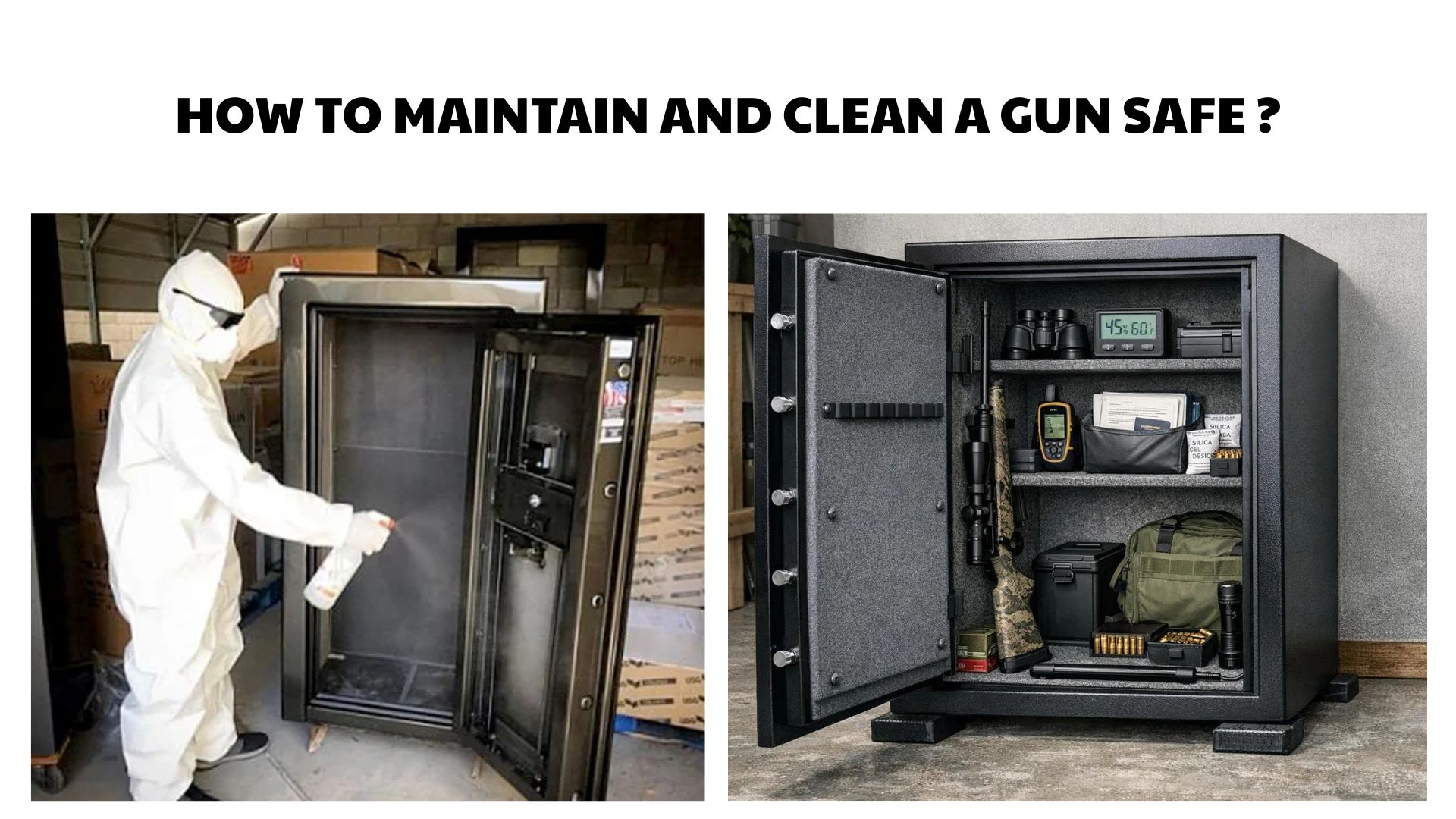

Learning how to maintain and clean a gun safe helps protect firearms, documents, valuables, locks, shelves, electronics, and the safe itself. A gun safe is not a “set it and forget it” storage solution. Dust, moisture, weak batteries, poor organization, worn seals, and careless access habits can reduce reliability over time.
This guide explains safe gun safe cleaning, humidity control, lock maintenance, interior organization, exterior care, recordkeeping, and responsible firearm storage habits. It is written for responsible firearm owners, homeowners, renters, and beginners who want practical maintenance steps without unsafe shortcuts.
Before working around firearms or a gun safe, follow safe firearm handling rules, keep firearms inaccessible to unauthorized users, and verify current storage laws in your location. Official safe-storage guidance commonly emphasizes storing firearms locked, unloaded, and separate from ammunition when not in use.
Quick Answer
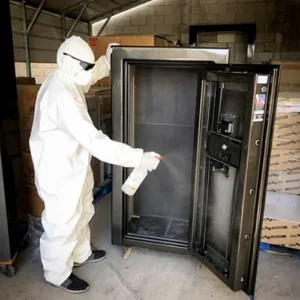
To maintain and clean a gun safe, first make the area safe, remove firearms responsibly, check the owner’s manual, clean the interior and exterior with safe-approved methods, monitor humidity, inspect locks and batteries, and organize contents so the door and bolts work smoothly. The most important safety rule is to keep firearms unloaded, locked, and inaccessible to children, visitors, and unauthorized users. Always check current firearm storage laws because legal requirements vary by location and user status. Call the safe manufacturer, a licensed locksmith, professional installer, or qualified firearm safety professional if the lock, structure, electrical accessory, or legal situation is unclear.
Important Firearm Safety and Legal Notice
Firearm storage, safe installation, vehicle transport, access rules, child access prevention, and ammunition storage laws vary by country, state, province, county, city, residence type, firearm type, and user status. This guide provides general safety and maintenance information only. Always verify current rules with official government sources, local law enforcement, qualified firearm law professionals, and your safe manufacturer before changing your storage setup.
- Check current local firearm storage laws before storing or moving firearms.
- Verify child access prevention rules if children, guests, or unauthorized users may be present.
- Review vehicle firearm transport laws if any firearm is moved outside the home.
- Review lease rules or landlord restrictions if the safe is in an apartment or rental home.
- Read the gun safe owner’s manual before cleaning, lubricating, wiring, anchoring, or servicing the safe.
- Follow firearm manufacturer instructions before cleaning, storing, or applying rust prevention products to firearms.
- Keep firearms pointed in a safe direction and unloaded before storage or maintenance unless a specific lawful safety protocol says otherwise.
- Store ammunition separately when appropriate or required by law.
- Protect safe access codes, combinations, and backup keys from unauthorized users.
- Call a professional when lock servicing, heavy moving, structural anchoring, electrical work, or legal uncertainty is involved.
The ATF’s firearm safety guidance emphasizes keeping the muzzle pointed in a safe direction, keeping the finger off the trigger unless intending to fire, and following safe handling practices while unloading or cleaning firearms.
Understanding the Gun Safe Topic
Gun safe maintenance includes more than wiping dust from the outside. A complete routine should cover the safe body, door, hinges, locking system, keypad batteries, interior shelves, carpeting, moisture control, anchoring condition, fire seal, access habits, and storage records.
Humidity is one of the most common long-term problems. Moisture can cause rust on firearms, corrosion on metal safe parts, musty odors, mold, and damage to documents or accessories. Some safe manuals warn that exterior moisture, high humidity, wet floors, or damp carpet can damage the safe body, lock, and finish.
Cleaning also affects security. An overloaded interior can interfere with the door, locking bolts, shelves, or keypad access. Weak keypad batteries can lead to lockout stress. Loose backup key control can create unauthorized access risk. Poor organization can make users rush, mishandle firearms, or leave the safe open longer than necessary.
A responsible owner should treat gun safe maintenance as part of safe firearm storage, home security, theft prevention, child access prevention, and long-term firearm care.
What You Need Before You Start
- Gun safe owner’s manual or manufacturer documentation
- Current knowledge of local firearm storage and transport laws
- Basic firearm safety knowledge before handling or storing firearms
- Clean, dry, soft cloths
- Vacuum with a soft brush attachment for dust and debris
- Mild cleaner approved for the safe’s finish, if allowed by the manual
- Hygrometer for monitoring gun safe humidity control
- Desiccant packs, rechargeable dehumidifier, or electric dehumidifier rod if appropriate
- Backup batteries for electronic locks
- Small maintenance log for battery dates, humidity readings, and inspection notes
- Safe organizer or non-moisture-holding storage accessories
- Document folder for manuals, serial numbers, receipts, warranty details, and proof of ownership
- Professional locksmith, safe manufacturer support, installer, or legal guidance if needed
How to Maintain and Clean a Gun Safe: Step-by-Step Guide
Step 1: Check Laws, Manuals, and Safety Requirements First
Before cleaning or reorganizing the safe, review your firearm storage responsibilities. Laws can vary by location, firearm type, household situation, vehicle use, and user status. Then read the safe manual so you know which cleaning products, batteries, accessories, and maintenance steps are approved for your model.
Step 2: Make the Area Safe
Keep children, visitors, and unauthorized users away from the work area. Handle every firearm according to safe firearm handling rules. Verify firearms are unloaded before cleaning or moving them unless a specific authorized safety protocol says otherwise. Keep ammunition away from the cleaning area when appropriate.
Step 3: Empty and Inspect the Safe Carefully
Remove firearms, ammunition, documents, valuables, cases, shelves, and accessories as needed. Place firearms in a secure, controlled location while you work. Look for dust, loose hardware, damp carpet, mold, rust stains, damaged shelf clips, blocked locking bolts, cracked fire seal, worn interior lining, weak lighting, or moisture-holding items.
Step 4: Clean the Interior
Use a soft brush vacuum attachment to remove dust, grit, powder residue, pet hair, and debris from corners, shelves, and carpeted surfaces. Avoid soaking the interior. Do not spray harsh cleaners directly into the safe, keypad, lock area, hinges, fire seal, or electrical accessories. If the manual allows a mild cleaner, apply it to a cloth first, then wipe gently.
Step 5: Clean the Exterior Finish
Dust the exterior with a soft cloth. If needed and allowed by the manufacturer, wipe gently with a slightly damp lint-free cloth, then dry the surface immediately. Some safe finishes should not be waxed, polished, or scrubbed with abrasive products. Manufacturer and safe-dealer guidance commonly recommends soft, non-abrasive cleaning and keeping the exterior clean and dry.
Step 6: Inspect the Lock, Keypad, Hinges, and Door
Test the door while the safe is open. Check whether the handle moves smoothly, the bolts extend and retract properly, the keypad responds normally, and the door closes without rubbing or forcing. Do not disassemble the lock or attempt internal lock repair unless the manufacturer specifically authorizes it. Contact the safe manufacturer or a licensed locksmith for lock problems.
Step 7: Replace or Check Electronic Lock Batteries
If your safe uses an electronic keypad, replace batteries on a schedule recommended by the manufacturer or before they become weak. Some safe manuals advise using fresh, brand-name batteries and testing the lock after replacement.
Step 8: Control Humidity and Rust Risk
Place a hygrometer inside the safe and monitor humidity over time. Use desiccant packs, a rechargeable dehumidifier, or an electric dehumidifier rod if appropriate for your safe and room conditions. Do not store wet cases, damp clothing, moisture-holding foam, or firearms exposed to rain, sweat, or condensation inside the safe.
Step 9: Reorganize the Safe for Safe Access
Return items in a way that keeps the door, locking bolts, shelves, and keypad area clear. Use safe-friendly organizers that do not trap moisture. Store firearms securely, keep access controlled, and make sure nothing falls against the door when it opens.
Step 10: Document What You Did
Write down the cleaning date, battery replacement date, humidity reading, desiccant recharge date, safe model, serial number, warranty details, and any problems you noticed. Documentation helps with warranty support, locksmith help, insurance records, and future maintenance.
Step 11: Build a Maintenance and Safety Routine
Create a simple schedule. Check humidity weekly at first, inspect firearms regularly, recharge desiccants when needed, replace keypad batteries before they fail, test lock operation safely, review access codes, and update storage habits when laws or household needs change.
Best Setup, Location, or Conditions for This Gun Safe Task
The best setup for gun safe maintenance is a dry, stable, secure location with enough space to open the door fully and clean safely. Avoid damp floors, wet carpet, exterior exposure, major temperature swings, and cluttered areas where firearms could be mishandled during cleaning.
- Choose a dry, temperature-stable location when possible.
- Keep the safe on a level, stable surface.
- Protect flooring if the safe sits on carpet, wood, tile, or concrete.
- Avoid placing the safe near plumbing leaks, laundry moisture, or flood-prone areas.
- Keep the safe discreet but accessible to authorized users.
- Maintain child access prevention and unauthorized access control at all times.
- Use humidity-control products that match the safe size and manufacturer instructions.
- Call a professional for heavy safes, anchoring concerns, lock problems, or electrical accessory issues.
Helpful Tips for Better Results
- Clean the safe lightly and regularly instead of waiting until dust, rust, or moisture becomes obvious.
- Keep a hygrometer inside the safe and check readings during seasonal changes.
- Replace electronic lock batteries before they fail, not after the keypad stops responding.
- Do not store damp gun cases, wet clothing, cardboard, or moisture-holding foam inside the safe.
- Use soft cloths and non-abrasive cleaning methods to avoid damaging the finish.
- Keep safe codes and backup keys secure, private, and inaccessible to unauthorized users.
- Inspect door clearance, shelves, and organizers so nothing blocks the locking bolts.
- Keep manufacturer support information, receipts, serial numbers, and manuals in a secure document file.
Common Mistakes to Avoid
Many gun safe problems begin with small habits that seem harmless. A safe that is dirty, damp, overloaded, or poorly maintained may still lock, but it may not protect contents as well over time.
- Not checking current firearm storage laws.
- Ignoring the safe manufacturer’s manual.
- Leaving firearms accessible while cleaning the safe.
- Cleaning around loaded firearms or ammunition without proper safety steps.
- Using harsh chemicals, abrasive pads, or excess water on the safe finish.
- Spraying cleaners near the keypad, lock, hinge, fire seal, or electrical accessories.
- Forgetting keypad batteries until the safe becomes hard to open.
- Letting humidity build up inside the safe.
- Storing wet cases, damp gear, or moisture-holding foam inside the safe.
- Overloading shelves or blocking locking bolts.
- Leaving backup keys in obvious or unsecured places.
- Sharing access codes too casually.
- Trying to repair or bypass a lock instead of contacting the manufacturer or locksmith.
- Assuming a safe alone guarantees legal compliance, theft prevention, or child safety.
Troubleshooting Common Problems
| Problem | Possible Cause | What to Do |
|---|---|---|
| The gun safe smells musty | High humidity, damp carpet, wet cases, or poor ventilation | Remove contents safely, dry the interior, remove damp materials, add humidity control, and monitor with a hygrometer. |
| Humidity stays too high | Damp room, saturated desiccant, wrong dehumidifier size, or moisture-holding items | Recharge or replace desiccant, remove damp items, improve room humidity, and follow dehumidifier instructions. |
| Firearms show early rust | Moisture, fingerprints, poor cleaning, or long inspection gaps | Clean according to firearm manufacturer guidance, improve humidity control, and inspect more frequently. |
| Digital keypad does not respond | Weak battery, poor battery contact, keypad issue, or lock malfunction | Follow the manual, replace batteries if appropriate, and contact manufacturer support or a licensed locksmith. Do not attempt bypass methods. |
| Safe door does not close smoothly | Blocked bolts, overloaded interior, shifted shelf, or door alignment issue | Unload safely, clear obstructions, test with the door open, and contact the manufacturer if the issue continues. |
| The safe feels unstable | Uneven floor, poor placement, heavy door, or anchoring issue | Stop using it as-is, keep children away, check the manual, and contact a professional installer if needed. |
| Interior carpet has stains | Moisture, oil residue, rust transfer, or dirty accessories | Remove contents safely, clean gently, dry fully, and avoid storing damp or oily materials directly on the lining. |
| Battery keeps dying | Low-quality batteries, old keypad, frequent use, or electronic issue | Use manufacturer-recommended batteries, record replacement dates, and contact support if battery life remains abnormal. |
| Combination or key is lost | Poor recordkeeping or unsecured backup key storage | Use lawful owner recovery only: gather proof of ownership, contact the manufacturer, retailer, or licensed locksmith. |
| Legal rules are unclear | Different laws by location, firearm type, household, or user status | Check official legal sources, local authorities, or a qualified firearm law professional before changing storage practices. |
Responsible Firearm Storage and Home Safety
Gun safe cleaning and maintenance should always support responsible firearm storage. A clean safe is not enough if firearms are accessible to children, visitors, prohibited persons, or unauthorized users.
Responsible storage includes locked firearms, controlled access codes, secure backup keys, ammunition storage considerations, regular inspection, and safe handling every time the safe is opened. The NSSF’s firearm safety rules state that firearms should be unloaded when not in use and that firearms and ammunition should be secured separately from each other.
Layered home security can include a quality safe, safe anchoring where appropriate, alarm sensors, cameras, strong doors, good lighting, and responsible household rules. No safe guarantees total protection, so owner habits matter.
When to Get Professional Help
Professional help is the safer choice when maintenance goes beyond basic cleaning, humidity control, organization, or battery replacement.
- You are unsure about firearm storage or transport laws.
- You are not confident in safe firearm handling.
- The safe is locked and you cannot access it lawfully through normal owner methods.
- The lock, keypad, biometric scanner, or mechanical dial is malfunctioning.
- The safe has fire damage, water damage, mold, rust, or structural damage.
- The safe is very heavy or must be moved upstairs or downstairs.
- The safe needs permanent installation or anchoring.
- The floor, wall, closet, or stairs may not support the safe safely.
- The safe is in a rental or apartment with lease restrictions.
- Electrical wiring, powered accessories, or dehumidifier installation is unclear.
Helpful professionals may include safe manufacturer support, licensed locksmiths, professional safe movers, professional safe installers, qualified contractors, structural professionals, landlords or property managers, local legal authorities, and reputable firearm safety organizations.
Long-Term Maintenance, Safety Checks, and Recordkeeping
A gun safe maintenance routine does not need to be complicated. The goal is to keep the safe clean, dry, secure, organized, and reliable while supporting lawful and responsible firearm storage.
- Check humidity regularly with a hygrometer.
- Recharge or replace desiccants on schedule.
- Inspect firearms for rust according to manufacturer guidance.
- Clean dust and debris from the interior before it builds up.
- Wipe the exterior gently and keep it dry.
- Replace electronic lock batteries before they fail.
- Test lock operation safely with the door open when appropriate.
- Keep backup keys and codes secure from unauthorized users.
- Review who has access to the safe.
- Update records, serial numbers, manuals, receipts, and proof of ownership.
- Review local laws periodically because firearm storage rules can change.
Recommended Gun Safe Gear and Tools to Consider
You do not always need expensive gear to store firearms responsibly. Choose products based on your local laws, safe type, firearm type, humidity level, home layout, vehicle needs, security risks, and budget.
- Gun safe or lockbox that fits your firearm storage needs
- Hygrometer for monitoring humidity
- Desiccant packs or rechargeable dehumidifier
- Electric dehumidifier rod if approved for your safe and setup
- Soft, lint-free cleaning cloths
- Vacuum brush attachment for interior dust
- Safe organizer or non-moisture-holding storage accessories
- Floor protection mat if appropriate
- Alarm sensor or home security device if appropriate
- Backup batteries for electronic locks
- Document folder for manuals, receipts, warranty details, and proof of ownership
If affiliate links are included in the published article, use clear disclosure language and proper link attributes such as rel=”nofollow sponsored”.
Final Thoughts
Knowing how to maintain and clean a gun safe helps protect both the safe and the firearms stored inside it. Start with safety, check current laws, read the manual, remove contents responsibly, clean gently, monitor humidity, replace batteries, inspect locks, and keep accurate records.
A gun safe should support responsible firearm ownership, not replace it. Keep firearms secured from unauthorized users, store ammunition responsibly, protect access codes and backup keys, and ask qualified professionals for help when legal, structural, electrical, lock, or handling concerns arise.
With a steady routine, gun safe maintenance becomes simple, practical, and easier to manage over time.
FAQs
1. How long does it take to learn how to maintain and clean a gun safe?
Most beginners can learn the basic process in one session. A full cleaning may take less than an afternoon, but long-term maintenance is an ongoing routine.
2. How often should I clean my gun safe?
Light cleaning every few months is usually practical, with deeper inspection at least once or twice a year depending on humidity, use, and safe location.
3. Should I unload firearms before cleaning the safe?
Yes, firearms should be handled safely and unloaded before storage or maintenance unless a specific lawful safety protocol says otherwise.
4. Can I use household cleaner on a gun safe?
Only if the safe manufacturer allows it. Avoid harsh chemicals, abrasive pads, and spraying liquid directly into locks, keypads, seals, or electronics.
5. How do I clean the inside of a gun safe?
Remove contents safely, vacuum dust with a soft brush attachment, wipe lightly if needed, dry fully, and avoid soaking the lining.
6. How do I clean the outside of a gun safe?
Use a soft cloth. If needed, use a slightly damp lint-free cloth and dry immediately, unless the manual gives different instructions.
7. Should I polish my gun safe?
Not always. Some finishes should not be polished or waxed. Follow the safe manufacturer’s finish-care instructions.
8. Do gun safes need lubrication?
Some parts may require manufacturer-approved care, but do not lubricate locks, bolts, or hinges unless the manual specifically says to do so.
9. How do I maintain a digital keypad safe?
Replace batteries on schedule, keep the keypad dry, avoid harsh cleaners, protect the code, and contact manufacturer support if the keypad behaves unusually.
10. How often should I replace keypad batteries?
Follow the manufacturer’s schedule. Many owners replace them annually or sooner if the keypad shows low-battery signs.
11. What type of batteries should I use?
Use the battery type recommended by the safe manufacturer. Fresh, reliable batteries are usually better than old or low-quality batteries.
12. What should I do if the keypad stops working?
Follow the owner’s manual, replace batteries if appropriate, and contact the manufacturer or a licensed locksmith. Do not attempt bypass methods.
13. Can I vacuum a gun safe interior?
Yes, a vacuum with a soft brush attachment can remove dust and debris. Avoid damaging carpet, shelves, wiring, or accessories.
14. How do I prevent rust inside a gun safe?
Monitor humidity, use appropriate moisture control, store only dry firearms, wipe fingerprints, and inspect firearms regularly.
15. Do I need a gun safe dehumidifier?
If humidity is high or unstable, a dehumidifier or desiccant may help. Use a hygrometer to confirm the need.
16. What is a hygrometer?
A hygrometer is a device that measures humidity. It helps you understand the actual moisture level inside the safe.
17. Are desiccant packs useful?
Yes, they can absorb moisture in smaller spaces or support other humidity-control methods. They must be recharged or replaced.
18. Are electric dehumidifier rods safe?
They can be safe if designed for gun safes and installed according to the safe and dehumidifier manufacturer’s instructions.
19. Can I store wet cases in a gun safe?
No. Wet cases, damp gear, and moisture-holding foam can increase humidity and rust risk.
20. Can a gun safe get mold?
Yes. Mold can develop if humidity is high and damp organic materials such as cloth, paper, leather, or wood are stored inside.
21. Should I store ammunition in the same safe?
That depends on local law and your safety plan. Many safe-storage recommendations encourage storing ammunition separately and securely.
22. How do I organize a gun safe safely?
Keep firearms secure, avoid blocking locking bolts, prevent items from falling, and use organizers that do not trap moisture.
23. Can an overloaded safe cause problems?
Yes. Overloading can stress shelves, block the door, interfere with locking bolts, and make safe handling more difficult.
24. Should I keep documents in my gun safe?
You can, but protect them from humidity and check whether the safe environment is suitable for paper storage.
25. How do I protect the fire seal?
Do not scrape, soak, paint, or pull at the fire seal. Inspect it visually and contact the manufacturer if it looks damaged.
26. What should I do if the safe smells like chemicals?
Remove contents safely, ventilate if appropriate, check for spilled cleaners or chemicals, and avoid storing solvents inside the safe.
27. Can I keep gun cleaning solvents inside the safe?
It is usually better to store chemicals separately according to their labels because spills or fumes may damage contents.
28. How do I maintain a mechanical dial safe?
Use it gently, keep the dial clean and dry, do not force it, and contact a qualified locksmith or manufacturer support if it becomes difficult to operate.
29. Can I repair a safe lock myself?
Basic battery replacement may be acceptable if the manual allows it. Internal lock repair should be handled by the manufacturer or a licensed locksmith.
30. What if I lose the combination?
Gather proof of ownership and contact the manufacturer, retailer, or licensed locksmith. Do not attempt forced entry or bypass methods.
31. Should I write down my safe code?
If you document it, store it securely where unauthorized users cannot access it. Never leave codes in obvious places.
32. Where should backup keys be kept?
Backup keys should be secured away from unauthorized users and not stored where they defeat the purpose of the safe.
33. Can children access a gun safe during cleaning?
No. Children and unauthorized users should be kept away from the safe, firearms, ammunition, and keys during cleaning.
34. Is a gun safe enough for child access prevention?
A gun safe can help, but responsible storage also requires access control, unloaded storage, ammunition security, and safe household rules.
35. Should a gun safe be anchored?
Anchoring can improve stability and theft deterrence when done properly, but requirements vary by safe type, floor type, lease rules, and local law.
36. Can renters maintain a gun safe without bolting it down?
Yes, renters can clean and maintain a safe, but security options may be limited by lease terms. Check landlord rules and local law.
37. How do I protect floors under a gun safe?
Use appropriate floor protection if recommended, avoid damp carpet, and consult a professional for heavy safes or uncertain floor support.
38. Can carpet under a safe cause rust?
Damp carpet can hold moisture and contribute to rust on the safe bottom or nearby surfaces. Keep the area dry.
39. Should I move my safe to clean behind it?
Only if it can be done safely. Heavy safes can cause injury, tipping, floor damage, or wall damage. Use professional safe movers when needed.
40. How do I clean a safe after water exposure?
Remove contents safely, dry the safe, inspect for damage, improve humidity control, and contact the manufacturer if locks, seals, or electronics were exposed.
41. How do I clean a safe after fire exposure?
Do not assume it is safe to use. Contact the manufacturer or a professional safe technician to inspect structural, seal, and lock damage.
42. Can I use heat to dry a gun safe?
Use only safe-approved dehumidifiers or drying methods. Improvised heat sources can create fire, electrical, or material damage risks.
43. Should I leave the safe door open after cleaning?
You may leave it open briefly in a secure, controlled area to dry, but never leave firearms accessible or the safe unattended around unauthorized users.
44. What should I do if the safe door rubs?
Check for interior obstruction first. If rubbing continues, contact the manufacturer or a professional safe technician.
45. What if the bolts do not retract smoothly?
Do not force the handle. Check for blocked interior items, read the manual, and contact manufacturer support if the problem continues.
46. Can I clean the keypad with alcohol?
Only if the manufacturer allows it. Harsh liquids can damage keypad surfaces or electronics.
47. How do I maintain safe lighting?
Check batteries, wiring, and adhesive strips according to the light manufacturer’s instructions. Avoid unsafe wiring inside the safe.
48. Should I keep a maintenance log?
Yes. A log helps track cleaning dates, humidity readings, battery changes, lock issues, and dehumidifier maintenance.
49. What records should I keep for my safe?
Keep the model, serial number, purchase receipt, warranty details, manuals, locksmith records, and maintenance notes in a secure place.
50. Can cleaning improve theft prevention?
Cleaning alone does not stop theft, but maintenance supports reliable locking, better organization, and responsible access control.
51. Is a vehicle gun safe cleaned the same way?
Basic cleaning may be similar, but vehicle safes involve extra concerns such as vehicle safety systems, transport laws, theft risk, and mounting hardware.
52. Do firearm storage laws change?
Yes. Laws can change, and they vary by location. Review official sources periodically.
53. When should I call a locksmith?
Call a licensed locksmith if the lock malfunctions, the combination is lost, the safe will not open through normal owner methods, or the manufacturer recommends it.
54. When should I call the safe manufacturer?
Contact the manufacturer for warranty questions, approved cleaning methods, lock issues, replacement parts, dehumidifier compatibility, or damaged seals.
55. What is the most important part of gun safe maintenance?
The most important part is consistency. Clean gently, control humidity, check batteries, inspect contents, secure access, and follow legal and safety responsibilities.
Read more: