
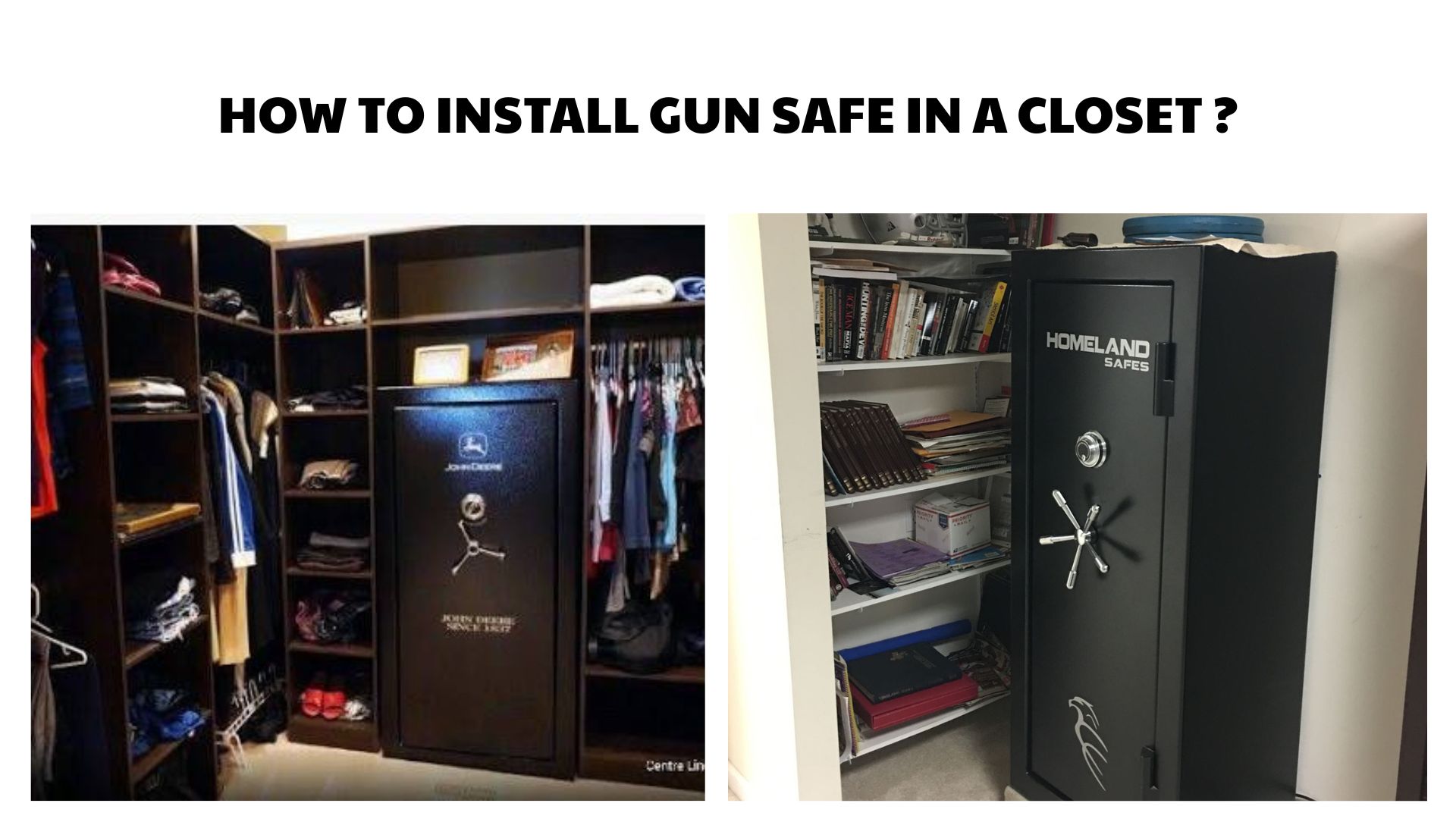

Learning how to install gun safe in a closet is a practical way to keep firearms secured, discreet, organized, and protected inside your home. A closet can be a convenient location because it keeps the safe out of plain view, limits casual access, and may help you use unused space more efficiently.
However, closet gun safe installation must be planned carefully. Closets can have limited ventilation, weak flooring, tight door clearance, hidden wiring, plumbing, baseboards, carpet, shelving, and structural limitations. A poorly installed gun safe can tip, damage flooring, block the closet door, trap moisture, or fail to protect firearms from unauthorized access.
This guide explains how to choose a safe closet location, check legal and safety requirements, plan for floor support, improve theft deterrence, reduce tipping risk, manage humidity, and know when to call a professional installer. It is written for responsible firearm owners who want safe gun storage without guesswork.
Quick Answer
To install gun safe in a closet, first check local firearm storage laws, read the gun safe manual, measure the closet, confirm floor and wall suitability, and choose a stable, dry, discreet location. Place the safe on a level surface, make sure the door can open fully, avoid hidden plumbing or electrical hazards, and anchor the safe only according to the manufacturer’s instructions or with professional help. Add humidity control, keep access codes and keys secure, and inspect the setup regularly. If the safe is heavy, the closet is upstairs, or drilling is required, contact a qualified installer or structural professional.
Important Firearm Safety and Legal Notice
Firearm storage laws vary by country, state, province, county, city, residence type, firearm type, household situation, and user status. Before installing a closet gun safe, verify current laws with official government sources, local law enforcement, or a qualified legal professional. This article provides general safety guidance, not legal advice.
- Local firearm storage laws: Check whether firearms must be unloaded, locked, disabled with a safety device, or stored separately from ammunition.
- Child access prevention rules: If children, guests, renters, roommates, or visitors may be present, secure storage is especially important.
- Safe manufacturer instructions: Read the gun safe manual before moving, placing, anchoring, or modifying the safe.
- Lease or landlord rules: Renters should check whether drilling, bolting, or floor modification is allowed.
- Floor and wall concerns: Heavy safes may require floor load review, especially upstairs or in older homes.
- Electrical and plumbing hazards: Do not drill into floors, walls, or closet framing without checking for hidden hazards.
- Safe firearm handling: Keep firearms controlled, secure, and handled responsibly while arranging the safe.
- Professional installation: Use qualified help for heavy safes, upstairs closets, unclear structure, or permanent anchoring.
Understanding Closet Gun Safe Installation
A closet gun safe setup is different from placing a safe in an open room. A closet may hide the safe from casual view, but it also creates space, airflow, door-clearance, and anchoring challenges. The safe must fit the closet without blocking access, damaging trim, or preventing the door from opening fully.
Closet installation usually involves three major concerns: stability, access control, and environment. Stability means the safe should sit level and resist tipping or shifting. Access control means unauthorized users should not be able to reach firearms, keys, backup codes, or safe contents. Environment means the closet should stay reasonably dry, clean, and ventilated enough to reduce moisture problems.
A closet gun safe may be a small handgun safe, compact long-gun safe, security cabinet, biometric safe, electronic keypad safe, mechanical lock safe, or heavy fire-rated safe. Each type has different installation requirements. A small safe may need cable security or shelf support. A tall safe may need anti-tip anchoring. A heavy safe may need professional placement and floor load evaluation.
What You Need Before You Start
- Gun safe owner’s manual or manufacturer documentation
- Current knowledge of local firearm storage laws
- Basic firearm safety knowledge before handling or storing firearms
- Measuring tape for closet depth, width, height, and door clearance
- Flashlight for checking corners, baseboards, outlets, vents, and wall/floor conditions
- Level for checking whether the safe sits flat and stable
- Floor protection mat or safe pad if appropriate and approved by the manufacturer
- Humidity-control supplies such as a hygrometer, desiccant, or gun safe dehumidifier if needed
- Manufacturer-approved anchor kit, cable, bracket, or mounting hardware if applicable
- Backup batteries for electronic locks
- Document folder for manuals, receipts, serial numbers, warranty details, and proof of ownership
- Professional installer, contractor, safe mover, landlord, or structural professional if needed
how to install gun safe in a closet: Step-by-Step Guide
Step 1: Check Laws, Manuals, and Safety Requirements First
Start by checking local firearm storage laws and safe storage requirements. Some areas may require firearms to be unloaded, locked, disabled with an approved safety device, or stored separately from ammunition. Requirements may also change if children or unauthorized users may access the home.
Next, read the gun safe manual. The manual may explain whether the safe should be anchored, what type of floor is acceptable, how much clearance the door needs, how to manage electronic lock batteries, and what installation methods may affect warranty or safe performance.
Step 2: Make the Area Safe
Before moving or installing the safe, clear the closet and nearby room. Remove clutter, shoes, boxes, loose clothing, and anything that could create a trip hazard. Keep children, visitors, and unauthorized users away from the workspace.
If firearms are already in the home, keep them controlled and secured while you work. Do not place firearms on beds, floors, shelves, or open furniture while measuring or moving the safe. If you need to move firearms from another storage area, do so responsibly and avoid leaving them unattended.
Step 3: Measure the Closet Carefully
Measure the closet width, depth, height, doorway width, door swing, baseboard depth, shelf height, and floor space. A safe may technically fit inside the closet but still fail if the door cannot open fully, the keypad is hard to reach, or the safe blocks shelves, clothing rods, vents, or outlets.
Also measure the path into the closet. Check hallways, bedroom doors, stair turns, flooring transitions, and tight corners. A heavy safe can be difficult to reposition once it is inside a closet, so planning matters.
Step 4: Choose the Safest Practical Closet Location
Choose a closet location that is dry, level, discreet, accessible to authorized users, and not obvious to casual visitors. Bedroom closets, office closets, hallway closets, and utility-adjacent closets may all work depending on the layout, but avoid locations with high humidity, water heaters, exposed plumbing, frequent leaks, or poor temperature control.
The safe should not block the closet door, emergency access, electrical panels, HVAC vents, or household maintenance areas. Avoid placing the safe where stored items could fall against the lock, keypad, hinges, or door.
Step 5: Check Floor Strength and Stability
Gun safes can be heavy, especially larger models with fire-resistant construction. A small handgun safe may not create major floor concerns, but a tall or heavy long-gun safe can place concentrated weight in one area. This is especially important in upstairs closets, older homes, mobile homes, apartments, or closets over basements or crawl spaces.
If you are unsure whether the floor can support the safe, contact a qualified contractor or structural professional. Do not rely on guesswork for heavy safes. Also check that the safe sits level. An uneven safe can create door alignment problems and may increase tipping risk.
Step 6: Protect the Floor and Closet Interior
Before placing the safe, consider whether the floor needs protection. Carpet can compress under a heavy safe and may affect leveling. Hardwood, laminate, tile, and vinyl can scratch or crack if the safe is dragged. Use only floor protection methods that are stable and compatible with the safe manufacturer’s guidance.
Do not place a tall or heavy safe on unstable boards, slippery pads, or soft materials that increase tipping risk. Floor protection should not reduce stability. If the closet has baseboards, shelves, or trim that block the safe from sitting properly, contact a qualified installer before modifying the structure.
Step 7: Position the Safe Without Blocking Access
Move the safe into position carefully. For heavy safes, use professional safe movers rather than attempting risky lifting. Once the safe is in the closet, open the door fully and check whether you can access the interior, lock, shelves, keypad, and backup key area.
Make sure the safe door does not hit closet trim, sliding doors, bifold doors, shelves, clothing rods, or nearby walls. If the safe door cannot open enough for safe access, the location may not be practical.
Step 8: Anchor the Safe Only as Recommended
Anchoring can reduce tipping risk and make removal more difficult, but it must be done correctly. Use only the safe manufacturer’s approved anchor points, hardware guidance, and installation instructions. Anchoring into the wrong material can fail, damage the home, or create a false sense of security.
Do not drill into floors or walls without checking for hidden plumbing, electrical wiring, radiant heating, HVAC lines, or structural concerns. If the closet is in a rental property, check lease rules and landlord permission before drilling. If the safe is heavy, tall, or installed upstairs, professional installation is strongly recommended.
Step 9: Plan for Humidity and Airflow
Closets can trap moisture because they may have limited airflow. Humidity can contribute to rust, musty odor, and damage to firearms, documents, optics, and accessories. Place a hygrometer inside the safe and monitor readings over time.
If humidity is high, consider a safe-rated desiccant, rechargeable dehumidifier, or electric dehumidifier rod if approved for your safe and installation. Do not store wet gun cases, damp clothing, boots, or moisture-holding foam in the closet safe. Keep the closet clean and avoid packing items tightly around the safe if it limits airflow or access.
Step 10: Test the Lock, Door, and Access Routine
Before storing firearms, test the safe empty. Open and close the door, operate the keypad or lock, check battery access, test backup access according to the manual, and confirm that the safe remains stable. If the door swings heavily or the safe shifts, stop and reassess placement or anchoring.
Practice accessing the safe responsibly without rushing. Authorized users should understand the lock method, but access codes and keys should remain protected from children, guests, and unauthorized users.
Step 11: Store Firearms Responsibly
After the safe is stable and functioning, organize firearms responsibly according to local law and manufacturer guidance. Many safe storage programs encourage storing firearms unloaded, locked, and inaccessible to children or unauthorized users, with ammunition stored separately when appropriate or required.
Use racks, shelves, or organizers that prevent firearms from leaning loosely, falling, or pressing against each other. Avoid overcrowding. A crowded safe can make handling less controlled and may block airflow.
Step 12: Document the Installation
Keep a record of the safe model, serial number, receipt, warranty, installation date, anchor method if used, professional installer information if applicable, and lock maintenance schedule. Store these records securely outside the safe where you can access them if the safe needs service.
If you are renting, keep written landlord permission if drilling or permanent installation was approved. If a professional installed the safe, keep the invoice and any notes about hardware or structural concerns.
Step 13: Build a Maintenance and Safety Routine
Check the closet gun safe regularly. Look for moisture, rust, loose anchors, floor compression, door misalignment, weak keypad batteries, blocked airflow, and clutter around the safe. Make sure children and unauthorized users cannot access keys, codes, or backup entry tools.
Review your storage setup whenever your household changes, you move the safe, you add firearms, you change locks, or local laws change. A safe installation is not a one-time decision. It is part of an ongoing responsible firearm storage routine.
Best Setup, Location, or Conditions for This Gun Safe Task
The best closet gun safe setup is dry, level, discreet, structurally appropriate, and easy for authorized users to access responsibly. A closet that is too damp, too cramped, or too weak for the safe may create more problems than it solves.
Look for these conditions:
- A closet with stable flooring and enough space for the safe footprint
- Enough door clearance for the safe door to open comfortably
- Low moisture risk and no history of leaks or condensation
- No hidden plumbing, wiring, or HVAC concerns where anchors may go
- A location that keeps the safe out of plain view from visitors
- Enough airflow to reduce musty conditions and humidity buildup
- No interference with emergency access, electrical panels, or maintenance areas
- A placement that keeps firearms inaccessible to children and unauthorized users
For upstairs closets, heavy safes, older homes, and rental properties, professional evaluation is often the safest path. A closet may look strong, but concentrated safe weight and anchoring demands can create concerns that are not visible from the surface.
Helpful Tips for Better Results
- Measure the closet and the safe twice before moving anything into place.
- Test the safe door swing before loading firearms or accessories.
- Use a hygrometer inside the safe to monitor humidity over time.
- Anchor the safe only through manufacturer-approved points and with appropriate professional guidance when needed.
- Keep access codes, keys, and backup keys away from children and unauthorized users.
- Do not store damp cases, wet clothing, or moisture-holding foam inside the safe.
- Use professional safe movers for heavy safes, upstairs closets, tight turns, or narrow hallways.
Common Mistakes to Avoid
Closet gun safe mistakes often happen because the location seems convenient. Convenience matters, but it should never replace safety, stability, legal compliance, or responsible access control.
- Not checking current firearm storage laws: Storage rules vary, especially when children or unauthorized users may be present.
- Ignoring the manufacturer’s manual: Safe placement, anchoring, clearance, and lock maintenance instructions matter.
- Choosing a damp closet: Humidity can increase rust risk and create musty storage conditions.
- Forgetting floor load concerns: Heavy safes may not be appropriate for every closet floor.
- Skipping tip-over prevention: Tall safes can become unstable if not placed and anchored properly.
- Drilling without checking hazards: Hidden wiring, plumbing, and structural elements can be damaged.
- Blocking the safe door: A safe that cannot open fully is inconvenient and may encourage unsafe handling.
- Leaving keys in obvious places: Backup keys should be protected from unauthorized users.
- Overcrowding the closet: Boxes, clothes, and gear can block safe access and airflow.
- Trying to move a heavy safe alone: Heavy safe movement can cause injury, property damage, and tipping risk.
Troubleshooting Common Problems
| Problem | Possible Cause | What to Do |
|---|---|---|
| The gun safe feels unstable | Uneven floor, carpet compression, poor placement, heavy door, or lack of proper anchoring | Stop using it as-is, keep children away, check the manual, and contact a professional installer if needed. |
| The safe door will not open fully | Closet depth, wall position, shelves, trim, or door swing is too tight | Reposition the safe or choose another closet before loading firearms inside. |
| Humidity stays too high | Poor closet airflow, damp room, wet items, or no moisture control | Add a hygrometer, remove damp items, use safe-rated humidity control, and consider room-level moisture control. |
| Firearms show early rust | High humidity, damp cases, poor cleaning, or long inspection gaps | Improve humidity control, follow firearm manufacturer maintenance guidance, and inspect stored firearms more often. |
| The closet floor seems to sag or creak | Heavy safe weight, weak floor, older structure, or upstairs placement | Unload the safe if needed and contact a structural professional before continuing to use that location. |
| The safe is difficult to move into the closet | Narrow hallway, tight doorway, heavy weight, or poor moving plan | Do not force it. Use professional safe movers and measure the path before trying again. |
| The electronic keypad does not respond | Weak batteries, poor battery contact, lock issue, or user error | Follow the manual, replace batteries if appropriate, and contact manufacturer support if the issue continues. |
| Anchoring is not allowed in a rental | Lease restrictions or landlord rules | Ask for written permission or choose renter-friendly security layers without claiming they equal proper bolting. |
| The closet becomes cluttered around the safe | Poor organization or using the closet for too many items | Keep a clear access zone around the safe and avoid storing heavy items against the lock or door. |
| You are unsure whether the installation is safe | Unclear manual, heavy safe, questionable structure, or drilling concerns | Pause the project and contact the safe manufacturer, installer, landlord, or structural professional. |
Responsible Firearm Storage and Home Safety
A closet gun safe can be an important part of responsible firearm storage, but the safe alone is not the entire safety plan. Responsible storage means keeping firearms protected from unauthorized access, children, visitors, theft, and careless handling.
Safe storage also includes controlling keys, codes, backup keys, ammunition, and access routines. A locked safe is weakened if the key is left on a nightstand, the code is shared casually, or the safe is left open for convenience.
- Store firearms in a locked safe, cabinet, vault, or secure storage case when not in use.
- Keep firearms inaccessible to children and unauthorized users.
- Store ammunition separately when appropriate or required by law.
- Keep keys and combinations secure and away from children.
- Use additional locking devices when appropriate.
- Inspect the safe and firearms regularly.
- Use layered home security such as alarms, lighting, locked doors, and careful privacy habits.
When to Get Professional Help
Closet gun safe installation may seem simple, but professional help is the safer choice when weight, structure, drilling, stairs, or legal uncertainty is involved. Do not risk injury, property damage, or unsafe storage just to avoid calling a qualified person.
Get professional help when:
- The safe is very heavy or difficult to move.
- The safe must be moved upstairs or through tight turns.
- The closet floor may not support the safe.
- You need to drill into floors, walls, studs, or concrete.
- You are unsure about hidden wiring, plumbing, or HVAC lines.
- The home is a rental, apartment, condo, or shared property.
- The safe door, lock, keypad, biometric scanner, or mechanical dial is malfunctioning.
- The safe has fire, water, or impact damage.
- You are unsure about local firearm storage laws.
- You are not confident in safe firearm handling during setup.
Helpful professionals may include the safe manufacturer, professional safe movers, qualified safe installers, licensed locksmiths, contractors, structural professionals, landlords or property managers, firearm safety instructors, and qualified firearm law professionals.
Long-Term Maintenance, Safety Checks, and Recordkeeping
After installing a gun safe in a closet, build a routine for checking both the safe and the closet environment. Look for humidity, musty odor, rust, loose anchors, floor compression, blocked airflow, weak batteries, door rubbing, or access problems.
Replace electronic lock batteries on a schedule. Keep backup keys secure. Review who has access to the safe. Update codes if access control changes. Inspect firearms according to manufacturer guidance and keep the safe interior clean and dry.
Record the safe model, serial number, purchase date, warranty information, installation date, anchor method, professional installer details, and maintenance schedule. Keep important documents in a secure place outside the safe so you can access them if the lock fails or service is needed.
Recommended Gun Safe Gear and Tools to Consider
You do not always need expensive gear to store firearms responsibly. Choose products based on your local laws, safe type, firearm type, humidity level, home layout, closet size, security risks, and budget.
- Gun safe or lockbox that fits your firearm storage needs
- Manufacturer-approved anchor kit or mounting hardware if applicable
- Hygrometer for monitoring humidity inside the safe
- Desiccant packs or rechargeable dehumidifier
- Electric dehumidifier rod if approved for your safe and closet setup
- Safe organizer or rack system to improve interior storage and airflow
- Floor protection mat if stable and approved by the manufacturer
- Backup batteries for electronic locks
- Alarm sensor or home security device if appropriate
- Document folder for manuals, receipts, warranty details, and proof of ownership
Final Thoughts
Learning how to install gun safe in a closet is about more than fitting a safe into a hidden space. A good installation protects firearms, reduces unauthorized access, limits theft risk, manages humidity, and avoids damage to the home. Start with the law, read the manual, measure carefully, check floor strength, plan door clearance, and use professional help when the safe is heavy or anchoring is unclear.
A closet can be a practical gun safe location when it is dry, stable, discreet, and accessible only to authorized users. Keep the area organized, monitor humidity, secure keys and codes, and review your storage routine regularly. Responsible firearm storage is an ongoing commitment, not a one-time installation.
FAQs
1. How long does it take to learn how to install gun safe in a closet?
Most beginners can learn the planning steps quickly, but actual installation time depends on the safe size, closet layout, floor condition, and whether anchoring or professional moving is needed. Heavy safes and upstairs closets require more planning.
2. Is a closet a good place for a gun safe?
A closet can be a good location if it is dry, stable, discreet, accessible to authorized users, and large enough for the safe door to open properly. Avoid damp, crowded, or structurally questionable closets.
3. Can I install a gun safe in a bedroom closet?
Yes, a bedroom closet is common, but you should check floor support, door clearance, humidity, and safe access. Make sure children or unauthorized users cannot access the safe, keys, or codes.
4. Can I install a gun safe in a hallway closet?
Possibly. A hallway closet may be discreet and convenient, but it may also be visible to visitors or located on a weaker floor area. Measure carefully and keep the safe locked and access-controlled.
5. Can I install a gun safe in an upstairs closet?
Possibly, but heavy safes may require floor load evaluation. Contact a qualified structural professional or safe installer before placing a heavy safe upstairs.
6. Should I bolt a gun safe in a closet?
Anchoring may reduce tipping and theft risk, but it must be done according to the safe manufacturer’s instructions. If drilling is required, check for hidden hazards and use professional help when needed.
7. Can I install a gun safe in a closet without bolting it?
Some setups may use weight, discreet placement, cable security, or layered security, but these are not equal to proper anchoring. Follow the safe manual and local law, and understand the limitations of non-bolted setups.
8. Can a gun safe tip over in a closet?
Yes, especially if it is tall, narrow, placed on uneven flooring, or used with the heavy door open. Proper placement and manufacturer-approved anchoring can help reduce tipping risk.
9. How do I keep a closet gun safe from tipping?
Place it on a level surface, avoid unstable pads, do not overload the door, keep children away, and anchor it according to manufacturer instructions when appropriate.
10. Can I put a gun safe on carpet in a closet?
Yes, but carpet can compress and affect stability. Check whether the safe sits level and whether the manufacturer recommends a specific floor setup.
11. Can I put a gun safe on hardwood in a closet?
Yes, but protect the floor from scratches without making the safe unstable. Avoid dragging the safe and use professional movers for heavy models.
12. Can I put a gun safe on tile in a closet?
Possibly, but heavy safes may crack tile if moved carelessly or placed unevenly. Use proper moving methods and check the safe manufacturer’s guidance.
13. Can I install a gun safe in a walk-in closet?
Yes, walk-in closets often provide more space and better access. Still check humidity, floor support, door swing, and safe visibility from outside the room.
14. Can I install a gun safe in a small reach-in closet?
Yes, if the safe fits and the door opens fully. Small closets often create access and airflow problems, so measure carefully before buying or moving the safe.
15. How much space should be around a closet gun safe?
You need enough space for the safe door to open, the lock to be accessed, and air to circulate. The exact clearance depends on the safe design and closet layout.
16. Should the safe door open toward the closet door?
It depends on the layout. The safe door should open comfortably without hitting trim, shelves, walls, or the closet door. Test the swing before loading the safe.
17. Can closet humidity damage firearms?
Yes. Closets can trap humidity, which may contribute to rust and musty storage conditions. Use a hygrometer and consider a safe-rated dehumidifier if needed.
18. Do I need a dehumidifier in a closet gun safe?
You may need one if humidity is consistently high or firearms show signs of moisture exposure. Use a hygrometer first so you can make a measured decision.
19. What humidity level is best for a closet gun safe?
Many firearm owners aim for moderate humidity, often around 30% to 50%, but the best target depends on climate, materials, and manufacturer guidance. Avoid damp conditions and monitor regularly.
20. Can I use a desiccant pack in a closet gun safe?
Yes, desiccant packs can help absorb moisture. Place them where air can reach them and recharge or replace them according to the product instructions.
21. Can I use an electric dehumidifier rod in a closet gun safe?
Yes, if the safe and closet setup allow safe power access and the manufacturer approves the device. Do not pinch cords or run electrical accessories unsafely.
22. Should I install an outlet inside the closet for the safe?
If you need electrical power, use a qualified electrician. Do not attempt unsafe wiring or extension-cord setups that create fire or damage risks.
23. Can I drill into closet walls to anchor a gun safe?
Only if the safe manual allows it and you have confirmed there are no hidden wires, pipes, or hazards. If unsure, hire a qualified professional.
24. Can I anchor a gun safe to wall studs?
Some safes or cabinets may allow wall anchoring, but hardware and method depend on the product and wall structure. Follow the manual and consider professional installation.
25. Can I anchor a gun safe to the floor?
Many safes are designed for floor anchoring, but the correct method depends on the floor type and manufacturer instructions. Concrete, wood, tile, and upper floors require different considerations.
26. Is a closet gun safe hidden enough for theft prevention?
Discretion helps, but hiding a safe is not enough by itself. Use secure locks, proper anchoring when appropriate, controlled access, home security layers, and responsible storage habits.
27. Should I tell guests where the closet gun safe is?
No, access information should be limited to authorized users. Keep the safe location, keys, and codes private unless there is a responsible reason to share them.
28. Should I store ammunition in the same closet safe?
Check local law and your storage plan. Many safety programs recommend storing ammunition separately and locked when appropriate, especially where children or unauthorized users may be present.
29. Should firearms be unloaded in a closet gun safe?
Many safe storage recommendations encourage storing firearms unloaded when not in use, but legal requirements vary. Follow current local law and responsible firearm safety practices.
30. Can I store gun cleaning supplies in the closet safe?
Possibly, but avoid storing chemicals, oily rags, solvents, or moisture-producing items in a way that could damage firearms or create safety concerns. Follow product labels and manufacturer guidance.
31. Can I store documents in a closet gun safe?
You can, but humidity and fire protection ratings vary. Important documents may need protective sleeves or a separate document-rated storage solution.
32. Can I install a biometric gun safe in a closet?
Yes, if it fits and works reliably in the environment. Keep batteries fresh, test the scanner regularly, and maintain backup access according to the manual.
33. Can I install a digital keypad safe in a closet?
Yes. Make sure the keypad is easy for authorized users to reach, protected from damage, and maintained with fresh batteries.
34. Where should I keep the backup key?
Keep backup keys in a secure location away from children and unauthorized users. Do not leave them in an obvious place near the safe.
35. Can I put a small handgun safe on a closet shelf?
Only if the shelf can support the weight and the safe can be secured properly. Many shelves are not designed for heavy safes, so verify support before relying on this setup.
36. Can I install a long-gun safe in a closet?
Yes, if the closet has enough depth, height, door clearance, floor support, and humidity control. Tall safes should be evaluated for tipping risk.
37. Can I install a gun cabinet instead of a gun safe in a closet?
A gun cabinet may be lighter and easier to place, but it may provide less security than a safe. Choose based on your legal requirements, security needs, and storage goals.
38. Can a closet gun safe damage the floor?
Yes, especially if the safe is heavy, dragged, uneven, or placed on delicate flooring. Use safe moving methods and manufacturer-approved floor protection.
39. Can I move a heavy gun safe into a closet by myself?
It is not recommended. Heavy safes can cause injury, tipping, wall damage, floor damage, and stair hazards. Use professional safe movers for heavy models.
40. How do I measure for a closet gun safe?
Measure safe width, depth, height, door swing, closet opening, shelf clearance, hallway path, and any baseboards or trim that affect placement.
41. Should I remove closet shelves before installing a safe?
Only if removal is safe, allowed, and does not damage the structure or violate lease rules. If shelves are structural or you are unsure, contact a professional.
42. Can I install a gun safe behind clothes in a closet?
You can keep a safe discreet, but do not let clothing block airflow, access, locks, hinges, or the safe door. Avoid storing damp clothing near the safe.
43. Can I place boxes around the safe to hide it?
Be careful. Boxes can block access, trap moisture, or create a fire and clutter issue. Discretion should not make the safe harder or less safe to use.
44. Should a closet gun safe have a light inside?
Interior lighting can help with safe access and organization. Use battery or manufacturer-approved lighting and avoid unsafe wiring.
45. Can I install a closet gun safe in an apartment?
Yes, but renters must consider lease rules, floor protection, weight, noise, and restrictions on drilling or bolting. Get written permission when needed.
46. What if my landlord does not allow bolting?
You may need renter-friendly security options such as a heavier safe, cable security, security cabinet, closet placement, alarms, and privacy habits, but these may not equal proper anchoring.
47. Can I install a gun safe in a closet with sliding doors?
Possibly, but sliding doors may limit access. Test whether the safe door and lock are usable before placing firearms inside.
48. Can I install a gun safe in a closet with bifold doors?
Possibly. Bifold doors can reduce opening space and make moving heavy safes harder. Measure carefully and test clearance.
49. Can I install a gun safe in a closet near a bathroom?
Be cautious. Bathrooms can increase humidity and may have nearby plumbing. Monitor moisture and avoid drilling without checking for hidden pipes.
50. Can I install a gun safe in a basement closet?
Yes, but basement closets may be humid or flood-prone. Use a hygrometer, monitor moisture, and avoid areas with water intrusion risk.
51. Can a closet gun safe help with child access prevention?
Yes, when the safe is locked, access is controlled, and keys or codes are protected. The closet location alone is not enough; the safe must be used properly.
52. Should I add an alarm sensor to a closet gun safe?
An alarm sensor can be a useful additional security layer, but it should not replace a locked safe, controlled access, and responsible storage habits.
53. How often should I inspect a closet gun safe?
Inspect it regularly for humidity, rust, loose anchors, floor changes, battery issues, door alignment, and access-control problems.
54. What is the biggest mistake when installing a gun safe in a closet?
The biggest mistake is focusing only on hiding the safe while ignoring floor support, anchoring, humidity, legal storage rules, and unauthorized access prevention.
55. What is the safest way to install gun safe in a closet?
The safest approach is to check the law, read the manual, measure the closet, verify floor support, place the safe level, anchor it properly if appropriate, manage humidity, and use professional help when the project involves heavy weight or drilling.
Read more: