
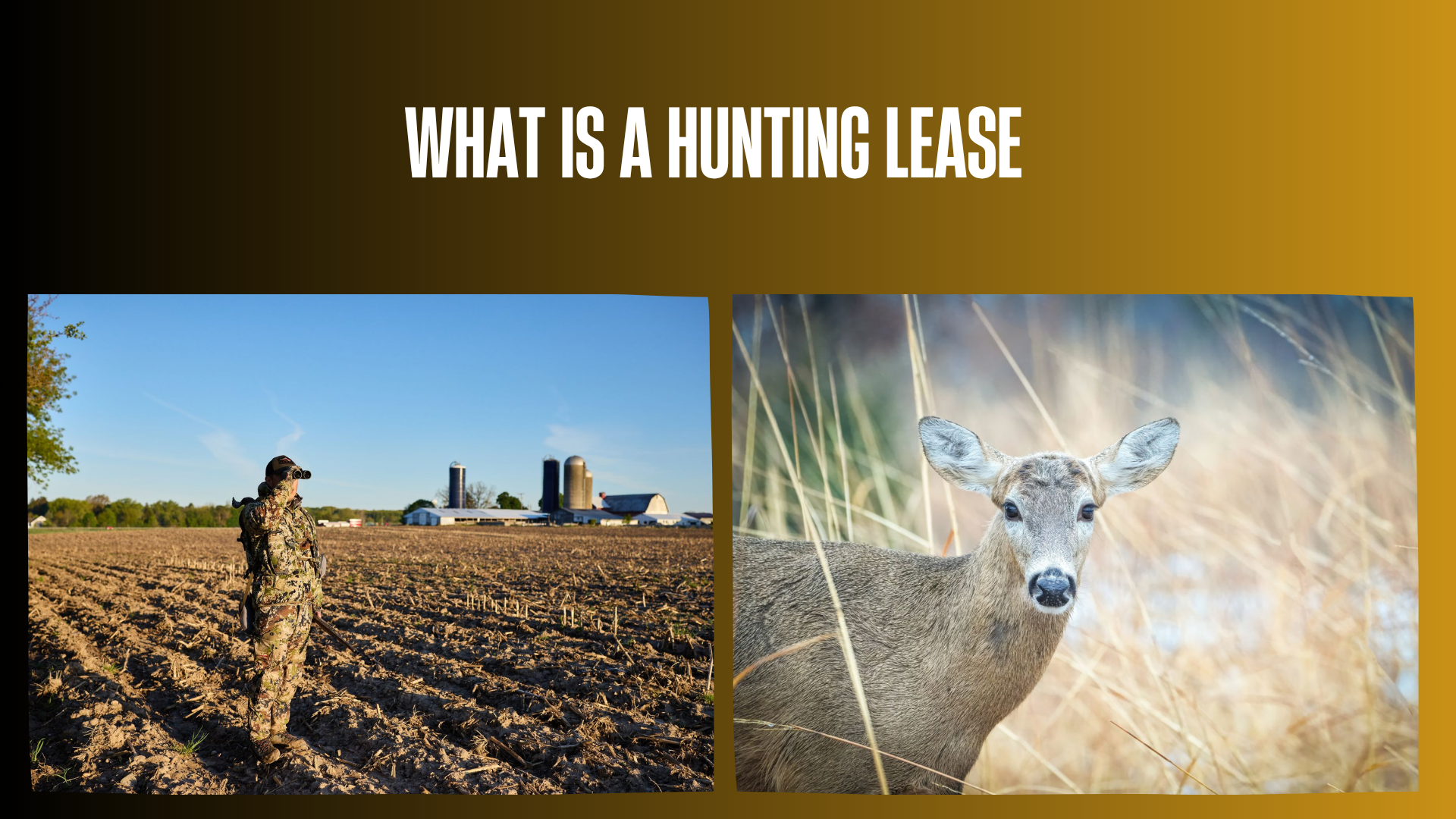

If you are looking for reliable access to private hunting land, you may be asking what is a hunting lease and what you actually receive when you pay for one. A hunting lease is generally an agreement between a landowner and a hunter or group of hunters that grants defined hunting or recreational access to private property for a specified period, usually in exchange for a fee or other agreed consideration.
A hunting lease does not mean the hunter owns the property, and it does not replace hunting licenses, tags, seasons, bag limits, weapon restrictions, or other wildlife laws. The lease determines what the landowner allows on the property, while government hunting regulations determine what is legally allowed. Because property, contract, liability, and hunting laws vary by jurisdiction, both hunters and landowners should review current local requirements before signing an agreement.
Quick Answer: What Is a Hunting Lease?
A hunting lease is an agreement that gives a hunter or hunting group permission to use specified private property for hunting under defined terms. The agreement may cover a single day, one hunting season, a year, or multiple years, and access may be exclusive or shared. A lease can specify which hunters, species, activities, vehicles, guests, structures, and areas are allowed. It grants hunting access according to the contract; it does not transfer ownership of the land or eliminate the hunter’s obligation to follow current wildlife and firearm laws.
How Does a Hunting Lease Work?
The basic arrangement is straightforward. A landowner controls access to private property and agrees to let a hunter or group use some or all of that property for hunting. In return, the hunter typically pays an agreed fee, although particular agreements may involve other forms of consideration.
The parties then establish the conditions of access in a lease agreement. Those conditions may address:
- The property or acreage included
- Start and end dates
- Which hunters may enter
- Whether guests are permitted
- Which game species may be hunted
- Permitted hunting methods
- Vehicle and parking access
- Camping or lodging
- Use and placement of tree stands and blinds
- Trail-camera placement
- Food plots or habitat work
- Road and gate use
- Property maintenance
- Liability and insurance requirements
- Property-damage responsibilities
- Rules for terminating or renewing the lease
The exact rights depend on the written agreement. Hunters should never assume that paying for hunting access automatically includes camping, fishing, target shooting, ATV use, firewood cutting, habitat modification, or other recreational activities.
What Does a Hunting Lease Give You?
A hunting lease generally gives the lessee specific access rights rather than ownership of the property. The exact scope can vary significantly.
| Lease Feature | What It May Cover | What to Verify |
|---|---|---|
| Hunting access | Permission to hunt designated private land | Exact boundaries and excluded areas |
| Time period | Day, weekend, season, year, or longer term | Start and expiration dates |
| Species | One species or multiple legal game species | Lease restrictions and current wildlife regulations |
| Exclusivity | Exclusive or shared access | Who else can hunt or use the property |
| Guests | May be allowed, limited, or prohibited | Guest approval and liability requirements |
| Improvements | May allow stands, blinds, food plots, or trails | Written landowner approval and legal restrictions |
| Vehicles | May allow specific roads or vehicle types | Parking, gates, road conditions, and prohibited areas |
Does a Hunting Lease Mean You Own the Wildlife?
No. Leasing hunting access to private property does not mean that the hunter owns the native wildlife living on or moving through the property.
Wildlife is regulated under applicable state and federal law. Hunters still need to comply with licensing, tagging, season, bag-limit, weapon, species, and other regulatory requirements.
A landowner also cannot use a private agreement to authorize hunting activity that government regulations prohibit.
Common Types of Hunting Leases
Hunting leases can be structured in many ways. The terminology is not perfectly uniform, but several arrangements are common.
Day Hunting Lease
A day lease grants hunting access for a short period, sometimes only one day. Similar short-term agreements may cover a weekend or several hunting days.
These arrangements can suit hunters who do not need season-long access, but the agreement should still clearly establish boundaries, permitted activities, check-in procedures, and other conditions.
Seasonal Hunting Lease
A seasonal lease provides access during a specified hunting season or group of seasons. For example, an agreement might provide access for a particular legal deer season rather than the entire year.
Annual Hunting Lease
An annual lease generally covers a defined year-long period. Depending on its terms, it may provide access for several legal hunting seasons and possibly approved off-season activities such as scouting.
Multi-Year Hunting Lease
A multi-year agreement can provide more continuity. Hunters who receive permission to invest time or money in habitat projects, blinds, stands, trails, or other approved improvements may prefer a longer arrangement.
Long-term agreements should clearly address renewal, termination, ownership of improvements, maintenance, and what happens when the lease ends.
Exclusive Hunting Lease
An exclusive lease generally gives one hunter or group the defined hunting rights described by the agreement, rather than allowing the landowner to grant the same rights to unrelated hunters during the lease term.
However, the word “exclusive” should be specifically defined. It may not prevent the landowner, farmers, timber operators, utility workers, family members, or others from accessing the property.
Shared or Nonexclusive Hunting Lease
Under a shared arrangement, more than one hunter or group may have access to the property.
Shared access can cost less per hunter, but communication becomes particularly important. Hunters need to know where others may be hunting to reduce conflicts and safety risks.
What Is a Hunting Club Lease?
A hunting club lease is typically an agreement in which a group of hunters collectively leases access to a property. Members may divide the lease cost and operate under club rules or bylaws in addition to the landowner’s lease terms.
Club rules may address:
- Membership
- Guest privileges
- Stand locations
- Safety procedures
- Harvest reporting
- Vehicle access
- Camp rules
- Property maintenance
- Wildlife-management objectives
- Disciplinary procedures
The club’s internal rules cannot override wildlife laws or the landowner’s lease agreement.
How Much Does a Hunting Lease Cost?
There is no universal hunting-lease price. Lease values vary substantially by region, acreage, wildlife habitat, game populations, access, exclusivity, amenities, competition among hunters, length of the agreement, and other property characteristics.
Factors that may influence price include:
- Total usable acreage
- Habitat quality
- Species available
- Regional demand
- Exclusive versus shared access
- Length of the lease
- Road access
- Water availability
- Existing blinds or stands
- Lodging or camping privileges
- Agricultural crops and food sources
- Previous land-management work
- Distance from population centers
A higher lease price does not guarantee better hunting. Wildlife movement changes with habitat, weather, food availability, hunting pressure, breeding cycles, neighboring land use, and many other factors.
What Should Be in a Hunting Lease Agreement?
A clear written agreement helps both parties understand their responsibilities. Because a hunting lease can create legal and financial obligations, parties may benefit from having a qualified attorney familiar with the relevant jurisdiction review the agreement.
Common provisions include:
- Names and contact information of the parties
- Legal or practical description of the property
- A map showing boundaries
- Lease term
- Payment amount and schedule
- Permitted hunting activities
- Species restrictions
- Number of hunters
- Guest policies
- Access points
- Parking and vehicle rules
- Camping rules
- Use of existing structures
- Stand, blind, and trail-camera rules
- Habitat-management permissions
- Property-damage responsibilities
- Fire and smoking restrictions
- Alcohol policies
- Insurance requirements
- Liability provisions
- Termination conditions
- Renewal procedures
- Signatures of the parties
Why Should a Hunting Lease Be in Writing?
A handshake arrangement may leave important questions unanswered. A written lease creates a record of what the landowner and hunter agreed to.
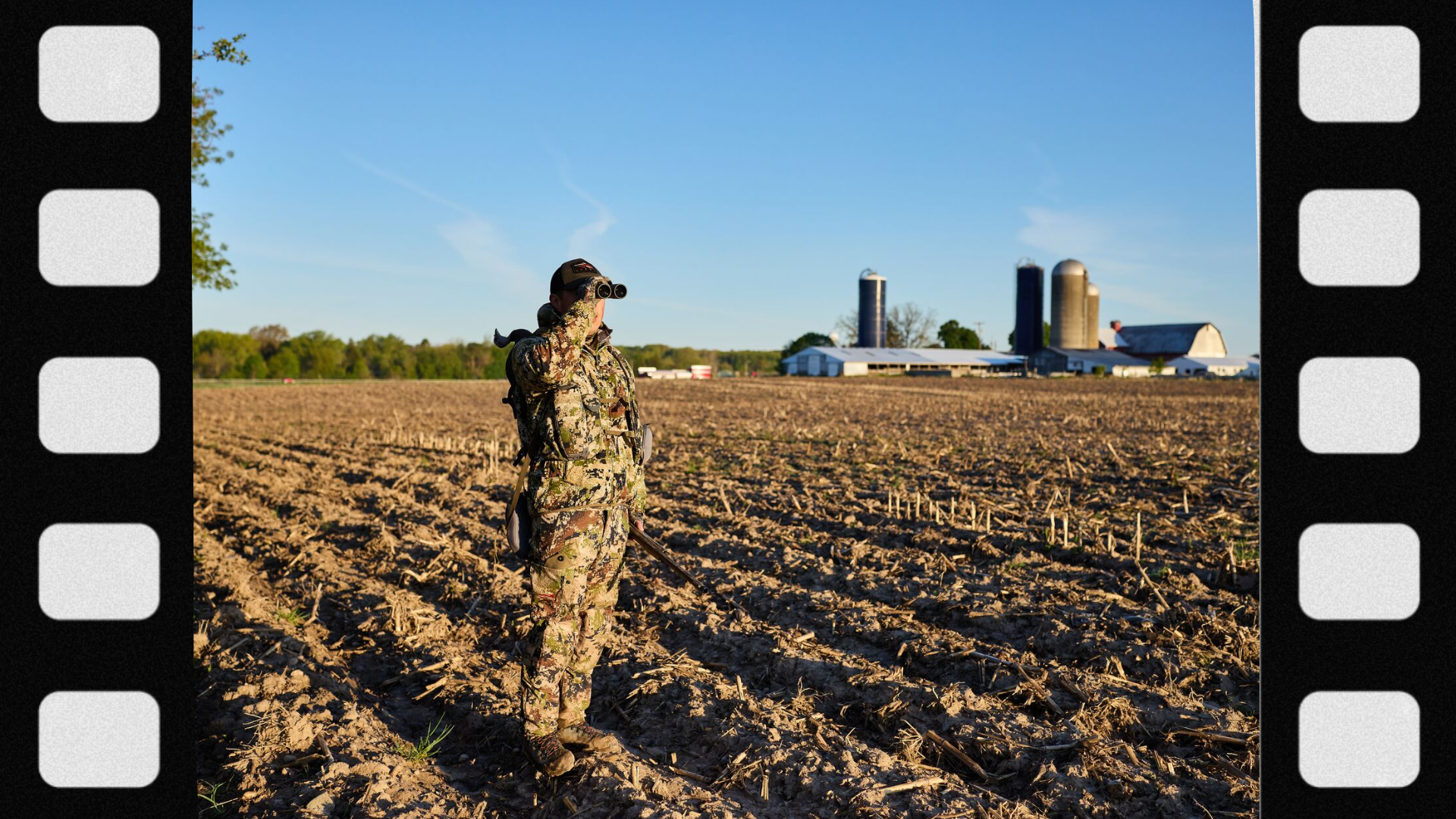
For example, a written agreement can clarify whether a hunter may bring a guest, drive an ATV across a field, camp overnight, install a permanent blind, create a food plot, or return after the season to remove equipment.
A written agreement can also document payment, insurance requirements, property boundaries, lease dates, and termination conditions.
Contract laws differ by jurisdiction, so hunters and landowners should obtain appropriate legal guidance when needed rather than relying on a generic form as legal advice.
Does a Hunting Lease Replace Landowner Permission?
The lease itself can document the landowner’s permission for the activities described in the agreement. However, hunters should carry any additional written permission or documentation required by local hunting regulations.
The lease should also make clear who actually has authority to grant hunting access. Hunters should verify that the person offering the property controls the hunting rights being leased.
Do You Still Need a Hunting License on Leased Land?
Leasing private land does not automatically exempt a hunter from licensing, tagging, permit, season, or other regulatory requirements.
Requirements vary by jurisdiction, species, hunter status, land ownership, and hunting method. Check the current regulations from the appropriate wildlife agency before hunting.
Do Hunting Seasons Apply on Leased Private Land?
Yes, applicable hunting seasons and wildlife regulations still govern hunting on private leased land unless a specific legal provision says otherwise.
A lease cannot create a private hunting season outside government regulations. It only determines when the landowner permits access within the rights granted by the agreement.
Do Bag Limits Apply on a Hunting Lease?
Applicable legal bag limits still apply. A landowner or hunting club may also establish more restrictive harvest objectives within the lease, but a private agreement cannot authorize harvest beyond legal limits.
Hunters should verify current species, sex, tagging, reporting, and bag-limit rules with the relevant wildlife agency.
Can a Landowner Limit What You Hunt?
Yes. A landowner may grant only specific hunting rights in the agreement.
For example, a lease could provide access for deer hunting but not turkey hunting, or it could restrict certain activities or portions of the property. The hunter must comply with both the lease and applicable law.
Can a Hunting Lease Include Food Plots and Habitat Work?
It can, but hunters should never assume they have permission to alter the property.
Activities such as clearing vegetation, planting food plots, cutting trees, creating roads, applying herbicides, moving soil, or constructing structures can affect farming, forestry, conservation programs, insurance, and land-management plans.
Any habitat work should be specifically authorized by the landowner and comply with applicable laws and product instructions.
Can You Put Tree Stands and Blinds on Leased Land?
Only if permitted by the lease or landowner. The agreement should establish what equipment is allowed, where it may be placed, whether permanent attachments are prohibited, and when equipment must be removed.
For elevated stands, hunters should use a properly fitted full-body fall-arrest system, inspect equipment, follow manufacturer weight limits, use safe climbing procedures, and haul unloaded firearms or other equipment separately rather than climbing with them.
What Is Hunting Lease Liability?
Hunting involves hazards such as firearms, bows, elevated stands, rough terrain, vehicles, water, weather, animals, and other hunters. A lease therefore raises important questions about responsibility when an injury or property loss occurs.
Liability rules differ by state and circumstance. Recreational-use protections that may apply when land is opened without charge may operate differently when a landowner receives payment or another benefit.
Neither hunters nor landowners should assume that a waiver or lease automatically eliminates liability. A qualified attorney and insurance professional can explain the protections and obligations that apply in the relevant jurisdiction.
Do You Need Hunting Lease Insurance?
Insurance requirements depend on the lease, insurer, property, and jurisdiction. Some landowners require a hunting club or individual lessees to maintain liability insurance and provide proof of coverage.
Landowners should also review their existing property and liability policies with an insurance professional to determine whether hunting leases are covered or require additional coverage.
A liability waiver, insurance policy, and written lease perform different functions. One should not automatically be treated as a substitute for another.
What Should You Check Before Leasing Hunting Land?
Do not evaluate a hunting lease only by acreage or price. Whenever possible and with permission, inspect the property and clarify its terms before signing.
Important questions include:
- Who owns or controls the hunting rights?
- What exact acreage is included?
- Are the boundaries clearly marked or mapped?
- Is access exclusive or shared?
- Who else uses the property?
- Which species are included?
- What dates can hunters enter?
- Is scouting allowed before the season?
- Are guests allowed?
- Are children or family members allowed?
- Where can vehicles travel?
- Can ATVs or UTVs be used?
- Are stands and blinds permitted?
- Are trail cameras permitted?
- Can hunters establish food plots?
- Is camping permitted?
- Are there livestock or agricultural operations?
- Are any areas completely off limits?
- Who is responsible for property damage?
- What insurance is required?
- How can the agreement be terminated?
- What happens to improvements when the lease ends?
Why Property Boundaries Matter
Leasing a property does not give a hunter permission to enter neighboring property.
Hunters should understand the boundaries before hunting and use reliable maps, physical landmarks, signs, or other lawful navigation methods. Boundary uncertainty should be resolved with the landowner before the hunt rather than after an animal crosses onto neighboring land.
Game-recovery and trespass rules vary. Do not enter another property without permission when permission is legally required, even when recovering wounded game. Contact the landowner or appropriate authority when necessary.
Can Other People Use the Property During Your Lease?
Possibly. Unless the lease clearly grants exclusive use beyond hunting, the landowner may retain other property rights.
You could potentially encounter:
- The landowner
- Family members
- Farm workers
- Forestry crews
- Utility workers
- Other hunters
- Other recreational users
- Neighboring landowners
This is why the meaning of “exclusive” should be defined rather than assumed.
Hunting Lease Safety
Private-land access does not reduce the need for hunter education and safe firearm or archery practices.
When firearms are involved, follow the four fundamental safety principles:
- Treat every firearm as if it is loaded.
- Keep the muzzle pointed in a safe direction.
- Keep your finger outside the trigger guard until ready to shoot.
- Be certain of the target and what is beyond it.
Every member should understand property boundaries, homes, roads, livestock areas, parking locations, stand locations, and other occupied areas. Groups should communicate hunting locations when appropriate so members do not unknowingly interfere with one another.
Ethical Hunting on Leased Property
Paying for access does not change a hunter’s ethical responsibilities. Hunters should follow fair-chase principles, respect wildlife and habitat, make responsible shot decisions, recover harvested or wounded game as required, avoid waste, and follow all applicable regulations.
Respect for the landowner matters as well. Close gates as instructed, avoid damaging roads during wet conditions, remove trash, report damaged fences or other problems, and follow agreed access rules.
A good hunting lease relationship depends on communication and responsible land use, not simply payment.
Common Hunting Lease Mistakes
Leasing Without Seeing a Property Map
Acreage alone does not explain where you can actually hunt. Roads, houses, agricultural areas, neighboring property, easements, and excluded zones may reduce usable hunting space.
Assuming the Lease Is Exclusive
Ask specifically whether other hunters or recreational users may access the property.
Using Only a Verbal Agreement
A written agreement helps prevent disagreements about payment, boundaries, guests, species, and permitted activities.
Ignoring Insurance and Liability
Both parties should understand applicable liability issues and insurance requirements before the hunting season begins.
Assuming Private Land Means Fewer Hunting Laws
Wildlife laws still apply on private land. Verify licenses, tags, seasons, legal hunting methods, bag limits, reporting requirements, and other current regulations.
Making Property Improvements Without Permission
Never cut trees, create roads, build structures, plant food plots, or make significant alterations without explicit authorization.
Not Discussing Game Recovery
Clarify how the landowner wants hunters to handle wounded animals that travel toward property boundaries, livestock areas, homes, or neighboring land.
What Not to Do on a Hunting Lease
- Do not hunt outside the leased boundaries.
- Do not assume neighboring property is available for game recovery.
- Do not bring unauthorized guests.
- Do not exceed legal bag limits.
- Do not hunt outside legal seasons.
- Do not use prohibited hunting methods.
- Do not shoot at unidentified movement.
- Do not shoot toward roads, homes, livestock, people, or unsafe backstops.
- Do not install stands or structures without permission.
- Do not cut trees or modify habitat without authorization.
- Do not leave gates open when instructed to close them.
- Do not damage crops, fences, roads, or equipment.
- Do not assume payment gives unlimited use of the property.
- Do not rely on the lease instead of checking current hunting regulations.
Hunting Lease vs. Public-Land Hunting
| Factor | Hunting Lease | Public Land |
|---|---|---|
| Access | Controlled by private agreement | Controlled by public-land rules |
| Cost | Usually involves a lease fee | May involve licenses, permits, access fees, or other requirements |
| Hunter numbers | May be limited by agreement | Varies by property and regulations |
| Exclusivity | Possible if explicitly agreed | Generally shared with other authorized users |
| Property rules | Lease terms plus applicable laws | Agency and land-management rules |
| Improvements | Possible with permission | Often regulated or restricted |
Neither option automatically produces better hunting. Habitat, wildlife populations, hunting pressure, access, regulations, hunter skill, weather, and many other factors influence the experience.
Hunting Lease vs. Hunting Permission
Permission may simply allow a hunter to enter private property and hunt under conditions set by the owner. A hunting lease generally creates a more formal arrangement involving defined rights, terms, and often payment.
The legal distinction can vary by jurisdiction and by the wording of the agreement. When legal rights or liability are important, consult an attorney familiar with local property and recreational-use law.
Is a Hunting Lease Worth It?
Whether a lease is worthwhile depends on the hunter’s priorities. A lease may appeal to hunters who want predictable private-land access, clearly defined hunting partners, or the opportunity to develop a longer-term relationship with a property.
However, hunters should consider more than price. Travel distance, usable acreage, habitat, competing land uses, rules, number of hunters, access roads, neighboring pressure, and the length of the agreement can all affect its practical value.
A lease is access to hunting opportunity, not a guarantee of seeing or harvesting game.
Beginner Hunting Lease Checklist
- Verify who controls the hunting rights.
- Get a clear property map.
- Inspect the property when permitted.
- Clarify exclusive versus shared access.
- Identify all hunters included in the lease.
- Clarify guest privileges.
- Confirm permitted species and activities.
- Discuss stand, blind, and trail-camera rules.
- Clarify vehicle and ATV access.
- Discuss camping and fire restrictions.
- Identify excluded or sensitive areas.
- Understand payment and refund provisions.
- Review liability and insurance requirements.
- Understand termination and renewal provisions.
- Put important terms in writing.
- Verify current hunting regulations separately.
- Carry required licenses, permits, and tags.
- Respect boundaries and neighboring property.
FAQs
1. What is a hunting lease?
A hunting lease is an agreement in which a landowner grants a hunter or group specified hunting access to private property for a defined period, usually in exchange for payment or another agreed benefit.
2. How does a hunting lease work?
The landowner and hunter agree on the property, dates, price, hunters, permitted activities, restrictions, and other terms. The hunter then uses the property according to both the lease and applicable hunting laws.
3. Does a hunting lease mean you own the land?
No. A hunting lease grants specified access or use rights. Ownership remains with the property owner.
4. Does leasing hunting land mean you own the wildlife?
No. Native wildlife remains subject to applicable wildlife law and management authority.
5. Do you need a hunting license on leased land?
Usually, applicable licensing requirements still apply, but exact requirements vary by jurisdiction and hunter circumstances. Verify current wildlife-agency regulations.
6. Do hunting seasons apply on private leased land?
Applicable legal seasons still apply. A private lease cannot authorize hunting outside government-established regulations.
7. Do bag limits apply on hunting leases?
Yes, applicable legal bag limits remain in effect. A lease or hunting club may impose additional restrictions but cannot authorize an illegal harvest.
8. How long does a hunting lease last?
It may last a day, several days, one season, a year, or multiple years. The agreement should state exact beginning and ending dates.
9. What is an annual hunting lease?
It is an agreement providing specified hunting access for a defined year-long period, subject to its terms and applicable hunting seasons.
10. What is a day hunting lease?
A day lease provides short-term hunting access, often for one day or another brief period.
11. What is an exclusive hunting lease?
It generally means the lessee receives exclusive hunting rights as defined by the agreement. The contract should clarify exactly what exclusivity covers.
12. What is a nonexclusive hunting lease?
A nonexclusive lease allows the landowner to permit other hunters or groups to use the property according to the agreements in place.
13. Can multiple hunters share a lease?
Yes. Hunting clubs and groups commonly lease land together, provided the agreement permits the arrangement.
14. How much is a hunting lease?
Prices vary widely based on acreage, location, habitat, species, exclusivity, amenities, access, demand, and lease duration. There is no universal per-acre rate.
15. Is a hunting lease price usually per acre?
Some leases are priced by acreage, while others use a flat fee, per-hunter fee, daily rate, or another structure.
16. Should a hunting lease be written?
A written agreement is generally preferable because it documents boundaries, payment, access, restrictions, liability provisions, and other expectations.
17. Do I need a lawyer for a hunting lease?
Not every situation is identical, but legal review can be valuable because property, contract, and liability laws vary. Complex or high-value agreements especially merit qualified legal advice.
18. Do hunting leases require insurance?
Some do. Requirements depend on the agreement, landowner, insurer, and jurisdiction. Both parties should review coverage with an insurance professional.
19. What is hunting lease liability insurance?
It is insurance intended to address certain liability exposures associated with leased recreational hunting activities, subject to the policy’s terms, limits, exclusions, and insured parties.
20. Can I bring guests onto a hunting lease?
Only if the lease permits guests. Some agreements allow them freely, some require advance approval or fees, and others prohibit them.
21. Can family members hunt on my lease?
Only if they are covered by the agreement and meet all applicable legal requirements.
22. Can I camp on leased hunting land?
Not automatically. Camping rights should be specifically addressed by the agreement.
23. Can I put a camper or RV on a hunting lease?
Only with permission and in compliance with applicable property, zoning, sanitation, fire, and other requirements.
24. Can I put up tree stands on leased land?
Only when permitted by the landowner or lease. Use stands according to manufacturer instructions and appropriate tree-stand safety practices.
25. Can I plant food plots on leased land?
Only with landowner authorization and in compliance with applicable laws, lease provisions, agricultural considerations, and wildlife regulations.
26. Can I use trail cameras on a hunting lease?
That depends on the agreement and current local regulations. Some jurisdictions or properties regulate trail-camera use.
27. Can I drive an ATV on leased hunting property?
Only if the landowner permits it and applicable regulations allow it. The lease should define approved roads, trails, and vehicle types.
28. Can the landowner hunt during my lease?
That depends on the agreement. If this matters to you, make sure the lease specifically defines whether the landowner retains hunting rights.
29. Can a landowner lease the same property to another hunter?
A landowner may be able to do so under a nonexclusive arrangement. An exclusive lease should clearly define restrictions on additional hunting access.
30. Can a hunting lease be canceled?
Termination rights depend on the agreement and applicable contract law. Written leases commonly specify events that allow termination and the consequences of a breach.
31. What happens if a hunter violates the lease?
The consequences depend on the contract. A violation may trigger warnings, financial responsibility, loss of privileges, or termination according to the agreement and applicable law.
32. What happens if a hunter violates a hunting law?
The hunter may face consequences under wildlife or other applicable law, and the violation may also breach the private lease.
33. Can you sublease hunting land?
Only when the agreement and applicable law permit it. Never assume that a lessee can sell or transfer hunting access to someone else.
34. Can a hunting lease cover only deer hunting?
Yes. A landowner can define the lease around specific species or hunting activities, subject to applicable law.
35. Can a lease restrict how many deer hunters may harvest?
A private agreement may impose harvest restrictions that are more conservative than legal limits, but it cannot authorize harvest beyond applicable legal limits.
36. Can you target shoot on a hunting lease?
Not unless the landowner permits it and it is lawful and safe. Hunting access does not automatically include recreational shooting rights.
37. Can you fish on a hunting lease?
Not automatically. Fishing access should be specifically included if the parties want it covered.
38. What happens if a wounded deer crosses the lease boundary?
Do not assume the hunting lease gives permission to enter neighboring land. Follow local recovery and trespass laws and obtain permission where required.
39. Should hunting lease boundaries be marked?
Clear boundaries can reduce confusion. Hunters should have a reliable map and understand property lines and excluded areas before hunting.
40. Is a hunting lease guaranteed to have game?
No. A lease grants access, not guaranteed wildlife encounters or hunting success.
41. Is leasing hunting land better than public-land hunting?
They offer different experiences. A lease may provide more controlled access, while public land can avoid private lease costs. Habitat, regulations, hunting pressure, travel, and personal preferences determine which fits a hunter’s situation.
42. Can a hunting lease include habitat management?
Yes, if the agreement specifically permits it. Responsibilities for costs, labor, materials, maintenance, and ownership of improvements should be clearly defined.
43. Who pays property taxes on hunting lease land?
That depends on the property arrangement and applicable law. A recreational hunting lease should not be assumed to transfer the landowner’s tax obligations unless a legally valid agreement states otherwise.
44. What should I ask before signing a hunting lease?
Ask about boundaries, exclusivity, hunters, guests, species, dates, vehicles, camping, stands, habitat work, neighboring activity, insurance, liability, payment, termination, and renewal.
45. What is the most important thing to remember about a hunting lease?
A lease defines private-property access, but applicable hunting and other laws still control what hunters may legally do. Understand both before entering the field.
Final Answer
So, what is a hunting lease? It is an agreement between a landowner and a hunter or hunting group that grants defined access to private property for hunting for a specified period, usually in exchange for payment or another agreed benefit.
The strongest hunting leases clearly define boundaries, dates, payment, hunters, guests, species, access routes, permitted activities, improvements, insurance, liability, termination, and renewal. A written agreement can help prevent misunderstandings, but hunters should remember that a lease grants private-property access—it does not replace hunting licenses, tags, seasons, bag limits, firearm or archery rules, or other applicable laws.
Before signing, inspect the property when possible, confirm who controls the hunting rights, understand whether access is exclusive or shared, review insurance and liability issues, and verify current hunting regulations with the appropriate wildlife agency. When the legal or financial terms are significant, consider having a qualified attorney and insurance professional review the arrangement.
Read more: