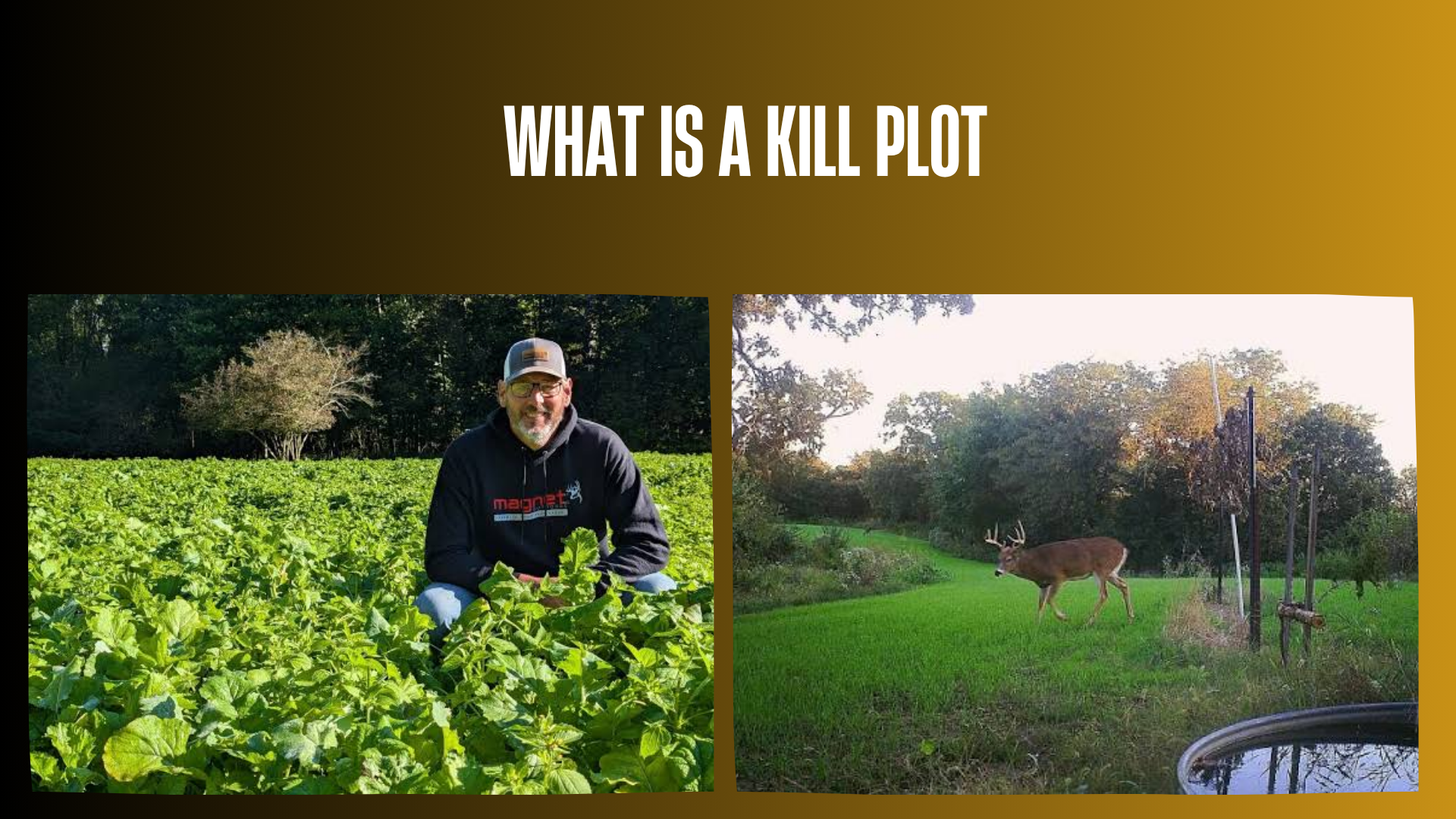

A kill plot is a food plot planted primarily to create a deer hunting opportunity. Hunters also call it a hunting plot, shooting plot, or harvest plot. The term usually describes a relatively small planted area where a hunter hopes to observe deer and, when conditions allow, make a safe, legal, humane harvest.
The name can sound more complicated than the idea. What distinguishes a kill plot is its purpose: the planting is planned around hunting access and potential opportunities, alongside its value as a food source.
Quick Answer
A kill plot is a planted wildlife food plot managed mainly for hunting, most often for white-tailed deer. It is commonly smaller than a plot intended primarily to produce substantial amounts of supplemental forage, although there is no universal size requirement. Its usefulness depends on the location, growing conditions, deer activity, and whether someone can hunt there safely and legally. The term does not guarantee a harvest or establish whether the planting is legal under local baiting and feeding rules.
What Does “Kill Plot” Mean in Deer Hunting?
In hunting conversation, “kill plot” describes the intended use of a planting. A hunter might establish one near an existing woodland opening or incorporate a hunting area into a broader property management plan.
The desired result is an opportunity to identify a legal animal and make a responsible decision about whether to shoot. Simply attracting deer is only part of that objective. Deer might use the plot when hunting is closed, remain outside the hunter’s demonstrated effective range, or stand where there is no safe shot.
A planted area can grow well and attract deer without becoming a useful hunting location. That distinction helps beginners avoid judging a plot only by its appearance or the number of trail-camera photographs it produces.
Is a Kill Plot a Special Type of Seed?
No. The general term describes a plot’s purpose, rather than a particular crop or seed mixture. A product may use similar wording on its packaging, but planting that product does not automatically create a suitable hunting location.
Is It a Trap?
No. In ordinary deer hunting usage, a kill plot is a planted food source. It does not mean a device that captures or restrains animals. Hunting and trapping are separate activities with their own regulations.
Kill Plot vs. Food Plot vs. Feeding Plot
A kill plot is a type of food plot. The comparison is therefore between different management goals, rather than entirely different things.
| Term | Main Meaning | Primary Planning Question |
|---|---|---|
| Food plot | A planted area intended to provide food for wildlife. | What should this planting accomplish? |
| Kill plot or hunting plot | A food plot managed mainly to create hunting opportunities. | Can it provide a safe, legal opportunity during hunting hours? |
| Feeding or nutrition plot | A food plot managed mainly to supply supplemental forage. | How much useful food will it provide, and when? |
| Bait site | A location where attractants are placed; its legal definition depends on the jurisdiction. | Do the applicable rules permit the material, placement, and hunting activity? |
These purposes can overlap. A hunting plot still supplies food, and a larger feeding plot may also offer hunting opportunities. Calling a location a “nutrition plot” does not change the legal classification of what someone places there.
How Big Is a Kill Plot?
There is no fixed acreage that makes a planting a kill plot. Hunters commonly use the term for compact plots, but the label alone tells you little about the actual dimensions.
For a beginner, a more useful question is: Does this site fit the intended use? Consider whether the planting can be maintained, whether the hunting position has safe directions of fire, and whether access crosses another person’s property.
Do not assume that every animal in a small plot will be within your effective range. Likewise, being able to see across a larger field does not mean you can responsibly shoot across it.
Does the Shape Matter?
Shape matters only insofar as it affects the practical use of the site. A rectangle, irregular clearing, or narrow planting can each present different visibility and access issues.
A particular outline does not guarantee that deer will enter at a chosen point or stop in a convenient position. Evaluate the actual terrain and possible shot directions before adopting a layout from a diagram or video.
What Should You Consider Before Planting One?
Permission and Property Boundaries
Confirm that you have permission both to alter the land and to hunt it. A hunting lease may not authorize planting, clearing vegetation, installing equipment, or changing access routes.
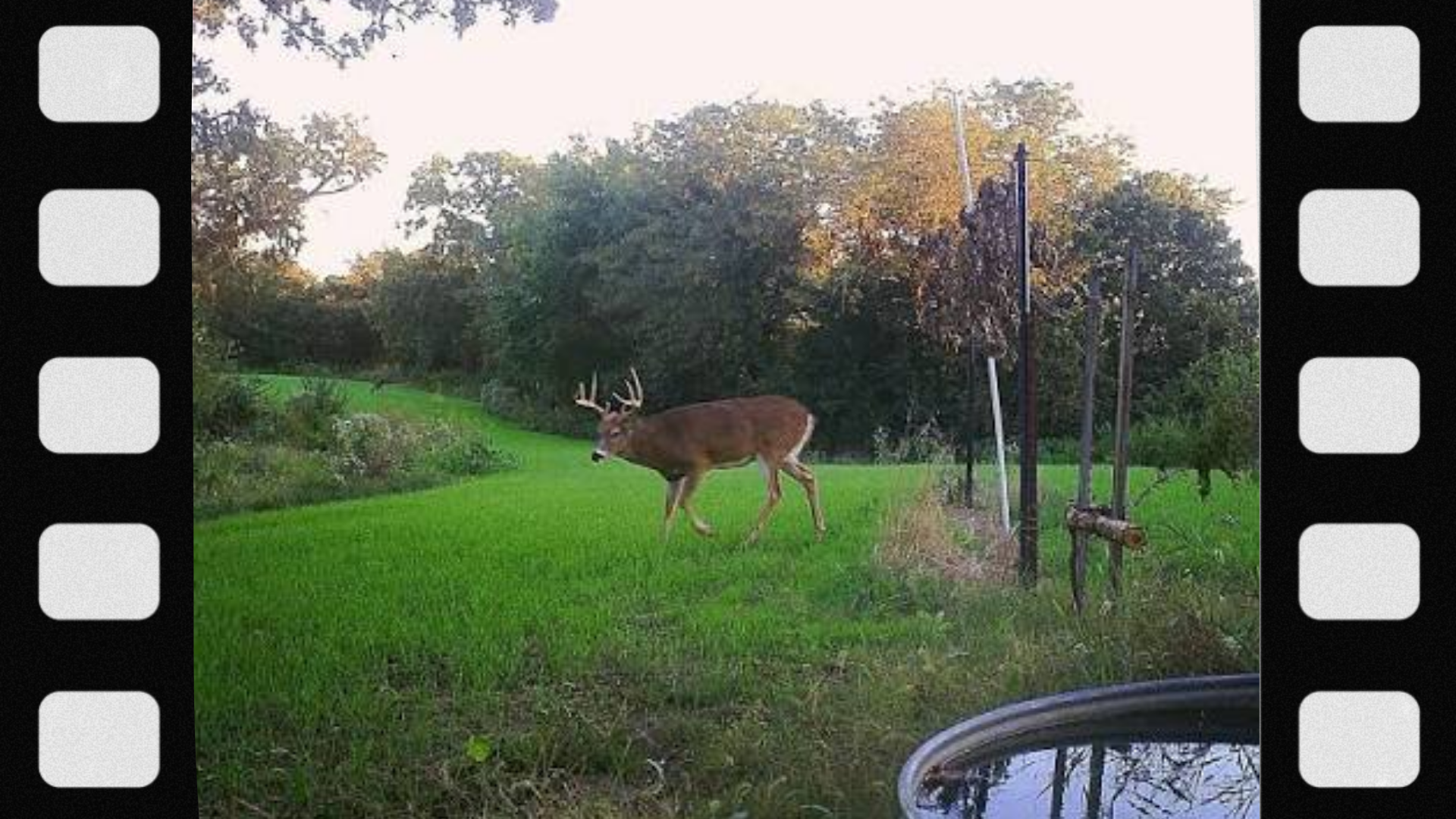
Map boundaries before choosing a location. Also consider how you would legally recover an animal if it crossed onto neighboring land. Hunting permission on one parcel should never be treated as permission to enter another.
Growing Conditions
Before buying seed, assess sunlight, drainage, soil conditions, and equipment access. Choose locally suitable forage and use a soil test to guide amendments. Clover, cereal grains, and brassicas are among the crops used in deer food plots, but none is a universal solution. University of Missouri Extension explains these considerations in its guide to deer food plots.
For a site-specific planting plan, give your local extension office the location, intended planting season, soil-test results, and approximate plot area. Ask for suitable species, planting dates, seeding depths, and rates for your planting method.
Safe Hunting Access
Evaluate the route to and from the proposed hunting position. Can you travel it safely in darkness? Are there fences, steep slopes, shared trails, or areas used by livestock?
Think about hunting partners and other property users, too. Everyone needs to know where hunters will be positioned and which directions are unsafe for shooting.
Habitat Value
A food plot should complement the surrounding habitat. University of Missouri Extension emphasizes that planted forage does not replace native vegetation management. Before converting an existing opening, consider whether improving the habitat already present would better serve the property’s goals. Its food plot guidance treats planting as one part of deer management.
How to Plan a Beginner Kill Plot
- Write down the objective. Decide whether you mainly want hunting opportunities, wildlife viewing, supplemental forage, or a combination.
- Check the rules. Verify planting permission, hunting access, baiting and feeding restrictions, and any property-specific conditions.
- Evaluate the hunting location. Identify unsafe directions, neighboring land, roads, buildings, and shared access routes.
- Get local planting guidance. Use your site information and soil test to develop a realistic plan.
- Set a maintenance budget. Include your time and access needs, as well as seed and any recommended amendments.
- Keep observations. Record establishment, wildlife use, and whether visits occur during legal hunting hours.
- Review the outcome. Decide what worked before enlarging the plot or buying a different seed mix.
For example, imagine a landowner considering two existing openings. One is convenient for planting but faces a frequently used trail. The other requires more walking but offers a location where safe hunting directions can be established. Convenience alone should not determine which site becomes the hunting plot.
This example illustrates a planning decision, not a prediction that either opening will attract deer.
Does a Kill Plot Guarantee Deer Activity?
No. The name expresses the hunter’s goal. It does not establish how deer will respond.
Separate what you observed from what you inferred:
- Observation: A camera recorded a deer at a particular time.
- Limited conclusion: That deer used that location on that occasion.
- Unsupported assumption: The deer will return during tomorrow’s legal shooting hours.
The same distinction applies to tracks. Tracks establish that an animal passed through, but their presence alone does not establish a dependable hunting schedule.
Keep notes on dates and conditions when assessing a plot. Avoid drawing broad conclusions from one successful hunt, one photograph, or one quiet evening.
What If Deer Visit Only After Dark?
Nighttime use shows that the site receives visits. It does not make those visits legal hunting opportunities.
Continue evaluating the location within the applicable rules. Do not extend hunting beyond legal hours or assume that adding an attractant is a lawful remedy. A plot can remain useful as forage even when it provides little hunting opportunity.
Are Kill Plots Legal?
There is no nationwide legal answer based on the name alone. You need to check the rules for the species, location, land ownership, and activity involved.
A planted crop, scattered grain, a feeder, and a mineral product should not be assumed to receive identical treatment. Ask the relevant wildlife agency how its rules apply to the exact arrangement you intend to use.
Why Local Rules Matter
As a specific example, Texas’s 2026–2027 hunting regulations permit baiting for certain animals and birds but identify species exceptions and state that baiting is unlawful on most public property. That example demonstrates why broad statements about hunting over food are unreliable. It is not authorization for another state or property. See the Texas hunting means and methods rules, checked September 20, 2026.
What Should You Verify?
- Whether planting or modifying the site is permitted.
- Whether hunting over the intended planting is lawful for the target species.
- How bait, feed, minerals, and attractants are defined.
- Whether disease-management restrictions or emergency orders apply.
- Whether mowing, harvesting, or otherwise manipulating the crop affects legality.
- Which licenses, tags, hunter education credentials, and access permits are required.
- Applicable seasons, shooting hours, equipment rules, and harvest limits.
Do not apply a deer hunting answer automatically to turkey, dove, or waterfowl hunting. Likewise, a planting allowed on private property is not automatically allowed on public land.
When contacting an agency, describe the proposed activity precisely. “May I hunt deer over a standing crop planted on this parcel?” is more useful than asking only whether “kill plots” are allowed.
Safety and Ethical Hunting Around a Plot
An open planting can make an animal easier to see, but visibility alone does not establish a safe shot. Check the foreground, the animal’s surroundings, and what lies beyond it.
Follow the four fundamental firearm safety principles:
- Treat every firearm as loaded.
- Keep the muzzle pointed in a safe direction.
- Keep your finger outside the trigger guard until ready to shoot.
- Identify your target and know what is beyond it.
Never use a rifle scope to investigate unidentified movement. Use binoculars, and pass on any shot when identification or the background is uncertain. These principles are covered in Texas Parks and Wildlife’s hunting safety guidance.
Take only shots within your demonstrated ability under the actual conditions. A deer entering the plot does not create an obligation to shoot. Plan for lawful recovery and prompt meat care before hunting, and follow the applicable tagging and reporting requirements.
If You Use a Tree Stand
Inspect the stand and climbing equipment, follow manufacturer instructions and weight limits, and use an appropriate full-body fall-arrest system with a compatible lifeline or attachment system throughout climbing and hunting. Maintain three points of contact while climbing. Haul unloaded equipment separately, and never climb with a loaded firearm. Review official elevated-stand safety guidance before use.
Common Kill Plot Mistakes
| Mistake | Why It Causes Problems | Better Approach |
|---|---|---|
| Choosing the seed before evaluating the site | The planting plan may not fit the location. | Start with site conditions and local guidance. |
| Assuming a small plot makes every shot easy | Distance, visibility, and background still matter. | Evaluate each opportunity individually. |
| Treating photographs as a schedule | A recorded visit does not promise a future one. | Build observations over time. |
| Adding feed without checking regulations | The addition may change the legal situation. | Confirm the rules before placing anything. |
| Ignoring the route out | A location may be difficult or unsafe to leave after dark. | Plan both arrival and departure. |
| Measuring success only by a harvest | That overlooks establishment, maintenance, and learning. | Evaluate each objective separately. |
What If the Plot Does Not Perform as Expected?
First identify which result disappointed you. Poor plant growth, limited wildlife use, and a lack of legal hunting opportunities are different problems.
For poor growth, document the planting date, seed used, weather, and visible symptoms before asking an extension specialist for help. A protected comparison area, often called an exclusion cage, can help distinguish plant growth from browsing effects; University of Missouri Extension describes this monitoring method.
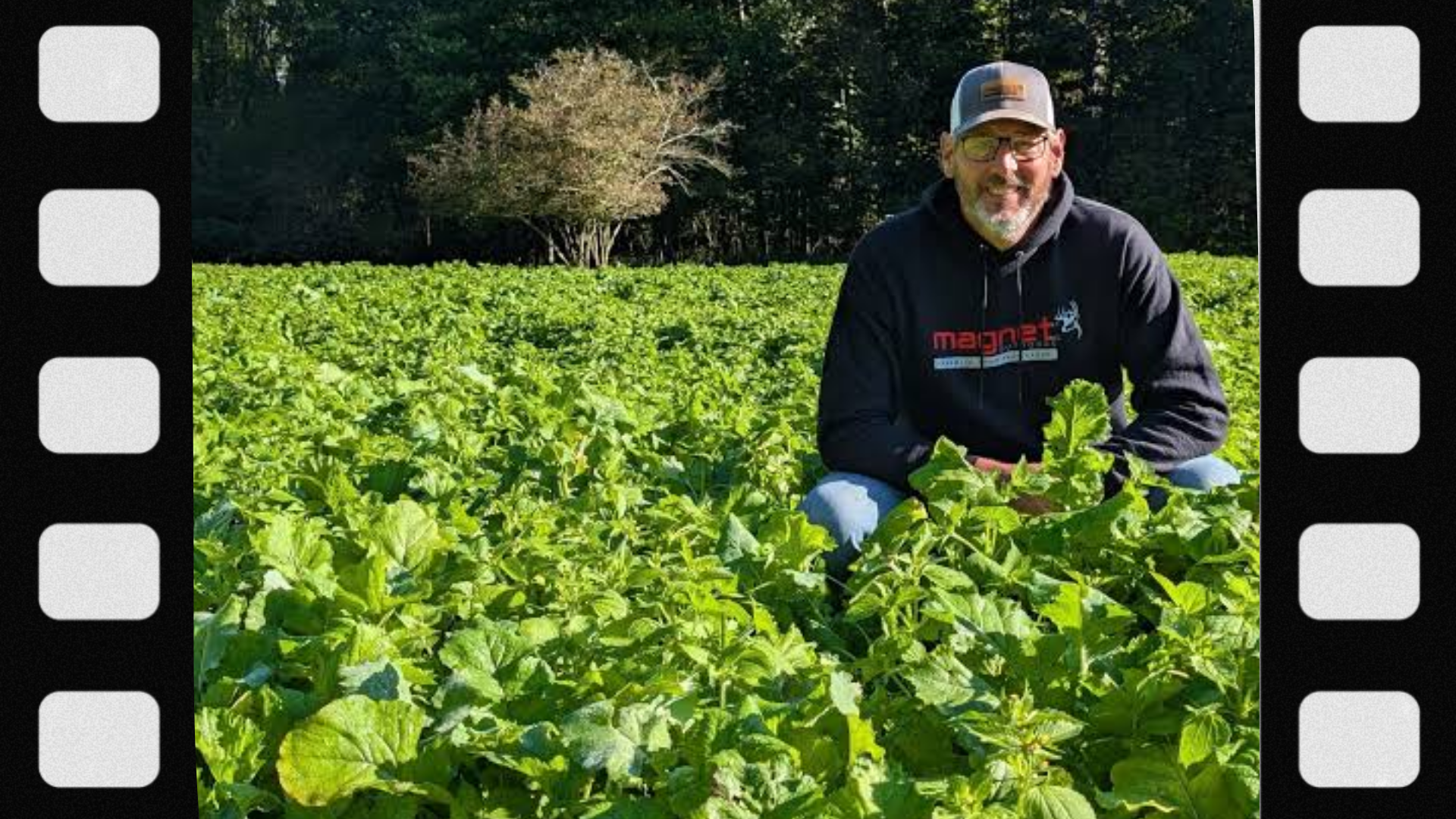
For hunting performance, review your observations without assuming the seed is responsible. Ask whether deer were actually present during legal hours and whether the site allowed a safe opportunity. Buying another mixture cannot resolve an unsafe background or missing access permission.
Frequently Asked Questions
1. Why do hunters call it a kill plot?
The name refers to the intended harvest opportunity. It is informal hunting terminology, rather than a promise of success.
2. Is “harvest plot” another name for a kill plot?
Yes. Hunters often use harvest plot, hunting plot, and shooting plot for similar plantings, although individual usage varies.
3. Is every food plot a kill plot?
No. Some food plots are managed primarily for supplemental forage or wildlife viewing, with hunting as a secondary consideration or no objective at all.
4. Can one plot serve feeding and hunting purposes?
Yes. Those objectives can overlap. Decide which takes priority when making choices about access, maintenance, and use.
5. Does a kill plot need to be a particular size?
No universal acreage defines the term. Suitability depends on the property and intended use.
6. Is a kill plot only for bowhunting?
No. The term is also used for firearm hunting locations. Any equipment must be lawful for the season and location.
7. Does it require a tree stand?
No. A tree stand is optional. Choose a lawful hunting position based on safety, visibility, access, and your abilities.
8. Can beginners manage a kill plot?
Yes, with permission, a realistic plan, and appropriate local advice. Begin with a manageable project and record what you learn.
9. What is the best seed for a kill plot?
There is no single best seed everywhere. Ask your local extension office to match the planting to your site and intended season.
10. When should you plant one?
Follow locally appropriate planting windows for the chosen crop. A calendar copied from another region may not suit your location.
11. Should you test the soil first?
Yes. A soil test provides a basis for crop-specific amendment recommendations instead of guessing.
12. Do you need a tractor?
Not necessarily. Ask which planting methods suit your site before deciding what equipment to buy or hire.
13. Is an expensive seed mixture necessary?
No particular price or branding makes a plot effective. Evaluate the actual seed contents and whether they fit the planting plan.
14. Can you create one on leased land?
Only with the necessary authorization. Review the lease and obtain permission for planting and any associated alterations.
15. Can you plant one on public land?
Do not assume so. Obtain explicit authorization from the managing agency before planting, clearing, or altering public land.
16. Is a food plot legally the same as bait?
That depends on the applicable definitions and what is done at the site. Verify the exact arrangement with the wildlife agency.
17. Can you add corn or minerals?
Check the rules first. A planting does not automatically authorize additional feed, minerals, or attractants.
18. Do nighttime pictures mean the plot is successful?
They demonstrate use at those recorded times. Whether that meets your objective depends on whether you intended forage, observation, or legal hunting opportunities.
19. Can a kill plot guarantee a mature buck?
No. Neither the plot’s name nor a seed product can guarantee a particular animal or harvest.
20. Do normal licenses and tags still apply?
Yes. Hunting over a plot does not itself create an exemption. Verify the credentials and harvest authorization required for your hunt.
Final Answer
A kill plot is a food plot managed mainly to create a deer hunting opportunity. It is commonly compact, but purpose matters more than a particular acreage or seed mixture. Plan around permission, site conditions, safe access, and applicable regulations, and judge the results through actual observations. A productive planting can support your hunting plans without guaranteeing a harvest.
Read more: