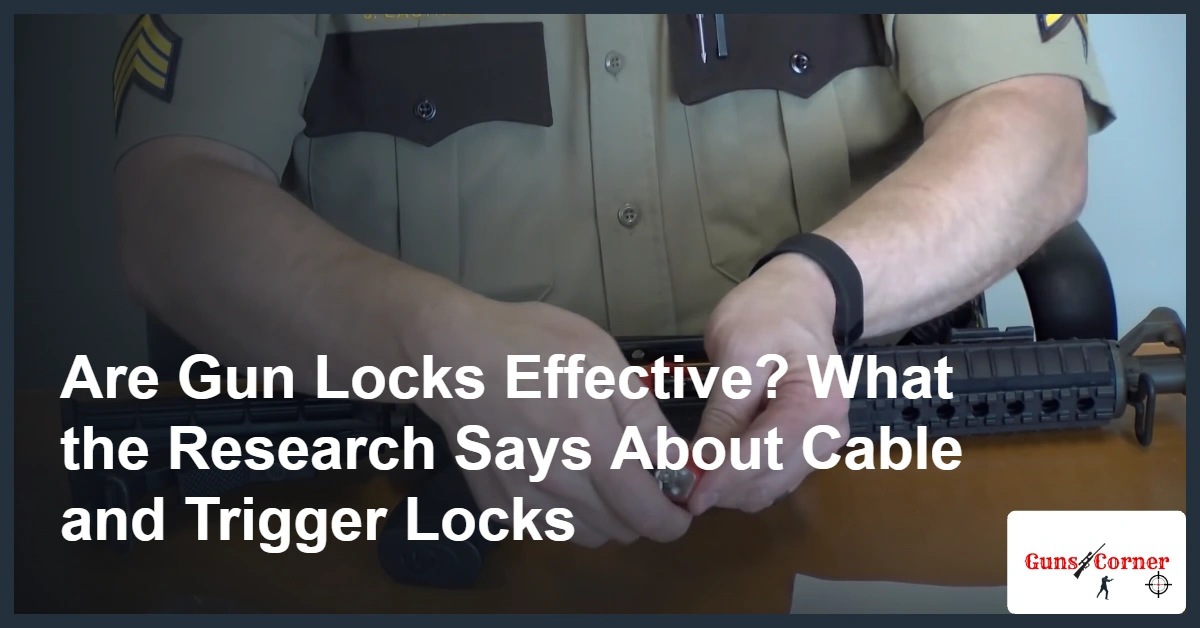

Are gun locks effective? Yes, but only against certain risks. A correctly installed cable or trigger lock on an unloaded firearm reliably stops a curious young child and slows down impulsive or unauthorized use. It does not stop a determined teen or adult with basic tools, and it does nothing to prevent theft. Think of a gun lock as one useful layer in a storage plan, not the whole plan.
What “Effective” Actually Means for a Gun Lock
Most arguments about whether gun locks work happen because people are measuring against different threats. A lock that is excellent at one job can be nearly useless at another, so it helps to separate the risks before judging the device.
- Young children exploring the house: A small child who finds a locked, unloaded gun cannot easily operate it. This is where basic locks perform best.
- Older children, teens, and visiting adults: The University of Michigan Institute for Firearm Injury Prevention notes that cable and trigger locks can generally be dismantled relatively easily, which reduces their effectiveness against older children and adults (IFIP Secure Storage Methods).
- Impulsive use during a crisis: Johns Hopkins researchers explain that even a few seconds of delay can give a person time to reconsider or give someone else time to intervene (Johns Hopkins Bloomberg School of Public Health).
- Theft: A lock attached to a gun travels with the gun. A burglar simply takes both and removes the lock later.
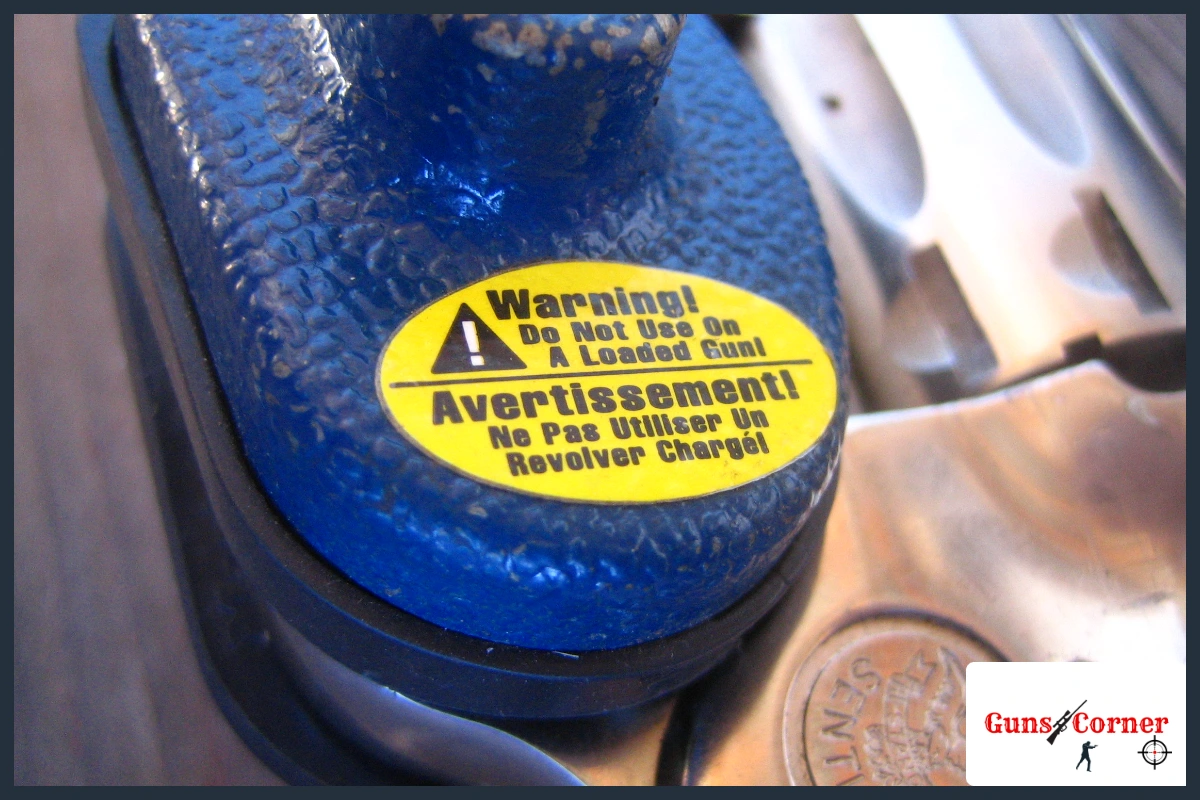
- Accidental discharge during handling: Locks only help if the gun is unloaded first. Fitting a trigger lock to a loaded gun is itself a known source of unintentional discharges.
So the honest answer depends on the question you are really asking. If it is “will this keep my 6-year-old from firing my deer rifle?” the answer is usually yes. If it is “will this protect my guns while I am away at elk camp?” the answer is no.
How the Main Types of Gun Locks Work
“Gun lock” covers several very different devices. Here is how the common options compare, using price ranges published by the University of Michigan’s injury prevention institute.
| Device | What it blocks | Typical price range | Main weakness |
|---|---|---|---|
| Cable lock | Runs through the action, barrel, or magazine well so the gun cannot be loaded or cycled | $10 to $50 | Can be cut; easy to install incorrectly |
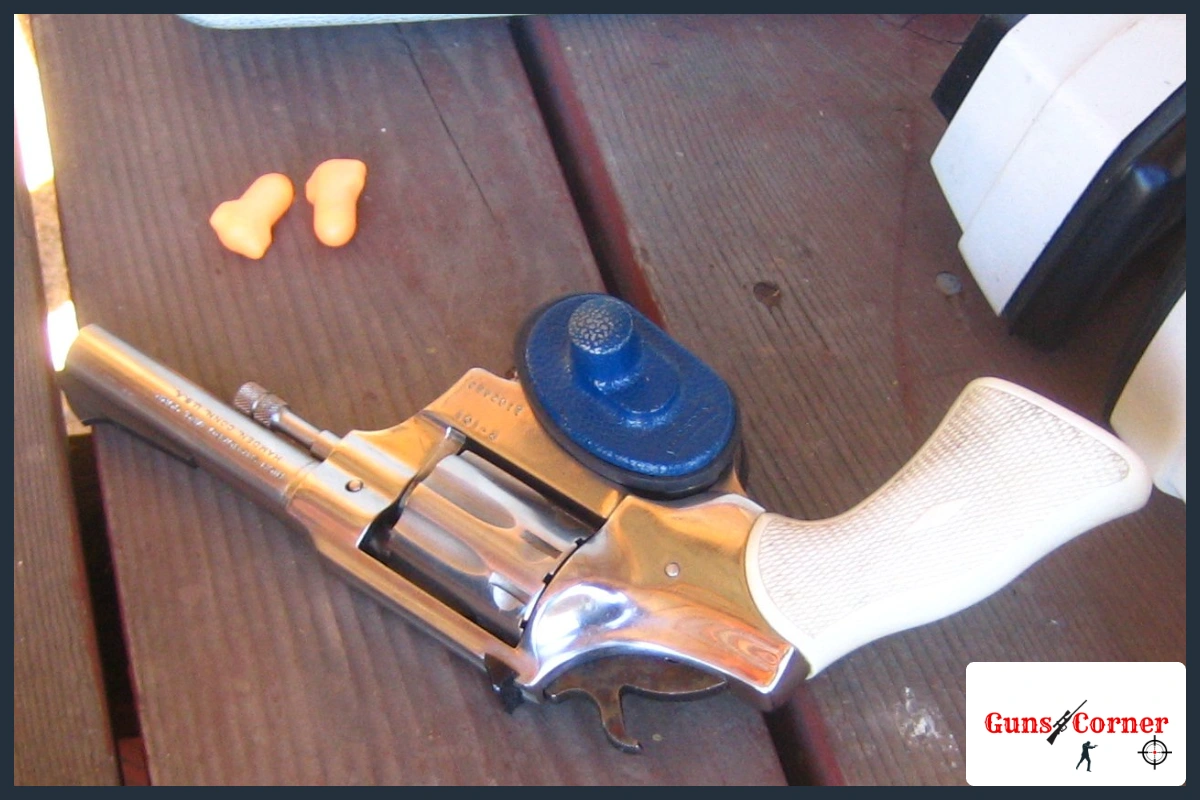
| Trigger lock | Covers the trigger so it cannot be pulled | $10 to $75 | Gun can still be loaded; dangerous if fitted to a loaded firearm |
| Lock box or locking case | Prevents access to the whole gun | $25 to $300 | Small boxes can be carried away |
| Gun safe or cabinet | Prevents access to multiple guns and resists theft | $100 to $2,000+ | Cost, size, and weight |
Cable Locks
A cable lock is a steel cable with a padlock-style head. On most firearms, the cable is routed through the ejection port and out of the magazine well, which keeps the action open and blocks a round from being chambered. Many new guns ship with one, and health systems and community programs give them away for free. Because the action is blocked, a properly installed cable lock also prevents the gun from being loaded, which is a real advantage over a trigger lock.
Trigger Locks
A trigger lock is a two-piece clamp that closes around the trigger guard. It is quick to fit and works on many guns. The catch is that it leaves the action untouched. Johns Hopkins researchers point out that trigger locks still allow a gun to be loaded, and that applying one to an already loaded gun has caused people to unintentionally discharge the firearm. Always unload and visually verify an empty chamber before fitting any trigger lock.
Chamber and Magazine-Well Locks
Some locks plug directly into the chamber or the magazine well. They can be effective at keeping a firearm from being loaded, but they must match the specific gun and caliber. Follow the firearm and lock manufacturer’s instructions for fit.
Are Gun Locks Effective? What the Evidence Shows
There is no large controlled trial that tests cable locks against trigger locks head to head. What exists is a body of public health research on secure storage in general, plus a few studies on how people actually use locks. Here is what that evidence supports.
Locked, Unloaded Storage Is Linked to Fewer Injuries
A systematic review published through the National Institutes of Health summarizes studies showing that when a firearm is stored securely, meaning locked, unloaded, and separate from ammunition, the risk of firearm suicide and other firearm injuries may be reduced . An Everytown research summary of a household study reports that homes that locked both firearms and ammunition were associated with a 78 percent lower risk of self-inflicted firearm injuries and an 85 percent lower risk of unintentional firearm injuries among children, compared with homes that locked neither (Everytown Research). Note that these findings describe locking in general, not cable or trigger locks specifically.
Giving People Locks Changes Behavior
The same NIH review found that programs distributing firearm locking devices increase secure storage among the people who receive them. That matters because, according to survey data cited in the review, only an estimated 36 percent of U.S. firearm owners store all of their firearms locked. Free cable locks are one of the cheapest ways to move that number.
Laws That Require Secure Storage Are Associated With Lower Youth Suicide
Johns Hopkins researchers report that where child access prevention laws require safe and secure storage, rates of youth and adolescent suicide are lower. They also note that most children know where a gun in the home is kept, which is why “hidden up high” is not a substitute for a lock.
Where Gun Locks Fall Short
Gun locks earn their reputation as a weak link for a few concrete reasons. None of them mean you should skip a lock, but each one changes how you should use it.
- They can be defeated with common tools. Johns Hopkins notes a cable lock can be cut with everyday tools, and the Michigan institute says both cable and trigger locks can generally be dismantled relatively easily.
- They do not prevent theft. Everytown’s storage guidance states plainly that firearm locks do not prevent gun theft. Guns stolen from homes and vehicles feed the illegal market.
- They can create false confidence. Johns Hopkins researchers warn that locks alone generally do not meet best practice for safe and secure storage and can create a false sense of security.
- Keys and combinations get compromised. A lock is only as strong as wherever its key lives. A key on the same shelf as the gun turns the lock into decoration.
- Many owners do not like them. The NIH review found studies suggesting U.S. firearm owners lean toward larger devices such as lockboxes and safes, and that speed of access matters a great deal to owners who keep a gun for home defense.
The Cable Lock Installation Problem Most Owners Miss
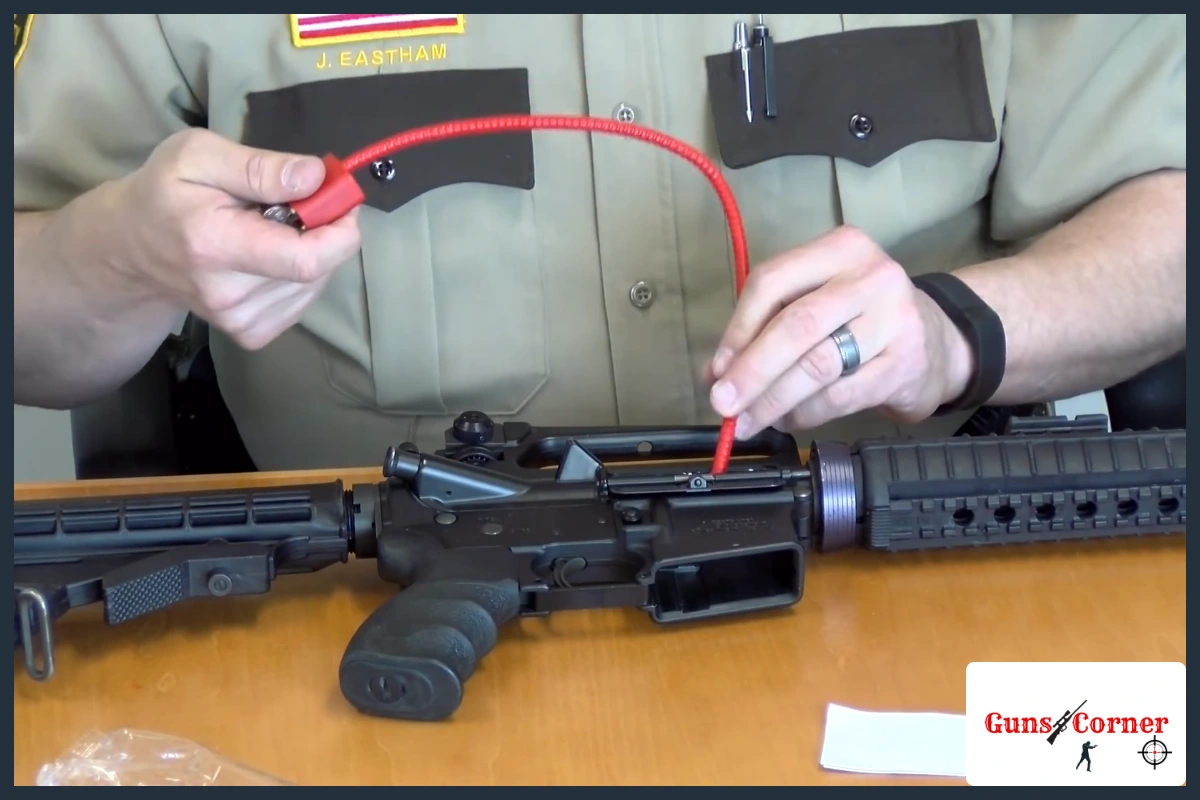
A cable lock that is routed the wrong way can leave a firearm operable. A Rutgers Health–led study published in JAMA Network Open examined responses from 3,462 U.S. residents who were shown photos of cable locks installed correctly and incorrectly on a pistol, revolver, rifle, and shotgun (Rutgers University).
- People were much better at spotting a wrong installation than recognizing a right one. For a rifle, 98.3 percent of firearm owners identified incorrect installation, but only 62.7 percent identified correct installation.
- On a pistol, 67 percent of firearm owners recognized a correct installation, compared with 28.5 percent of people who do not own firearms.
- Revolvers were the hardest for everyone to judge.
The practical takeaway: read the instructions that came with your lock and your firearm, and confirm that the cable passes through the action so a round cannot be chambered. On most semi-automatic firearms that means through the ejection port and out of the magazine well with the magazine removed. If a family member who does not shoot will be handling locks, show them in person rather than handing them the package.
Trigger Lock vs Cable Lock vs Lock Box: Which Is More Effective?
There is no single winner. The right choice depends on who you are protecting against and how quickly you need access.
| Situation | Better choice | Why |
|---|---|---|
| Young children in the home, gun not needed quickly | Cable lock plus locked storage | Blocks loading and firing; storage adds a second barrier |
| Teens or adults who should not have access | Lock box or safe, ammo stored separately | Basic locks can be removed with tools |
| Home-defense handgun | Quick-access lock box or small safe | Johns Hopkins notes a quality quick-access safe can cost about $50 and opens in seconds |
| Hunting rifles in the off-season | Safe or locked cabinet, with cable locks as backup | Long storage periods favor theft resistance |
| Guns in a vehicle or at camp | Lockable case secured to the vehicle, plus a lock on the gun | A lock on the gun alone does not stop someone carrying it off |
For most hunters, the most realistic setup is a cable lock on each unloaded long gun, stored inside a locked safe or cabinet, with ammunition locked somewhere else. The cable lock covers the moments the safe is open; the safe covers theft and older family members.
How to Make a Gun Lock More Effective
- Unload first, every time. Remove the magazine, clear the chamber, and visually and physically confirm the firearm is empty before fitting any lock.
- Use the right lock for the gun. Check that the cable diameter, trigger lock size, or chamber plug matches your specific firearm.
- Install it correctly. Route cable locks through the action so the gun cannot be loaded, and test that the action cannot close.
- Control the key or code. Keep keys on your person or in a separate locked location. Change combinations if they may have been seen.
- Store ammunition separately and locked. Experts quoted by Everytown and Johns Hopkins describe unload, lock, and separate as the standard.
- Add a container. Pair the lock with a lock box, cabinet, or safe whenever older children, teens, or visitors are around.
- Consider removing a key part. The Michigan institute describes disassembly, with key components stored apart, as the most secure way to reduce injury risk.
When a Gun Lock Is Not Enough
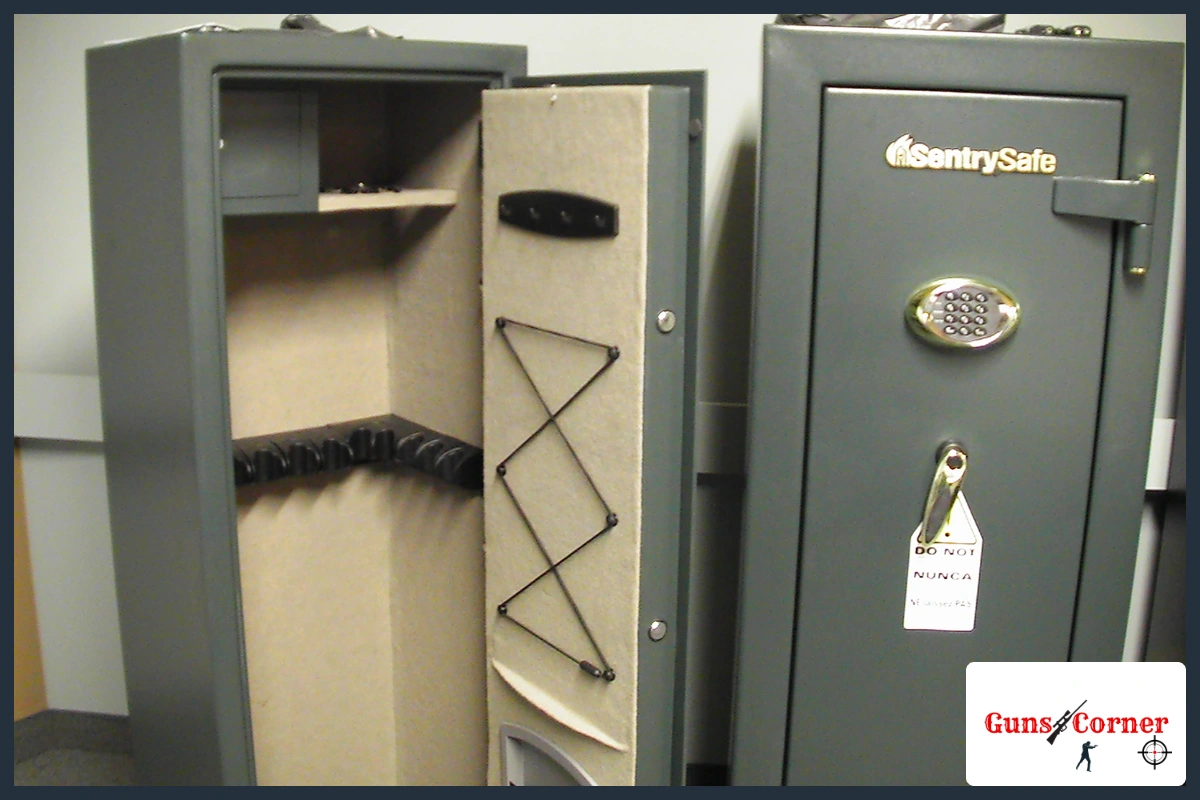
Some situations call for more than a lock on the gun:
- Someone in the home is in crisis. Temporary out-of-home storage with a gun shop, range, or law enforcement agency can be the safest option. Johns Hopkins notes such programs exist in several states. If you or someone you know is struggling, call or text 988 to reach the Suicide and Crisis Lifeline.
- Teens know where guns and keys are kept. Move to a safe with a combination or biometric lock they do not have access to.
- Guns are left in a vehicle or at a remote camp. Use a lockable case or vehicle safe secured to the structure, not just a lock on the gun.
- Local law sets a specific storage standard. Storage requirements vary by state and city. Check your state’s statutes or your state wildlife or hunter education agency for current rules.
Frequently Asked Questions
Can a gun lock be removed without the key?
Yes. Both cable and trigger locks can be cut or dismantled by a determined person with ordinary tools. They are best at stopping young children and quick, unplanned access, not someone with time and intent.
Are free gun locks from police departments or clinics any good?
They are typically basic cable locks. Used correctly on an unloaded firearm, they do their job against young children and casual access. The NIH review found that distributing locks increases secure storage, but the Rutgers study shows the lock only works if it is routed correctly.
Is it safe to put a trigger lock on a loaded gun?
No. Johns Hopkins researchers note that fitting trigger locks to loaded guns has caused unintentional discharges. Unload the firearm and confirm the chamber is empty first.
Does using a gun lock satisfy storage laws?
Sometimes, but it depends on where you live. Some laws accept a locking device, while others focus on a locked container or on whether a child could gain access. Read your state’s current law rather than relying on a general rule.
The Bottom Line on Whether Gun Locks Are Effective
Gun locks are effective at what they were designed to do: keep an unloaded firearm from being loaded or fired by a child or by someone acting on impulse. They are not theft protection, and they will not stop a determined teen or adult. The research points to a simple formula: unload, lock, and store ammunition separately, then add a lock box or safe when anyone other than young children could reach the gun. Install the lock correctly, control the key, and a cheap device becomes a meaningful safety layer.