
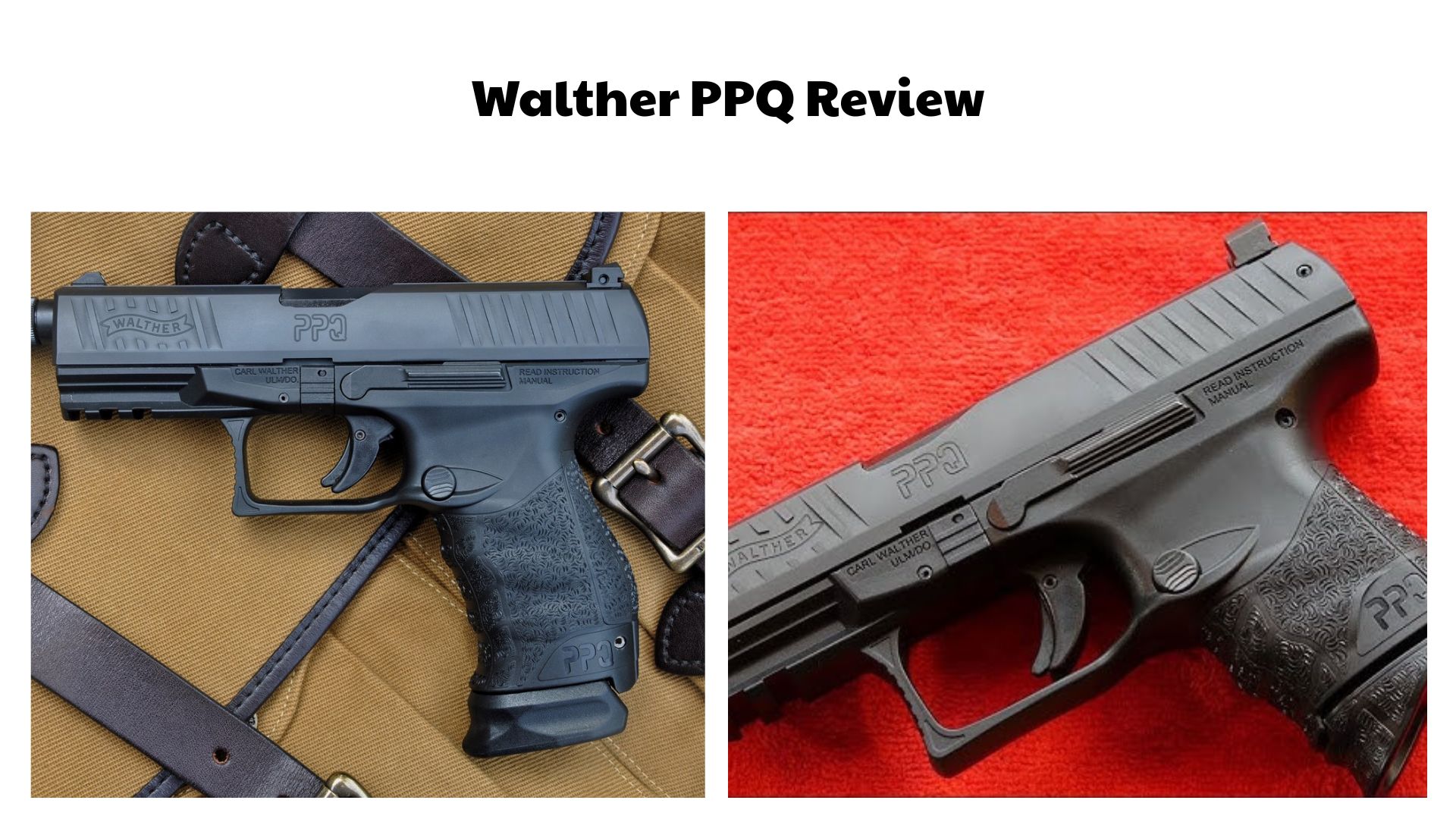

The Walther PPQ is a premium striker-fired 9mm pistol widely recognized for its exceptional trigger system, outstanding ergonomics, and highly intuitive handling characteristics. Developed by the German manufacturer Walther, the PPQ quickly established itself as one of the most refined polymer-frame handguns in the modern defensive pistol market.
Originally introduced as the Polizei Pistole Quick Defense (PPQ), this platform represents a major evolution of Walther’s earlier P99 design. It was engineered to improve speed, accuracy, and overall shootability for both professional and civilian users.
The PPQ is especially famous for its out-of-the-box trigger performance, often considered one of the best factory striker-fired triggers ever produced. Combined with excellent ergonomics and natural pointability, it became a top choice for concealed carriers, law enforcement users, and competition shooters.
Even today, the PPQ remains highly respected in a competitive market alongside pistols such as the Glock 19, SIG Sauer P320, and Smith & Wesson M&P series, thanks to its strong focus on accuracy, control, and shooting comfort.
What This Article Covers
- Full specifications and key features of the Walther PPQ
- Design philosophy and engineering background
- Ergonomics, grip feel, and handling characteristics
- Trigger system performance and real-world advantages
- Shooting performance, recoil control, and accuracy results
- Reliability testing and long-term durability insights
- Pros and cons of the PPQ platform
- Comparisons with Glock, SIG Sauer, and Smith & Wesson pistols
- Real-world use cases for carry, defense, and competition
Walther PPQ Overview and Background
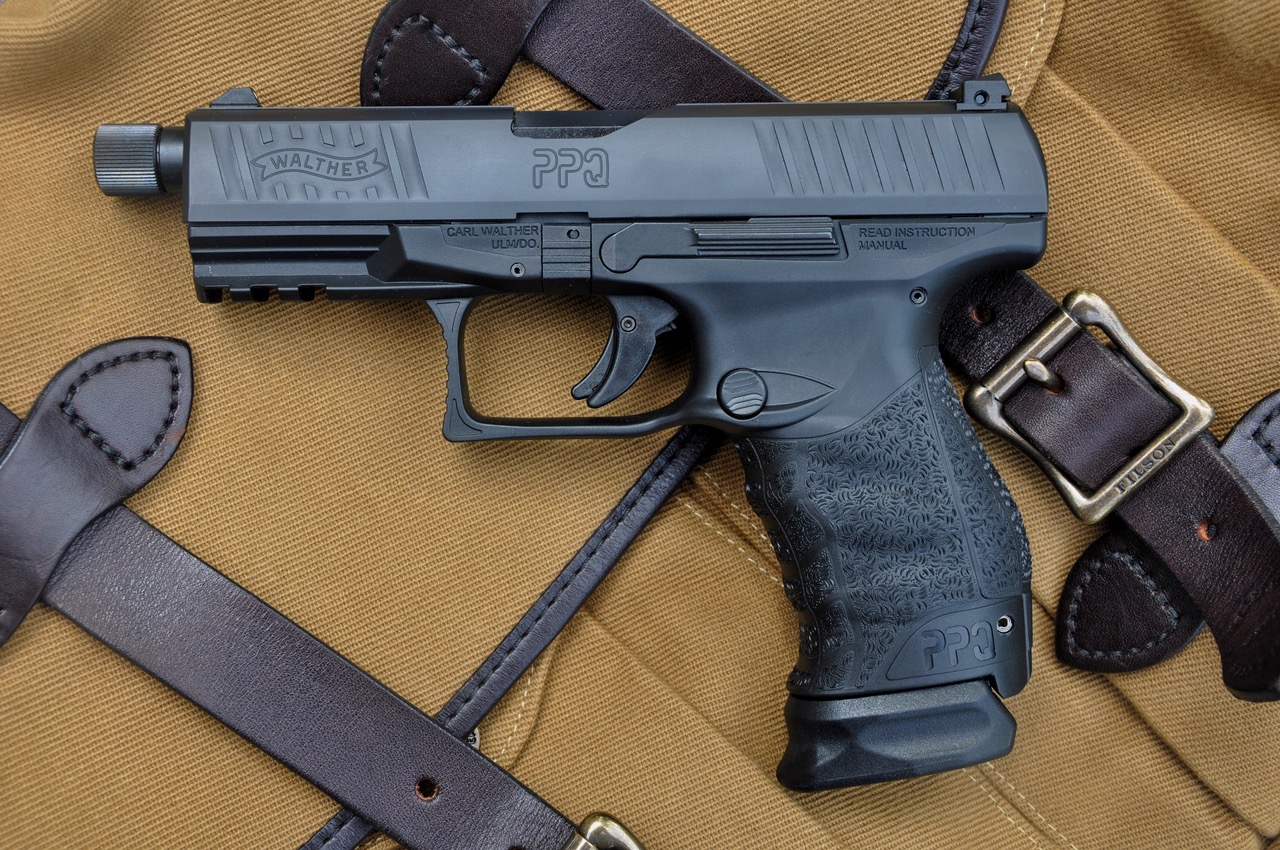
What Is the Walther PPQ?
The Walther PPQ is a striker-fired, polymer-frame 9mm pistol designed for self-defense, law enforcement, and sport shooting. It is offered in multiple configurations, including full-size, compact, and 5-inch variants.
Its defining feature is the fully pre-cocked striker system, known as the “Quick Defense” trigger, which delivers a short, crisp trigger pull and extremely fast reset for rapid follow-up shots.
Walther’s Design Philosophy
Walther designed the PPQ with a strong focus on ergonomics, natural pointability, and superior trigger performance compared to other striker-fired pistols in its class.
- Natural grip angle and intuitive handling
- High emphasis on trigger quality and consistency
- Balanced design for duty, defense, and recreational shooting
- German engineering heritage from military and police firearm development
Development and Market Position
The PPQ was introduced as an evolution of the Walther P99 platform, improving ergonomics and significantly enhancing trigger performance.
It competes directly with major striker-fired pistols such as:
- Glock 19
- SIG Sauer P320
- Smith & Wesson M&P 2.0
Despite strong competition, the PPQ is widely praised for its superior shooting feel, accuracy potential, and premium ergonomics in the mid-to-high tier pistol market.
Walther PPQ Specifications and Features
Key Specifications
The Walther PPQ is a striker-fired polymer handgun designed for defensive, duty, and sport shooting applications. It is offered in multiple configurations, allowing shooters to choose based on carry preference, competition use, or general range performance.
- Caliber: 9mm (also available in .40 S&W and .22 LR in select models)
- Barrel Length: Approximately 4.0” to 5.0” depending on variant
- Capacity: 15+1 standard (varies with magazine configuration)
- Weight: ~21–28 oz (unloaded)
- Frame: Polymer
- Slide: Steel with corrosion-resistant finish
Included Features
The PPQ is designed with modern defensive features that enhance usability, speed, and adaptability in real-world shooting scenarios.
- Fully pre-cocked striker-fired trigger system (“Quick Defense” trigger)
- Ambidextrous slide stop controls
- Interchangeable backstraps for ergonomic customization
- Standard three-dot iron sights
- Integrated accessory rail for lights and lasers
- Front and rear slide serrations for improved manipulation
Build Quality and Materials
The PPQ is widely recognized for its high manufacturing quality and consistent performance standards. Produced by Walther, the pistol reflects German engineering precision with a strong focus on durability and tight tolerances.
- High-strength polymer frame for reduced weight and durability
- Steel slide with protective corrosion-resistant coating
- Precision-machined internal components for consistent cycling
- Reputation for excellent fit and finish within its class
Ergonomics and Design
Grip and Handling
One of the standout features of the Walther PPQ is its ergonomic grip design, often considered among the best in the striker-fired pistol category.
- Natural point-of-aim geometry for instinctive shooting
- Highly aggressive grip texturing for recoil control
- Interchangeable backstraps for different hand sizes
- Comfortable grip angle that promotes consistent shooting posture
Controls and Layout
The PPQ is designed to be intuitive and user-friendly, making it suitable for both new shooters and experienced professionals.
- Ambidextrous slide stop for left- and right-handed users
- Reversible magazine release (especially on M2 models)
- Simple manual of arms with no complex external safeties
- Clear and predictable control layout under stress
Size and Carry Comfort
The PPQ is available in multiple sizes, offering flexibility depending on use case—from concealed carry to range and duty applications.
- Full-size models optimized for duty and range performance
- Compact versions better suited for concealed carry
- Balanced weight distribution improves recoil control
- Slightly larger footprint compared to ultra-compact pistols
Trigger Performance
“Quick Defense” Trigger System
The Walther PPQ is best known for its advanced “Quick Defense” trigger system, which sets it apart from most striker-fired pistols in its class. This system uses a fully pre-cocked striker mechanism designed to deliver a short, consistent, and highly predictable trigger press.
- Fully pre-cocked striker system for consistent ignition
- Short trigger travel distance of approximately 0.4 inches
- Extremely short reset of around 0.1 inches
This combination allows shooters to fire rapidly while maintaining precise control over each shot, especially during defensive or competition-style shooting scenarios.
Trigger Feel and Performance
The PPQ’s trigger is widely regarded as one of the best factory-installed striker triggers available on a production handgun. It delivers a smooth, consistent pull with a clean break and minimal stacking.
- Light and crisp break averaging around 5–6 lbs
- Exceptionally short reset for rapid follow-up shots
- Consistent feel shot-to-shot with minimal variation
Many shooters describe the PPQ trigger as “competition-ready out of the box,” requiring little to no aftermarket modification for performance use.
Comparison to Competitors
In the striker-fired handgun market, the PPQ trigger is frequently benchmarked against leading competitors and often ranks near the top in factory performance.
- More refined than many budget striker-fired pistols
- Smoother and faster reset than the factory trigger on a Glock 19
- Often considered superior in feel to entry-level duty pistols
While some modern platforms focus on modularity or duty ruggedness, the PPQ emphasizes shooting performance and trigger excellence as its defining advantage.
Shooting Performance
Recoil and Control
The Walther PPQ delivers a well-balanced shooting experience with moderate recoil in 9mm configurations. Its ergonomic grip design and balanced frame geometry help reduce perceived muzzle flip during rapid fire.
- Moderate recoil impulse typical of a 9mm polymer pistol
- Ergonomic grip reduces muzzle rise and improves control
- Balanced design supports fast and accurate follow-up shots
- Softer shooting feel compared to many polymer-frame competitors
Accuracy Performance
The PPQ is known for excellent inherent accuracy, largely due to its high-quality barrel, consistent lockup, and outstanding trigger system.
- Strong accuracy at typical defensive distances (7–15 yards)
- Reliable precision out to 25 yards and beyond with training
- Consistent grouping supported by tight manufacturing tolerances
- Suitable for both defensive shooting and competition use
Range Impressions
On the range, the PPQ is widely praised for its smooth shooting characteristics and overall enjoyment factor. It is often described as one of the most “fun to shoot” striker-fired pistols available.
- Highly enjoyable and smooth shooting experience
- Fast and effortless follow-up shot capability
- Flat-shooting behavior during controlled fire sequences
- Popular among recreational shooters and training enthusiasts
Reliability and Durability
Real-World Reliability
The Walther PPQ has built a strong reputation for reliability in both civilian and professional use. Across most reviews and long-term user experiences, it performs consistently well when properly maintained and paired with quality ammunition.
- Generally strong reliability reputation across PPQ variants
- Minor issues typically appear during early break-in periods
- Performance improves after initial rounds and proper lubrication
- Proven usability in both range and defensive environments
Ammunition Compatibility
The PPQ is designed to function with a wide range of 9mm ammunition types, making it suitable for both training and defensive applications. However, like many striker-fired pistols, it performs best with quality, full-power loads.
- Reliable operation with standard FMJ 9mm training ammunition
- Compatible with most modern hollow-point defensive loads
- Occasional sensitivity to low-quality or underpowered ammunition
- Improved consistency when properly lubricated and maintained
Long-Term Durability
Designed with German engineering standards, the PPQ emphasizes durability and long service life. Its combination of polymer frame construction and steel slide components ensures resistance to wear under high round-count usage.
- Reinforced polymer frame designed for long-term use
- Steel slide with corrosion-resistant finish for environmental protection
- Strong performance in extended high-round-count testing
- Widely regarded as suitable for long-term defensive carry use
Walther PPQ Variants
PPQ M1 vs M2 Differences
The PPQ platform is offered in multiple variants, with the most notable distinction being between the M1 and M2 models.
- PPQ M1: Features a paddle-style magazine release system located on the trigger guard
- PPQ M2: Uses a traditional American-style push-button magazine release
- Both versions share identical trigger performance and internal mechanics
PPQ Compact and Full-Size Models
Walther offers the PPQ in multiple size configurations to accommodate different shooting needs and carry preferences.
- Compact models designed for concealed carry applications
- Full-size models provide enhanced sight radius and recoil control
- 5-inch barrel versions are often preferred for competition and range use
PPQ .22 LR Training Models
The .22 LR version of the PPQ is designed as a training-oriented platform, allowing shooters to practice fundamentals at a lower cost and reduced recoil.
- Affordable training alternative for high-volume shooting
- Reduced recoil for beginner-friendly practice
- Maintains similar ergonomics to centerfire PPQ models
Walther PPQ Pros and Cons
Advantages
- Exceptional factory trigger system
- Outstanding ergonomics and natural grip design
- High inherent accuracy potential
- Reliable performance with quality ammunition
- Ambidextrous-friendly control layout
Disadvantages
- Slightly sharper recoil impulse compared to some competitors
- Limited factory optics-ready configurations depending on model
- Grip texture may feel mild for aggressive shooters
- Smaller aftermarket ecosystem compared to Glock platform
Walther PPQ vs Competitors
PPQ vs Glock 19
- Glock 19: Known for simplicity, durability, and massive aftermarket support
- PPQ: Superior trigger feel and more refined ergonomics
PPQ vs SIG Sauer P320
- P320: Modular fire control system with extensive customization options
- PPQ: More refined trigger and smoother out-of-box shooting experience
PPQ vs Smith & Wesson M&P
- M&P: Strong duty reliability and modern optics-ready support
- PPQ: Better trigger system and more natural ergonomic feel
Real-World Use Cases
Concealed Carry
The Walther PPQ is a viable concealed carry option, particularly in its compact variants. While not as small as modern micro-compact pistols, it offers a strong balance between shootability and defensive capability.
- Compact models are suitable for everyday concealed carry (CCW)
- Excellent shootability and control under stress conditions
- Slight size disadvantage compared to ultra-compact carry pistols
- Preferred by users who prioritize performance over minimal size
Home Defense
The PPQ is highly effective as a home defense firearm due to its reliability, ergonomics, and fast handling characteristics. Its trigger system and accuracy potential make it well-suited for defensive scenarios.
- High reliability for defensive readiness
- Simple manual operation under stress
- Fast target acquisition and intuitive handling
- Strong accuracy potential at typical home defense distances
Competition and Training
Many shooters use the PPQ for competition-style shooting and high-volume training due to its fast trigger reset and consistent performance. It performs particularly well in dynamic shooting sports such as USPSA-style drills.
- Excellent platform for USPSA and practical shooting disciplines
- Fast reset trigger supports rapid follow-up shots
- Highly consistent performance for training repetition
- Popular among enthusiasts for skill development
Community and User Feedback
Positive Feedback
The PPQ has earned strong praise from the shooting community, especially for its trigger system and ergonomic design. Many users consider it one of the most enjoyable striker-fired pistols to shoot.
- Frequently praised for having one of the best factory triggers in its class
- Excellent ergonomics and natural point-of-aim feel
- High accuracy and smooth shooting experience
Negative Feedback
Despite its strengths, some users note limitations depending on personal preference and usage needs.
- Grip texture may feel too mild for aggressive shooters
- Slightly snappier recoil perception for some users
- Smaller aftermarket ecosystem compared to platforms like Glock
Overall Reputation
Overall, the PPQ is widely regarded as one of the best striker-fired pistols ever produced. It has developed a loyal following among enthusiasts who value performance, ergonomics, and trigger quality.
- Strong reputation for premium shooting feel and reliability
- Highly respected among both civilian and professional users
- Balanced reputation combining performance and practicality
Final Verdict on the Walther PPQ
Is the Walther PPQ Worth It?
The Walther PPQ remains one of the most refined striker-fired pistols in its class. It delivers an outstanding balance of trigger quality, ergonomics, and real-world performance, making it highly competitive even against newer-generation polymer handguns.
- Excellent blend of performance and ergonomic design
- Still competitive in today’s modern striker-fired market
- Ideal for shooters prioritizing feel and accuracy
Who Should Buy It
- Shooters who prioritize trigger quality and accuracy
- Concealed carriers seeking a refined shooting experience
- Range shooters and firearms enthusiasts
Final Thoughts
The Walther PPQ remains a benchmark in striker-fired pistol design. Its exceptional trigger system and ergonomic excellence continue to influence modern handgun development. For shooters who value performance over simplicity, it stands as one of the most rewarding pistols to own and shoot.
50+ Frequently Asked Questions (FAQ) about the Walther PPQ
1. What is the Walther PPQ designed for?
The Walther PPQ is designed as a versatile striker-fired 9mm pistol intended for self-defense, concealed carry, law enforcement backup use, and recreational shooting. Its engineering focuses on combining excellent ergonomics with a high-performance trigger system, making it suitable for both defensive and training applications.
2. Is the Walther PPQ good for beginners?
Yes, the PPQ is beginner-friendly due to its simple controls and outstanding trigger. However, its light, crisp trigger requires responsible handling and proper training. Many instructors recommend it for new shooters who want a high-quality pistol that helps build good shooting fundamentals early.
3. How reliable is the Walther PPQ?
The PPQ is generally considered highly reliable when properly maintained and used with quality ammunition. Most users report smooth operation after a short break-in period. Like most striker-fired pistols, it performs best with full-power FMJ or quality defensive hollow-point loads.
4. What makes the PPQ trigger special?
The PPQ trigger is known for its short travel, crisp break, and extremely short reset. This “Quick Defense” system allows faster follow-up shots and more precise control compared to many factory striker-fired triggers. It is often considered one of the best OEM triggers in the handgun market.
5. Is the Walther PPQ better than a Glock?
It depends on user preference. The PPQ is widely praised for its superior trigger and ergonomics, while Glock pistols like the Glock 19 are known for durability, simplicity, and aftermarket support. Many shooters prefer the PPQ for feel and shooting performance, while others choose Glock for practicality and ecosystem support.
6. Can the PPQ be used for concealed carry?
Yes, especially the compact versions. While slightly larger than modern micro-compacts, the PPQ offers excellent shootability and comfort. Many concealed carriers prefer it because it balances concealability with full-size performance characteristics.
7. What calibers does the Walther PPQ come in?
The PPQ is available in several calibers depending on the model, including 9mm, .40 S&W, and .22 LR training variants. The 9mm version is the most popular due to its balance of recoil control, capacity, and defensive effectiveness.
8. How accurate is the Walther PPQ?
The PPQ is known for excellent accuracy due to its high-quality barrel, consistent lockup, and exceptional trigger system. Most shooters can achieve tight groupings at typical defensive distances, with strong performance even beyond 25 yards with proper technique.
9. Is the PPQ suitable for home defense?
Yes, the PPQ is an excellent home defense firearm. It offers reliable operation, high accuracy, and easy handling under stress. Its intuitive controls make it effective in high-pressure defensive situations.
10. What is the difference between PPQ M1 and M2?
The PPQ M1 uses a paddle-style magazine release located on the trigger guard, while the M2 uses a traditional push-button magazine release. Both versions share identical internal mechanics and trigger performance.
11. Does the Walther PPQ have a safety?
Most PPQ models do not have a traditional external manual safety. Instead, they rely on internal safeties and a trigger safety system. This design simplifies operation and is intended for defensive readiness.
12. How does the PPQ compare to SIG P320?
The SIG P320 offers modularity and customization through its fire control unit system, while the PPQ is praised for its superior trigger and ergonomic feel. The PPQ often feels more refined out of the box, whereas the P320 is more flexible.
13. Is the PPQ good for competition shooting?
Yes, the PPQ performs well in competition-style shooting due to its fast reset trigger, accuracy, and ergonomic grip. Many shooters use it in USPSA-style or recreational speed shooting disciplines.
14. What is the magazine capacity of the PPQ?
Standard PPQ 9mm magazines typically hold 15+1 rounds, although extended magazines are available depending on model and configuration.
15. How does the PPQ recoil feel?
The PPQ has moderate recoil with a smooth and controllable shooting impulse. Its ergonomic grip helps reduce muzzle flip, making it easier to maintain rapid follow-up shots.
16. Is the PPQ still in production?
The PPQ has been largely succeeded by newer Walther models such as the PDP series, but it is still widely available on the market and remains popular among enthusiasts.
17. Why do shooters like the PPQ grip?
The PPQ grip is praised for its natural angle, comfortable contouring, and interchangeable backstraps. It fits a wide range of hand sizes and promotes instinctive shooting alignment.
18. Is the PPQ better than the Walther PDP?
The Walther PDP improves on optics readiness and modern features, while the PPQ is often preferred for its smoother, lighter trigger feel. Both are high-performance pistols in Walther’s lineup.
19. How durable is the PPQ?
The PPQ is built with a reinforced polymer frame and steel slide, designed for long-term use. It performs well in high-round-count testing and is considered durable for duty and defensive roles.
20. What type of sights does the PPQ use?
Most PPQ models come with three-dot iron sights, though upgrades and night sight options are available depending on configuration.
21. Is the PPQ good for left-handed shooters?
Yes, the PPQ is generally ambidextrous-friendly with features like ambidextrous slide stops and reversible magazine release (on M2 models).
22. How does the PPQ compare to the M&P 2.0?
The M&P 2.0 offers strong duty reliability and optics-ready options, while the PPQ is typically favored for its smoother trigger and superior ergonomics.
23. Is the PPQ expensive?
The PPQ is generally positioned in the mid-to-premium price range for striker-fired pistols. It is more expensive than budget models but offers higher performance and refinement.
24. What is the barrel length of the PPQ?
Barrel lengths vary depending on model, typically ranging from approximately 4.0 inches to 5.0 inches.
25. Does the PPQ have an optics-ready version?
Some PPQ variants support optics mounting, but newer Walther PDP models are more commonly chosen for modern red dot integration.
26. How easy is the PPQ to disassemble?
The PPQ is relatively easy to field strip using standard striker-fired pistol disassembly procedures, making it simple to maintain and clean.
27. What kind of maintenance does the PPQ require?
Regular cleaning, lubrication, and periodic inspection of springs and magazines are recommended. Like most pistols, proper maintenance ensures long-term reliability.
28. Is the PPQ good for law enforcement use?
Yes, it has been used in law enforcement contexts due to its reliability and trigger performance, although it is less common than Glock or SIG platforms in some agencies.
29. What is the biggest advantage of the PPQ?
The biggest advantage is its outstanding trigger system combined with excellent ergonomics, which results in superior shootability compared to many competitors.
30. What is the biggest disadvantage of the PPQ?
The main drawbacks include a smaller aftermarket ecosystem compared to Glock and fewer modern optics-ready configurations in older models.
31. What type of ammunition works best in the Walther PPQ?
The PPQ performs best with high-quality 9mm FMJ ammunition for training and reliable defensive hollow points for self-defense. While it can run most commercially available loads, consistent full-power ammunition generally provides the smoothest cycling and best reliability.
32. Does the Walther PPQ require a break-in period?
Some users report a short break-in period where the pistol may feel slightly stiff or less smooth. After a few hundred rounds, the action typically becomes smoother, and reliability stabilizes at a high level.
33. How does the PPQ handle +P ammunition?
The PPQ is generally rated to handle +P ammunition in 9mm, but it is recommended to use it sparingly. Regular use of +P loads may increase wear over time, as with most polymer-framed pistols.
34. Is the PPQ good for women shooters?
Yes, many women shooters prefer the PPQ due to its ergonomic grip, low felt recoil, and excellent trigger. Its manageable size and intuitive handling make it suitable for a wide range of users.
35. What holsters work with the PPQ?
The PPQ is supported by a wide range of holsters including inside-the-waistband (IWB), outside-the-waistband (OWB), and duty holsters. However, holster compatibility is more limited compared to Glock due to smaller aftermarket dominance.
36. Is the PPQ easy to clean?
Yes, the PPQ is designed for simple field stripping and maintenance. Its internal components are accessible, and routine cleaning can be completed quickly with basic tools.
37. How does the PPQ compare to striker-fired competitors in recoil?
The PPQ has moderate recoil similar to other 9mm polymer pistols, but its ergonomic grip and balance help reduce perceived muzzle flip, making it feel softer than some competitors.
38. What makes the PPQ grip so comfortable?
The grip is designed with natural contouring, ideal angle geometry, and interchangeable backstraps. This combination allows the pistol to fit a wide range of hand sizes comfortably and securely.
39. Is the PPQ suitable for duty carry?
Yes, the PPQ has been used in duty and law enforcement roles due to its reliability and performance, although it is less widely adopted than Glock or SIG platforms in some agencies.
40. How long does a Walther PPQ last?
With proper maintenance, the PPQ can last tens of thousands of rounds. Its steel slide and reinforced polymer frame are designed for long-term durability in defensive and duty use.
41. Is the PPQ better than the Glock 19 for accuracy?
Many shooters find the PPQ easier to shoot accurately due to its superior trigger and ergonomics. However, both pistols are mechanically accurate, and differences often come down to shooter preference.
42. Does the PPQ have a lot of aftermarket support?
The PPQ has moderate aftermarket support, including sights, holsters, and some trigger components, but it is not as extensive as the Glock ecosystem.
43. Can the PPQ be used for concealed carry daily?
Yes, especially compact variants. However, full-size models may feel bulky for some users depending on body type and carry method.
44. What is the reset like on the PPQ trigger?
The PPQ trigger reset is extremely short and tactile, allowing very fast follow-up shots and contributing to its reputation as one of the best striker-fired triggers available.
45. How does the PPQ perform in cold or harsh environments?
The PPQ is designed to function reliably in a variety of environmental conditions, including cold and wet environments, provided it is properly maintained and lubricated.
46. Is the PPQ good for target shooting?
Yes, the PPQ is excellent for target shooting due to its accuracy, smooth trigger, and ergonomic grip, making it a favorite among recreational shooters.
47. How does the PPQ compare to the FN 509?
The FN 509 is more duty-oriented with stronger ruggedization, while the PPQ offers a smoother trigger and more refined shooting experience overall.
48. What is the main reason people choose the PPQ?
Most shooters choose the PPQ for its outstanding trigger, excellent ergonomics, and enjoyable shooting experience straight from the factory without modifications.
49. Is the PPQ still relevant today?
Yes, even with newer striker-fired pistols on the market, the PPQ remains highly relevant due to its superior trigger performance and reputation for shootability.
50. What should new owners know about the PPQ?
New owners should understand that while the PPQ is highly refined, it requires proper training and responsible handling due to its light and crisp trigger system.
51. Does the PPQ have a heavy recoil compared to competitors?
Recoil is moderate and manageable, often perceived as softer than many polymer pistols due to its ergonomic design and balanced weight distribution.
52. Is the PPQ good for competitive shooting sports?
Yes, it performs well in action shooting sports thanks to its fast trigger reset and accurate shooting characteristics.
53. Can the PPQ handle high round counts?
Yes, with proper maintenance, the PPQ is capable of handling high round counts and is considered durable enough for long-term use.
54. Why do some shooters prefer PPQ over newer models?
Many shooters prefer the PPQ because of its unmatched trigger feel, natural ergonomics, and proven shooting performance despite newer polymer pistol innovations.
55. What is the overall reputation of the Walther PPQ?
The PPQ is widely regarded as one of the best striker-fired pistols ever made, known for its exceptional trigger, accuracy, and ergonomic design, earning it a strong and loyal following among enthusiasts.
Read more: