
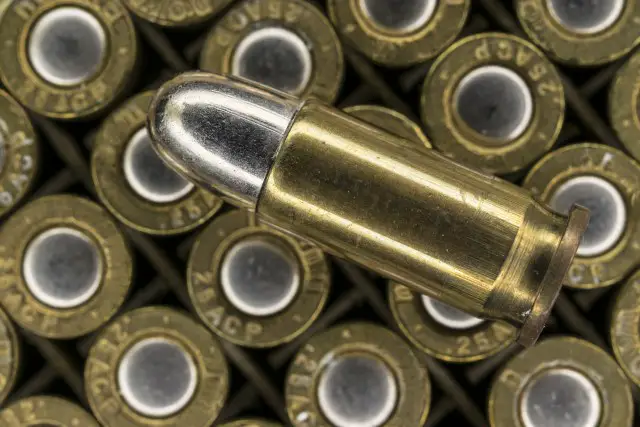

When considering personal safety and protection, one of the most critical decisions is selecting the best caliber for self defense. Whether you are a seasoned firearm owner or a beginner interested in personal security, understanding which caliber offers optimal balance between power, control, and practicality is essential. This detailed guide delves into the key aspects of choosing the right caliber, exploring different options, their pros and cons, and practical considerations to help you make an informed decision that aligns with your safety needs.
Understanding the Importance of Choosing the Right Caliber for Self Defense

Selecting the best caliber for self defense is more than just choosing the largest bullet; it’s about understanding how different calibers perform in terms of stopping power, recoil, firearm capacity, and ease of use. The right caliber can significantly influence your ability to respond effectively in high-stress situations, ensuring you can defend yourself confidently and responsibly.
When exploring calibers, it’s crucial to consider factors such as the typical engagement distance, your firearm handling skills, and the environments where you might need to defend yourself. A caliber that offers maximum stopping power might also generate more recoil, thus affecting accuracy for less experienced shooters. Conversely, calibers with lower recoil might sacrifice some stopping power but provide better control under duress. Therefore, your choice must strike a balance that aligns with your comfort, skill level, and safety requirements.
It is also important to recognize that laws and regulations differ concerning calibers suitable for civilian self defense. Some jurisdictions have restrictions on certain calibers, so understanding local legal frameworks is vital before making a purchase. Ultimately, the best caliber for self defense is one that you can shoot accurately, manage confidently, and trust to perform reliably when it matters most.
Factors to Consider When Choosing the Best Caliber for Self Defense
Before diving into specific calibers, it’s essential to grasp the key factors that influence your choice. These considerations ensure that your selection is practical and tailored to your personal circumstances.
Understanding these fundamentals will help avoid common pitfalls such as prioritizing power over control or choosing a caliber unsuitable for your firearm handling skills. Let’s explore the primary factors influencing the decision in depth.
Recoil Management and Ease of Shooting
Recoil management is perhaps the most overlooked aspect when selecting a bullet caliber. Higher calibers tend to produce more recoil, which can either help in delivering a more decisive shot or hinder accuracy if you are not accustomed to handling firearm disturbances. For many shooters, especially beginners, a manageable recoil ensures quicker, more accurate follow-up shots, increasing overall effectiveness.
Recoil is influenced by the caliber’s size, firearm weight, and the type of ammunition used. A 9mm typically presents less recoil compared to larger calibers like .45 ACP or .357 Magnum, making it a favored choice for those with limited training or physical strength. Recognizing your ability to manage recoil can greatly influence your long-term performance and confidence in defensive situations.
Stopping Power and Penetration
In self-defense scenarios, stopping power—the ability to incapacitate an attacker swiftly—is paramount. A caliber with adequate penetration ensures that vital organs are effectively targeted, minimizing the chance of attacker resurgence. However, too much penetration raises safety concerns about over-penetration and potential collateral damage.
The ideal self-defense caliber strikes a balance—delivering enough energy to incapacitate without risking unintended harm. This balance varies depending on whether your primarily concern is urban or rural environments, indoor versus outdoor use, and the typical threat level.
Ammunition Capacity and Firearm Compatibility
Ammunition capacity plays a critical role, especially in situations involving multiple threats or extended self-defense encounters. Smaller calibers like 9mm generally allow for higher magazine capacities, providing more rounds available without significantly increasing firearm size.
The compatibility of the firearm with different calibers is also essential. For example, a compact pistol designed for 9mm may not support larger calibers like .40 SW or .45 ACP. Understanding your firearm’s specifications ensures that your chosen caliber aligns with its capabilities, avoiding performance issues or safety hazards.
Practical Factors: Cost, Availability, and Maintenance
Cost per round and availability are often pragmatic considerations that influence real-world choice. Some calibers are more readily available and affordable, making them easier to maintain and practice with regularly. Consistent practice with your chosen caliber is essential for developing confidence and proficiency, directly impacting your effectiveness in stressful situations.
Maintenance and cleanliness are additional focal points. Larger calibers and those with more powerful pressures may generate more fouling, requiring more frequent cleaning routines. Ensuring your firearm can handle the caliber you select comfortably, with manageable maintenance, is a best practice for sustained reliability.
Overview of Popular Calibers for Self Defense
Diving into standards and popular choices provides clarity on the options available. Understanding their differences will help you weigh each caliber’s advantages and limitations, leading to an informed choice.
The 9mm – The Most Popular Choice for Self Defense
The 9mm Parabellum remains the most widely used handgun cartridge globally, especially for self-defense. Its popularity stems from a combination of manageable recoil, high magazine capacity, affordability, and extensive availability.
Advantages of 9mm
- Recoil: The recoil is relatively low, making it easier for most shooters to handle accurately.
- Capacity: Pistols chambered in 9mm often feature larger magazine capacities, providing more rounds before reloading.
- Cost and Availability: 9mm ammunition is generally affordable and easy to find, encouraging regular practice.
- Effectiveness: Modern 9mm hollow-point rounds demonstrate excellent stopping power when combined with effective bullet design.
Disadvantages of 9mm
- Penetration: While generally adequate, some users worry about over-penetration, particularly in indoor environments.
- Perception: Some individuals assume larger calibers are inherently more effective, which can influence subjective preferences.
Personal Insights
Choosing 9mm strikes an excellent balance for most users, offering enough power for self-defense while maximizing control and operational efficiency. Its widespread acceptance and technological advancements, such as improved hollow-point designs, have solidified its position as the best caliber for self defense for many professionals and civilians alike.
The .45 ACP – Power and Stopping Power
The .45 ACP has a storied history, renowned for its stopping power and historical significance in self-defense.
Advantages of .45 ACP
- Power: Its larger diameter and heavier bullets produce significant energy transfer, often leading to rapid incapacitation.
- Less Recoil Than Larger Calibers: While larger than 9mm, many shooters find the recoil manageable, especially with modern pistol designs.
- Extended Penetration/Reduced Over-Penetration: Well-designed hollow points minimize over-penetration while maximizing tissue damage.
Disadvantages of .45 ACP
- Capacity: Typically, firearms chambered in .45 ACP have lower magazine capacities due to larger cartridge size.
- Recoil: The recoil may be more challenging for some shooters, especially in rapid-fire situations.
- Size: Pistols chambered for .45 ACP tend to be larger, less suitable for concealed carry.
Personal Insights
The .45 ACP appeals strongly to enthusiasts who prioritize stopping power and confidence in incapacitation. However, its lower capacity and larger physical size make it less versatile for concealed carry or situations demanding high mobility. It remains an excellent choice for home defense.
The .40 SW – A Middle Ground
The .40 Smith Wesson was developed to bridge the gap between 9mm and .45 ACP, aiming to combine adequate stopping power with manageable recoil.
Advantages of .40 SW
- Stopping Power: Better than 9mm, offering an effective balance of energy transfer.
- Availability: Widely used by law enforcement, making ammunition and parts readily available.
- Recoil: Slightly more than 9mm but generally manageable with proper training.
Disadvantages of .40 SW
- Recoil Management: More recoil than 9mm, which can affect shot placement for some shooters.
- Magazine Capacity: Slightly lower than 9mm due to larger cartridge size.
- Over-Penetration: Similar concerns to 9mm, requiring careful selection of ammunition.
Personal Insights
The .40 SW serves well for those who want better performance than 9mm but aren’t comfortable handling larger calibers like .45 ACP. It’s a versatile choice, especially for users with intermediate experience levels.
Comparative Data Table: Calibers at a Glance
| Caliber | Recoil | Typical Magazine Capacity | Penetration Power | Cost per Round | Common Use Cases |
|---|---|---|---|---|---|
| 9mm | Low | 15-20 rounds | Moderate | Low | Concealed carry, home defense, target shooting |
| .45 ACP | Moderate | 7-13 rounds | High | Moderate | Home defense, target shooting, enthusiasts |
| .40 SW | Moderate | 10-15 rounds | Slightly high | Moderate | Law enforcement, personal defense |
This table provides a quick overview of key factors influencing the best caliber for self defense. It highlights each caliber’s strengths and practical considerations, serving as a reference for readers trying to match their needs with available options. Ultimately, personal preference, firearm handling skills, and specific safety scenarios dictate the final choice.
Practical Tips for Selecting and Shooting Your Defense Caliber
Choosing the best caliber for self defense is only part of the equation; practice and familiarity are equally vital to ensure efficacy. Here are strategic tips to maximize your preparedness.
Regular Practice with Your Chosen Caliber
Consistent training is essential, especially with the caliber you choose. Familiarity breeds confidence and enhances muscle memory, which are crucial in high-stress self-defense situations. Regular range sessions, focusing on accuracy, quick draws, and controlled fire, will improve your proficiency.
It’s advisable to use the same type of ammunition you plan to carry or keep for defense. This practice ensures your firearm operates reliably and you understand its recoil pattern, point of aim, and handling characteristics.
Proper Firearm Maintenance and Ammunition Selection
Maintaining your firearm regularly is vital for safety and reliability. Clean and lubricate your firearm according to manufacturer guidelines, and periodically check for wear or damage.
Selecting high-quality, reputable ammunition and practicing with it reinforce your understanding of how your firearm performs. Feeding your firearm with the same ammunition you plan for self-defense ensures predictable behavior. Always test different loads to determine which provides optimal accuracy and reliable expansion or penetration.
Secure Storage and Legal Considerations
Safety begins with proper firearm storage—using safes, locks, and out-of-reach placements for children or unintended users. Equally important is understanding legal requirements, permits, and restrictions associated with certain calibers in your jurisdiction to ensure compliance.
Additionally, ongoing education about responsible firearm use, self-defense laws, and conflict de-escalation techniques remains paramount for effective and lawful personal protection.
FAQ’s
1. What is the best caliber for self defense?
The best caliber for self defense depends on personal preference, firearm size, and recoil tolerance, but popular choices include 9mm, .40 S&W, and .45 ACP.
2. Is 9mm good for self defense?
Yes, 9mm is widely considered one of the best calibers for self defense due to its balance of power, capacity, and manageable recoil.
3. Is .45 ACP more powerful than 9mm?
Yes, .45 ACP generally delivers more stopping power, but it comes with higher recoil and lower magazine capacity compared to 9mm.
4. What caliber do police use for self defense?
Most law enforcement agencies use 9mm due to its effectiveness, affordability, and ease of handling.
5. Is .380 ACP enough for self defense?
.380 ACP can be effective for self defense, especially in compact pistols, but it is less powerful than larger calibers.
6. What is stopping power in handgun calibers?
Stopping power refers to a bullet’s ability to incapacitate a threat quickly, often influenced by size, velocity, and bullet design.
7. Which caliber has the least recoil?
Calibers like .22 LR and .380 ACP typically have the least recoil, making them easier to control for beginners.
8. Is .22 LR suitable for self defense?
While not ideal, .22 LR can be used for self defense in emergencies due to its low recoil and ease of use.
9. What is the most popular handgun caliber?
The 9mm is the most popular handgun caliber worldwide for both self defense and law enforcement use.
10. How important is magazine capacity?
Magazine capacity is important because it determines how many rounds you can fire before reloading, which can be critical in defensive situations.
11. What caliber is best for beginners?
9mm is often recommended for beginners due to its manageable recoil and widespread availability.
12. Is recoil important when choosing a caliber?
Yes, recoil affects accuracy and follow-up shots, making it a key factor in choosing a self defense caliber.
13. What is the difference between 9mm and .40 S&W?
.40 S&W offers more power than 9mm but has greater recoil and typically lower magazine capacity.
14. Is .40 S&W still popular?
Its popularity has declined slightly as many agencies have switched back to 9mm, but it remains a viable option.
15. What caliber is best for concealed carry?
9mm and .380 ACP are among the best calibers for concealed carry due to compact firearm options.
16. Can caliber affect accuracy?
Yes, calibers with lower recoil often allow for better accuracy, especially for inexperienced shooters.
17. What is overpenetration?
Overpenetration occurs when a bullet passes through a target and continues, potentially posing a risk to others.
18. Which caliber has the least overpenetration?
Smaller calibers like .380 ACP and hollow-point ammunition are designed to reduce overpenetration.
19. What type of ammo is best for self defense?
Hollow-point ammunition is generally recommended for self defense due to controlled expansion and reduced risk of overpenetration.
20. Is larger caliber always better?
No, larger calibers offer more power but often come with increased recoil and reduced capacity.
21. What is muzzle velocity?
Muzzle velocity is the speed at which a bullet exits the barrel, affecting energy and penetration.
22. Does barrel length affect caliber performance?
Yes, longer barrels generally increase velocity and improve performance for most calibers.
23. What is the best caliber for home defense?
9mm is commonly recommended due to its effectiveness and manageable recoil.
24. Is .357 Magnum good for self defense?
Yes, .357 Magnum is powerful and effective, but it has significant recoil and noise.
25. What caliber is best for small hands?
9mm and .380 ACP are often suitable due to smaller firearm sizes and manageable recoil.
26. Is 10mm good for self defense?
10mm is very powerful but may be difficult to control for some users due to its recoil.
27. How does bullet weight affect performance?
Heavier bullets typically penetrate deeper, while lighter bullets may travel faster.
28. What is grain in ammunition?
Grain refers to the weight of the bullet, with higher grain indicating a heavier projectile.
29. Should I prioritize power or capacity?
It depends on your needs, but many prefer a balance, which is why 9mm is so popular.
30. Is practice more important than caliber?
Yes, proper training and practice are more important than caliber choice for effective self defense.
31. What caliber is easiest to shoot accurately?
9mm and .22 LR are generally easier to shoot accurately due to lower recoil.
32. Are revolver calibers good for self defense?
Yes, calibers like .38 Special and .357 Magnum are commonly used in revolvers for defense.
33. What is the best revolver caliber for self defense?
.38 Special is a popular choice due to its manageable recoil and effectiveness.
34. Does caliber affect firearm size?
Yes, larger calibers often require larger firearms, though there are compact options available.
35. What is terminal ballistics?
Terminal ballistics studies how a bullet behaves upon impact with a target.
36. Is shot placement more important than caliber?
Yes, accurate shot placement is critical regardless of caliber.
37. What is a compact handgun caliber?
Compact handgun calibers include 9mm and .380 ACP, often used in smaller firearms.
38. Is 9mm enough stopping power?
Yes, modern 9mm ammunition provides sufficient stopping power for self defense.
39. What is recoil management?
Recoil management is the ability to control the firearm during and after firing.
40. How do I choose the right caliber?
Consider factors like recoil tolerance, firearm size, capacity, and intended use.
41. What caliber is best for women?
There is no gender-specific caliber, but many prefer 9mm or .380 ACP for ease of use.
42. Does ammo cost vary by caliber?
Yes, 9mm is generally more affordable than larger calibers like .45 ACP.
43. What is defensive shooting?
Defensive shooting refers to using a firearm to protect oneself from a threat.
44. Is higher capacity always better?
Higher capacity can be beneficial, but it should not come at the expense of control and accuracy.
45. What is a subcompact pistol caliber?
Subcompact pistols often use 9mm or .380 ACP for easy concealment.
46. Can beginners handle larger calibers?
Beginners may struggle with larger calibers due to recoil, so starting with 9mm is recommended.
47. What is felt recoil?
Felt recoil is the subjective experience of recoil by the shooter.
48. Does caliber affect follow-up shots?
Yes, higher recoil calibers can slow down follow-up shots.
49. What is the safest caliber for home use?
9mm with hollow-point ammunition is often considered a balanced and safe choice.
50. Is caliber choice personal?
Yes, the best caliber depends on individual needs, comfort, and experience.
51. Should I test different calibers?
Yes, trying different calibers at a range can help determine what works best for you.
Conclusion
Choosing the best caliber for self defense requires a nuanced understanding of various factors—recoil management, stopping power, capacity, legal considerations, and personal proficiency. While 9mm remains the most popular choice due to its balance of power, control, and affordability, other calibers like .45 ACP and .40 SW offer distinct advantages depending on individual preferences and scenarios. The key is to select a caliber that aligns with your physical capabilities, training regimen, and tactical needs, supplemented with regular practice and responsible firearm handling. Ultimately, an informed and practiced shooter equipped with the right caliber can significantly enhance their safety and confidence in defending themselves effectively.
Read more: