
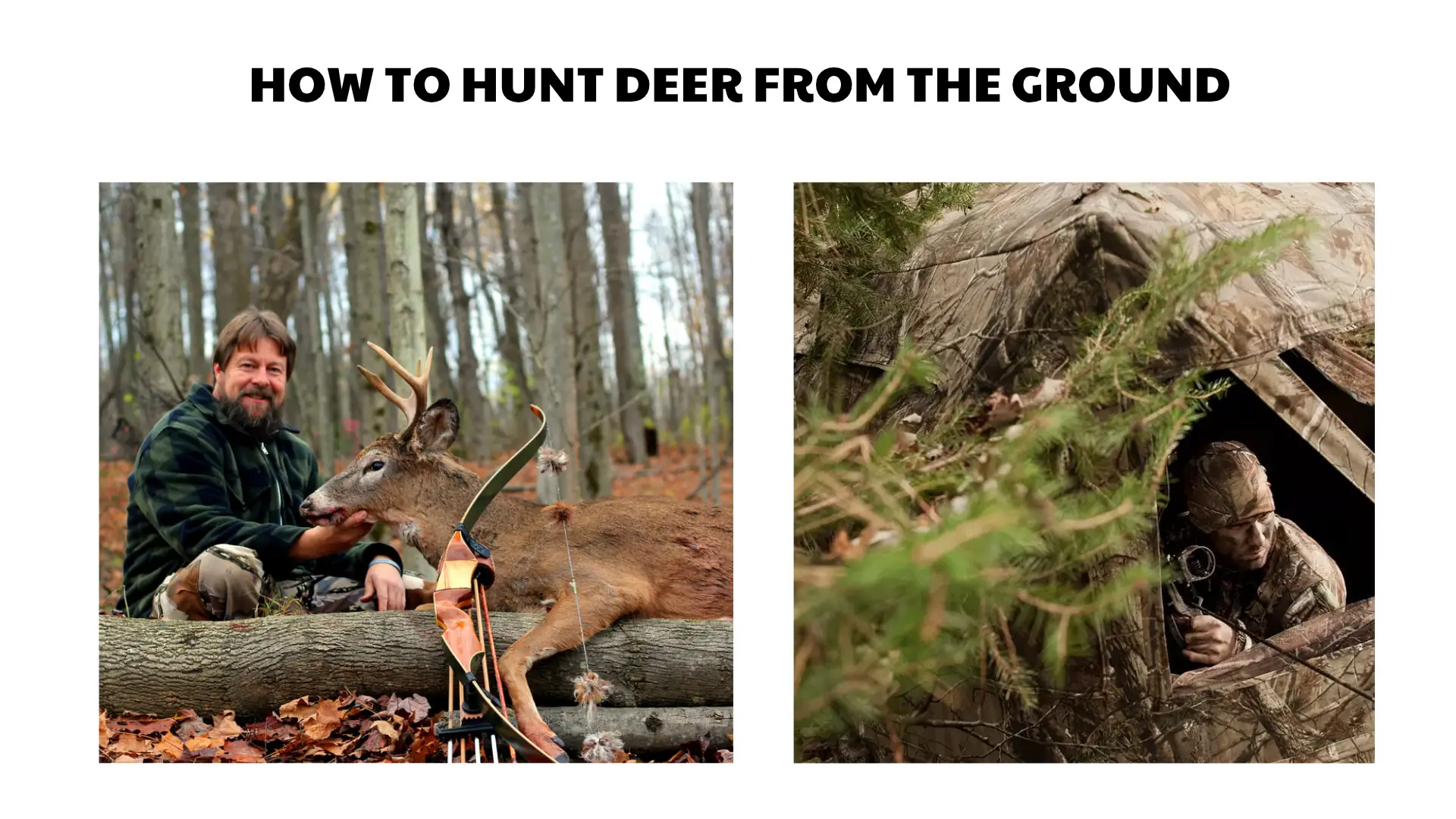

Learning how to hunt deer from the ground means learning to use wind, terrain, natural cover, careful scouting, and patient observation without relying on an elevated tree stand. This method can be practical for beginners, hunters who prefer not to climb, and anyone hunting terrain where a tree stand is unsafe, impractical, or prohibited.
This guide explains legal preparation, deer behavior, scouting, ground-blind and natural-cover setups, safe firearm or bow handling, ethical shot decisions, recovery, reporting, and responsible meat care. Results are never guaranteed. Weather, hunting pressure, season, habitat, skill, and animal behavior all affect what happens in the field.
Always put legality, target identification, a safe background, and respect for wildlife ahead of taking a shot.
Quick Answer
To hunt deer from the ground, first obtain every required license, permit, and tag, then scout fresh deer sign and choose a legal setup with cover behind you and a safe shooting background. Approach quietly with the wind carrying your scent away from likely deer travel. Remain still, identify the target and what is beyond it, and act only when the deer is legal and the opportunity is within your practiced ability. Careful preparation and patience improve your chances, but they do not guarantee success.
Important Legal and Safety Notice Before You Hunt
Hunting regulations vary by country, state, province, county, management unit, season, land type, deer classification, and weapon. Before every hunt, check the current regulations published by the official wildlife agency and any additional rules issued by the property manager.
- License and permits: Carry the correct hunting license, permits, and hunter education proof.
- Tags and reporting: Understand tag validation, attachment, check-station, and electronic reporting rules.
- Season and hours: Verify the exact dates and legal daily hunting hours.
- Weapons and ammunition: Use only legal equipment for that season and zone.
- Land access: Confirm public-land openings or obtain clear private-land permission.
- Visibility clothing: Follow blaze-orange or other visibility requirements.
- Safe handling: Follow official hunter education and manufacturer instructions for firearms and bows.
- Emergency plan: Check weather, share your route, carry navigation and first-aid equipment, and set a return time.
Understanding Deer and Their Habitat
Deer generally seek a balance of food, cover, water, security, and efficient travel. Their patterns change with food availability, weather, breeding activity, hunting pressure, and human disturbance. A productive ground hunter studies how these needs connect across the landscape.
Food Sources
Depending on region and season, deer may use natural browse, mast-producing trees, agricultural crops, grasses, forbs, fruit, or managed food plots. Look for fresh feeding sign and trails that connect food to thicker security cover.
Bedding and Security Cover
Bedding areas often provide concealment, favorable wind, comfortable temperature, and escape routes. Avoid walking directly through likely bedding cover before a hunt. A disturbed bedding area may cause deer to change their movement.
Travel Corridors and Terrain Funnels
Deer commonly follow routes that reduce effort and exposure. Saddles, creek crossings, narrow strips of cover, inside field corners, fence gaps, benches, and transitions between habitat types can concentrate movement. Confirm use with several forms of fresh sign.
Signs to Learn
- Tracks and well-used trails
- Fresh droppings and browsed vegetation
- Beds in protected cover
- Rubs and scrapes where seasonally relevant
- Hair on legal fence crossings
- Tracks entering or leaving food, water, and cover
What You Need Before You Start
- Valid hunting license, permits, tags, and current regulation knowledge
- A legal firearm, bow, or other hunting method allowed for the season and area
- Hunter education training and supervised practice
- Required blaze orange or other visibility clothing
- Quiet, weather-appropriate layers and supportive boots
- Paper map, compass, GPS, or a reliable hunting map application
- First-aid kit, water, food, emergency light, and communication device
- Binoculars for identification without pointing a weapon
- A stable seat, cushion, shooting support, or legal portable ground blind
- Gloves, game bags, cooler, and clean meat-care supplies
- License holder, waterproof tag protection, and reporting information
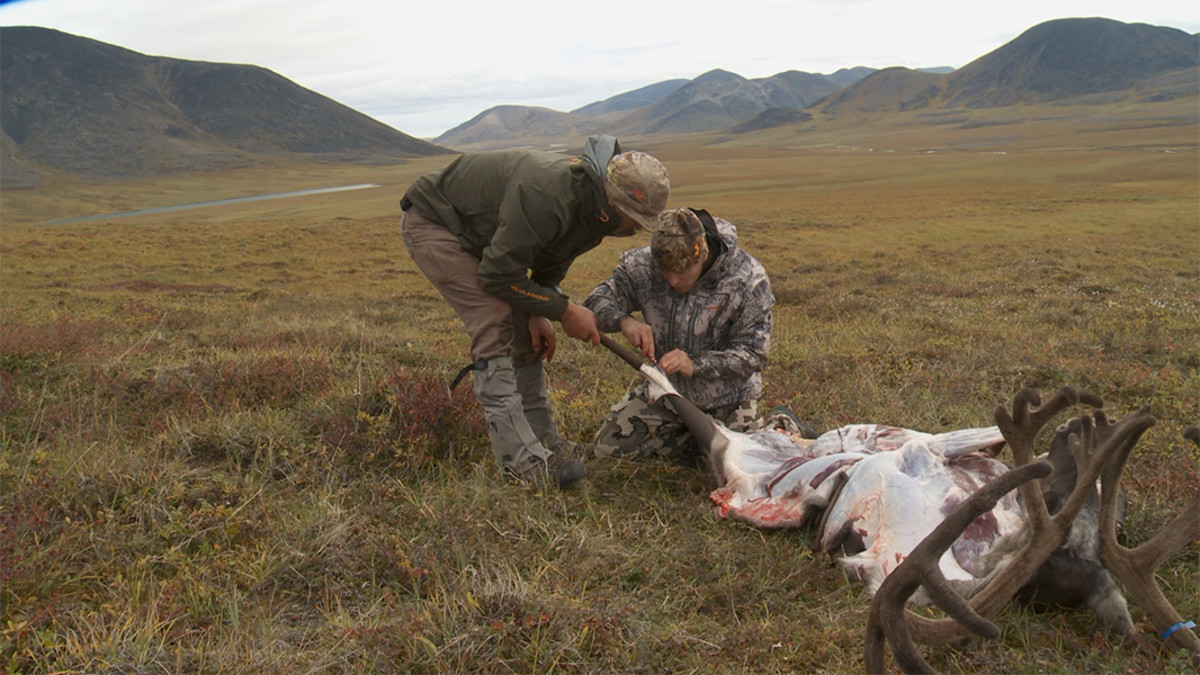
How to Hunt Deer From the Ground: Step-by-Step Guide
Step 1: Check Local Hunting Laws First
Read the current official regulation booklet and any property-specific rules. Confirm the open season, legal deer classification, tag, bag limit, legal hours, permitted equipment, ammunition or broadhead rules, visibility clothing, baiting restrictions, transport rules, and reporting deadlines. Save the official contact number in case a question arises.
Step 2: Learn the Deer’s Patterns
Study how deer move between bedding cover, food, water, and safe travel routes. Patterns can change after crops are harvested, leaves fall, pressure increases, or the breeding period begins. Use repeated observations rather than assuming one trail will remain productive.
Step 3: Choose a Legal Hunting Area
For public land, use current maps, confirm open units, parking, access hours, and weapon zones. For private land, obtain permission and discuss boundaries, buildings, livestock, other hunters, and retrieval access. Never cross an unclear boundary or shoot across land where you lack permission.
Step 4: Scout Before the Hunt
Walk legal access routes outside peak activity when possible. Mark fresh tracks, trails, rubs, scrapes, feeding sign, beds, terrain funnels, and safe observation points. Also note hazards, neighboring properties, roads, houses, and likely directions used by other hunters.
Step 5: Prepare Your Gear Safely
Inspect equipment according to manufacturer instructions. Practice from seated, kneeling, and supported ground positions. Know the distance at which you can repeatedly make a controlled shot under realistic conditions. Pack only necessary equipment and secure loose items so they do not rattle.
Step 6: Plan for Wind, Weather, and Entry Route
Choose an approach that keeps your scent away from likely deer locations. Consider that wind may swirl near hills, creek bottoms, thick cover, and warming slopes. Enter quietly without crossing major deer trails or bedding cover. Review weather, daylight, and the safest exit route before leaving the vehicle.
Step 7: Set Up Carefully
Select a position with cover behind you, a comfortable seat, legal visibility, a stable shooting rest, and a safe background. Avoid sitting directly on a skyline or in the middle of an open view. Clear only minor legal obstructions and never damage vegetation where cutting is prohibited.
A portable ground blind can conceal movement, but it does not make an unsafe angle safe. Natural cover can work well when you break up your outline and remain still. On public land, avoid blocking paths or placing a blind where another hunter could approach from the expected shot direction.
Step 8: Stay Patient and Observe
Settle into a position that allows you to remain still. Scan slowly with your eyes and binoculars. Listen for footsteps, feeding, or movement through cover, but never treat sound alone as target identification. Check the wind periodically and be prepared to leave if weather or other hunters make the location unsafe.
Step 9: Take Only a Safe, Legal, and Ethical Shot Opportunity
Confirm that the animal is a legal deer for your tag and season. Make sure there is a safe background and no person, livestock, building, road, trail, or vehicle in or near the line of fire. Act only when the animal is positioned appropriately and the distance and angle are within your practiced ability. Do not shoot through brush or at uncertain movement.
Step 10: Follow Legal Recovery and Reporting Rules
After a shot, maintain safe weapon control and carefully note the animal’s last known location. Follow your hunter education training for recovery. Do not rush, enter unsafe terrain, or cross private land without permission. Apply and validate the tag, report the harvest, and use required check stations exactly as local rules direct.
Step 11: Handle the Deer Responsibly
Use clean gloves and tools, protect the harvest from contamination, cool the meat promptly, and comply with transport or disease-management rules. Ask an experienced mentor or qualified processor for hands-on instruction before your first harvest. Use the meat respectfully and avoid waste.
Best Time, Place, and Conditions for This Hunt
Time of day: Deer often move near early and late daylight, but legal hours and safe visibility come first. Midday movement can occur during seasonal changes, weather shifts, or heavy hunting pressure.
Season: Food, cover, breeding activity, and hunting pressure change across the season. A setup that works before leaf fall may not work after vegetation thins.
Weather: Stable, safe conditions are easiest for beginners. Light wind may help hide small sounds, while strong wind, lightning, flooding, extreme cold, or falling branches can make a hunt unsafe.
Wind: A steady crosswind or wind carrying scent away from deer travel is usually preferable. Abandon or adjust a setup when the wind consistently contaminates the expected approach.
Place: Focus on fresh sign near legal travel funnels, habitat edges, food-to-cover routes, and overlooked cover. On pressured public land, safe locations away from obvious parking areas may receive less disturbance, but access must remain legal.
Helpful Tips for Better Results
- Scout the access route as carefully as the hunting location.
- Use cover behind you to hide your outline and small movements.
- Practice sitting still before the season, not only shooting.
- Keep binoculars accessible so you never scan with a weapon.
- Choose two or three setups for different wind directions.
- Leave a pressured area rather than crowd another hunter.
- Record wind, weather, sign, and sightings after every outing.
- Carry less unnecessary gear but never omit safety essentials.
- Stop hunting when visibility no longer supports certain identification.
- Be willing to pass any shot that feels rushed, uncertain, or unsafe.
Common Mistakes to Avoid
The most costly beginner mistakes usually happen before a deer appears. Poor legal preparation, careless access, and an unsafe setup cannot be corrected by good shooting.
- Using an old regulation summary instead of current official rules
- Hunting without the correct license, tag, permit, or permission
- Ignoring wind direction or thermal changes
- Walking through bedding cover before the hunt
- Sitting with no cover behind the body
- Moving quickly or repeatedly adjusting noisy gear
- Scanning with a firearm scope rather than binoculars
- Shooting through brush or toward an uncertain background
- Exceeding a practiced effective range
- Failing to plan recovery, reporting, cooling, and transport
- Crossing property boundaries without confirmed permission
- Continuing in dangerous weather or poor visibility
Troubleshooting Common Problems
| Problem | Possible Cause | What to Do |
|---|---|---|
| You are not seeing deer | Old sign, poor timing, heavy pressure, or a weak travel connection | Scout fresh sign, compare several routes, and try another legal setup. |
| Deer detect you before entering view | Wind, swirling air, movement, noise, or exposed outline | Change the wind plan, add cover behind you, and reduce unnecessary movement. |
| The area is crowded | Easy access, popular parking, or limited public land | Leave calmly and use a pre-scouted alternative rather than creating conflict. |
| The boundary is unclear | Old map, weak signal, missing signs, or confusing ownership | Stop and verify with official maps, the landowner, or the managing agency. |
| The wind changes | Weather front, terrain, warming slope, or creek-bottom thermals | Relocate only when safe and legal, or end the setup. |
| Rain or snow reduces visibility | Worsening weather or fog | Do not take uncertain shots; return by the safest known route. |
| Equipment fails | Poor inspection, moisture, damage, or weak batteries | Unload or secure equipment safely and stop using anything unreliable. |
| You feel rushed when a deer appears | Lack of realistic practice or unstable position | Slow down, confirm legality and safety, and pass if control is not certain. |
| You are unsure about a rule | Complex zone, season, or property regulation | Do not hunt until the official wildlife agency or land manager clarifies it. |
| Recovery may cross private land | The deer traveled beyond your permitted area | Stop at the boundary and obtain permission or contact the proper authority. |
Ethical Hunting and Conservation
Ethical deer hunting is more than following the minimum legal rule. It means preparing enough to make controlled decisions, respecting the animal, using the harvest responsibly, and protecting the experience of landowners, other hunters, and non-hunting visitors.
- Obey seasons, tag rules, limits, and access restrictions.
- Practice before hunting and remain within your demonstrated ability.
- Pass unsafe, uncertain, obstructed, or poorly positioned opportunities.
- Avoid waste and plan for prompt, clean meat care.
- Respect landowners, gates, livestock, crops, and property boundaries.
- Do not crowd other hunters or interfere with lawful recreation.
- Pack out litter and leave the area cleaner than you found it.
- Support science-based wildlife management and habitat conservation.
When to Get More Training or Professional Guidance
Seek qualified help when you have never handled a firearm or bow, have not completed hunter education, do not understand local law, cannot confirm boundaries, lack confidence in safe shooting, or will be hunting unfamiliar terrain.
Additional guidance is also valuable for legal recovery, tracking services, meat care, processing, and transport. Good sources include official hunter education courses, wildlife agencies, certified instructors, experienced ethical mentors, conservation organizations, and reputable local hunting clubs.
After the Hunt: Follow-Up, Gear Care, and Learning
- Complete every required tag, report, inspection, or transport record.
- Clean and store firearms, bows, knives, optics, and clothing safely.
- Dry wet equipment before storage and replace damaged safety items.
- Record the date, location, wind, weather, sign, pressure, and sightings.
- Review whether your entry route and setup protected the wind.
- Identify one skill to practice before the next outing.
- Care for meat promptly and follow local disease-testing guidance.
Recommended Hunting Gear and Tools to Consider
You do not need expensive gear to hunt responsibly. Choose equipment according to local law, hunting method, terrain, weather, safety needs, skill level, and budget.
- Legal hunting weapon or method permitted in the area
- Quiet boots and layered clothing suited to the forecast
- Required visibility clothing
- Binoculars for safe observation
- Map, compass, GPS, or offline mapping application
- Stable ground seat or legal portable blind
- First-aid kit, emergency light, water, and communication
- Clean gloves, game bags, cooler, and meat-care supplies
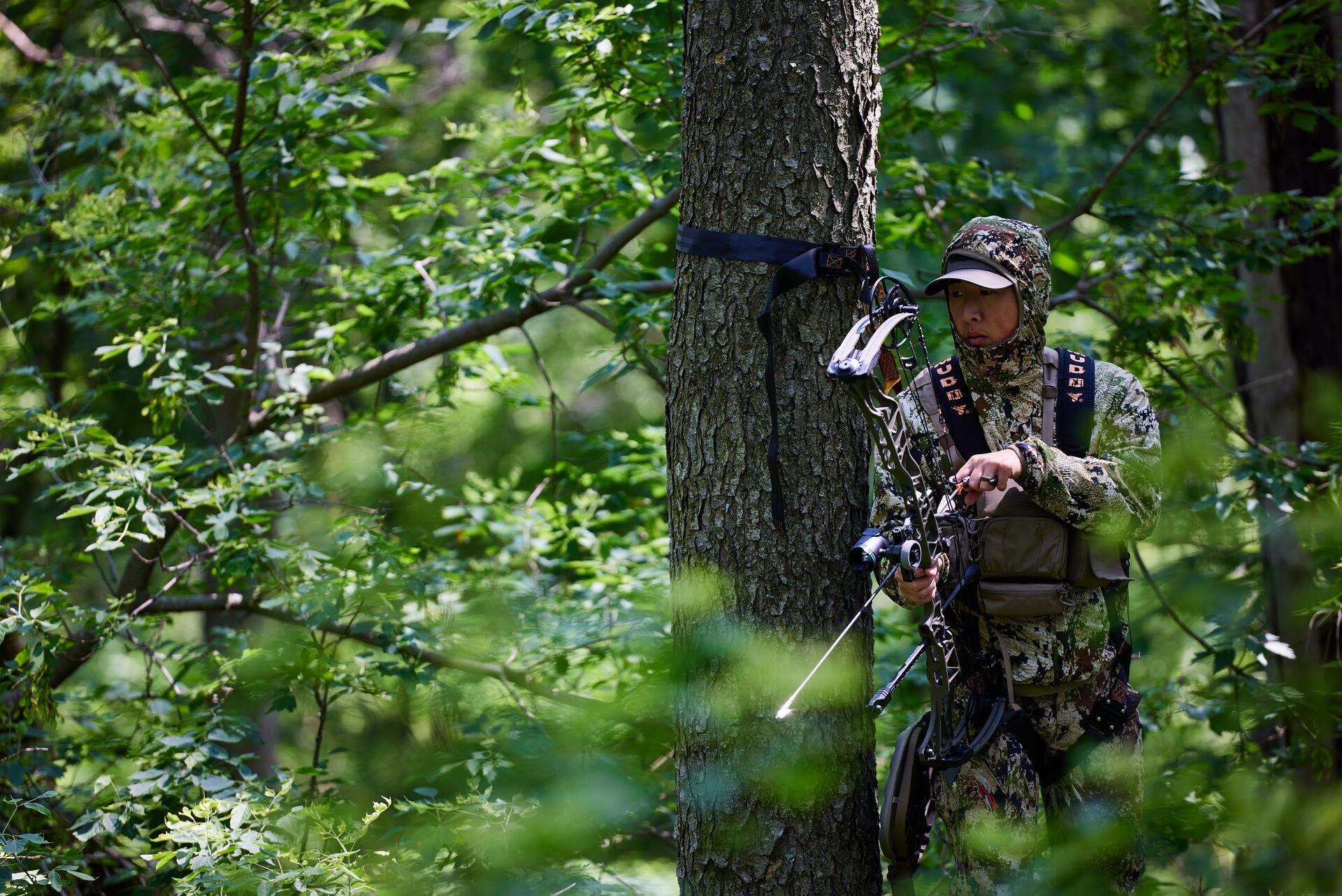
Final Thoughts
Learning how to hunt deer from the ground starts with legal preparation and hunter education, then builds through scouting, wind planning, quiet access, a safe setup, realistic practice, and patient observation. A ground hunter must be especially disciplined about movement, scent, target identification, and the background behind every possible shot.
Choose methods and gear that fit your local rules, terrain, experience, and conservation responsibilities. A safe decision to wait, relocate, or pass a shot is always a successful decision.
Frequently Asked Questions
1. How long does it take to learn how to hunt deer from the ground?
You can learn the basic process in a hunter education course and several supervised practice sessions, but field judgment develops over many hunts. Start with an experienced, ethical mentor and measure progress by safe decisions rather than harvests.
2. Is ground hunting deer suitable for beginners?
Yes. Ground hunting avoids climbing and can be simple to set up, but it requires careful wind planning, quiet movement, safe background awareness, and patience. Beginners should first complete hunter education and practice with their legal hunting equipment.
3. Do I need a hunting license to hunt deer from the ground?
In most regulated hunting areas, a valid hunting license is required. You may also need a deer tag, permit, hunter education certificate, or land-specific authorization. Verify the current rules with the official wildlife agency where you will hunt.
4. Do I need a deer tag?
Many jurisdictions require a species-specific or season-specific tag before hunting deer. Tag types and validation rules vary, so buy the correct tag and understand when and how it must be attached, validated, or reported.
5. When is deer hunting season?
Season dates vary by location, deer type, weapon, age class, land type, and management zone. Never rely on an old calendar or a general internet article; check the current official regulations for your exact hunting area.
6. What are legal hunting hours for deer?
Legal hours are set locally and may differ by season or property. Confirm the exact daily opening and closing times in the current regulations, and allow enough daylight to identify the animal and the background clearly.
7. Can I hunt deer on public land?
You may hunt only on public land that is specifically open to deer hunting and only under its current rules. Confirm boundaries, access points, parking, permits, closures, weapon zones, and any special check-in or reporting requirements.
8. Can I hunt deer on private land?
Only with the landowner’s clear permission and any required written authorization. Discuss boundaries, buildings, livestock, gates, parking, other hunters, retrieval access, and cleanup before the hunt.
9. What is the best ground setup for deer hunting?
A good setup provides safe visibility, a stable shooting position, cover behind you, a legal access route, and a wind direction that carries your scent away from expected deer travel. Natural cover or a legal portable blind can both work.
10. Do I need a ground blind?
No. You can use natural cover where legal, but a ground blind can hide small movements and protect you from some weather. Set it where it does not block public access or create a safety hazard, and follow land-specific placement rules.
11. How early should I set up a ground blind?
Deer may need time to accept a new object, but placement rules and practical timing vary. Where allowed, installing it before the hunt can help; on shared public land, a same-day portable setup may be safer and more respectful.
12. Where should I sit when hunting deer from the ground?
Choose a position downwind or crosswind of a used trail, feeding edge, bedding transition, water route, or terrain funnel. Keep a safe backstop, avoid skylining yourself, and never sit where another hunter could mistake your movement for game.
13. How do I find deer travel routes?
Look for connected tracks, trails, rubs, scrapes, droppings, browse, beds, and crossings between food and cover. One sign alone is less useful than several fresh signs that form a clear movement pattern.
14. What do deer tracks look like?
Deer tracks are commonly split-hoof impressions, but size and shape vary with ground conditions, age, and species. Use tracks together with trail direction, droppings, feeding sign, and local field guides rather than trying to identify an animal from one print.
15. What is a deer rub?
A rub is bark damage made when a deer works its antlers against a tree. Rubs can show deer presence and travel direction, but they do not guarantee that a deer will return during legal hunting hours.
16. What is a deer scrape?
A scrape is a pawed area associated with deer communication, often near an overhanging branch. Scrape activity can change quickly, so confirm freshness and connect it with other nearby signs before choosing a setup.
17. How important is wind direction?
Wind is one of the most important factors in ground hunting because deer have a strong sense of smell. Plan so the wind carries your scent away from likely deer movement and keep checking for shifts or swirling air.
18. What is a crosswind setup?
A crosswind moves from one side of your position to the other rather than directly toward or away from the deer trail. It can keep your scent out of the main travel route while still allowing a practical observation angle.
19. Does scent-control clothing guarantee that deer will not smell me?
No product can guarantee invisibility to a deer’s nose. Clean clothing, careful storage, limited contamination, and a good wind plan may help, but wind direction and entry route remain more important.
20. How quietly do I need to move?
Move slowly enough to avoid repeated unnatural noise. Stop before stepping over branches, control loose gear, and use natural sounds such as wind to cover careful movement, while staying fully aware of other hunters.
21. What is still-hunting?
Still-hunting means moving very slowly, stopping often, and observing more than walking. It requires excellent target identification, strict muzzle or bow control, legal access, and extra caution on shared land.
22. Is sitting or still-hunting better?
Sitting usually creates less noise and is easier for beginners. Still-hunting can help in large cover or changing conditions but demands more skill, navigation awareness, and caution around other land users.
23. What time of day is best for ground hunting deer?
Deer often move near low-light periods, but patterns depend on season, weather, pressure, food, and local rules. Hunt only during legal hours and prioritize clear identification over remaining in position when visibility is poor.
24. Is morning or evening better?
Both can be productive. Morning setups require a quiet entry that avoids bedding areas, while evening setups need a safe exit plan after legal light ends. Scouting should guide your choice.
25. Can I hunt deer in the middle of the day?
Yes, deer can move at midday, especially during seasonal breeding activity, changing weather, or hunting pressure. Midday can also be useful for moving to a new legal setup without rushing.
26. Does rain help deer hunting?
Light rain may reduce noise and change movement, while heavy rain can reduce visibility, create unsafe footing, damage equipment, and make recovery more difficult. Do not hunt when weather exceeds your equipment or experience.
27. Is windy weather good for ground hunting?
A steady moderate wind can help cover small sounds, but strong or swirling wind can make deer behavior and scent planning less predictable. Avoid hazardous conditions such as falling branches or poor projectile control.
28. How does snow affect deer hunting?
Snow can make tracks easier to see, but it also increases cold stress, glare, noise, and access risks. Dress properly, protect against moisture, and do not follow tracks across closed land or unsafe terrain.
29. What clothing should I wear?
Wear quiet, weather-appropriate layers, supportive boots, and any legally required visibility clothing. Avoid cotton as a primary cold-weather layer, carry rain protection, and keep spare dry items when conditions are demanding.
30. Do I need blaze orange?
Visibility requirements differ by jurisdiction, season, weapon, and land type. Wear the amount and placement required by law; many hunters also choose additional visible material when moving on shared land.
31. What basic gear do I need?
Carry legal hunting equipment, license and tags, identification, navigation tools, water, food, first aid, communication, a light, weather protection, binoculars where useful, gloves, and lawful game-care supplies.
32. Are binoculars useful from the ground?
Yes. Binoculars help identify deer and inspect details without pointing a firearm or bow. Never use a weapon-mounted optic as a substitute for binoculars when scanning uncertain objects.
33. Should I use a shooting rest?
A stable rest can improve control if it is legal and used safely. Practice with the same seated, kneeling, or supported positions you expect to use, and keep the muzzle or arrow pointed in a safe direction.
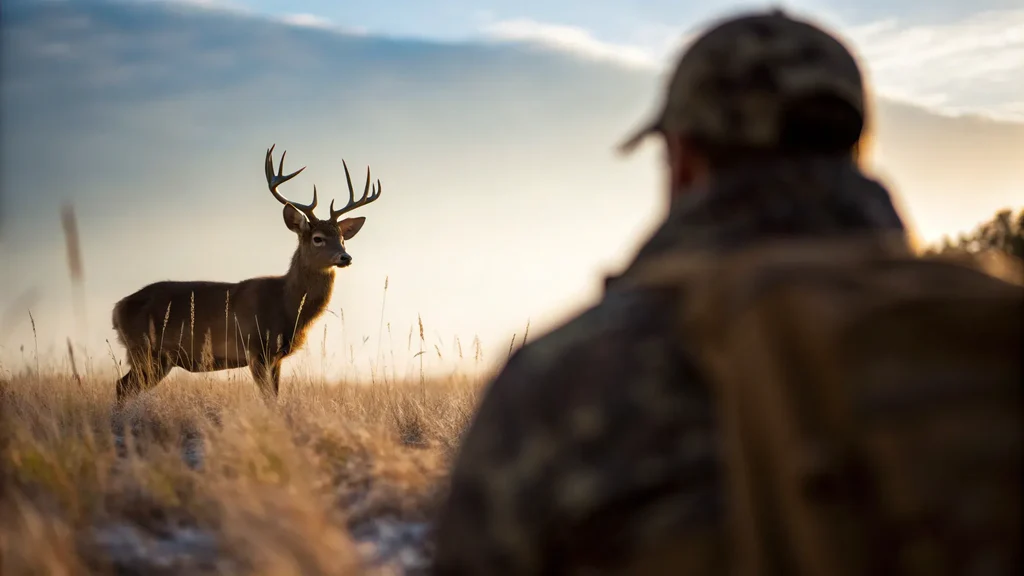
34. How far should I shoot?
Only within the distance at which you have repeatedly demonstrated safe, accurate control under realistic practice conditions. Terrain, wind, visibility, equipment, angle, and the animal’s position may require a much shorter limit.
35. How do I know whether a deer is legal to harvest?
Check the current rules for species, sex, age or antler restrictions, tag type, zone, season, and weapon. If you cannot confirm legality with certainty, do not take the shot.
36. What makes a shot opportunity ethical?
The target must be clearly identified and legal, the background must be safe, the animal should be calm and positioned for a high-confidence shot, and the distance must be within your practiced ability. Passing is always acceptable.
37. What should be beyond the deer?
The background must safely stop the projectile and contain no road, home, person, livestock, vehicle, trail, water surface, or uncertain movement. A clear target without a safe background is not a safe shot.
38. Can I shoot through brush?
Do not shoot through vegetation that could hide another person, obscure the target, or deflect a projectile. Wait for a completely clear, legal, and safe opening.
39. What firearm safety rules matter most?
Treat every firearm as loaded, keep the muzzle in a safe direction, keep your finger outside the trigger guard until ready to shoot, and identify the target and everything around and beyond it. Follow the manufacturer’s instructions and official hunter education guidance.
40. What bowhunting safety rules matter most?
Use legal equipment, inspect the bow and arrows, keep broadheads covered during transport, practice from realistic positions, and know your effective range. Never draw or release without a clearly identified target and safe background.
41. Can I carry a loaded firearm while walking?
Transport and field-carry rules vary. Follow local law, your hunter education training, and the firearm manufacturer’s instructions. Use a safe carry method with full muzzle control and unload when required or when crossing obstacles.
42. How should I cross a fence or obstacle safely?
Use the method taught by your official hunter education program, keeping the firearm unloaded and controlled before crossing. Never rely on improvised handling, and do not cross private boundaries without permission.
43. How can I avoid conflicts with other hunters?
Park respectfully, avoid crowding another setup, communicate calmly, use visible clothing while moving, follow trail etiquette, and choose another location if the area feels unsafe or congested.
44. What should I do if I am unsure about a property boundary?
Stop and verify the boundary using official maps, posted signs, landowner information, or the managing agency. Do not enter, shoot across, or attempt recovery on land where you do not have legal access.
45. What if deer keep detecting me?
Recheck wind and thermals, approach from a different legal route, reduce movement, add cover behind you, arrive earlier, and avoid repeatedly pressuring the same spot. Do not depend on scent products to fix a poor wind setup.
46. What if I am not seeing deer?
Return to scouting. Confirm fresh sign, study food and cover changes, try a different legal access point, adjust for hunting pressure, and avoid sitting only where the view looks attractive but deer sign is weak.
47. What if the wind changes after I set up?
If your scent begins blowing toward expected deer movement, move only when it is safe and legal or end the setup. A quiet relocation is often better than remaining in a position that has become ineffective.
48. What if another hunter walks near my setup?
Make your presence known in a calm, non-threatening way, keep your weapon pointed safely, and reassess the area. Do not argue in the field; leave and contact the land manager or authorities if there is a genuine safety concern.
49. What should I do after taking a shot?
Maintain safe weapon control, observe carefully, note the animal’s last known location, and follow your hunter education training and local recovery rules. Do not rush into unsafe terrain or cross property boundaries without permission.
50. How long should I wait before beginning recovery?
The correct decision depends on the observed result, equipment, weather, terrain, and local guidance. Follow your hunter education training or contact an experienced legal mentor; avoid pushing the animal through unsafe or inaccessible areas.
51. Can I use a tracking dog?
Some locations allow trained tracking dogs under specific rules, while others restrict or prohibit them. Verify the law and use a qualified handler where legal.
52. How do I tag and report a deer?
Follow the exact sequence and deadlines printed in the current regulations and on your tag. Some agencies require immediate validation, physical attachment, electronic reporting, check stations, or transport documentation.
53. How should venison be cared for?
Use clean gloves and tools, protect the meat from dirt, cool it promptly, and follow local transport and inspection rules. Seek instruction from an experienced processor or official extension resource before your first hunt.
54. How much does ground hunting cost?
Costs vary by license, tags, travel, training, legal equipment, clothing, and processing. Beginners can often use simple gear, but should never reduce spending on required licensing, safe equipment, navigation, or weather protection.
55. When should I seek professional training?
Get more training whenever you are unsure about weapons, local law, land boundaries, recovery, navigation, or meat care. Official hunter education, certified instructors, wildlife agencies, and ethical mentors are the best starting points.
Read more: How to Hunt Mule Deer: A Complete Beginner-Friendly Guide