
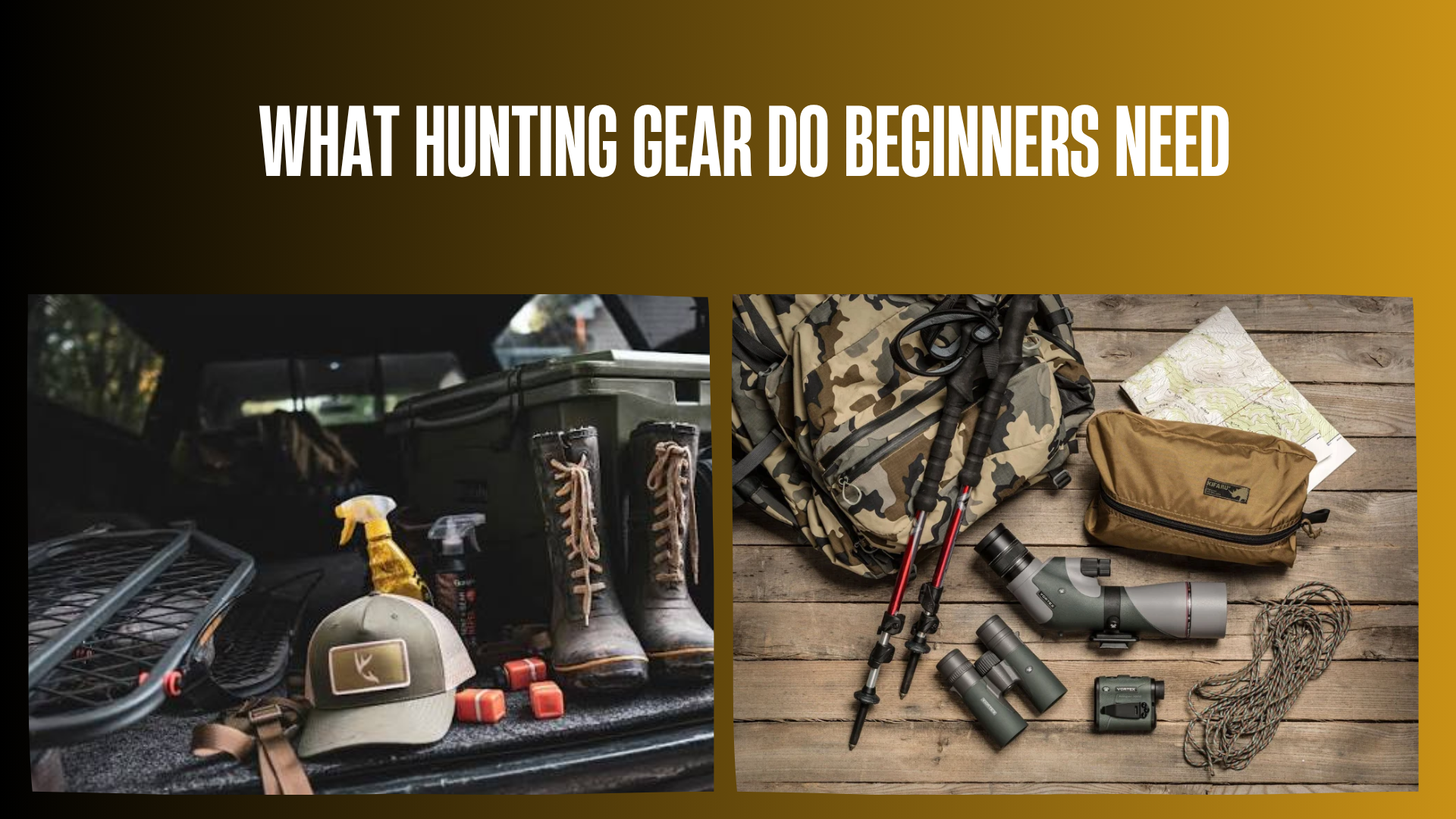
Quick Answer: What Hunting Gear Do Beginners Need?
What hunting gear do beginners need? Start with a valid license and required tags, a legal and properly fitted firearm or bow with compatible ammunition or arrows, required visibility clothing, weather-appropriate layers and boots, water, food, first aid, navigation, illumination, emergency communication, and a realistic game-recovery plan. Add a full-body fall-arrest system for an elevated stand and an approved personal flotation device for boat hunting. Binoculars are highly useful for identification, while calls, scent products, premium camouflage, rangefinders, and specialized packs are conditional rather than universal. Take hunter education, practice before the trip, and verify every current local rule.
Beginner Hunting Gear Priority Table
| Priority | Gear Category | Examples | Beginner Decision |
|---|---|---|---|
| Required | Legal documents and mandated equipment | License, tag, permit, hunter orange where required | Verify with the current official regulations |
| Essential | Safe hunting tool system | Fitted firearm or bow, correct ammunition or arrows, case, protective equipment | Train, inspect, and practice before hunting |
| Essential | Personal safety | First aid, water, light, communication, emergency plan | Match the kit to the location and consequences of delay |
| Essential | Weather protection | Layers, boots, socks, rain shell | Pack for the forecast plus plausible changes |
| Essential | Navigation | Map, compass, offline map or GPS, backup power | Know how to use tools before leaving the trailhead |
| Conditional | Method-specific protection | Full-body harness, lifeline, PFD, wader belt | Mandatory when that hazard is present |
| Conditional | Game recovery | Knife, gloves, game bags, drag aid, cooler | Plan for the species, temperature, distance, and rules |
| Optional | Convenience and specialized tools | Rangefinder, calls, decoys, premium camouflage | Buy only after the hunting method proves a need |
Before Buying Gear: Set the Hunt Parameters
A gear list without a hunt plan becomes either dangerously incomplete or unnecessarily heavy. Before shopping, answer these questions:
- What species and, where relevant, sex or age class may legally be taken?
- Which season, wildlife unit, property, and legal hunting method apply?
- Is hunter education required, and are licenses, stamps, permits, or tags needed?
- Will the hunt be from the ground, an elevated stand, a blind, a boat, or on foot?
- How far is the farthest point from a road, shelter, or reliable help?
- What weather, temperature swing, water exposure, altitude, or wildfire risk is plausible?
- How will a harvested animal be tagged, recovered, cooled, and transported legally?
- Who knows the route, parking location, party members, vehicle, and return time?
Consult the current regulation booklet and the agency page for the exact hunting area. Do not infer a legal caliber, gauge, projectile, orange requirement, bait rule, or shooting hour from a neighboring state or last year’s hunt.
What Hunting Gear Do Beginners Need? The 25-Item Checklist
1. Current License, Permit, Tag, and Required Stamps
Carry every document required for the species, season, location, and method, in the format the agency accepts. Some jurisdictions allow electronic proof; others require paper tags, immediate validation, or a physical license. Bring identification if required and know the reporting procedure before the hunt.
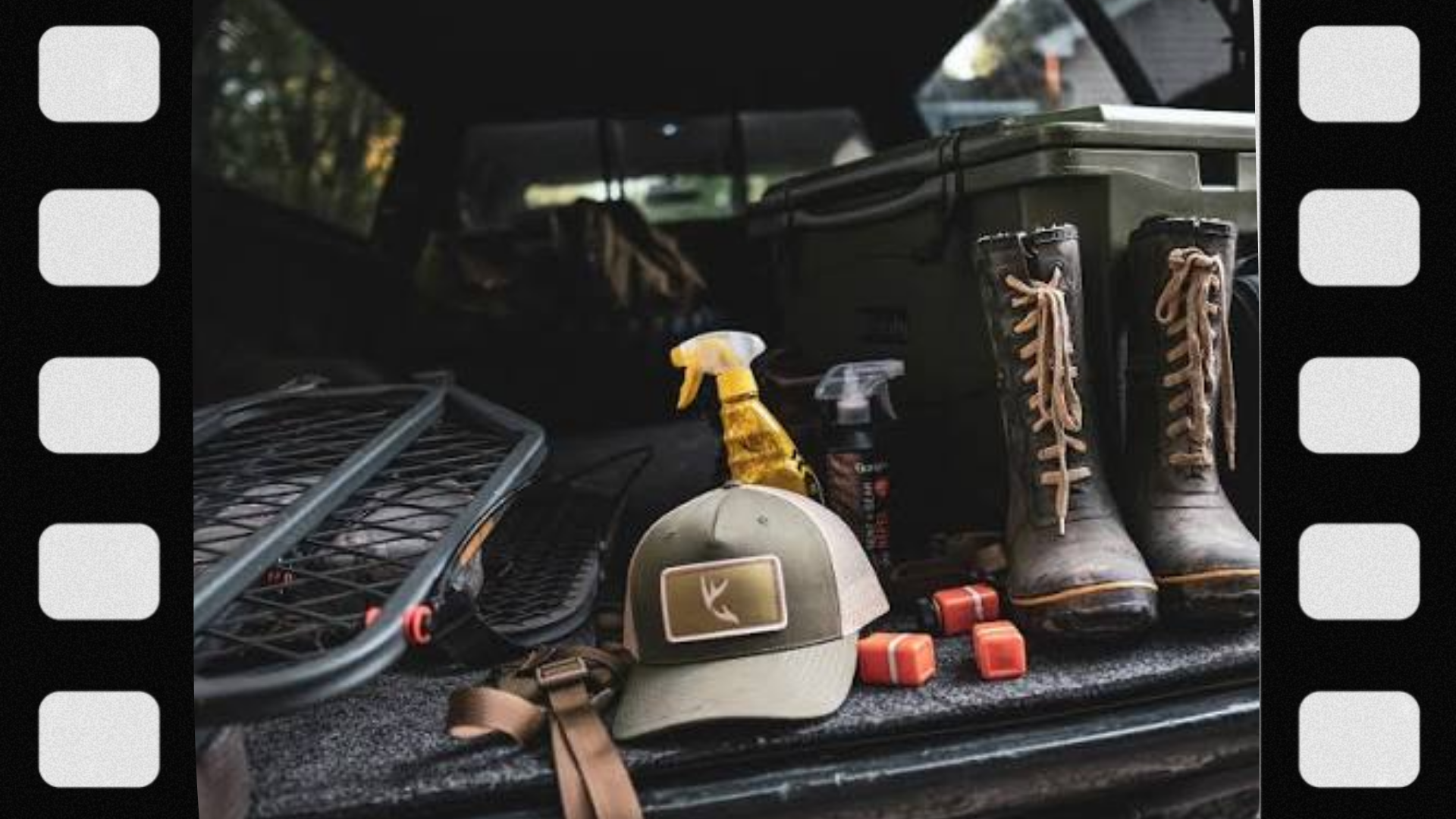
2. Current Regulations and Property Information
Download or carry the current regulation pages that apply to the exact unit. Include a boundary map and written landowner permission where necessary. Public land may have agency-specific access, vehicle, discharge, camping, fire, and seasonal closure rules beyond the statewide hunting regulations.
3. A Legal, Properly Fitted Hunting Tool
The firearm, muzzleloader, bow, or crossbow must be lawful for the species and season, mechanically sound, and suitable for the user. Fit affects control and consistent shooting. A beginner should learn with a qualified instructor or experienced mentor and read the manufacturer’s manual rather than choosing solely by advertising, recoil claims, or maximum range.
4. Exactly Compatible Ammunition, Arrows, and Components
Use only the cartridge or shotshell designation marked for the firearm and permitted by its manual, or arrows and broadheads matched to the bow setup and manufacturer guidance. Local law may regulate projectile type, shot material, magazine capacity, caliber, gauge, broadhead design, or ammunition possession. Carry a modest, protected supply; more is not a substitute for accuracy.
5. A Case, Sling, or Safe Transport System
Transport and storage rules vary, but the equipment must remain controlled, protected, and inaccessible to unauthorized people. A case protects the hunting tool during travel. A correctly fitted sling can help maintain control on foot, but it does not replace muzzle awareness. Unload whenever law, terrain, vehicles, obstacles, or manufacturer instructions require it.
6. Hearing and Eye Protection
Gunfire can permanently damage hearing, including a single shot. Use properly rated hearing protection that still allows safe communication and situational awareness. Eye protection helps guard against debris, brush, ruptured primers, powder, and equipment failures. Archers also benefit from eye protection during practice and appropriate arm or hand protection where needed.
7. Legally Required Visibility Clothing
Hunter orange or pink requirements vary by jurisdiction, season, species, land type, and sometimes whether a firearm season overlaps. Carry compliant garments of the required coverage and pattern. Even where not mandatory, visibility may be appropriate while traveling or recovering game, but turkey-specific practices can differ. Follow current agency guidance.
8. Broken-In Boots with Suitable Traction
Choose boots for the actual ground, temperature, and water exposure. Fit and traction matter more than a hunting logo. Break boots in before the hunt, check soles and laces, and avoid insulation so heavy that sweat creates cold feet. Steep, icy, muddy, rocky, or wet terrain may require specialized footwear.
9. Moisture-Managing Socks
Socks affect warmth and blister prevention. Wool or suitable synthetic fibers generally manage moisture better than cotton in cold or wet conditions. Fit them with the hunting boots, carry a dry spare pair when conditions justify it, and address hot spots early.
10. A Layered Clothing System
Use a moisture-managing base layer, an insulating layer, and an outer layer matched to wind and brush. Add or remove insulation before becoming soaked with sweat. Camouflage is useful in some methods, but weather protection, quiet movement, safe visibility, and fit come first. Avoid cotton as the main cold-weather layer when getting wet is plausible.
11. Rain and Wind Protection
A packable shell can prevent a mild outing from becoming a cold-weather emergency. It should fit over layers and allow safe movement without obstructing vision or equipment controls. In warm conditions, prioritize ventilation; in cold conditions, protect the head, hands, and core while preventing sweat buildup.
12. A Comfortable Day Pack
A basic pack should hold essentials securely without interfering with mounting a firearm, drawing a bow, wearing a harness, or using a PFD. Adjust it before hunting and eliminate loose straps that snag. Waterproof pouches or liners protect documents, first aid, electronics, and spare clothing.
13. Water and a Reliable Container
Carry enough for the weather, exertion, elevation, duration, and return margin. Cold weather does not eliminate dehydration. Remote trips may require a filter or treatment method plus knowledge of local water availability, but treatment does not make every contaminated source safe.
14. Food and an Emergency Calorie Reserve
Pack familiar, durable food that can be eaten without extensive preparation. Bring more than the planned outing requires when a delay is plausible. Account for allergies, medical needs, heat, and wildlife-resistant storage rules.
15. A First-Aid Kit You Know How to Use
At minimum, cover bleeding, minor wounds, blisters, personal medication, and common environmental issues appropriate to the trip. Carry nitrile gloves and emergency contact information. A kit does not replace first-aid training, and unfamiliar tools add weight without capability.
16. A Physical Map
A printed topographic or agency map does not depend on cellular service or a functioning battery. Mark legal boundaries, parking, roads, hazards, restricted zones, water crossings, and an emergency exit. A property-app boundary is a helpful reference, not permission to cross questionable land.
17. A Compass and the Skill to Use It
A simple compass provides a resilient backup to electronics. Learn to orient the map, take a bearing, and recognize magnetic declination before the hunt. Carrying a compass without practice creates false confidence.
18. Offline GPS or Phone Navigation with Backup Power
Download maps before leaving coverage and verify that the correct area opens offline. Protect the device from water and cold, reduce unnecessary battery use, and carry an appropriate power bank. Electronics supplement rather than replace route awareness and a physical backup.
19. Headlamp, Backup Light, and Spare Batteries
A headlamp leaves both hands available for walking, field care, or equipment checks. Pack a second small light or verified spare batteries. Use illumination for travel before and after legal shooting hours, but never shoot merely because a light reveals eyes, movement, or an incomplete animal.
20. Communication and Signaling Tools
A charged phone is useful where coverage exists. A whistle provides a low-cost signal; remote areas may justify a satellite messenger or personal locator beacon. Radios can help a hunting party where lawful, but regulations may restrict their use for pursuing game. No device replaces a trip plan left with a responsible person.
21. Lightweight Emergency Shelter and Fire Option
An emergency bivy, space blanket, tarp, or other compact shelter reduces exposure during an unexpected delay. A fire-starting method can be useful only where fires are lawful, conditions are safe, and the user knows how to control and extinguish a fire. Wildfire restrictions and land rules take priority.
22. A Whistle and Small Repair Kit
A whistle carries farther with less effort than shouting. A short length of strong cord, a few repair patches, and tape wrapped around a small card can address torn gear or a broken strap. Do not improvise repairs to damaged firearm, bow, stand, climbing, or PFD safety components; remove them from service.
23. Binoculars
Binoculars help identify animals and inspect terrain without pointing a firearm at an unknown object. Choose a size that can be held steadily and carried comfortably. Magnification cannot turn an obscured animal or unsafe background into a responsible shot.
24. Game-Care Kit and Cooling Plan
Where a harvest is possible, carry a sharp, controlled knife; disposable gloves; species-appropriate game bags; tag materials; and any required evidence-of-sex or reporting tools. Know how the animal will be moved and cooled promptly. Warm weather, large animals, long pack-outs, and disease-testing rules require additional planning and sometimes experienced help.
25. Hazard-Specific Safety Equipment
This final item changes with the method. Elevated hunting requires a manufacturer-approved full-body fall-arrest system, a lifeline or connection method, inspection, and training. Boat hunting requires an approved and correctly worn personal flotation device plus cold-water and float planning. Waders may require a belt and water-specific precautions. Mountain, desert, bear country, snow, or extreme heat each adds different necessities.
How the Gear List Changes by Hunting Type
| Hunt Type | Likely Additions | Main Hazard Check | Common Overbuy |
|---|---|---|---|
| Ground-based deer hunt | Seat pad, drag or pack-out aid, larger game bags, cooler plan | Target identification, backstop, temperature, recovery route | Oversized pack and multiple scent gadgets |
| Elevated deer hunt | Full-body harness, lifeline, haul line, stand inspection tools | Falls and suspension trauma; never climb with loaded equipment | Accessories before fall-protection training |
| Turkey hunt | Seat, species-specific call, covered decoy bag where used | Other concealed hunters; never stalk sounds or shoot movement | Too many calls before mastering one |
| Upland bird hunt | Eye protection, brush-resistant pants, dog water and first aid if applicable | Zone of fire, companions, dogs, footing, heat | Heavy clothing that restricts swing and walking |
| Waterfowl hunt | PFD, waterproof communication, waders or boat gear, dry clothing | Cold water, weather, boat capacity, muzzle direction | Decoys before water-safety equipment |
| Small-game day hunt | Compact game bag, simple binoculars, weather layers | Low-angle shots, roads, homes, livestock, other users | Big-game equipment that adds needless weight |
| Backcountry big-game hunt | Satellite communication, shelter, water treatment, robust first aid, meat-hauling system | Weather, navigation, altitude, pack weight, delayed help | Ultralight gear without testing or emergency margin |
Useful Gear That Is Not Essential for Every Beginner
Rangefinder
A rangefinder is valuable when distance is hard to judge, especially for archery or open terrain. It remains a measuring aid, not authorization to shoot farther than the hunter’s demonstrated ability or the equipment’s ethical limitations.
Calls and Decoys
These tools are species-, season-, and location-dependent. They require practice and can introduce safety concerns, particularly during turkey hunting. Electronic calls and decoy types may be regulated. Verify the rules before packing them.
Specialized Camouflage and Scent Products
Camouflage can help in visually demanding hunts, but quiet movement, wind awareness, location, and required visibility clothing often matter more. Scent products do not guarantee success and may be restricted under baiting, attractant, or disease-management rules.
Shooting Support
A bipod, tripod, shooting sticks, or a stable natural rest may improve consistency when compatible with the hunting method. Practice with the exact support, confirm a safe muzzle position, and never rest a firearm on an unstable object or another person.
Optic Upgrades
A scope or sight should match the equipment, expected legal distance, user, and lighting. More magnification is not automatically better. Correct mounting, eye relief, zero confirmation, and practice matter more than premium branding.
Pack by Consequence, Not Just Trip Length
Short Day Hunt Near a Vehicle
Carry the legal documents, safe hunting system, clothing, water, basic food, first aid, map and compass, phone, headlamp, whistle, binoculars, emergency layer, and recovery tools. The vehicle can hold a larger cooler, dry clothes, water reserve, and nonessential supplies, but it should not be the only location for items needed to survive an unexpected night.
Full Day in Large Public Land
Add offline mapping, backup power, more water and food, emergency shelter, stronger weather protection, repair items, and a precise return plan. Know property boundaries and restricted zones. Consider how darkness changes navigation and recovery.
Remote or Overnight Hunt
This becomes a backcountry travel problem as well as a hunt. Shelter, sleep system, water treatment, stove or lawful fire plan, extra food, satellite communication, advanced first aid, pack weight, weather margin, and meat care require detailed planning. A new hunter should go with competent partners or a qualified guide rather than treating a long gear list as a substitute for experience.
Safety and Legal Requirements Come Before Equipment
Complete an approved hunter-education course and learn from a responsible mentor or instructor. Regulations can change annually or through emergency orders. The correct official source is the wildlife agency controlling the species and land, not a retailer checklist or an old forum answer.
For firearms, follow four universal principles:
- Treat every firearm as if it is loaded.
- Keep the muzzle pointed in a safe direction.
- Keep your finger outside the trigger guard until ready to shoot.
- Be certain of the target and what is beyond it.
Use binoculars to identify wildlife rather than aiming a firearm scope at an unknown object. Keep ammunition compatible and protected. Follow safe loading, unloading, storage, transport, and obstacle-crossing procedures from hunter education and the manufacturer. Archers must never dry-fire a bow or crossbow and must follow cocking, loading, and decocking instructions.
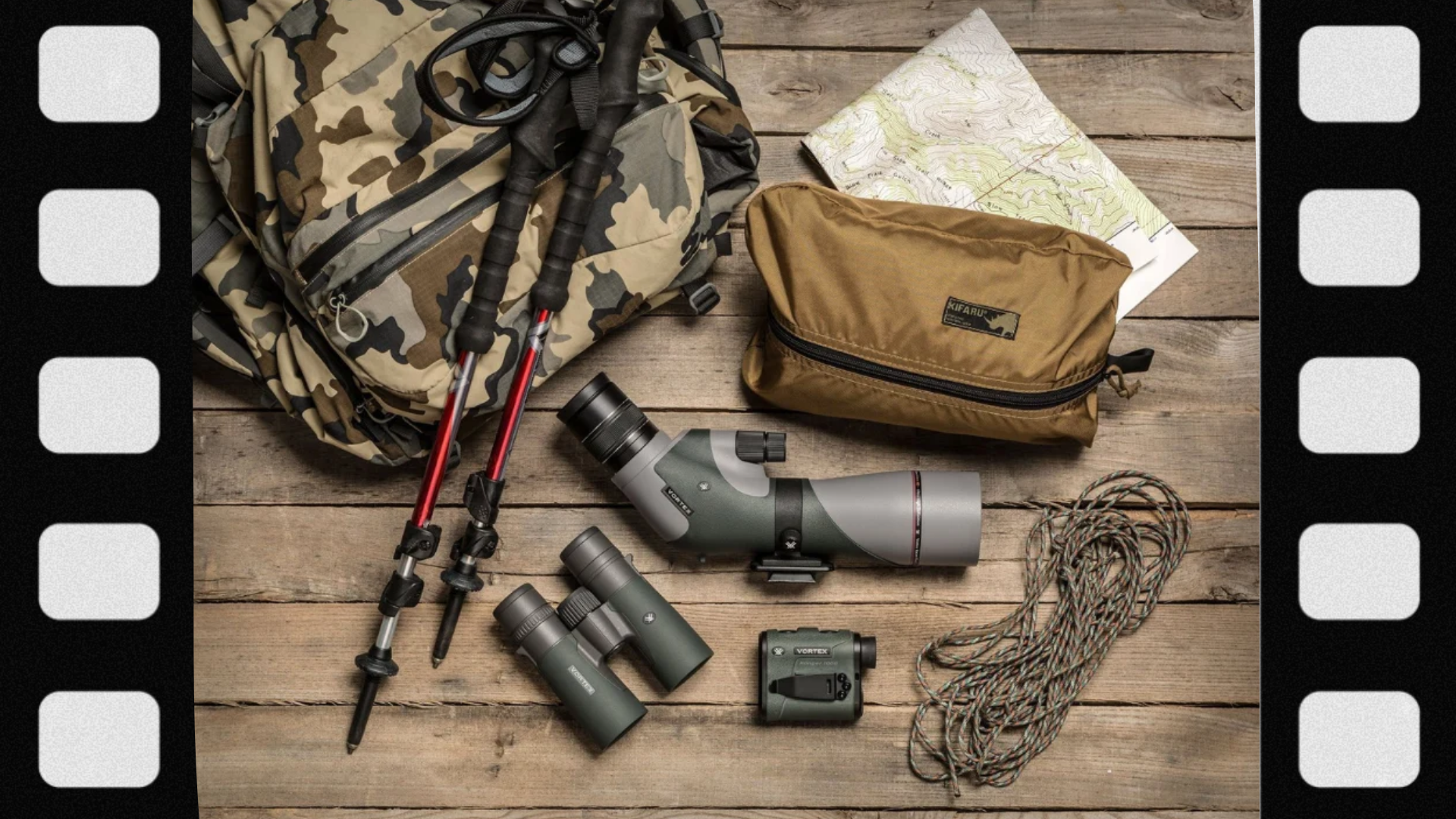
For trip planning, the National Park Service Ten Essentials provides a useful outdoor-safety framework covering navigation, light, sun protection, first aid, repair tools, fire, shelter, food, water, and clothing. Land-specific rules still control. The Alaska Department of Fish and Game hunt-planning workbook illustrates how route, equipment, food, clothing, first aid, and survival planning fit together for consequential hunts.
How to Build a Beginner Hunting Kit on a Budget
- Pay for education and practice first. Training prevents more problems than a premium accessory.
- Resolve legal requirements before shopping. Buying the wrong method, ammunition, clothing, or tag wastes money.
- Use outdoor clothing you already own. Neutral, quiet layers and reliable rainwear may work if they meet weather and visibility needs.
- Borrow only when lawful and safe. Firearm, bow, and equipment loans or transfers can be regulated. Confirm the law, fit, condition, and manufacturer instructions.
- Spend on boots and hazard protection. Fit, fall protection, flotation, hearing protection, and weather protection deserve priority.
- Choose a simple pack and binoculars. Comfort and dependable function matter more than excessive pockets or magnification.
- Delay specialized accessories. After several mentored trips, actual field problems will reveal which upgrades are useful.
You do not need the most expensive equipment to hunt responsibly. Choose gear based on the species, terrain, weather, local regulations, fit, safety, reliability, maintenance requirements, and your actual experience.
The Night-Before and Trailhead Check
Night Before
- Confirm the season, unit, legal animal, shooting hours, method, and any emergency orders.
- Inspect the firearm, bow, ammunition, arrows, optics, harness, PFD, and other safety equipment.
- Check weather, access, wildfire, road, water, and land closures.
- Download offline maps and charge every device and battery pack.
- Pack water, food, medicine, first aid, lights, layers, and game-care equipment.
- Send the trip plan and overdue response instructions to a reliable person.
At the Trailhead
- Park legally without blocking gates or emergency access.
- Verify the map, boundary, route, return time, and party communication plan.
- Put on required visibility gear before entering the field.
- Confirm safe transport and chamber or bow status before moving.
- Turn around if weather, health, equipment, access, or visibility is no longer safe.
Common Beginner Gear Mistakes
- Buying before checking regulations: Legal methods and equipment vary by place and season.
- Carrying gear without knowing how to use it: Practice navigation, first aid, lighting, harness use, and equipment operation.
- Depending only on a phone: Batteries fail, screens break, and coverage disappears.
- Wearing new boots on opening day: Test them on comparable walks first.
- Overpacking accessories: Excess weight increases fatigue, imbalance, and poor decisions.
- Underpacking water and weather layers: Forecasts and exertion can change.
- Forgetting game care: A harvest creates immediate legal, physical, and food-safety responsibilities.
- Treating a safety device as optional: Harnesses and PFDs must be selected and worn before the hazard occurs.
- Using the wrong ammunition or arrow setup: Match markings, manuals, equipment, species, and law exactly.
- Believing gear replaces judgment: No optic, app, call, or premium weapon makes an uncertain shot responsible.
Final Answer: What Hunting Gear Do Beginners Need?
What hunting gear do beginners need? Every first kit should cover legal documents, a lawful and fitted hunting tool with compatible components, safe transport, hearing and eye protection, required visibility, boots and layers, a pack, water and food, first aid, navigation with a backup, light, communication, emergency shelter, binoculars, and a complete recovery and cooling plan. Hazard-specific equipment—a full-body fall-arrest system for elevated hunting or a PFD for boat hunting—is essential whenever that hazard exists.
Keep the first setup simple. Verify current regulations, take hunter education, practice under realistic conditions, leave a trip plan, and hunt with a responsible mentor. Add specialized gear only when the species, method, terrain, or experience demonstrates a real need. Safe judgment, positive target identification, a safe backstop, ethical range, and willingness to turn around matter more than any product.
FAQs
1. What are the absolute essentials for a first hunting trip?
Bring legal documents, a lawful and practiced hunting tool, compatible ammunition or arrows, required visibility, weather clothing, boots, water, food, first aid, navigation, light, communication, binoculars, and a recovery plan. Add equipment for specific hazards.
2. Do beginners need camouflage?
Not for every hunt. Neutral, quiet clothing may be adequate depending on the species and method. Movement control, wind, concealment, legal visibility clothing, and safe identification are often more important.
3. Do I need expensive hunting clothes?
No. Clothing must fit, manage moisture, block expected wind or rain, and meet visibility rules. Existing outdoor layers can work if they are safe, quiet enough for the method, and suited to conditions.
4. What should be in a beginner’s hunting backpack?
Documents, regulations, map, compass, offline navigation, water, food, first aid, headlamp, backup light, communication, weather layers, emergency shelter, whistle, repair items, and recovery supplies form a sound base.
5. How large should a beginner hunting pack be?
It should hold the verified essentials without forcing items outside or encouraging overpacking. Required volume depends on weather, distance, species, and whether meat must be carried. Fit and load control matter more than a universal liter rating.
6. Do I need binoculars if my firearm has a scope?
Yes, binoculars are the safer tool for observing and identifying unknown animals or objects. Never point a firearm at something merely to view it through the scope.
7. Does a new hunter need a rangefinder?
It is useful for archery, open terrain, or unfamiliar distances but is not universal. It measures distance; it does not extend the hunter’s practiced ability or make a poor shot ethical.
8. How much water should a hunter carry?
The amount varies with heat, cold, altitude, exertion, duration, body size, and available safe water. Plan a reserve for delays and do not assume cold weather prevents dehydration.
9. Is a first-aid kit necessary on a short hunt?
Yes. Cuts, falls, blisters, allergic reactions, and other problems can happen close to a vehicle. Carry a compact kit you understand and personal medication you may need.
10. Can a phone replace a map and compass?
No. Phones are valuable but can lose signal, power, or function. Download maps, carry backup power, and bring a physical map and compass with the skills to use them.
11. Do hunters need a GPS?
Not always, but reliable offline navigation is valuable. A phone app or dedicated GPS can supplement a physical map and compass. Learn the system before the hunt.
12. Why carry a headlamp during a daytime hunt?
Delays, recovery, equipment trouble, or navigation can continue after sunset. A headlamp keeps both hands available. Pack a backup light or spare batteries.
13. Do I need hunter orange?
Possibly. Requirements vary by jurisdiction, season, species, method, and land. Check the current official rule for the exact hunt and follow additional agency safety recommendations.
14. What hearing protection is best for hunting?
Use properly rated protection that fits consistently and permits safe communication and awareness. Electronic protectors can help in some situations, but fit, rating, battery status, and correct use matter most.
15. Should beginners hunt alone?
A responsible mentor or qualified guide can improve safety, legal understanding, recovery, and learning. If hunting alone is lawful and appropriate, use a conservative route, robust communication, and a detailed trip plan.
16. What gear is required for a tree stand?
Use a manufacturer-approved full-body fall-arrest system and stay connected as directed while off the ground. Inspect the stand, harness, straps, and lifeline. Haul unloaded equipment separately rather than climbing with it.
17. What safety gear is needed for hunting from a boat?
Wear an approved, correctly fitted PFD and carry legally required boat equipment, communication, lights, weather protection, and emergency signaling. Check capacity, cold-water risk, wind, waves, and firearm-handling procedures.
18. What game-processing tools does a beginner need?
A controlled sharp knife, disposable gloves, legal tag supplies, suitable game bags, and a cooling and transport plan are a common base. The species, temperature, disease rules, evidence requirements, and pack-out determine additions.
19. Do I need a cooler for hunting?
Often, especially in warm conditions or when travel home is delayed. Cooler size and ice needs depend on the species and whether the animal can legally be quartered. Plan before the hunt.
20. Can I borrow a firearm or bow for my first hunt?
Only if the loan, possession, transport, and use are lawful. Confirm fit, compatibility, condition, training, and manufacturer instructions. Firearm transfer and age rules vary by location.
21. How should a beginner choose hunting boots?
Match traction, waterproofing, insulation, height, and support to the terrain and weather. Fit them with hunting socks and break them in on comparable walks before opening day.
22. Are calls and scent products necessary?
No. They are species- and method-specific, require practice, and may be regulated. Neither guarantees success, and beginners benefit more from learning habitat, wind, safety, and animal identification first.
23. What should stay in the vehicle?
A larger water reserve, dry clothing, towels, cooler and ice plan, charging cable, footwear, cleaning supplies, and nonessential food can remain in a legally parked vehicle. Field survival essentials should stay with the hunter.
24. How do I avoid packing too much hunting gear?
Assign every item a job: legal compliance, safety, weather, navigation, emergency response, observation, or recovery. Remove duplicates that do not provide meaningful backup and weigh the loaded pack during practice walks.
25. What should a beginner buy first?
After education and licensing, prioritize properly fitted boots and clothing, required visibility, hearing and eye protection, navigation, first aid, light, water capacity, and hazard-specific safety gear. Delay specialized accessories until the hunt plan shows a need.
Read more: