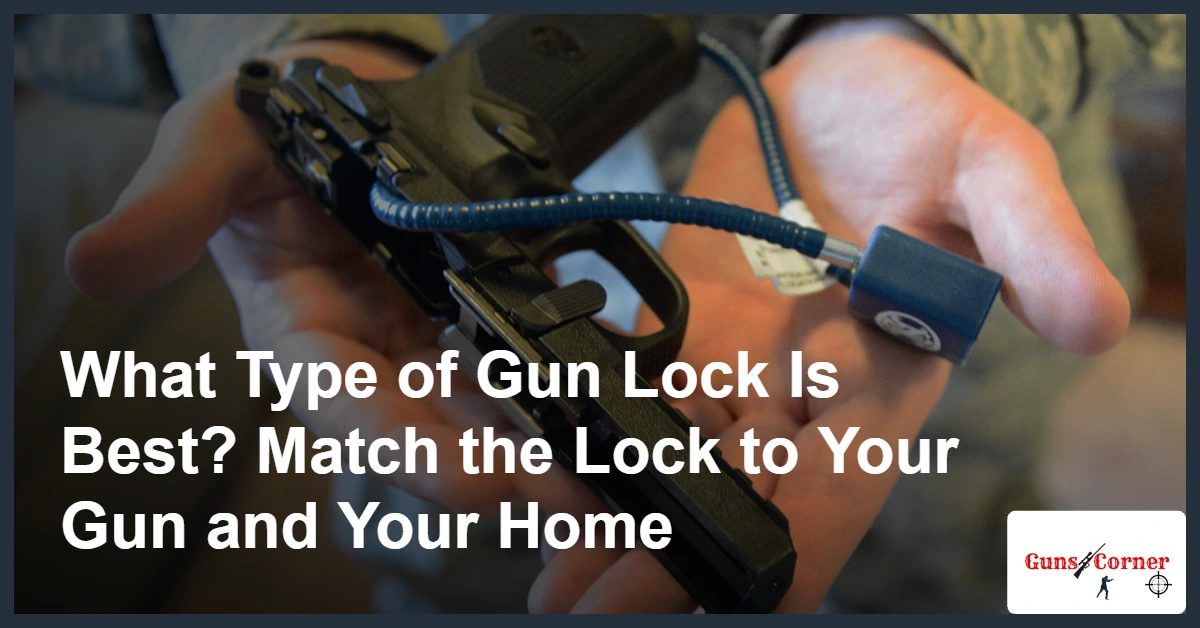
For most people, the best type of gun lock isn’t a device on the gun at all. It’s a locked steel container: a bolted-down lockbox for a handgun or a safe for long guns, with every firearm stored unloaded. If you need a lock that attaches to the gun itself, a cable lock run through the open action is the best type for most rifles, shotguns, and handguns.
Trigger locks come last. They’re cheap and fit almost anything, but they leave the action free to work. The right pick depends on three things: the kind of gun you own, who lives in your house, and how fast you need to reach it.
The 4 Main Types of Gun Locks, Compared
King County Public Health in Washington sorts home storage devices into four main groups: lockboxes, safes or vaults, cable locks, and trigger locks. California’s Department of Justice also approves less common designs, like chamber locks that sit in the chamber (the part of the barrel that holds the cartridge), magazine blocks, and locks built into the gun at the factory.
| Lock type | How it works | What it stops | Weak spots | Typical price* |
|---|---|---|---|---|
| Lockbox | Small steel box for one or two handguns, opened by key, combination, keypad, or fingerprint | Curious kids, teens, and grab-and-go theft if bolted down | Thin boxes can be pried open if they aren’t mounted | $25 to $200+ |
| Gun safe or vault | Large steel container for long guns, handguns, and valuables | Kids, teens, most burglars, and often fire | Heavy, hard to move, costs the most | $150 to thousands |
| Cable lock | Steel cable threaded through the open action and locked with a padlock | Loading and firing the gun | Thin cables can be cut, and the gun can still be stolen | Free to $20+ |
| Trigger lock | Two halves clamp around the trigger guard so the trigger can’t be pulled | Pulling the trigger | Some models won’t stop older kids or teens, and some break easily | $5 to $30+ |
*Price ranges from King County Public Health. Treat them as a rough guide, not current retail pricing.
Why a Cable Lock Beats a Trigger Lock on Most Guns
A cable lock runs through the gun’s action (the parts that load, fire, and eject a cartridge), usually through the ejection port (the opening where empty cases come out) or the chamber. The U.S. Department of Veterans Affairs explains that this keeps the gun from being loaded or fired until the cable comes off.
A trigger lock only covers the trigger. The action still opens and closes, so someone can still load the gun. Here’s the catch: the bar that joins the two halves sits right behind the trigger, which is why trigger lock makers warn you never to install one on a loaded gun.
Cable locks also build in a safety check. You have to open the action to thread the cable, so you see an empty chamber before the lock goes on.
The trade-off is speed. Removing a cable lock takes a key or a combination plus a few seconds of fumbling, so it’s the wrong choice for a handgun you keep for home defense. Trigger locks still earn a spot as a backup on a gun that’s already inside a locked case or cabinet, or on a gun whose manual shows no path for a cable.
When a Lockbox or Safe Is the Better Choice
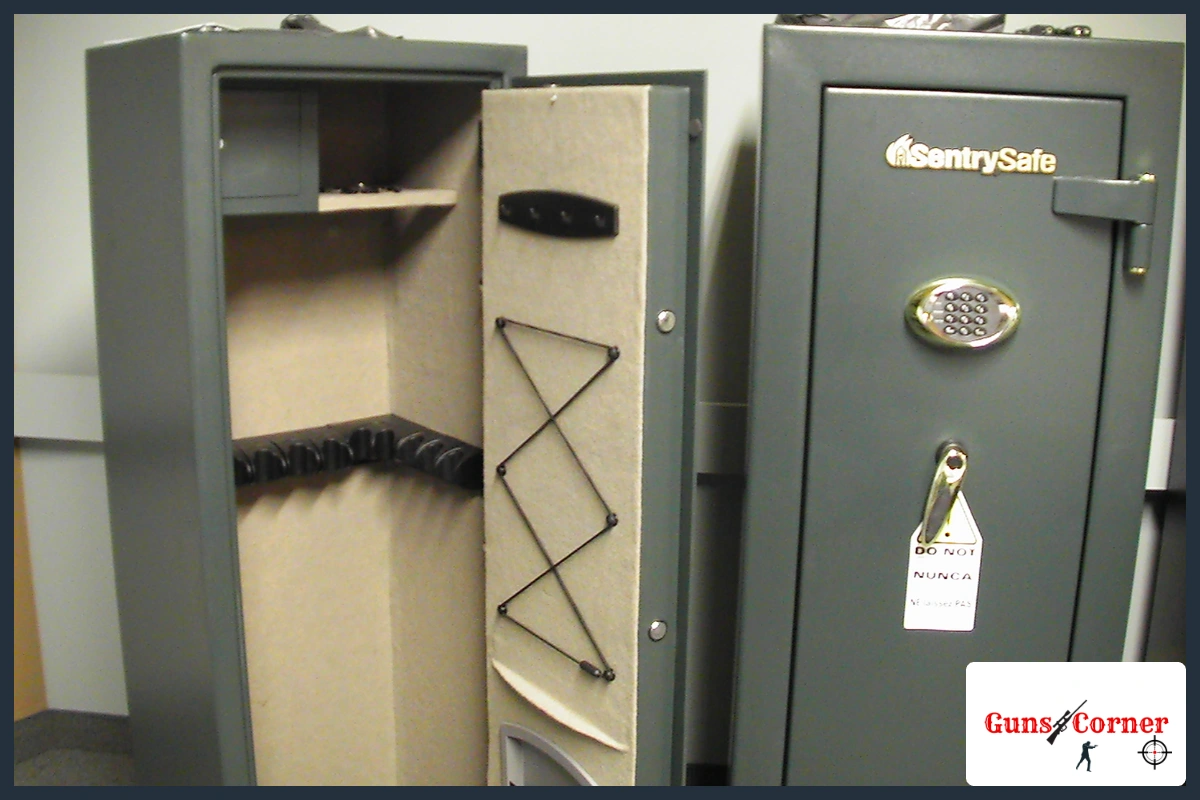
Any device clamped onto a gun leaves with the gun. If theft or a determined teenager is the real worry, you need a lock that holds the gun, not one that rides along with it.
King County Public Health notes that many safety experts recommend lockboxes, safes, or gun vaults with a push-button, combination, or keypad lock. Gun owners seem to lean the same way. A 2023 systematic review in Injury Epidemiology, which screened 797 sources and kept 38, found signs that U.S. owners prefer larger devices like lockboxes and safes. The authors warned that programs built around handing out small locks may not match what owners actually want.
- Lockbox: best for a home-defense handgun or one or two pistols. Bolt it down using the mounting holes most models include. Skip it if you mainly own long guns.
- Safe: best for long guns, a growing collection, or theft protection. Skip it if you rent and can’t anchor anything to the floor, and use a lockbox secured with a steel cable to a heavy fixture, plus cable locks on the long guns.
Which Lock Fits Your Gun’s Action?
According to the VA, a standard cable lock works on semi-automatic pistols, revolvers, modern sporting rifles, semi-automatic and pump-action shotguns, and bolt-action rifles. For anything else, the VA points you to the owner’s manual or the manufacturer’s customer service line.
| Gun type | Standard cable lock? | Best upgrade or backup |
|---|---|---|
| Semi-automatic pistol | Yes | Quick-access lockbox if it’s your home-defense gun |
| Revolver | Yes | Lockbox |
| AR-style rifle (modern sporting rifle) | Yes | Safe or locking cabinet |
| Pump or semi-auto shotgun | Yes | Safe or locking cabinet |
| Bolt-action rifle | Yes | Safe or locking cabinet |
| Lever-action, break-action, single-shot, or muzzleloader | Not on the VA list | Check the manual first, then use a safe, a locked hard case, or a trigger lock that fits |
Fit matters more than most owners think. California’s Department of Justice warns that aftermarket parts such as new grips or sights can change how a safety device fits, and it tells owners to use every device exactly as the maker’s instructions say. Added a red dot or a bigger grip? Test the lock again before you trust it.
California also publishes a compatibility chart that lists approved devices by gun category: revolvers, pistols, derringers, rifles, and shotguns. Even if you don’t live there, it’s a handy way to see which device styles are built for your type of gun.
Key, Combination, Keypad, or Fingerprint?
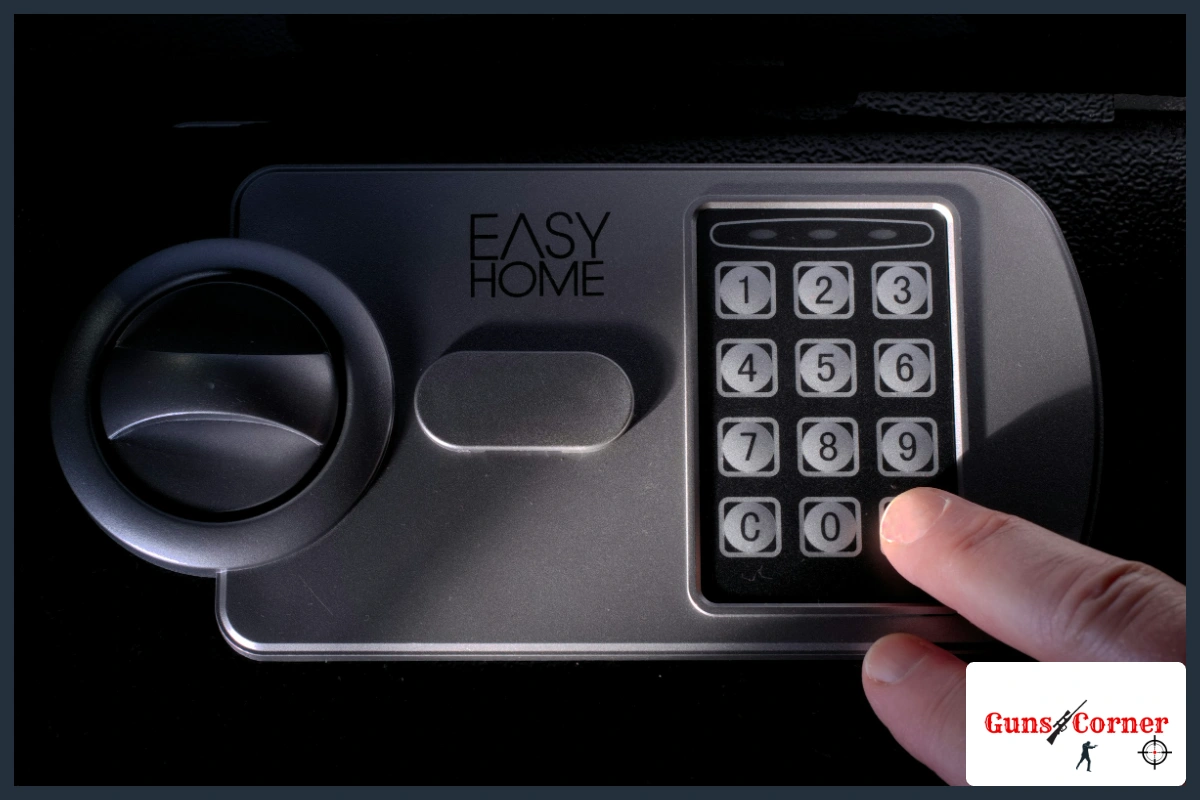
Once you’ve picked the lock type, you still have to pick how it opens. Each option trades speed against things that can fail.
- Keyed: simple, no batteries, nothing to forget. The key is the weak point, so it’s best for long-term storage where you can keep the key on you. Skip it if the only hiding spot is the same drawer as the gun.
- Combination: no key to lose, and you can share the code with a spouse and change it later. Slower to open in the dark or under stress.
- Keypad: fast, and King County notes some models have lighted keypads for use at night. Batteries die, so pick one with a backup key and change the batteries on a schedule.
- Fingerprint (biometric): the fastest option for an enrolled user when it reads cleanly, but it depends on power and a clean, dry finger. Treat the backup key or code as part of the lock, not an afterthought.
The Best Gun Lock Type for Your Situation
Here’s how the options line up for the most common households. Start with the row that sounds like yours.
| Your situation | Best choice | Avoid |
|---|---|---|
| Young kids at home | Lockbox or safe, plus a cable lock on any gun outside it | A trigger lock as the only layer |
| Teens at home | Safe or lockbox they can’t open, keys and codes kept on you | Trigger locks, which King County says some models won’t stop older kids or teens |
| Home-defense handgun | Bolted-down quick-access lockbox | Any lock that clamps onto a loaded gun |
| Deer rifles and shotguns in a closet | Safe or locking cabinet, cable locks at minimum | Leaving them unlocked “because they’re unloaded” |
| Hunting camp or road trip | Locked hard case plus a cable lock | A soft case on the back seat |
| Someone at home is in crisis | Store guns away from home for a while, or lock them where that person has no key or code | Assuming any lock alone is enough |
That last row deserves a plain word. The VA describes a cable lock as a way to put time and space between a moment of despair and a permanent decision. If a Veteran or service member you know is struggling, the Veterans Crisis Line is open around the clock: dial 988, then press 1.
Mistakes That Make Any Gun Lock Useless
Most lock failures aren’t about steel. They’re about habits.
- Keeping the key with the gun. A cable lock with the key taped to the case is jewelry, not security.
- Locking a loaded gun. California’s Department of Justice says all firearms should be stored unloaded and locked. Unload first, every time.
- Storing ammo right next to it. If the gun and the cartridges sit in the same unlocked closet, the lock is doing all the work alone.
- Counting on a thin cable to stop theft. King County points out that thin cables can be cut. A cable lock keeps a gun from firing, not from leaving the house.
- Never re-checking the fit. A lock that fit the factory grip may not fit after upgrades, as California’s Department of Justice notes.
How to Get a Gun Lock for Free
You may not need to buy a cable lock at all. Check the box your gun came in first, since many new guns ship with a lock. The VA gives every Veteran a free cable lock at any local VA medical center or clinic, with no paperwork. The National Shooting Sports Foundation’s Project ChildSafe program also hands out free cable locks through participating police and sheriff’s departments.
Free locks are a fine starting point. Just remember they solve the “can it fire?” problem, not the “can it walk away?” problem.
So, Which Type of Gun Lock Should You Buy?
Put the money into a locked container first: a bolted-down lockbox for handguns, a safe for long guns. Then use cable locks on anything that lives outside that container. Save trigger locks for backup duty.
Tonight, unload each gun, open the action, and see whether the lock that came with it actually threads through. If it doesn’t fit, or if you need fast access to a handgun, a bolt-down lockbox goes to the top of your list.
Frequently Asked Questions
Are Gun Locks Required by Law?
At the federal level, the requirement falls on sellers, not owners. The Child Safety Lock Act of 2005 requires licensed dealers, manufacturers, and importers to provide a secure storage or safety device with every handgun they sell. Whether you must use a lock at home depends on your state, so check your state attorney general’s or state police website.
Is a Chamber Lock or Lockable Magazine a Good Option?
It can be, as long as it’s made for your exact gun. A chamber lock fills the chamber so a round can’t go in, and California’s approved list includes chamber locks and magazine-block devices. These designs are often caliber- or model-specific, so confirm the fit with the maker before you buy.
Do You Still Need a Gun Lock If Your Guns Are in a Safe?
Usually not. California’s Department of Justice counts approved safes and lockboxes as firearm safety devices in their own right. A cable lock inside the safe still helps if other adults know the combination, or when a gun leaves the safe for a trip.
What’s the Best Type of Lock for a Gun Safe?
There’s no single winner. A mechanical dial needs no batteries but opens slowly, an electronic keypad is fast but runs on batteries, and a fingerprint reader is fastest for enrolled users but depends on power and a clean read. For most owners, a keypad with a backup key is the practical middle ground.