
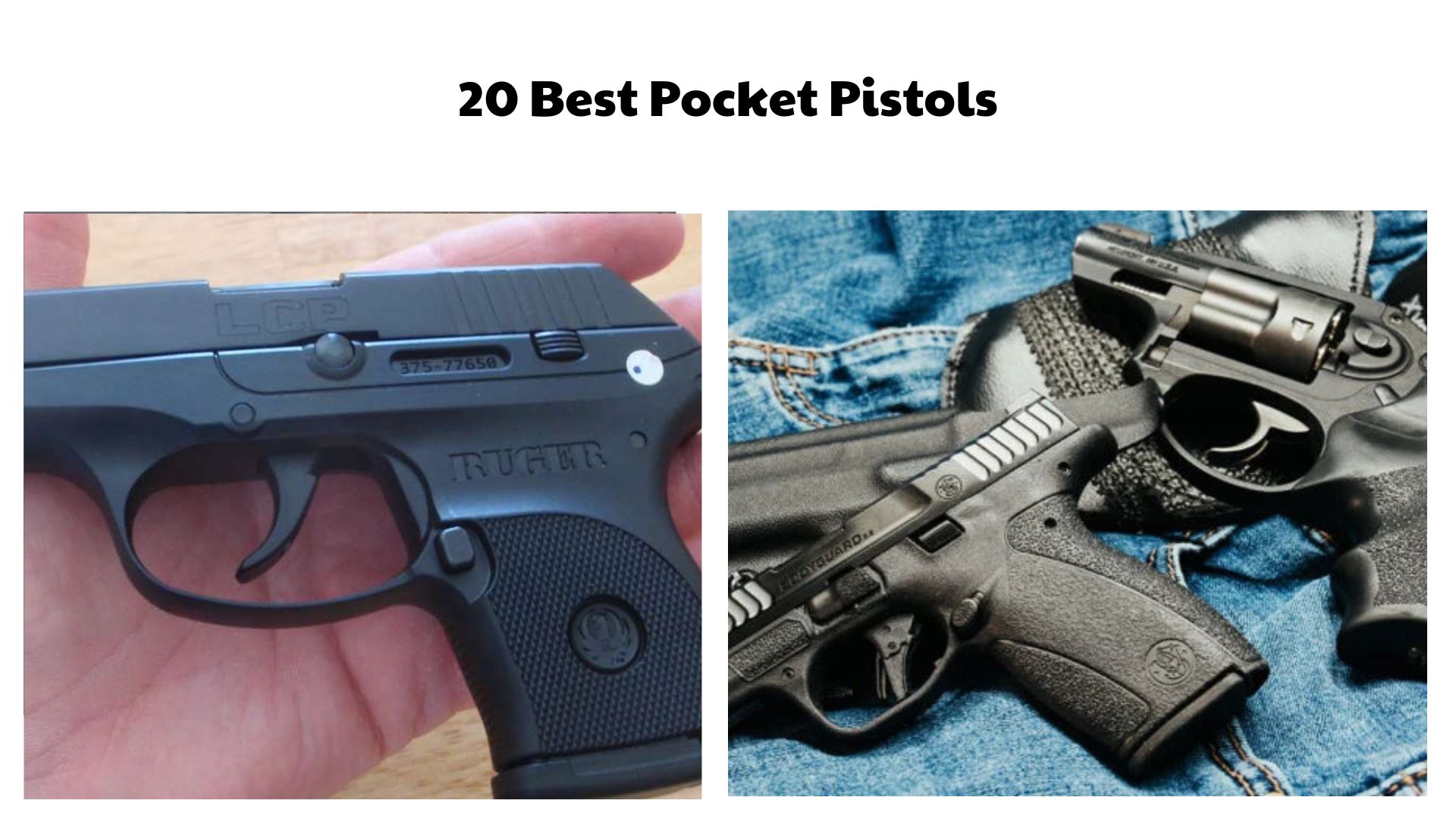

Choosing the Best Pocket Pistols is all about balancing deep concealment, reliability, and controllable recoil in a very small platform. Unlike full-size handguns, pocket pistols are designed to disappear in a pocket holster or minimal carry setup while still offering meaningful defensive capability. This guide focuses on real-world performance rather than specifications alone, highlighting how each pistol behaves in handling, recoil management, ergonomics, and everyday carry usability. Pocket pistols typically fall into .380 ACP or micro 9mm categories, and each design reflects a compromise between size and shootability. Below are the first five carefully selected models that consistently stand out in concealment-focused defensive use.
20 Best Pocket Pistols
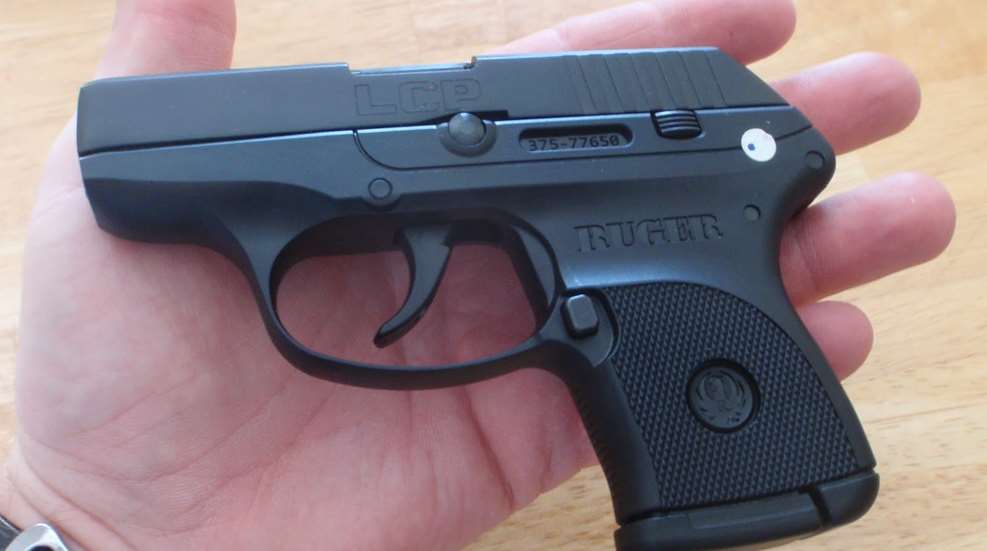
1. Ruger LCP Max
The Ruger LCP Max represents one of the most refined evolutions in the ultra-compact .380 ACP category. It builds on the legacy of the original LCP platform but introduces meaningful improvements in capacity, ergonomics, and shootability. In the world of pocket pistols, where every millimeter of size reduction usually sacrifices control, the LCP Max manages to maintain a surprisingly usable shooting experience. This balance is what makes it one of the strongest contenders in the Best Pocket Pistols category for deep concealment users.
In handling, the LCP Max feels extremely light and compact, designed almost to disappear when carried in a pocket holster. Despite its minimal footprint, the extended grip texture allows a more secure hold compared to earlier generations. This improvement significantly reduces the feeling of instability often associated with micro pistols. The .380 ACP recoil is present but manageable, especially with proper grip technique. Because of its lightweight frame, the recoil impulse is sharper than heavier pistols, but it remains predictable and controllable for most users.
Performance-wise, the LCP Max is engineered for reliability in short-range defensive scenarios. It feeds modern defensive ammunition consistently and offers improved sighting systems compared to older pocket pistols. The higher magazine capacity also gives it an advantage in a category traditionally limited by low round counts. While it is not designed for extended range sessions, it performs well in quick defensive drills and everyday carry situations where speed and concealability matter most.
Overall, the Ruger LCP Max is best suited for users who prioritize maximum concealment without completely sacrificing shootability. It is a modern evolution of the pocket pistol concept, making it a practical and dependable everyday carry option.
2. SIG Sauer P365
The SIG Sauer P365 is widely regarded as a game-changer in the micro-compact 9mm category. While slightly larger than traditional pocket pistols, it still fits within deep concealment roles when paired with proper holsters. Its standout feature is capacity, offering significantly more rounds than typical pocket-sized firearms while maintaining a remarkably small frame. This balance has made it a benchmark in discussions about modern concealed carry efficiency.
In handling, the P365 feels more like a compact duty pistol scaled down rather than a traditional pocket gun. The grip is long enough to support a full firing hand, which greatly improves recoil control and shooting confidence. The 9mm cartridge is noticeably more powerful than .380 ACP, but the gun’s ergonomics and weight distribution help keep recoil manageable. Compared to ultra-light pocket pistols, the P365 provides a much smoother shooting experience.
Performance is one of the strongest aspects of this platform. It delivers consistent accuracy, reliable cycling, and excellent adaptability to different shooting conditions. The trigger is crisp enough for precise shot placement, and the sight system supports fast target acquisition. Many users appreciate that it bridges the gap between pocket pistols and larger concealed carry handguns.
The SIG P365 is ideal for users who want pocket-like concealment but prefer the performance of a true 9mm defensive pistol. It represents a modern evolution in concealed carry thinking.
3. Glock 42
The Glock 42 is Glock’s entry into the ultra-compact .380 ACP segment, designed specifically for users who prioritize simplicity, reliability, and ease of maintenance. It retains Glock’s signature design philosophy while scaling down the platform for deep concealment use. Although it is not the smallest pocket pistol available, it strikes a strong balance between shootability and compactness.
In handling, the Glock 42 feels lightweight and very manageable. The grip is slightly larger than some micro pistols, which actually improves control during firing. The .380 ACP recoil is soft, making it comfortable for extended practice sessions compared to smaller, harsher-recoiling pocket guns. The consistent trigger pull and familiar Glock ergonomics make it easy for users already familiar with the brand to adapt quickly.
Performance is highly reliable, as expected from Glock engineering. It functions consistently with a wide range of ammunition and is known for its durability under repeated use. While its magazine capacity is lower than modern high-capacity micro 9mm pistols, it remains a dependable defensive option in a very slim package.
The Glock 42 is best suited for users who value simplicity and reliability over maximum capacity or advanced features. It is a straightforward, no-nonsense pocket carry option.
4. Smith & Wesson Bodyguard 2.0
The Smith & Wesson Bodyguard 2.0 is a refined ultra-compact .380 ACP pistol designed for deep concealment and everyday carry. It improves on earlier generations with better ergonomics, improved trigger design, and more refined internal mechanics. Its primary focus is simplicity and portability, making it a strong choice for users who need a lightweight defensive firearm that can be carried effortlessly.
In handling, the Bodyguard 2.0 is extremely compact and easy to conceal. Its small grip and lightweight frame make it ideal for pocket carry, though it requires proper grip discipline to manage recoil effectively. The .380 ACP cartridge keeps recoil within a manageable range, but the ultra-light frame means recoil feels more pronounced than heavier pistols.
Performance is consistent for a pistol of its size. It is designed for close-range defensive use and performs reliably when properly maintained. The trigger system has been improved for smoother operation, making it easier for users to achieve consistent shot placement under stress.
The Bodyguard 2.0 is best suited for users who prioritize maximum concealment and minimal weight above all else, making it a practical everyday backup or primary deep concealment pistol.
5. Beretta Pico
The Beretta Pico is one of the thinnest .380 ACP pistols available, designed specifically for deep concealment applications where size reduction is the top priority. Its modular design and ultra-slim profile make it unique in the pocket pistol category. Unlike many compact pistols, the Pico emphasizes concealability over extended shooting comfort.
In handling, the Pico feels extremely narrow and lightweight, making it almost unnoticeable when carried. However, this minimal size also means reduced grip surface, requiring more deliberate control during firing. The recoil is noticeable but not unmanageable, especially with proper stance and grip technique.
Performance is reliable for its intended purpose, which is close-range defensive use. It is not designed for high-volume shooting, but it performs well when used within its role as a discreet carry firearm. The simplicity of the design supports consistent function with appropriate maintenance.
The Beretta Pico is ideal for users who need the thinnest possible defensive pistol for maximum concealment in everyday carry situations.
6. Sig Sauer P938
The Sig Sauer P938 is a compact 9mm pistol built in a mini 1911-style platform, offering a rare combination of pocket-sized dimensions and full 9mm performance. Unlike many ultra-light pocket pistols that prioritize concealability above all else, the P938 focuses on delivering a more controlled shooting experience within a still-very-compact frame. This makes it a strong option in the Best Pocket Pistols category for users who want more power without moving into larger carry sizes.
In handling, the P938 feels solid due to its metal frame construction. This added weight helps reduce felt recoil compared to polymer micro pistols, especially when firing standard 9mm defensive ammunition. The single-action trigger is one of its standout features, offering a crisp break and short reset that improves shot precision. However, it also requires more attention to safe handling practices since it operates differently from striker-fired designs.
Performance is strong in defensive scenarios, particularly at close to moderate distances. The pistol is accurate, consistent, and reliable when properly maintained. Its compact size does not significantly compromise control thanks to its well-balanced weight distribution. However, users must be comfortable with manual safeties and 1911-style operation.
The P938 is best suited for experienced users who want a pocket-friendly 9mm pistol with enhanced shooting precision and a more traditional firearm feel.
7. Kel-Tec P-32
The Kel-Tec P-32 is one of the lightest centerfire pistols ever produced, designed specifically for deep concealment and minimal carry burden. Chambered in .32 ACP, it prioritizes weight reduction and simplicity over raw power. Despite its modest caliber, it remains popular in discussions of the Best Pocket Pistols due to its extreme portability and ease of carry.
In handling, the P-32 is almost weightless in the pocket, making it easy to carry all day without discomfort. The recoil is very mild due to the low-pressure cartridge, which makes it easy to control even for new shooters. However, the small grip and minimal controls require careful handling to maintain consistency during firing.
Performance is adequate for close-range defensive use, where shot placement matters more than caliber size. It is not intended for high-volume shooting or extended range practice, but it performs reliably when used within its design limits. Its simplicity and ultra-light frame are its greatest strengths.
The Kel-Tec P-32 is best suited for users who prioritize absolute minimal weight and maximum concealment above all other performance factors.
8. Kahr P380
The Kahr P380 is a premium .380 ACP pocket pistol known for its smooth trigger system and high-quality construction. Unlike many budget-oriented micro pistols, the P380 focuses on refined engineering and shooting comfort within a compact frame. It is often included in expert discussions of the Best Pocket Pistols because of its balance between concealability and shootability.
In handling, the P380 feels compact but well-finished. The grip design supports a stable hold, and the recoil is relatively soft for its size class. One of its defining features is the smooth double-action-only trigger, which provides a consistent pull that helps with accuracy and shot control. This makes it especially suitable for users who value predictable trigger behavior.
Performance is reliable with proper break-in, as Kahr pistols typically require a short initial use period for optimal smoothness. Once established, the pistol functions consistently with defensive ammunition. It is not designed for high-capacity engagement but performs well for concealed carry roles.
The Kahr P380 is ideal for users seeking a refined, smooth-shooting pocket pistol with a focus on quality and concealment balance.
9. Colt Mustang Lite
The Colt Mustang Lite is a compact .380 ACP pistol that carries the legacy of Colt’s classic pocket carry designs. It is inspired by the mini-1911 platform, offering a familiar manual of arms in a significantly smaller package. Its combination of heritage design and modern manufacturing makes it a respected option among the Best Pocket Pistols.
In handling, the Mustang Lite feels compact but solid, with an aluminum frame that helps keep weight manageable while maintaining durability. The recoil is mild due to the .380 ACP chambering, and the single-action trigger provides a crisp and responsive shooting experience. This makes it easier to achieve precise shot placement at close distances.
Performance is dependable for defensive use, especially when paired with quality ammunition. The pistol is not intended for high-volume training sessions but excels in concealed carry roles where reliability and ease of draw are critical. Its classic design also appeals to users who prefer traditional firearm styling.
The Colt Mustang Lite is best suited for users who want a compact, traditional-style pocket pistol with smooth handling and proven defensive capability.
10. Taurus Spectrum
The Taurus Spectrum is a compact .380 ACP pistol designed with simplicity and user accessibility in mind. It stands out in the pocket pistol category for its ergonomic grip options and straightforward controls. Its design philosophy focuses on making concealed carry more approachable for beginners while still providing functional defensive capability.
In handling, the Spectrum offers interchangeable backstraps and textured grip surfaces that improve comfort and control. The recoil is mild, consistent with its .380 ACP chambering, and manageable for most users. The slide operation is relatively easy compared to stiffer micro pistols, which improves usability for those with limited hand strength.
Performance is suitable for close-range self-defense, with reliable cycling and acceptable accuracy for its class. While it is not a high-performance range pistol, it performs adequately in everyday concealed carry situations where ease of use and concealability are the priority.
The Taurus Spectrum is best suited for entry-level users or those seeking a simple, affordable, and easy-to-carry pocket pistol for basic defensive needs.
11. Diamondback DB380
The Diamondback DB380 is a true ultra-compact .380 ACP pocket pistol designed with deep concealment in mind. It focuses heavily on minimal size and weight, making it a practical option for users who prioritize discretion above all else. In the broader discussion of the Best Pocket Pistols, the DB380 represents the extreme end of concealability where form is reduced to its most essential defensive function.
In handling, the DB380 feels very small and extremely lightweight, which makes it easy to carry in a pocket without printing. However, this lightweight design also means recoil is more noticeable compared to heavier compact pistols. The grip is short, requiring a firm and deliberate hold to maintain control during firing. While it is not the most comfortable pistol for extended shooting sessions, it performs its role effectively in short defensive encounters.
Performance is acceptable for close-range defense, where speed and accessibility matter more than prolonged accuracy sessions. It cycles reliably with quality ammunition and is designed for simple operation rather than advanced features. Because of its compact structure, it requires consistent training to maintain accuracy and control.
The Diamondback DB380 is best suited for users who want maximum concealability in a very small footprint, even if it means accepting sharper recoil and reduced shooting comfort.
12. Springfield Armory 911
The Springfield Armory 911 is a premium micro 9mm pistol inspired by the classic 1911 platform but scaled down for concealed carry. It combines traditional styling with modern materials, creating a compact handgun that appeals to users who want both aesthetics and defensive capability. It is frequently included in curated lists of the Best Pocket Pistols due to its refined design and smooth shooting characteristics.
In handling, the 911 feels more substantial than typical pocket pistols thanks to its metal frame construction. This added weight helps reduce felt recoil, making the 9mm cartridge more manageable in a small platform. The single-action trigger is crisp and precise, offering excellent control over shot placement. However, it requires familiarity with manual safeties and traditional 1911-style operation.
Performance is strong for a compact defensive handgun. It is accurate, consistent, and well-suited for close to mid-range engagements. The pistol benefits from quality machining and tight tolerances, which contribute to its overall shooting stability. While it is not designed for high-volume tactical use, it performs reliably in concealed carry roles.
The Springfield 911 is best suited for users who prefer a refined, classic-style pocket pistol with improved shooting control and 9mm power.
13. Remington RM380
The Remington RM380 is a compact .380 ACP pistol designed for straightforward concealed carry use. It emphasizes simplicity, reliability, and ease of operation, making it a practical entry-level option in the pocket pistol category. It is often considered among the Best Pocket Pistols for users who want a no-frills defensive tool.
In handling, the RM380 feels compact and easy to conceal, with a grip size that supports basic control without adding bulk. The recoil is mild due to the .380 ACP cartridge, making it comfortable for beginners or users who prefer softer shooting firearms. The slide is relatively easy to manipulate compared to more tightly sprung micro pistols.
Performance is reliable for defensive purposes, particularly at close range. It is not designed for advanced shooting disciplines, but it performs well in basic carry and home defense roles. Its simplicity reduces the learning curve, which is an advantage for first-time handgun owners.
The Remington RM380 is best suited for users seeking an affordable, simple, and easy-to-use pocket pistol for everyday concealed carry.
14. NAA Guardian .32 ACP
The North American Arms Guardian in .32 ACP is a compact, all-metal pocket pistol designed for durability and straightforward defensive use. It is built with a focus on reliability in a very small frame, making it a practical deep concealment option. Its robust construction sets it apart from many lightweight polymer competitors in the Best Pocket Pistols category.
In handling, the Guardian feels solid despite its small size. The metal frame adds weight, which helps moderate recoil from the .32 ACP cartridge. While the grip is compact, it provides enough surface area for controlled firing at short distances. The double-action trigger is heavier than striker-fired systems, but it contributes to safe handling in a defensive context.
Performance is dependable for close-range use. It is not intended for extended training or high-volume shooting, but it performs consistently in emergency defensive situations. Its mechanical simplicity supports long-term durability with proper maintenance.
The NAA Guardian is best suited for users who want a durable, ultra-compact metal pistol with straightforward operation and reliable defensive capability.
15. Charter Arms Off Duty
The Charter Arms Off Duty is a lightweight revolver chambered in .38 Special, designed for simple concealed carry and backup defense. It offers a mechanical alternative to semi-automatic pocket pistols, focusing on reliability and ease of use. In discussions of the Best Pocket Pistols, it represents the revolver option for users who prefer simplicity over magazine-fed systems.
In handling, the Off Duty is compact and easy to carry, with a lightweight frame that supports pocket or small holster carry. The double-action trigger is heavier than semi-automatic pistols, but it contributes to safe and deliberate firing. Recoil from .38 Special is noticeable but manageable due to the revolver’s stable structure.
Performance is highly reliable, as revolvers are less dependent on ammunition feeding mechanics. This makes the Off Duty a dependable option for users who prioritize mechanical simplicity. It is best suited for short-range defensive encounters where quick access and reliability are critical.
The Charter Arms Off Duty is ideal for users who prefer a traditional revolver design in a compact, easy-to-carry defensive platform.
16. Ruger LCR
The Ruger LCR (Lightweight Compact Revolver) is one of the most popular modern revolvers in the concealed carry world. It is designed specifically to combine simplicity, reliability, and reduced weight into a pocket-friendly defensive firearm. In the discussion of the Best Pocket Pistols, the LCR stands out as a revolver that competes directly with ultra-compact semi-automatic pistols while offering a different operational philosophy.
In handling, the LCR feels extremely light thanks to its polymer-aluminum frame construction. This makes it very comfortable to carry for long periods without fatigue. The recoil from .38 Special ammunition is noticeable, but the ergonomic grip design helps distribute force more evenly than many older snub-nose revolvers. The double-action trigger is smooth for a revolver, though it still requires deliberate control compared to striker-fired pistols.
Performance is highly reliable due to the revolver’s mechanical simplicity. It does not depend on magazines, slides, or feeding systems, which reduces potential failure points. This makes it a strong option for users who prioritize dependability in critical situations. However, its limited capacity means it is best suited for close-range defensive use rather than extended engagements.
The Ruger LCR is ideal for users who want a lightweight, low-maintenance defensive revolver that prioritizes simplicity and consistent function.
17. Smith & Wesson 642
The Smith & Wesson 642 is a classic J-frame revolver that has remained relevant for decades due to its reliability and simplicity. Chambered in .38 Special, it is designed for deep concealment and everyday carry. Its enclosed hammer design makes it ideal for pocket carry since it reduces snag risk during draw. In many expert evaluations of the Best Pocket Pistols, the 642 is often highlighted as a trusted backup or primary concealed firearm.
In handling, the 642 is compact and extremely straightforward to operate. The aluminum alloy frame keeps weight low, making it easy to carry in a pocket holster. The recoil is more noticeable due to the lightweight frame, but it remains manageable with proper grip technique. The double-action trigger is heavier than most semi-auto pistols, requiring practice for consistent accuracy.
Performance is extremely dependable. Revolver mechanics reduce the likelihood of malfunctions, making it a trusted choice in high-stress scenarios. While it lacks modern features like high capacity or optics compatibility, its simplicity is its greatest strength.
The Smith & Wesson 642 is best suited for users who want a proven, no-nonsense defensive revolver with maximum reliability in a compact frame.
18. Taurus 856 Ultra Lite
The Taurus 856 Ultra Lite is a compact six-shot .38 Special revolver designed for concealed carry and ease of use. It combines traditional revolver reliability with a lightweight frame, making it suitable for pocket or small holster carry. In the landscape of the Best Pocket Pistols, it represents a practical budget-friendly revolver option.
In handling, the 856 Ultra Lite is easy to carry and comfortable for daily use. The reduced weight makes it convenient, but also increases felt recoil when firing .38 Special ammunition. The grip design helps stabilize the firearm, though control requires proper technique. The double-action trigger is smooth enough for defensive use after basic familiarization.
Performance is solid for close-range defense. It is not designed for high-volume shooting, but it functions reliably in its intended role. The revolver’s mechanical simplicity ensures consistent operation with minimal maintenance requirements.
The Taurus 856 Ultra Lite is best suited for users seeking an affordable, lightweight revolver that offers dependable defensive capability in a compact form.
19. Colt Mustang Lite
The Colt Mustang Lite is a compact .380 ACP pistol inspired by the classic 1911 platform. It offers a blend of traditional firearm design and modern concealed carry practicality. Its reputation for smooth shooting and refined craftsmanship places it among the notable entries in the Best Pocket Pistols category.
In handling, the Mustang Lite feels solid due to its aluminum frame, which adds stability while keeping weight manageable. The single-action trigger is crisp and precise, contributing to accurate shot placement. Recoil is mild thanks to the .380 ACP chambering, making it comfortable for a wide range of users. However, it does require familiarity with manual safeties and 1911-style operation.
Performance is reliable for defensive applications, particularly at close distances. It is not designed for high-capacity tactical use but performs consistently in concealed carry roles. Its classic design also appeals to users who prefer traditional firearm aesthetics.
The Colt Mustang Lite is best suited for users who value craftsmanship, simplicity, and a smooth shooting experience in a compact defensive pistol.
20. Beretta Tomcat
The Beretta Tomcat is a compact .32 ACP pistol designed for ease of carry and comfortable shooting in a very small frame. One of its unique features is the tip-up barrel design, which allows users to load a round without racking the slide. This makes it especially accessible for individuals who may struggle with traditional slide operation. It is often included in discussions of the Best Pocket Pistols for its user-friendly engineering.
In handling, the Tomcat is compact and relatively easy to control for its size. The .32 ACP cartridge produces mild recoil, making it comfortable for extended practice sessions. The grip is small but manageable, and the overall design prioritizes accessibility and simplicity over high performance.
Performance is adequate for close-range defensive use. It is not intended for high-intensity shooting or advanced tactical applications, but it performs reliably within its design limits. The tip-up barrel system adds convenience and improves usability for certain users.
The Beretta Tomcat is best suited for users who want a highly accessible, easy-to-operate pocket pistol with minimal mechanical complexity and soft recoil characteristics.
Conclusion: Choosing the Best Pocket Pistols
Selecting the Best Pocket Pistols ultimately comes down to balancing three core factors: concealability, controllability, and reliability. Pocket pistols are designed to disappear into everyday carry, but the smallest size often introduces trade-offs in recoil management, grip comfort, and shooting stability. Because of this, there is no single “perfect” option—only the best match for a specific user’s needs and physical comfort level.
Across the models reviewed, a clear pattern appears. Ultra-compact .380 ACP pistols such as the Ruger LCP Max, Glock 42, and Beretta Pico excel in deep concealment, making them ideal for users who prioritize minimal printing and maximum portability. However, these platforms require more disciplined grip control due to their lightweight frames and sharper recoil impulse. They are highly practical for discreet everyday carry but demand training to use effectively.
Micro 9mm options like the SIG Sauer P365 and Springfield 911 represent a modern shift in pocket carry thinking. These pistols provide significantly higher performance and capacity while still maintaining compact dimensions. They are often preferred by users who want more defensive capability without moving into larger handgun categories. Their improved ergonomics and recoil management make them more forgiving during extended training sessions.
Revolvers such as the Ruger LCR, Smith & Wesson 642, and Taurus 856 Ultra Lite offer a different philosophy entirely. They eliminate mechanical complexity in favor of absolute simplicity and consistent function. While they typically have lower capacity and heavier trigger pulls, they remain highly valued for reliability under stress and ease of maintenance.
In the end, the ideal pocket pistol is not defined by size alone but by how well it fits the shooter’s hand, strength, and confidence level. A well-chosen pocket pistol should feel natural to carry, easy to deploy, and controllable enough to deliver accurate shots under pressure. Training and familiarity remain just as important as the firearm itself.
The most effective choice is always the one you can carry consistently and operate confidently. In concealed carry, consistency matters more than specification sheets, and the right pocket pistol is the one you trust enough to have with you every day.
50+ FAQs About Best Pocket Pistols
1. What are the Best Pocket Pistols for everyday carry?
The Best Pocket Pistols for everyday carry are typically compact .380 ACP or micro 9mm handguns designed for deep concealment. Popular examples include the Ruger LCP Max, SIG Sauer P365, Glock 42, and Smith & Wesson Bodyguard 2.0. These pistols are chosen because they balance small size with enough defensive capability for real-world scenarios. The ideal everyday carry pocket pistol should be lightweight, easy to conceal in a pocket holster, and reliable enough to function without hesitation when needed.
2. What makes a pistol a “pocket pistol”?
A pocket pistol is defined by its ability to be comfortably carried in a pocket holster without printing or excessive bulk. These firearms are typically small, lightweight, and chambered in lower-recoil calibers like .380 ACP, .32 ACP, or compact 9mm. The design focus is concealment first, followed by defensive functionality. Unlike full-size or compact pistols, pocket pistols sacrifice capacity and shooting comfort in exchange for maximum portability.
3. Are pocket pistols reliable enough for self-defense?
Yes, modern pocket pistols are generally reliable enough for self-defense when properly maintained and used with quality ammunition. Manufacturers like Glock, SIG Sauer, Ruger, and Smith & Wesson design these firearms with strict reliability standards. However, because of their small size, they may be more sensitive to grip technique and ammunition choice compared to larger handguns. Regular practice and maintenance are essential to ensure consistent performance.
4. What is the best caliber for pocket pistols?
The most common calibers for pocket pistols are .380 ACP, .32 ACP, and occasionally 9mm in micro-compact designs. .380 ACP is widely considered the best balance between recoil control and stopping power in small frames. 9mm offers greater defensive capability but often increases recoil in pocket-sized platforms. The choice depends on the user’s comfort level, recoil tolerance, and intended use.
5. Are 9mm pocket pistols better than .380 ACP?
9mm pocket pistols generally provide more stopping power and better ammunition performance than .380 ACP. However, they also produce more recoil, especially in ultra-light frames. .380 ACP pistols are often easier to control and more comfortable for beginners. The “better” choice depends on whether the user prioritizes power or shootability in a very small firearm.
6. What is the smallest reliable pocket pistol?
Some of the smallest reliable pocket pistols include the Ruger LCP Max, Kel-Tec P-32, and Beretta Pico. These models are designed for deep concealment while still maintaining acceptable reliability for defensive use. They are extremely compact, making them easy to carry daily, but they require proper training to handle effectively due to reduced grip size and increased recoil sensitivity.
7. Is it hard to shoot pocket pistols accurately?
Pocket pistols can be more challenging to shoot accurately because of their short barrels, minimal grip surface, and sharper recoil impulse. The smaller sight radius also makes precision shooting more difficult. However, with proper training, grip control, and consistent practice, users can achieve effective accuracy at typical self-defense distances.
8. What is the best pocket pistol for beginners?
For beginners, pocket pistols like the Ruger LCP Max or Smith & Wesson Bodyguard 2.0 are often recommended due to their simplicity and manageable recoil. These models are designed to be easy to carry and operate without complex controls. However, many instructors also recommend starting with slightly larger compact pistols before transitioning to true pocket-sized firearms.
9. Are pocket pistols good for concealed carry?
Yes, pocket pistols are specifically designed for concealed carry, especially in situations requiring deep concealment. They can be carried in pockets, ankle holsters, or small inside-the-waistband holsters. Their main advantage is discretion, making them ideal for users who prioritize minimal visibility and maximum portability.
10. Do pocket pistols have enough stopping power?
Pocket pistols chambered in .380 ACP or 9mm can provide sufficient stopping power for self-defense when used properly. Modern defensive ammunition has improved significantly, increasing effectiveness even in smaller calibers. However, shot placement remains the most important factor, as pocket pistols require accuracy due to limited ballistic energy compared to larger handguns.
11. What is the easiest pocket pistol to conceal?
The easiest pocket pistols to conceal are ultra-compact models like the Ruger LCP Max, Kel-Tec P-32, and Beretta Pico. These firearms are designed with extremely slim profiles and lightweight frames, allowing them to disappear easily inside a pocket holster. Their small dimensions reduce printing significantly, even with light clothing. However, the trade-off is reduced grip surface and slightly more challenging recoil control compared to larger compact pistols.
12. Are revolver pocket pistols better than semi-automatics?
Revolver pocket pistols and semi-automatic pocket pistols each have advantages. Revolvers like the Ruger LCR or Smith & Wesson 642 are mechanically simple and highly reliable, with no magazines or slide cycling to manage. Semi-automatics, however, usually offer higher capacity and faster reloads. The “better” choice depends on whether the user prioritizes simplicity or firepower and capacity.
13. How many rounds should a pocket pistol have?
Pocket pistol capacity varies widely depending on design. Traditional models may hold 5–6 rounds, while modern micro pistols like the SIG P365 can hold 10 or more. Ideally, a pocket pistol should balance size and capacity, offering enough rounds for defensive use without sacrificing concealability or comfort.
14. What is the lightest pocket pistol available?
Some of the lightest pocket pistols include the Kel-Tec P-32 and Ruger LCP series. These pistols are designed to be carried all day without discomfort. Their extremely low weight makes them ideal for deep concealment, although it also means increased felt recoil during firing.
15. Do pocket pistols require special holsters?
Yes, pocket pistols should always be carried in a dedicated pocket holster. A proper holster protects the trigger, prevents accidental discharge, and keeps the firearm oriented correctly for a safe draw. Loose carry without a holster is strongly discouraged for safety reasons.
16. Can pocket pistols be used for home defense?
Pocket pistols can be used for home defense, but they are not the ideal choice compared to full-size handguns or shotguns. Their primary strength is concealment, not sustained engagement or high capacity. However, they can still be effective in close-range defensive situations when used correctly.
17. What is the best grip technique for pocket pistols?
A high, firm grip with both hands is recommended whenever possible. Because pocket pistols are small and light, controlling recoil requires maximizing contact between the hand and the firearm. Proper grip technique helps reduce muzzle flip and improves accuracy significantly.
18. Are laser sights useful on pocket pistols?
Laser sights can be useful on pocket pistols, especially for close-range defensive situations or low-light environments. They help with quick target acquisition when traditional sights are difficult to align. However, they should be considered a supplement to proper shooting fundamentals, not a replacement.
19. How often should pocket pistols be cleaned?
Pocket pistols should be cleaned regularly, especially after range sessions or exposure to dust and lint from pocket carry. Because they are carried close to the body, they can accumulate debris faster than larger firearms. Regular cleaning ensures reliability and smooth operation.
20. What is the best ammo for pocket pistols?
The best ammunition for pocket pistols is high-quality defensive hollow point ammo designed for reliable expansion and penetration. For training, standard FMJ rounds are commonly used due to lower cost and consistent performance. Choosing reputable ammunition brands is important for reliability.
21. Are pocket pistols good for first-time gun owners?
Pocket pistols can be suitable for first-time owners, but they are not always the easiest to learn on due to their small size and sharper recoil. Many instructors recommend starting with a compact pistol before transitioning to a pocket-sized firearm for concealed carry purposes.
22. What is the best budget pocket pistol?
Budget-friendly pocket pistols include models like the Taurus Spectrum and Ruger LCP. These firearms provide basic defensive capability at a lower price point. While they may lack premium features, they remain functional options for users on a budget.
23. Do pocket pistols have high recoil?
Pocket pistols often feel like they have higher recoil because of their lightweight frames and small grips. Even though calibers like .380 ACP are relatively mild, the reduced mass of the firearm increases felt recoil. Proper technique helps manage this effectively.
24. Are polymer or metal pocket pistols better?
Polymer pocket pistols are lighter and easier to carry, making them popular for deep concealment. Metal pistols tend to be heavier, which can help reduce recoil and improve shooting stability. The better choice depends on whether the user prioritizes carry comfort or shooting control.
25. What is the most reliable pocket pistol brand?
Brands like Glock, SIG Sauer, Ruger, and Smith & Wesson are widely recognized for producing reliable pocket pistols. These manufacturers have strong reputations for quality control and consistent performance across different models and calibers.
26. Can pocket pistols be used in competitions?
While pocket pistols are not typically designed for competition shooting, they can be used in certain concealed carry or defensive shooting matches. Their small size makes them more challenging to handle in competitive environments, but they can still be effective with practice.
27. What is the best draw method for pocket carry?
The best draw method involves using a proper pocket holster and ensuring a consistent grip before drawing. The support hand should clear clothing while the firing hand establishes control of the firearm. Safe and deliberate motion is essential to avoid accidents.
28. Are pocket pistols safe to carry loaded?
Yes, pocket pistols are designed to be carried loaded when used with a proper holster. Safety mechanisms such as trigger safeties or double-action triggers help prevent accidental discharge. However, safe handling and proper holster use are critical at all times.
29. What is the difference between micro and pocket pistols?
Pocket pistols are typically smaller and optimized for deep concealment, while micro pistols may offer slightly larger grips and higher capacity. Micro pistols often fall into the 9mm category, while pocket pistols are more commonly .380 ACP or .32 ACP.
30. How long is the effective range of a pocket pistol?
The effective defensive range of pocket pistols is typically between 3 to 7 yards. Beyond that distance, accuracy and energy drop significantly due to short barrels and limited sight radius. They are designed for close-quarters defensive use.
31. Do pocket pistols jam more often?
Modern pocket pistols are generally reliable, but their small size can make them more sensitive to limp-wristing or low-quality ammunition. Proper grip and maintenance greatly reduce the chance of malfunctions.
32. What is the best training drill for pocket pistols?
Short-distance target drills, draw-and-fire exercises, and controlled pairs are effective for pocket pistol training. These drills help improve speed, accuracy, and recoil control in realistic defensive scenarios.
33. Are pocket pistols legal everywhere?
Pocket pistols are legal in many regions, but firearm laws vary widely depending on country, state, or city. It is essential to understand and comply with local regulations before purchasing or carrying any firearm.
34. What is the best compact holster type?
Inside-the-waistband (IWB) and pocket holsters are the most common choices for compact pistols. Pocket holsters are specifically designed for deep concealment and trigger protection, making them essential for safe carry.
35. Can pocket pistols be upgraded with optics?
Some modern pocket pistols offer optics-ready models, but most traditional designs are too small to accommodate red dot sights. Upgradability depends heavily on the specific model and manufacturer.
36. What is the best trigger type for pocket pistols?
Double-action-only and striker-fired triggers are most common in pocket pistols. These systems prioritize safety and simplicity. A consistent trigger pull helps improve accuracy in high-stress situations.
37. Are pocket pistols good for women?
Pocket pistols can be suitable for anyone, including women, as long as the firearm fits the shooter’s hand size and strength. The key is ergonomics and comfort rather than gender-specific design assumptions.
38. What is the most comfortable pocket pistol?
Comfort varies by user, but models with better ergonomics like the SIG P365 (in compact carry role) or Ruger LCP Max tend to offer better comfort due to improved grip design and recoil management.
39. How do you reduce recoil in pocket pistols?
Recoil can be reduced by using proper grip technique, selecting slightly heavier models, and choosing ammunition with lower recoil loads. Training also plays a major role in managing perceived recoil effectively.
40. Are .32 ACP pocket pistols still useful today?
Yes, .32 ACP pocket pistols are still useful for deep concealment and backup roles. While they are less powerful than modern 9mm options, they offer very low recoil and excellent concealability.
41. What is the best deep concealment pistol?
Deep concealment pistols include ultra-compact models like the Ruger LCP Max, Beretta Pico, and Kel-Tec P-32. These are designed to be carried unnoticed in pockets or minimal holsters.
42. Can pocket pistols stop a threat effectively?
Yes, pocket pistols can stop a threat when used accurately and responsibly. While they are less powerful than larger handguns, modern ammunition and proper shot placement significantly improve effectiveness.
43. What is the best way to carry a pocket pistol safely?
The safest method is using a dedicated pocket holster that covers the trigger guard and keeps the firearm oriented properly. Loose pocket carry without a holster is unsafe and should be avoided.
44. Do pocket pistols need break-in periods?
Some pocket pistols benefit from a short break-in period where internal components smooth out with use. This is more common in compact semi-automatic pistols than revolvers.
45. What is the most durable pocket pistol?
Durability depends on design and materials, but brands like Glock, Ruger, and Smith & Wesson are known for producing highly durable pocket and compact pistols that withstand long-term use.
46. Are pocket pistols good for backup carry?
Yes, pocket pistols are commonly used as backup guns due to their small size and ease of concealment. They are ideal secondary firearms in defensive setups.
47. What is the best stance for small pistols?
A slightly forward-leaning isosceles stance is commonly recommended. This helps manage recoil and improves stability, especially with lightweight pocket pistols.
48. Can pocket pistols be used in low light?
Yes, but effectiveness depends on training and sight visibility. Some models include night sights or allow accessory upgrades, which improve usability in low-light conditions.
49. What is the biggest disadvantage of pocket pistols?
The biggest disadvantage is reduced control due to small size and lighter weight. This can lead to increased recoil and reduced accuracy compared to larger handguns.
50. How do you choose the right pocket pistol for you?
Choosing the right pocket pistol involves evaluating concealability, recoil comfort, grip fit, and intended use. The best choice is the one that feels natural, is easy to carry consistently, and can be operated confidently under stress.
Read more: