
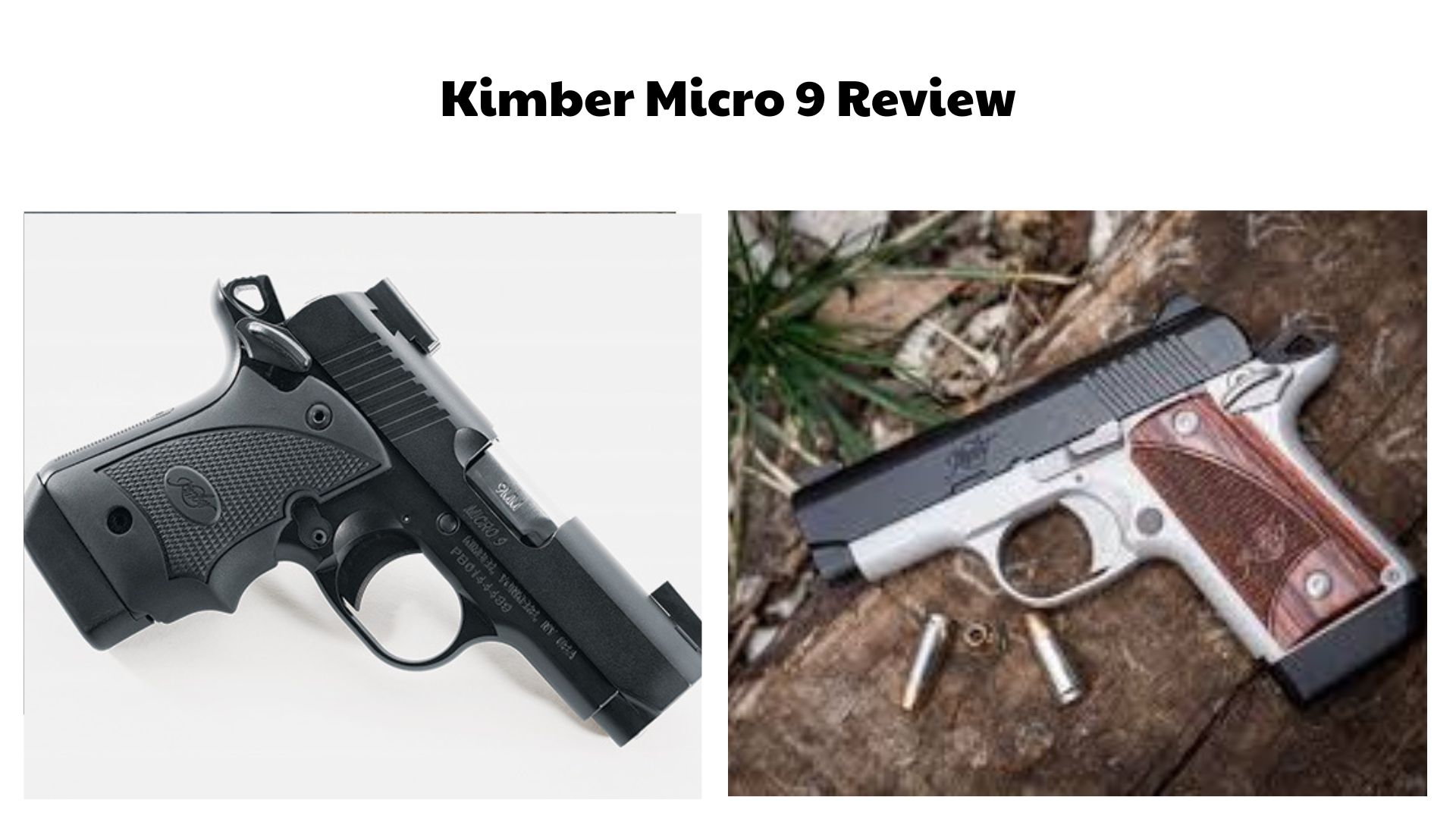

The Kimber Micro 9 is a compact, 1911-style 9mm pistol designed specifically for deep concealment and everyday carry (EDC). It takes the familiar characteristics of the classic 1911 platform and scales them down into a lightweight, ultra-concealable defensive handgun.
In the micro-carry category, the Kimber Micro 9 competes with pistols such as the SIG P938, Ruger LCP Max, and other micro-compact 9mm handguns. However, what sets it apart is its combination of traditional 1911 handling with the practicality of modern 9mm ammunition.
The primary appeal of the Micro 9 lies in its ability to deliver a classic shooting experience—complete with a single-action trigger and manual thumb safety—while still maintaining a small footprint suitable for concealed carry.
This blend of old-school design and modern defensive capability raises an important question: is the Kimber Micro 9 still a reliable concealed carry option in today’s highly competitive micro-compact handgun market?
2. Kimber Micro 9 Background & Design Philosophy
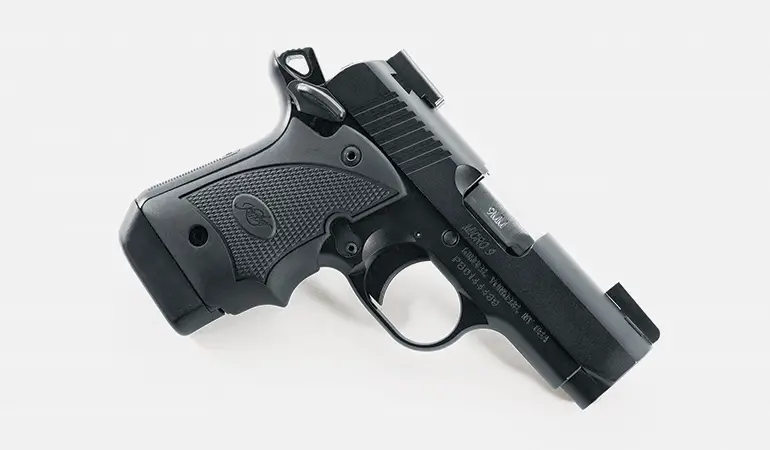
The Kimber Micro 9 is based on the traditional 1911 operating system, which has been one of the most influential handgun designs in history. Kimber adapted this proven platform into a smaller, more carry-friendly format without completely abandoning its original characteristics.
As part of Kimber’s expansion into the concealed carry market, the Micro 9 was designed to appeal to shooters who prefer metal-frame pistols with classic ergonomics. It retains the familiar controls and handling style of the 1911 while offering a more compact form factor.
One of its defining features is the single-stack magazine design, which significantly reduces width and improves concealability. This makes it especially suitable for inside-the-waistband (IWB) and appendix carry setups.
The Micro 9 is available in multiple variants, including Stainless, Bel Air, Rapide, and other special editions. These variations mainly differ in finish, sights, and cosmetic enhancements, allowing users to select a model that fits their preferences.
Overall, the platform is clearly aimed at concealed carriers who value the feel of a metal-frame handgun and the shooting characteristics of a 1911, even in a compact defensive role.
3. Key Specifications & Technical Overview
The Kimber Micro 9 is chambered in 9mm Luger, one of the most widely used defensive handgun calibers due to its balance of recoil, capacity, and effectiveness.
It features a barrel length of approximately 3.15 inches, placing it firmly in the micro-compact category. This short barrel contributes to its compact size while maintaining adequate performance for defensive use.
Magazine capacity is typically 6+1 or 7+1 rounds, depending on the model and magazine configuration. While this is lower than many modern striker-fired pistols, it is consistent with traditional single-stack designs.
The unloaded weight is approximately 15 to 16 ounces, making it a lightweight option for everyday carry. This low weight significantly enhances comfort during extended concealed carry.
The Micro 9 operates as a single-action-only pistol, closely following the 1911 trigger system. This provides a crisp and consistent trigger pull, which is one of its standout characteristics.
It is built with an aluminum alloy frame and a steel slide, offering a balance between durability and weight reduction. This metal construction also contributes to its premium feel compared to polymer micro pistols.
Depending on the configuration, the pistol may come with fixed sights or night sight options for improved low-light visibility.
Finally, the Kimber Micro 9 features a traditional 1911-style thumb safety, requiring manual disengagement before firing. This adds an extra layer of control and aligns with its classic design philosophy.
4. Design, Build Quality & Materials
The Kimber Micro 9 stands out in the micro-compact category due to its premium construction. It features an aluminum frame paired with a stainless steel slide, giving it a solid, high-quality feel that is often missing in lightweight polymer competitors.
Its design is clearly inspired by the classic 1911 platform, but Kimber has introduced modern refinements to improve durability, concealability, and everyday usability. The result is a compact handgun that still retains a sense of craftsmanship and precision machining.
Fit and finish are generally considered excellent, especially when compared to many other micro pistols in the same size class. Tight tolerances and clean detailing contribute to its premium appearance and overall durability.
The Micro 9’s slim profile is one of its strongest advantages for concealed carry. It allows for deep concealment under light clothing and makes it suitable for inside-the-waistband (IWB) or appendix carry.
However, this compact design comes with a trade-off. The reduced frame size limits grip surface area and magazine capacity, which can affect control for shooters with larger hands or those accustomed to full-size pistols.
5. Ergonomics & Handling Experience
The Kimber Micro 9 retains the classic 1911 grip angle, along with familiar manual controls such as the thumb safety and slide stop. This makes it especially appealing to shooters already experienced with 1911-style pistols.
In the hand, the pistol feels natural and intuitive for users accustomed to traditional handgun ergonomics. The controls are well-placed and easy to manipulate once familiar with the platform.
Due to its compact size, the grip may feel short or tight for users with larger hands. This can affect comfort and control during extended shooting sessions unless extended magazines or grip modifications are used.
The lightweight design significantly improves concealability and reduces carry fatigue, making it comfortable for all-day everyday carry.
Overall, the Kimber Micro 9 strikes a balance between control and portability. While it is not as stable as larger pistols, it performs well within its intended concealed carry role.
6. Trigger System & Shooting Characteristics
The Kimber Micro 9 features a single-action-only trigger system based on the traditional 1911 design. This is one of its most defining characteristics and a key reason many shooters choose this platform.
The trigger pull is typically crisp and relatively light, generally falling in the 5 to 7 pound range. This contributes to predictable shot control and helps improve accuracy in defensive scenarios.
One of the major advantages of this system is the short reset, which allows for quicker follow-up shots and improved shooting rhythm during rapid fire.
The trigger feel is often praised for its clarity and responsiveness, making it well-suited for defensive shooting applications where consistency matters more than competition-level refinement.
However, it is important to note that the Micro 9 is not designed as a competition handgun. Its trigger system prioritizes reliability and defensive usability rather than ultra-light or highly tuned performance characteristics.
7. Recoil & Shootability
The Kimber Micro 9 produces noticeable recoil, which is expected for a lightweight micro-compact pistol chambered in 9mm. The reduced mass of the firearm, combined with its short barrel and compact frame, contributes to a sharper recoil impulse compared to larger handguns.
Despite this, recoil is more manageable than many shooters initially expect. The metal frame helps absorb and distribute recoil energy more effectively than all-polymer micro pistols, slightly reducing the overall “snappy” feel during firing.
Like most pistols in its class, the Micro 9 exhibits a quick, upward muzzle movement under rapid fire. This is typical for micro 9mm platforms and is something shooters can control with proper grip technique and training.
The pistol is best suited for controlled defensive shooting scenarios rather than extended range sessions or high-volume training. It performs well in short, realistic engagement drills where speed and accuracy at close range are prioritized.
8. Accuracy & Range Performance
The Kimber Micro 9 delivers strong defensive accuracy at typical concealed carry distances, particularly within 5 to 10 yards. At these ranges, it performs reliably and is well-suited for real-world self-defense situations.
With practice and proper fundamentals, the pistol is also capable of maintaining consistent grouping out to 15 to 25 yards. While not designed for precision shooting, it remains effective when used within its intended role.
Its short barrel and compact sight radius naturally limit long-range precision. This is a common characteristic among micro-compact pistols and should be considered when evaluating its performance expectations.
Within its intended defensive range, however, the Micro 9 delivers dependable accuracy and consistent point-of-impact when paired with quality ammunition.
Overall, it is designed for real-world concealed carry engagement distances, where fast target acquisition and reliable shot placement matter more than long-range precision.
9. Concealed Carry Performance
The Kimber Micro 9 excels in concealed carry applications due to its extremely compact and lightweight design. Its small footprint makes it easy to carry discreetly throughout the day without significant discomfort.
It is well-suited for inside-the-waistband (IWB) and appendix carry setups, where its slim profile helps minimize printing under clothing. With a proper holster, it can also be carried in deeper concealment configurations.
The pistol’s thin frame and smooth contours make it especially effective for warm-weather or summer carry, when lighter clothing can make concealment more challenging.
In some cases, it can even be carried in a pocket holster, though this depends on clothing fit and user preference. Its compact size makes this possible, but not always practical for every carry style.
The main trade-off in concealability is reduced magazine capacity compared to larger compact pistols. While it offers excellent concealment, users must accept a lower round count in exchange for its minimal profile.
10. Reliability & Ammo Performance
The Kimber Micro 9 is generally considered reliable with a wide range of ammunition, including both FMJ training rounds and defensive hollow-point loads. When properly maintained, it performs consistently in typical concealed carry scenarios.
However, some users report that the pistol may require a break-in period of approximately 200 to 300 rounds before reaching optimal reliability. During this phase, minor issues such as stiffness or occasional feeding inconsistencies can occur but typically diminish with use.
Performance can also vary depending on ammunition type and magazine quality. Like many compact 1911-style pistols, the Micro 9 can be somewhat sensitive to specific loadings, making ammo testing an important step before adopting it for defensive carry.
Proper lubrication and regular maintenance play a significant role in ensuring smooth operation. Keeping the pistol clean and well-lubricated helps reduce friction and improves long-term reliability.
Overall, the Kimber Micro 9 has a strong but not flawless reliability reputation. While it performs well for many users, it does not match the near-universal reliability consistency of some larger polymer-framed 9mm pistols.
11. Variants & Model Options
The Kimber Micro 9 is available in several configurations to suit different preferences and aesthetic choices. The standard model serves as the base version, offering core functionality and carry performance.
In addition, Kimber produces Stainless, Two-Tone, and various Special Edition models. These variants primarily differ in finish and visual design, while maintaining the same core mechanical platform.
Higher-end configurations such as the Bel Air and Rapide models introduce enhanced styling, upgraded finishes, and improved grip textures, catering to users who want a more premium appearance and feel.
Some versions also include night sights and upgraded grip options, improving usability in low-light conditions and enhancing overall handling.
Overall, the differences between variants are mostly cosmetic or comfort-related, rather than mechanical changes, allowing users to choose a model based on preference rather than performance gaps.
12. Kimber Micro 9 vs Competitors
When compared to the SIG P938, the Kimber Micro 9 shares a very similar platform, as both are compact 1911-style pistols. The SIG is often considered slightly more refined in terms of fit, finish, and consistency, but both perform similarly in concealed carry roles.
Against the Ruger LCP Max, the comparison highlights two different philosophies. The Ruger is smaller and lighter, making it easier to conceal, but it is chambered in .380 ACP, which offers less power compared to the 9mm Kimber Micro 9.
When compared to the Glock 43, the Glock offers higher magazine capacity, simpler maintenance, and a more modern striker-fired system. However, it lacks the single-action trigger feel and metal-frame construction that define the Kimber Micro 9 experience.
The Kimber Micro 9’s primary strengths include its 1911-style trigger feel and premium build quality, which appeal to shooters who prefer traditional handgun design elements in a modern carry pistol.
Its main weaknesses are lower capacity and a higher price point compared to many polymer-framed competitors. These trade-offs place it more in a niche category rather than the mainstream concealed carry segment.
13. Advantages of the Kimber Micro 9
The Kimber Micro 9 offers a premium take on the micro-compact concealed carry category by combining a traditional 1911-style design with modern 9mm performance. Its metal-frame construction and attention to detail give it a refined feel that stands out among lightweight polymer competitors.
One of its most praised features is its trigger system. The single-action 1911-style trigger provides a crisp and predictable break, which is rare in micro-sized pistols and contributes to improved shooting confidence and accuracy.
The pistol is also extremely easy to conceal due to its slim profile and compact dimensions. This makes it well-suited for everyday carry, especially in inside-the-waistband (IWB) or appendix configurations.
Despite its small size, the Kimber Micro 9 delivers solid defensive accuracy at typical concealed carry distances. It performs reliably in close-range engagements where speed and shot placement are most critical.
Additionally, its lightweight construction enhances comfort during all-day carry. This makes it a practical option for users who prioritize comfort and concealability in their daily defensive setup.
14. Disadvantages & Limitations
The Kimber Micro 9’s primary limitation is its low magazine capacity, typically ranging from 6 to 7 rounds depending on the configuration. This is significantly lower than many modern compact pistols.
It also produces snappier recoil than larger or heavier firearms, which can be challenging for new or inexperienced shooters. Proper training is often required to manage it effectively.
Some users report variability in reliability depending on ammunition choice. While many units run smoothly, others may require testing and break-in with specific loads to achieve optimal performance.
Another drawback is its higher price point compared to polymer-framed micro pistols, which offer greater capacity and often more consistent reliability at a lower cost.
Finally, the Micro 9 has limited versatility compared to modern striker-fired platforms. It is highly specialized for concealed carry, but less adaptable for duty, competition, or high-volume training use.
15. Ideal Users for the Kimber Micro 9
The Kimber Micro 9 is an excellent choice for 1911 enthusiasts who want a compact everyday carry option that retains the feel and controls of a classic single-action pistol.
It is also well-suited for experienced concealed carriers who understand its characteristics and are comfortable managing its recoil and capacity limitations.
Users who prioritize concealability over magazine capacity will find the Micro 9 particularly appealing, especially for deep concealment or discreet daily carry scenarios.
The pistol also serves well as a backup or secondary carry firearm, where size and ease of concealment are more important than extended firepower.
Finally, it is ideal for shooters who prefer single-action trigger systems and appreciate the traditional manual safety and handling characteristics of the 1911 platform.
16. Final Verdict: Is the Kimber Micro 9 Worth It?
The Kimber Micro 9 remains a strong contender in the ultra-compact concealed carry category, especially for shooters who appreciate the traditional 1911-style platform in a modern 9mm configuration. It offers a unique blend of classic design, premium materials, and deep concealability that continues to appeal to a specific group of defensive handgun users.
Its greatest strength lies in delivering a true 1911 shooting experience in a small, easily concealable package. The crisp single-action trigger, metal-frame construction, and slim profile make it a distinctive option compared to many polymer striker-fired micro pistols on the market today.
However, the Kimber Micro 9 is clearly outperformed in key areas such as magazine capacity, modularity, and long-term reliability consistency when compared to newer generation micro-compact 9mm pistols. Modern alternatives often provide higher capacity, easier maintenance, and broader versatility.
Despite these limitations, it continues to hold a niche position in the concealed carry market. It is not designed to compete as a high-capacity defensive platform, but rather to serve users who prioritize concealability, aesthetics, and a traditional shooting experience.
Final takeaway: the Kimber Micro 9 is a premium micro 9mm pistol best suited for traditionalists and 1911 enthusiasts, offering excellent concealability and shooting feel, but it is not intended to compete with modern high-capacity defensive handguns.
1. Is the Kimber Micro 9 a good concealed carry pistol?
Yes, the Kimber Micro 9 is a strong concealed carry option for users who prioritize deep concealment and a traditional shooting experience. Its slim profile and lightweight frame make it easy to carry daily, especially in IWB or appendix holsters. However, it is best suited for experienced shooters due to its snappier recoil and lower capacity compared to modern micro-compact pistols.
2. What caliber does the Kimber Micro 9 use?
The Kimber Micro 9 is chambered in 9mm Luger, which is one of the most widely used defensive handgun calibers in the world. It offers a balanced combination of manageable recoil, effective terminal performance, and broad ammunition availability.
3. How many rounds does the Kimber Micro 9 hold?
The standard magazine capacity is typically 6+1 rounds, although some extended magazines allow for 7+1. While this is lower than modern striker-fired pistols, it is consistent with its ultra-compact 1911-style design philosophy.
4. Is the Kimber Micro 9 reliable?
The Kimber Micro 9 is generally reliable when properly maintained and paired with quality ammunition. However, some users report a break-in period of 200–300 rounds. After this phase, performance typically stabilizes, though it may not be as universally consistent as larger polymer pistols.
5. Does the Kimber Micro 9 require a break-in period?
Yes, many Kimber Micro 9 pistols benefit from a break-in period. During the first few hundred rounds, minor feeding or cycling issues may occur, but these usually decrease as the pistol wears in and parts mate properly.
6. Is the Kimber Micro 9 good for beginners?
It is not ideal for beginners. While it is easy to carry and has a good trigger, its small size and snappy recoil can make it more difficult to control for new shooters compared to larger 9mm pistols.
7. How does the Kimber Micro 9 compare to the SIG P938?
Both pistols are very similar in design and function, as they are compact 1911-style 9mm handguns. The SIG P938 is often considered slightly more refined in terms of fit and long-term consistency, while the Kimber Micro 9 is known for its aesthetic appeal and strong trigger feel.
8. Is the Kimber Micro 9 easy to conceal?
Yes, it is extremely easy to conceal due to its slim single-stack design and lightweight construction. It is especially effective for IWB, appendix, and even pocket carry in some cases with a proper holster.
9. Can the Kimber Micro 9 be used for pocket carry?
In some cases, yes, but it depends on clothing and holster choice. While it is small, it is still larger than many dedicated pocket pistols, so pocket carry is possible but not always practical.
10. What is the barrel length of the Kimber Micro 9?
The Kimber Micro 9 has a barrel length of approximately 3.15 inches, placing it firmly in the micro-compact handgun category.
11. Is the Kimber Micro 9 accurate?
Yes, it is accurate within typical defensive ranges of 5–10 yards and can perform reliably up to 15–25 yards with practice. Its short barrel limits long-range precision, but it is designed for real-world concealed carry distances.
12. Does the Kimber Micro 9 have a safety?
Yes, it features a traditional 1911-style thumb safety. This manual safety must be disengaged before firing, offering an additional layer of control for users familiar with this system.
13. Is the Kimber Micro 9 heavy?
No, it is relatively lightweight at approximately 15–16 ounces unloaded. This makes it comfortable for all-day concealed carry without significant fatigue.
14. What is the trigger like on the Kimber Micro 9?
It uses a single-action 1911-style trigger that is crisp, clean, and relatively light. The short reset allows for quick follow-up shots, making it one of the standout features of the pistol.
15. Does the Kimber Micro 9 have a lot of recoil?
Yes, recoil is noticeable due to its small size and lightweight frame. However, it is manageable with proper technique and becomes more comfortable with experience.
16. Is the Kimber Micro 9 good for self-defense?
Yes, it is effective for self-defense at close range. It offers reliable performance and adequate stopping power, although its limited capacity is a trade-off compared to larger pistols.
17. What type of holster is best for the Kimber Micro 9?
IWB and appendix carry holsters are the most common choices. Many users prefer Kydex holsters for their retention, durability, and secure fit.
18. Can the Kimber Micro 9 handle hollow point ammo?
Yes, it generally functions well with quality defensive hollow-point ammunition, although users should test their preferred ammo for reliability.
19. Is the Kimber Micro 9 expensive?
Yes, it is generally more expensive than many polymer micro-compact pistols. Its price reflects its metal construction, 1911 design, and premium branding.
20. What are the main advantages of the Kimber Micro 9?
Its main advantages include a premium 1911-style trigger, slim concealability, lightweight design, and solid defensive accuracy in a compact frame.
21. What are the disadvantages of the Kimber Micro 9?
The main disadvantages include low capacity, snappy recoil, potential break-in period, and higher cost compared to modern polymer alternatives.
22. How does it compare to Glock 43?
The Glock 43 offers higher capacity, simpler maintenance, and broader aftermarket support. The Kimber Micro 9 offers a better trigger feel and more traditional shooting experience.
23. Is the Kimber Micro 9 reliable for daily carry?
Yes, once properly broken in and maintained, it can be a reliable everyday carry firearm, though it requires more attention than some modern striker-fired pistols.
24. What makes the Kimber Micro 9 unique?
Its combination of a true 1911-style single-action trigger in a micro-compact 9mm platform makes it stand out from most modern polymer carry pistols.
25. Does the Kimber Micro 9 fit small hands well?
Yes, its compact grip can actually suit smaller hands well, though it may feel short for larger-handed shooters.
26. Is the Kimber Micro 9 good for summer carry?
Yes, its slim profile and lightweight design make it excellent for hot weather and light clothing concealment.
27. Does the Kimber Micro 9 rust easily?
No, it uses corrosion-resistant finishes, but like all firearms, it benefits from regular cleaning and proper storage.
28. How does it compare to Ruger LCP Max?
The LCP Max is smaller and lighter but chambered in .380 ACP. The Kimber Micro 9 offers more power and a better trigger but is larger and heavier.
29. Can the Kimber Micro 9 be used for range training?
Yes, but it is better suited for short training sessions rather than high-volume range days due to its recoil and small size.
30. Is the Kimber Micro 9 outdated?
It is not outdated, but it follows a traditional design philosophy that competes differently than modern high-capacity striker-fired pistols.
31. How long does a Kimber Micro 9 typically last?
With proper maintenance and regular cleaning, the Kimber Micro 9 can last tens of thousands of rounds. Like most well-built metal-frame pistols, longevity depends heavily on lubrication, recoil spring replacement intervals, and ammunition quality. While it may not match the extreme endurance of full-size duty pistols, it is more than durable enough for long-term concealed carry use.
32. Does the Kimber Micro 9 need special maintenance?
No special maintenance is required beyond standard firearm care. However, due to its tight tolerances and compact 1911 design, it benefits from more frequent cleaning and lubrication compared to larger pistols. Keeping the slide rails and barrel clean helps ensure consistent reliability.
33. What magazines work with the Kimber Micro 9?
The Kimber Micro 9 uses proprietary magazines designed specifically for the platform. Some extended magazines increase capacity to 7+1 rounds. It is important to use quality factory magazines, as third-party options may affect reliability.
34. Can the Kimber Micro 9 use extended magazines?
Yes, extended magazines are available and typically increase capacity while improving grip length. These can enhance control, especially for shooters with larger hands, but may slightly reduce concealability.
35. Is the Kimber Micro 9 good for appendix carry?
Yes, it is well-suited for appendix carry due to its slim profile and lightweight design. With a proper holster, it can be carried comfortably in the appendix position without excessive printing.
36. How does recoil compare to a full-size 9mm?
Recoil in the Kimber Micro 9 is noticeably sharper than full-size 9mm pistols. The reduced weight and shorter barrel increase muzzle movement, making it less soft-shooting than larger handguns.
37. Is the Kimber Micro 9 good for one-handed shooting?
It is possible but more challenging than with larger pistols. The small grip and snappy recoil make one-handed control less stable, especially for follow-up shots.
38. Does the Kimber Micro 9 have a rail for accessories?
No, most Kimber Micro 9 models do not include a Picatinny rail. This limits the use of weapon-mounted lights or lasers compared to modern tactical pistols.
39. Is the Kimber Micro 9 good for law enforcement use?
It is generally not used as a primary duty weapon but may serve as a backup firearm for some officers. Its role is more civilian concealed carry than duty service.
40. What ammo works best in the Kimber Micro 9?
High-quality 124-grain or 115-grain 9mm FMJ and defensive hollow points are commonly recommended. Users should test multiple loads to ensure reliable feeding in their specific pistol.
41. Is the Kimber Micro 9 sensitive to ammo?
Some units can be slightly ammo-sensitive, especially during the break-in period. Using quality factory ammunition typically reduces issues significantly.
42. Can the Kimber Micro 9 be dry-fired safely?
Yes, occasional dry firing is generally safe for modern centerfire pistols like the Micro 9. However, using snap caps is recommended for extended practice to reduce wear on internal components.
43. How does the Kimber Micro 9 compare to striker-fired pistols?
It offers a different shooting experience. Unlike striker-fired pistols, it uses a single-action trigger and manual safety, providing a more traditional feel but requiring more deliberate handling.
44. Is the Kimber Micro 9 good for self-defense beginners?
It is not ideal for beginners. While accurate and concealable, its recoil and manual safety system require more training than simpler striker-fired pistols.
45. Does the Kimber Micro 9 have a drop safety?
Yes, it includes internal safety mechanisms typical of modern handgun designs, along with its manual thumb safety, helping prevent accidental discharge.
46. What is the best grip technique for the Kimber Micro 9?
A high, firm grip is essential to control recoil. Applying consistent pressure with both hands helps manage muzzle rise and improves accuracy during rapid fire.
47. Can the Kimber Micro 9 be used for competition shooting?
It is not designed for competition use. While accurate enough for defensive distances, its small size and limited capacity make it unsuitable for competitive shooting disciplines.
48. Is the Kimber Micro 9 good for summer concealed carry?
Yes, it excels in summer carry due to its lightweight frame and slim profile, which reduce printing under light clothing.
49. What is the main drawback of the Kimber Micro 9?
The biggest drawback is its low magazine capacity combined with snappier recoil. These limitations are inherent to its ultra-compact design philosophy.
50. Is the Kimber Micro 9 worth buying in 2026?
Yes, but it depends on the user. It is worth buying for those who value a premium 1911-style micro carry pistol. However, shooters who prioritize capacity, modularity, and ease of use may find modern striker-fired pistols more practical.
Read more: