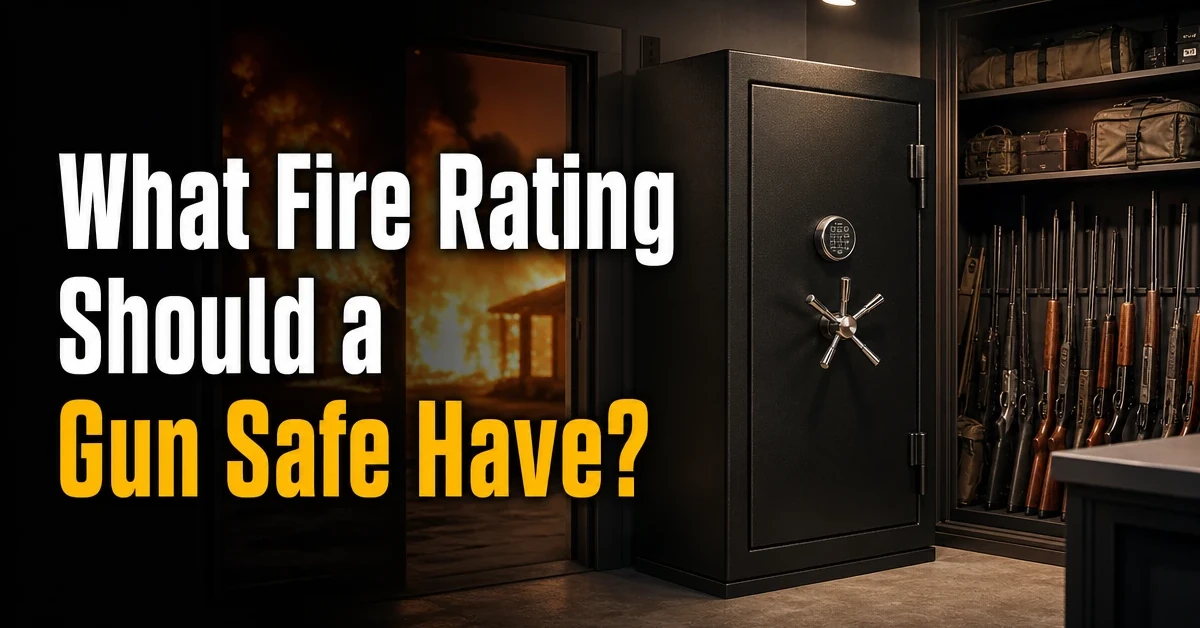

What fire rating should a gun safe have? For most homes, choose a gun safe with a clearly documented rating of at least 60 minutes at approximately 1,200–1,700°F, while a 90-minute rating offers additional protection. Compare the testing standard, independent certification, interior temperature limit, construction, and installation—not just the headline number.
Why a Gun Safe Fire Rating Matters
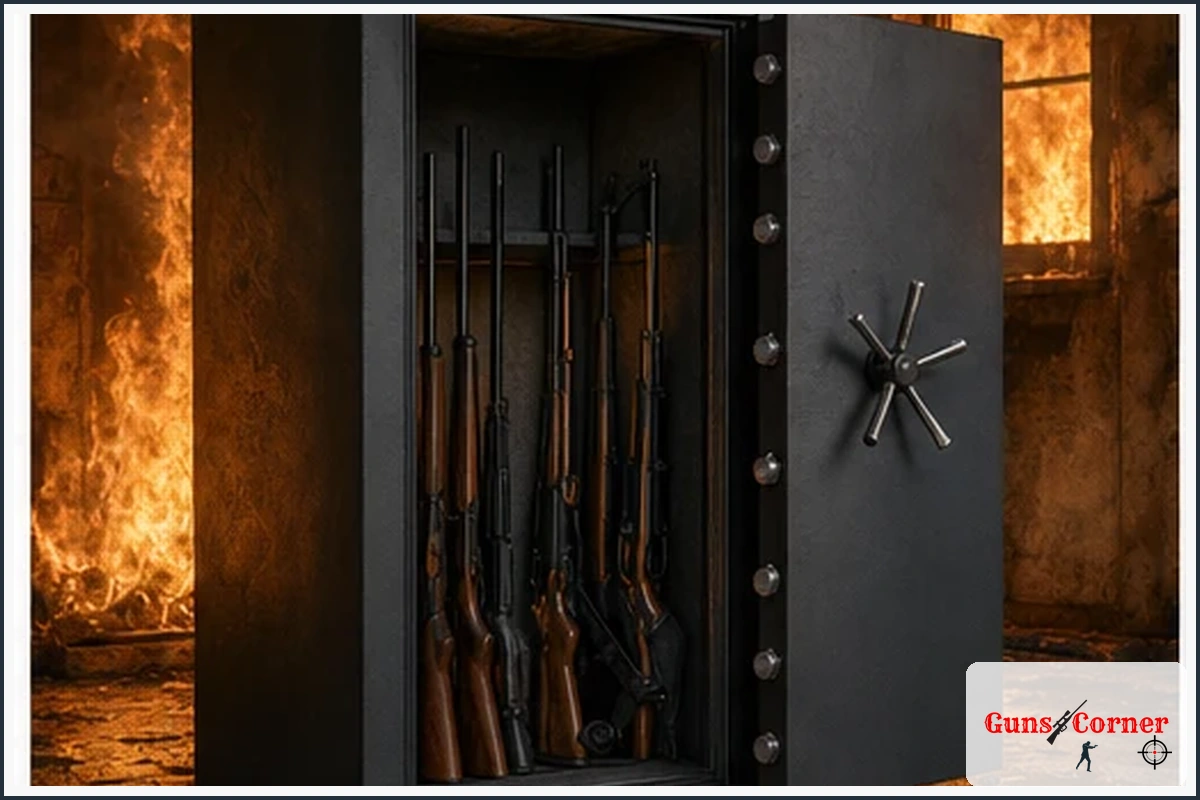
A fire rating estimates how long a safe can protect its contents during a standardized high-temperature test. It does not mean the safe is fireproof or guaranteed to survive every house fire.
Fire protection may help preserve firearms, ammunition, documents, and other valuables, but the safe’s performance depends on the fire’s temperature, duration, location, ventilation, structural damage, and the quality of the testing behind the claim.
What Fire Rating Should a Gun Safe Have?
| Rating | Best Use | What to Consider |
|---|---|---|
| 30 minutes | Basic fire-delay protection | May be suitable for lower-risk locations, but provides less time for firefighters to control a fire. |
| 60 minutes | Practical minimum for many homes | A strong starting point when the test method and manufacturer documentation are credible. |
| 90 minutes | Greater protection and higher-risk locations | Usually adds cost, weight, and installation demands. |
| 120 minutes or more | Specialized protection | Verify the testing carefully; a longer advertised time is not automatically better if the claim is unverified. |
For many homeowners, a independently verified 60-minute rating is a sensible balance. Consider 90 minutes or more if the safe is in a detached building, a remote part of the home, or an area with higher wildfire exposure. Local fire risk, construction, insurance requirements, and budget should also influence the decision.
How Gun Safe Fire Ratings Are Measured
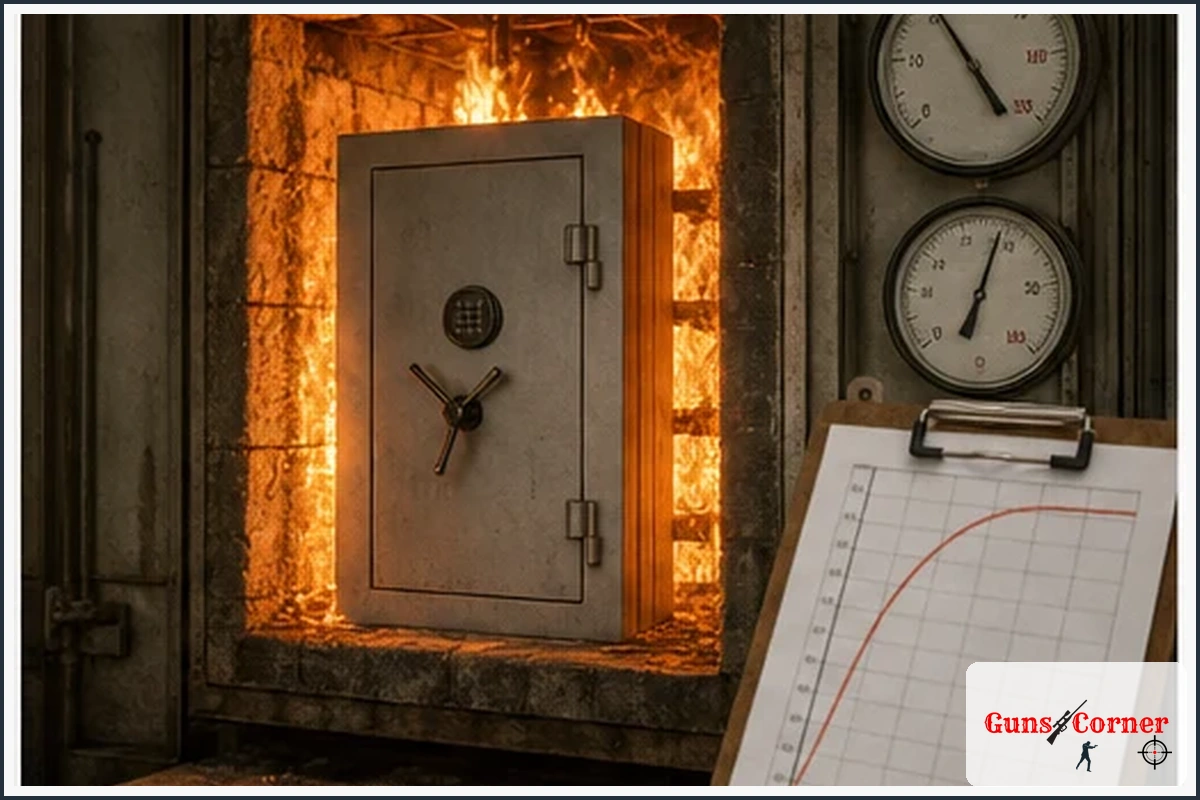
A rating normally combines three details:
- Test temperature: the external heat used during testing.
- Protection time: how long the safe was tested at that temperature.
- Interior temperature limit: the maximum temperature permitted inside the safe during the test.
For example, “60 minutes at 1,700°F” does not mean the safe remains undamaged or usable after any 1,700°F fire. It means the safe was evaluated under a stated test procedure for that period while keeping its interior below a specified temperature limit.
Why the Interior Temperature Limit Matters
Different contents tolerate heat differently. Paper and many ordinary documents require a lower interior temperature limit than some metal objects. Electronic media, photographs, ammunition components, and optics may have their own vulnerabilities.
Read the complete rating rather than relying on “fireproof” or “fire protection” on a sales label. The exact interior limit and test conditions are essential for comparison.
Independent Certification Versus a Manufacturer Claim
Fire ratings are not always directly comparable across manufacturers. Some are based on independent laboratory testing, while others rely on factory testing or internal procedures.
Look for documentation from a recognized independent laboratory, such as Underwriters Laboratories or Intertek, when available. Ask the manufacturer for the specific standard, test report, rating conditions, and interior temperature limit.
A vague statement such as “fire rated for 60 minutes” is weaker evidence than a documented test with a named laboratory and defined conditions. Independent testing information should be treated as an important buying criterion, not an optional extra.
Important Features Besides the Fire Rating
Fire-Resistant Insulation
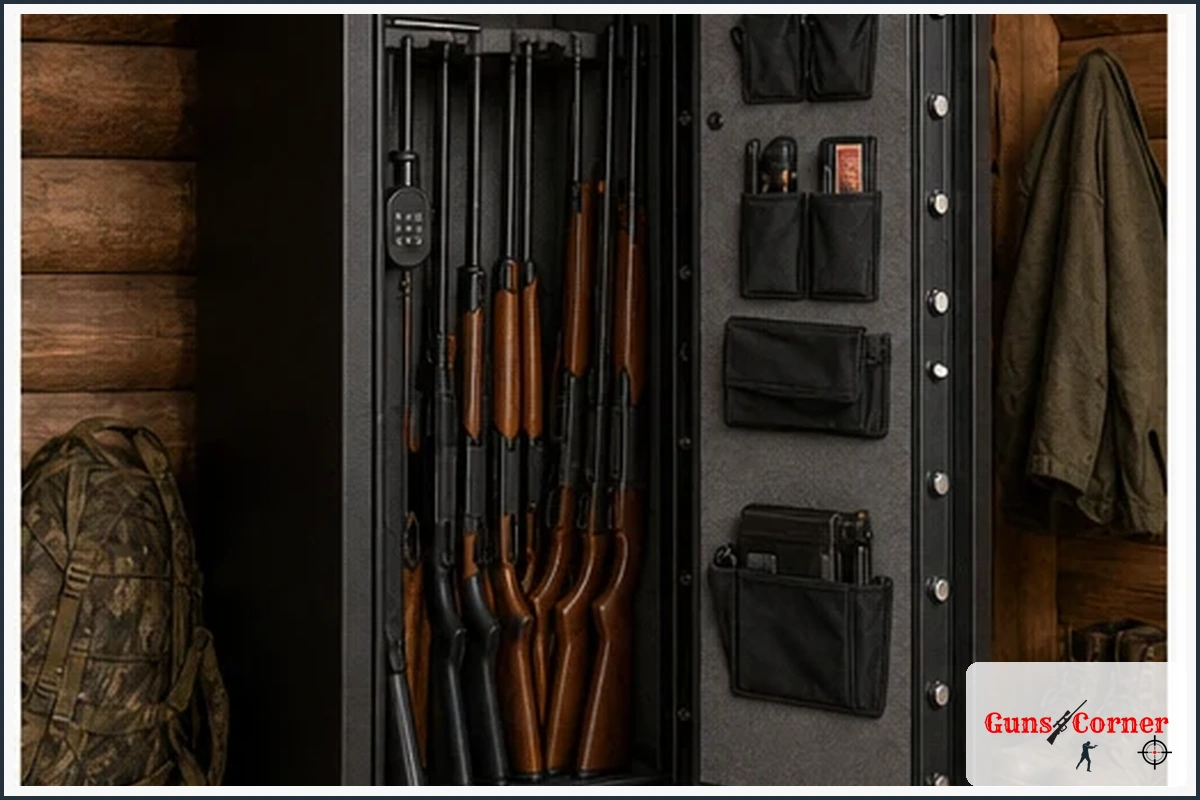
Fire protection commonly comes from insulating materials built into the door, walls, and sometimes the ceiling and floor. Inspect whether the protection covers the entire enclosure rather than only the door.
Door Seals and Intumescent Material
Some safes use expanding seals that help restrict hot gases and smoke when exposed to heat. Confirm that the seal is part of the manufacturer’s documented design and follow the maintenance instructions.
Construction and Steel Thickness
Steel thickness primarily affects security, pry resistance, weight, and durability. It does not by itself establish a fire rating. A heavy safe with thin or poorly distributed insulation may provide less fire protection than its weight suggests.
Interior Layout
Adjustable shelving and organizers can be useful, but avoid overloading the safe or blocking the door seal. Store heat-sensitive documents or electronic media in an appropriate rated container if their protection is especially important.
Anchoring and Placement
A safe should be installed according to its manufacturer’s instructions and anchored to a suitable structural surface. Placement on a stable, accessible floor away from unnecessary fire hazards can improve overall safety, but no location guarantees survival.
Fire Protection Does Not Replace Secure Storage
A fire rating addresses heat exposure; it does not replace theft resistance or responsible firearm storage. Choose a safe that also helps prevent unauthorized access, especially by children and visitors.
Keep firearms unloaded when appropriate for your storage plan, secure keys and access codes, and follow applicable state and local storage laws. Ammunition storage should follow manufacturer guidance and local requirements, with ammunition kept away from unnecessary heat and incompatible conditions.
Always follow the firearm manufacturer’s instructions and the four basic firearm safety rules: treat every firearm as loaded, keep the muzzle pointed safely, keep your finger outside the trigger guard until ready to fire, and identify the target and what is beyond it.
Common Mistakes When Comparing Gun Safe Fire Ratings
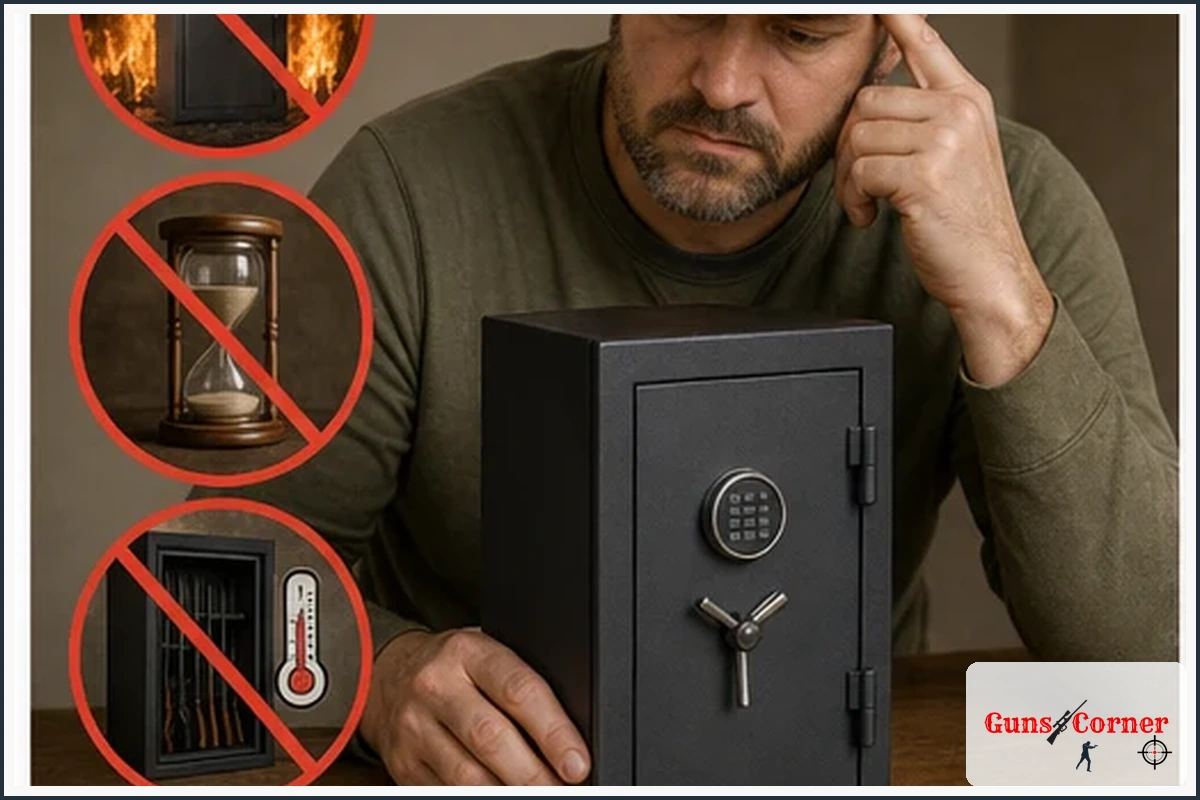
- Assuming “fireproof” means the safe can withstand any fire indefinitely.
- Comparing only the number of minutes without checking the test temperature.
- Ignoring the interior temperature limit.
- Accepting an unverified factory claim as equivalent to independent certification.
- Assuming a heavier safe automatically has better fire protection.
- Forgetting that smoke, water, falling structures, and firefighting chemicals can also damage contents.
- Using a fire rating as a substitute for theft protection and child-access prevention.
- Failing to anchor or install the safe as directed.
How to Choose the Right Rating for Your Home
- Assess the location: Consider whether the safe is inside the home, in a garage, in an outbuilding, or in an area exposed to wildfire.
- Choose a realistic protection period: A documented 60-minute rating is a practical starting point; higher-risk conditions may justify 90 minutes or more.
- Verify the test: Request the laboratory, test method, temperature, duration, and interior limit.
- Match the safe to its contents: Valuable documents and electronic media may require additional specialized protection.
- Check installation requirements: Confirm floor capacity, doorway access, anchoring options, and manufacturer instructions.
- Review insurance requirements: Your insurer may have specific security or certification requirements.
FAQs
Is a 30-minute fire rating enough for a gun safe?
It may provide useful short-term protection, but it offers less time than a 60- or 90-minute rating. Compare the complete test details and consider your home’s fire risk before deciding.
Is a 60-minute gun safe fire rating good?
A documented 60-minute rating is a reasonable minimum for many residential buyers. Confirm the test temperature, interior temperature limit, and whether an independent laboratory verified the claim.
Is a 90-minute gun safe better than a 60-minute safe?
Generally, a properly tested 90-minute safe provides a longer stated protection period. However, certification quality, construction, installation, and security features matter more than the time number alone.
What temperature should the inside of a gun safe stay below?
That depends on the safe’s stated test standard and the contents being protected. Read the manufacturer’s interior temperature limit rather than assuming every fire-rated safe uses the same threshold.
Can a gun safe be completely fireproof?
No. “Fireproof” is commonly used as marketing shorthand, but no residential safe can withstand unlimited heat and time. Fire-rated is the more accurate description.
Does a fire rating protect ammunition?
A fire rating may delay heat exposure, but ammunition has its own storage and safety considerations. Follow ammunition manufacturer instructions and local rules, and never assume a fire-rated safe makes damaged ammunition safe to use.
Should I buy a safe tested by UL or Intertek?
Independent laboratory documentation can make a rating more meaningful and easier to compare. Ask for the exact certification or test details instead of relying only on a logo or advertising phrase.
Do fire ratings have to meet one universal gun-safe standard?
Not necessarily. Ratings can be based on different testing methods and claims, so buyers should verify the standard, laboratory, temperature, duration, and interior limit for each safe.
Final Answer: What Fire Rating Should a Gun Safe Have?
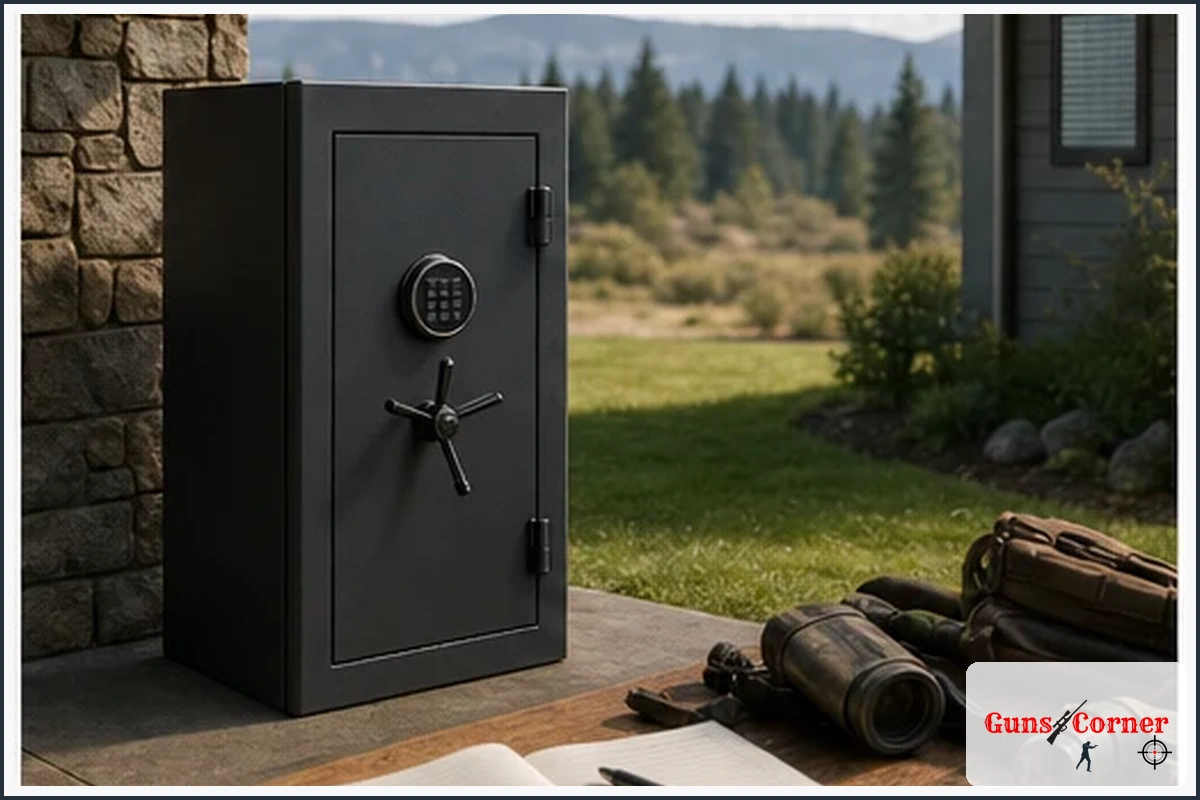
For most homes, choose a gun safe with a documented 60-minute fire rating as a practical baseline, and consider 90 minutes or more when fire exposure is higher or the contents are especially valuable. Compare the complete rating, independent testing, interior temperature limit, construction, security, and installation requirements.
Before purchasing, verify the manufacturer’s documentation, insurance requirements, and current firearm-storage laws in your jurisdiction. A fire-rated safe supports responsible storage, but it cannot replace safe firearm handling, secure access control, proper installation, and regular maintenance.