
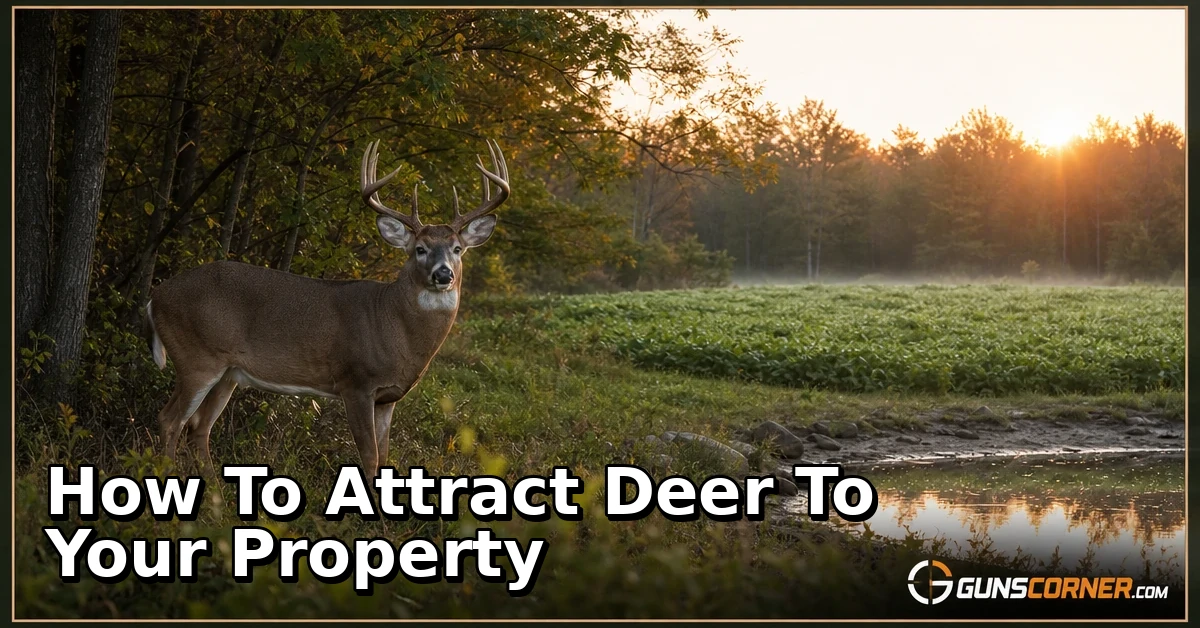

Learning how to attract deer to your property starts with habitat improvement, legal planning, and careful observation. Deer need food, water, cover, and safe travel routes, but the best approach depends on local regulations, property size, neighboring land, and seasonal behavior. This guide explains how to improve a property for deer while preparing responsibly for legal, ethical hunting.
To attract deer to your property, provide a dependable combination of natural food, water, security cover, and low-disturbance travel areas. Before making habitat changes or hunting, check your wildlife agency’s current rules on baiting, feeding, supplemental minerals, food plots, seasons, tags, and weapon use. Scout for tracks, trails, droppings, bedding cover, and feeding activity, then hunt only from a safe position with a legal and ethical shot opportunity. Deer attraction improves habitat, but it does not guarantee hunting success.
Important Legal and Safety Notice Before You Hunt
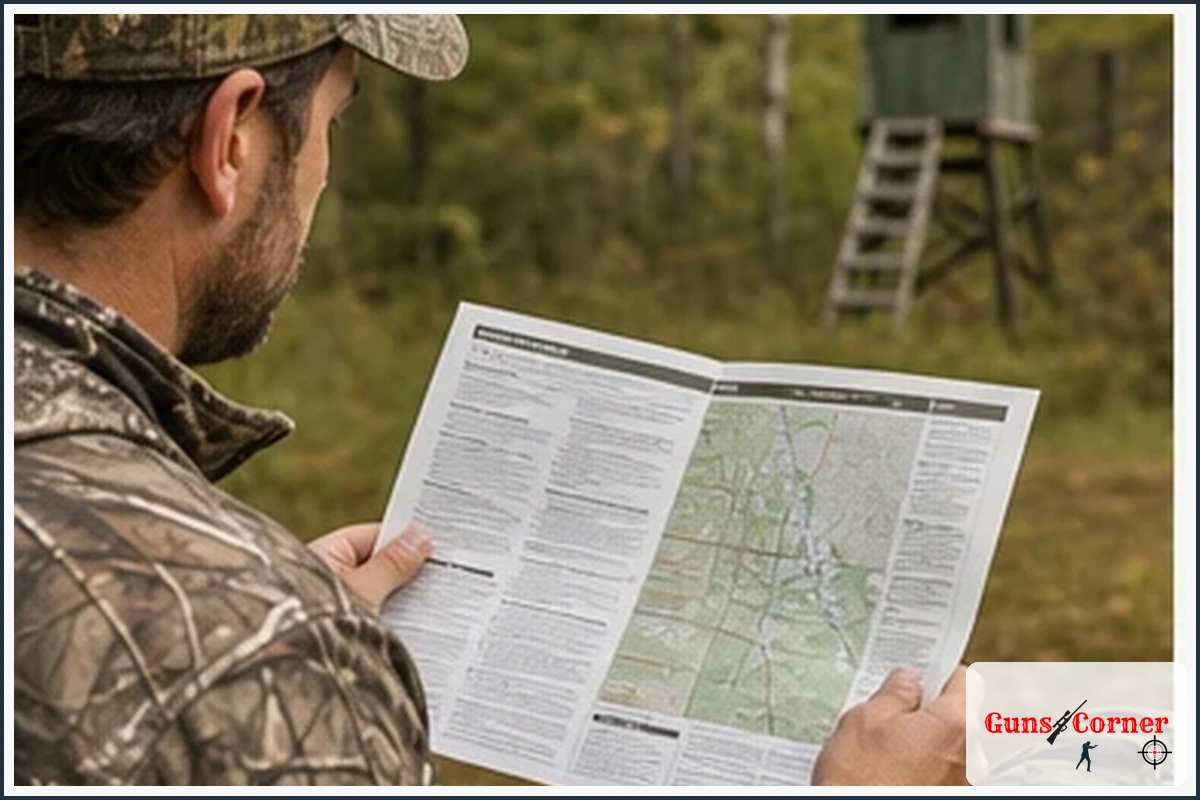
Deer hunting and wildlife-feeding regulations vary widely by state, province, county, season, land type, and weapon. Contact your official wildlife agency before placing feed, minerals, bait, food plots, or hunting over any attractant.
- Confirm your hunting license, permits, tags, and harvest-reporting requirements.
- Check legal seasons, hunting hours, bag limits, and antler restrictions.
- Verify whether baiting, feeding, mineral sites, and food plots are legal.
- Use only legal weapons, ammunition, archery equipment, and hunting methods.
- Obtain written permission before entering or hunting private property you do not own.
- Confirm property boundaries and avoid shooting toward roads, homes, livestock, trails, or neighboring land.
- Follow firearm or bow safety rules and identify the target and what lies beyond it.
- Wear required blaze orange or other visibility clothing.
- Use a full-body harness in a tree stand and follow manufacturer instructions.
- Plan for weather, navigation, hydration, first aid, communication, and emergencies.
What Deer Need on a Property
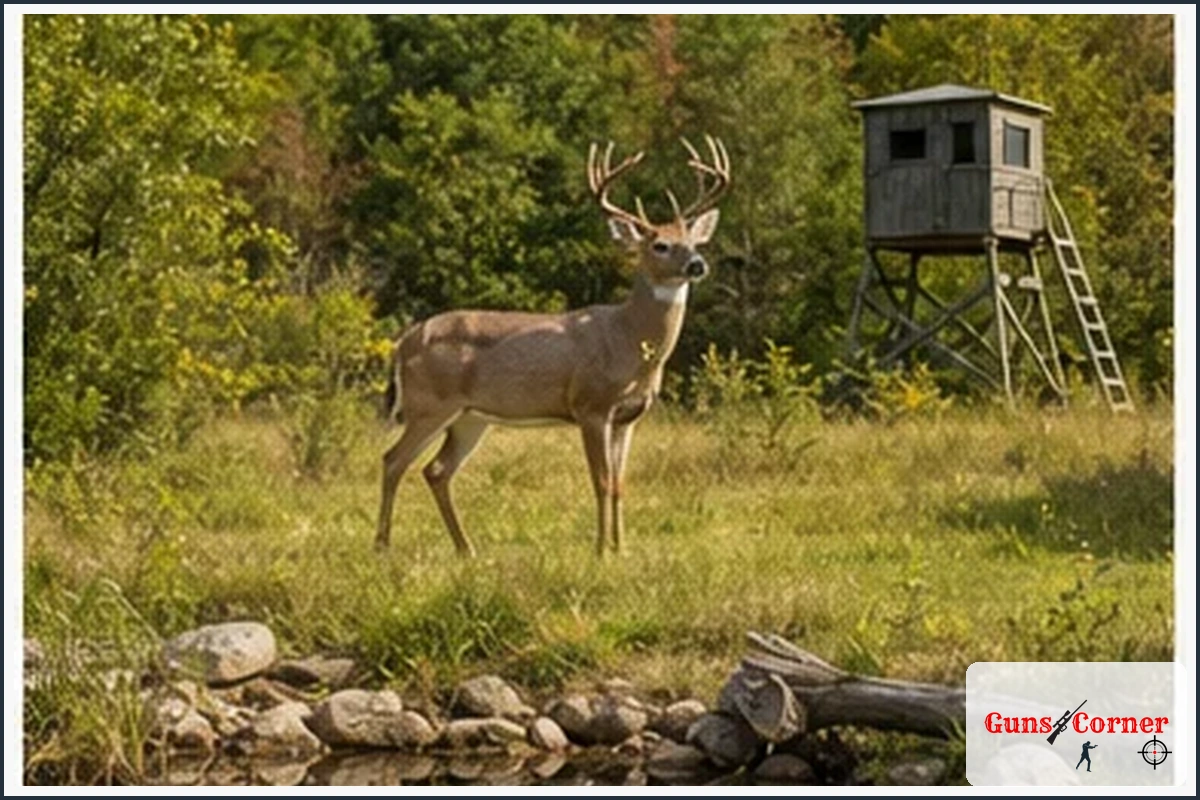
Deer are more likely to use land that offers several needs close together. A property with food alone may receive occasional visits, while a property with food, water, cover, and secure travel routes can become part of a deer’s regular range.
Food
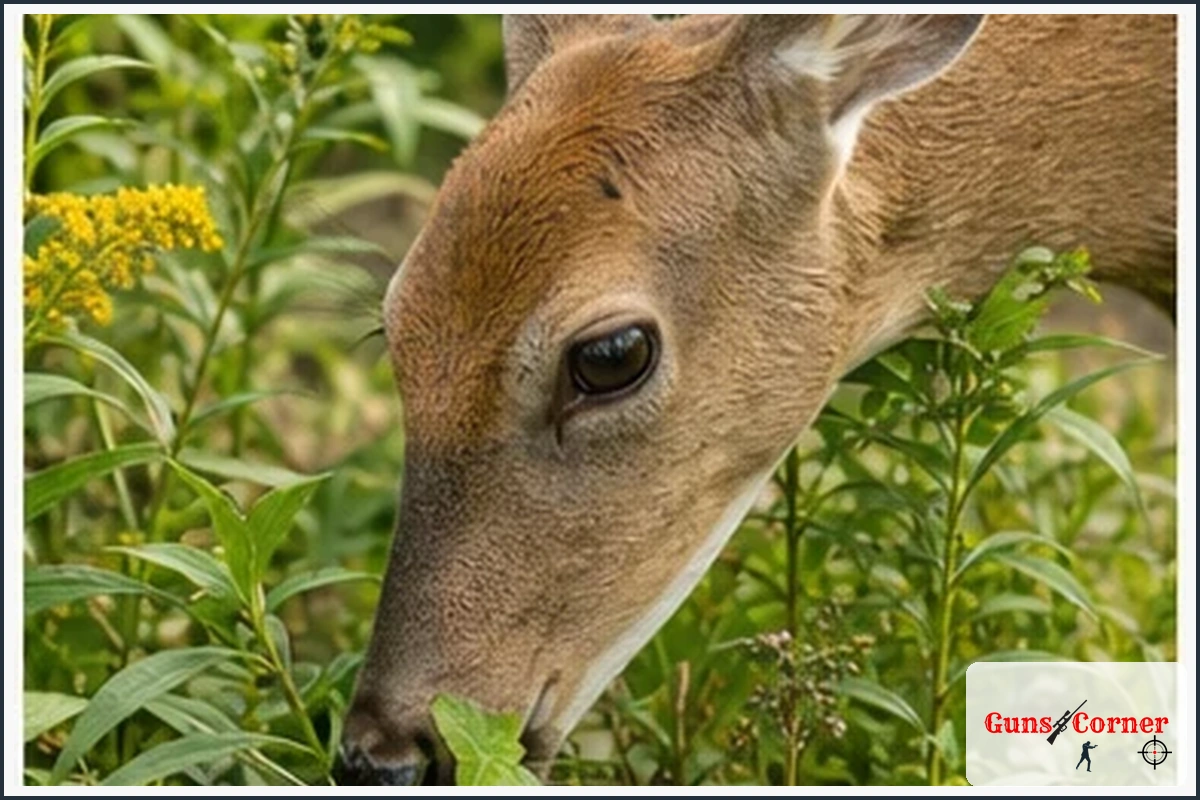
Deer browse on woody plants, grasses, forbs, leaves, and other locally available vegetation. Seasonal food changes, so a property should not depend on one plant or one food source. Native vegetation, carefully planned food plots where legal, and selective habitat management can provide more consistent forage.
Water
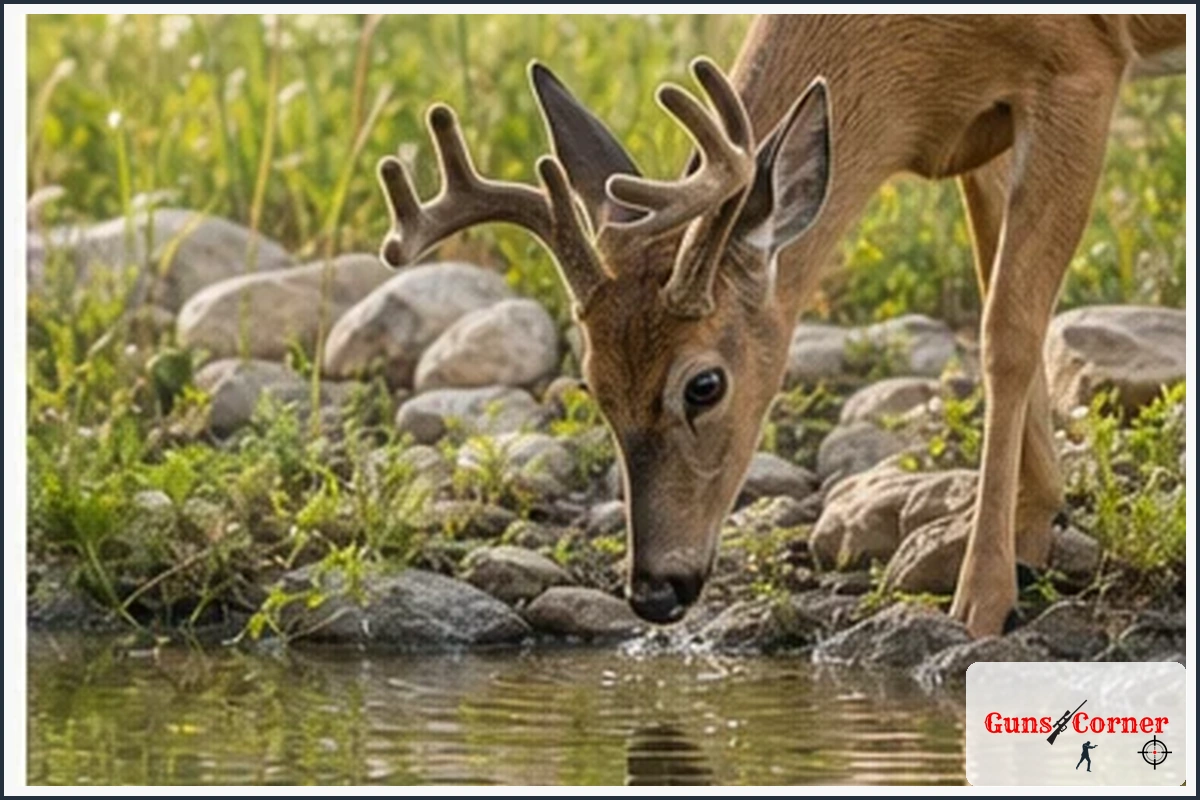
Reliable water can increase the usefulness of suitable habitat, especially during dry or hot conditions. Natural creeks, ponds, and springs may already meet this need. Any artificial water feature should be safe, maintained, and allowed under local rules.
Security Cover
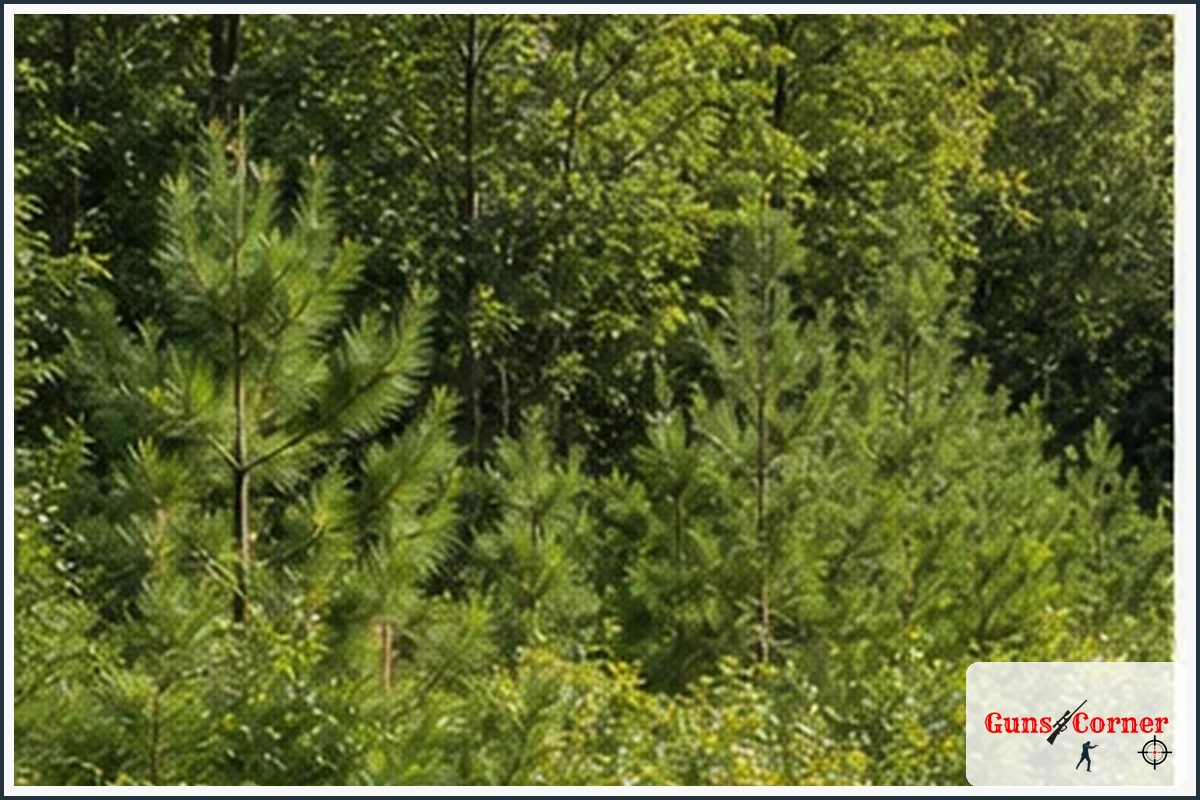
Deer often prefer areas where they can rest, hide, and move without excessive disturbance. Brushy edges, dense native vegetation, young forest growth, and thick transition zones can provide cover. Avoid turning the entire property into dense brush; deer also need open areas for feeding and movement.
Travel Corridors
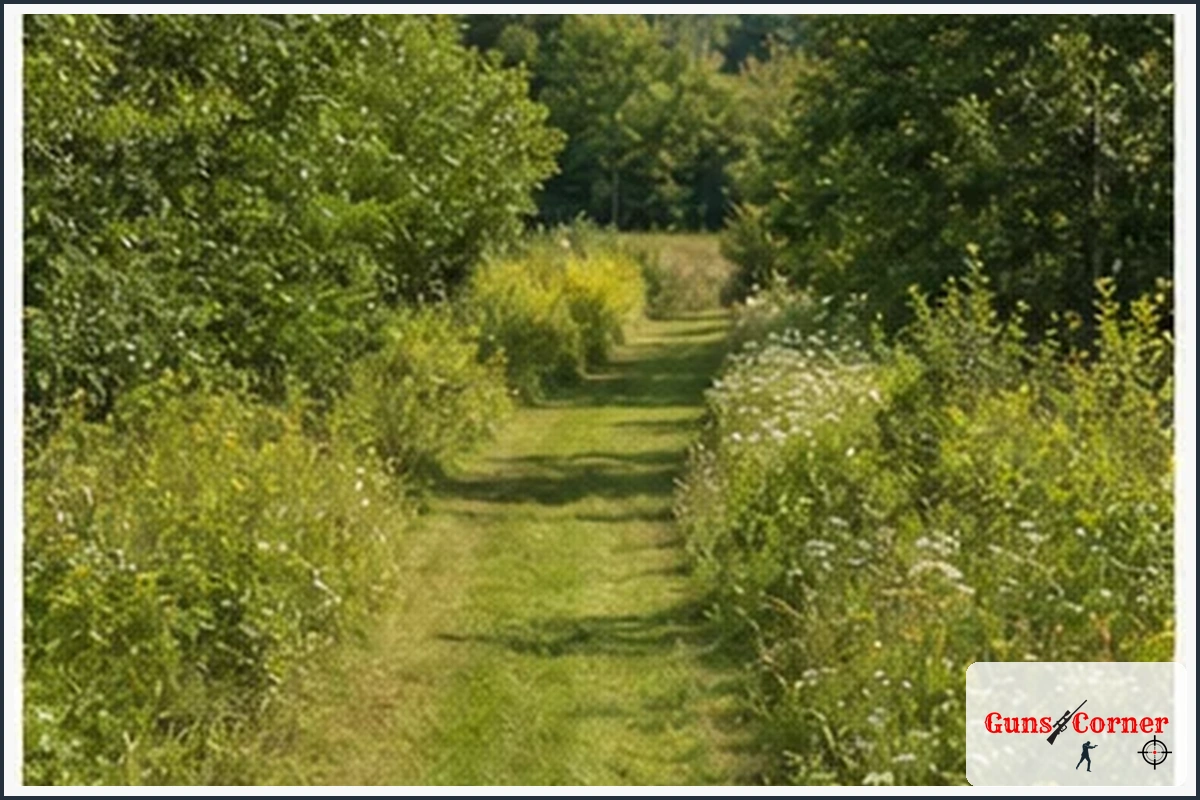
Deer commonly move along edges, ridges, drainage features, fence lines, wooded strips, and changes in vegetation. Maintaining connected cover can help deer move between bedding and feeding areas without crossing open ground unnecessarily.
How to Attract Deer to Your Property Step by Step
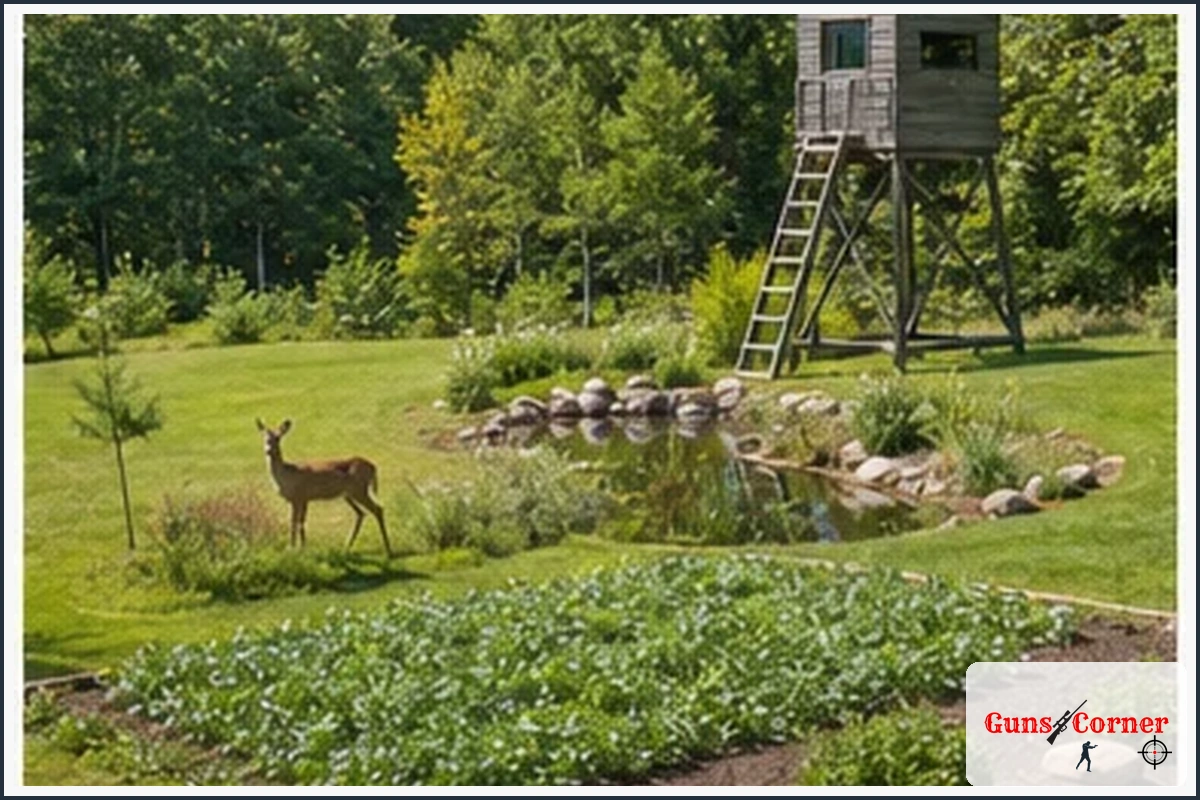
Step 1: Check the Rules Before Changing the Property
Start with your state or provincial wildlife agency. Ask specifically about baiting, feeding, mineral supplements, food plots, supplemental water, wildlife diseases, and hunting over attractants. Rules may differ between normal wildlife management and hunting activity.
Also check local zoning, conservation restrictions, homeowners’ association rules, and any land-use agreements. A practice that is legal in one area may be restricted in another.
Step 2: Map the Property and Neighboring Land
Use a reliable property map, aerial imagery, and clearly marked boundaries. Identify roads, homes, trails, streams, fences, steep slopes, thick cover, open fields, and neighboring properties.
Understanding neighboring habitat matters because deer may spend part of their day outside your property. Never assume an animal is legal to pursue simply because it crosses onto your land.
Step 3: Scout for Existing Deer Sign
Walk the property carefully before making changes. Look for:
- Tracks and frequently used game trails
- Droppings and feeding areas
- Bedding cover and lightly disturbed resting sites
- Rubbed trees and scrapes during the appropriate season
- Funnel points between cover, food, and water
- Fence crossings and narrow travel routes
Use trail cameras only where legal and place them responsibly. Avoid excessive visits to bedding areas or other sensitive locations.
Step 4: Improve Natural Food Sources
Protect native plants that deer already use. Where legal and appropriate, improve forage by managing invasive plants, encouraging native browse, and creating a mixture of grasses, forbs, shrubs, and young trees.
Habitat work should match your soil, rainfall, climate, and existing vegetation. A local wildlife biologist, extension service, or conservation professional can help you choose suitable plants without damaging the broader ecosystem.
Step 5: Consider Food Plots Carefully
Food plots may supplement natural habitat, but they should not replace it. Choose plantings suited to your region, soil, growing season, and available sunlight. Follow all seed, fertilizer, herbicide, and land-management instructions safely.
Most importantly, confirm that food plots are legal for the intended hunting situation. Some jurisdictions regulate hunting over planted areas differently from hunting over natural vegetation.
Step 6: Create or Protect Secure Cover
Maintain a balance between thick cover and open feeding areas. Selective habitat work may include protecting young forest growth, leaving brushy edges, improving native shrub cover, or creating small openings where permitted.
Do not clear large areas without considering erosion, nesting wildlife, wildfire risk, and the needs of other species. Habitat improvement should benefit the entire property, not only deer.
Step 7: Protect Water and Keep It Clean
Maintain existing streams and ponds by protecting vegetation along their edges and preventing erosion or contamination. If you develop a water source, keep it accessible, stable, and safe for wildlife.
Never add chemicals, medications, or unapproved supplements to water. Check local rules before installing or maintaining artificial water sources.
Step 8: Reduce Unnecessary Disturbance
Deer may avoid areas with frequent human activity, loud equipment, loose dogs, vehicle traffic, or repeated scouting visits. Concentrate necessary work outside sensitive bedding areas when possible, and use predictable access routes.
Limit activity during the season and avoid repeatedly walking through the same areas you intend to hunt.
Step 9: Plan Legal Hunting Setups
Once deer use the property, select a hunting location based on sign, wind direction, safe shooting lanes, and legal access. A blind or stand should not be placed solely because it is near food.
Choose a position that allows a clear view of the target and a safe backstop. Never create shooting lanes toward homes, roads, livestock areas, public trails, or neighboring property.
Step 10: Practice Before the Season
Practice with your legal firearm or bow from realistic distances and positions. Learn your personal effective range rather than relying on equipment claims. Archers should understand broadhead safety, draw weight rules, and their ability to place an ethical shot.
Hunters should also practice identifying legal animals and recognizing when vegetation, distance, angle, or background makes a shot unsafe.
Step 11: Hunt With Wind and Access in Mind
Use the wind to keep your scent from blowing toward likely deer travel routes. Plan an entry and exit route that avoids bedding cover and minimizes noise.
Wind direction can change during the day, so check conditions before leaving and be prepared to abandon a setup when the wind makes it unsafe or ineffective.
Step 12: Take Only a Safe, Legal, Ethical Shot
Take action only when the animal is clearly identified, legal to harvest, within your practiced ability, and positioned with a safe background. If any part of the situation is uncertain, pass on the opportunity.
Patience is part of ethical hunting. A missed opportunity is better than an unsafe or poorly considered shot.
Step 13: Follow Recovery, Reporting, and Meat-Care Rules
After a successful harvest, follow local requirements for tagging, transport, check-in, harvest reporting, and evidence of sex or species identification. Recover the animal promptly and handle the meat responsibly according to temperature, cleanliness, and local conditions.
Use clean tools and gloves where appropriate, cool the meat as soon as practical, and follow official guidance for disease precautions and transport.
Best Places on Your Property to Encourage Deer Activity
The most useful locations often combine two or more deer needs. Look for transitions between thick cover and open vegetation, narrow corridors connecting bedding and feeding areas, protected water sources, and terrain features that naturally guide movement.
Avoid placing every attraction or habitat improvement in one small area. Distributing resources can reduce crowding, erosion, disease concerns, and excessive pressure.
Best Time and Conditions to Observe Deer Activity
Deer movement changes with season, temperature, food availability, hunting pressure, and weather. Early morning and evening are commonly useful observation periods, but local conditions matter more than a fixed schedule.
Use trail-camera records and scouting notes to identify patterns on your property. Pay attention to wind direction, temperature changes, rainfall, pressure from nearby hunters, and changes in available food.
How to Attract Deer Without Creating Problems
- Favor diverse, natural habitat over a single artificial attractant.
- Follow all rules concerning bait, feed, minerals, and food plots.
- Keep feeding areas away from roads, homes, livestock, and public access routes.
- Do not concentrate deer where disease transmission could become a concern.
- Remove spoiled feed and maintain any approved feeding equipment.
- Do not use attractants to draw deer across property boundaries.
- Keep dogs under control and prevent unnecessary wildlife disturbance.
- Use trail cameras responsibly and respect neighboring landowners.
- Keep written notes about habitat work, deer sign, weather, and activity.
Common Mistakes to Avoid
- Ignoring current baiting or feeding regulations
- Assuming deer will remain on your property after being attracted there
- Creating food without providing secure cover or travel routes
- Overworking the property and disturbing bedding areas
- Ignoring property boundaries and neighboring land use
- Placing a stand without checking wind or shooting safety
- Taking shots toward roads, buildings, livestock, or unclear backgrounds
- Relying on expensive gear instead of scouting and practice
- Failing to plan meat care, transport, or harvest reporting
- Using one year of trail-camera data as proof of a permanent pattern
Troubleshooting Common Problems
| Problem | Possible Cause | What to Do |
|---|---|---|
| No deer are appearing | Poor habitat, excessive disturbance, seasonal movement, or limited scouting | Check nearby cover, water, trails, and food sources before changing the property again. |
| Deer visit only at night | Human pressure, nearby hunting activity, warm weather, or safe daytime cover elsewhere | Reduce disturbance, review access routes, and compare activity with weather and neighboring habitat. |
| Deer use the property briefly | The property is part of a larger travel route or lacks bedding and security cover | Identify where deer come from and improve connected habitat where legal. |
| Trail-camera activity suddenly decreases | Seasonal food changes, camera failure, weather, hunting pressure, or altered travel routes | Check equipment, scout fresh sign, and avoid assuming the deer have permanently left. |
| Neighbors are also hunting nearby | High local pressure or shared deer movement | Communicate respectfully, confirm boundaries, and choose safe setups with clearly defined shooting directions. |
| You are unsure whether an attractant is legal | Rules vary by location, season, and hunting method | Contact the official wildlife agency before using it or hunting nearby. |
| Wind keeps ruining the setup | The stand location does not match prevailing or changing winds | Move the setup, change the access route, or skip the hunt when conditions are unsuitable. |
| The property has too much deer activity in one area | Resources are concentrated or cover is limited | Distribute habitat improvements and avoid creating crowding or sanitation problems. |
Ethical Hunting and Conservation
Attracting deer should support responsible wildlife management, not encourage overharvest or unsafe shooting. Respect seasons, bag limits, landowners, other hunters, and the welfare of the animals.
- Pass on shots that are unsafe, uncertain, or beyond your practiced ability.
- Use licenses and tags as required and complete harvest reporting promptly.
- Avoid practices that create unnecessary disease, conflict, or habitat damage.
- Use the harvest responsibly and prevent avoidable waste.
- Leave gates, fences, roads, and property improvements as you found them.
- Remove trash, spent materials, and damaged equipment from the property.
- Support conservation through legal participation, habitat stewardship, and education.
When to Get More Training or Professional Guidance
Seek additional help if you are unfamiliar with firearms, archery, property boundaries, deer sign, tree stands, meat care, or local regulations. Useful resources include official hunter education courses, certified shooting instructors, wildlife agencies, extension services, conservation organizations, and experienced ethical mentors.
A wildlife biologist or habitat professional can also help you improve forage and cover without harming soil, water, native plants, or other wildlife.
After the Hunt: Follow-Up, Gear Care, and Learning
- Clean, dry, and safely store firearms, bows, optics, clothing, and tree-stand equipment.
- Review wind, weather, deer movement, access routes, and shot decisions.
- Record habitat changes and fresh sign for future scouting.
- Complete required harvest reports and preserve required evidence.
- Cool and transport meat according to local guidance and field conditions.
- Repair fences, gates, blinds, cameras, and habitat projects responsibly.
Recommended Hunting Gear and Tools to Consider
You do not need expensive equipment to attract deer or hunt responsibly. Choose gear based on local laws, terrain, weather, hunting method, safety needs, and experience.
- Property map, compass, GPS, or reliable mapping application
- Binoculars and legally used trail cameras
- Weather-appropriate clothing and required visibility gear
- Quality boots suited to the terrain
- First aid kit, water, snacks, and emergency communication
- Legal firearm or bow with appropriate practice equipment
- Full-body tree-stand harness where applicable
- Gloves, game bags, cooler, and meat-care supplies
- Notebook for tracking deer sign, weather, wind, and habitat work
Final Thoughts
Learning how to attract deer to your property is mainly a habitat, observation, and responsibility project. Provide legal and sustainable access to food, water, cover, and secure travel routes, then use scouting and careful notes to understand how deer use the land. Before hunting, verify every local rule, practice with your chosen weapon, plan safe access and shooting directions, and take only ethical opportunities. Good stewardship may improve deer use of a property, but patience and responsible decision-making remain more important than any single attractant.
Frequently Asked Questions
What is the best way to attract deer to a property?
The most reliable general approach is to provide a combination of natural food, secure cover, water, and low-disturbance travel routes. The best mix depends on local habitat and regulations.
Can I use bait to attract deer?
Only if local law permits it for the specific location, season, species, and hunting situation. Check with your official wildlife agency before placing or hunting over bait.
Are mineral sites legal for deer?
Rules differ significantly. Some jurisdictions restrict or prohibit mineral sites, especially during hunting seasons. Verify current regulations before using them.
Do food plots attract deer?
Food plots can provide seasonal forage where legal and properly managed, but they work best as part of broader habitat that includes cover, water, and natural browse.
What plants attract deer?
Deer commonly use a variety of native grasses, forbs, shrubs, leaves, and woody browse. Choose plants suited to your region and confirm that planting or hunting over them complies with local rules.
How much land do I need to attract deer?
There is no universal minimum. Small properties can be part of a larger deer movement pattern, while larger properties may offer more food and cover. Neighboring habitat and pressure are also important.
Will attracting deer keep them on my property?
No. Deer travel across broad areas and may leave for food, cover, water, breeding activity, or reduced disturbance elsewhere.
How can I tell if deer are using my property?
Look for fresh tracks, trails, droppings, feeding sign, bedding areas, rubs, scrapes, and camera activity. Compare sign over time rather than relying on one observation.
Where should I place a trail camera?
Place cameras near legal access points, game trails, food edges, water, or travel corridors without repeatedly disturbing bedding areas. Follow local privacy and wildlife rules.
How often should I check trail cameras?
Check them only as often as needed and when conditions allow. Excessive visits can disturb deer and alter their movement.
Should I put food near a deer bedding area?
Usually, avoid disturbing bedding cover. Food and water should be planned with secure access and minimal human activity rather than placed directly in sensitive bedding areas.
Does water attract deer?
Water can make suitable habitat more useful, particularly during dry conditions, but it is not a substitute for food and security cover.
Does scent control matter when hunting over a property improvement?
Wind direction, quiet access, and avoiding unnecessary disturbance generally matter more than relying on commercial scent products. Keep human odor away from likely travel routes when possible.
What wind direction is best for hunting deer on my property?
The best wind is one that carries your scent away from likely deer travel routes and bedding areas. If the wind is wrong or changing unpredictably, use another setup or skip the hunt.
Where should I place a deer stand?
Choose a legal location near fresh sign and a predictable travel route with safe shooting lanes, a secure backstop, and an access route that does not pass through bedding cover.
Is hunting over a food plot always legal?
No. Regulations may treat planted areas, bait, and natural food differently. Confirm current rules for your area and hunting season.
Can I attract deer on public land?
Public-land rules often restrict feeding, baiting, habitat alteration, and equipment placement. Check both wildlife regulations and land-management rules before doing anything.
Do I need permission to attract deer on private land?
You need permission to enter or alter private property you do not own. Written permission is a responsible way to clarify access, hunting dates, habitat work, and property boundaries.
How do I keep deer from crossing onto neighboring property before a shot?
You cannot control deer movement. Hunt only when the animal is in a safe and legal position, and never shoot toward or across property boundaries.
What is the best time to observe deer activity?
Early morning and evening are often useful, but weather, season, hunting pressure, food, and local terrain can change movement patterns.
Does weather affect deer movement?
Yes. Temperature, wind, rain, storms, and changing conditions can influence movement. Use local observations rather than assuming one weather pattern always produces the same result.
Why do deer visit my property only at night?
Possible causes include human pressure, nearby hunting, warm conditions, limited daytime cover, or safer habitat elsewhere. Review access routes and compare activity with weather and disturbance.
How can I reduce disturbance on my property?
Limit unnecessary visits, plan quiet access routes, keep dogs controlled, avoid bedding areas, and schedule habitat work outside sensitive periods when practical.
Should I clear brush to attract deer?
Not automatically. Some thick cover is valuable, but excessive clearing can reduce security habitat and increase erosion. Use a balanced habitat plan based on local conditions.
Can supplemental feeding cause problems?
Yes. Feeding can concentrate animals, increase disease concerns, create conflicts, damage habitat, and violate regulations. Follow official guidance before considering it.
What safety equipment should I carry?
Carry navigation tools, water, weather-appropriate clothing, a first aid kit, emergency communication, and any legally required visibility gear. Tree-stand users need a properly worn full-body harness.
What should I do if I am unsure about a shot?
Do not shoot. Wait for a clear target, safe background, legal animal, and a position within your practiced ability.
What should I do after harvesting a deer?
Follow local tagging, reporting, transport, disease-testing, and meat-handling rules. Recover the animal promptly and keep the meat clean and cool.
How quickly should deer meat be cooled?
Cool it as soon as practical, especially in warm weather. Follow official or qualified local guidance for field care, processing, and transport.
Can I hunt deer attracted by a neighbor’s feeder?
Do not assume the hunt is legal. Baiting rules may apply based on distance, timing, property boundaries, and the origin of the attractant. Check regulations first.
What should beginners learn before hunting deer?
Complete a hunter education course, learn local regulations, practice safely with the legal weapon, study deer sign, understand property boundaries, and hunt with an experienced mentor when possible.
How can I improve deer habitat without harming other wildlife?
Protect native vegetation, maintain water quality, preserve diverse cover, control invasive plants responsibly, and seek advice from a wildlife agency or conservation professional.
Does attracting deer guarantee hunting success?
No. Success depends on regulations, weather, deer behavior, habitat, hunting pressure, scouting, skill, patience, and ethical decision-making.
Read more: