
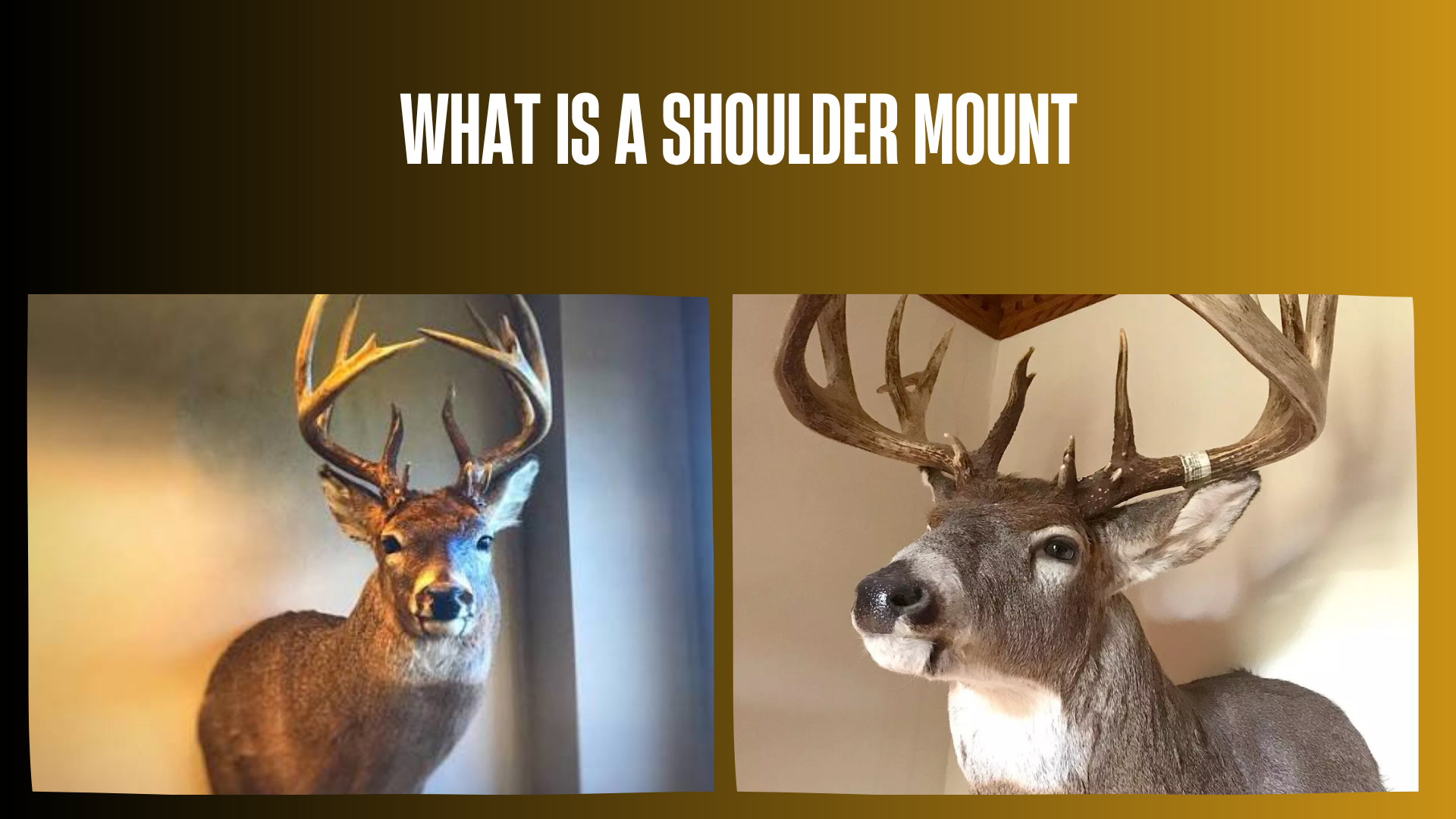

A shoulder mount is one of the most recognizable ways to display a hunting trophy. When people imagine a mounted deer head hanging on a wall, they are usually thinking of this type of taxidermy.
However, a shoulder mount involves much more than attaching antlers to a plaque. It combines a preserved animal hide with a carefully shaped form to recreate the animal’s head, neck, shoulders, and natural appearance.
Understanding what a shoulder mount includes can help hunters choose between different taxidermy styles, protect the cape after a harvest, communicate with a taxidermist, and prepare an appropriate place for the finished display.
Quick Answer
A shoulder mount is a taxidermy display that recreates an animal’s head, neck, and upper shoulder or chest area using its preserved hide over a sculpted form. For a deer, the finished mount typically includes the original antlers, prepared cape, artificial eyes, and a lifelike representation of the animal’s facial features. It is commonly displayed on a wall, although pedestal-mounted versions are also available. Unlike a European mount, which displays a cleaned skull and antlers, a shoulder mount recreates the animal’s appearance rather than emphasizing exposed bone.
The amount of hide preserved, the selected pose, and the taxidermist’s workmanship all affect the final result.
What Does a Shoulder Mount Include?
A traditional deer shoulder mount represents the front portion of the animal rather than its entire body.
Although the exact presentation varies by species and taxidermy style, most shoulder mounts include several recognizable components.
1. The Head and Facial Features
The head is the main visual focus of the mount.
The taxidermist recreates the animal’s facial anatomy, including its muzzle, nose, eyelids, ears, and characteristic expression.
Artificial eyes are commonly used to reproduce the appearance of the living animal. The positioning of these features contributes significantly to the realism of the finished display.
2. The Neck and Shoulders
The mount extends below the head to include the neck and a portion of the shoulders or upper chest.
This additional anatomy distinguishes a shoulder mount from a simple head-only or skull display.
The amount of visible shoulder and chest area depends on the selected form and pose.
3. The Preserved Cape
In taxidermy, the cape refers to the section of skin and hair retained for mounting.
For a deer shoulder mount, it includes the hide covering the head, neck, and sufficient shoulder and chest area.
The cape is professionally prepared and fitted over a sculpted form. Preserving its natural color, hair pattern, and overall condition helps retain the animal’s recognizable appearance.
4. Antlers or Horns
For an antlered deer, the original antlers are usually incorporated into the finished mount.
The taxidermist generally retains the appropriate skull plate and antler attachment rather than preserving the entire skull inside the completed shoulder mount.
Species with horns require handling appropriate to their horn structure and anatomy.
5. The Internal Mannequin
A modern shoulder mount is not simply a hollow animal skin filled with loose stuffing.
Taxidermists commonly use a sculpted mannequin, often called a form, to recreate the animal’s underlying anatomy.
This form provides the shape of the head, neck, shoulders, and selected pose.
The prepared hide is fitted over the form and adjusted to reproduce natural anatomical details.
The Smithsonian’s historical taxidermy mannequin documentation illustrates the use of constructed forms beneath preserved animal skins.
How Is a Deer Shoulder Mount Made?
Producing a shoulder mount requires several stages of preparation, preservation, sculpting, and finishing.
The exact techniques vary between taxidermists, species, and individual specimens, but the general process follows a recognizable sequence.
Step 1: Preparing the Trophy
After a legally harvested animal is recovered, the hunter or taxidermist identifies which portions must be preserved for the intended mount.
For a conventional deer shoulder mount, the head and an adequately sized cape are needed.
The hunter should contact the taxidermist before making unnecessary cuts around the neck, chest, or shoulders.
Proper field care matters because damaged skin, missing hair, and inadequate cape length can make a satisfactory mount more difficult to produce.
Step 2: Preserving the Cape
The cape must be handled promptly to limit deterioration.
The taxidermist removes remaining tissue and prepares the hide for preservation.
Professional tanning or another appropriate preservation process helps stabilize the skin before mounting.
The preparation method should be selected by the taxidermist rather than improvised in the field.
Step 3: Selecting the Form
The taxidermist selects a mannequin that corresponds to the animal’s measurements and the requested pose.
Important dimensions may include the nose-to-eye distance, neck circumference, and other anatomical measurements needed for the specific form.
A form that does not match the cape can create unnatural proportions, loose areas, or excessive tension.
Step 4: Positioning the Antlers and Cape
The antlers or horns are positioned according to the animal’s anatomy.
The prepared cape is then fitted over the mannequin.
The taxidermist adjusts the ears, eyes, muzzle, mouth, and other details while working to maintain natural proportions.
Step 5: Finishing the Mount
After the mount has been assembled and the necessary materials have set or dried, the taxidermist completes the finishing work.
This may include refining the nose, eyes, and other facial details, grooming the hair, and checking the overall appearance.
The finished piece is then prepared for secure display.
Because this work depends on hide condition, species, preparation methods, and artistic detail, the production process and completion time vary considerably.
Shoulder Mount vs. European Mount vs. Full-Body Mount
Hunters commonly compare shoulder mounts with European mounts and full-body mounts when deciding how to preserve an animal.
Each style displays a different portion of the specimen and requires different preparation.
| Mount Type | What It Displays | Main Characteristics | Important Considerations |
|---|---|---|---|
| Shoulder Mount | Head, neck, and upper shoulders or chest | Preserved cape fitted over a sculpted form | Requires an adequately preserved cape and sufficient display space |
| European Mount | Cleaned skull with antlers or horns | Emphasizes natural bone and antler structure | Does not reproduce the animal’s facial appearance |
| Antler Mount | Antlers and an associated skull plate | Compact trophy presentation | Does not include the full skull or preserved cape |
| Full-Body Mount | The animal’s entire body | Recreates the complete animal in a selected pose | Requires extensive preservation work and substantially more display space |
| Pedestal Shoulder Mount | Head, neck, and shoulder area | Shoulder mount displayed on a freestanding or elevated base | Requires appropriate support and surrounding space |
It is worth noting that a pedestal mount describes a presentation method rather than a completely separate anatomical category. A shoulder mount can be displayed on a pedestal instead of being attached directly to a wall.
How Is a Shoulder Mount Different From a European Mount?
The primary difference is the use of the preserved cape.
A shoulder mount recreates the animal’s face, neck, and shoulders, while a European mount typically displays a cleaned skull with attached antlers or horns.
A European mount does not require a sculpted head-and-shoulder mannequin or the original cape.
For a detailed comparison, see our related guide: What Is a European Mount?
Is a Shoulder Mount a Full-Body Mount?
No. A shoulder mount displays only the front portion of the animal.
A full-body mount recreates the entire animal, including its torso and legs.
Both can use preserved hide over a sculpted form, but the amount of material, preparation work, and required display space differs substantially.
What Are the Different Shoulder Mount Poses?
The pose determines the animal’s apparent posture, head direction, and overall presentation.
Taxidermists offer different forms and configurations, although available choices depend on the species and the individual studio.
Upright Pose
An upright pose presents the animal with its head and neck raised.
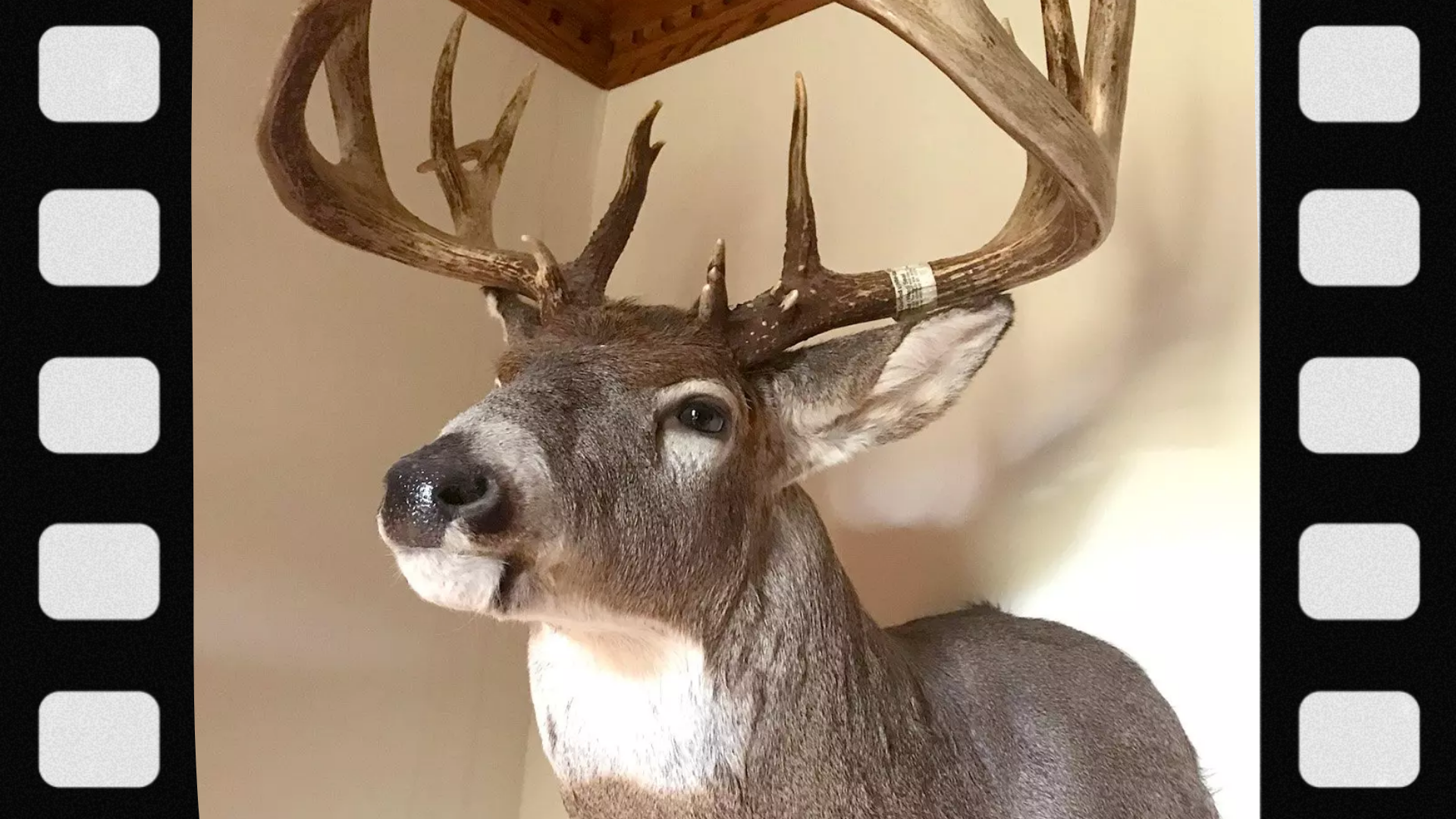
It is commonly associated with an alert or attentive appearance.
This style may suit a hunter who wants the deer presented in a recognizable standing posture.
Semi-Sneak Pose
A semi-sneak pose positions the head and neck somewhat lower and more forward than a fully upright mount.
It can create the impression of an animal moving cautiously or observing its surroundings.
Full-Sneak Pose
A full-sneak mount generally features a lower, more extended neck position.
The exact posture depends on the selected form and the taxidermist’s interpretation.
Head-Turn Poses
Many shoulder mount forms offer a head turned to the left or right.
Head-turn options can help accommodate the intended display location and the direction from which the mount will be viewed.
When discussing the pose, specify whether left and right refer to the animal’s direction of view or the viewer’s perspective.
Professional studios such as Karoo Taxidermy show examples of shoulder mounts with different head directions and presentation styles.
What Animals Can Be Shoulder Mounted?
Although deer are strongly associated with shoulder mount taxidermy, the technique is used for many other animals.
Examples include:
- White-tailed deer
- Mule deer
- Elk
- Moose
- Pronghorn
- Caribou
- Various legally obtained antelope species
- Other suitable large-game mammals
The appropriate mounting method depends on the species, specimen condition, available forms, legal documentation, and taxidermist’s experience.
For wildlife covered by special conservation or trade restrictions, lawful possession and transport must be established before commissioning taxidermy.
Why Do Hunters Choose Shoulder Mounts?
A shoulder mount combines a recognizable representation of the animal with a display that uses less space than a full-body mount.
Preserving a Meaningful Hunting Memory
Some hunters commission a shoulder mount to commemorate a first deer, a memorable hunting experience, or an animal of personal significance.
The mount preserves visual details that would not appear in a skull-only display, such as coat coloration and facial features.
Displaying the Animal’s Natural Appearance
A shoulder mount retains the relationship between the head, antlers, neck, and shoulders.
For many hunters, these features are central to how they remember the animal.
Providing Several Display Options
Different forms allow hunters to choose the posture and head direction that suit their available space.
Some prefer a traditional wall-hanging presentation, while others choose a pedestal display.
Using Less Space Than a Full-Body Mount
A shoulder mount generally requires less floor space than a full-body specimen.
However, the antlers, shoulder form, and head direction can still require substantial wall width and projection into the room.
How Should You Prepare a Deer for a Shoulder Mount?
If you are considering a shoulder mount, the decision should ideally be made before the animal is skinned.
The cape required for a mount extends farther down the animal than beginners sometimes expect.
Once necessary material has been removed or severely damaged, the original cape may no longer be suitable.
Keep Enough Cape
A taxidermist needs sufficient hide to cover the entire intended form.
Leave more cape than you believe is necessary rather than trimming close to the shoulders.
The taxidermist can remove excess material during preparation.
Avoid Unnecessary Damage
Do not make unnecessary cuts through the throat, chest, or neck when those areas will be included in the mount.
Handle the animal in a way that limits abrasion to the head and shoulders.
Damage to the cape may require additional repair work and can affect the finished appearance.
Keep the Trophy Cool
Prompt cooling helps limit deterioration of the hide.
Do not leave a cape in a warm vehicle or otherwise allow it to remain exposed to high temperatures for an extended period.
Contact your taxidermist for instructions on refrigeration, freezing, packaging, and delivery.
Do not assume that salting a fresh cape is appropriate. Preparation requirements vary, and some taxidermists specifically advise against salting a cape before delivery.
Follow the Taxidermist’s Instructions
Different studios may request the complete head and cape or a cape prepared according to their preferred method.
If you are inexperienced, ask the taxidermist to explain the required field preparation before attempting detailed facial caping.
The Texas Parks and Wildlife Department’s trophy preservation guidance explains why the correct cape and prompt handling matter for shoulder mount preparation.
Are There Legal Restrictions on Shoulder Mounts?
Yes. Wildlife possession, transport, taxidermy, and disease-management requirements can affect how a trophy is handled.
The applicable rules depend on the species, harvest location, destination, and whether animal parts will cross state or international boundaries.
Hunting Tags and Harvest Documentation
Make sure the animal was legally harvested and that required tagging, registration, and harvest documentation have been completed.
Ask the taxidermist what documentation must accompany the specimen.
Do not assume that separating the head or cape from the carcass eliminates the need for legally required identification.
Chronic Wasting Disease Restrictions
Chronic wasting disease, commonly called CWD, affects deer, elk, moose, and related animals.
To limit disease spread, some jurisdictions regulate the movement of carcasses and high-risk animal parts, including certain heads, skull material, and unfinished taxidermy specimens.
For example, the Pennsylvania Game Commission’s CWD Cooperator Program establishes requirements for approved processors and taxidermists handling designated high-risk material.
These are location-specific rules, not universal requirements for every hunter.
Before moving a trophy, check current regulations for both the harvest location and destination.
Can a Deer Be Tested for CWD and Still Be Shoulder Mounted?
In some circumstances, yes.
The taxidermist and testing program may be able to coordinate the preparation of the cape and skull material with the collection of an appropriate CWD sample.
The Wisconsin Department of Natural Resources provides guidance for hunters who want a deer tested while preserving it for a shoulder or European mount.
Arrange this before altering the head or submitting the specimen.
Safe Handling of Animal Tissues
Wear appropriate gloves when handling a carcass or animal tissues, and avoid unnecessary contact with brain and spinal tissues.
Follow applicable wildlife-agency recommendations for CWD testing and carcass disposal.
The Centers for Disease Control and Prevention advises hunters to follow local testing guidance and avoid consuming meat from animals that test positive for CWD.
Do not assume that taxidermy preparation makes an otherwise illegal or improperly handled specimen acceptable for transport.
How Much Does a Shoulder Mount Cost?
There is no universal price for a shoulder mount.
The final cost depends on several factors, including the animal species, size, taxidermist’s labor, cape condition, selected form, and requested finishing details.
Factors That Affect the Price
- Species and size: Larger animals generally require larger forms and more preparation work.
- Cape condition: Damage, missing hair, or necessary repairs can increase the workload.
- Pose: Specialized forms and custom positioning may affect the quotation.
- Finishing details: Additional habitat elements, specialized bases, or custom presentation can increase complexity.
- Studio workload: Scheduling and available capacity may affect completion time.
- Shipping: Transporting a prepared trophy, particularly a large specimen, can add expenses.
Ask for a written estimate that identifies what is included in the standard mount and which services carry additional charges.
Do not assume that the least expensive quotation will include the same preparation, finishing, or mounting hardware as another studio’s estimate.
How Long Does a Shoulder Mount Take?
Completion time varies considerably.
A professional shoulder mount requires hide preparation, form selection, assembly, drying or setting time, and finishing work.
The taxidermist may also need to coordinate with a tannery or wait for specific materials.
Workload and seasonal demand can affect scheduling.
Before leaving your trophy, ask about the expected completion window, whether the cape will be handled in-house or by an outside tannery, and how you will be informed when the mount is ready.
A completion estimate should be treated as a studio-specific projection rather than a universal taxidermy timeline.
How to Choose a Taxidermist for a Shoulder Mount
The condition of the cape is important, but the taxidermist’s craftsmanship also influences the finished result.
Review Completed Work
Look at examples of the same species you intend to mount.
Pay attention to anatomical proportions, ear placement, eyes, muzzle details, hair grooming, and the overall consistency of the work.
Discuss the Pose Before Work Begins
Explain whether you prefer an upright, semi-sneak, full-sneak, or head-turn presentation.
Reference photographs can help communicate your preferences.
Ask About Cape Preparation
Clarify what the taxidermist wants you to bring and how the specimen should be stored before delivery.
If the animal was harvested in a CWD management area, confirm that the studio is legally permitted to receive the relevant material.
Understand the Estimate
Ask whether the quoted service includes tanning, the mannequin, antler preparation, finishing, mounting hardware, and any special display features.
Discuss possible additional charges for repairs or replacement material if the cape is damaged.
Confirm the Expected Timeline
Ask how long the studio expects the work to take and whether a deposit is required.
Choose a taxidermist whose work, communication, and terms match your expectations.
How to Display and Maintain a Shoulder Mount
A completed shoulder mount still requires appropriate care.
Although the hide has been preserved, it remains a natural material that can be affected by light, moisture, pests, and unsuitable handling.
Choose a Suitable Display Location
Choose a dry indoor area away from persistent dampness and direct sunlight.
Prolonged light exposure can contribute to fading, while inappropriate moisture conditions can damage preserved organic materials.
The National Park Service Museum Handbook discusses environmental deterioration affecting natural history collections, including fur, skins, and other organic specimens.
Use Appropriate Mounting Hardware
Make sure the wall and mounting hardware can safely support the finished specimen.
Large antlers may extend considerably beyond the shoulder form, so account for both weight and clearance.
Follow the taxidermist’s installation instructions.
Remove Dust Carefully
Use a gentle cleaning method recommended by the taxidermist.
Avoid aggressive brushing, soaking, harsh chemicals, and unnecessary handling of delicate features.
Do not assume that household cleaning products are suitable for preserved hide or artificial finishing materials.
Inspect for Pest Activity
Periodically inspect the mount for unusual hair loss, insect activity, or signs of deterioration.
If you notice a problem, contact a qualified taxidermist or conservator before applying pesticides or attempting repairs.
Common Shoulder Mount Mistakes to Avoid
Cutting the Cape Too Short
One of the most consequential preparation mistakes is removing too much hide before the taxidermist receives the animal.
Retain sufficient cape and ask for instructions before cutting.
Allowing the Hide to Become Too Warm
Delayed cooling can compromise the cape and contribute to deterioration.
Arrange prompt storage and delivery.
Choosing a Pose Without Considering the Room
A head-turn form may require more clearance on one side than a straight-ahead presentation.
Measure the intended display location and account for antler spread.
Failing to Discuss Existing Damage
Tell the taxidermist about visible cuts, missing hair, or other damage.
This allows the studio to assess repair options before beginning work.
Ignoring Wildlife Transport Restrictions
Do not transport raw heads or other regulated animal parts across jurisdictional boundaries without checking current rules.
Consult the relevant wildlife agencies and arrange approved processing when required.
Using Inappropriate Cleaning Products
Household chemicals may damage natural fur, preserved skin, or painted features.
Use the maintenance method recommended for the finished mount.
FAQs
1. What is a shoulder mount in hunting?
It is a taxidermy display that recreates the head, neck, and upper shoulders of a legally obtained animal using preserved hide over a sculpted form.
2. Is a deer head on the wall a shoulder mount?
Usually, yes, when the display includes the preserved face, neck, and shoulder area. A skull-only display is generally called a European mount.
3. Does a shoulder mount include the whole deer?
No. It represents the front portion of the animal rather than the entire body.
4. Are the antlers real on a shoulder mount?
Traditional deer shoulder mounts commonly incorporate the animal’s original antlers. Replica components may be used in certain circumstances, but that should be discussed with the taxidermist.
5. Are the eyes real?
No. Taxidermists typically use artificial eyes designed to recreate the animal’s natural appearance.
6. Is the skin on a shoulder mount real?
Traditional shoulder mounts use a professionally prepared animal hide, known as the cape, fitted over a sculpted form.
7. Is a shoulder mount stuffed?
Not in the simple sense of filling the original body with loose stuffing. Modern mounts commonly use a shaped mannequin beneath the preserved hide.
8. What is a deer cape?
It is the section of hide covering the head, neck, and enough shoulder or chest area to complete the intended taxidermy mount.
9. How much cape do I need for a shoulder mount?
The required amount depends on the species, animal size, and selected form. Leave extra material and follow the taxidermist’s instructions rather than trimming it closely.
10. Can a damaged cape still be mounted?
Sometimes. Small tears and other defects may be repairable, but severe damage or missing material can limit the available options.
11. Can I use a replacement cape?
In some cases, a taxidermist may be able to use a legally obtained replacement cape. Suitability depends on measurements, coloration, condition, and applicable wildlife regulations.
12. Can I make a shoulder mount from a European mount?
Possibly, if appropriate antlers or skull material remain available and a suitable cape can be legally obtained. The result depends on the condition and preparation of the original materials.
13. Is a shoulder mount more expensive than a European mount?
It generally involves more hide preparation, sculpting, assembly, and finishing work, so the cost is often higher. Actual quotations vary by taxidermist and specimen.
14. Can a shoulder mount be displayed without a wooden plaque?
Yes. Some mounts use concealed wall hardware, while others incorporate decorative plaques or custom bases.
15. What is a pedestal shoulder mount?
It is a head-and-shoulder taxidermy display presented on a pedestal or freestanding base rather than solely as a conventional wall mount.
16. What is an upright shoulder mount?
It is a pose in which the animal’s head and neck are presented in a raised, relatively alert position.
17. What is a semi-sneak shoulder mount?
It uses a somewhat lower, forward-positioned neck and head compared with a fully upright pose.
18. Can elk and moose be shoulder mounted?
Yes. Shoulder mounts are used for several large-game species, including elk and moose, provided the specimen can be legally possessed and prepared.
19. How long does a shoulder mount last?
A professionally prepared and properly maintained mount may remain displayable for many years. Longevity depends on preservation quality, environmental conditions, pest prevention, and handling.
20. Can sunlight damage a shoulder mount?
Yes. Prolonged light exposure may cause fading and deterioration of natural materials. Avoid persistent direct sunlight.
21. Can I clean a shoulder mount with water?
Do not soak or wet-clean a mount without guidance from the taxidermist. Cleaning methods depend on the preserved materials and finishing techniques.
22. Do shoulder mounts attract insects?
Preserved animal materials can be vulnerable to certain pests. Inspect the mount periodically and seek professional advice if you notice insect activity.
23. How should I transport a finished shoulder mount?
Protect the antlers, ears, muzzle, and other delicate areas, and secure the specimen against movement. Ask the taxidermist for packing advice and verify applicable wildlife transport rules.
24. Do I need a hunting tag to take a deer to a taxidermist?
Required documentation varies by jurisdiction. Follow the harvest identification, tagging, and transport requirements established by the relevant wildlife agency.
25. Can a deer be tested for CWD before mounting?
Yes, in some jurisdictions and circumstances. Coordinate with the taxidermist and the official testing program before the head is altered or submitted.
26. Can I ship an unfinished shoulder mount across state lines?
Do not assume that shipment is permitted. Rules concerning raw heads, capes, and unfinished taxidermy material can differ between jurisdictions, particularly where CWD restrictions apply.
27. What should I ask a taxidermist before ordering a shoulder mount?
Discuss the required cape, available poses, preservation methods, estimate, expected completion time, mounting hardware, and any legal documentation needed.
28. Is a shoulder mount suitable for a small room?
It may be, depending on the animal and available clearance. Measure the space and account for antler width, mount depth, and head direction before choosing the form.
Final Answer
A shoulder mount is a taxidermy presentation that recreates an animal’s head, neck, and upper shoulders using preserved hide over a sculpted form. For deer, it commonly includes the original antlers, prepared cape, artificial eyes, and carefully reconstructed facial features.
It differs from a European mount because it preserves the animal’s lifelike appearance rather than displaying the cleaned skull alone.
If you intend to commission a shoulder mount, protect the cape, keep the specimen appropriately cool, communicate with the taxidermist before making unnecessary cuts, and verify all applicable harvest and transport requirements. These preparations help preserve your options and support a responsible, high-quality finished display.
Read more: