
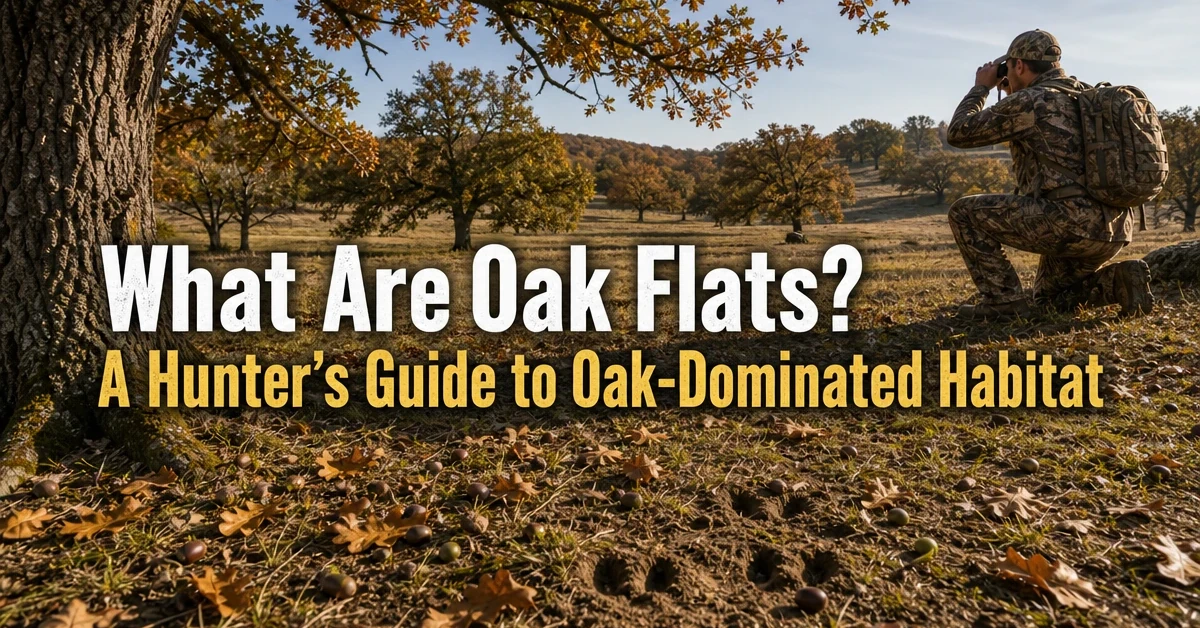

What are oak flats? In hunting, oak flats are relatively level areas covered by mature oak trees, often found on ridges, benches, or gently sloping ground. They matter because falling acorns can provide an important seasonal food source for deer, wild turkeys, squirrels, and other wildlife. Learning to recognize oak species, food availability, bedding cover, travel routes, and hunting pressure can help you scout these areas responsibly.
What Are Oak Flats in Hunting?
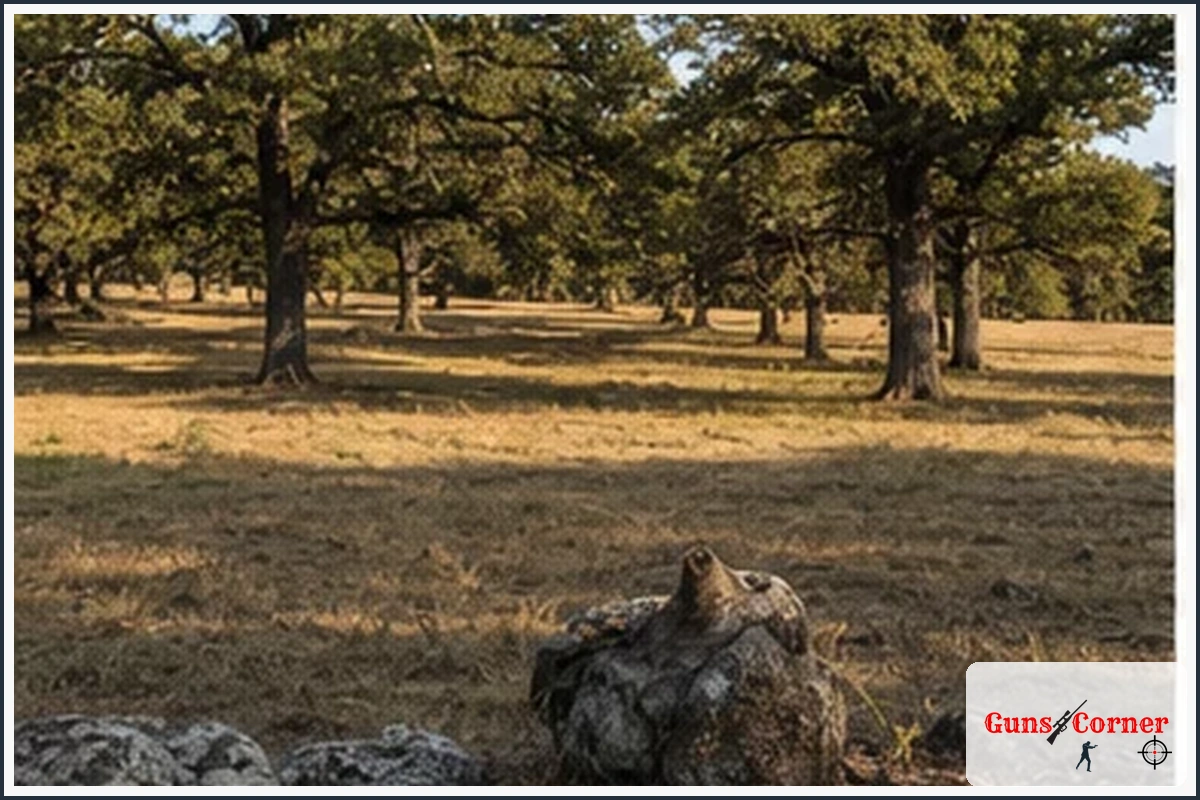
An oak flat is a fairly level patch of land where oak trees are common enough to create a recognizable habitat feature. The ground may be completely flat or only gently sloped compared with the surrounding terrain.
Oak flats are often found:
- On broad ridgetops
- Along benches on hillsides
- Near creek bottoms and river terraces
- Between bedding cover and feeding areas
- At the edges of clear-cuts, fields, or thick regeneration
The term describes terrain and vegetation, not a single guaranteed hunting location. An oak flat may be valuable one season and much less attractive another, depending on acorn production, weather, food availability, and hunting pressure.
Why Oak Flats Matter to Wildlife
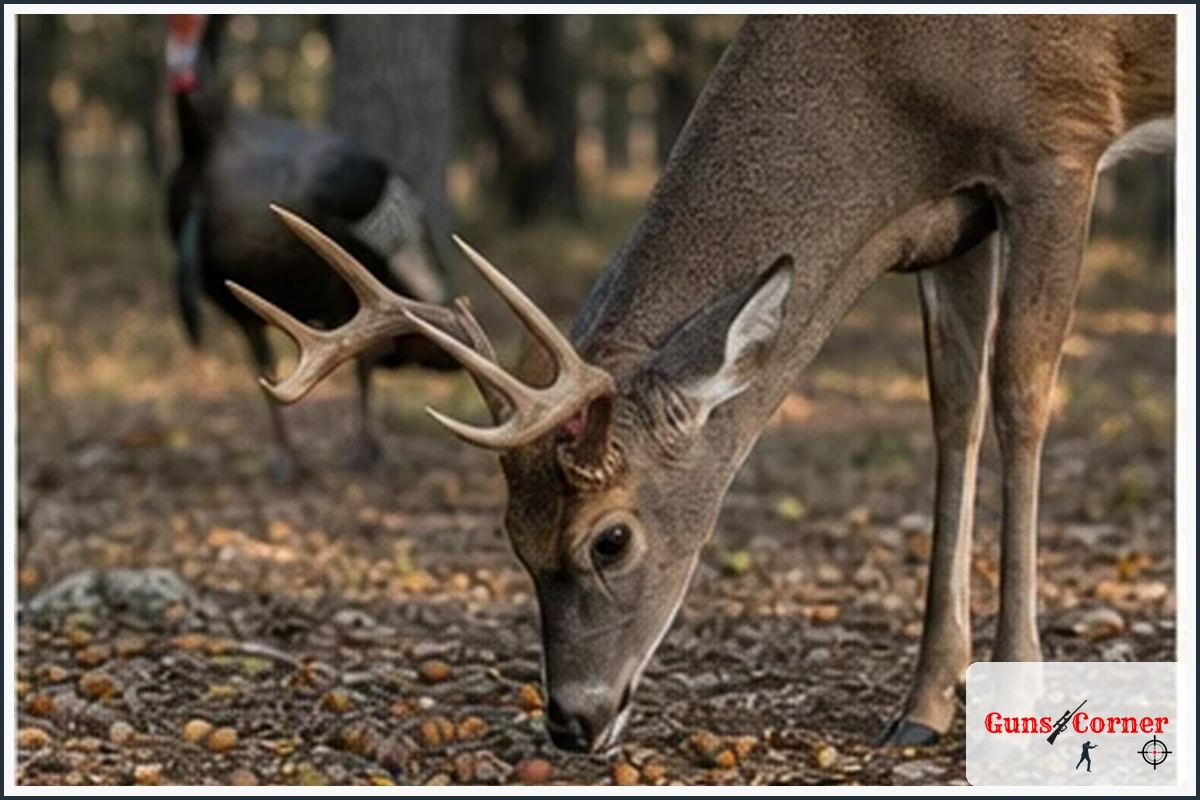
Oak trees produce acorns, which are energy-rich foods used by many wildlife species. White oak acorns generally mature earlier and often contain less tannin, while red oak acorns commonly mature later and may remain available longer. Production varies by species, tree age, weather, and year.
| Wildlife | Why Oak Flats May Matter | What to Look For |
|---|---|---|
| Whitetail deer | Acorns can provide seasonal food and attract deer movement. | Freshly opened acorns, tracks, droppings, trails, and nearby cover. |
| Wild turkeys | Turkeys may feed beneath oaks and use nearby timber for travel and roosting. | Scratchings, feathers, tracks, droppings, and open forest floor. |
| Squirrels | Oak mast is an important food source in many regions. | Chewed shells, cuttings, nests, and active tree movement. |
| Black bears and other wildlife | Acorns may supplement seasonal diets where available. | Tracks, scat, overturned cover, and other species-specific sign. |
How to Identify an Oak Flat
1. Look for relatively level terrain
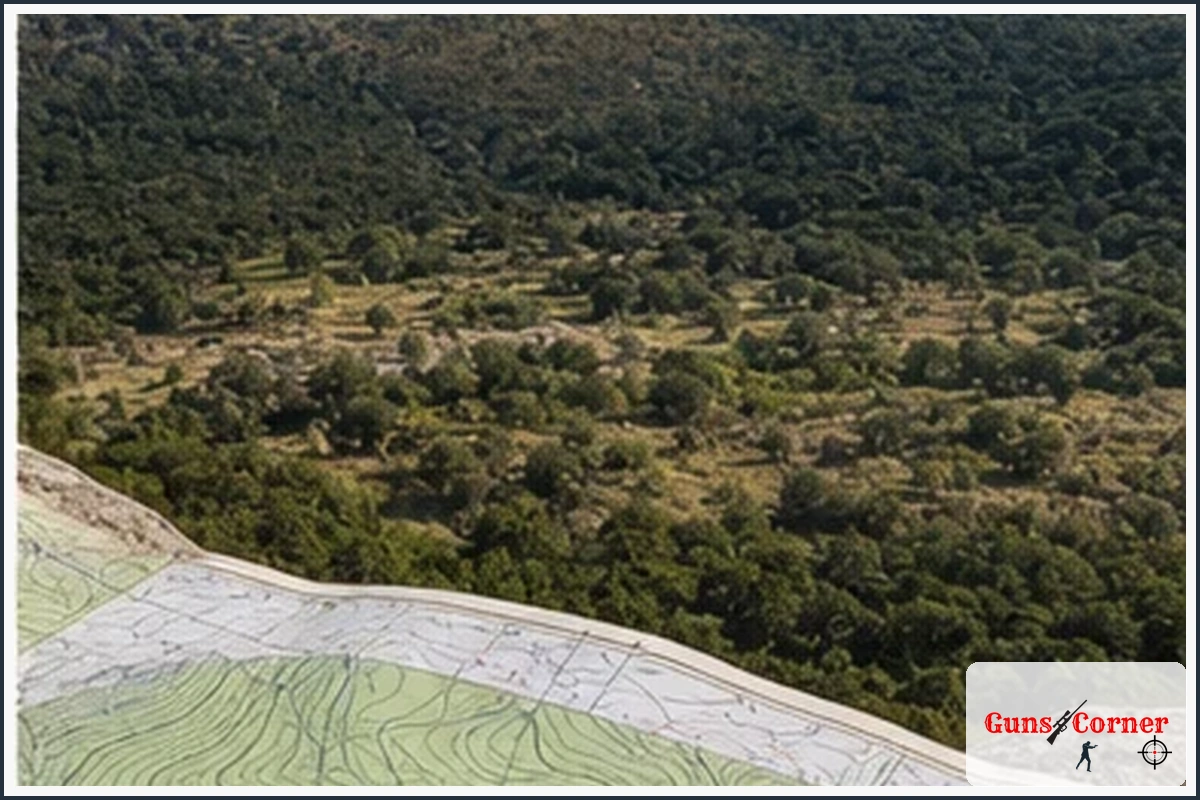
Compare the area with the surrounding landscape. A flat may be a wide ridgetop, a narrow bench, or a level terrace beside a creek. Topographic maps and satellite imagery can help identify these features before an in-person scouting trip.
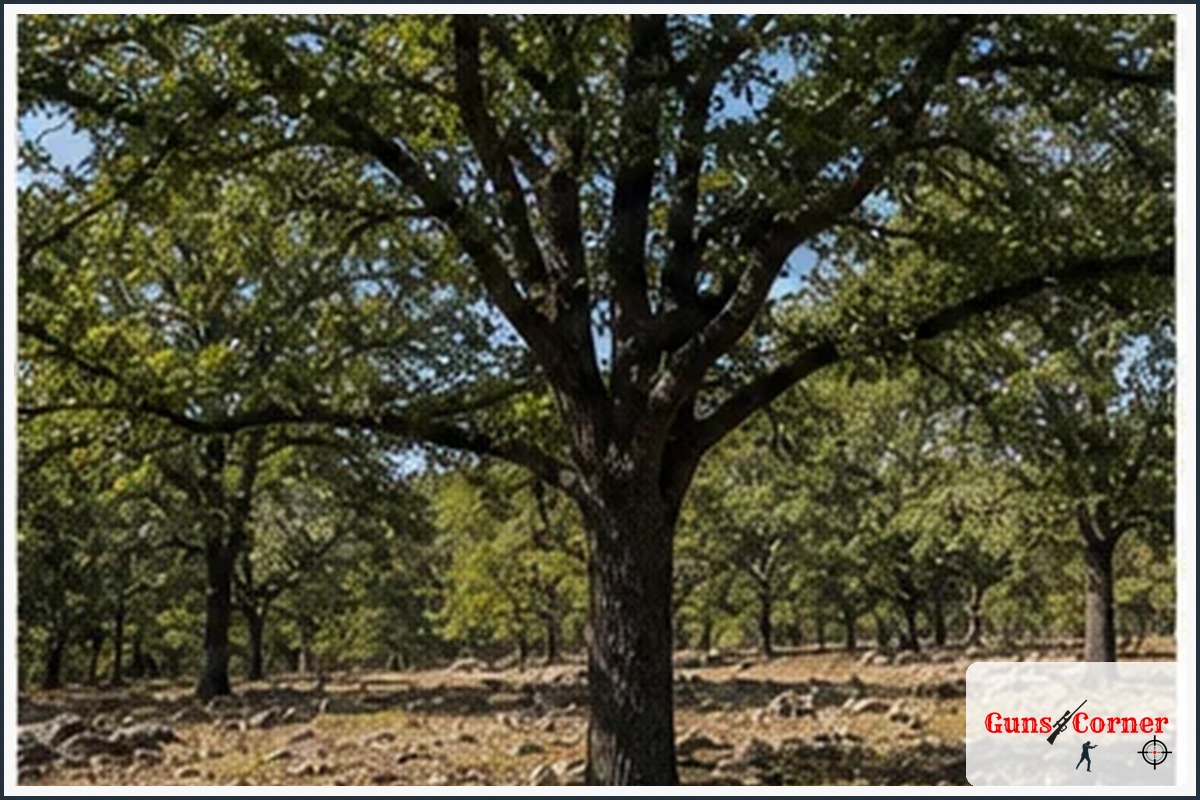
2. Confirm the presence of oak trees
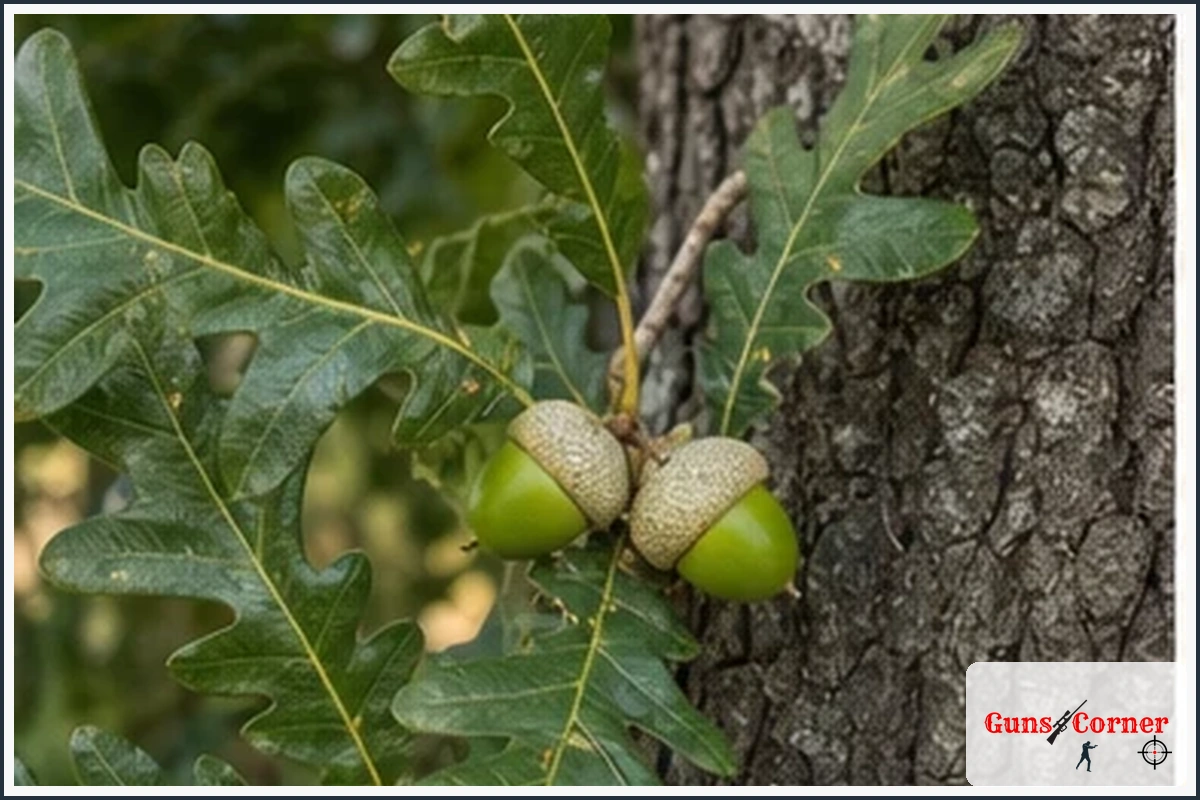
Look for oak leaves, bark, acorns, and the shape of the canopy. Oak species vary by region, so a local field guide or wildlife-agency resource can help with identification.
3. Search for mast
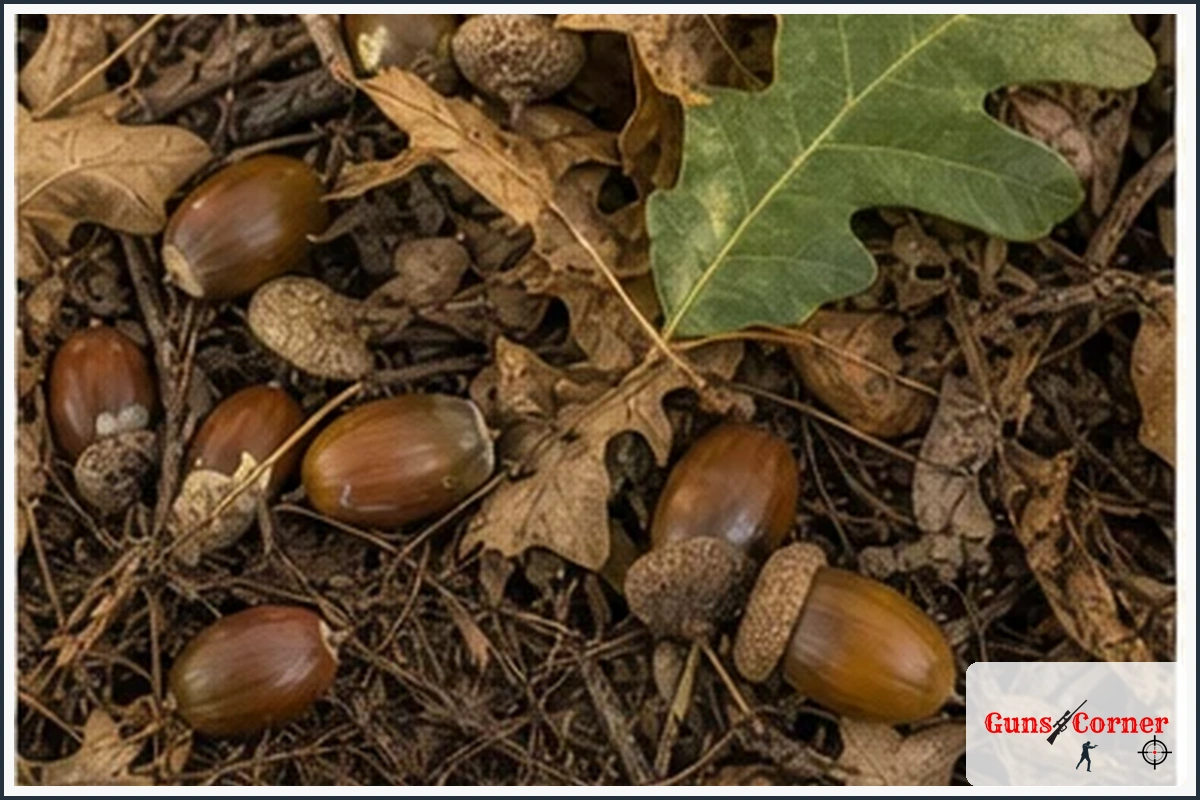
Mast is the fruit or nut produced by woody plants. Acorns scattered beneath trees are a useful clue, but finding acorns does not prove that animals are currently using the area heavily.
4. Examine surrounding cover
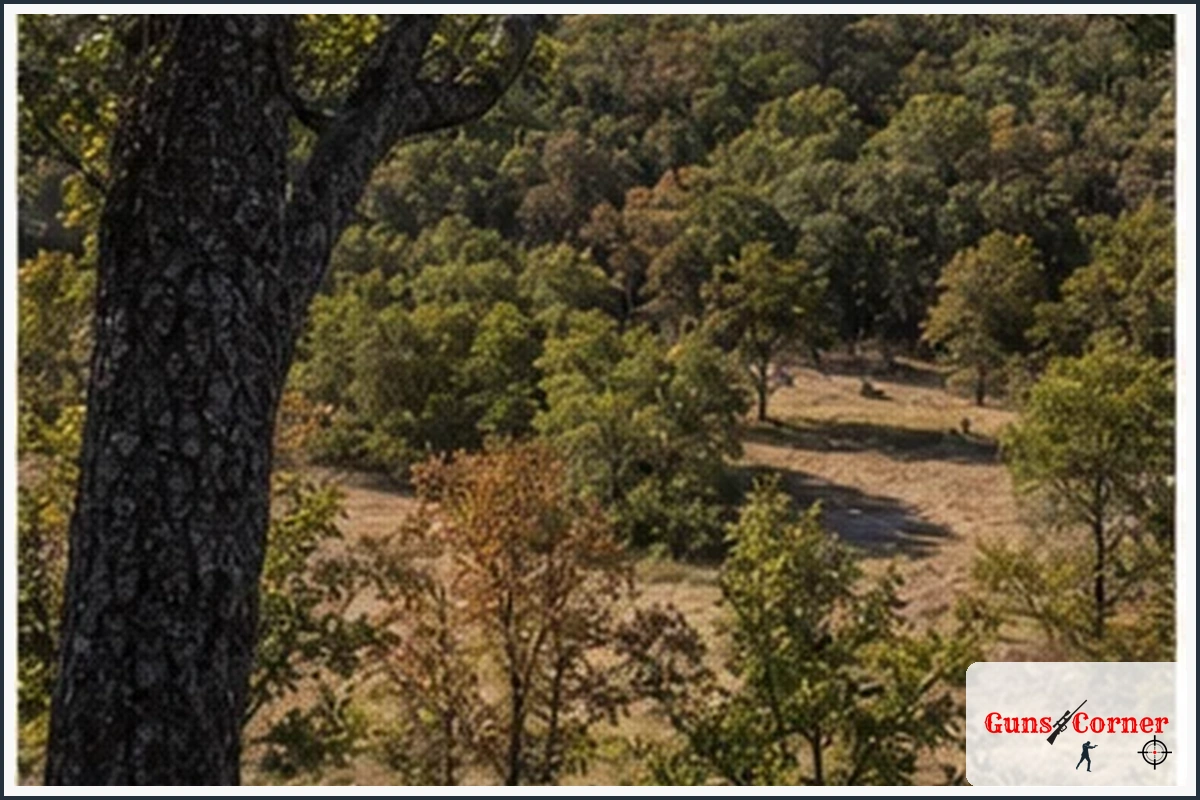
Oak flats are more useful for scouting when considered with nearby bedding cover, thick brush, water, escape routes, and travel corridors. Wildlife often balances food, security, and ease of movement.
5. Check current sign carefully
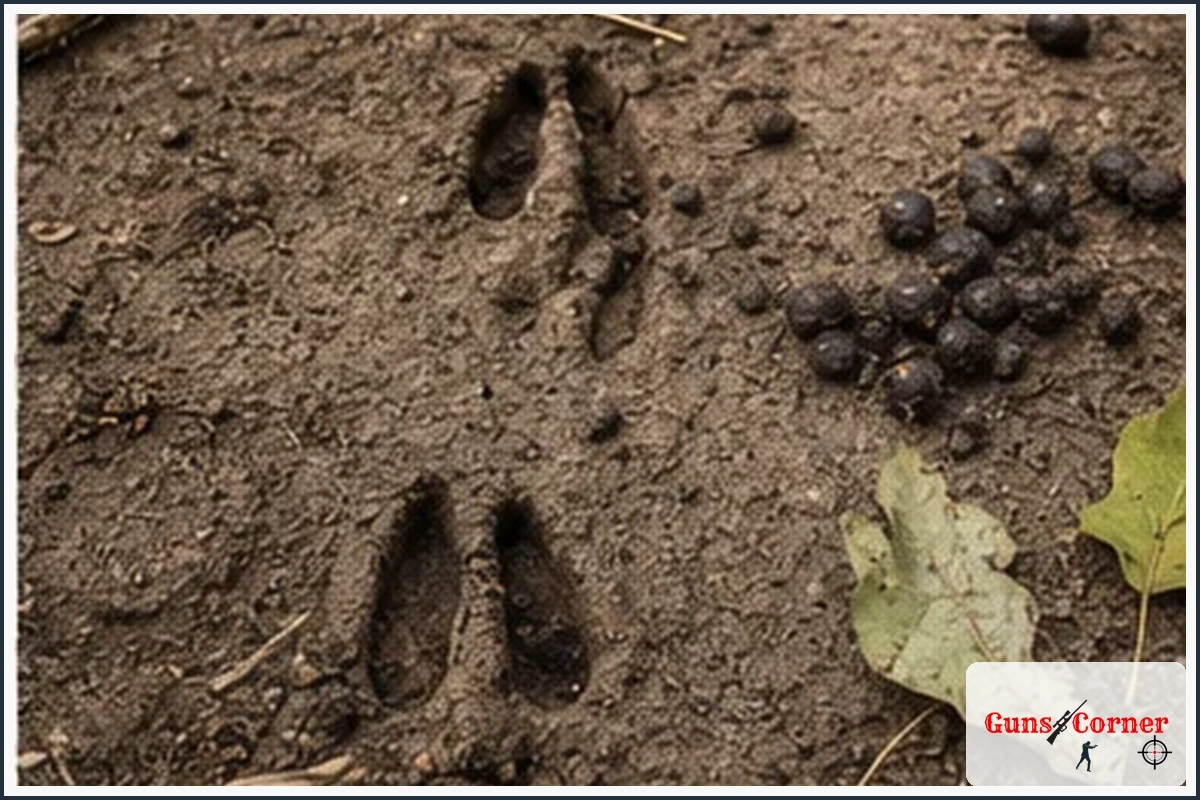
Tracks, droppings, trails, browse, scratchings, and fresh feeding sign can show recent use. Old sign can remain visible long after animals change their routines, so freshness matters.
Do Deer Always Use Oak Flats?
No. Deer use oak flats when the available food, cover, terrain, weather, and disturbance make them worthwhile. A strong acorn crop may attract deer, but deer can shift to agricultural fields, soft mast, browse, or other food sources when those options are more attractive.
Deer movement may also change with:
- Acorn availability and freshness
- Temperature and rainfall
- Wind direction
- Breeding activity
- Hunting pressure
- Nearby bedding cover
- Human activity and access routes
- Changes in agricultural or natural food sources
Use oak flats as one part of a larger habitat picture rather than assuming every oak flat is automatically a productive stand location.
How to Scout an Oak Flat Responsibly
- Study maps first. Identify terrain, access points, water, cover, property boundaries, and likely travel routes.
- Verify land access. Obtain permission for private property and check current public-land rules before entering.
- Scout during suitable conditions. Avoid unnecessary disturbance near bedding areas, roosts, or active feeding locations.
- Locate food and cover together. Mark areas where oak mast is close to security cover or travel corridors.
- Evaluate the wind. A location is only practical if you can approach and hunt it without frequently carrying your scent toward wildlife.
- Record changing conditions. Note acorn production, fresh sign, weather, water levels, and hunting pressure.
- Plan a safe exit. Make sure leaving the area will not disturb animals or place you near roads, homes, livestock, or other hunters.
Oak Flats and Hunting Setup Considerations
If you hunt an oak flat, the best location is not necessarily the center of the acorn-producing area. A position along the edge of bedding cover, a funnel, or a travel route may offer a safer and more practical observation point.
Before setting up, consider:
- Whether the wind remains favorable during the expected hunting period
- Whether your approach crosses likely travel routes
- Whether you have a safe backstop and clear shooting lanes
- Whether other hunters may approach from another direction
- Whether the location complies with public- and private-land rules
- Whether a tree stand, blind, or ground position can be used safely
For elevated hunting, inspect equipment, follow the manufacturer’s weight limits, use a full-body fall-arrest system and lifeline, and maintain three points of contact while climbing. Never carry a loaded firearm while climbing.
Common Mistakes When Hunting Oak Flats
- Assuming every oak flat has fresh food. Check current mast production instead of relying on the presence of trees alone.
- Ignoring wind direction. A promising location can fail if your scent reaches nearby wildlife.
- Overlooking hunting pressure. Animals may shift toward thicker or less-accessible cover after repeated disturbance.
- Scouting too aggressively. Excessive visits can change animal movement and reduce the value of the area.
- Focusing only on food. Bedding cover, security, water, and travel routes also influence wildlife behavior.
- Taking unsafe shots. Never shoot at unidentified movement or without knowing what lies beyond the target.
- Ignoring property boundaries. Plan access and game recovery without trespassing.
Safety and Legal Considerations
Hunting oak flats requires the same firearm or archery safety standards used in any other habitat. Treat every firearm as loaded, keep the muzzle pointed in a safe direction, keep your finger outside the trigger guard until ready to shoot, and be certain of your target and what is beyond it.
Before hunting, verify current requirements for licenses, tags, seasons, legal weapons, hunter orange, baiting, access, and tree stands with the appropriate state wildlife agency or land-management authority. Rules can vary by location, species, wildlife-management unit, and season.
Follow fair-chase principles, respect landowners and other hunters, make a reasonable effort to recover harvested game, and stop when visibility, weather, terrain, or health conditions become unsafe.
Frequently Asked Questions About Oak Flats
1. What are oak flats?
Oak flats are relatively level areas dominated by oak trees. In hunting, they are often considered seasonal feeding and travel habitat because of acorn production.
2. Are oak flats good for deer hunting?
They can be, especially when fresh acorns are available near bedding cover and travel routes. Their value changes with food availability, weather, and hunting pressure.
3. What is mast?
Mast is the fruit or nut produced by trees and shrubs. Acorns are hard mast and can be an important wildlife food.
4. Do all oak flats have acorns?
No. Oak species, tree health, weather, insect damage, and seasonal conditions affect acorn production.
5. How can I tell if deer are using an oak flat?
Look for fresh tracks, droppings, trails, browsing, disturbed leaves, and recently opened acorns. Use several signs together rather than relying on one clue.
6. Are white oak flats better than red oak flats?
Neither is universally better. White and red oak groups differ in acorn timing and taste, but local deer behavior and annual production are more important than a simple category comparison.
7. When should I scout an oak flat?
Scout early enough to understand access and terrain, then reassess when acorns begin falling and fresh wildlife sign appears. Avoid unnecessary disturbance during sensitive periods.
8. Do deer bed in oak flats?
They may, but bedding depends on security cover, wind, terrain, temperature, and hunting pressure. Thick cover nearby may be more important than the oak trees themselves.
9. Should I hunt the middle of an oak flat?
Not necessarily. Edges, funnels, benches, and routes between food and bedding cover may provide better observation opportunities while reducing disturbance.
10. Do oak flats attract wild turkeys?
They can, particularly when acorns are available and the area offers open forest floor, nearby roosting habitat, and safe travel routes.
11. What other animals use oak flats?
Squirrels, black bears, wild turkeys, feral hogs, and many small mammals may use oak-dominated areas, depending on local habitat and food availability.
12. How do maps help locate oak flats?
Topographic maps can reveal broad ridges, benches, and terraces. Satellite imagery may help show canopy patterns, clearings, roads, and nearby cover.
13. Can trail cameras be used on oak flats?
Where legal, trail cameras can document timing and direction of movement. Follow current wildlife-agency and public-land rules because camera restrictions vary.
14. Do acorns guarantee deer movement?
No. Deer may choose other food sources or avoid an area because of wind, pressure, weather, predators, or human disturbance.
15. How does rain affect oak-flat hunting?
Rain can change scent conditions, ground noise, visibility, and movement, but its effect is not predictable everywhere. Assess the full weather pattern rather than relying on rain alone.
16. How does wind affect an oak-flat setup?
Wind determines whether your scent reaches likely travel or bedding areas. Choose a location and approach that keep the wind from exposing you.
17. Are oak flats found only in the eastern United States?
No. Oak habitats occur across much of North America, although the oak species, terrain, wildlife, and hunting practices differ by region.
18. Can an oak flat be on public land?
Yes. Confirm that the parcel is open to hunting, understand access rules, and check whether local restrictions apply to stands, bait, cameras, vehicles, or game recovery.
19. What should beginners bring when scouting an oak flat?
Carry legal identification and permits, weather-appropriate clothing, water, navigation tools, communication equipment, a first-aid kit, and any required safety gear.
20. Is it safe to climb a tree stand in an oak flat?
Use only a properly installed stand, inspect it before use, wear a full-body fall-arrest system connected according to the manufacturer’s instructions, and never climb with a loaded firearm.
21. Can I bait deer on an oak flat?
Baiting laws vary widely and may change because of wildlife-disease concerns. Check the current rules for the exact location before placing or hunting over any attractant.
22. Should I remove leaves to find acorns?
Lightly inspecting the ground is usually enough. Avoid excessive disturbance, damaging vegetation, or altering habitat during scouting.
23. What if an oak flat has no fresh sign?
Consider whether acorns are present, whether the sign is old, whether nearby food is better, and whether access or hunting pressure has changed animal movement. Scout connected habitat rather than forcing the location.
24. Are oak flats good places for a ground blind?
They can be if the blind remains concealed, does not obstruct travel, and provides safe shooting lanes. Check visibility, wind, access, and local blind regulations first.
25. What is the main lesson about oak flats?
An oak flat is a habitat feature, not a guaranteed hunting spot. Its value comes from the combination of oak mast, nearby cover, terrain, current wildlife sign, access, and safe hunting conditions.
Final Answer: What Are Oak Flats?
Oak flats are relatively level areas containing a significant number of oak trees, often valued by hunters because acorns can attract deer, turkeys, squirrels, and other wildlife. The most useful oak flats are evaluated alongside bedding cover, travel routes, water, wind, food availability, and hunting pressure. Scout carefully, follow current regulations, use safe equipment, and treat the habitat as part of a changing ecosystem rather than a guaranteed hunting location.